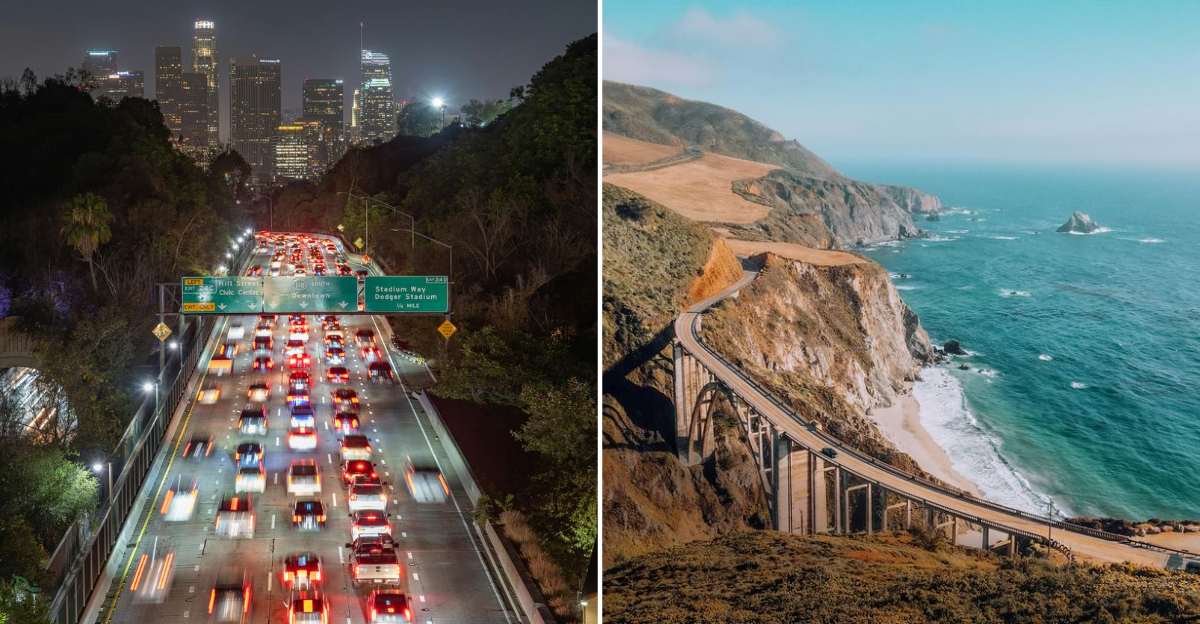
Ever planned a trip thinking it would be all smooth sailing, only to hit a few bumps along the way? That’s often the case with adventures in California. The state delivers some of the most stunning scenery you’ll ever see; towering cliffs, endless coastlines, national parks, and vibrant cities, but getting to those views isn’t always simple. Road trips can mean long drives through traffic, pricey stops, or crowded attractions that test your patience.
At the same time, the payoff is huge. Whether you’re hiking in Yosemite, cruising along Highway 1, or exploring hidden desert trails, the landscapes make every challenge worth it. It’s that mix of beauty and hassle that defines the California travel experience. I’ve had trips like this myself, where the detours and delays became part of the story.
In the end, the views always stick with you more than the hurdles. So if you’re ready for an adventure, California will wow you, even if the journey takes a little extra effort.
The Scenery Is Almost Unreal
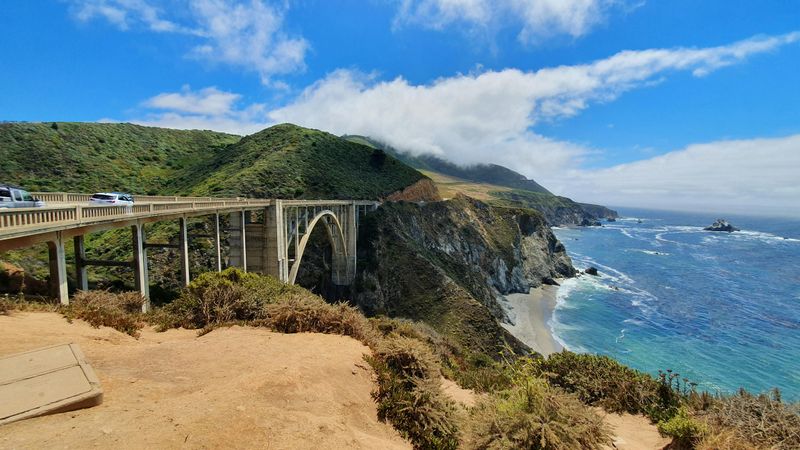
I love how California packs beaches, deserts, forests, and mountains into one state.
You can drive from ocean cliffs to alpine passes in a single day.
Routes like the Pacific Coast Highway deliver constant visual payoff. I like how the views are stunning enough to make you forget the stress.
Start around Bixby Creek Bridge on CA-1 near Big Sur and feel the scale hit hard. Then swing up to Glacier Point in Yosemite National Park and watch granite glow.
You could run Point Reyes Lighthouse for wind that feels personal and a sweep of blue. Drive Joshua Tree’s Park Boulevard and those boulders look arranged by giants.
California keeps stacking scenes like postcards thrown on your lap. It is a lot to handle in the best way possible.
You will pull over more than you planned and still miss shots. That is okay because the road keeps handing you fresh angles.
Views like these nudge plans aside and set their own rhythm. It feels like the state edits your route mid sentence, and it’s beautiful.
Distances Are Bigger Than They Look
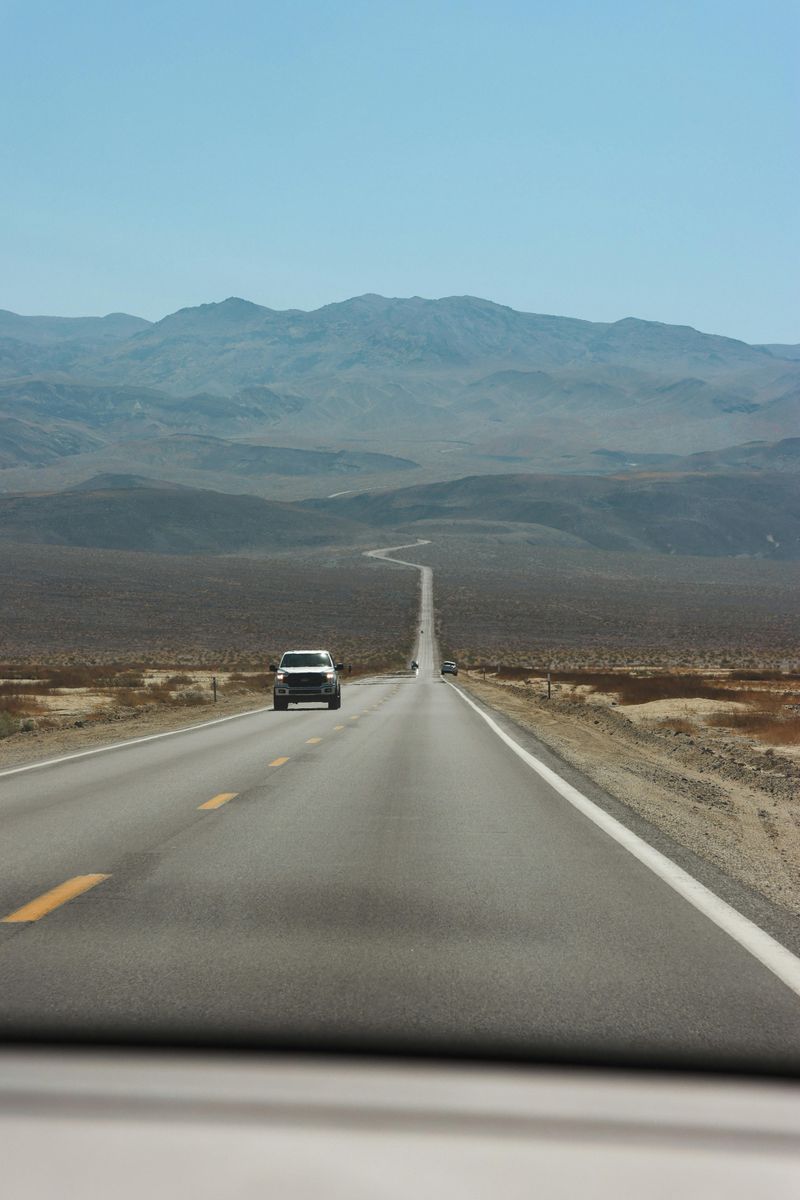
This state is massive, and drive times are often underestimated. What looks like a short hop can take half a day.
Mountain roads, coastal curves, and urban sprawl slow everything down. Planning errors add pressure fast, trust me.
Leaving Santa Monica for Santa Barbara sounds breezy until canyon traffic stacks up.
I think it helps to accept the miles as part of the story. Give yourself room to wander and breathe with the pace.
You can build in margins for fuel, breaks, and quick recalculations.
Aim for fewer stops and deeper time at each place. I suggest choosing a theme for the day and letting it guide turns.
Pick a coast day, a forest day, or a mountain day. That small focus keeps expectations honest and spirits level.
Make sure to use offline maps because dead zones appear at the worst times. Share the driving if you can and take real breaks, that really helps in my opinion.
Traffic Can Ruin The Mood
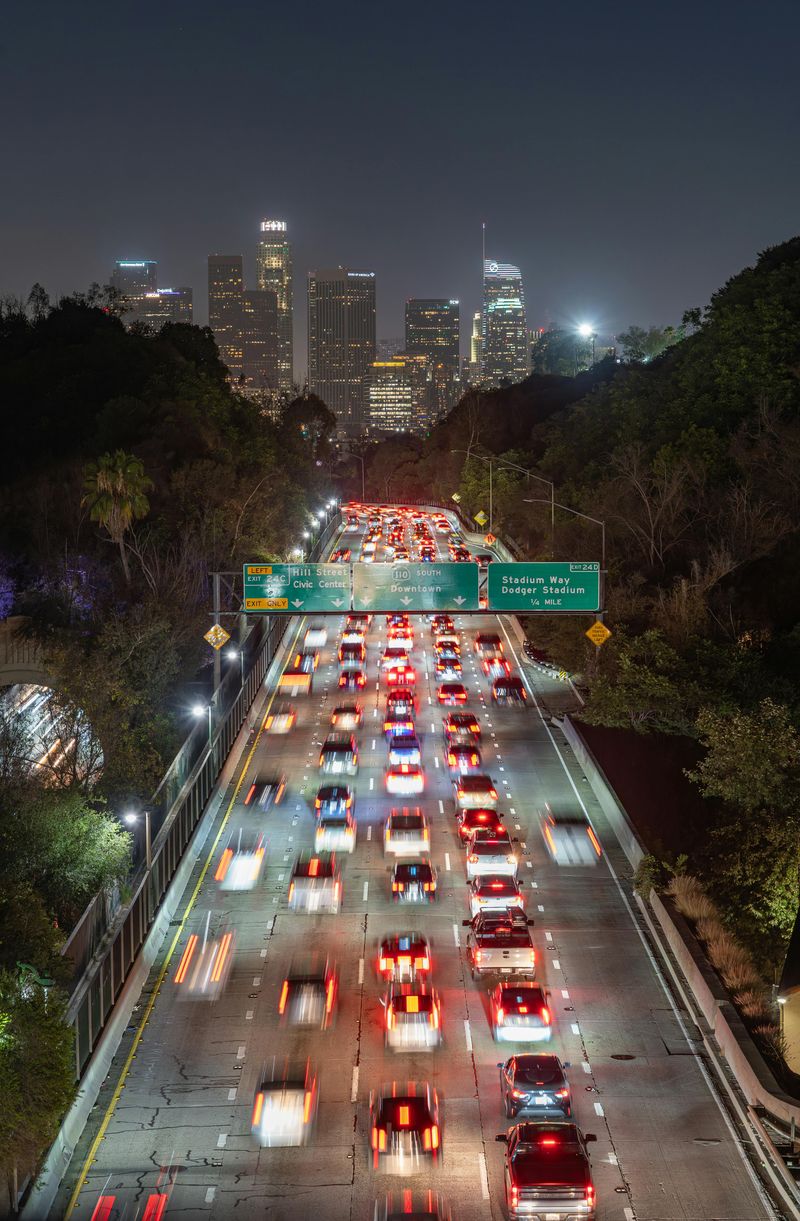
Major metros regularly rank among the worst traffic zones in the U.S.
Los Angeles and the Bay Area can stall trips without warning.
Rush hour often stretches for hours, not minutes. That contrast between beauty and gridlock is jarring in my opinion.
Sliding onto the Santa Monica Freeway after beach time can feel surreal, believe me.
Oakland’s maze of interchanges demands patience and steady breathing. San Jose lanes can fill even when the day looks quiet.
The fix is not magic, just timing and mindset, so leave early or late and treat midday like a gift.
Use navigation with live updates but trust your gut too. If a detour feels wrong, bail and reset quickly.
Sometimes a slow surface road beats a frozen freeway.
I also think that music helps, but snacks help even more.
Keep your expectations low and your reactions smooth. A calm merge is better than a spicy sprint.
I like giving people space because the dance gets tight and fast. California will still be there when the jam breaks.
You’re Sharing Roads With Everyone
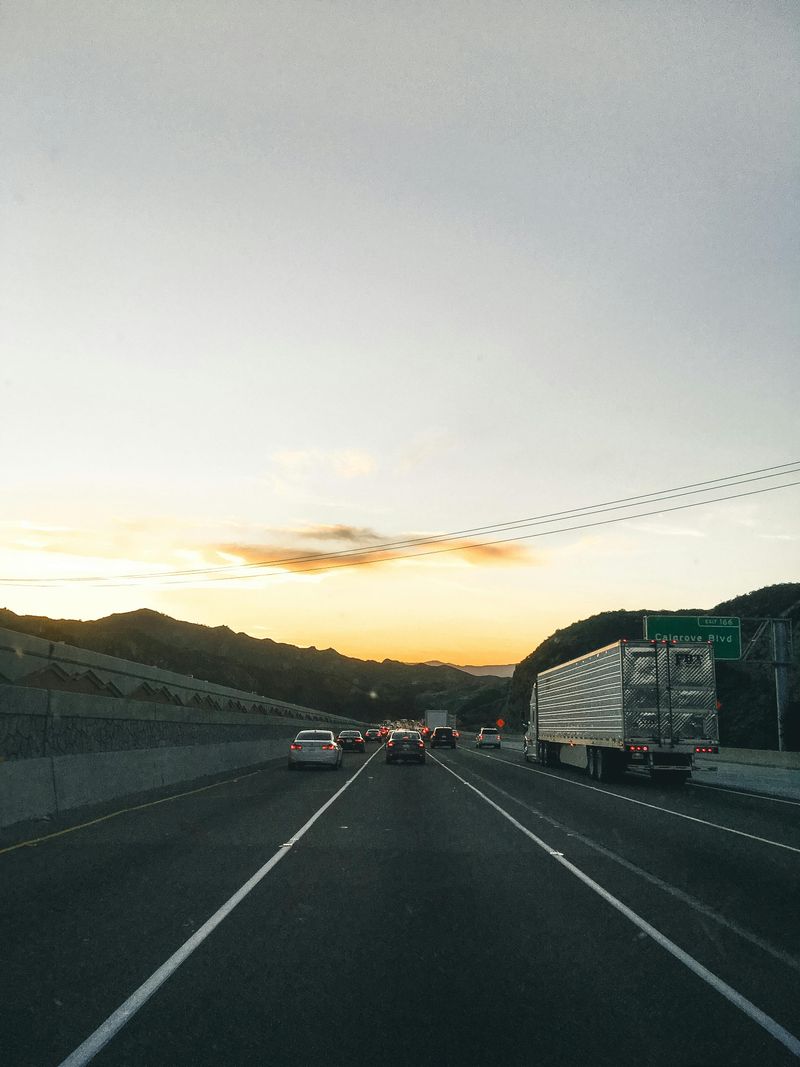
California highways mix tourists, commuters, trucks, and RVs, driving styles vary wildly depending on region.
That unpredictability raises stress levels, especially for visitors not used to aggressive or fast traffic.
You can expect quick merges, sudden exits, and last second lane dives. Watch for RV caravans near national park corridors every season.
Know that farm routes in the Central Valley carry serious truck traffic. Two lane coastal sections can stack up behind slow views.
Passing zones are precious, so wait for the safe break.
Use pullouts generously and you will lower your blood pressure. Signal early and make your moves smooth and readable.
Locals appreciate clean decisions more than speed bravado. It is okay to be the courteous car in the pack.
Take breathers at scenic turnouts and reset your focus. Check mirrors more often than you think you need.
Blind spots get sneaky when the light flares across water. Make sure to give cyclists space on routes like Highway One shoulders.
Also, expect wildlife near dusk even on well traveled corridors. Patience becomes a skill you can feel in your hands.
Weather Changes Without Warning
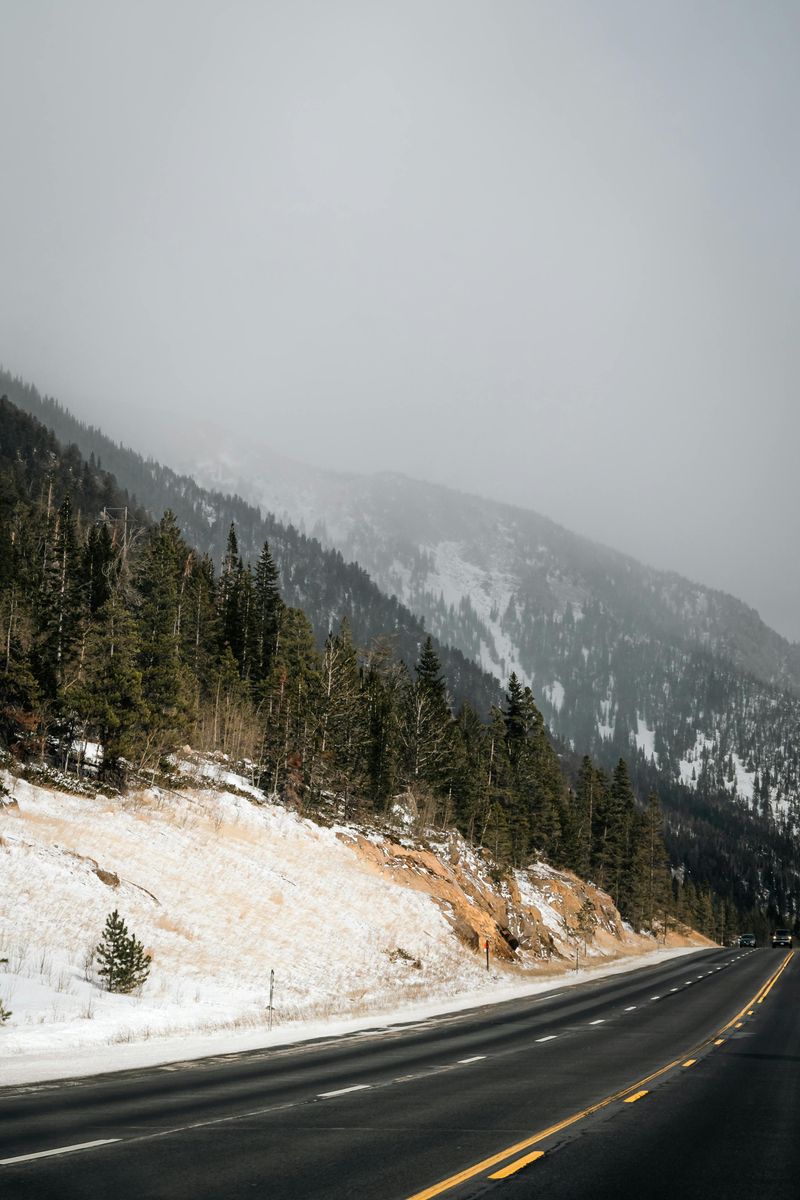
California isn’t always sunny and calm, trust me.
Coastal fog, mountain snow, desert heat, and wildfire smoke all affect drives. Conditions can shift within the same day.
I think that flexibility is essential here.
Morning fog near Half Moon Bay can turn signals into halos, and by afternoon you might be climbing dry granite toward Tioga Pass.
Stack layers where you can reach them quickly while parked. Keep sunscreen and a warm hat next to each other.
Make sure to check Caltrans updates before committing to a mountain route. Look up park alerts for fire, closures, and controlled access.
Carry more water than you think when crossing desert corridors, that’s really important.
Respect chain controls if a cold front surprises Sierra traffic. Fog lines and reflectors become your best friends at night.
Pull off if your instincts say your eyes need a reset, and let the storm pass while you stretch and breathe easy.
This state rewards the driver who adjusts instead of forcing it. Your plan will bend, and that is part of the charm for me.
Think of it as surfing the weather rather than fighting it. Small pivots keep the trip fun and the nerves steady.
Iconic Roads Mean Crowds
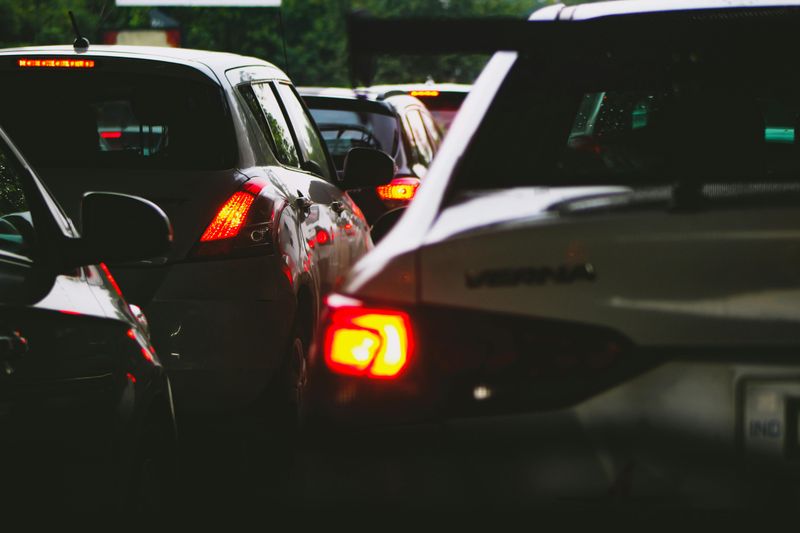
The most famous routes attract huge numbers of travelers. Big Sur, Yosemite entrances, and coastal viewpoints get congested quickly.
Parking and pullouts become competitive, and beauty comes with popularity.
Hit CA-1 around sunrise and the road feels almost private. By late morning the line of taillights looks like ornaments.
Yosemite Valley loops can crawl when everyone wants the same view. Morro Bay turnouts fill fast as cameras rise in unison.
You can plan a few lesser known detours to keep the rhythm fun. I think that the Old Coast Road near Big Sur can add quieter dirt miles.
Think like a hiker and start earlier than your neighbors. Pack kindness for the moments when patience runs thin.
Use the crowds as proof you aimed at the right places, then slip away for a calm overlook and a deep breath.
The camera will still get its moment when the gap opens. This state does not hide, and I feel like that is part of the appeal.
The trick is balancing highlight sites with open road time.
National Parks Require Strategy
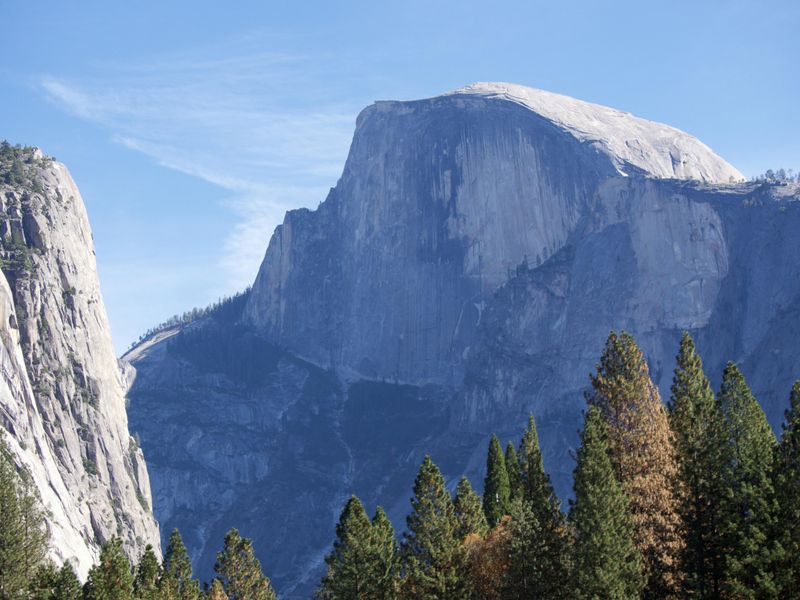
Places like Yosemite National Park now use reservations and timed entry. Arriving late can mean long waits or being turned away.
Road closures and seasonal limits add complexity. Know that spontaneous road trips don’t always work here.
Check recreation sites ahead for permits and current rules. I always download maps because park service signals fade in valleys.
Expect entrance stations to stack cars well down the road. Also, know alternate gates in case your first choice jams.
Yosemite’s south and east access points can split crowds better.
Sequoia and Kings Canyon may pivot around closures for repairs, and Joshua Tree sometimes caps lots when lines spill onto the highway.
Think of this like a game plan you adjust by the hour. Pencil in backup hikes and viewpoints if the main one clogs.
Make sure to keep snacks and layers because waits can stretch unexpectedly.
Rangers are your best intel if you ask with patience. They often know where today’s quiet pockets still exist.
I think that a calm presence makes the whole system work smoother.
Strategy does not erase magic, it preserves it beautifully: plan well, arrive early, pivot fast, and smile often.
Do that, and the day flows instead of fighting you.
Gas Stops Aren’t Always Convenient
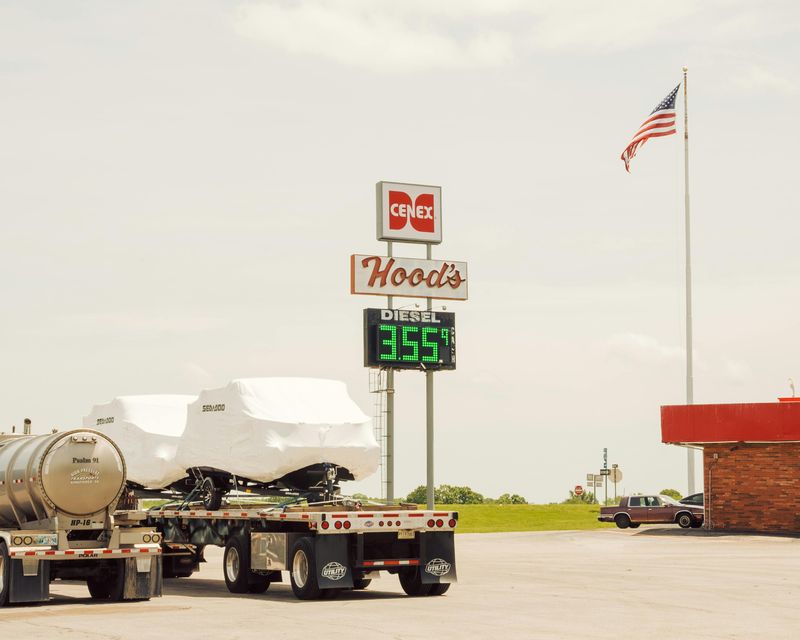
Remote stretches can go long without services and desert highways and mountain passes require planning.
Running low on fuel always adds unnecessary stress for me.
Preparation matters more than people expect. Make sure to top off before leaving the Bay Area for the Lost Coast.
Stations can be open but limited, with quick lines forming. Card readers sometimes glitch when signals dip in remote zones.
Keep a simple log of distances so you are not guessing. Watch the gauge at every major junction and reset your plan.
I carry a spare charging cable so my map does not die, that always helps.
Do not let views distract you past the last obvious stop. It is easier to stretch your legs while fueling anyway.
Ask locals about the next reliable station ahead. They usually know which ones are steady in all seasons.
California spreads out wide between the hot spots of civilization.
Full tank equals flexible timing and calmer choices at turns. The difference shows up when traffic or weather reroutes you.
Know that fuel becomes freedom out here, simple and true.
The Views Demand Attention
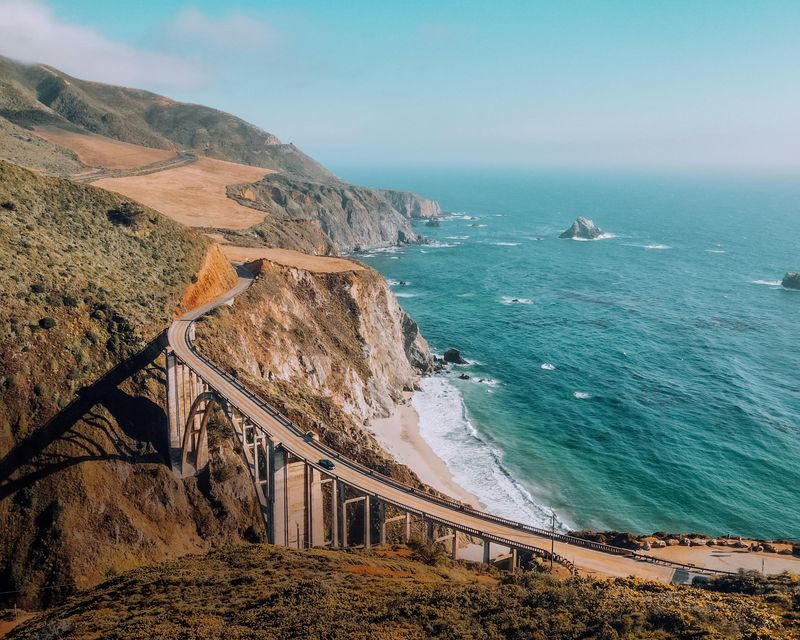
Scenic roads encourage constant looking around. That makes staying focused harder.
Sharp curves and narrow lanes punish distraction, so drivers must balance awe with caution.
Pull over at signed viewpoints instead of rubbernecking through curves. I suggest switching drivers after big photo stops to reset attention.
You can use a code word that means “eyes back on the lane.” I know it sounds silly, but it works when the cliffs rise.
Keep a microfiber cloth handy for glare on the windshield. Clean glass sharpens focus when light gets dramatic and tricky.
Remember that mist and fog can smear mirrors quickly. I like wiping them at pullouts before jumping back into lanes.
Curves here are beautiful but not always forgiving, know that good habits turn a gorgeous drive into a safe one.
Breathing slowly and blinking long at stops resets vision. Take the time because it definitely pays off down the canyon.
Tolls And Fees Add Up
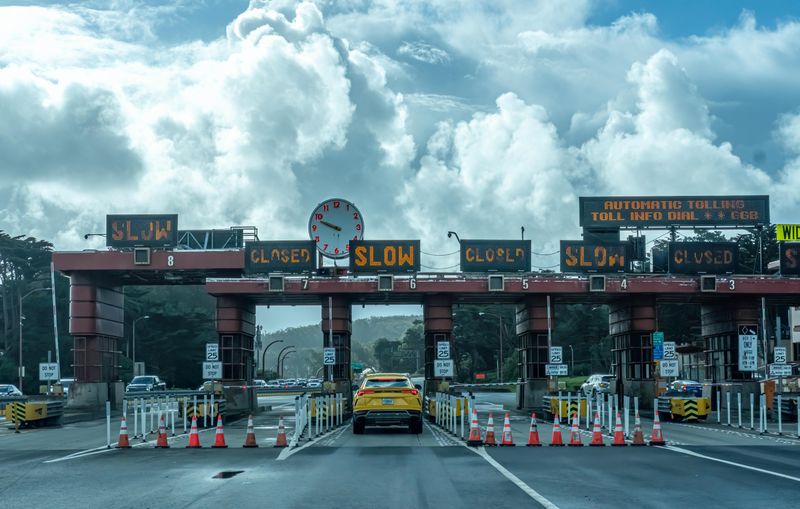
This state uses toll roads, express lanes, and bridge fees.
Rental cars often add processing charges, and costs sneak up over long drives.
I feel like budget stress becomes a part of the journey here.
Bay Area bridges rely on license plate tolling with online payment. Southern California express lanes require transponders or pay by plate setups.
Some lots near trailheads switched to app based systems recently. I think it helps to decide your toll stance before starting the loop.
Either embrace the speed lanes or route around them calmly. Both choices work if you keep expectations clear and steady.
I suggest taking a minute to skim official sites for current rules. Screenshots of instructions save time when signals fade later.
Set a small fund for tolls so it feels planned. That mental shift keeps surprise fees from spoiling the mood.
If you rent a car, check your rental agreement for how they handle plate billing. A quick call now can prevent confusing charges later.
California’s mix of systems is not hard, just varied. Once you pick a lane, stick with it and breathe.
The Payoff Is Still Worth It
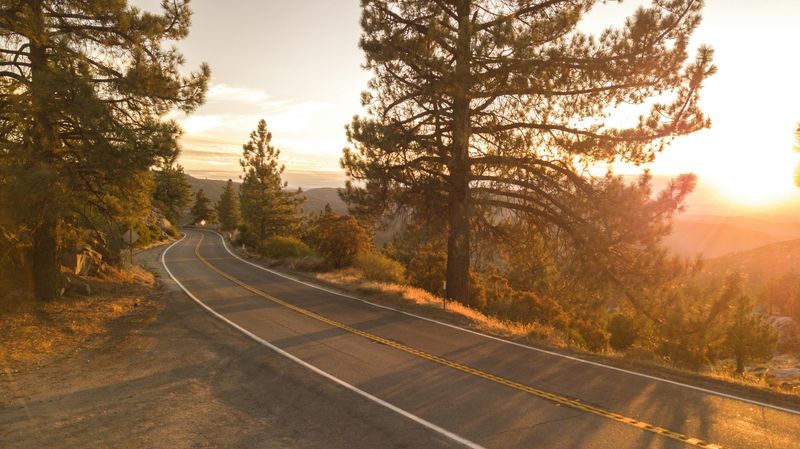
Despite the stress, few places reward drivers like California in my opinion. Every hard stretch leads to something spectacular.
The contrast is part of the experience. I know it’s exhausting, but unforgettable.
City skylines sparkle after a long bridge and a deep breath, and small towns wave you through with that easy western mood.
The car fills with salt, pine, and dust in one day. I like how you end up feeling like you met the whole state personally.
Yes, the jams and detours test your patience, but the payoff arrives right when you need it most. That timing feels almost intentional once you notice the pattern.
Keep your plans flexible and your stories get better. Laugh at the hiccups because they shape the trip’s texture.
Make sure to take the long way when your gut says it matters.
Dear Reader: This page may contain affiliate links which may earn a commission if you click through and make a purchase. Our independent journalism is not influenced by any advertiser or commercial initiative unless it is clearly marked as sponsored content. As travel products change, please be sure to reconfirm all details and stay up to date with current events to ensure a safe and successful trip.
