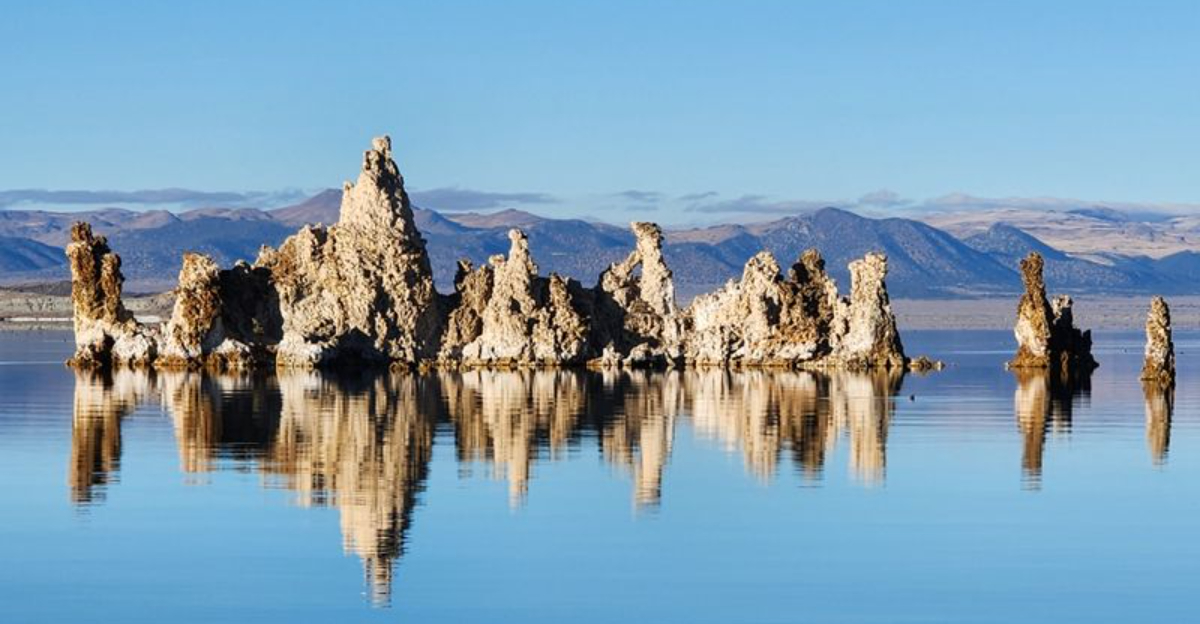
California’s deserts hold secrets that will make you question whether you’re still on Earth.
Vast salt flats stretch into infinity, mysterious rocks leave tracks across barren lakebeds, and ancient towers rise from alkaline waters like monuments from another dimension.
These landscapes feel borrowed from distant planets or fantasy worlds, yet they exist right here in the Golden State.
From singing sand dunes to volcanic craters, each destination offers something so visually striking that your camera will struggle to capture the full magic.
Whether you’re chasing sunrise over painted badlands or hiking through forests of prehistoric sculptures, these spots promise adventures unlike anything you’ve experienced before.
Pack your sense of wonder and prepare to explore ten California desert locations that blur the line between reality and science fiction.
1. Badwater Basin
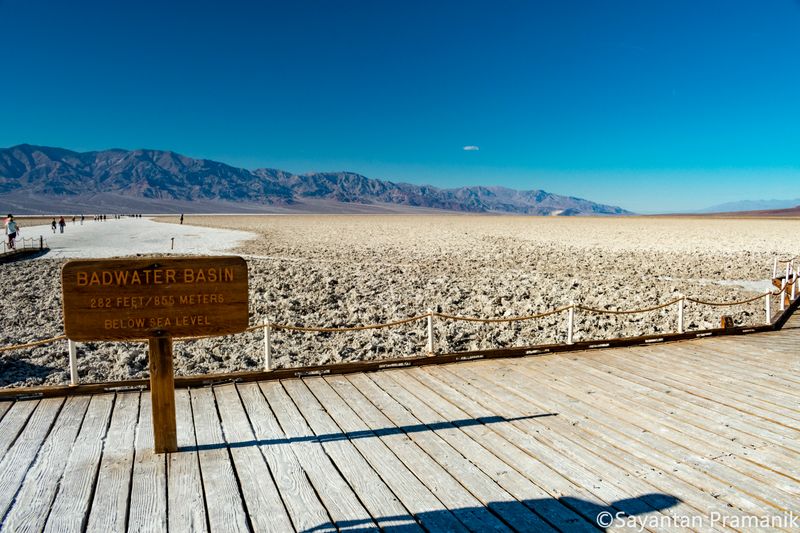
Standing at the lowest point in North America feels like stepping onto another planet entirely.
Badwater Basin sits 282 feet below sea level, creating a natural wonder that defies expectations.
The hexagonal salt flats form an endless white crust that crunches beneath your feet with every step.
These geometric patterns stretch toward distant mountains, creating optical illusions that make judging distance nearly impossible.
Visiting during cooler months gives you the best experience, as summer temperatures here can become dangerously extreme.
The basin transforms throughout the day as light shifts across the crystalline surface.
Morning hours bring soft pinks and purples, while midday sun creates blinding white expanses.
After rare rainstorms, shallow pools of water mirror the sky, doubling the surreal effect.
Wildlife somehow thrives here despite harsh conditions, with tiny creatures adapted to the salty environment.
The location sits within Death Valley National Park, accessible via Badwater Road.
You’ll find the basin approximately seventeen miles south of Furnace Creek.
Photographers love this spot for its minimalist beauty and dramatic contrasts.
Address: Badwater Road, Death Valley National Park, CA 92328.
Bring plenty of water and sun protection, as shade is nonexistent across these flats.
The experience of walking across this alien terrain stays with visitors long after they leave.
2. Trona Pinnacles
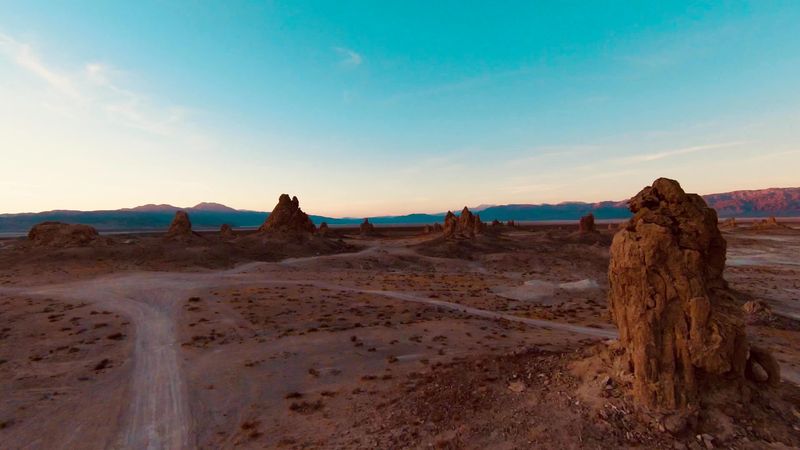
Over 500 tufa spires pierce the sky in this landscape that Hollywood loves for science fiction films.
Some of these calcium carbonate towers reach heights of 140 feet, creating a forest of stone.
The formations emerged from an ancient lakebed that dried up thousands of years ago.
Walking among these pinnacles feels like exploring ruins on Mars or wandering through a giant’s graveyard.
The California Desert National Conservation Area protects this geological treasure.
Filmmakers have used this location for everything from space adventures to post-apocalyptic scenes.
Sunrise and sunset paint the spires in warm oranges and deep purples.
The rough, porous texture of the tufa tells stories of underwater mineral deposits building over centuries.
Visitors can drive a dirt road loop through the pinnacles for close encounters.
The site sits about twenty-five miles east of Ridgecrest in the Searles Valley.
Camping is permitted, giving night sky enthusiasts incredible stargazing opportunities away from light pollution.
Winter months offer the most comfortable temperatures for exploration.
Address: Pinnacles Road, Trona, CA 93562.
The formations look particularly stunning when storm clouds gather behind them.
This remains one of California’s most underrated natural wonders, offering solitude and otherworldly beauty.
3. Zabriskie Point
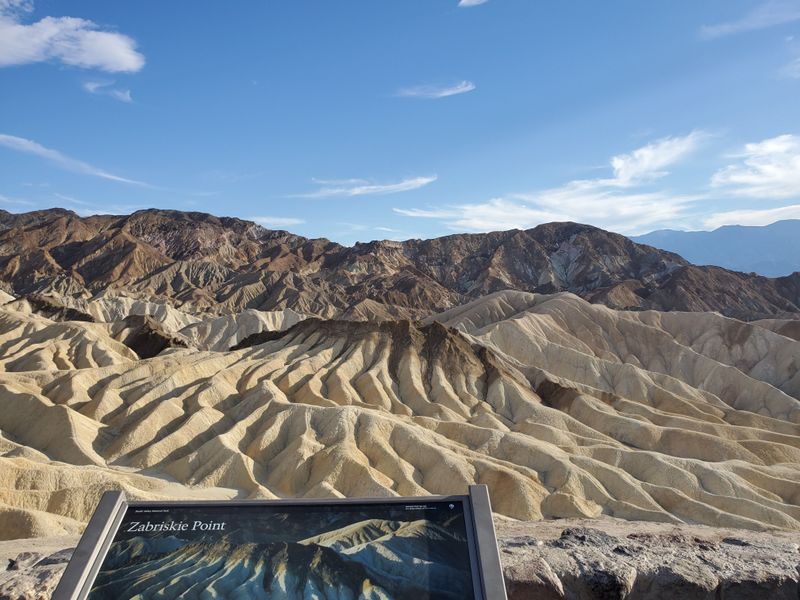
Golden badlands ripple across the landscape like frozen waves at this iconic viewpoint.
Erosion has carved the mudstone and volcanic ash into countless ridges and valleys.
The colors shift from honey gold to deep amber depending on the sun’s position.
Photographers arrive before dawn to capture the magical moment when first light ignites these ancient hills.
The vista stretches for miles, with layers of sedimentary rock telling geological stories millions of years old.
A short paved path from the parking area leads to the main overlook platform.
Sunset rivals sunrise here, painting the formations in shades of orange, pink, and purple.
The viewpoint sits just a few miles from Furnace Creek in Death Valley National Park.
Winter visitors might find the peaks dusted with snow, adding another layer of surreal beauty.
The location was named after a banking executive who once managed the borax operations in the valley.
Despite its popularity, the site never feels overcrowded due to the vastness of the view.
The eroded patterns create shadows that constantly change, making every visit unique.
Address: Highway 190, Death Valley National Park, CA 92328.
Bring layers of clothing, as temperatures can swing dramatically between day and night.
This remains one of California’s most photographed desert landscapes for excellent reasons.
4. Artists Palette
Nature wielded a paintbrush across these mountains, creating a masterpiece of mineral colors.
Pink, green, blue, purple, and yellow hues splash across the hillsides in wild patterns.
Mineral oxidation caused this spectacular display, with different metals producing different colors.
Iron compounds create the reds and pinks, while manganese produces purples and blacks.
The one-way Artists Drive loop road offers multiple viewpoints of this geological art gallery.
Late afternoon light intensifies the colors, making them appear almost neon against darker shadows.
The palette sits within Death Valley National Park along a scenic nine-mile drive.
Volcanic deposits and lake bed sediments combined over millions of years to create this canvas.
Each visit reveals new details as changing light highlights different mineral deposits.
The road climbs through colorful foothills, with pullouts allowing visitors to stop and admire specific sections.
Photographers debate endlessly about the best time of day to capture these vibrant hills.
The colors appear most vivid after rain, when moisture darkens the rocks and enhances contrasts.
Address: Artists Drive, Death Valley National Park, CA 92328.
The narrow, winding road is not suitable for vehicles over twenty-five feet long.
This natural wonder proves that California’s deserts hold surprises beyond sand and sage.
5. Kelso Dunes
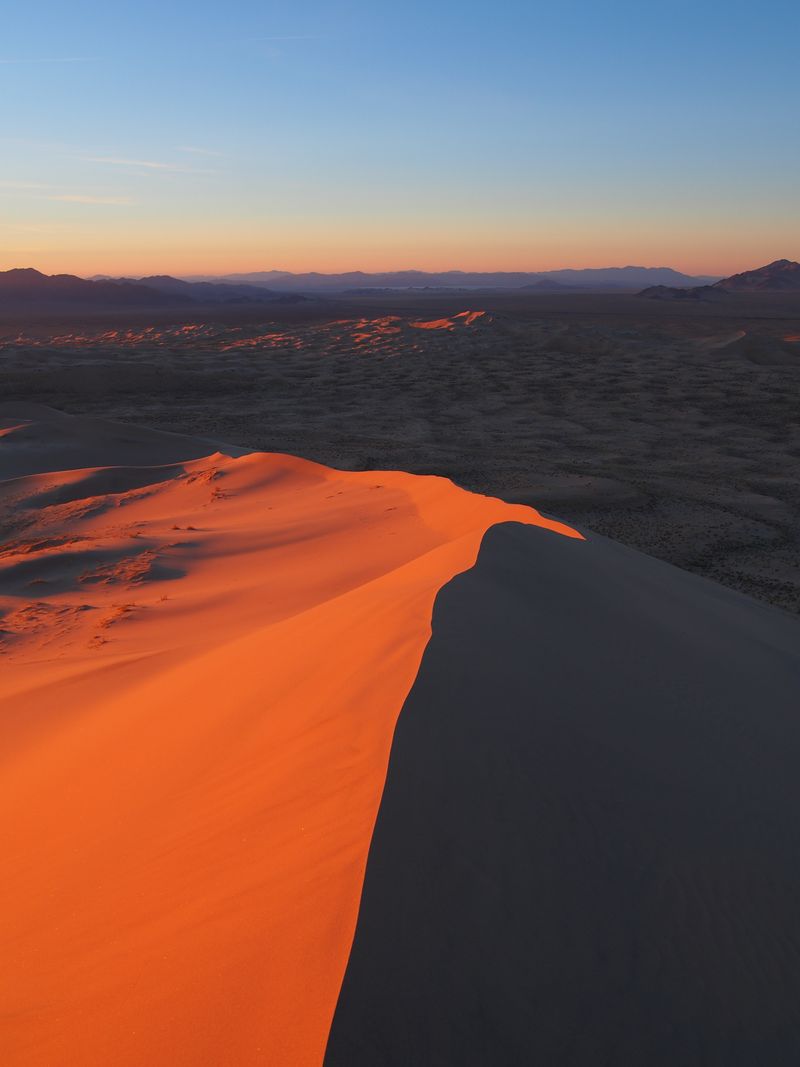
These massive golden dunes rise 650 feet above the Mojave Desert floor like something from Arabian legends.
The sand here possesses a rare quality that makes it sing or boom when conditions are just right.
As sand avalanches down the steep slopes, it produces low-frequency sounds that can be heard for miles.
The phenomenon occurs at only a handful of locations worldwide, making Kelso truly special.
Hiking to the summit requires effort through soft sand, but rewards visitors with panoramic desert views.
Wind constantly reshapes these dunes, creating fresh ripple patterns that photographers adore.
The sand originated from the Mojave River sink, carried here by prevailing winds over thousands of years.
Early morning visits offer cooler temperatures and the chance to be the first to mark pristine slopes.
The dunes support unique plant and animal life adapted to shifting sand environments.
Kelso Dunes sit within the Mojave National Preserve, accessible via a maintained dirt road.
The trailhead parking area lies about seven miles from Kelso Cima Road.
Sunset transforms the golden sand into shades of copper and bronze.
Address: Kelso Dunes Road, Mojave National Preserve, CA 92309.
Footwear with good ankle support helps when climbing the steep faces.
The singing sands phenomenon adds an auditory dimension to this already remarkable landscape.
6. Mono Lake Tufa State Natural Reserve
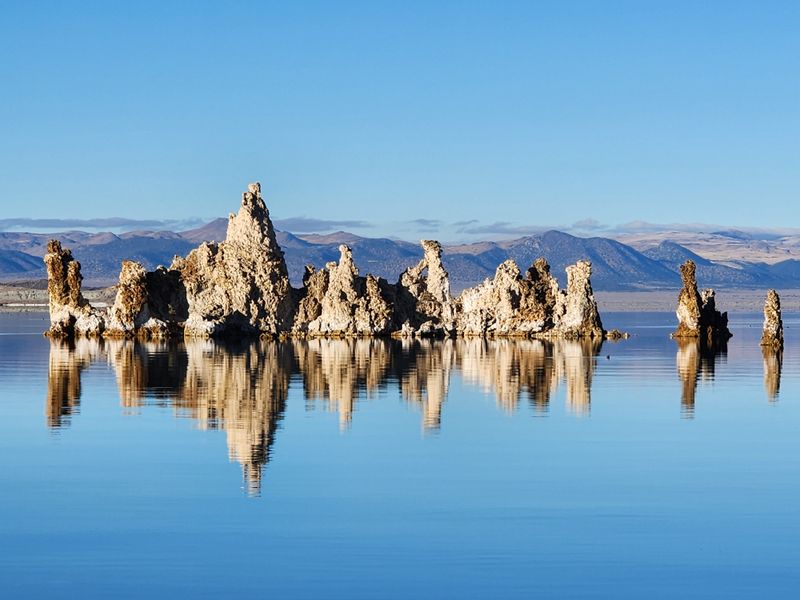
Ivory-colored towers jut from the alkaline waters like the ruins of an ancient underwater civilization.
These tufa formations are calcium carbonate spires created by the interaction of freshwater springs and the lake’s mineral-rich water.
Mono Lake is one of the oldest lakes in North America, having existed for over a million years.
The highly alkaline and salty water supports a unique ecosystem found nowhere else on Earth.
Trillions of brine shrimp thrive here, attracting massive flocks of migratory birds during certain seasons.
The South Tufa area offers the most accessible viewing of these spectacular formations.
A boardwalk trail winds among the towers, allowing close inspection of their porous, sculpted surfaces.
The Sierra Nevada mountains create a dramatic backdrop, especially when snow-capped.
Sunrise and sunset reflect off the still waters, doubling the visual impact of the tufa towers.
The reserve sits near the town of Lee Vining on the eastern side of California.
Water levels fluctuate seasonally, sometimes revealing towers that are usually submerged.
The strange beauty of this place has inspired countless artists and photographers.
Address: Highway 395, Lee Vining, CA 93541.
Bring binoculars during migration seasons to observe the incredible bird diversity.
This ancient lake offers a glimpse into what Earth might have looked like in primordial times.
7. Amboy Crater
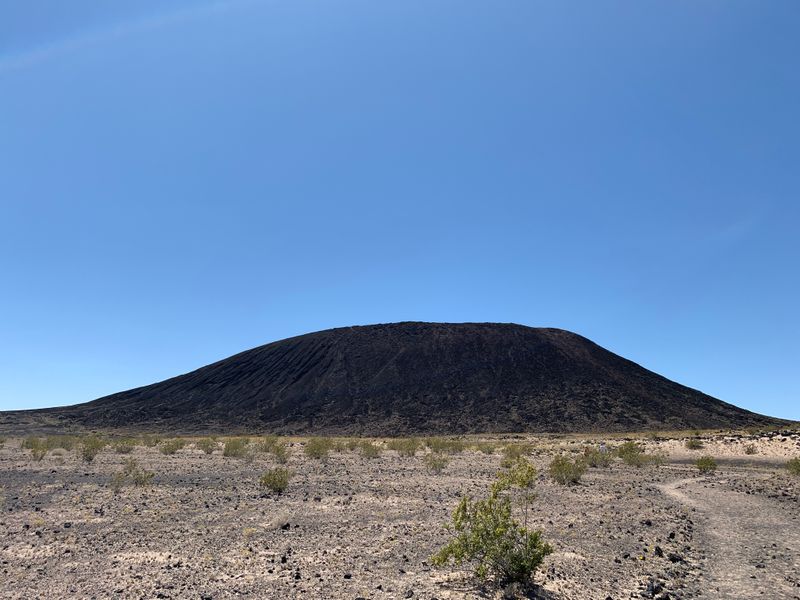
A perfectly symmetrical volcanic cinder cone rises from the desert floor like a monument to Earth’s fiery past.
The crater formed roughly 79,000 years ago during a series of volcanic eruptions.
Visitors can hike a trail to the rim and peer into the bowl of this dormant volcano.
The surrounding lava field covers twenty-four square miles of jet-black rock.
This landscape looks so alien that astronauts once trained here for lunar missions.
The crater stands 250 feet high, with the rim offering 360-degree views of the Mojave Desert.
Historic Route 66 passes nearby, making this a favorite stop for road trip enthusiasts.
The hike to the top takes about an hour, climbing over loose volcanic cinders.
Summer temperatures here can become dangerously hot, making winter the preferred visiting season.
The contrast between the black lava and the surrounding tan desert creates striking photographs.
At night, the lack of light pollution makes this an exceptional stargazing location.
The crater sits on Bureau of Land Management property, freely accessible to the public.
Address: National Trails Highway, Amboy, CA 92304.
Bring far more water than you think necessary, as the dark lava absorbs and radiates heat.
Standing on the rim of this ancient volcano connects visitors to California’s volcanic history.
8. Racetrack Playa
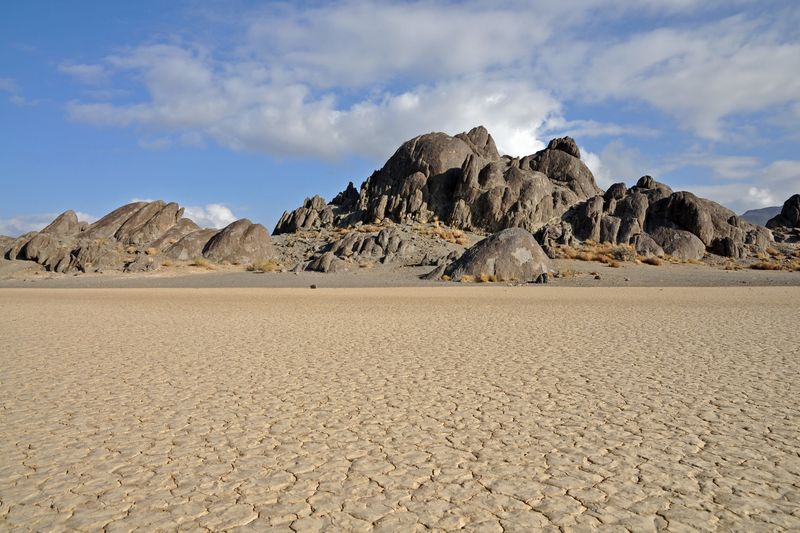
Rocks weighing hundreds of pounds somehow move across a flat lakebed, leaving mysterious tracks behind them.
This phenomenon puzzled scientists and visitors for decades until researchers finally documented the process.
During rare conditions when the playa floods and freezes, thin ice sheets push the rocks as wind drives them.
The tracks can stretch for hundreds of feet, creating geometric patterns across the cracked clay surface.
Racetrack Playa sits in one of Death Valley’s most remote corners, requiring a long drive on rough roads.
The perfectly flat, two-mile-long lakebed creates an otherworldly setting unlike anywhere else on Earth.
Mountains ring the playa, adding to the sense of isolation and mystery.
Visiting requires a high-clearance vehicle and careful navigation of rocky, washboard roads.
The journey takes several hours from the nearest paved highway, but rewards the adventurous.
The sailing stones have become famous worldwide, though witnessing them actually moving is extremely rare.
The playa surface shows countless tracks, some fresh and others fading from erosion.
Photographers find endless compositions in the interplay of rocks, tracks, and cracked mud.
Address: Racetrack Valley Road, Death Valley National Park, CA 92328.
Check road conditions before attempting this trip, as flash floods can make access dangerous.
The sailing stones remain one of California’s most intriguing natural mysteries.
9. Anza-Borrego Desert Sculptures
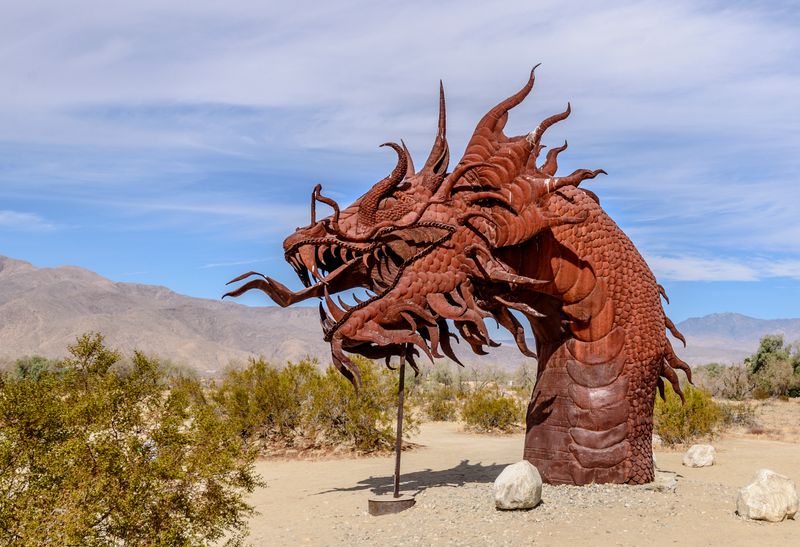
Over 130 massive metal sculptures suddenly appear across the desert landscape like visitors from prehistory.
Artist Ricardo Breceda created these whimsical creatures, from dinosaurs to dragons to extinct mammals.
The sculptures range from realistic depictions of ancient animals to purely fantastical creations.
Some stand over twenty feet tall, dominating the desert scrub around Borrego Springs.
Driving through the area feels like discovering a lost world where giants still roam.
The metal works weather naturally, developing rust patinas that blend with the desert colors.
Families love this outdoor gallery, where kids can safely approach and photograph enormous creatures.
The sculptures are scattered across various locations, creating a treasure hunt atmosphere.
Maps are available showing the locations of different sculpture clusters throughout the valley.
Breceda continues adding new pieces, so repeat visitors always find something unexpected.
The project began with a private commission but grew into a community-supported art installation.
Sunset light creates dramatic silhouettes of the creatures against colorful skies.
Address: Borrego Springs Road, Borrego Springs, CA 92004.
The sculptures are located on private land but visible from public roads.
This unique blend of art and nature makes California’s desert even more magical and memorable.
10. Ancient Bristlecone Pine Forest
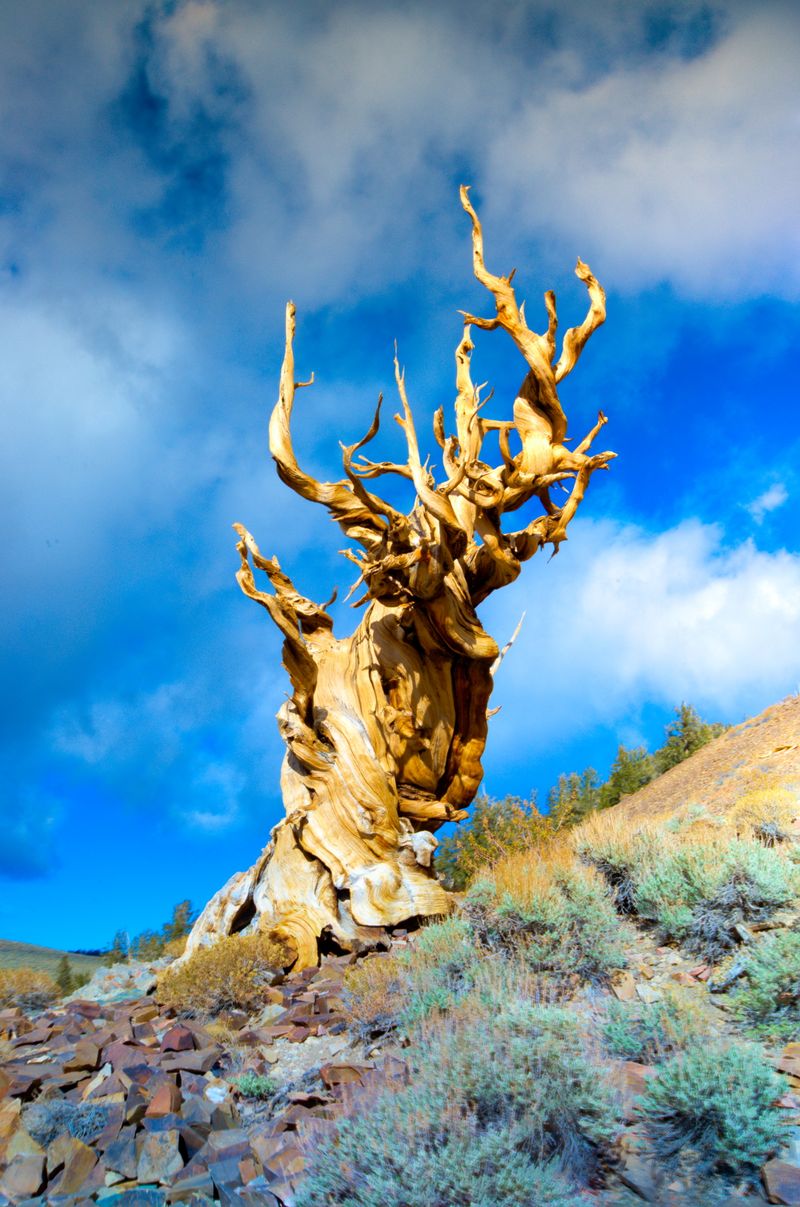
Trees older than the pyramids grow here, their twisted forms sculpted by thousands of years of harsh winds.
Some bristlecone pines in this forest have lived for over 4,000 years, making them Earth’s oldest living organisms.
The gnarled, weathered trunks look more like driftwood sculptures than living trees.
These ancient survivors grow in the White Mountains at elevations above 10,000 feet.
The harsh environment, with cold temperatures and limited water, actually helps them live longer.
Slow growth creates dense wood that resists decay, insects, and disease.
Walking among these elders feels like entering a fantasy realm populated by tree spirits.
The Methuselah Grove contains some of the oldest specimens, though their exact locations remain secret for protection.
Interpretive trails wind through the forest, with signs explaining the trees’ remarkable adaptations.
The stark beauty of dead wood contrasts with strips of living bark still supporting green needles.
Summer is the only season when roads to the forest are reliably open.
The visitor center offers educational displays about these remarkable trees and their ecosystem.
Address: White Mountain Road, Bishop, CA 93514.
The high elevation means cooler temperatures even in summer, so bring appropriate clothing.
Standing beside a tree that was ancient when Rome fell puts human existence into humbling perspective.
Dear Reader: This page may contain affiliate links which may earn a commission if you click through and make a purchase. Our independent journalism is not influenced by any advertiser or commercial initiative unless it is clearly marked as sponsored content. As travel products change, please be sure to reconfirm all details and stay up to date with current events to ensure a safe and successful trip.
