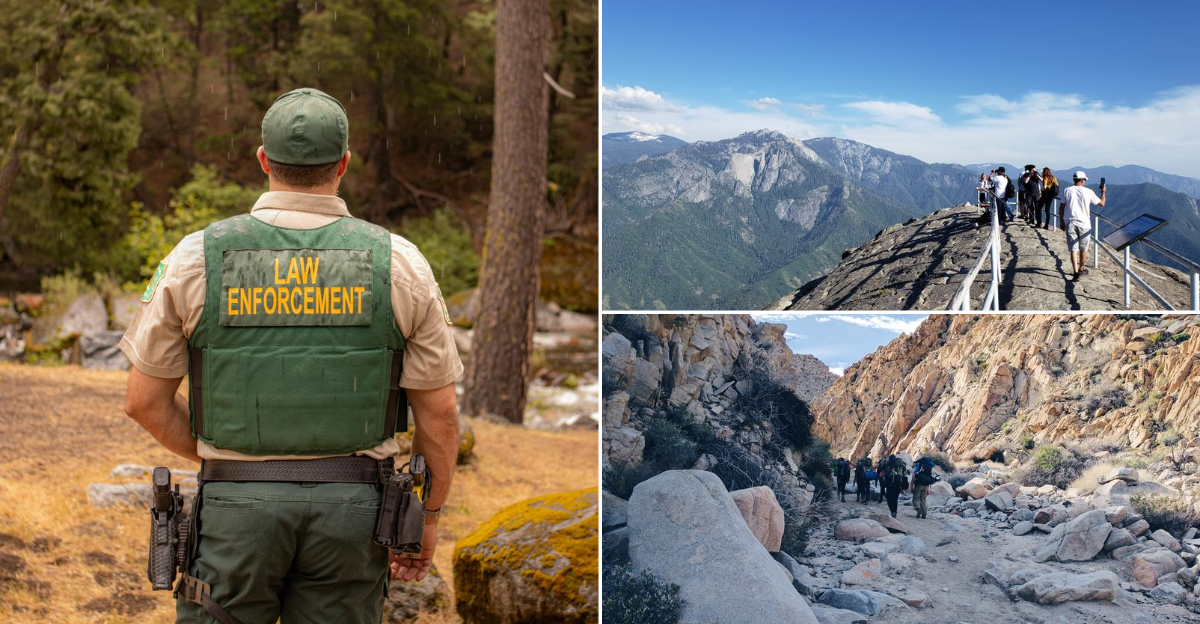
You know that feeling when the road trip vibe shifts from open highway to a slow crawl behind brake lights? That is what California’s big parks are starting to feel like when everyone aims for the same views at the same time.
Rangers are seeing it too, managing traffic and crowds instead of just trails and wildlife. The good news is the magic is still there if you approach it differently.
With better timing, fewer must-see stops, and a willingness to wander a little, those quiet wow moments still show up without the stress.
It becomes less about chasing the perfect photo and more about noticing where the park actually has room to breathe. That shift alone can turn a packed day into one that still feels like an escape.
Why California’s National Parks Feel More Crowded Than Ever
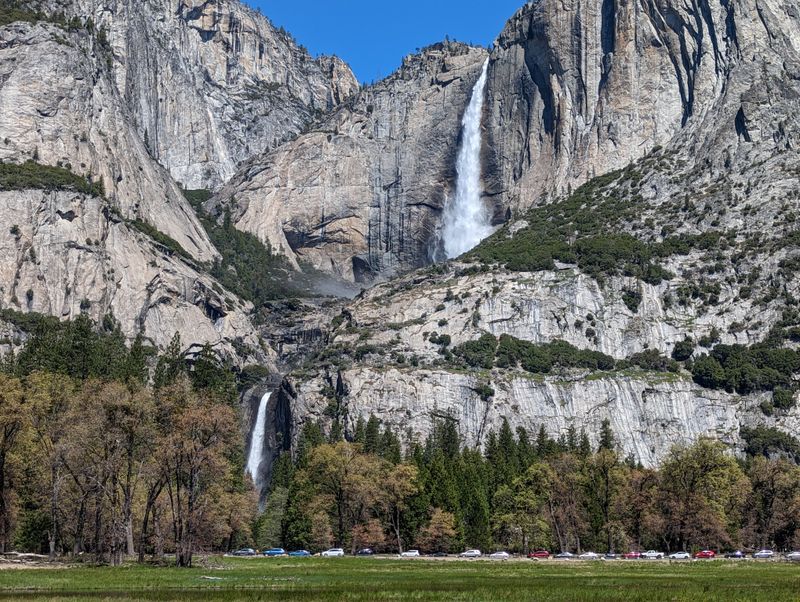
Pull up to Yosemite National Park, 9035 Village Dr, Yosemite Valley, and the vibe hits immediately.
The parking lots fill early, and the loop road drifts into a slow river of brake lights.
It is not just more people in California. It is more short, stacked visits where folks want the greatest hits in one quick swing through.
Rangers quietly say they spend more time on traffic flow than trail talks.
Visitors notice that the day feels shorter because time disappears into queues.
Even Sequoia National Park, 47050 Generals Hwy, Three Rivers, squeezes at the same pinch points. General Sherman draws cars like a magnet, and everything around it bends under that pull.
At Joshua Tree National Park, 74485 National Park Dr, Twentynine Palms, turnouts become mini trailheads.
People hop out, snap a photo, and hop back in, over and over again.
California is not the problem, but it is the stage.
The parks are stunning, reachable, and trending, so the curve keeps climbing.
We can still go and not add to the noise. It just takes a small shift in when we move and what we aim for.
Think earlier starts and later exits. Think two deeper moments instead of ten quick stops.
How Sightseeing Culture Changed The Park Experience
It used to be more about lacing boots and wandering until the noise in your head thinned out. Now the rhythm leans toward quick pulls, a photo, and move on.
At Yosemite National Park, you see it at Tunnel View. Folks step out, capture Half Dome and Bridalveil in one frame, then drift back to the car.
Sequoia National Park, feels similar near Giant Forest.
The pause is shorter, the conversation quieter, the clock louder.
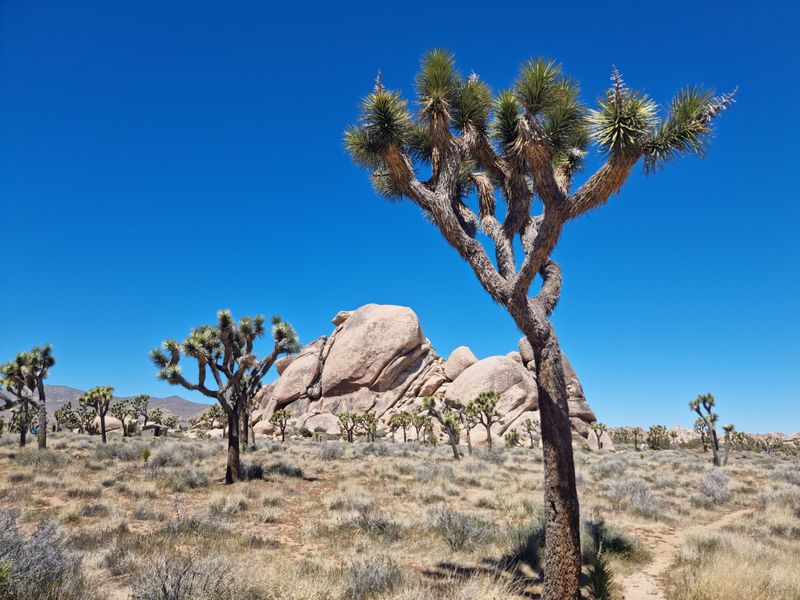
Joshua Tree National Park draws people for those surreal boulders and branching trees. The moment is real, but the dwell time keeps shrinking.
Quick sightseeing is not wrong. It just compresses thousands of overlapping stops into a tight loop of the same places.
That changes soundscapes, parking patterns, and ranger workloads.
Interpretive chats become crowd guidance, and trailhead signs carry more of the teaching.
California parks still deliver awe in a heartbeat.
The trick is building just a little more breath into the plan.
Pick one spot to linger. Let the phone rest and let your eyes do the remembering.
The Rise Of Drive-Up And Pull-Off Tourism
Drive the Generals Highway in Sequoia National Park, 47050 Generals Hwy, Three Rivers, and you will count the pull-offs.
They look tiny until five cars wedge in, then they become their own bottlenecks.
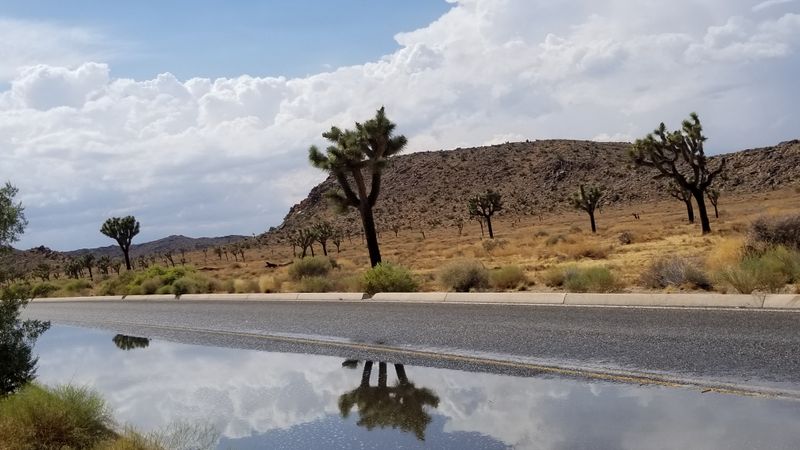
In Joshua Tree National Park, 74485 National Park Dr, Twentynine Palms, roadside boulders turn into instant attractions.
People hop out, scramble a bit, and jump back to the next turnout.
Yosemite National Park, 9035 Village Dr, Yosemite Valley, has classic pull-ins with big payoffs.
The issue is not beauty, it is overlap, because everyone arrives in the same windows.
Shuttle stops help where they exist. Still, shoulders see tire tracks, and lines ripple back onto the road.
Pull-off culture makes the day feel efficient. It also multiplies small pauses into steady congestion.
Rangers become traffic conductors, not because they want to, but because safety demands it.
A quick moment at the guardrail can ripple into half a mile of slow roll.
We can work with this. Choose a couple of trailheads set back from the main scenic loops and let the day breathe.
Or pick a turnout, then actually walk the nearby trail for a half hour. That small pivot spreads people out just enough.
When Popular Viewpoints Become Bottlenecks
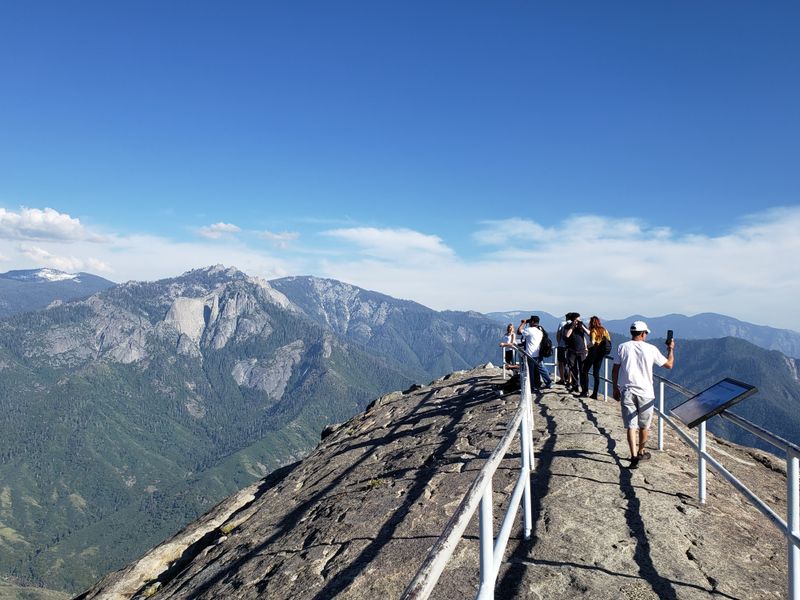
Tunnel View at Yosemite National Park, 9035 Village Dr, Yosemite Valley, is the poster child for this. It is breathtaking, and that is exactly why it clogs.
Moro Rock in Sequoia National Park, 47050 Generals Hwy, Three Rivers, stacks people on a narrow staircase. One pause becomes a pause for everyone behind you.
Keys View at Joshua Tree National Park, 74485 National Park Dr, Twentynine Palms, spirals when wind kicks up and people linger. Parking loops into a slow carousel.
None of this ruins the place.
It just compresses the experience into a queue and a countdown.
Rangers try to meter it with patience and light reminders.
The best fix is timing, which is boring advice until it saves your day.
Think early, think later, think weird weather. You get clearer soundscapes and room to breathe.
California parks reward those off beats. You still get the same view, just with more sky around it.
If you do land in the rush, share the rail, take the shot, and slide out.
Infrastructure Built For Fewer People
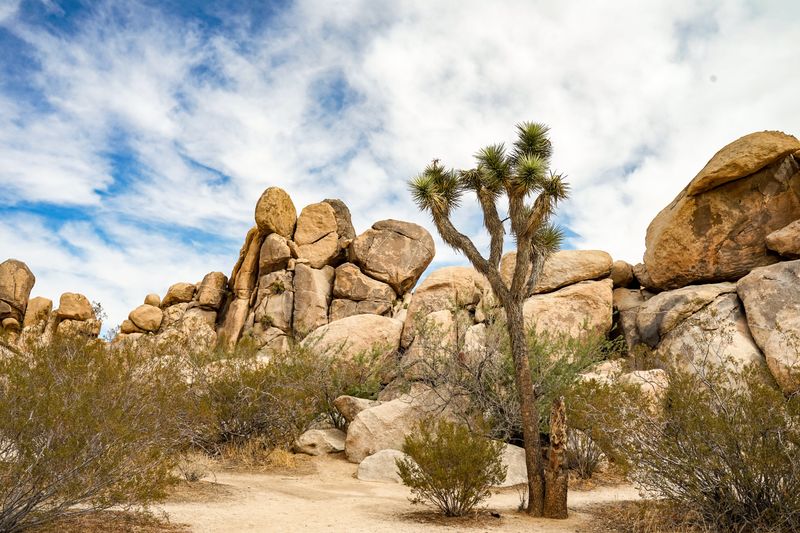
These roads and lots were set long before the current crush. They are sturdy, but they are sized for lighter days.
At Yosemite National Park parking loops fill and then spill. Bathrooms cycle constantly and still cannot keep up.
Sequoia National Park has steep grades and tight turns that slow everything.
Buses and RVs magnify seconds into minutes.
Joshua Tree National Park spreads wide across the desert. Yet trailhead lots still top out fast when the light gets good.
Infrastructure upgrades take time and care.
The parks are trying to balance capacity with the landscapes they are charged to protect.
That means tradeoffs and patience from all of us. It also means choosing routes that skip chokepoints when we can.
California reminds you that scale matters. Big views do not mean big parking.
Let the car rest at a shuttle node when it exists.
Your day smooths out, and the system breathes easier too.
The Impact On Trails And Natural Features
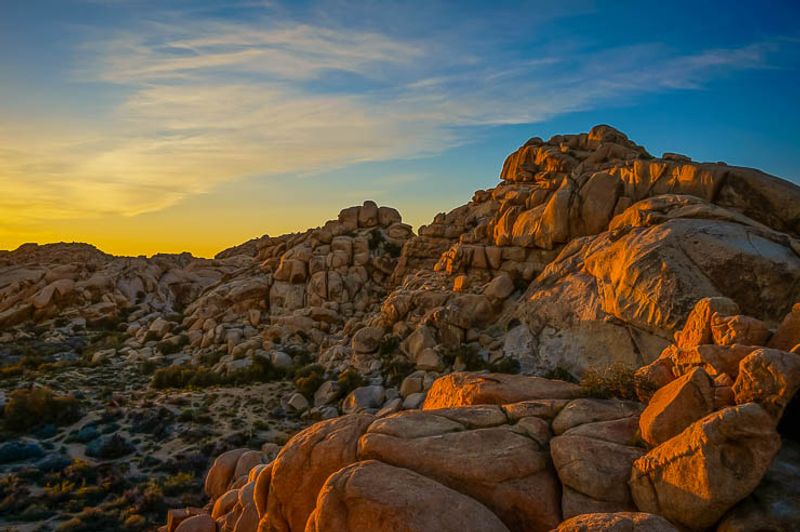
You see it in the dirt first. Trails widen, edges fray, and side tracks sneak toward a cleaner angle or a fresh view.
In Yosemite National Park, 9035 Village Dr, Yosemite Valley, the valley paths show braided lines.
People step around puddles and carve a second choice.
Sequoia National Park, 47050 Generals Hwy, Three Rivers, gets root exposure near big trees. Soil compaction stresses the giants in quiet ways.
Joshua Tree National Park, 74485 National Park Dr, Twentynine Palms, has fragile crust that looks tough but breaks easily.
A single footprint can linger longer than you would think.
It is not about blame. It is about patterns, because thousands of small choices add up.
Rangers and crews add fencing, logs, and signs to nudge feet back.
Most folks listen when the reason lands.
California’s textures are delicate up close.
You can help by stepping through the mud instead of around it.
Keep to the line even when it meanders. That is the quiet work that keeps the place whole.
Why Rangers Are Spending More Time Managing Crowds
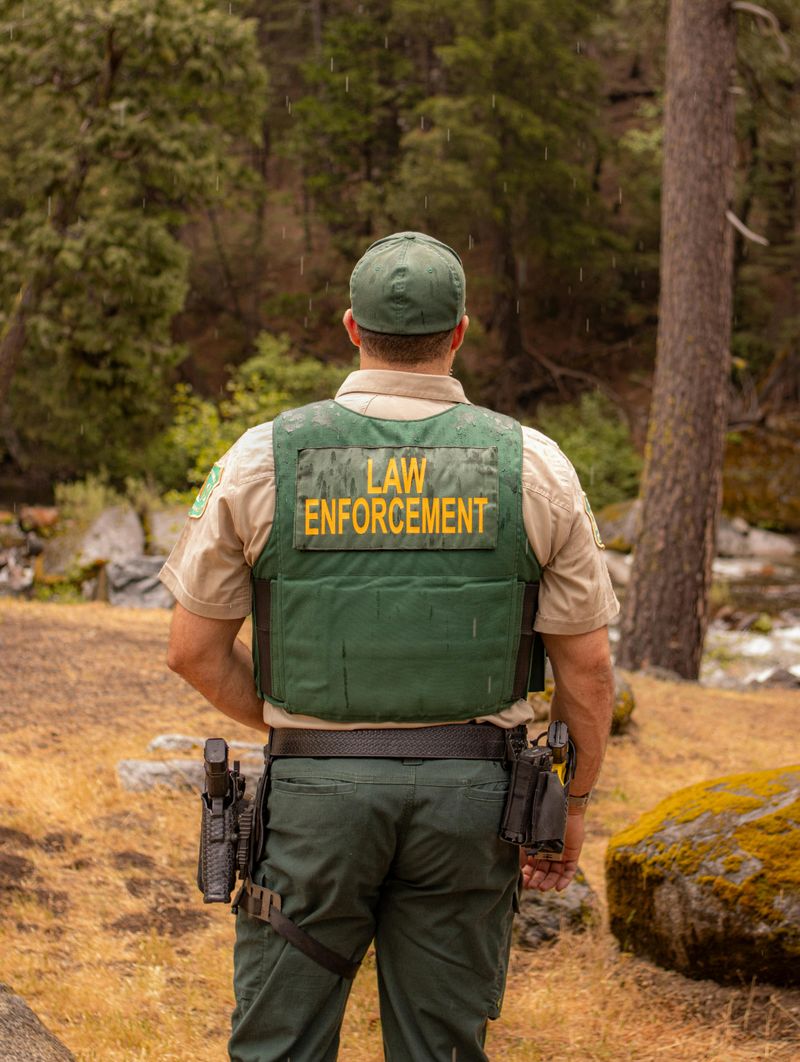
You will spot rangers with radios near the busiest junctions. They are there because the surge needs shepherding.
At Yosemite National Park staff manage crosswalks and bus loops. It keeps the center from tipping into gridlock.
In Sequoia National Park the focus might be chain control or a tight curve.
One stalled vehicle can snowball into a long delay.
Joshua Tree National Park brings heat and dust into the mix. Visibility drops, tempers rise, and calm reminders matter.
Every hour spent on traffic is an hour not spent on talks or patrols.
Education does not disappear, it just gets squeezed.
That is why signs have to carry more weight.
A good trailhead board now does the work of a short campfire chat.
California park teams do a lot with a little. A wave and a thank you go a long way.
If a ranger asks you to loop once more, just do it. It is crowd control with a human face.
How Wildlife Is Affected By Constant Human Presence
Animals notice our patterns faster than we notice theirs. Regular pulses of cars and voices shift behavior in subtle ways.
In Yosemite National Park deer linger near roads where food is easy. That comfort brings risk from bumpers and crowds.
Sequoia National Park shelters black bears that follow scent trails.
Rangers try to keep space so habits do not harden near people.
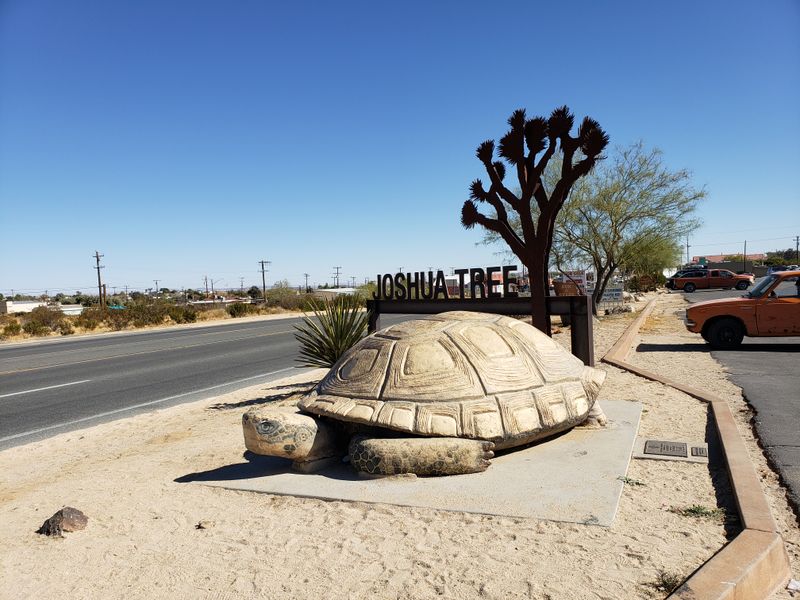
Joshua Tree National Park holds quiet desert species that spook easily.
A line of quick roadside stops can feel like constant pressure.
Wildlife viewing is still beautiful. It just works best at respectful distance and with longer, quieter pauses.
California parks put out clear guidance. Keeping food sealed and bodies back helps animals stay wild.
If you see a cluster forming, skip it.
Let the animal have the room and find your moment elsewhere.
Wildness is not a show, it is a rhythm.
We are guests in that rhythm, and that is part of the draw.
The Difference Between Peak Hours And Quiet Windows
Timing changes everything. You can feel like you have the park to yourself just by shifting a bit.
At Yosemite National Park, 9035 Village Dr, Yosemite Valley, dawn gives you space on the paths. By mid morning the bridges hum with people.
Sequoia National Park, 47050 Generals Hwy, Three Rivers, breathes easier before the lots fill.
Late light is mellow once day trippers peel away.
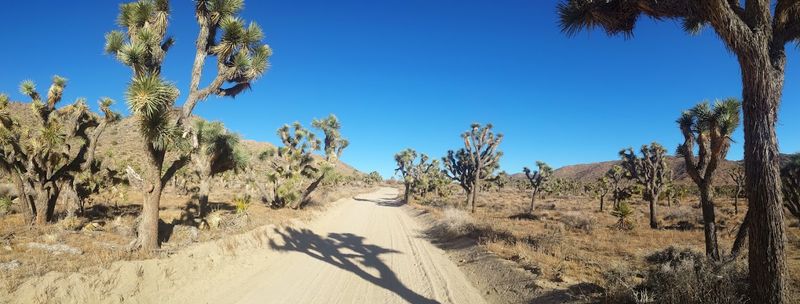
Joshua Tree National Park, 74485 National Park Dr, Twentynine Palms, is soft and quiet early. Later winds carry voices across the flats.
California makes early starts feel rewarding.
The air is cooler, and the soundtrack is lighter.
It is not about rushing. It is about picking a window when the park can meet you halfway.
Give yourself one anchor moment near sunrise or near dusk. Then drift to a less famous corner.
Your day will feel longer. And the strain you add stays lighter too.
What Parks Are Doing To Manage Sightseeing Pressure
Parks are testing tools that spread people out without killing spontaneity.
Shuttles, timed entries, and reservations all aim at the same knot.
Yosemite National Park leans on shuttles to unclog loops. It makes walking the valley feel more natural.
Sequoia National Park uses closures and metering when needed.
A smaller flow protects the steep corridors.
Joshua Tree National Park shares updates at the entrance stations. Real time info helps you reroute before a jam forms.
These steps ask for flexibility from visitors. In return you get better safety and a calmer day.
California park crews are listening and adjusting.
The details shift with season, weather, and demand.
Check alerts the night before and again at the gate. A small pivot can save hours.
When the system works, it feels invisible.
You just notice more bird song and fewer horns.
What Responsible Visitors Can Do To Reduce The Strain
We are not powerless here. A few choices ripple out in helpful ways.
Start early or swing late. Park once and walk more than you drive.
Yosemite National Park, 9035 Village Dr, Yosemite Valley, rewards a valley loop on foot.
You see more and touch the system less.
Sequoia National Park, 47050 Generals Hwy, Three Rivers, appreciates tight parking and patient passing.
Wide vehicles and curves need extra kindness.
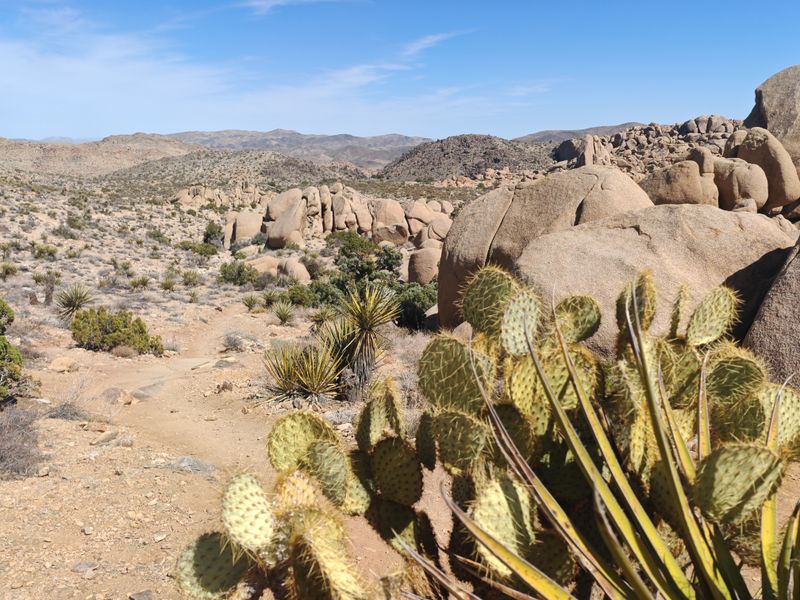
Joshua Tree National Park, 74485 National Park Dr, Twentynine Palms, asks you to stay on durable surfaces.
The crust is delicate even when it looks tough.
Pack out trash, even the tiny bits. Step through the mud rather than cutting a new line.
California parks are resilient when we are mindful.
Shared space works when everyone gives a little.
If a spot is slammed, skip it and try again later. You might stumble into your favorite view that way.
Dear Reader: This page may contain affiliate links which may earn a commission if you click through and make a purchase. Our independent journalism is not influenced by any advertiser or commercial initiative unless it is clearly marked as sponsored content. As travel products change, please be sure to reconfirm all details and stay up to date with current events to ensure a safe and successful trip.
