California keeps drawing bigger park crowds, and the magic shifts in ways you can feel the moment your boots hit the trail.
You still get the views and the wildlife, but timing, tactics, and small choices now shape the quality of every visit.
Crowds can add energy or friction, and learning where pressure builds helps you steer toward calm.
Think of this as a friendly field guide to savoring the same landscapes with smarter pacing and thoughtful routes.
Use these tips to turn busy days into bright memories, not bottlenecks.
1. Yosemite National Park, iconic vistas under new rhythms
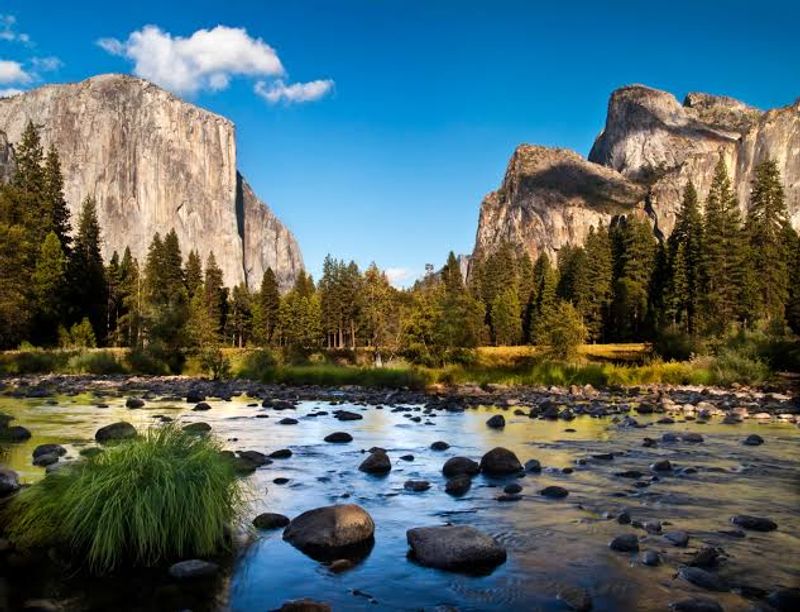
Yosemite feels as grand as ever, but the flow has changed with fuller trailheads and longer lines at popular pullouts.
You can still find quiet if you start before dawn and follow the sound of the river rather than the noise of the lot.
The light at first bell paints cliffs in soft rose, and the Valley opens like a theater before the doors swing wide.
Parking compresses pressure near the bottom of Yosemite Falls Trail, so consider walking from farther lots to keep the pace calm.
Shuttle patterns adjust by season, and planning a flexible loop lets you slip past clusters without stress.
Ranger talks echo with good advice, and they share current wildlife updates that help you avoid closed spurs.
Views from Sentinel Bridge still stun, yet patience makes them sweeter when you wait your turn on the rail.
Meadows hold new boardwalk repairs that protect fragile plants while keeping feet dry after storms.
In wetter springs, you will hear the falls from the road, and that sound helps guide expectations for spray and mist.
High country access depends on snowpack, so watch Tioga announcements and pivot to valley trails when needed.
Winter visits trade crowds for icy paths, and traction can turn a short stroll into a quiet wonder.
Summer afternoons hum with families, and evening light gives you space as day use thins out.
Bring layers since granite walls funnel breezes that linger even on warm days.
Restrooms see more use now, and a small sanitizer proves handy between stops.
The visitor center at 9035 Village Dr, Yosemite Valley, CA 95389, anchors any plan with maps, alerts, and ranger wisdom.
2. Joshua Tree National Park, desert quiet with careful timing
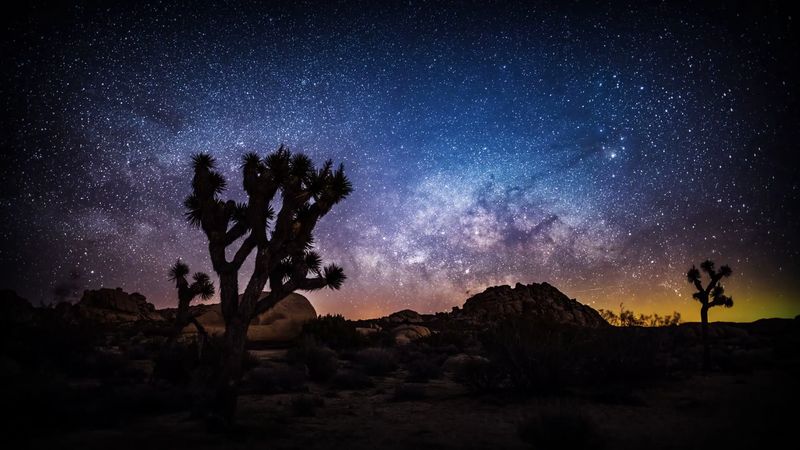
In Joshua Tree the desert still whispers, yet popular pullouts fill early as climbers and photographers chase soft light.
Dawn entries are the easiest way to keep the hush, and you will feel the sand cool and the air clean.
Midday heat thins crowds but adds risk, so schedule short loops and hydrate with steady sips.
Weekend traffic pools near Hidden Valley and Barker Dam, and a second choice trail can buy you peace.
Skull Rock draws steady attention due to easy access, which means patience helps when framing a photo.
After sunsets, star views soar if skies stay clear and wind stays mellow across the flats.
Alerts now flag bighorn closures faster, and switching plans protects both the herd and your day.
Climbers queue on classic routes, and newer crags see overflow that shifts parking stress.
Sand can drift over small pullouts after storms, so drive slowly and watch for soft edges.
Cell coverage is patchy, which makes a paper map more than a nostalgic prop.
Shoulder seasons spread visits, and evening golden light dries sweat and settles dust.
Bring layers since desert nights run cold long after bright afternoons fade.
Rest areas lack shade at times, and a simple sun shirt keeps your break gentle.
Rangers at 74485 National Park Dr, Twentynine Palms, CA 92277, share current closures and parking notes with calm clarity.
With smart timing you keep the desert quiet as company, not as a stage beside a crowded lot.
3. Sequoia National Park, giant trees and shifting footfall
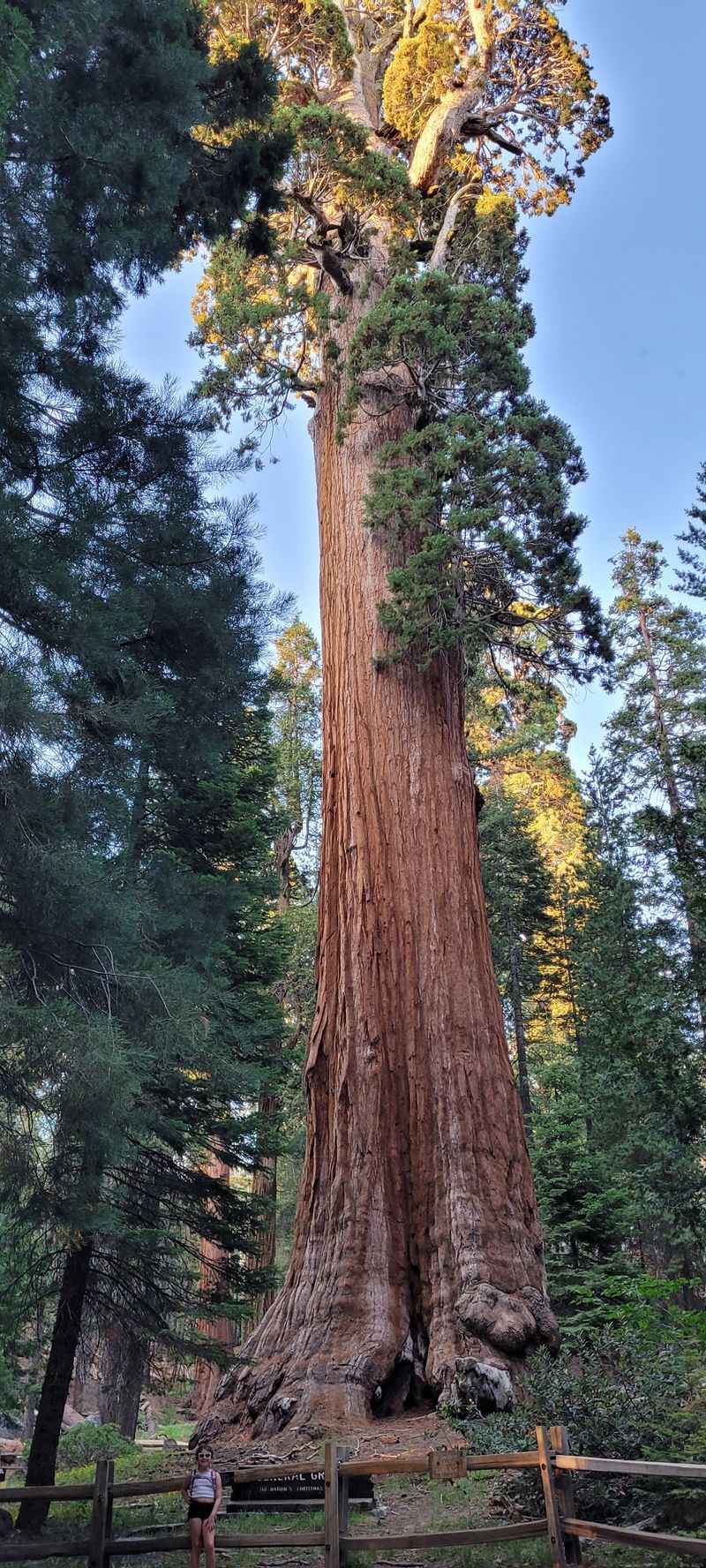
Sequoia welcomes more visitors each year, and the hush of the groves now depends on when you step under the crowns.
Early hours let you hear the quiet tap of cones and the faint rustle of birds across the soft duff.
Popular stops like General Sherman draw steady lines, so softer moments live along side loops that branch off.
Shuttles cut parking stress in summer, which keeps the grove breathing while trails absorb the flow.
Paths narrow near big trunks, and patient pacing protects bark while letting you hold the view.
Snow lingers into spring at elevation, and microspikes help when shaded corners stay slick.
Wildfire recovery areas continue to heal, and signs mark closures that shift with active work.
Guide talks explain fire ecology that shapes these giants, and hearing it adds warmth to each step.
Family visits cluster mid morning, so sunrise starts trade sleep for stillness and amber light.
Black bears keep distance when people store food correctly, and that habit keeps trails calm.
Quiet viewpoints sit above road loops where sound falls away and wind moves through needles.
Storms can close roads suddenly, so check alerts before driving uphill on tight turns.
Bring layers since shade cools the air faster than nearby foothills suggest.
The park entrance station at 47050 Generals Hwy, Three Rivers, CA 93271, provides maps and real time notices.
With gentle steps and early starts you will feel the grove offer back the hush that drew you here.
4. Muir Woods National Monument, quiet redwoods close to the city
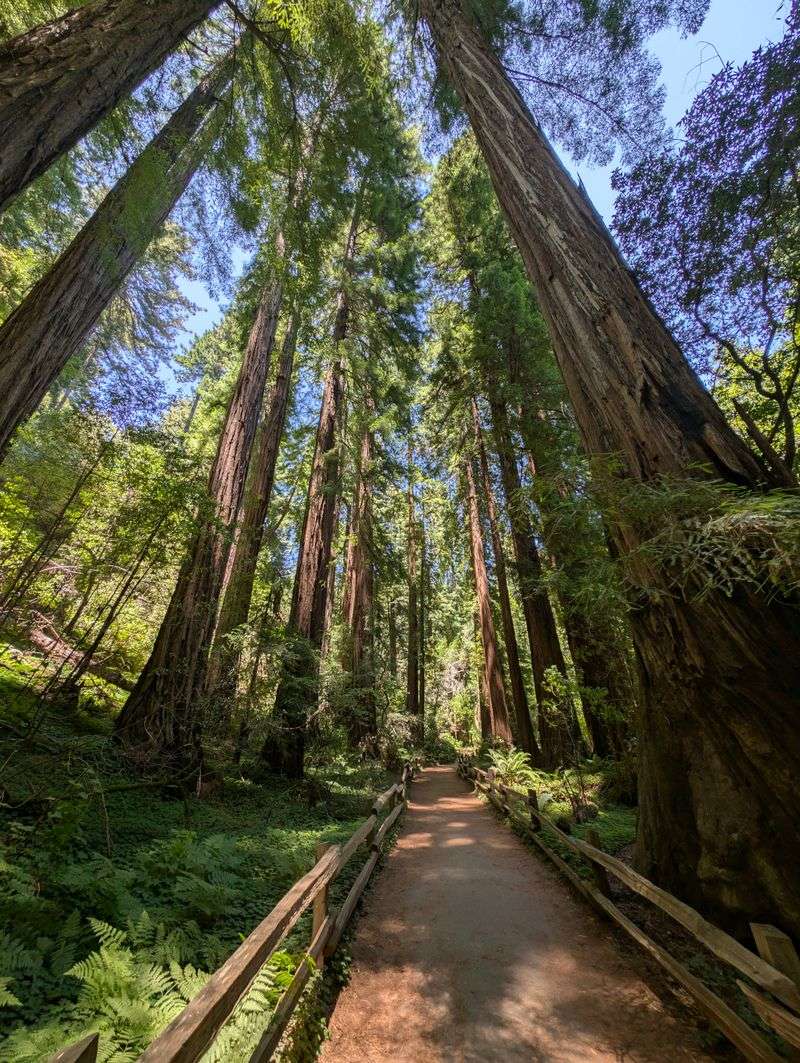
Muir Woods sits near the city, so demand swells fast, and reservations have become the gateway to calm.
An early slot buys you hush along the main boardwalk as fog curls through side branches.
Later arrivals still work if you accept a gentle pace and pause at pullouts to let lines breathe.
Bridge crossings tighten foot traffic, and stepping aside in turn keeps smiles on both sides.
Seasonal birdsong rings in the upper canopy, and a slow walk reveals more than a sprint ever could.
Trails that climb the hills thin crowds quickly, yet they keep the same cool light and fern scent.
Rain days feel bold and bright with clean air, and puddles mirror tall trunks like slender pillars.
Interpretive signs tell rich stories, so take a moment to learn how fog feeds these groves.
Winter weekdays bring gentle numbers, and your photos will feel calmer with soft color and quiet paths.
Dress for layers since the canyon holds chill even when the city feels warm.
Parking without a reservation is not allowed, so plan ahead and lock your arrival window.
Shuttle options change by season, and the website posts current routes and pickup notes.
Ranger help lives at 1 Muir Woods Rd, Mill Valley, CA 94941, where maps and trail pointers stay updated.
Nearby viewpoints outside the grove can catch sun when the canyon remains cool and shaded.
With care and patience, the redwoods feel close and kind despite the rising tide of eager visitors.
5. Death Valley National Park, vast silence with smarter pacing
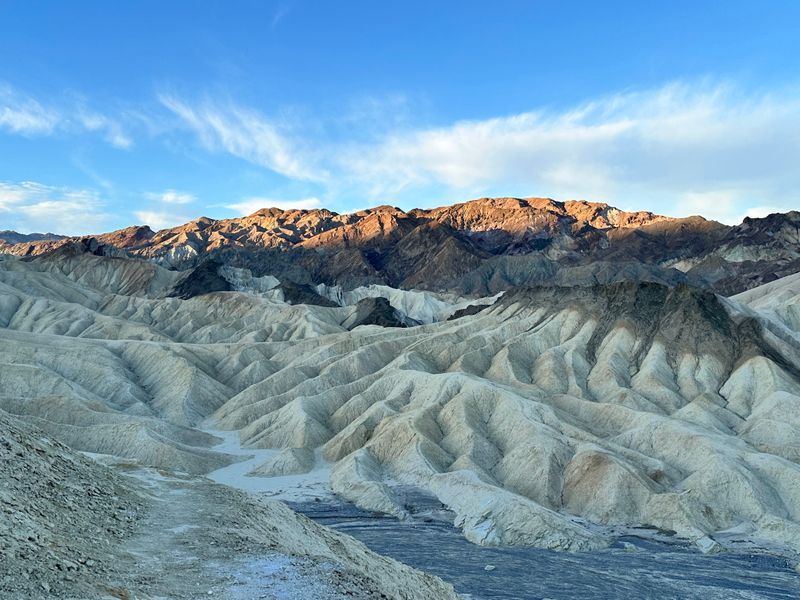
Death Valley stretches wide enough to hold crowds without feeling tight, yet popular stops now pulse with short surges.
Zabriskie Point at sunrise will gather photographers, so a short walk off the main path finds breathable space.
Midday heat remains serious in summer, which naturally shifts many visits to cooler months and shoulder weeks.
Winter and spring bring steady flow, and parking at Mesquite Flat Sand Dunes fills around golden hour.
Carry more water than you think, and treat schedules as guides rather than rules when heat rises.
Wind can reshape sand overnight, which makes route finding feel fresh even on known lines.
Night skies reward patience, though you should check moon phases to plan for glittering views.
Rangers post current road news since storms can wash out spurs and change drive times.
Short walks from major lots hold quiet if you give it five extra minutes and keep stepping.
Be gentle on salt crusts since fragile layers break fast under heavy traffic.
Spring blooms pop after wet winters, and that draws a cheerful wave of visitors across the valley.
Plan fuel stops carefully since distances stretch longer than most road trips allow.
Shade is rare, so a wide brim hat and a light shirt can save the day.
The visitor center at 190 California Hwy 190, Death Valley, CA 92328, offers maps, alerts, and a calm cool lobby.
With pacing and respect you will feel the silence rise again even as more people find this bright desert.
6. Pinnacles National Park, condors and crowd aware loops
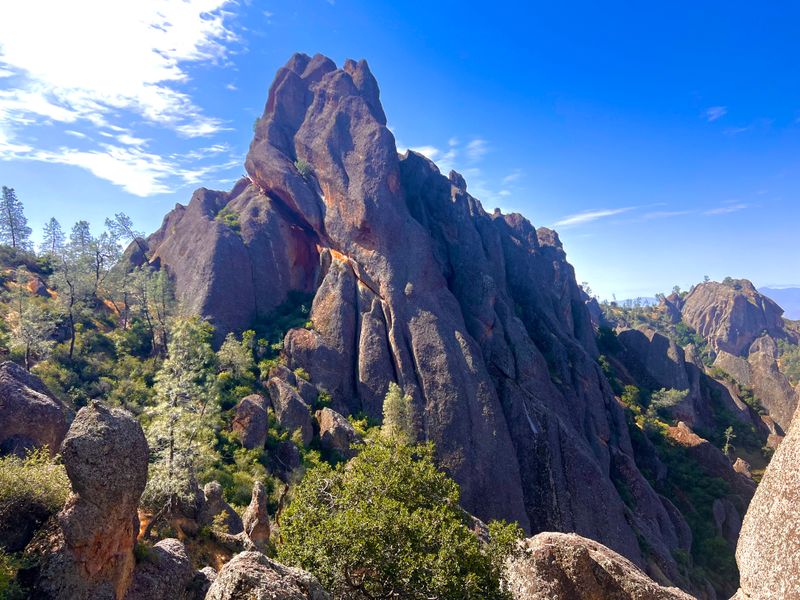
Pinnacles has become a weekend favorite for hikers and birders, and the condor chances keep cameras ready.
Trail pinch points near cave entrances build small jams that clear faster if groups step aside.
Early starts from the east side visitor center help you stay ahead of the flow toward Bear Gulch.
Looping counterclockwise can ease crossings on narrow ledges above the reservoir.
Cave closures shift with bat protection, so always check the current notice before packing a headlamp.
Heat climbs in late spring, and shaded breaks turn into the best part of your plan.
Spires light up at sunset, and a slow descent shares views without the climb crowd.
Raptor watchers gather at known pullouts where space and patience pay off.
Rockfall signs mark zones to pass with steady feet and clear eyes.
Weekdays stay calmer than Saturdays, which suits those who like gentle trail chatter.
Water spigots are limited on route, so fill at the start and carry a filter as backup.
Trail repair crews move often, and quick detours keep feet safe while work continues.
Wildflowers paint the slopes after wet winters, which brings a joyful wave of hikers.
Maps and seasonal notes live at 5000 Highway 146, Paicines, CA 95043, where staff share fresh condor sightings.
With a smart loop and kind trail manners you will feel the park return the favor with quiet and soaring views.
7. Point Reyes National Seashore, ocean edge with shared space
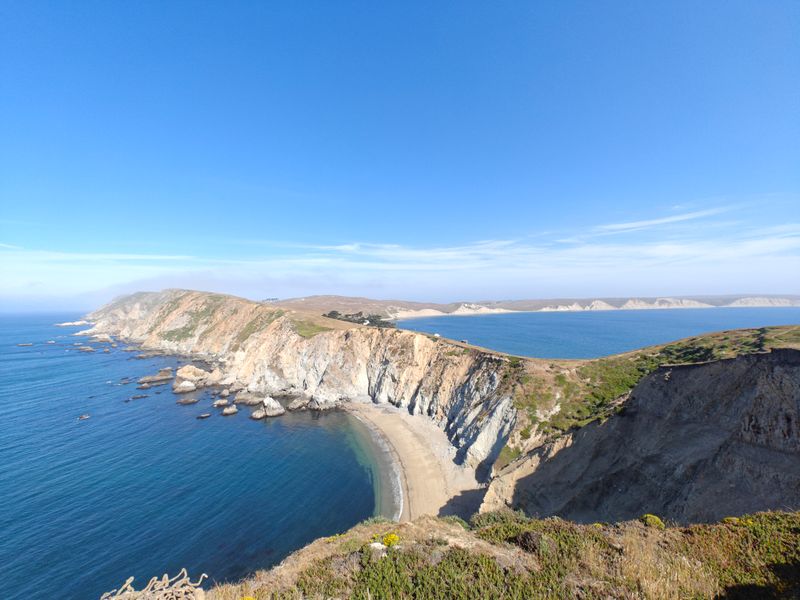
Point Reyes spreads out across ridges and coves, yet famous spots concentrate visitors during whales and wildflowers.
The lighthouse stairway sees timed entries in busy periods, and fog can cancel plans with little warning.
Bear Valley Trail offers an even grade through trees, which suits a mellow morning pace when parking fills.
Elk herds draw attention near the preserve, yet animals roam and sightings vary with the weather.
Storm seasons reshape beaches, and closures protect nesting birds and fragile dunes.
Winter swells pound the outer coast, and the sound carries deep into sheltered valleys.
Wind layers add chill that sneaks past sunny forecasts, so carry a warm shell anyway.
Spring brings carpets of color on coastal bluffs, and cameras line up along safe pullouts.
Weekend energy rises at popular picnic zones, though side trails find space fast.
Road work can change access for a day, and ranger posts offer the latest route notes.
Bikes share certain paths, so expect bells and smiles as you step aside.
Wildlife rules ask for respectful distance, which keeps both photos and animals safe.
Visitor guidance at 1 Bear Valley Rd, Point Reyes Station, CA 94956, helps you match tides with goals.
Evening light warms the headlands, and the drive back feels peaceful after the day thins.
With smart choices you will hold the ocean hush even when popular viewpoints draw a cheerful crowd.
8. Redwood National and State Parks, tall miles and quiet tactics
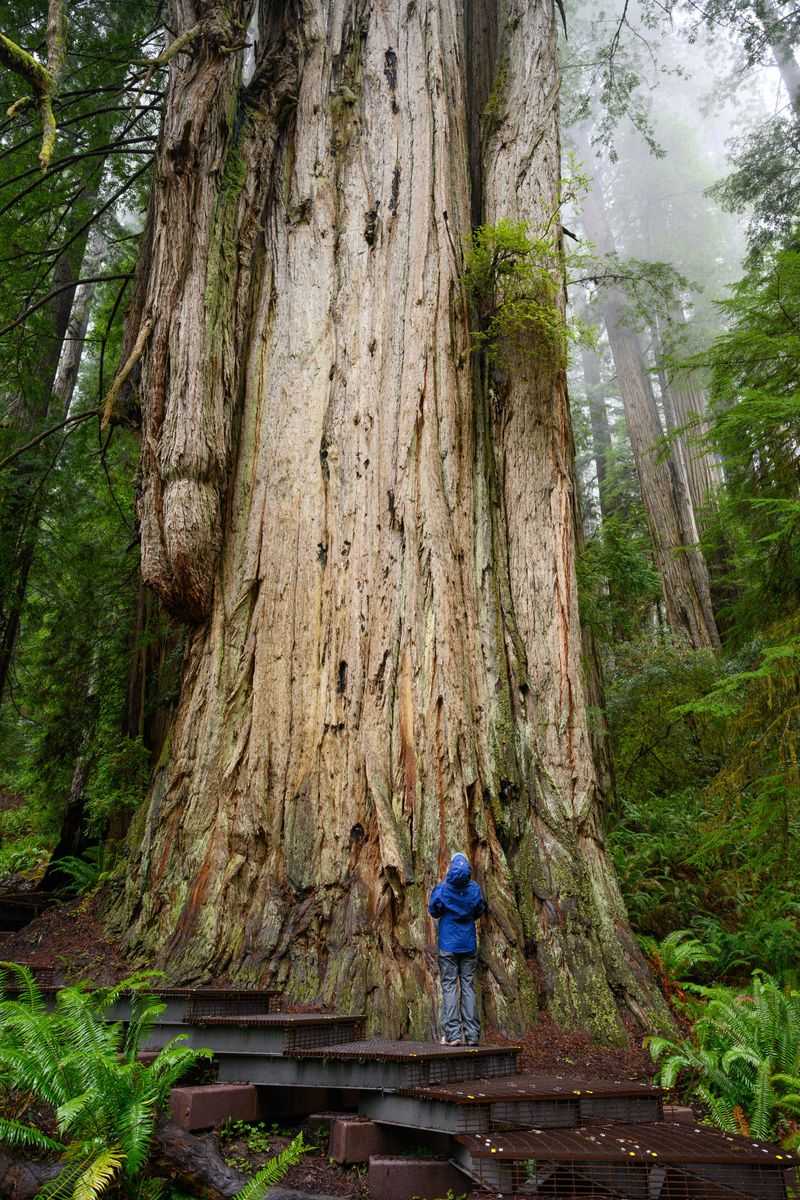
Redwood country remains vast, yet word of mouth has filled marquee trails as travelers seek the tallest trees.
Spacing out your day with early grove walks and midday scenic drives keeps the rhythm smooth and kind.
Stout Grove draws steady traffic in summer, and a nearby loop can restore quiet without losing magic.
Fog often hangs in the canopy, and that light makes photos glow while softening voices.
Elk graze near roads at times, which calls for slow driving and long lenses from safe distances.
After rains, roots turn slick, so careful footwork protects both you and the soil.
Wayfinding improves each year with better signs that point to less crowded spurs.
Some trails close for restoration, and those pauses help the forest breathe and recover.
Guided walks share rich stories about co managed lands and the link between creek health and giants.
Shoulder seasons hold space for quiet reflection if you accept a hint of mist and cool air.
Long drives connect groves, so fuel and snacks matter when towns sit miles apart.
Tide charts help if you plan a mix of forest walks and coastal views on the same day.
Local centers post updates at 1111 Second St, Crescent City, CA 95531, where staff suggest low traffic routes.
Evenings return a hush as families head to dinner and trails empty into green light.
With intention you can hold stillness inside a living cathedral even as interest continues to grow.
9. Kings Canyon National Park, deep valley patience and rewards
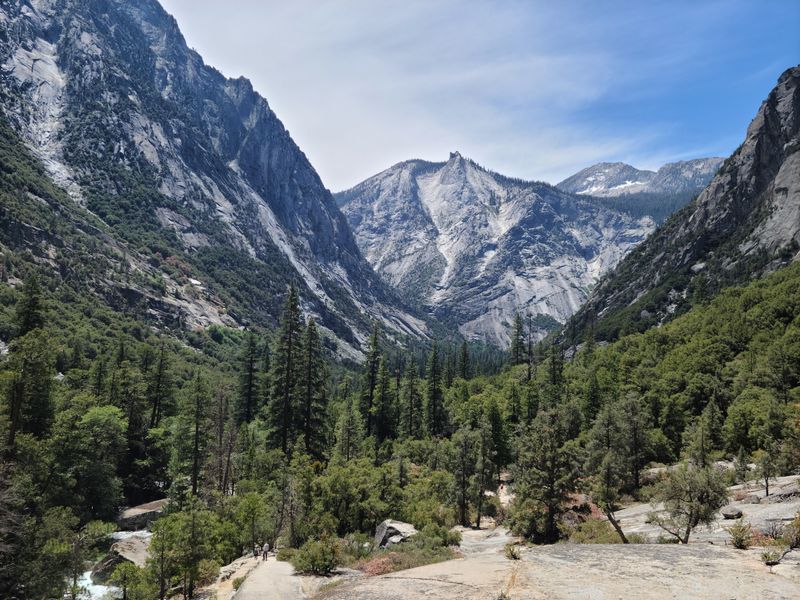
Kings Canyon stretches from giant trees to a river cut valley where crowds cluster at easy overlooks.
Grant Grove anchors many visits, and the big trees see a steady circle of curious faces each hour.
Driving the canyon road adds long curves that open to grand views and small pullouts with room to breathe.
Rangers encourage early starts and mindful stops that spread people across the day.
Water levels shape trail choices, and spring runoff can splash bridges with lively spray.
Wildfire recovery continues in zones where signs ask for care and steady steps.
Some picnic areas fill by noon, so a late lunch at a quiet turnout can reset the day.
Black bear sightings remain possible, which calls for clean storage and respectful space.
Evenings find calmer paths where the river softens noise and light turns warm.
Shuttle service varies by season, and posted notes help you match timing to plans.
Trail crews improve footing in popular loops that needed love after heavy winters.
Cell service drops in the canyon, so print maps and mark your must see stops.
Visitor help at 83918 Grant Grove Dr, Kings Canyon National Park, CA 93633, keeps you current on closures.
Cool mornings suit longer hikes, while afternoons invite short shade breaks under tall trees.
Patience pays here since every bend offers a pocket of calm beyond the busier turnouts.
10. Channel Islands National Park, sea crossings and shared landings
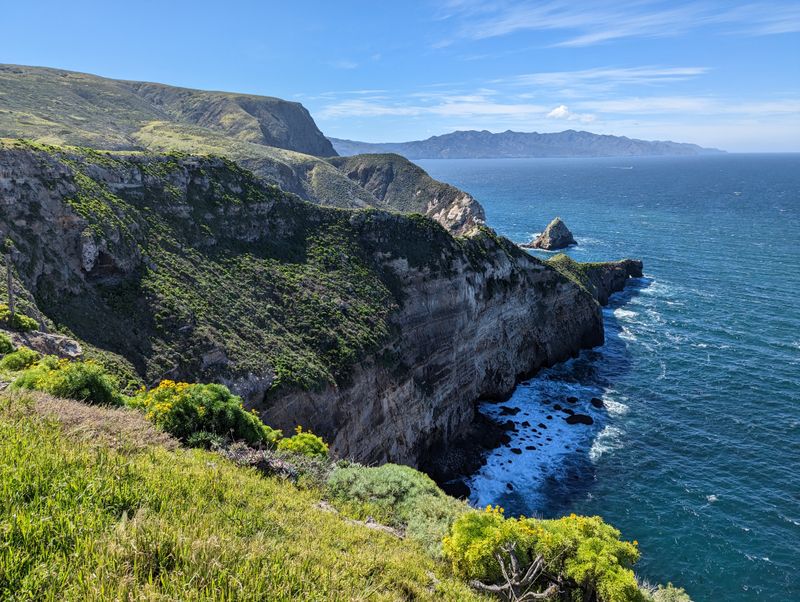
Channel Islands visits start at the harbor and rely on weather, boats, and smart packing to shape the day.
Seats sell out during peak wildlife seasons, so reserve ahead and watch forecasts for wind and swell.
Landings can shift to alternate coves, and flexible plans keep the mood easy when docks change.
Trails on the islands run exposed, and hats plus water make every mile feel friendly.
Guided talks lay out history and habitats, which helps you see more during short shore windows.
Kayak tours fill quickly when sea caves open, and calm mornings bring the best light.
Crowds concentrate at first landings, and a five minute walk usually clears the noise.
Leave no trace rules carry weight here, since fragile soils and nesting zones sit near paths.
Wildlife appears on its own schedule, so patient scanning often beats rushed loops.
Ferries may run adjusted timetables after storms, and alerts post early when seas rise.
Binoculars help you share views without stepping closer to sensitive cliffs.
Weekdays feel calmer, while weekends gather excited groups that spread out after brief briefings.
The mainland visitor center at 1901 Spinnaker Dr, Ventura, CA 93001, sets you up with maps and tide info.
Even with more interest the islands hold vast quiet once you pass the first ridge.
With respect for conditions you will find the crossings add a bright sense of adventure to each plan.
Dear Reader: This page may contain affiliate links which may earn a commission if you click through and make a purchase. Our independent journalism is not influenced by any advertiser or commercial initiative unless it is clearly marked as sponsored content. As travel products change, please be sure to reconfirm all details and stay up to date with current events to ensure a safe and successful trip.
