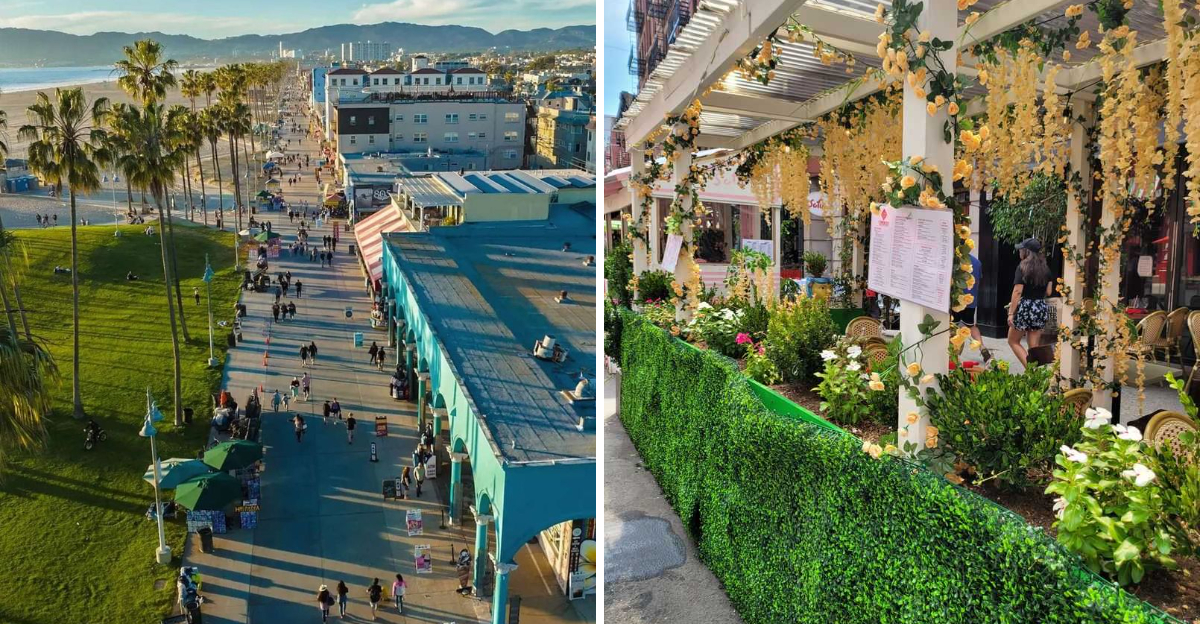
California offers some of the most walkable and inviting neighborhoods in the entire country.
Whether you’re drawn to sandy beaches, historic architecture, or vibrant urban art scenes, there’s a pedestrian-friendly spot waiting for your next adventure.
Exploring on foot allows you to truly connect with the local culture, discover hidden gems, and experience the unique character each area has to offer.
From the iconic boardwalks of Los Angeles County to the charming streets of San Francisco, California neighborhoods provide endless opportunities for memorable strolls.
Each destination on this list has been chosen for its accessibility, charm, and the unforgettable experiences it offers to travelers who prefer to explore at a leisurely pace.
Get ready to lace up your walking shoes and discover the Golden State one step at a time.
1. Santa Monica

Beachside bliss meets urban energy in this iconic Los Angeles County destination.
Santa Monica has long been a favorite among travelers who crave ocean breezes and endless sunshine.
The neighborhood centers around the famous Santa Monica Pier, where you can stroll past street performers, arcade games, and the historic carousel.
Beyond the pier, the Third Street Promenade offers three full blocks of pedestrian-only shopping and dining.
Local boutiques, major retailers, and cozy cafes line the promenade, creating a lively atmosphere day and night.
Walking here feels effortless, with wide sidewalks and plenty of benches for resting your feet.
The nearby beach path stretches for miles, perfect for a sunset walk along the Pacific Ocean.
You’ll find public art installations, fountains, and green spaces scattered throughout the area.
Santa Monica’s relaxed vibe makes it easy to spend an entire day wandering without needing a car.
Ocean Avenue provides stunning coastal views and connects you to Palisades Park, a bluff-top green space ideal for picnics.
The neighborhood is well-maintained, safe, and designed with pedestrians in mind.
Whether you’re exploring shops, enjoying ocean views, or simply people-watching, Santa Monica delivers a quintessential California experience on foot.
2. North Beach
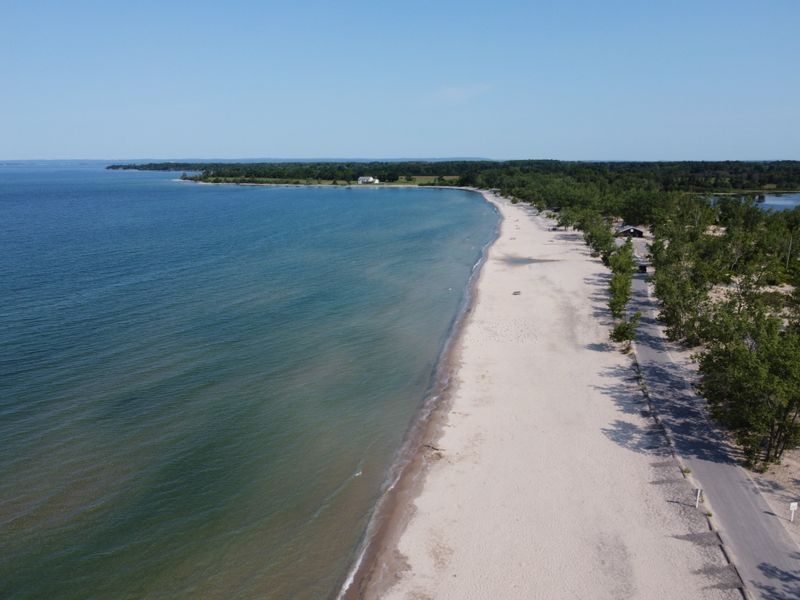
San Francisco’s Little Italy pulses with energy and old-world charm.
North Beach has been the heart of Italian culture in the city for generations, and its compact layout makes it incredibly easy to explore on foot.
Narrow streets wind past family-owned cafes, bakeries, and trattorias that have served the community for decades.
Columbus Avenue serves as the main artery, lined with inviting storefronts and outdoor seating areas.
The neighborhood’s hilly terrain adds character and rewards you with sweeping views of the bay and downtown skyline.
Washington Square Park sits at the heart of North Beach, offering a peaceful spot to rest and watch locals practice tai chi or walk their dogs.
Historic landmarks like Saints Peter and Paul Church anchor the neighborhood with architectural beauty.
Bookstores, vintage shops, and jazz clubs give North Beach a bohemian edge that contrasts beautifully with its traditional Italian roots.
The area comes alive at night, with live music spilling onto sidewalks and bustling restaurants serving authentic cuisine.
Walking through North Beach feels like stepping into a different era, where community and culture take center stage.
Every corner reveals something new, from hidden alleyways to vibrant murals celebrating the neighborhood’s rich history.
This is a place where foot traffic thrives and cars take a backseat to the pedestrian experience.
3. Venice Beach
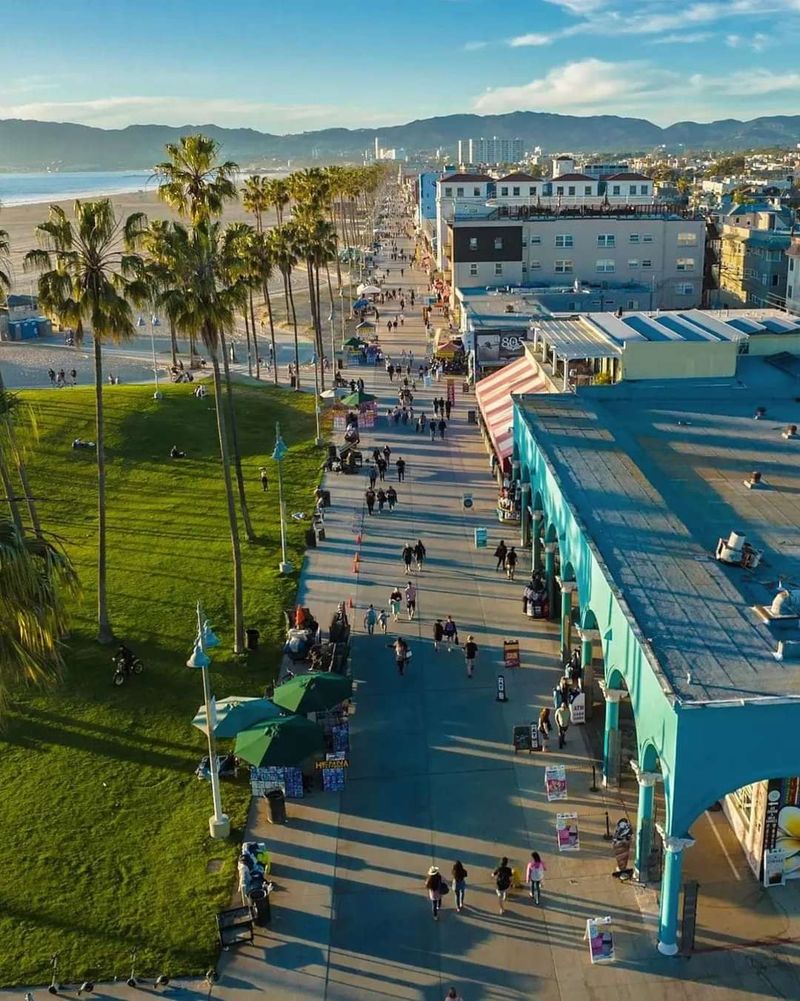
Creativity and counterculture collide in this legendary Los Angeles County neighborhood.
Venice Beach has built its reputation on being different, and that spirit is alive in every step you take here.
The Venice Boardwalk stretches along the coast, buzzing with street performers, artists, and vendors selling handmade crafts.
Muscle Beach, skate parks, and basketball courts add to the energetic outdoor atmosphere.
Just a few blocks inland, the Venice Canals Walkway offers a completely different experience.
Quiet, picturesque bridges arch over calm waterways lined with charming homes and lush gardens.
This peaceful enclave feels worlds away from the lively boardwalk, yet it’s just a short stroll.
Abbot Kinney Boulevard has become a hotspot for trendy boutiques, galleries, and independent shops.
Walking this street gives you a taste of Venice’s artistic soul, with murals adorning nearly every building.
The neighborhood encourages exploration, with bike paths, pedestrian-friendly streets, and plenty of public spaces.
You’ll encounter everything from yoga sessions on the sand to impromptu drum circles as the sun sets.
Venice Beach embodies the free-spirited California lifestyle, making it a must-visit for travelers who love to wander and discover unexpected treasures around every corner.
4. The Castro
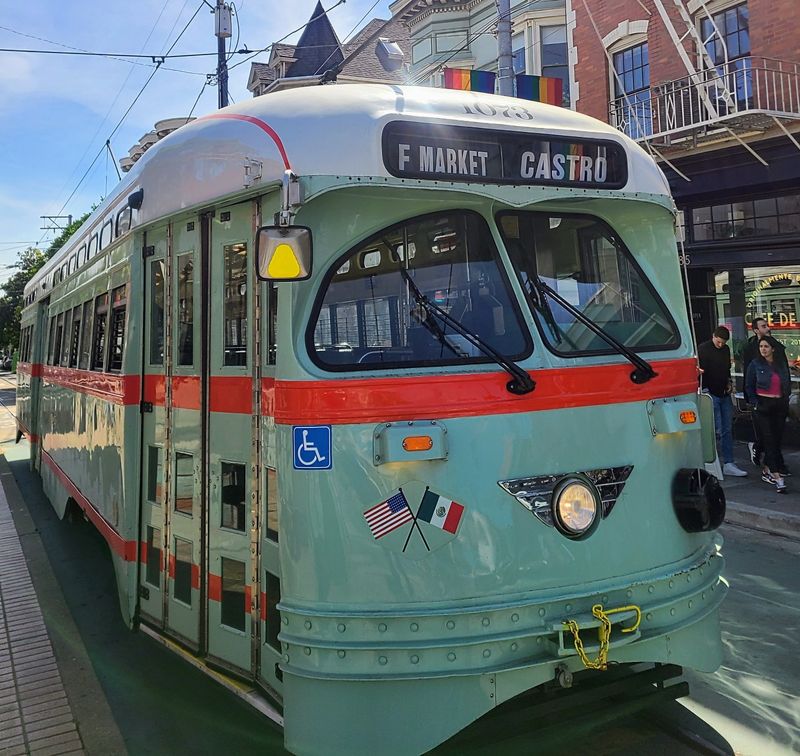
History and pride intersect in this culturally significant San Francisco neighborhood.
The Castro has been a beacon for the LGBTQ+ community for decades, and its welcoming atmosphere draws visitors from around the world.
Rainbow crosswalks and flags add splashes of color to the streets, celebrating diversity and inclusion.
The historic Castro Theatre, with its iconic marquee and Spanish Colonial Revival architecture, stands as a beloved landmark.
Castro Street serves as the main thoroughfare, packed with local businesses, restaurants, and shops that reflect the neighborhood’s unique character.
Walking here feels comfortable and safe, with a strong sense of community visible in every interaction.
Independent bookstores, vintage clothing shops, and cozy cafes invite you to slow down and soak in the atmosphere.
The neighborhood sits in a relatively flat area of the city, making it easier to navigate than some of San Francisco’s steeper districts.
Public art and murals celebrate the area’s rich history and the activists who fought for equality.
Harvey Milk Plaza honors the legacy of the pioneering civil rights leader who once lived and worked here.
The Castro’s vibrant nightlife scene comes alive after dark, with venues offering entertainment for all tastes.
Exploring this neighborhood on foot gives you a deeper appreciation for its role in shaping cultural movements and fostering acceptance throughout California and beyond.
5. Old Pasadena
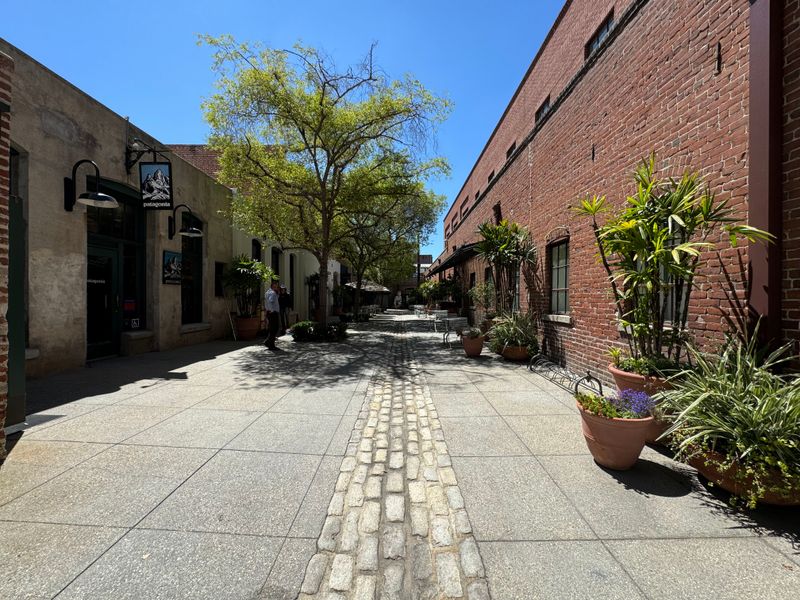
Vintage charm and modern energy blend seamlessly in this beloved Los Angeles County district.
Old Pasadena has transformed from a neglected downtown area into one of the region’s premier walking destinations.
The neighborhood showcases beautifully restored buildings from the early twentieth century, with brick facades and decorative architectural details.
Colorado Boulevard forms the central spine, offering block after block of shops, galleries, and eateries.
Wide sidewalks and tree-lined streets create an inviting environment for leisurely strolls.
You’ll discover everything from national retailers to quirky independent boutiques housed in historic storefronts.
The pedestrian-friendly layout encourages exploration, with alleyways and side streets revealing hidden courtyards and outdoor dining patios.
Public fountains, benches, and small plazas provide spots to rest and people-watch.
Old Pasadena maintains a European feel, with outdoor seating spilling onto sidewalks and a relaxed pace of life.
The neighborhood comes alive during evening hours, when string lights illuminate dining areas and live music fills the air.
Art galleries showcase local talent, while theaters and entertainment venues add cultural depth to the area.
Located at 23 E Colorado Blvd Ste 200, the district serves as a central hub for both residents and visitors seeking an authentic urban walking experience in Southern California.
6. Carmel-by-the-Sea
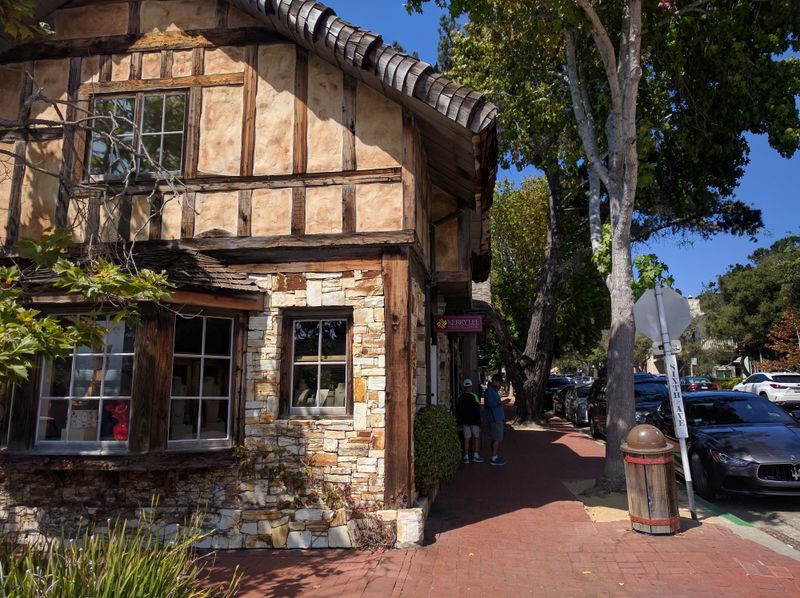
Storybook cottages and artistic flair define this enchanting Monterey County village.
Carmel-by-the-Sea feels like stepping into a European hamlet, with winding streets and no sidewalks in many areas, adding to its quaint character.
The compact downtown area spans just a few blocks, making it incredibly easy to explore everything on foot.
Art galleries seem to occupy every other storefront, showcasing paintings, sculptures, and photography from local and international artists.
Unique boutiques offer handcrafted jewelry, home decor, and clothing you won’t find anywhere else.
The village’s strict building codes have preserved its fairy-tale aesthetic, with no chain restaurants or neon signs disrupting the charm.
Ocean Avenue slopes gently downward toward Carmel Beach, where white sand and cypress trees create a stunning coastal backdrop.
Walking from downtown to the beach takes just minutes, rewarding you with breathtaking Pacific views.
Courtyards and hidden passageways connect buildings, encouraging discovery and adding to the sense of adventure.
The village maintains its small-town atmosphere despite attracting visitors from around the globe.
Dogs are welcome almost everywhere, and you’ll often see them accompanying their owners into shops and outdoor dining areas.
Carmel-by-the-Sea proves that California offers more than just big cities and beaches, providing a romantic, walkable escape that feels worlds away from everyday life.
7. Haight-Ashbury
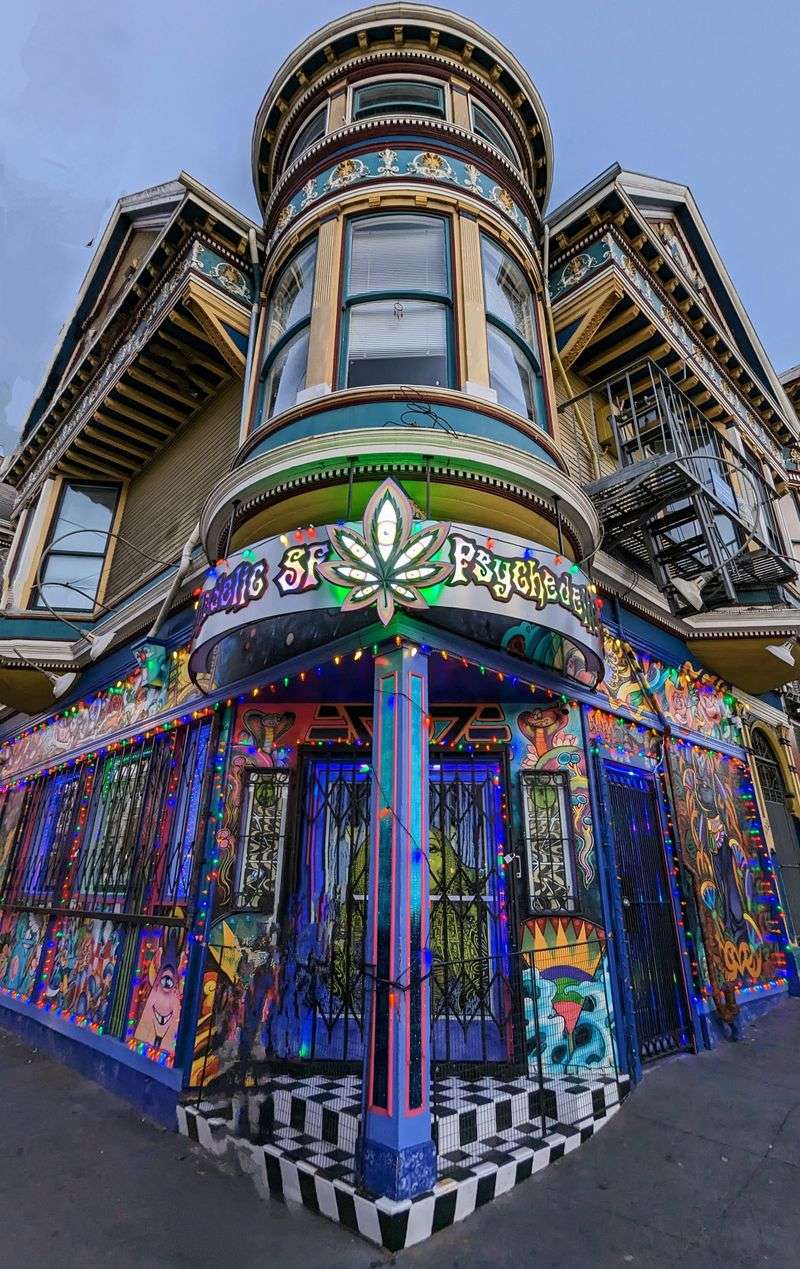
Nostalgia and rebellion still echo through these legendary San Francisco streets.
Haight-Ashbury became synonymous with the counterculture movement, and that independent spirit remains palpable today.
Colorful Victorian homes line the residential streets, many painted in vibrant hues that reflect the neighborhood’s creative soul.
Haight Street itself bustles with vintage clothing stores, record shops, and quirky boutiques selling everything from incense to tie-dye.
The intersection of Haight and Ashbury Streets serves as the symbolic heart of the district, where visitors pause for photos and to soak in the historic significance.
Murals and street art add visual interest to nearly every block, celebrating music legends and social movements.
Walking through Haight-Ashbury feels like browsing through a living museum of alternative culture.
Independent bookstores and music venues keep the artistic tradition alive, hosting readings and live performances.
The neighborhood borders Golden Gate Park, offering easy access to green spaces and trails for those who want to extend their walk.
Local cafes serve organic fare and provide gathering spots for residents and visitors alike.
The area’s relatively flat terrain makes it accessible for all fitness levels.
Haight-Ashbury proves that California neighborhoods can preserve their unique identity while welcoming new generations of explorers seeking authenticity and a connection to the past.
8. Little Italy
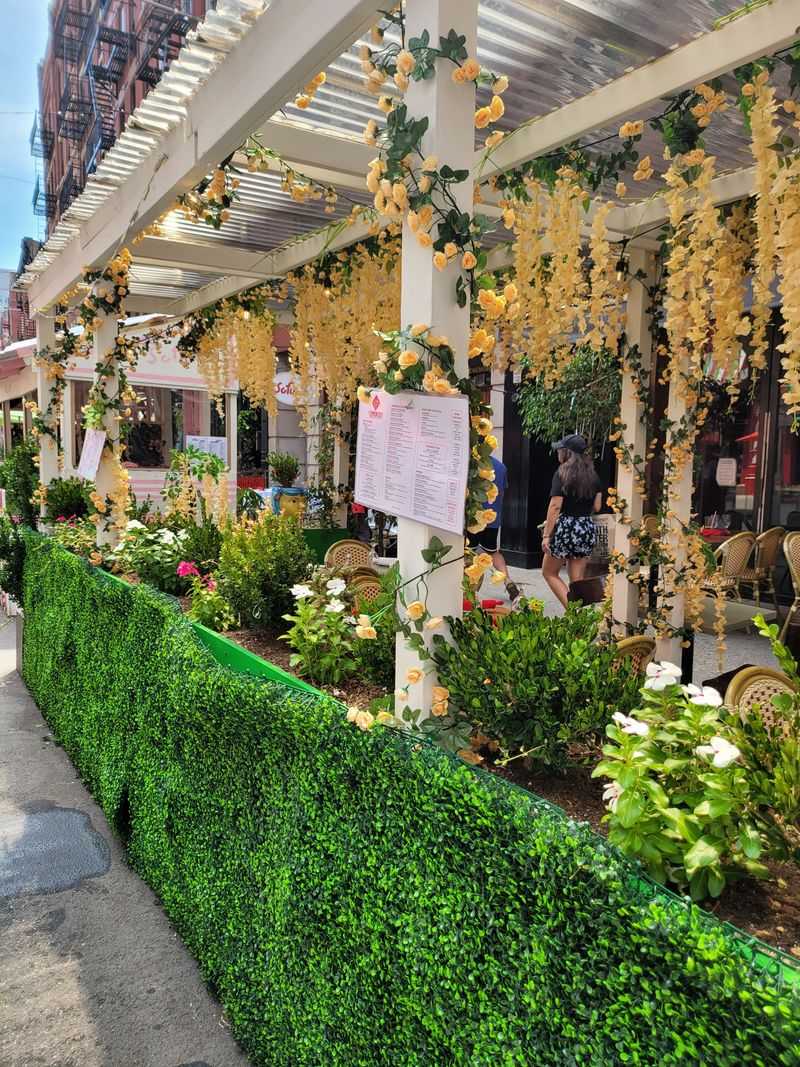
Urban sophistication meets Old World tradition in this thriving San Diego neighborhood.
Little Italy has evolved from a genuine fishing community into one of the city’s most desirable walking districts.
The transformation has been remarkable, yet the area maintains strong connections to its Italian heritage.
India Street runs through the heart of the neighborhood, lined with trattorias, gelato shops, and specialty food stores.
Modern condos and lofts tower above historic buildings, creating an interesting architectural contrast.
The neighborhood’s grid layout makes navigation simple, with most attractions concentrated within a walkable radius.
Piazza della Famiglia serves as a central gathering space, hosting outdoor events and providing seating areas for relaxation.
Art galleries and design studios have moved into the area, adding contemporary flair to the traditional Italian atmosphere.
The weekly farmers market draws crowds with fresh produce, flowers, and artisan goods from local vendors.
Waterfront access is just a short walk away, connecting Little Italy to the broader San Diego Bay Trail.
The neighborhood feels alive at all hours, with outdoor dining remaining popular year-round thanks to the mild climate.
Street festivals and cultural celebrations bring the community together, showcasing music, food, and traditions that honor Italian heritage while embracing California’s diverse, modern culture.
9. Beverly Hills
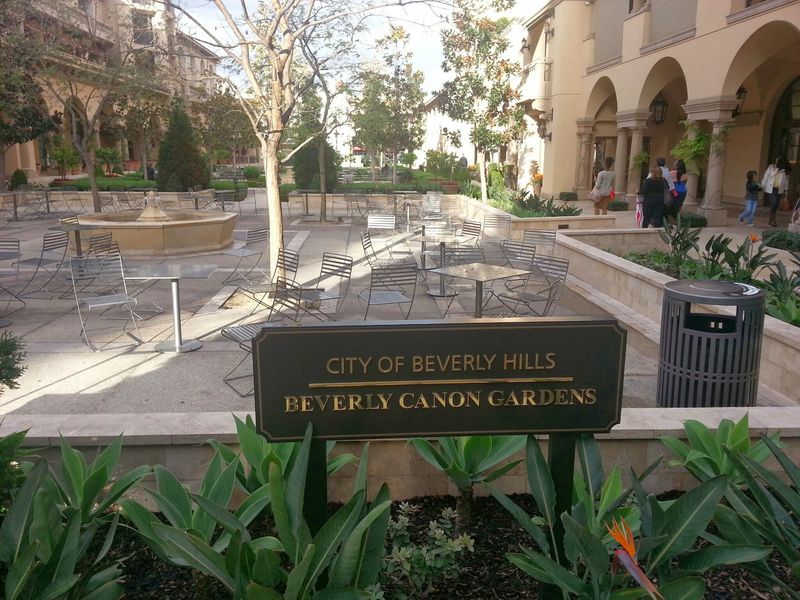
Glamour and luxury define every corner of this world-famous Los Angeles County destination.
Beverly Hills offers a walking experience unlike any other, where manicured streets and designer boutiques create an atmosphere of refined elegance.
Rodeo Drive stands as the crown jewel, with three blocks of the world’s most exclusive fashion houses and jewelry stores.
Window shopping here becomes an activity in itself, with stunning displays and architectural details at every turn.
The surrounding residential area, known as the flats, features immaculate sidewalks shaded by towering palm trees.
Walking these streets feels safe and serene, with well-maintained landscaping and minimal traffic congestion.
Beverly Gardens Park stretches along Santa Monica Boulevard, offering a green corridor perfect for a peaceful stroll.
The iconic Beverly Hills sign provides a popular photo opportunity for visitors.
Beyond the shopping district, tree-lined residential streets showcase stunning architecture and perfectly manicured gardens.
Celebrity sightings remain a possibility, adding an element of excitement to your walk.
The neighborhood maintains its reputation for cleanliness and order, with pristine streets and attentive maintenance.
High-end hotels and spas dot the area, contributing to the luxurious ambiance that Beverly Hills is known for throughout California and around the world.
10. The Arts District Los Angeles

Raw creativity transforms industrial spaces into vibrant cultural destinations in this downtown Los Angeles neighborhood.
The Arts District has exploded in popularity, becoming one of the most dynamic walking areas in California.
Massive murals cover warehouse walls, turning entire buildings into canvases for internationally renowned street artists.
Every block offers new visual discoveries, from small hidden pieces to sprawling works that span multiple stories.
The neighborhood’s industrial past remains visible in converted factories and loft buildings that now house galleries, studios, and creative businesses.
Located at 527 Molino St UNIT 108, the district has become a hub for artists, entrepreneurs, and food enthusiasts.
Wide sidewalks and relatively light vehicle traffic make walking comfortable and safe.
Independent coffee roasters, craft breweries, and innovative restaurants have set up shop in repurposed spaces.
The area maintains an authentic, gritty edge that contrasts with more polished Los Angeles neighborhoods.
Weekend art walks and open studio events invite visitors to meet creators and see works in progress.
Vintage shops and design stores offer unique finds you won’t discover in typical retail districts.
The Arts District proves that urban renewal can celebrate creativity while maintaining character, making it essential for travelers who want to experience the cutting edge of California’s contemporary culture scene on foot.
Dear Reader: This page may contain affiliate links which may earn a commission if you click through and make a purchase. Our independent journalism is not influenced by any advertiser or commercial initiative unless it is clearly marked as sponsored content. As travel products change, please be sure to reconfirm all details and stay up to date with current events to ensure a safe and successful trip.
