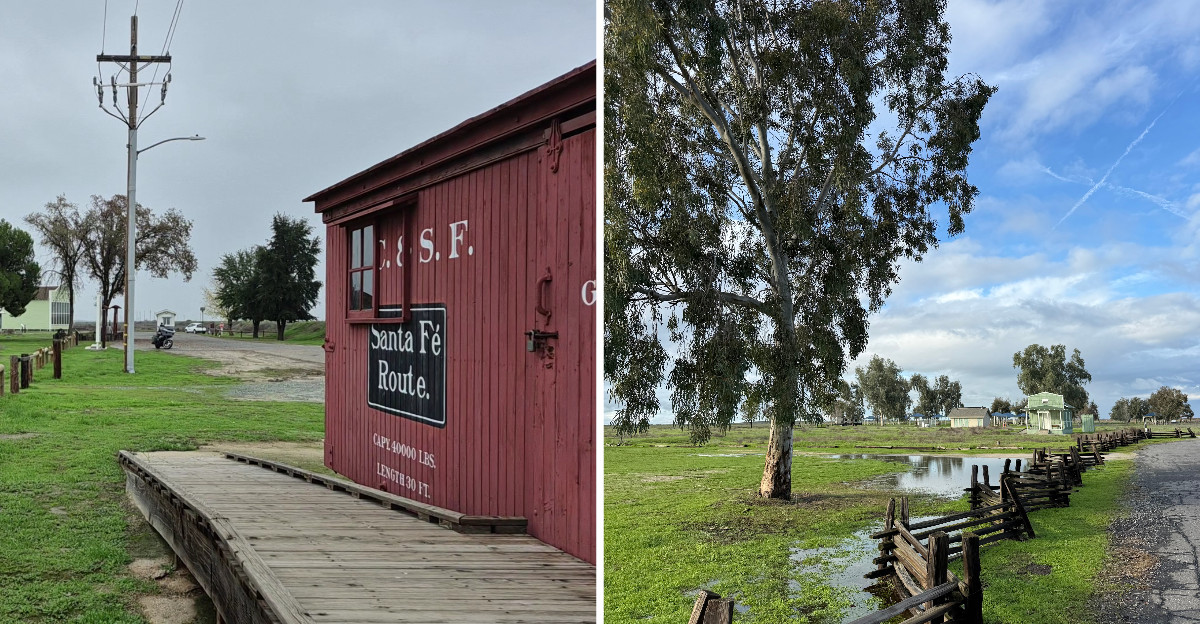
Dry earth and warm grass filled the air, and a small grid of wooden buildings sat quietly in the sun. Dust on the windshield and no real idea what to expect had led to this California spot, and within minutes the hook was set.
This is the only town in the state founded, funded, and governed by Black Americans, started in 1908 beside a rail line. Walking the flat streets slowly, reading plaque after plaque, a distant train rumbled past like it had never stopped.
The buildings are modest, the streets are wide, and the silence carries the weight of a community that built something from nothing. Somehow a place this important had stayed off the radar for years, which made finding it feel even better.
A schoolhouse, a church, and a few homes remain, preserved as a state park. History you can stand inside of instead of just reading about deserves a spot on any map, and this little park delivers exactly that.
Colonel Allen Allensworth and the Dream That Started It All
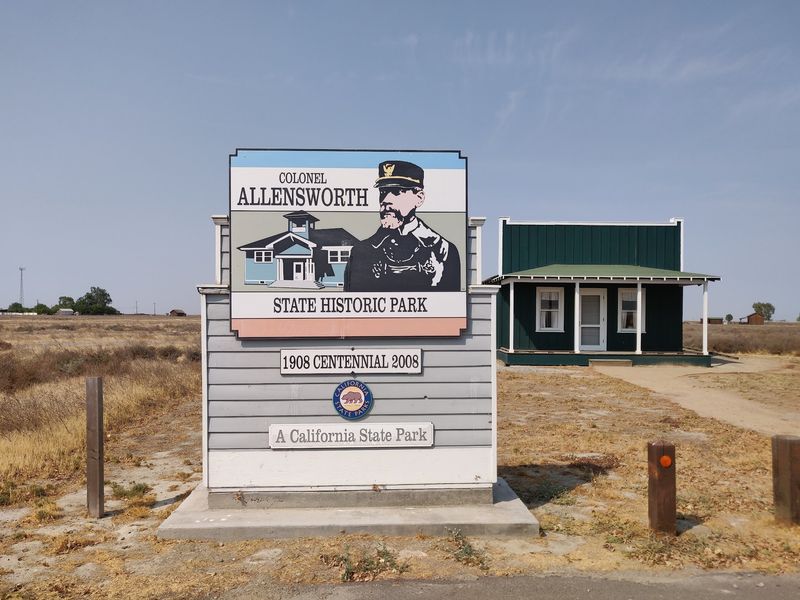
Before I understood the buildings, I needed to understand the man behind them. Colonel Allen Allensworth was born into slavery in Louisville, Kentucky, in 1842, and taught himself to read and write when laws forbade it.
He gained his freedom during the Civil War, served in the U.S. Navy, and later became a chaplain in the Army.
By the time he retired in 1906, he was the highest-ranking Black officer in the United States Army.
What struck me most is what he did next. Instead of resting, he set out to build a town where Black families could govern themselves, own land, and raise children away from the discrimination they faced elsewhere.
He worked alongside four other founders: Professor William Alexander Payne, miner John W. Palmer, minister William H.
Peck, and real estate agent Harry A. Mitchell.
Together they formed the California Colony and Home Promoting Association.
Reading his story on the interpretive signs while standing in the actual place he imagined gave me chills. The visitor center video fills in the details beautifully, and I would suggest watching it first so everything else clicks into place.
Why the Railroad Mattered So Much in 1908
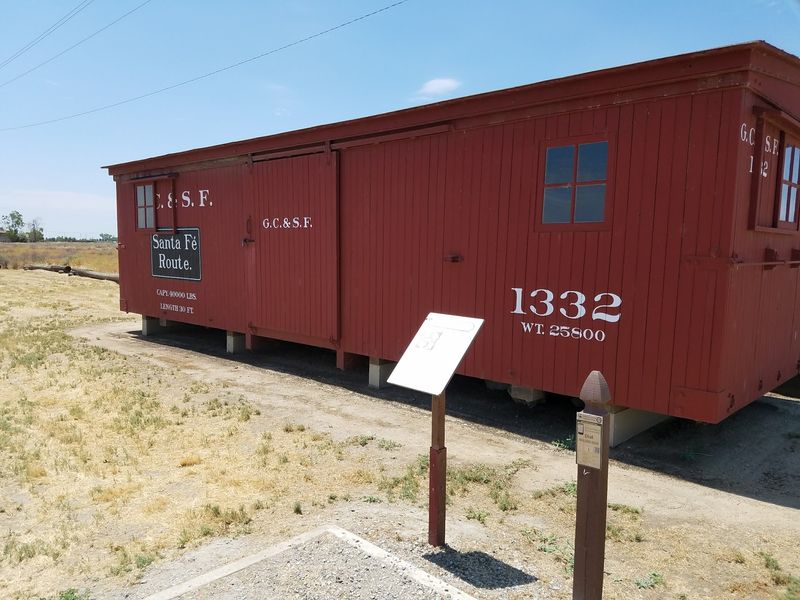
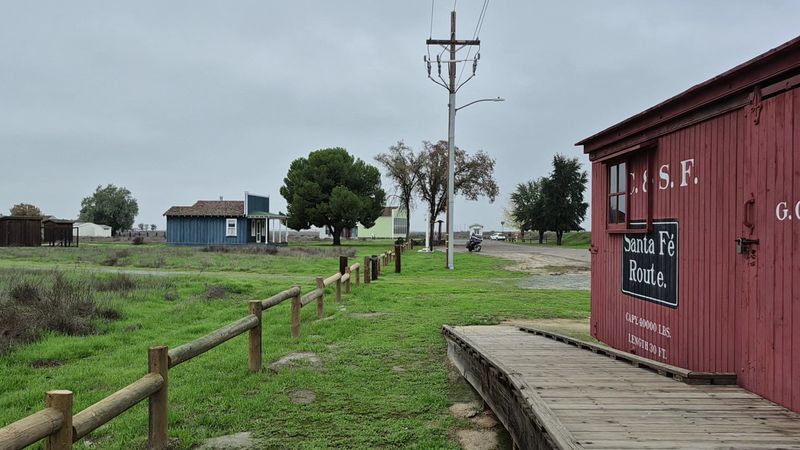
A freight train rolled by while I was reading a sign near the old depot area, and the timing felt almost scripted. Trains are still part of the soundtrack here, which makes the town’s origin story easy to picture.
The founders chose land near a Santa Fe rail stop called Solita, purchased from the Pacific Farming Company. They started with 20 acres and later expanded to around 800.
Rail access was everything back then. Crops could reach markets, mail and visitors could arrive, and families had a real link to the wider world without depending on anyone’s goodwill.
That connection helped the settlement grow fast. Black families came from across the country, drawn by the promise of land they could actually own and a community they would actually run.
Standing beside those tracks, I kept thinking about how a single stop on a map can decide whether a town thrives or fades. Allensworth was built with that logic in mind, and for a while the strategy worked exactly as planned.
The audio clips available through QR codes on the signs explain this better than I can summarize here.
The Schoolhouse That Made California History
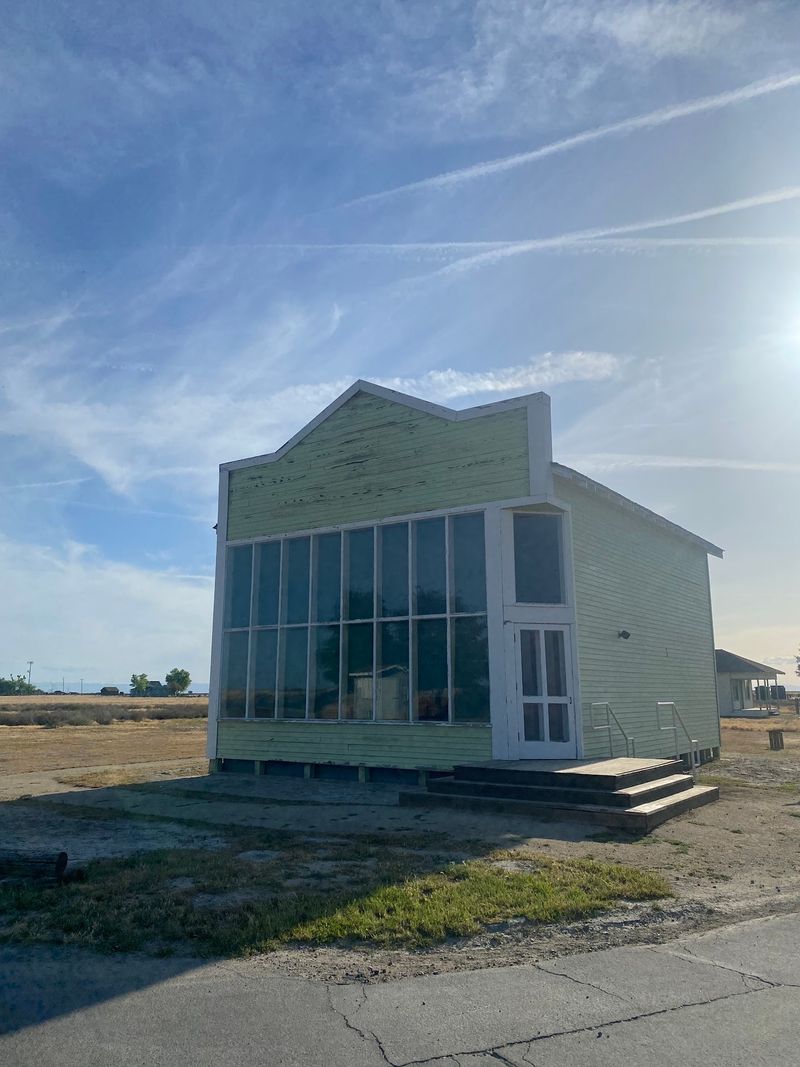
My favorite building sits near the center of the townsite, and it is the schoolhouse. Peering through the window at rows of wooden desks, I could almost hear a lesson in progress.
Allensworth established California’s first African American school district, which is a detail that deserves far more attention than it gets. Education sat at the heart of the community’s plans from day one.
The founders believed knowledge was the surest path to independence, and they backed that belief with real money and real effort. A Tulare County library soon followed, another restored building you can look into today.
Professor William Alexander Payne, one of the five founders, was a teacher himself, which tells you a lot about the town’s priorities. Families here were building something meant to last generations.
What surprised me was how modest the building looks compared to its significance. There is no grand architecture, just practical wood and windows facing the valley light.
If you visit with kids, this is the spot where the history lands hardest. Interpretive plaques out front explain who taught here and what daily lessons involved, and the recorded audio adds helpful context.
Streets Named for Heroes and a Park Built on Pride
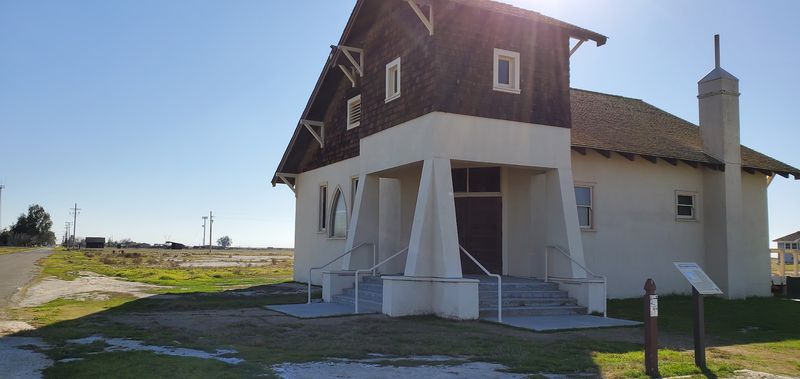
Small details are what made this place stick with me, and the street names top the list. Avenues here were named after prominent African Americans and Civil War heroes, a decision that turned an ordinary town grid into a daily history lesson.
Residents walked past those names every single day. Kids grew up knowing exactly whose shoulders they stood on.
There is also Booker T. Washington Park within the townsite, reflecting the community’s belief in self-reliance and economic progress.
Naming choices like that were deliberate statements, not decoration.
By 1914 the town included a courthouse for self-governance, a Baptist church, a hotel for travelers, and the library and school. Around 300 families had settled here, farming and ranching the flat valley land.
Wandering between the buildings, I found the layout easy to follow and mercifully flat. Each structure has its own sign with a QR code, so you can listen instead of squinting in the sun.
Give yourself about an hour to read everything at a relaxed pace. I took closer to ninety minutes because I kept circling back.
Water, Loss, and the Hard Years
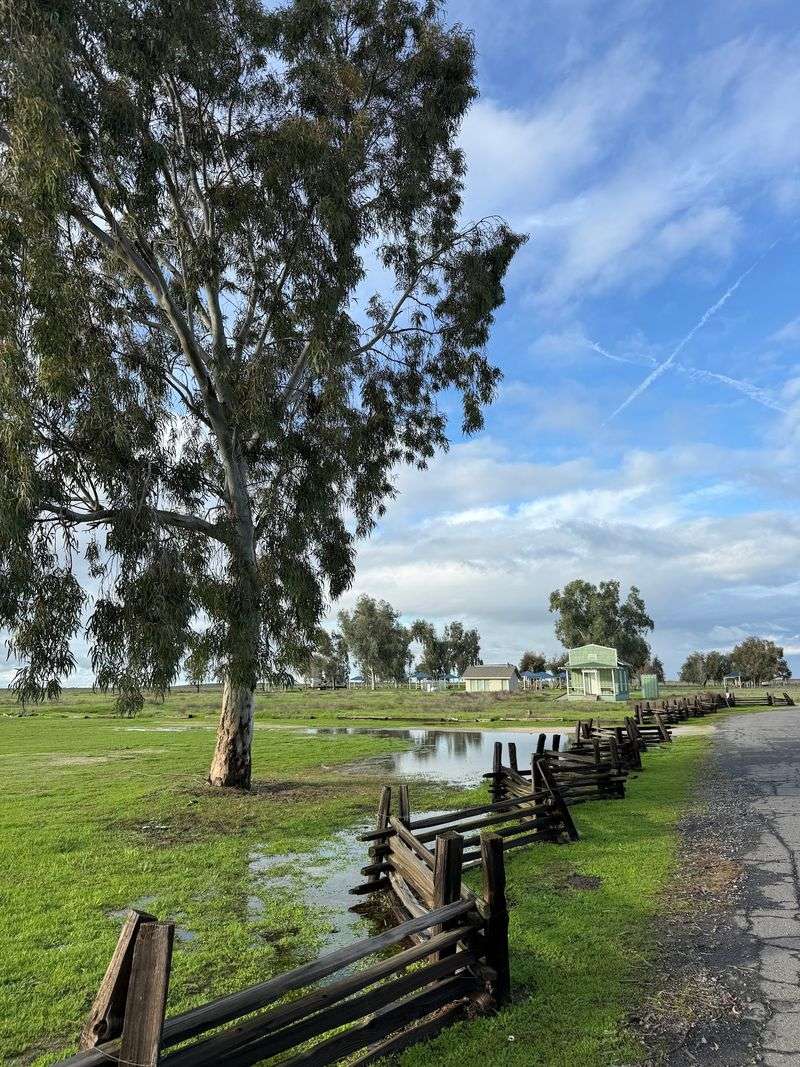
Not every part of this story is easy, and the park does not pretend otherwise. In 1914 the Santa Fe rail system moved its stop from Allensworth to nearby Alpaugh, cutting the town off from the trade route that had sustained it.
The railroad company had also resisted renaming the depot and refused to hire Black managers or ticket agents. Those tensions were part of the picture.
That same year brought a second blow. Colonel Allensworth passed away in September 1914 after being struck by a motorcycle while crossing a street in Monrovia, California.
He had been working to secure water rights and to establish a technical college, so his passing left both practical and emotional gaps. Then came drought, diverted water, and a private water company that failed to deliver what it had promised.
Crop yields dropped and families gradually moved away, especially after World War I. By the late 1960s, Allensworth had disappeared from some maps entirely.
Learning all this while standing on the actual ground reframed the whole visit for me. The obstacles were external, not a failure of vision.
Peeking Through Windows on a Self-Guided Walk
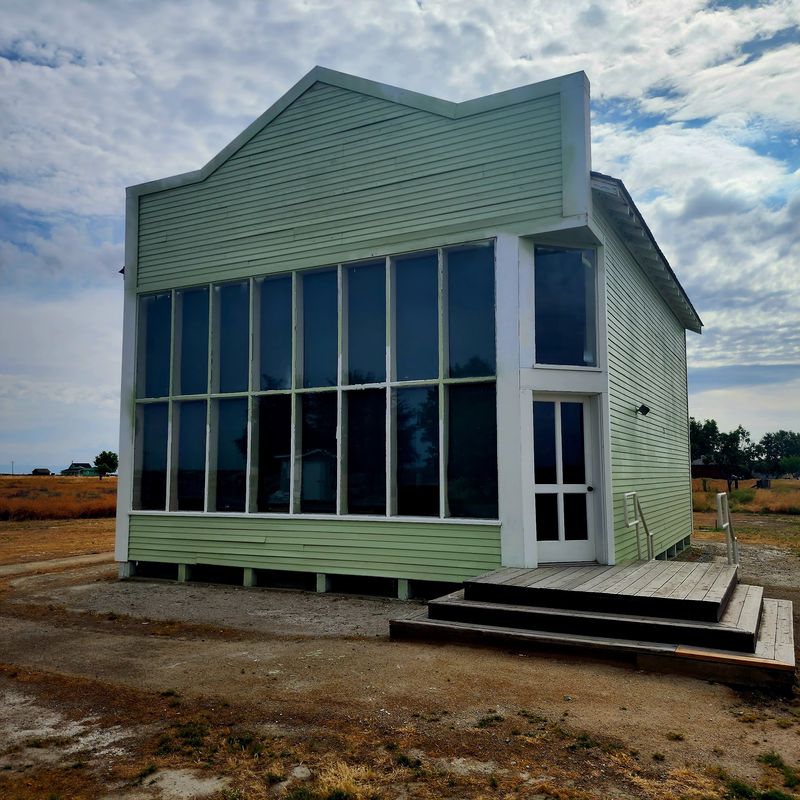
Most days, the buildings stay locked, and honestly that did not bother me one bit. Large windows let you see inside, and the rooms are furnished with period pieces that look like someone stepped out five minutes ago.
Beds, stoves, desks, pulpits, and household tools are all arranged with care. The Colonel’s house and the Baptist church were the two I lingered at longest.
Every building has a plaque explaining its purpose and who lived or worked there. Scan the QR code and you get a recorded version, which is great if reading in bright sun wears you out.
The visitor center is a small portable building with exhibits and a video about the founders. Watching it is worth the stop, and rangers I encountered were friendly and happy to talk.
Multiple public restrooms are scattered around, and they were clean when I visited. Hours run 9 am to 4 pm daily, so plan accordingly.
During special events, some buildings open with docents in period clothing. That is the version I want to catch next time.
Camping Under Big Valley Skies
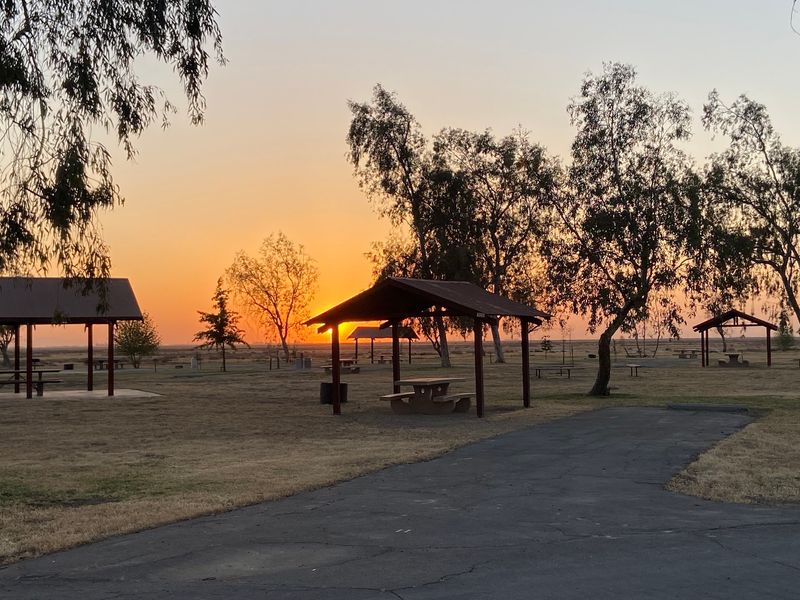
The campground caught me off guard in the best way. Sites are flat and paved, with covered picnic tables and shade shelters, plus a bath house with hot showers and private stalls.
Water spigots sit around the loop, and there is a dump station on site. A couple of sites offer full hookups while the rest are dry camping.
Shade is limited beyond the shelters, so summer afternoons get genuinely hot out here. Spring and fall are the smarter windows, and evenings cool down nicely.
The ground is hard-packed, which means a decent mallet for tent stakes is not optional. Learn from other campers who discovered this the hard way.
Trains pass at night, though most people find the sound more soothing than disruptive. Sunsets across the open valley are the real payoff, wide and orange and completely uninterrupted.
Wildlife is around, including rattlesnakes, so watch where you step in the grass. Reservations are wise during event weekends, but off-season visits can be remarkably quiet.
Waking up inside a historic townsite is a strange, wonderful feeling.
Celebrations, Legacy, and Why You Should Go
Timing your visit around an event changes the whole experience. The Annual Rededication draws thousands of people, with live entertainment, music, and food filling the townsite with energy that mirrors the original community.
Juneteenth gatherings here have long been a family tradition for visitors across the state. School groups come too, which feels exactly right.
Plans for a new Visitor and Event Center are in the works, promising deeper interpretation for future guests. The park’s mission stays focused on preserving this chapter of California’s Black history.
What I took away was not sadness about a town that faded, but admiration for people who built something bold with the odds stacked against them. They created a school district, a courthouse, a library, and a self-governing community from flat farmland.
The drive off Highway 99 or Interstate 5 is short, roughly forty-five minutes north of Bakersfield. Entrance is easy, the staff are welcoming, and an hour or two is all you need.
Go once and I suspect you will tell someone else about it, the way I keep doing.
Address: 4011 Grant Dr, Earlimart, CA 93219
