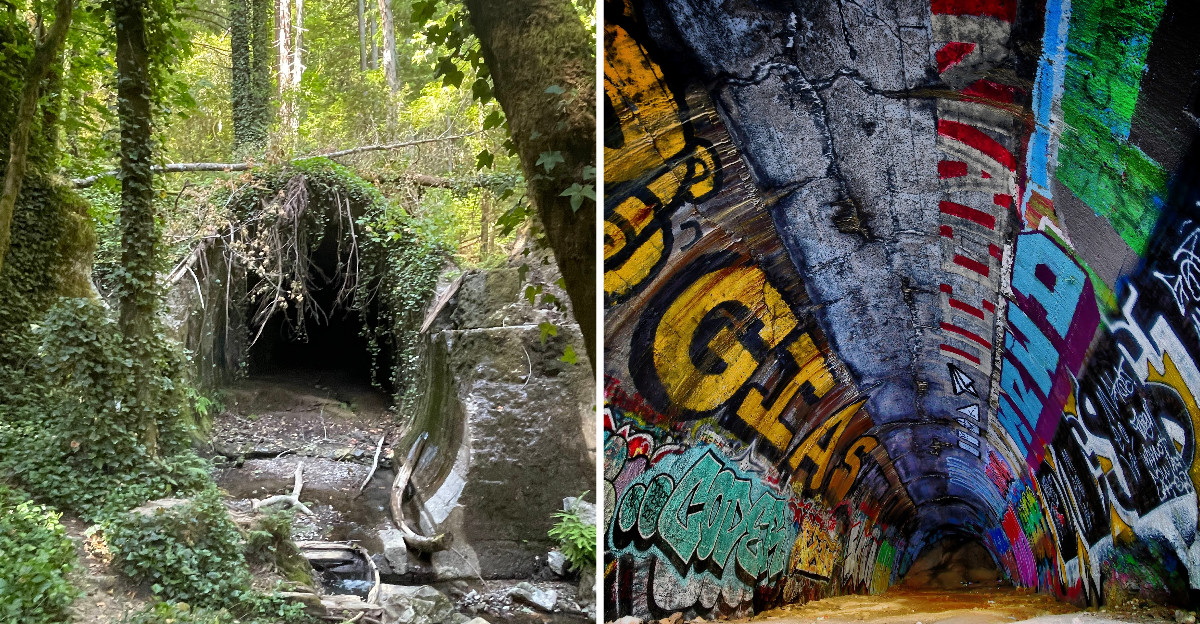
A mile-long railroad tunnel buried under a California mountain ridge sounds like a tall tale, and that is exactly what it seemed like at first. Thousands of feet of hand-cut rock, a narrow-gauge line, and a crew of Chinese laborers who faced methane pockets and fire underground in the 1870s.
A rainy afternoon disappeared while tracing old maps of a town that has almost completely vanished into the redwoods. What sticks is not the engineering, impressive as it was, but the people who never made it out of that tunnel and the legends locals still repeat about them.
The portals were blasted shut in the 1940s, so nobody rides through anymore, and the land belongs to a water company now. Still, the history feels close enough to touch.
The dark entrance is sealed, but the story remains open. California hides chapters like this under its hills, waiting for anyone curious enough to dig them up.
A Tunnel Born From a Railroad Dream in 1878
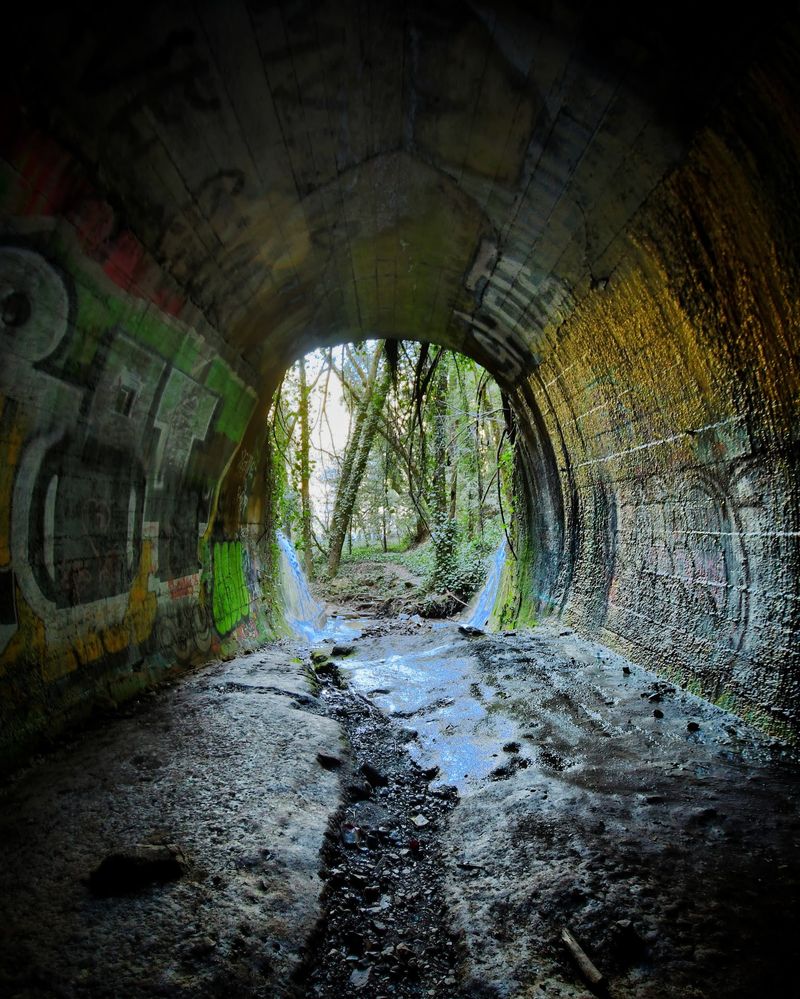
Back in the late 1870s, getting from San Francisco Bay to Santa Cruz meant a slow, bumpy journey over the mountains. The South Pacific Coast Railroad had a bolder idea: punch straight through the ridge with a narrow-gauge line connecting Santa Cruz to Alameda.
Work on the Wrights Tunnel, also called the Summit Tunnel or Tunnel 2, started in October 1878. It opened in May 1880, which means roughly two years of drilling, blasting, and hauling rock out by hand.
I find the numbers hard to picture until I say them out loud. The finished bore ran 6,157 feet, about 1.2 miles, making it the longest railroad tunnel in California at the time and one of the longest anywhere in the country.
Two small settlements grew around the project. Wrights sat beside the north portal, and Highland, later renamed Laurel, sat near the south portal.
What I appreciate about this chapter of the story is how ordinary it sounds on paper and how wild it was in practice. Nobody had power tools, GPS, or safety gear, just candles, black powder, and a lot of stubborn determination.
The Chinese Crews Who Carved the Mountain by Hand
Most of the muscle behind the Wrights Tunnel came from Chinese laborers, who set up camps at both the north and south portals. Their days were spent in damp rock, breathing dust, moving debris out of a shaft that got longer and darker every week.
Reading about those camps changed how I look at the whole Santa Cruz Mountains. Every switchback road and quiet ridge around Wrights sits on top of work that these crews did with hand drills and raw endurance.
Records also mention a grim confrontation between a foreman and a crew that ended with one Chinese worker shot and passed away. It was not a safe job in any sense of the word.
Wages and conditions were another story entirely. After the worst accidents, some crews walked away, and Cornish miners were brought in before a new Chinese crew was eventually hired at higher pay.
I think that detail matters. These were not anonymous figures in a history book, they were skilled workers who knew their value and pushed back when the risk got too high.
Methane, Candles, and a Mountain That Fought Back
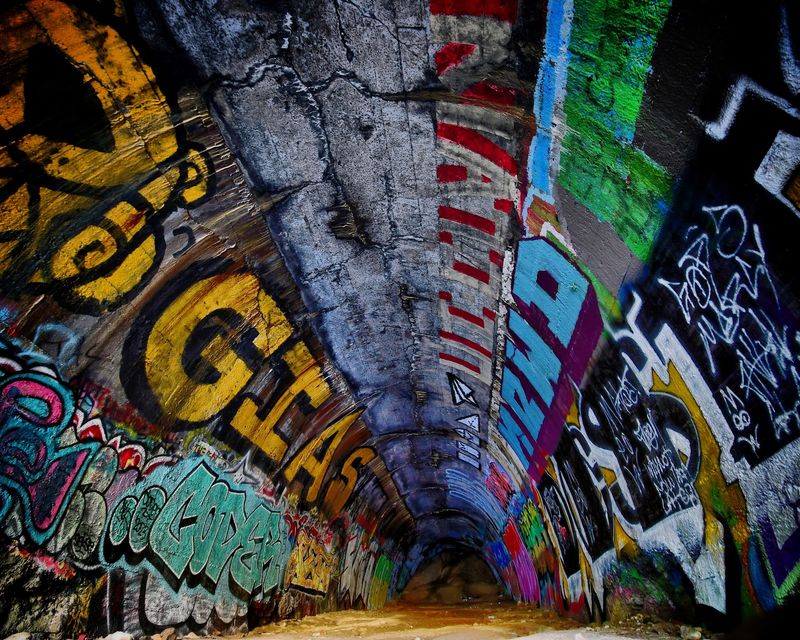
On November 16, 1878, the crews hit something nobody expected: a methane leak deep inside the rock. Crude oil also seeped through the walls, coating everything in a slick, flammable film.
The response sounds almost unbelievable now. Workers tried to burn the gas off using lit candles, and they regularly passed out from the fumes while doing it.
I have crawled through a few old mine adits in my life, and even a safe one feels heavy and airless. Add invisible gas and open flame, and you have a situation that gives me chills just typing it.
Geology was the real opponent here. The ridge held pockets of natural gas, and the deeper the tunnel went, the more often those pockets appeared.
There was no ventilation system in the early months, which meant fresh air only reached the face when someone hauled it in or when the portal draft happened to cooperate.
Thinking about that mix of candlelight, oil, and gas explains a lot about why the ghost stories attached themselves to this particular tunnel and refused to let go.
November 1878 and the Sheet of Lurid Flame
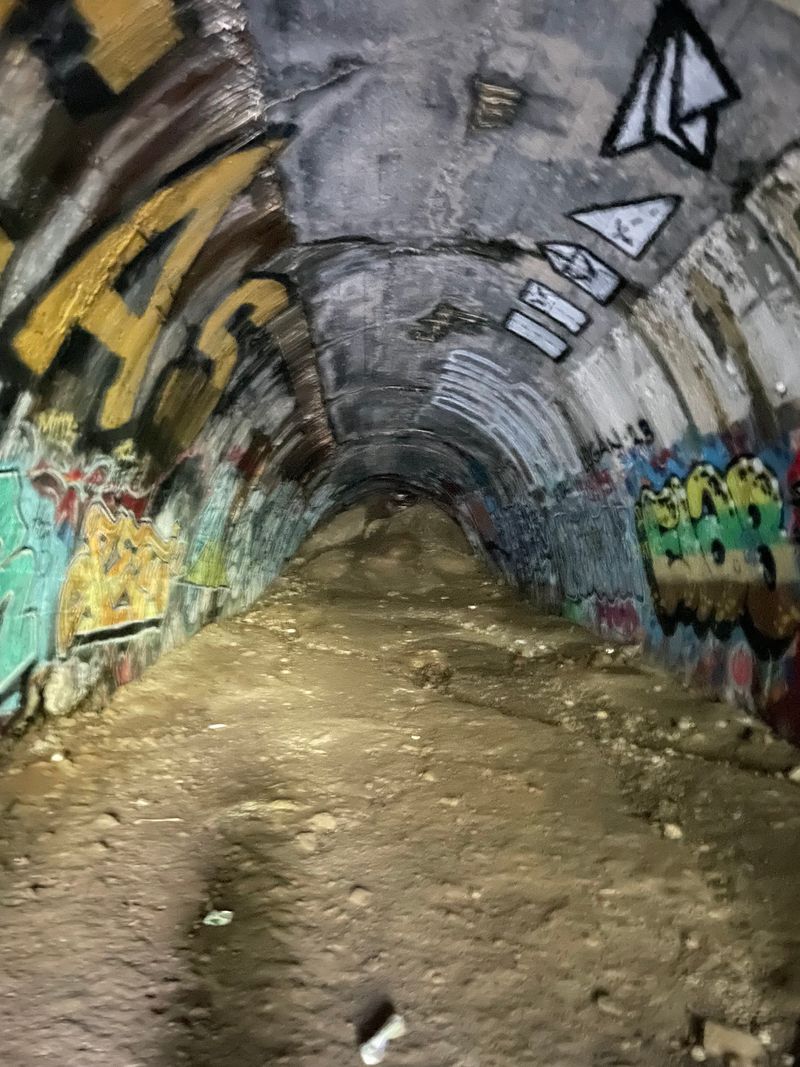
Later that same November, the gas finally ignited. Accounts from the period describe a sheet of lurid flame roaring through the bore, and the result was devastating.
Thirty-two Chinese workers died. Many of them passed while trying to pull injured coworkers out of the smoke and heat.
That last part is what I keep circling back to. People ran toward the fire, not away from it, because their friends were still inside.
News of the disaster spread quickly through the region, and the tunnel gained a reputation almost overnight. Local papers of the era covered it, and the story has been carried forward by railroad historians ever since.
For context, the tunnel had only been under construction for about a month when the gas was first found. The explosion came shockingly early in the project.
Whenever someone describes Wrights Tunnel as just a graffiti-covered hole in the hillside, I think about that number, thirty-two, and how little most visitors know about it. History like this deserves better than a shrug and a quick photo.
April 1942 and the Blast That Closed Both Portals
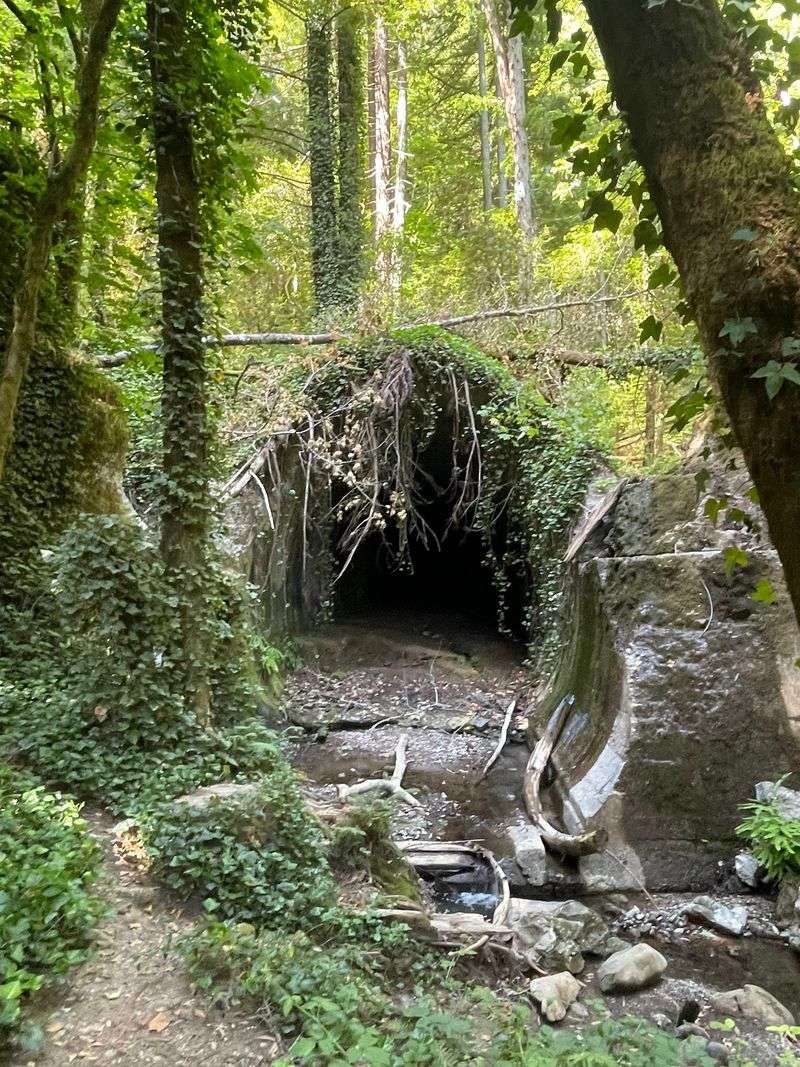
April 1942 is when the tunnel stopped being a tunnel, at least from the outside. The United States Army Corps of Engineers set explosives and deliberately collapsed both portals.
The reasons were layered. Trespassers kept wandering in, insurance liability worried the railroad, and the structure itself was deteriorating without maintenance.
Then there is the wartime version of events. One popular account says officials feared an invading Japanese force could use a mile-long tunnel near the California coast as a ready-made shelter or staging point.
Historians have pushed back on that story. Demolition plans apparently existed before the United States entered the war, which suggests safety and abandonment were the real drivers, and the invasion angle grew into an urban legend.
The blast worked better on one end than the other. The northern portal was destroyed outright, while the southern portal remained partially intact.
There is something strangely respectful about sealing a place like this. Whatever the motive, the mountain kept its secrets, and the workers who died inside were left undisturbed.
Ghost Stories That Outlasted the Rails
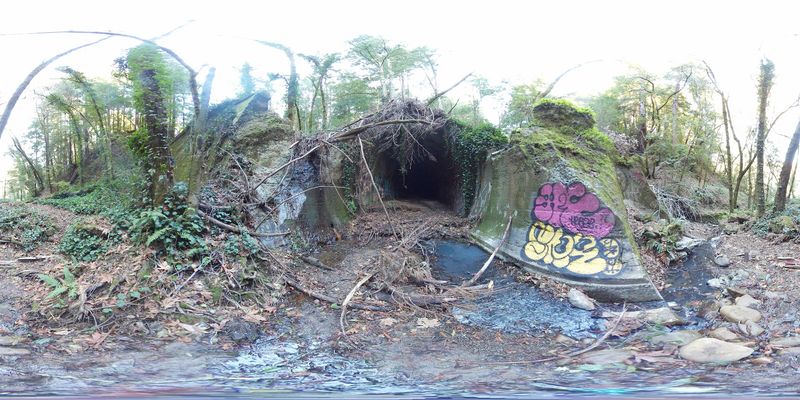
Legends grow best in places where something terrible happened and then everything went quiet. Wrights Tunnel fits that description almost perfectly.
For decades after the trains stopped, people in the Santa Cruz Mountains said the tunnel was haunted by the Chinese workers who died during construction. The stories were never really about scaring tourists, they were about remembering forty-six tragic ends in a project most people had forgotten.
A Ghost Train tale also circulates locally, along with talk of hidden tunnels threaded through the ridges. I have heard versions of both from people who grew up here, and they tell them with a kind of affection.
Do I believe a phantom locomotive rumbles under the summit? Not exactly, but I understand why the idea sticks.
Fog collects in these canyons in a way that muffles sound and softens edges. Add a sealed portal and the rumble of distant traffic on Highway 17, and imagination fills in the rest.
The most honest thing I can say is that the legends have done real work. They kept the workers’ story alive when nothing else did.
Wrights, the Ghost Town Nobody Notices Anymore
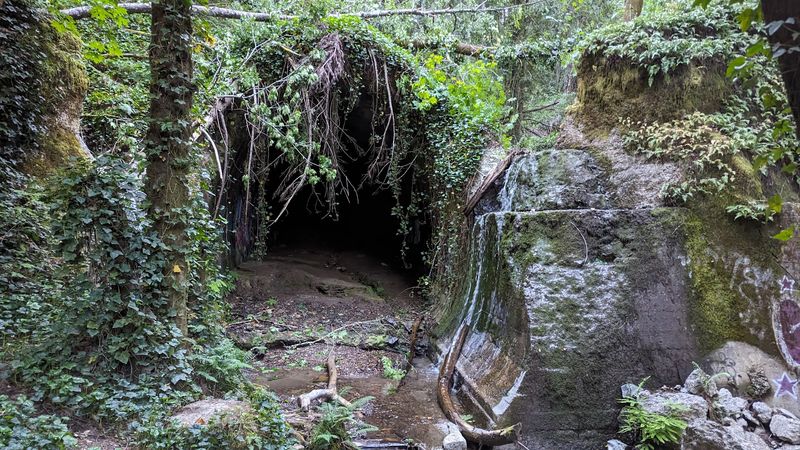
Calling Wrights a ghost town almost oversells it. There is no main street to photograph, no leaning storefronts, nothing that says a community once stood here.
What survives is subtle: a handful of concrete foundation blocks and an old bridge over Los Gatos Creek. You could drive past the whole site and never guess it had a post office, a depot, and regular train service.
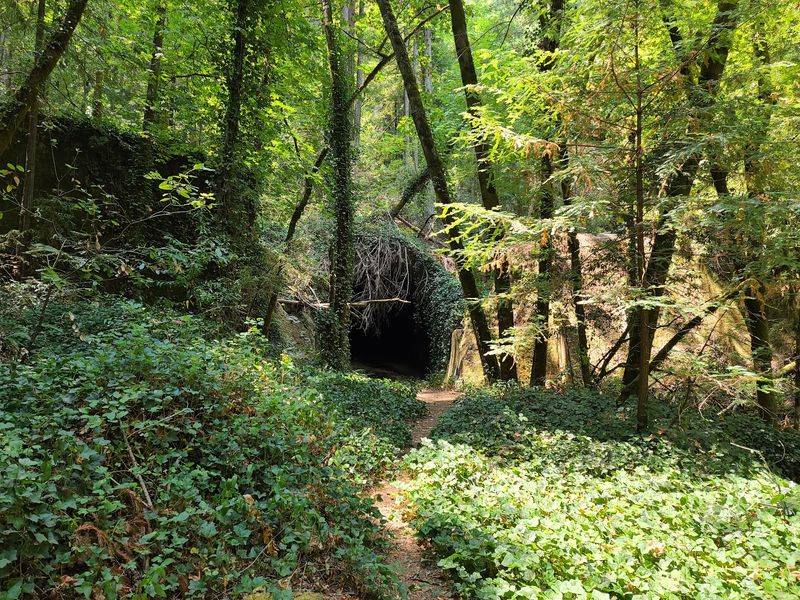
The forest has done a thorough job of reclaiming things. Second-growth redwood, bay laurel, and thick undergrowth cover most of the old townsite footprint.
Visitors who have looked around describe waterfalls appearing after wet winters, and creek banks that shift and erode from season to season. The landscape here does not hold still.
I find this kind of disappearance more moving than a preserved ruin. Nature closing over a place says something honest about how temporary our big projects can be.
Laurel, on the south side of the ridge, has a similar story. Both towns existed because of the tunnel, and both faded once the tunnel had no purpose.
Why the Tunnel Is Off Limits Today
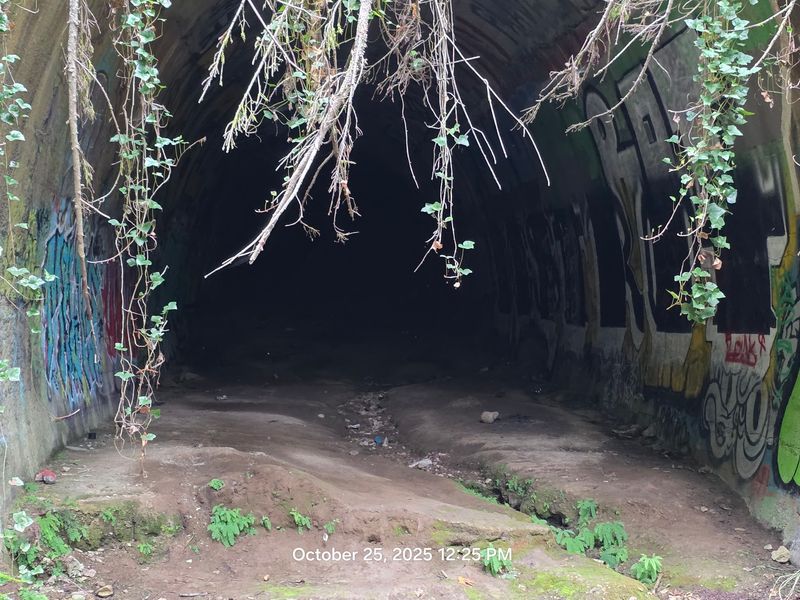
Curiosity is natural here, but the practical answer is simple: you cannot legally visit the tunnel. The land around the portals belongs to the San Jose Water Company and is private property.
No Trespassing signs are posted throughout the area, and people have reported being ticketed. Parking is essentially nonexistent on the narrow mountain roads nearby.
Safety is the bigger issue for me. The interior is believed to be largely intact, but its condition is unknown after the 1989 Loma Prieta earthquake, and methane is understood to still be present inside.
Gas, unstable rock, and a fault line running through the middle of the structure add up to a hard no. Nothing on the other side of that rubble is worth the risk.
Erosion near the old access route has also worsened over the years, with subsidence continuing along the streambank.
The good news is that you do not need to go inside to appreciate the story. Reading the accounts, studying archival photos, and driving the summit roads gives you plenty without putting anyone in danger.
How to Experience the History Respectfully Instead
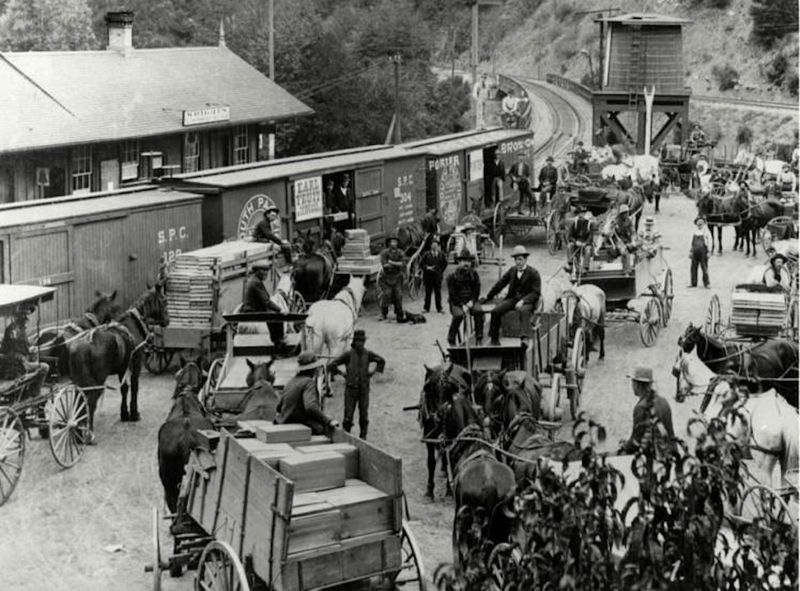
My favorite way to connect with this place is honestly the least adventurous one. Old photographs of Wrights Station, the depot, and the original portal do more for my imagination than any fence-hopping ever could.
Archival collections and dedicated local history sites have gathered a remarkable amount of material about the line. Comparing a 1900s photo of the depot to the modern forest is genuinely eye-opening.
Driving the summit roads gives you the geography in a way maps cannot. You feel the elevation change, the tight canyons, and the sheer nerve it took to plan a railroad through this terrain.
Public trails elsewhere in the Santa Cruz Mountains follow other stretches of old railroad grade, so you can walk a legal piece of the same story. Regional parks near Los Gatos Creek are a good place to start.
Above all, remember the forty-six workers who died between 1878 and 1879. Their labor built the longest railroad tunnel in California, and their names deserve more attention than the legends do.
Address: Wrights Station Tunnel North Entrance, Los Gatos, CA 95033
