California’s charm isn’t just found in its sprawling cities or famous landmarks.
Tiny towns scattered across the Golden State have long offered peaceful escapes, scenic views, and a taste of simpler living.
But over the years, social media buzz, movie fame, and word-of-mouth recommendations have turned some of these hidden gems into crowded hotspots.
What once felt like a secret hideaway now comes with packed parking lots, long restaurant waits, and bumper-to-bumper traffic on weekends.
Visitors still flock to these spots for good reason; they’re beautiful, charming, and full of character.
However, the surge in popularity has changed the experience for both tourists and locals.nIf you’re planning a trip to one of these bustling small towns, knowing what to expect can help you enjoy your visit without the frustration.
From coastal villages to mountain retreats, these seven California destinations have transformed from quiet corners into tourist jam-zones that require a bit of patience and planning.
1. Carmel-by-the-Sea
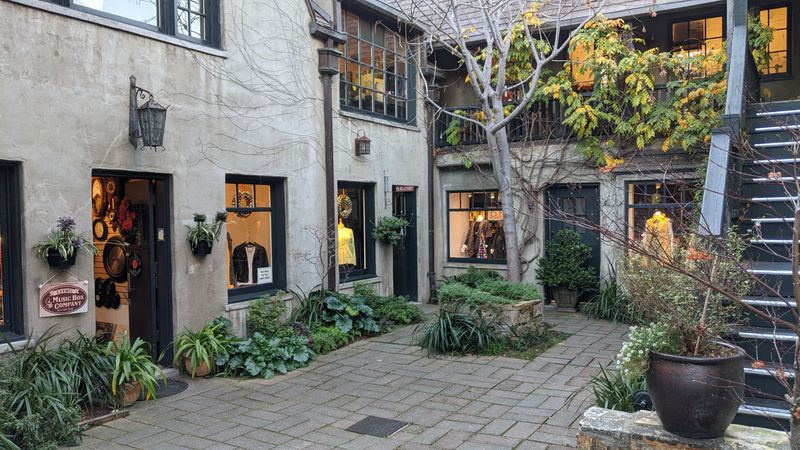
Fairy-tale cottages with thatched roofs and flower-lined walkways make Carmel-by-the-Sea look like something out of a storybook.
This enchanting coastal village has been a magnet for artists, writers, and dreamers since the early 1900s.
Today, it’s also a magnet for traffic jams, especially during summer weekends and holidays.
Ocean Avenue, the main drag through town, becomes a slow-moving parade of cars searching for parking.
Finding a spot can take thirty minutes or more, and many visitors circle the same blocks repeatedly.
The town’s strict building codes and preservation rules mean parking structures are limited, adding to the challenge.
Once you’re on foot, the charm is undeniable.
Boutique shops, art galleries, and cozy cafés line every street.
Carmel Beach offers stunning white sand and turquoise water, but you’ll be sharing the view with hundreds of other beachgoers.
Restaurants like Casanova Restaurant at 5th Avenue between Mission and San Carlos fill up fast, so reservations are essential.
The Cottage Restaurant on Lincoln Street serves hearty breakfasts, but expect a wait unless you arrive early.
Walking through Scenic Road offers breathtaking ocean vistas, though the narrow sidewalks get crowded quickly.
Despite the crowds, Carmel-by-the-Sea retains its storybook appeal.
The key to enjoying your visit is timing; arrive on weekdays or very early in the morning.
Bring comfortable walking shoes, because once you park, you’ll want to explore on foot.
The town’s dog-friendly policies mean you’ll see plenty of pups enjoying the scene too.
If you can handle the hustle and bustle, Carmel rewards you with unforgettable beauty and small-town charm wrapped in a very busy package.
2. Solvang
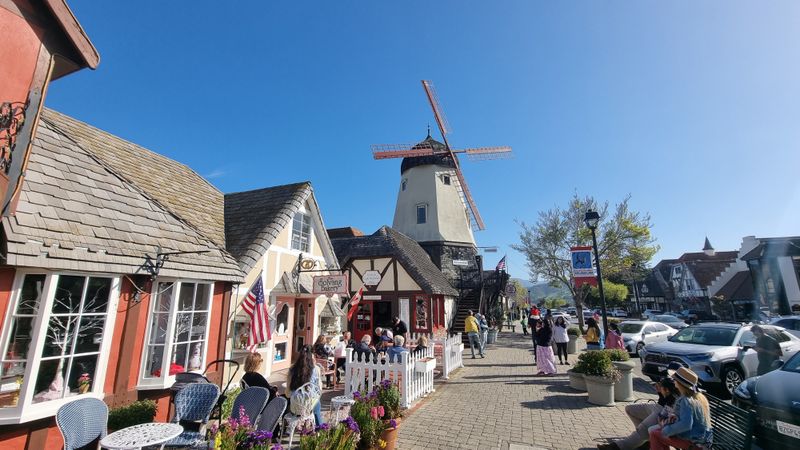
Windmills spin above half-timbered buildings in this Danish-themed village nestled in the Santa Ynez Valley.
Solvang was founded by Danish immigrants in 1911, and today it feels like a slice of Copenhagen dropped into California wine country.
Its unique architecture and Old World vibe have made it a popular stop for road-trippers and tour buses alike.
Weekends transform the town into a bustling maze of visitors snapping photos and sampling pastries.
Copenhagen Drive and Mission Drive, the main thoroughfares, become congested with slow-moving traffic.
Parking lots fill up by mid-morning, and street parking is nearly impossible to find during peak times.
The town’s bakeries are legendary.
Olsen’s Danish Village Bakery at 1529 Mission Drive serves flaky pastries and authentic aebleskiver, but lines stretch out the door.
Solvang Restaurant at 1672 Copenhagen Drive offers traditional Danish dishes in a cozy setting, though waits can exceed an hour without a reservation.
Walking through town, you’ll encounter gift shops, wine-tasting rooms, and charming courtyards.
The Book Loft at 1680 Mission Drive is a quirky multi-level bookstore that’s worth a browse.
Hans Christian Andersen Museum offers a peek into the famous storyteller’s life, though it’s small and often crowded.
Solvang’s popularity has brought prosperity but also congestion.
The town’s compact size means crowds feel even more intense.
Visiting on a weekday or during the off-season makes for a more relaxed experience.
Bring your appetite, your camera, and your patience—you’ll need all three to fully enjoy this Danish delight.
3. Avalon, Catalina Island
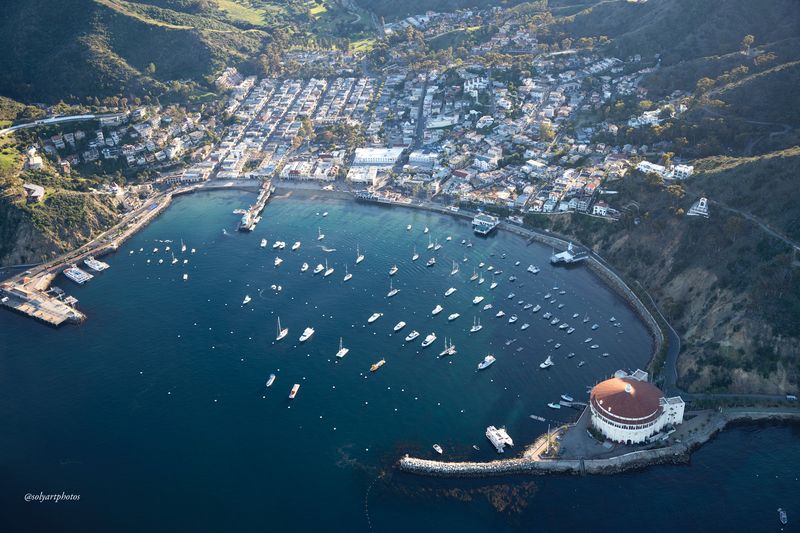
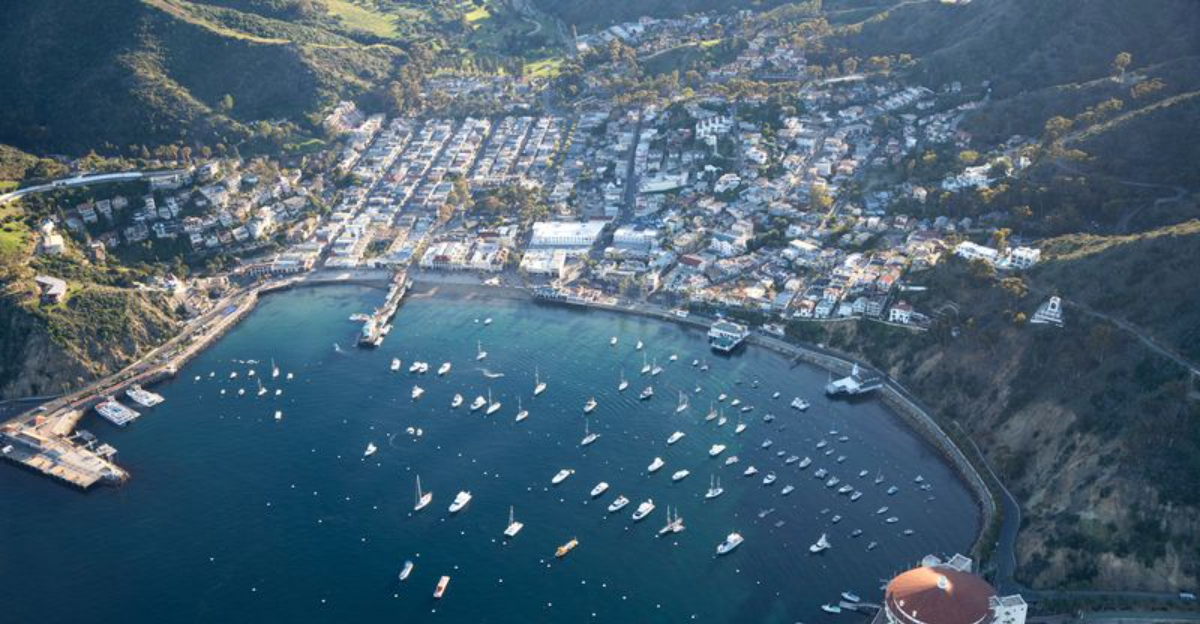
A ferry ride from the mainland brings you to Avalon, the only incorporated city on Santa Catalina Island.
Crescent-shaped Avalon Bay sparkles with clear blue water, surrounded by steep hills dotted with colorful homes.
This island paradise has been a getaway destination since the 1920s, and its popularity hasn’t waned one bit.
Arriving by ferry, you’ll immediately notice the crowds.
Thousands of visitors make the crossing daily during peak season, and the small town can feel overwhelmed.
Crescent Avenue, the waterfront promenade, becomes a shoulder-to-shoulder experience on busy days.
Golf carts are the preferred mode of transportation, but renting one requires advance booking during summer months.
Many visitors opt to walk, which is feasible given the town’s compact size.
The famous Catalina Casino, a stunning Art Deco building at 1 Casino Way, offers tours and houses a museum, but tickets sell out quickly.
Dining options are limited, and restaurants fill up fast.
Bluewater Grill at 306 Crescent Avenue serves fresh seafood with harbor views, but expect a wait.
Descanso Beach Club offers a more relaxed vibe with beach chairs and umbrellas, though it gets packed on warm days.
Snorkeling and kayaking are popular activities, and rental shops line the waterfront.
The Catalina Island Conservancy manages most of the island’s interior, offering hiking trails that provide an escape from the crowds.
Taking the trans-Catalina Trail or exploring the island’s backcountry reveals a quieter side of paradise.
Avalon’s charm remains intact despite the tourist surge, but planning ahead is crucial for a smooth visit.
4. Julian
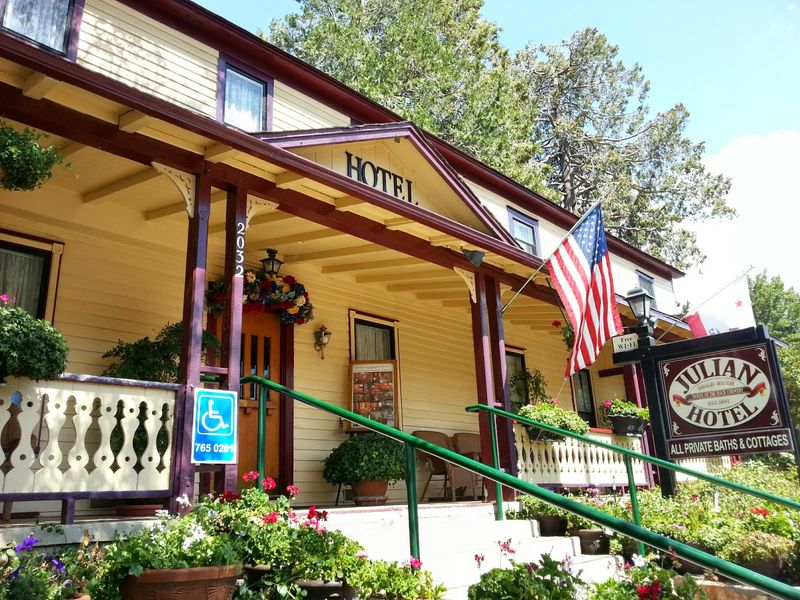
Gold rush history and apple pie fame have put Julian on the map as a must-visit mountain town.
Located in the Cuyamaca Mountains about an hour east of San Diego, this former mining town has reinvented itself as a charming destination for apple lovers and history buffs.
Every fall, when apple season peaks, the town becomes absolutely jammed with visitors.
Main Street, lined with Old West-style buildings, turns into a slow-moving parade of cars and pedestrians.
Parking is a nightmare during peak season, with some visitors parking a mile away and walking into town.
The narrow mountain roads leading to Julian also become congested, adding extra travel time to your trip.
Julian is famous for its apple pies, and several bakeries compete for the title of best in town.
Julian Pie Company at 2225 Main Street and Mom’s Pies at 2119 Main Street both draw long lines.
During October, wait times for a slice can stretch to an hour or more.
Many visitors order whole pies to take home, which requires even more patience.
Beyond pie, Julian offers antique shops, candy stores, and historic sites.
The Eagle and High Peak Mine at C Street offers tours of an old gold mine, giving a glimpse into the town’s mining past.
Julian Pioneer Museum at 2811 Washington Street showcases artifacts from the gold rush era, though it’s small and can feel cramped when busy.
Fall foliage and apple-picking draw the biggest crowds, but winter brings a different kind of visitor when snow occasionally dusts the mountains.
Spring and summer offer a quieter experience, though the town still sees steady traffic.
Julian’s charm is worth the hassle, but timing your visit wisely makes all the difference.
5. Mendocino
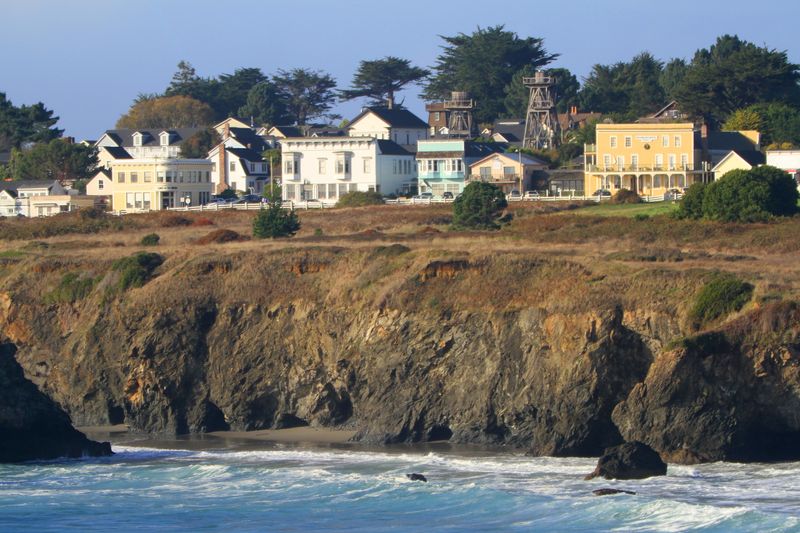
Perched on dramatic bluffs overlooking the Pacific Ocean, Mendocino looks like a New England fishing village transplanted to the California coast.
Victorian homes, art galleries, and rugged coastline make this town a photographer’s dream.
Its starring role in the TV show “Murder, She Wrote” introduced Mendocino to millions, and visitors have been flocking here ever since.
The town’s narrow streets weren’t designed for heavy traffic, and congestion is a constant issue.
Main Street and Lansing Street, the primary routes through town, become bottlenecks on weekends.
Parking is extremely limited, and finding a spot often requires circling multiple times or parking several blocks away.
Mendocino Headlands State Park surrounds the town, offering miles of coastal trails with breathtaking views.
These trails get crowded, especially near the most scenic viewpoints.
Whale-watching season brings even more visitors, as gray whales migrate past the coast from December through April.
The town’s dining scene is small but excellent.
Café Beaujolais at 961 Ukiah Street serves French-inspired California cuisine in a charming cottage setting, but reservations are a must.
Mendocino Café at 10451 Lansing Street offers casual fare with ocean views, though waits can be long during peak hours.
Art galleries and boutiques fill the historic buildings, and browsing them is a highlight of any visit.
The Mendocino Art Center at 45200 Little Lake Street offers classes and exhibitions, showcasing local talent.
Many galleries host receptions on the second Saturday of each month, drawing even larger crowds.
Mendocino’s beauty is undeniable, but its popularity has made it a challenging destination during busy times.
Visiting midweek or during the off-season reveals a quieter, more peaceful side of this coastal gem.
6. Ojai
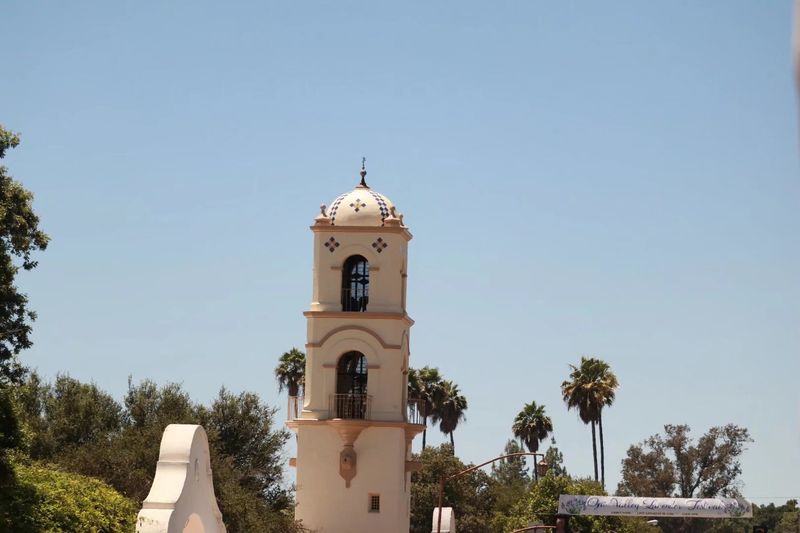
Spiritual seekers, artists, and wellness enthusiasts have long been drawn to Ojai’s serene valley setting.
Nestled between mountains about 80 miles northwest of Los Angeles, this small town radiates a peaceful, bohemian vibe.
Its Mediterranean climate, stunning sunsets, and abundance of spas and yoga studios have turned Ojai into a wellness destination that’s become increasingly crowded.
Ojai Avenue, the main street through town, features a distinctive Spanish-style arcade lined with shops and restaurants.
Weekends bring a steady stream of visitors from Los Angeles and Santa Barbara, filling the sidewalks and creating parking shortages.
The town’s compact downtown area means even moderate crowds feel overwhelming.
The famous “Pink Moment” occurs at sunset when the Topa Topa Mountains glow pink and orange.
Lipton Seat, a scenic overlook off Gridley Road, offers the best views but attracts crowds of photographers and sunset watchers.
Arriving early is essential to secure a spot and avoid the rush.
Ojai’s food scene has grown significantly, with farm-to-table restaurants and organic cafés dotting the downtown area.
Boccali’s at 3277 Ojai Avenue serves Italian fare and is beloved by locals, but waits can stretch beyond an hour.
Summer Harvest Market, held on Sundays at 300 East Matilija Street, draws crowds looking for fresh produce and artisan goods.
Hiking trails abound in the surrounding Los Padres National Forest, offering an escape from downtown congestion.
Shelf Road Trail and Pratt Trail provide stunning valley views without the tourist crush.
The Ojai Valley Trail, a paved path perfect for biking or walking, stretches for miles through scenic landscapes.
Ojai’s transformation from quiet retreat to popular destination has brought challenges, but its natural beauty and laid-back atmosphere remain intact for those willing to navigate the crowds.
7. Nevada City
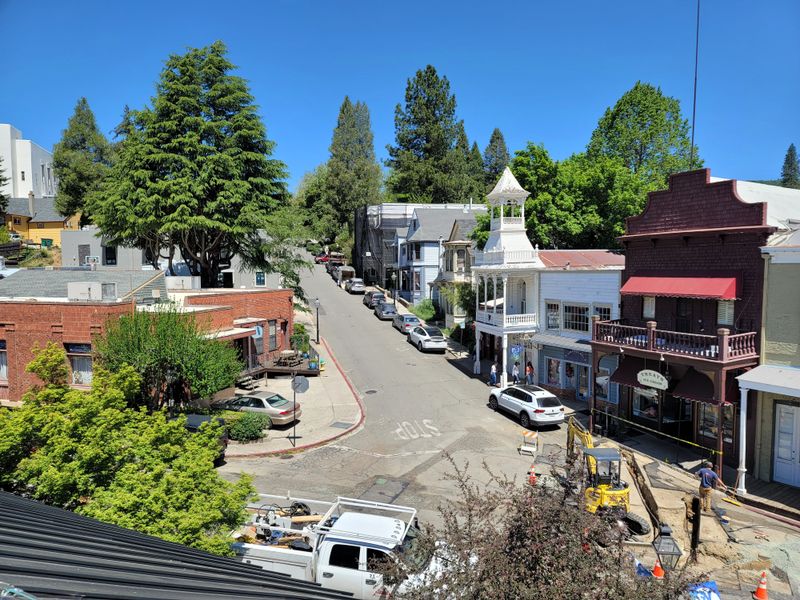
Gold rush architecture and a thriving arts scene define Nevada City, a Sierra Nevada foothills town that feels frozen in time.
Victorian buildings line steep, narrow streets, and the entire downtown is a National Historic Landmark.
This former mining hub has reinvented itself as a cultural destination, attracting tourists year-round with festivals, theater productions, and craft breweries.
Broad Street, the main thoroughfare, becomes congested on weekends and during special events.
The Nevada City Film Festival, Victorian Christmas celebrations, and summer concerts bring thousands of visitors.
Parking is scarce, with limited street spaces and small lots that fill quickly.
Many visitors end up parking several blocks away and walking uphill to reach downtown.
The town’s compact size means crowds are noticeable.
Boutiques, galleries, and antique shops occupy historic storefronts, and browsing them is a favorite activity.
Nevada Theatre at 401 Broad Street, built in 1865, is California’s oldest existing theater building and hosts live performances that sell out regularly.
Dining options reflect the town’s creative spirit.
New Moon Café at 203 York Street serves eclectic, locally sourced cuisine in an intimate setting, but reservations are essential.
South Pine Café at 110 North Pine Street offers hearty breakfasts and brunches, with weekend waits often exceeding 45 minutes.
Nearby hiking trails and swimming holes provide outdoor recreation.
The South Yuba River State Park, just minutes from town, offers beautiful swimming spots that get crowded on hot summer days.
Independence Trail is a wheelchair-accessible path that winds through the forest to historic mining sites.
Nevada City’s charm and character make it worth visiting despite the crowds, but planning ahead and arriving early will enhance your experience in this historic mountain town.
Dear Reader: This page may contain affiliate links which may earn a commission if you click through and make a purchase. Our independent journalism is not influenced by any advertiser or commercial initiative unless it is clearly marked as sponsored content. As travel products change, please be sure to reconfirm all details and stay up to date with current events to ensure a safe and successful trip.
