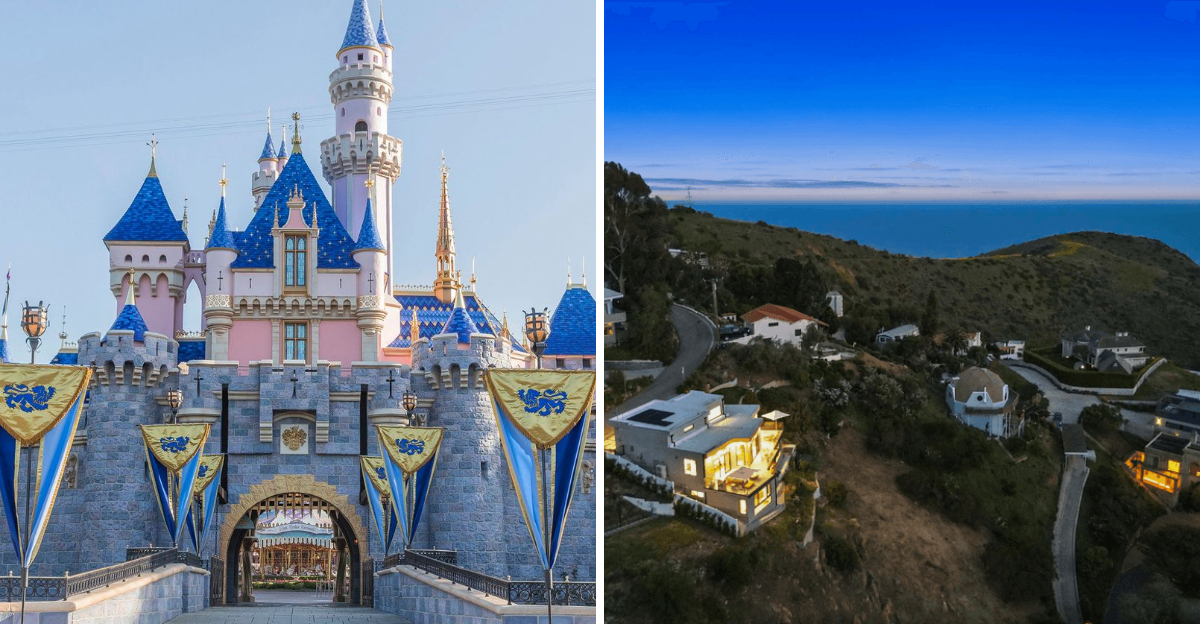
California stretches from golden beaches to snow-capped mountains, offering weekend escapes that promise unforgettable memories and stunning landscapes.
However, not every popular destination delivers the experience its price tag suggests.
Some spots have become so expensive or crowded that travelers leave feeling disappointed rather than refreshed.
Before booking your next getaway, consider these seven California weekend trips that often fail to justify their costs.
1. Lake Tahoe’s Costly Resorts and Parking Fees
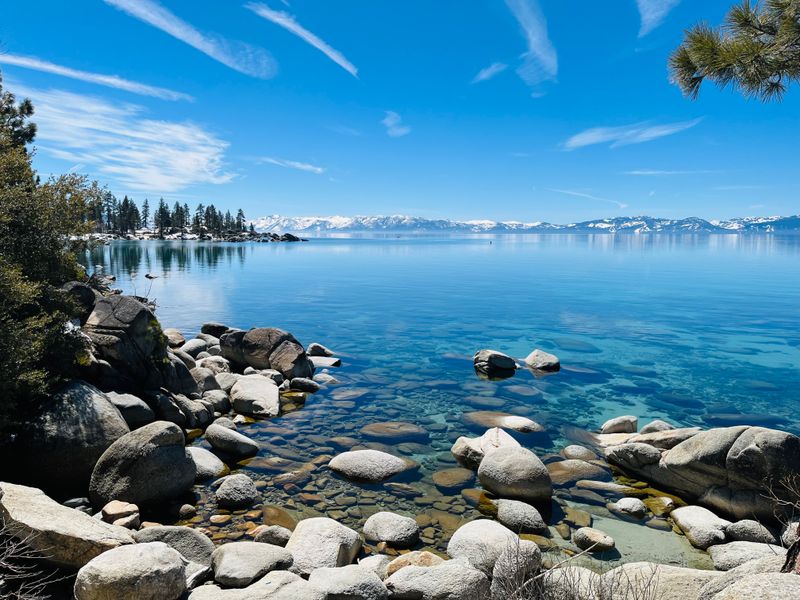
Straddling the California-Nevada border, Lake Tahoe captivates visitors with its impossibly blue waters and surrounding alpine peaks.
Both summer and winter seasons draw massive crowds seeking outdoor recreation and natural beauty.
Unfortunately, the region’s popularity has driven costs to levels that often overshadow the experience itself.
Resort accommodations routinely charge five hundred dollars or more per night during peak periods, with ski season and summer holidays commanding even higher rates.
Budget lodging options exist but typically sit far from the lake itself, requiring lengthy drives that defeat the purpose of a relaxing getaway.
Parking presents another frustrating expense, with daily fees reaching thirty dollars at popular beaches and trailheads.
Winter visitors face additional costs for lift tickets, equipment rentals, and chain requirements that can surprise unprepared travelers.
Summer crowds transform once-peaceful beaches into packed zones where finding space for a towel becomes a competitive sport.
Traffic congestion along Highway 50 and around South Lake Tahoe tests patience during peak weekends.
Restaurant prices reflect the captive tourist audience, with mediocre meals costing what fine dining would elsewhere.
Many families discover that a Tahoe weekend quickly exceeds their budget without delivering the tranquil mountain escape they imagined.
Alternative Sierra Nevada destinations like Donner Lake or Fallen Leaf Lake offer similar beauty with significantly fewer crowds and lower costs.
The commercialization of Lake Tahoe has transformed it from a natural retreat into an expensive tourist hub.
For those seeking authentic mountain experiences without financial stress, exploring lesser-known alpine lakes provides better value and more genuine connection with nature.
2. Santa Monica Hotel Prices vs. Crowded Beaches
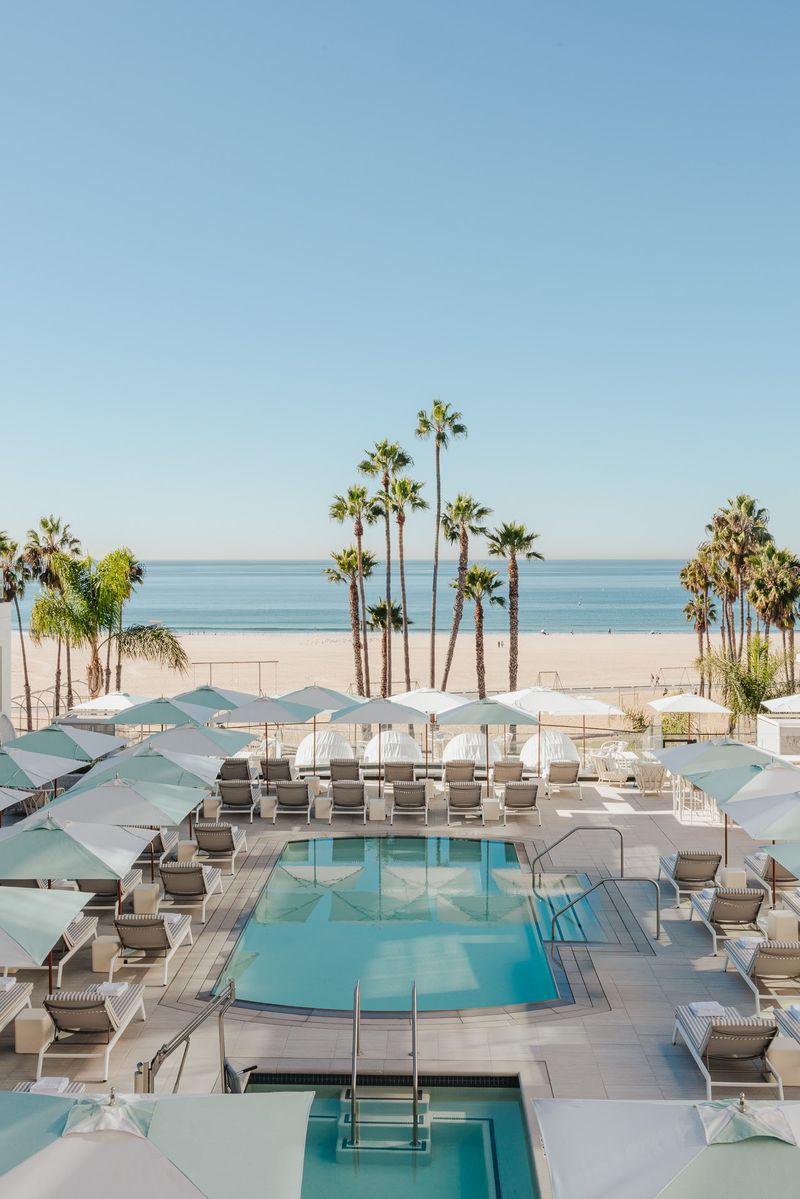
Santa Monica’s iconic pier and palm-lined beaches epitomize the classic California coastal experience that travelers seek.
Images of golden sand and rolling waves create expectations of peaceful oceanside relaxation.
Reality presents a far different picture once visitors arrive and navigate the overwhelming crowds.
Hotel accommodations near the beach routinely exceed three hundred dollars per night, with oceanview rooms commanding even steeper premiums.
Budget travelers hoping to stay within walking distance of the pier face limited options and questionable neighborhood quality.
The beaches themselves become so packed during weekends that finding space to spread a blanket requires arriving before dawn.
Street parking near the coast is nearly impossible, forcing visitors into expensive lots or garages that charge hourly rates.
Third Street Promenade and the pier area overflow with tourists, creating an atmosphere more akin to an amusement park than a relaxing beach town.
Restaurants along the waterfront serve overpriced, underwhelming food that capitalizes on the captive audience of hungry beachgoers.
Homeless populations in certain areas create uncomfortable situations that detract from the vacation atmosphere.
Many visitors leave feeling they paid premium prices for a mediocre, overcrowded experience.
Nearby beaches like Manhattan Beach or Hermosa Beach offer similar coastal beauty with more manageable crowds and slightly better value.
Ventura and Oxnard provide authentic beach town experiences at a fraction of Santa Monica’s inflated costs.
The gap between Santa Monica’s reputation and actual visitor experience continues to widen as commercialization increases.
For travelers seeking genuine California beach culture without crowds or excessive spending, numerous alternatives deliver superior experiences.
3. Disneyland Weekend Costs for Families
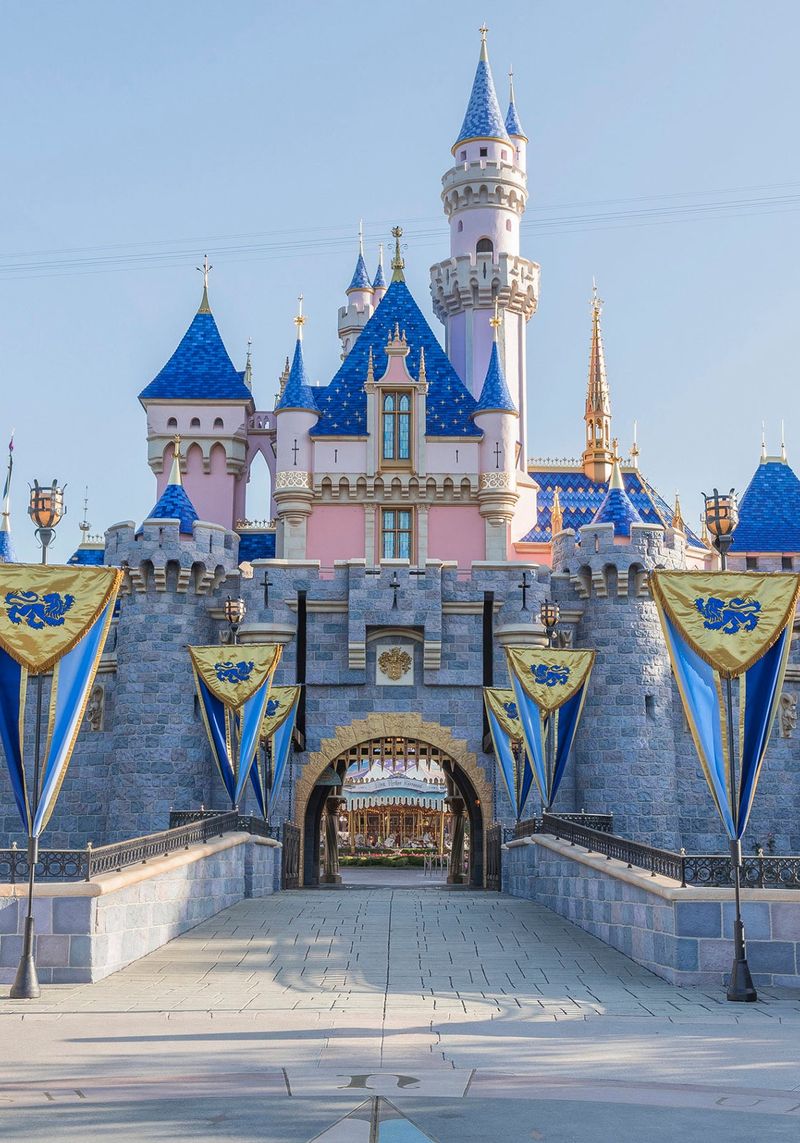
Disneyland markets itself as the happiest place on Earth, promising magical memories that families will treasure forever.
For many parents, however, a weekend at the Anaheim theme park delivers more financial stress than enchantment.
Ticket prices alone can devastate family budgets, with admission for a family of four easily surpassing six hundred dollars before any additional expenses.
Multi-day passes offer slightly better per-day value but require even larger upfront investments that strain vacation savings.
Hotels within walking distance of the park capitalize on convenience, charging over three hundred dollars per night for basic accommodations.
Even properties several blocks away maintain inflated rates simply due to proximity to the Disney brand.
Once inside the park, food costs shock unprepared families, with simple meals costing what fine dining would in most cities.
Children inevitably request souvenirs, treats, and character experiences that add hundreds more to the weekend total.
Long wait times for popular attractions mean families spend hours standing in lines rather than enjoying rides.
FastPass systems and premium upgrades tempt exhausted parents willing to pay extra just to avoid queues.
By Sunday evening, many families calculate they’ve spent over two thousand dollars for a single weekend.
The question inevitably arises whether the experience justified such extraordinary expense.
Regional theme parks like Knott’s Berry Farm or Six Flags Magic Mountain provide thrills at significantly lower costs.
Outdoor adventures throughout California create lasting memories without the commercial pressure and overwhelming crowds.
For families seeking value and genuine connection, Disneyland weekends increasingly represent poor financial choices despite their cultural prominence.
4. Big Sur Lodging Shortages and High Rates
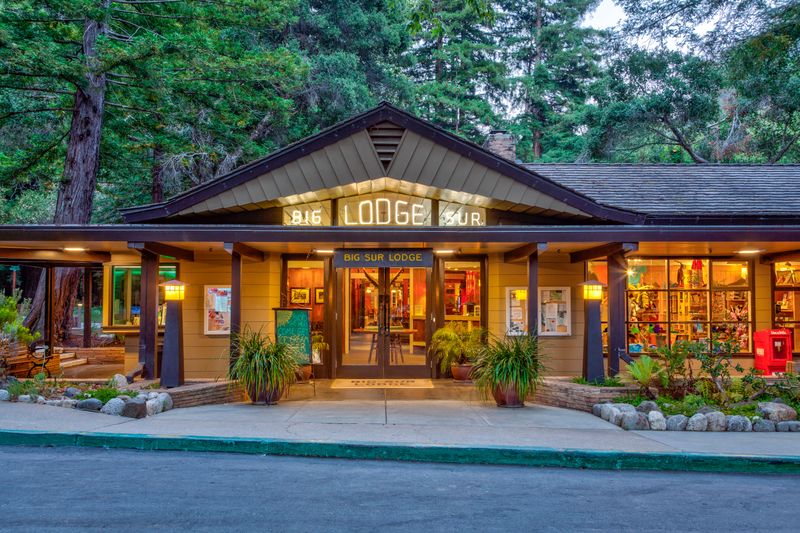
Big Sur’s dramatic coastline ranks among the most photographed landscapes in North America, drawing travelers seeking natural grandeur.
Towering cliffs plunge into the Pacific while redwood forests create an otherworldly atmosphere inland.
This stunning beauty comes with practical challenges that often diminish the weekend getaway experience.
Lodging options along the Big Sur coast are extremely limited, with only a handful of hotels, inns, and campgrounds serving the entire region.
During peak seasons, accommodations frequently exceed four hundred dollars per night, assuming availability can be found at all.
Many properties require reservations months in advance, eliminating spontaneity and forcing rigid travel plans.
Campgrounds offer more affordable alternatives but fill up equally quickly, with reservation systems opening exactly six months ahead and booking within hours.
The remote location means limited dining options, with the few restaurants charging premium prices for average quality.
Grocery stores are scarce, so visitors must either bring supplies or pay inflated prices at small convenience stops.
Highway 1 closures due to landslides frequently disrupt travel plans, sometimes trapping visitors or preventing access entirely.
Cell phone service is virtually nonexistent throughout much of Big Sur, complicating navigation and emergency communication.
Gas stations appear infrequently along the route, with fuel prices significantly higher than elsewhere in California.
Many travelers find that the logistical challenges and expenses overshadow the natural beauty they came to experience.
Nearby coastal areas like Carmel and Monterey provide easier access to ocean views with more reasonable accommodation options.
For those seeking dramatic coastlines without Big Sur’s complications, the Lost Coast or Mendocino offer comparable scenery with better infrastructure and value.
5. San Francisco’s Tourist Areas With Pricey Meals
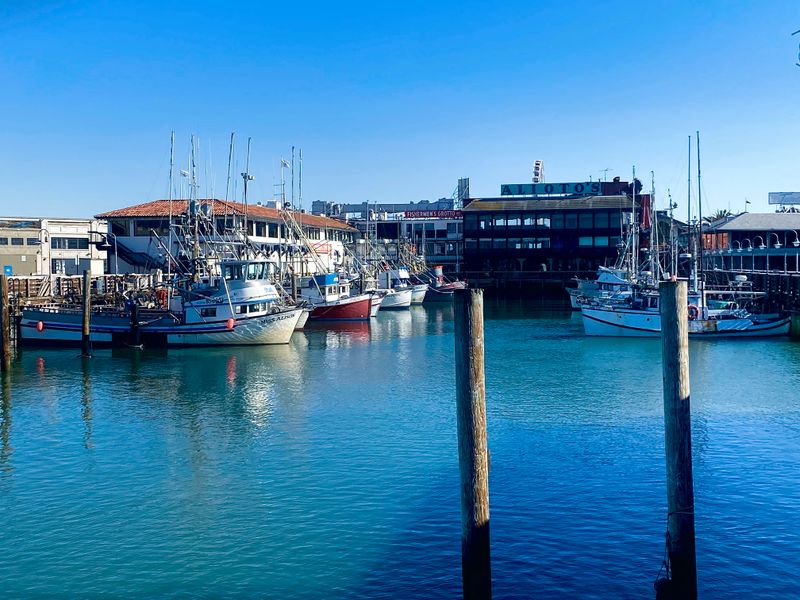
San Francisco’s cultural richness and iconic landmarks make it a bucket-list destination for travelers worldwide.
Cable cars climbing steep hills and the Golden Gate Bridge create postcard-perfect moments.
Behind this picturesque facade lies a city where weekend visitors face constant financial pressure.
Tourist districts like Fisherman’s Wharf exemplify the problem, with restaurants charging fifty dollars or more per person for mediocre seafood.
Clam chowder bread bowls and Dungeness crab become overpriced tourist traps rather than authentic culinary experiences.
Hotels throughout the city maintain some of California’s highest rates, with downtown properties rarely dipping below three hundred dollars nightly.
Parking presents another nightmare, with garages charging upwards of sixty dollars per day in popular neighborhoods.
Public transportation offers an alternative, but navigating the BART and Muni systems confuses first-time visitors.
Popular attractions like Alcatraz require advance booking and command premium prices for what amounts to a few hours of touring.
Even simple coffee stops in trendy neighborhoods like the Mission or Hayes Valley charge boutique prices.
Homeless encampments in various parts of the city create uncomfortable situations that contrast sharply with the tourist-friendly image.
Many visitors feel pressured to spend constantly, whether on meals, attractions, or transportation, without finding affordable alternatives.
Weekend trips to San Francisco easily exceed a thousand dollars per couple without including any luxury experiences.
Oakland and Berkeley across the bay offer similar urban culture with significantly lower costs and less tourist saturation.
For travelers seeking California city experiences without constant financial stress, Sacramento or San Diego provide better value while still delivering memorable weekends.
6. Malibu Rentals That Outpace the Experience
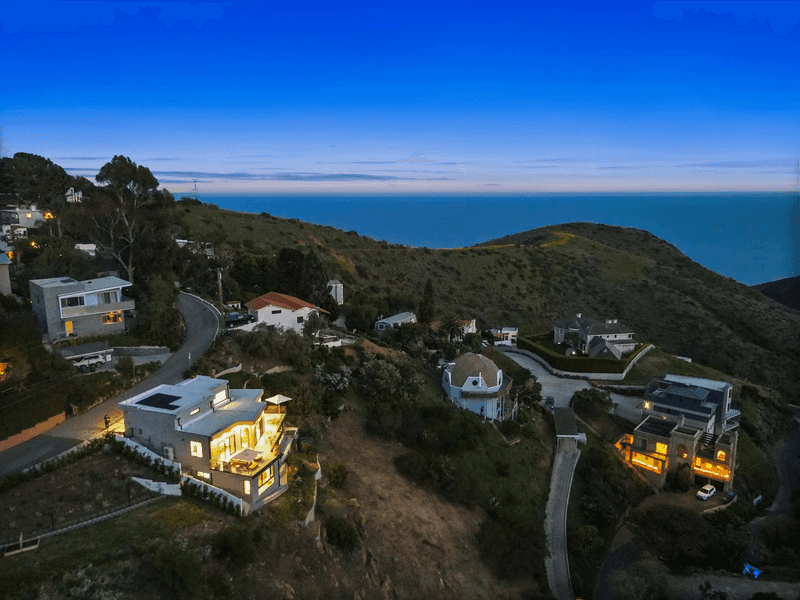
Malibu conjures images of celebrity beach houses, perfect waves, and exclusive coastal living.
This reputation for luxury has transformed the area into one of California’s most expensive weekend destinations.
Vacation rental properties command astronomical rates that rarely align with the actual experience delivered.
Beachfront homes frequently rent for several thousand dollars per night, placing them beyond reach for average travelers.
Even modest properties set back from the ocean maintain inflated pricing simply due to the Malibu address.
Many rentals promise beach access but fail to mention the public nature of California beaches means crowds regardless of property exclusivity.
Local beaches like Zuma and Surfrider become packed during weekends, eliminating any sense of private coastal retreat.
Restaurants along Pacific Coast Highway charge premium prices for food quality that doesn’t justify the expense.
The famous Malibu Pier area feels more like a tourist trap than the sophisticated enclave many visitors expect.
Traffic along PCH creates frustrating delays, particularly during summer weekends when beachgoers flood the narrow coastal highway.
Celebrity sightings, often cited as part of Malibu’s appeal, rarely materialize for weekend visitors.
Many travelers discover that neighboring beach communities offer similar ocean access and scenery without the Malibu price premium.
Ventura County beaches to the north provide excellent alternatives with authentic coastal character and reasonable costs.
The gap between Malibu’s glamorous reputation and typical visitor experience continues to disappoint those seeking value.
For travelers wanting beautiful California beaches without celebrity price tags, numerous coastal towns deliver superior experiences at a fraction of Malibu’s inflated costs.
7. Yosemite Valley During Peak Season Chaos
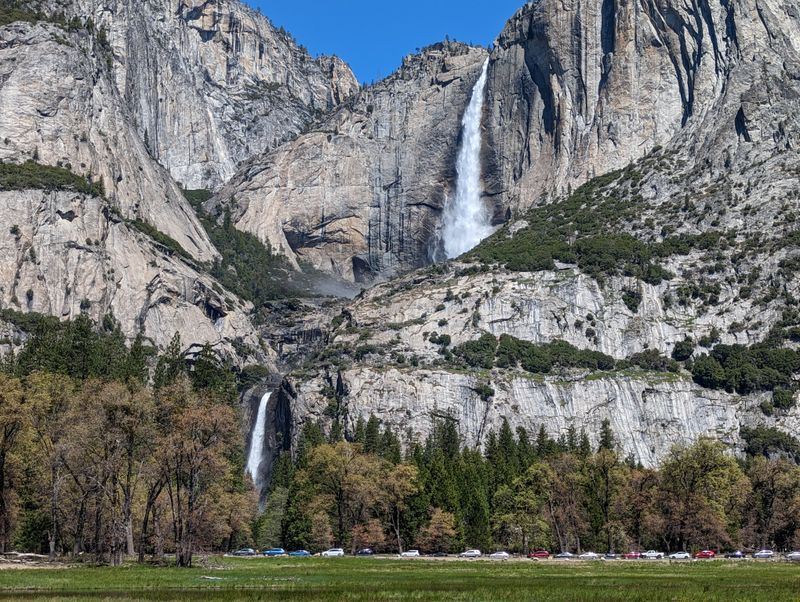
Yosemite National Park stands as one of America’s most treasured natural wonders, with granite cliffs and waterfalls that inspire awe.
Summer weekends transform this wilderness sanctuary into a frustrating exercise in crowd management and logistical challenges.
Visitors expecting serene nature encounters instead face traffic jams, full parking lots, and overwhelming human presence.
Accommodations within the park book solid months in advance, with rates at historic properties like the Ahwahnee reaching luxury hotel levels.
Campgrounds operate on a reservation system that fills within minutes of opening, creating intense competition for sites.
Gateway towns like Mariposa and Oakhurst offer alternatives but require long drives into the valley each day.
Traffic entering Yosemite Valley during peak summer weekends backs up for miles, turning the approach into a multi-hour ordeal.
Once inside, parking lots fill early, forcing visitors to circle endlessly or wait for shuttle buses that run on unpredictable schedules.
Popular trails like Mist Trail and Mirror Lake become clogged with hikers, eliminating any sense of wilderness solitude.
Restaurants and stores within the park charge captive-audience prices for limited selections of average-quality food.
Cell service remains spotty throughout much of the park, complicating coordination for separated groups.
Many visitors spend more time dealing with crowds and logistics than actually enjoying the natural beauty they traveled to see.
Shoulder seasons offer dramatically better experiences, with fall and spring providing access without summer’s overwhelming crowds.
Alternative Sierra Nevada destinations like Sequoia National Park or the Eastern Sierra provide comparable grandeur with fraction of Yosemite’s visitor pressure.
For those seeking authentic wilderness experiences, avoiding Yosemite during peak summer weekends represents wise planning rather than missing out.
Dear Reader: This page may contain affiliate links which may earn a commission if you click through and make a purchase. Our independent journalism is not influenced by any advertiser or commercial initiative unless it is clearly marked as sponsored content. As travel products change, please be sure to reconfirm all details and stay up to date with current events to ensure a safe and successful trip.
