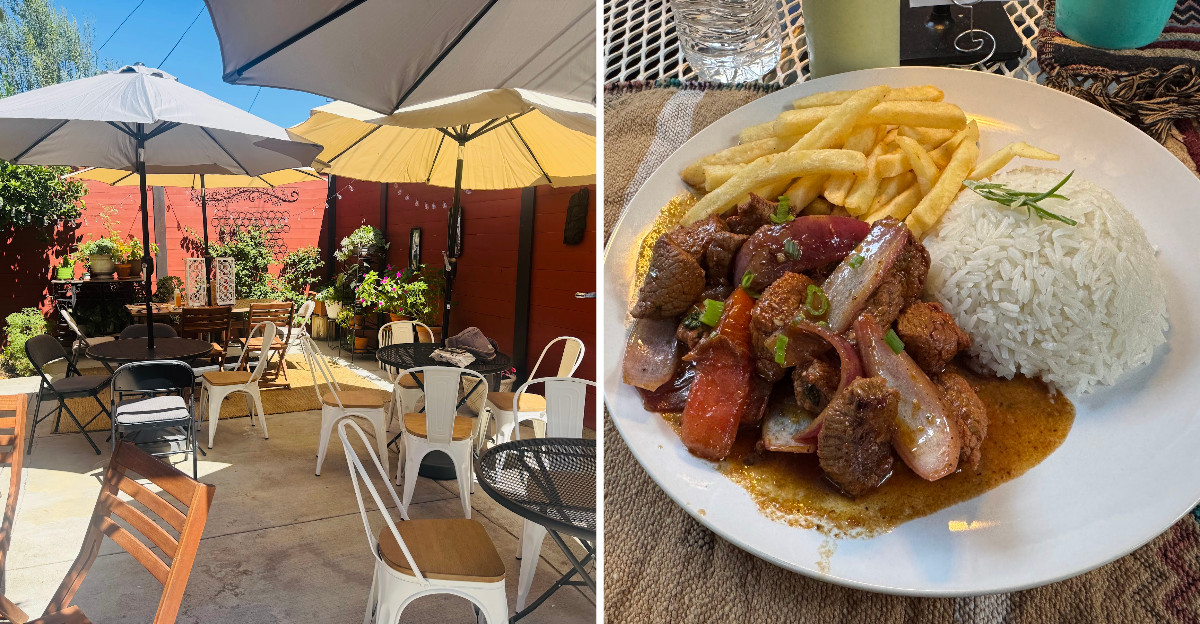
Behind an ordinary California home, a family has created something most people would never expect to find on a residential street: a fully licensed Peruvian restaurant. Guests walk into the backyard, settle at patio tables, and enjoy freshly prepared dishes in a setting that feels more like a family gathering.
The idea almost never happened. When the owner first contacted city officials, she was told that operating a restaurant from her home was impossible.
Instead of abandoning the plan, she researched local regulations and discovered a new permitting program.
I love how an unusual business idea became a real neighborhood dining destination. What caught my attention was how the owner and her family transformed their backyard into a welcoming space without investing in a traditional commercial restaurant.
Today, diners come for sizzling lomo saltado, homemade sauces, and the chance to experience Peruvian cooking in an unexpected setting.
Yes, Dinner Really Happens Behind Someone’s House
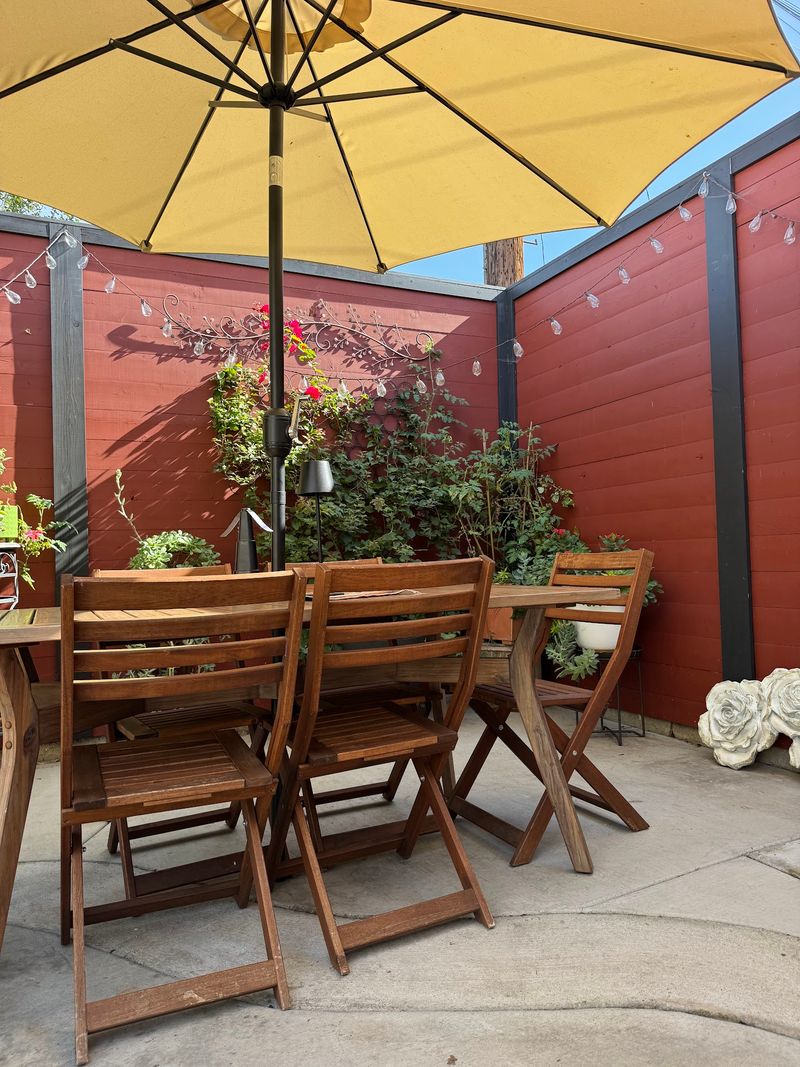
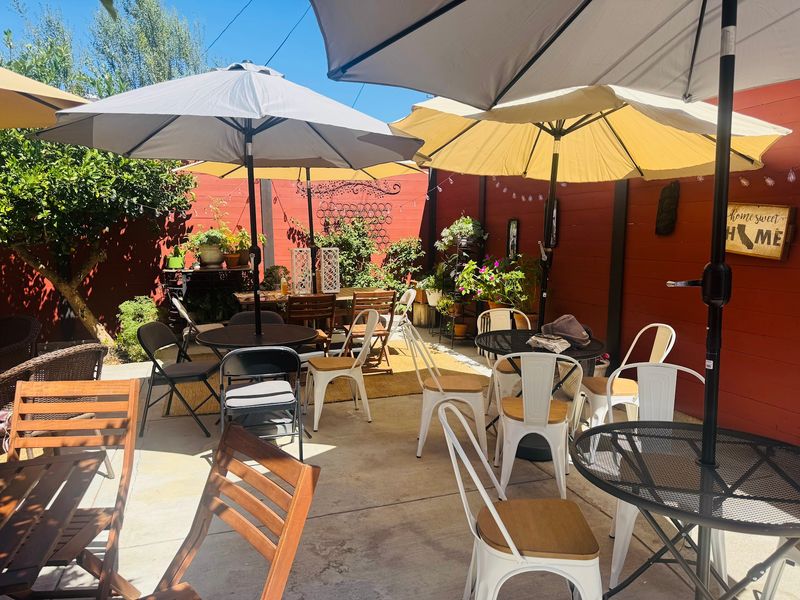
Lomo Fuego – Peruvian Food runs out of a home in a quiet residential neighborhood. Diners follow the path to the backyard, where a patio becomes the dining room.
That setup throws plenty of first-timers off. A residential street is the last place most people expect to find a Peruvian kitchen open for business.
Once you reach the back, though, the scene looks like a restaurant. There are tables, a menu, servers, and other people already digging into their plates.
The patio isn’t huge, but it has room for a party of eight plus several other tables. It still manages to feel relaxed instead of packed.
I love this idea because it flips the usual restaurant formula. Instead of a dining room built to impress, you get a space that feels like a family gathering.
Think Sunday lunch at a relative’s place, except someone else does the dishes. That alone sounds like a pretty great deal.
The owner, Heidi, is known for introducing herself to guests. It’s a small touch, but it fits the at-home spirit of the whole operation.
So if the address makes you double-check your map, you’re on the right track. The best part of the experience starts the moment you get past that moment of doubt.
The Rule Change That Made The Impossible Possible
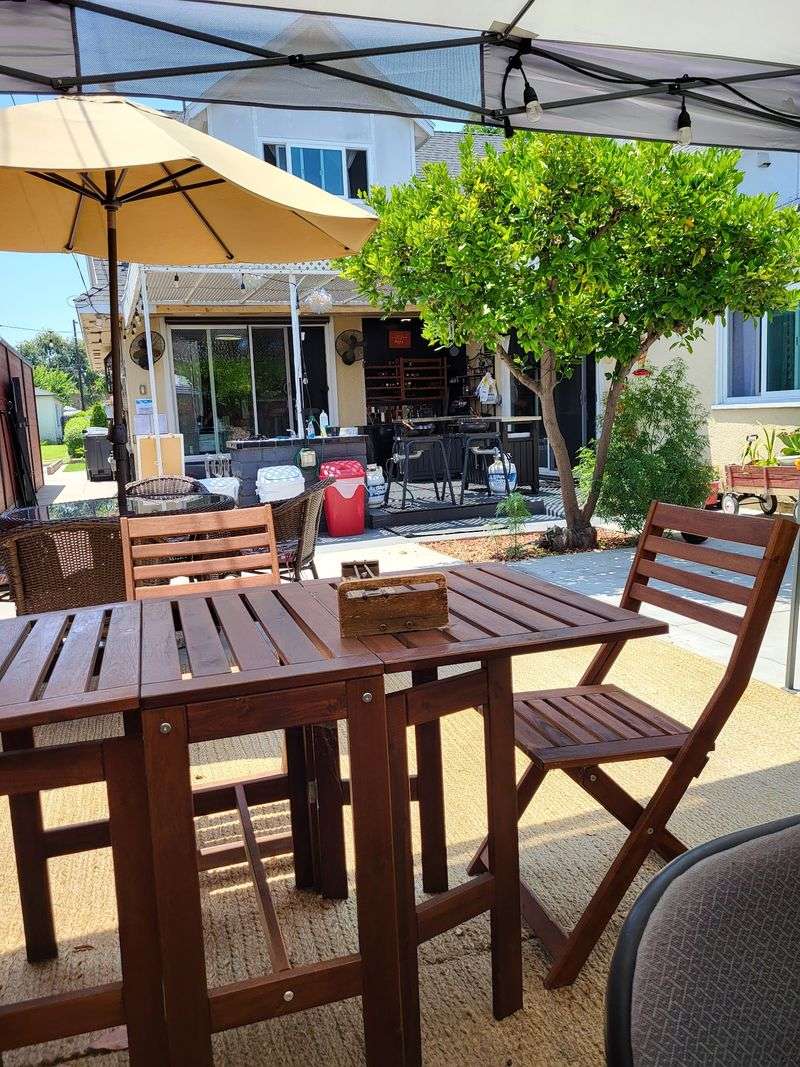
For years, selling restaurant meals from a home kitchen simply wasn’t allowed in California. A backyard Peruvian restaurant would have sounded like a fantasy to most local officials.
Then the state passed a law creating Microenterprise Home Kitchen Operations, often called MEHKOs. Each county had to choose whether to allow them, so the green light didn’t come everywhere at once.
Los Angeles County approved its own program in 2024. That opened the door for home cooks to run small, permitted restaurants right out of their houses.
Lomo Fuego fits right into that new world. It’s a homemade operation, but it’s set up to be clean, organized, and certified.
The story behind the headline is really about persistence. Heidi held onto a dream that once had no legal path, then made it work when the rules caught up.
Home kitchens like this still follow limits. Counties typically cap things like meals per week and require health inspections, which keeps things safe for diners.
I believe that’s what makes eating here feel special. Every plate represents a small business that shouldn’t technically exist by old standards, yet here it is.
So when you sit down, you’re supporting more than a meal. You’re backing a fresh way for immigrant cooks to share their food with California.
Order The Dish The Restaurant Is Named After
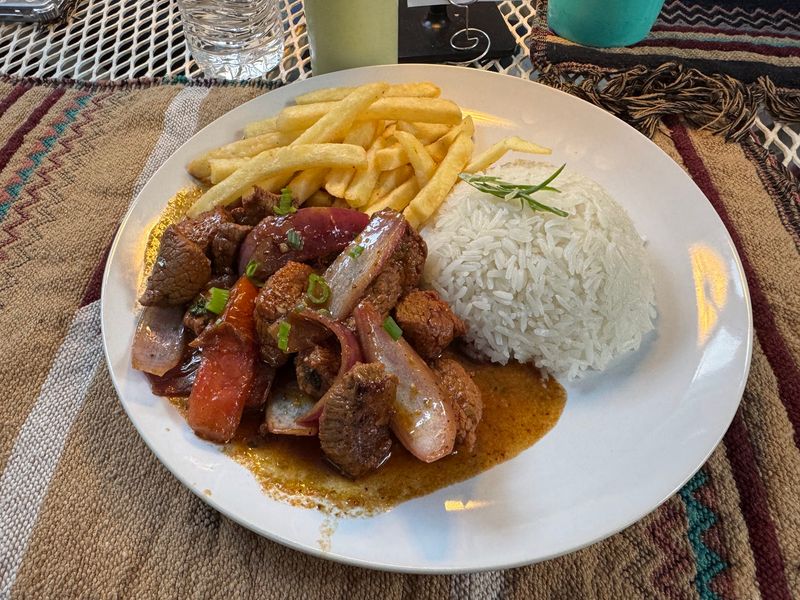
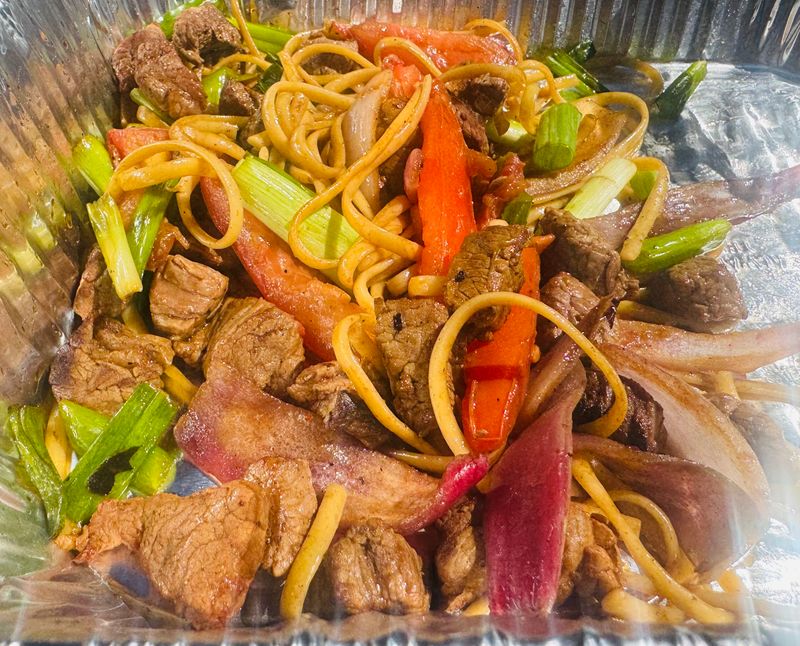
Lomo saltado is the headliner here, and the name Lomo Fuego practically spells it out. Fuego means fire, which fits a dish built on a scorching hot wok.
Classic lomo saltado mixes stir-fried beef with onions, tomatoes, and soy sauce. It lands next to fries and rice, which makes it one of Peru’s tastiest Chinese-influenced creations.
At this backyard spot, the beef version gets the most attention. The steak is cooked to stay tender, and the fries come out nice and crispy.
Chicken fans have an option too. Lomo saltado de pollo swaps the beef for chicken while keeping the same savory, saucy style.
Fun fact for your next trivia night. This dish comes from chifa cooking, a blend born when Chinese immigrants settled in Peru and mixed their techniques with local ingredients.
That history makes it a fitting star for an immigrant-run kitchen. One cuisine’s newcomers shaped it, and another newcomer now serves it in a California backyard.
If you only order one thing on your first visit, make it this. It shows off what the kitchen does best and gives you a baseline for future trips.
Then again, stopping at one dish takes a lot of willpower. Good luck with that.
Free Plantain Chips Set The Tone Right Away
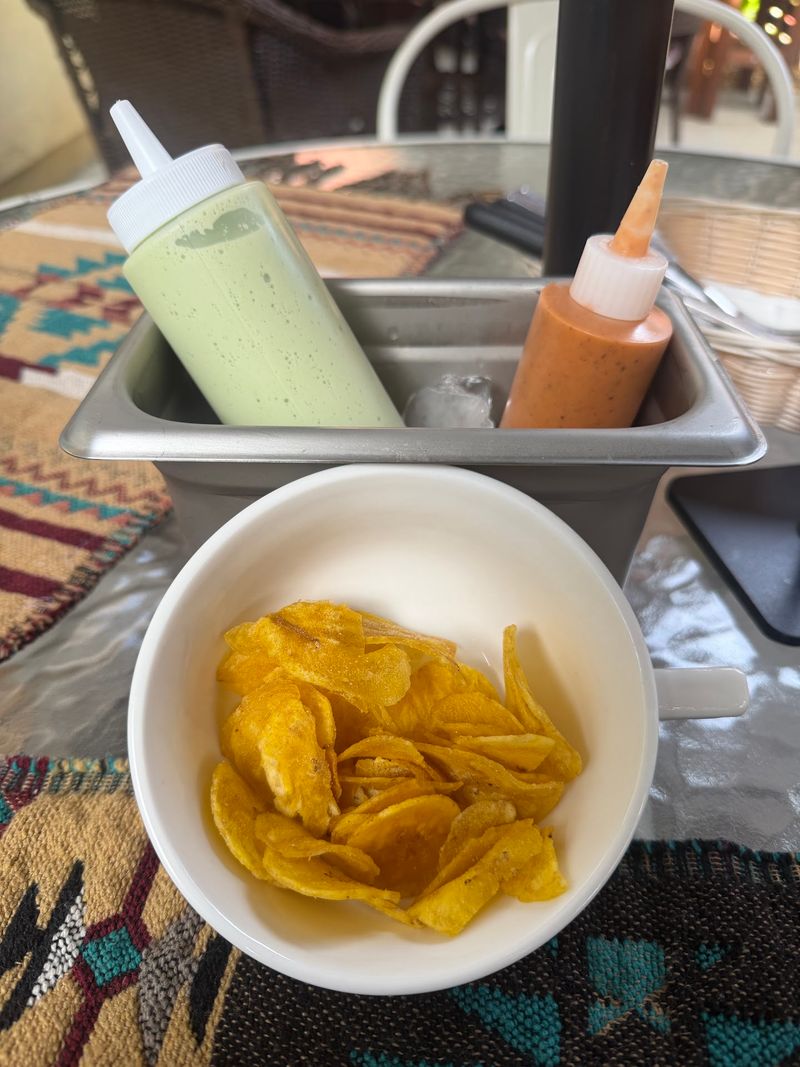
Before you even pick a dish, a basket of fried plantain chips shows up. In Peru, these crunchy slices are called chifles, and they make a great first bite.
Two house sauces come along for the ride. One is green, and the other is a red rocoto sauce made from a famously punchy Peruvian pepper.
The red sauce tends to win the most fans. Rocoto peppers bring real heat, so dip carefully if your spice tolerance is more mild than wild.
The sauces arrive chilled, served on ice. That keeps them fresh on a warm California afternoon out on the patio.
From there, you can keep the starters going. A bowl of soup makes a cozy opener, and the portion is known for being generous.
Ceviche is another strong pick. The kitchen’s version brings a good kick, which suits anyone who likes their seafood bright and zesty.
I like how these starters work for sharing. A table can pass chips, swap sauce opinions, and split a ceviche before the main plates arrive.
Just pace yourself with the chifles. They disappear fast, and you’ll want room for everything coming next.
Noodles, Fried Rice, And A Potato Dish Worth Knowing
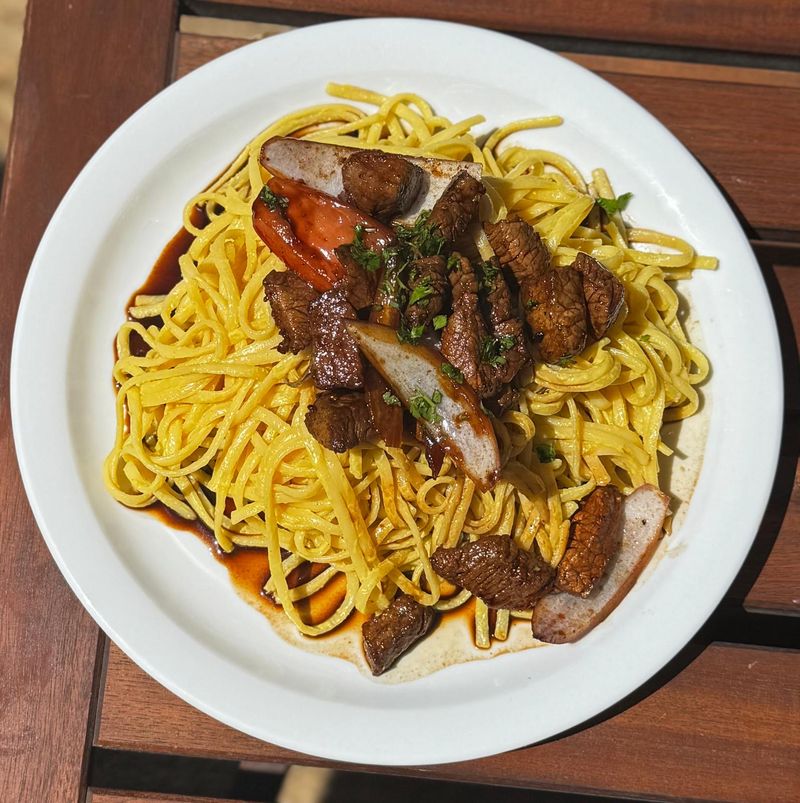
Lomo saltado may grab the spotlight, but the menu covers more Peruvian favorites. Noodle lovers can try tallarin saltado, which takes those stir-fry flavors and tosses them with pasta.
Chaufa is another option from the chifa side of the menu. It’s Peruvian-style fried rice, seasoned with soy and loaded with savory flavor.
Then there’s the pesto linguine. In Peru, green noodles called tallarines verdes are a beloved comfort food, thanks to Italian immigrants who brought pesto along.
Potatoes deserve a moment too. Peru grows thousands of potato varieties, so it makes sense that spuds show up in more than one dish here.
Causa is a chilled, layered potato dish, usually bright yellow from aji amarillo pepper. It’s a classic for anyone curious about Peruvian food beyond the stir-fry.
Papa a la huancaina is a simpler starter. Sliced potatoes come with a creamy, mildly spicy cheese sauce and a hard-boiled egg.
Bringing a group helps with exploring. One family sampled six different dishes on a first visit, which sounds like a smart strategy.
Order a few plates, pass them around, and find your new favorite. Worst case, you leave with leftovers and zero regrets.
Save Room, Because That Chocolate Cake Is No Joke
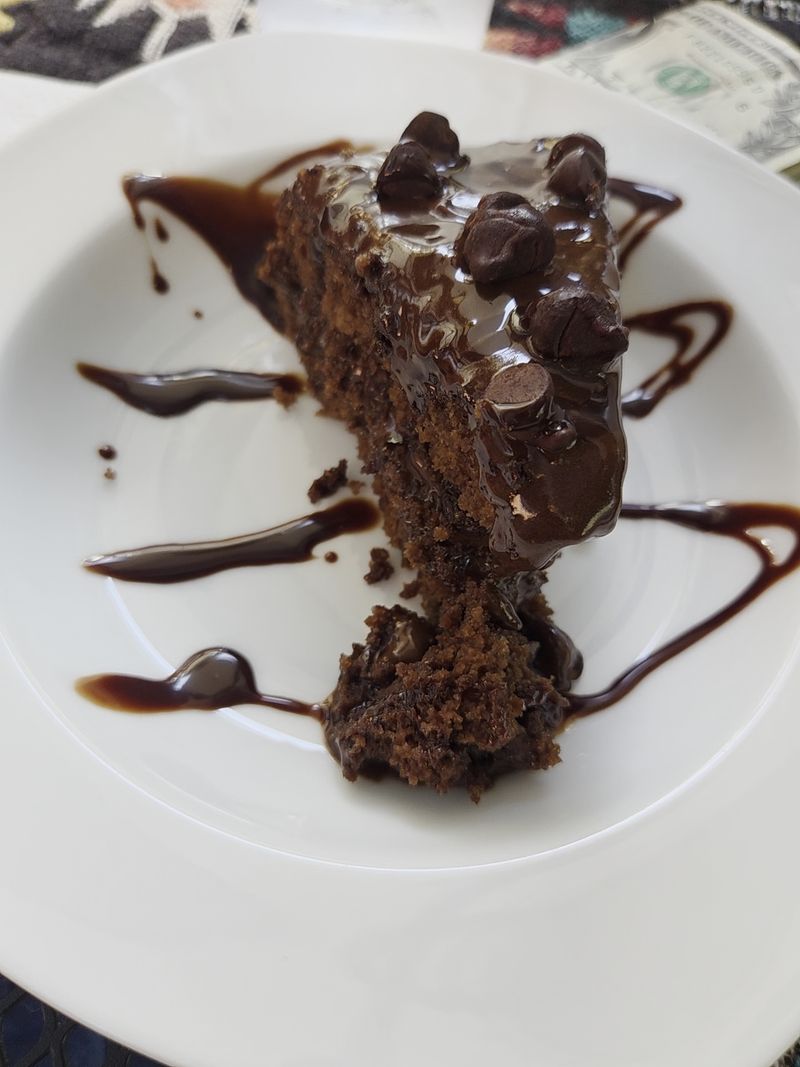
Dessert at Lomo Fuego centers on a chocolate cake served warm. It has earned the kind of enthusiasm usually reserved for main courses.
Availability can vary, so grab a slice if it’s on hand. Waiting until next time feels like a risky move.
Alfajores are the other sweet star. These Peruvian cookies sandwich creamy dulce de leche between two soft, crumbly layers, often finished with powdered sugar.
Alfajores can sell out before closing time, so visitors hoping to try them may want to ask about availability early.
Here’s a tip for big appetites. The kitchen has offered a special that bundles soup, a drink, an entree, and that warm chocolate cake.
Picking lomo saltado as the entree turns it into a full tour of the menu’s highlights. It’s basically a greatest-hits album on one table.
Fun fact about alfajores. They trace back to Spain and spread across South America, where Peru made them its own with dulce de leche.
I believe a meal like this deserves a sweet ending. Skip dessert here, and you might spend the drive home wondering what you missed.
A Patio That Feels More Like Family Than Fine Dining
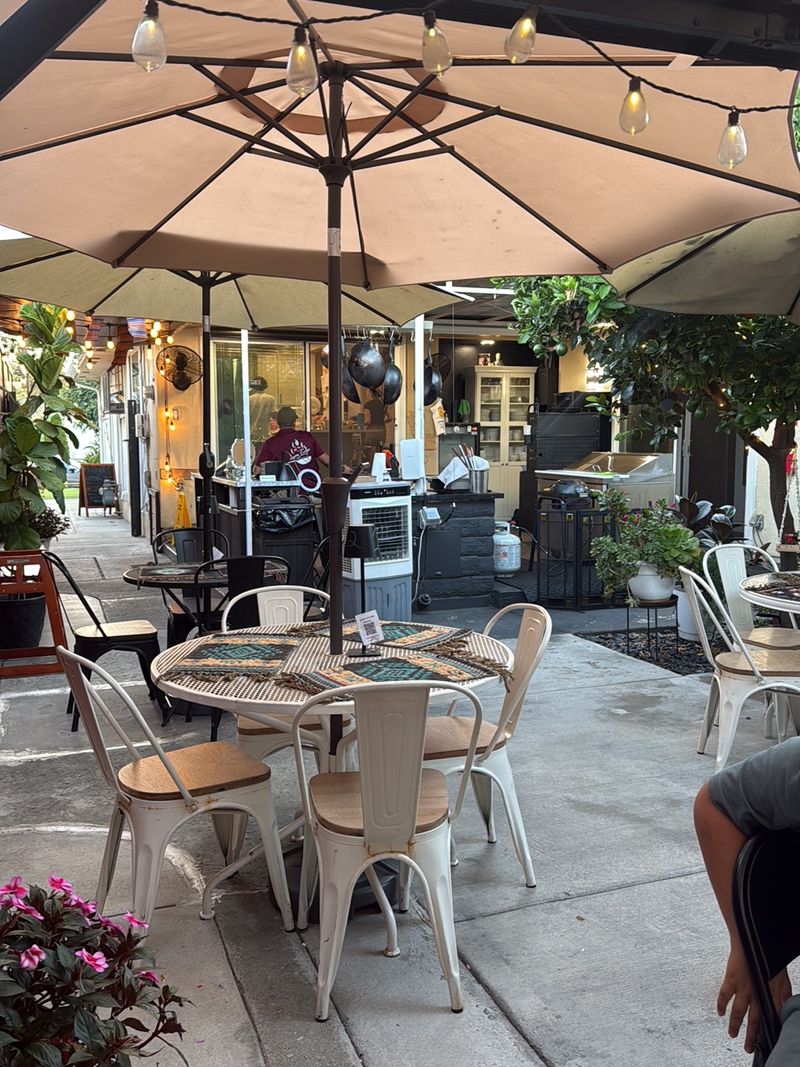
The vibe here sits somewhere between a restaurant and a family get-together. Eating on this patio feels like being invited over by relatives who really know how to cook.
The backyard space is cozy and homey. A breeze often drifts through the patio, which makes lingering over lunch pretty easy.
Not into eating outside? There are indoor seating options too, so cooler days or bright sun don’t have to wreck your plans.
The size stays intimate on purpose. You won’t find a giant dining room or a noisy crowd shouting over loud music.
Families fit right in. Even parents with babies have found the atmosphere relaxed and welcoming, which is a big win for anyone traveling with little ones.
Staff and owner add plenty to the warm feeling. Friendly service is part of the whole package, not an afterthought.
I like how this setup takes away the usual restaurant hustle. There’s no rushing past a busy host stand or squeezing between packed tables.
It all comes back to the home itself. When dinner happens where someone actually lives, a little extra care naturally shows up on the table.
Plan Ahead, Because This Kitchen Only Cooks On Weekends
Mark your calendar, because this restaurant keeps a short schedule. Lomo Fuego opens only on Saturdays and Sundays, from 10 a.m. to 8 p.m.
Monday through Friday, the kitchen stays closed. A spontaneous Wednesday craving will have to wait a few days.
That weekend-only rhythm makes sense for a home-based business. Smaller operations like this often cook on a limited schedule rather than seven days a week.
The hours are surprisingly roomy, though. A 10 a.m. start means you can show up for an early lunch, and the 8 p.m. close covers dinner too.
Group outings take a little planning. Dishes at a bigger table may not always land at the exact same moment, so patience goes a long way.
Same goes for popular items like alfajores or chocolate cake. Arriving earlier in the day gives you a better shot before anything sells out.
Takeout is an option if you’d rather feast at home. Ordering several dishes to go lets the whole family sample the menu on the couch.
Either way, a little planning pays off here. Think of it as a weekend treat instead of an everyday stop, and it feels even more special.
Your GPS Will Lead You To A Quiet Lakewood Street
Lakewood is a suburban city in southeast Los Angeles County, right next to Long Beach. It’s known for neat rows of homes, which makes a backyard restaurant feel extra unexpected.
You’ll find Lomo Fuego at 5612 Lorelei Ave, Lakewood, CA 90712. Yes, that’s a house address, and yes, you’re in the right place.
Remember, this is a residential neighborhood. Parking politely and keeping noise down helps keep things friendly with the neighbors who share the block.
The location makes for an easy weekend outing. Lakewood sits close to major freeways, so folks across Southern California can reach it without much trouble.
Some diners make serious road trips for it. People have driven all the way from Bakersfield just to try the lomo saltado.
That says a lot about how far good food can travel by word of mouth. Social media has helped introduce the restaurant to visitors from beyond the neighborhood.
I can’t think of a better reason to visit a quiet suburban street. A Peruvian immigrant built a weekend restaurant in her own backyard, right here in California.
So grab your crew, set your GPS, and head toward Lorelei Avenue. The plantain chips will be waiting.
