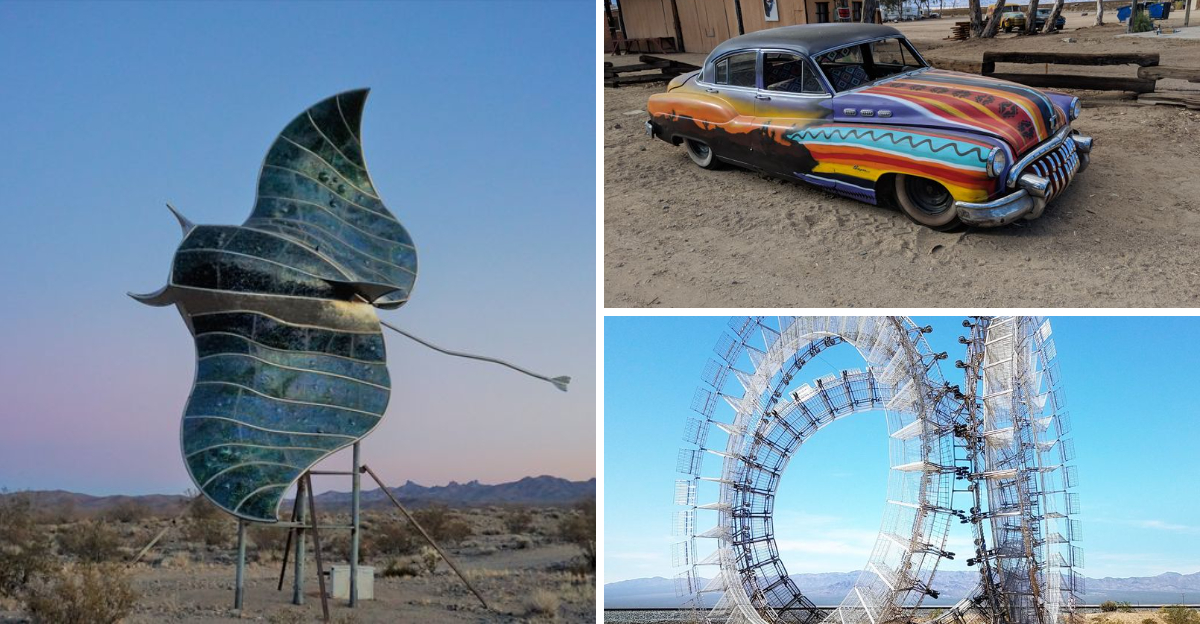
Tucked away in the northeastern corner of the Mojave Desert, Nipton, California sits like a forgotten postcard from the Old West.
This tiny unincorporated community near the Nevada border once thrived as a bustling railroad stop, but today it hums with a different kind of energy altogether.
With a population hovering around just 15 to 20 souls, Nipton has transformed from a desert outpost serving miners and travelers into a creative sanctuary where artists, dreamers, and wanderers come to escape the noise of modern life.
The town’s weathered buildings and wide-open skies now attract those seeking inspiration in solitude, making it one of California’s most unexpected cultural destinations.
The Railroad Legacy That Built a Desert Community
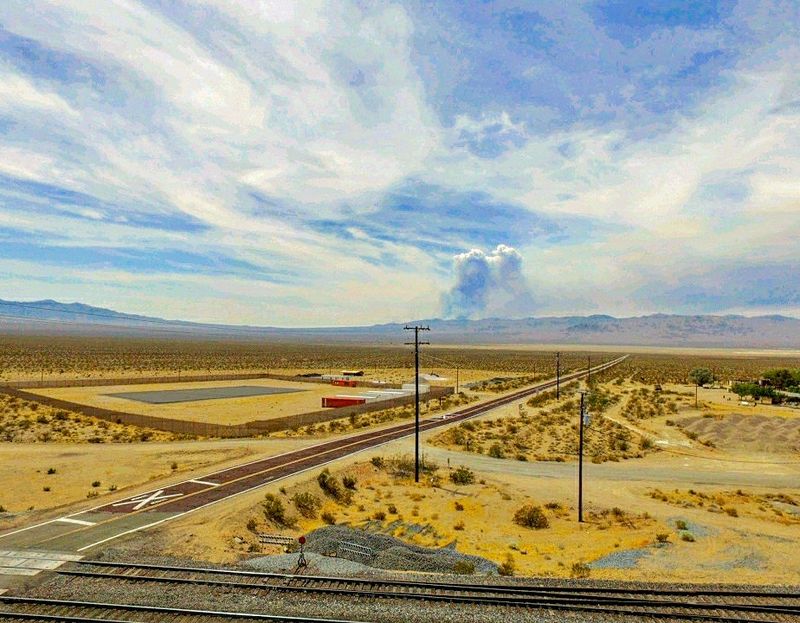
Nipton’s story begins with the iron rails that crossed the Mojave Desert in the early 1900s.
The Union Pacific Railroad established this remote stop as a vital link between Los Angeles and Salt Lake City, bringing life to an otherwise barren stretch of desert.
Miners working nearby gold and silver claims needed supplies, and railroad workers required rest stops during their long journeys across the unforgiving landscape.
During its heyday, Nipton served as more than just a whistle stop.
The settlement provided essential services including water, food, and lodging to weary travelers crossing between California and Nevada.
Small businesses sprouted around the depot, creating a modest but vibrant community despite the harsh desert conditions.
Today, visitors can still sense this railroad heritage in the town’s layout and remaining structures.
The original depot building stands as a reminder of busier times, though trains no longer stop here as they once did.
Walking through Nipton feels like stepping into a sepia-toned photograph where the past refuses to completely fade away.
The wide spacing between buildings reflects the railroad-era planning, with structures positioned to accommodate wagon teams and early automobiles.
This railroad foundation shaped everything about Nipton’s character, from its linear street layout to its east-west orientation following the tracks.
Understanding this transportation history helps visitors appreciate why such a small settlement exists in such an isolated location, surrounded by miles of empty desert in every direction.
The Mojave Desert Setting and Natural Surroundings
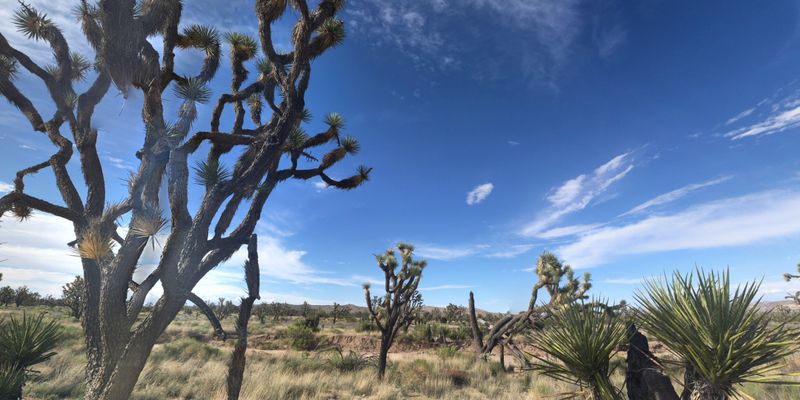
Standing anywhere in Nipton means being surrounded by one of North America’s most distinctive desert ecosystems.
The Mojave Desert stretches endlessly in all directions, creating a sense of space that city dwellers find both thrilling and slightly unsettling.
This high desert environment sits at roughly 2,600 feet elevation, giving it cooler temperatures than lower desert regions while maintaining that characteristic arid climate.
The landscape here tells a story of geological patience and natural adaptation.
Creosote bushes dot the terrain with their distinctive smell after rare rainstorms, while occasional Joshua trees stand like twisted sentinels against the horizon.
Rocky outcroppings interrupt the sandy flats, creating dramatic shadows as the sun moves across the sky throughout the day.
Just northeast of town, the Mojave National Preserve protects over 1.6 million acres of this remarkable desert wilderness.
Visitors to Nipton find themselves perfectly positioned to explore these protected lands, with hiking trails and scenic drives just minutes away.
The preserve contains everything from volcanic cinder cones to ancient lava flows, offering endless exploration opportunities.
Wildlife thrives in this seemingly barren environment, though spotting animals requires patience and proper timing.
Desert tortoises, roadrunners, and various lizard species make their homes here, while coyotes and kit foxes emerge during cooler evening hours.
The desert’s color palette shifts constantly depending on the light, moving from pale gold at midday to deep purple and orange during the magical hours around sunrise and sunset.
The Transformation Into an Artist Colony
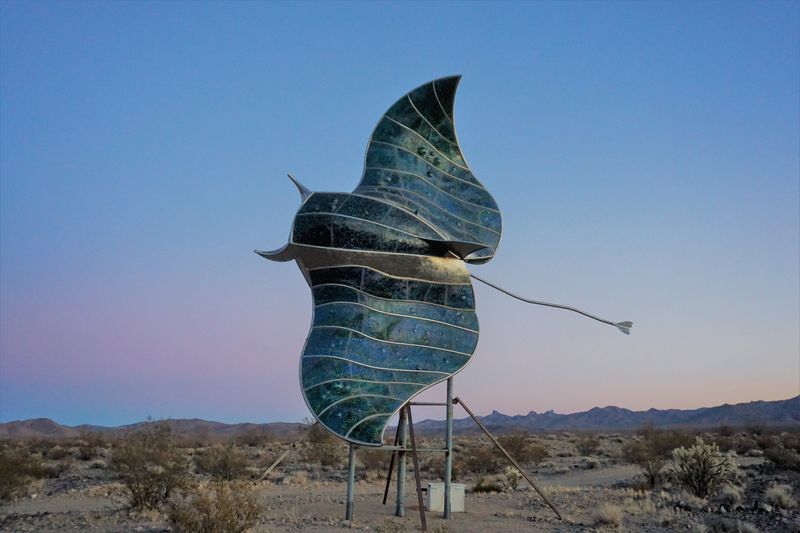
Something remarkable happened to Nipton after its railroad glory days faded into memory.
Rather than becoming just another ghost town scattered across the western landscape, it found new purpose as a haven for creative minds seeking isolation and inspiration.
Artists, writers, and musicians discovered that Nipton’s remoteness offered exactly what their work required: silence, space, and freedom from distraction.
The town’s transformation didn’t happen overnight but evolved organically as word spread through creative communities.
Painters found the desert light absolutely perfect for their work, with its clarity and intensity impossible to replicate elsewhere.
Writers appreciated the profound quiet that let them hear their own thoughts without urban interference constantly pulling their attention away.
Several factors made Nipton particularly attractive to artistic types seeking refuge.
The low cost of living compared to California’s coastal cities meant creators could actually afford to focus on their work rather than survival jobs.
The small population ensured privacy while still providing just enough human connection to prevent complete isolation.
Over time, a loose community of creative individuals established themselves in and around town.
These aren’t tourists passing through but actual residents who have chosen this harsh, beautiful landscape as their permanent home and workspace.
They’ve formed an informal support network, sharing resources and occasionally collaborating on projects while respecting each other’s need for solitude.
This artistic presence has given Nipton a cultural dimension that most tiny desert settlements lack entirely.
The Historic Hotel Nipton and Trading Post
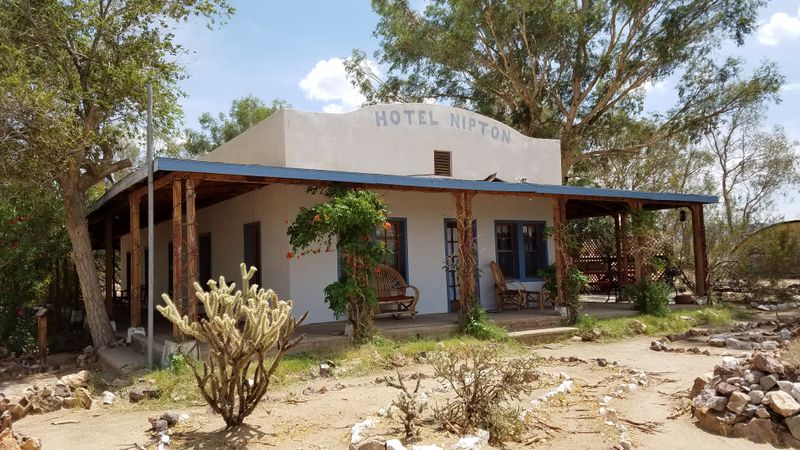
At the heart of Nipton stands the Hotel Nipton, a structure that has welcomed travelers for over a century.
Built in 1904, this adobe-style building served railroad workers, miners, and adventurers crossing the desert when automobile travel was still a risky proposition.
The hotel’s thick walls provided crucial insulation against the desert’s extreme temperature swings, keeping guests comfortable through scorching days and surprisingly cold nights.
The adjacent trading post functioned as Nipton’s commercial center, supplying everything from basic groceries to mining equipment.
In an era before chain stores and next-day delivery, such establishments served as lifelines for remote communities scattered across the American West.
Residents and travelers alike depended on these stores for goods they couldn’t produce or make themselves in the harsh desert environment.
Walking through these historic buildings today feels like entering a time capsule with layers of history visible in every corner.
Original wood floors creak underfoot, worn smooth by generations of boots and shoes.
Old photographs line the walls, showing Nipton during different eras when more people called this isolated spot home.
The hotel has changed hands several times over the decades, with each owner adding their own vision while respecting the building’s historic character.
Various renovation efforts have preserved the structure while updating necessary systems, walking the delicate line between preservation and functionality.
For visitors, staying at the Hotel Nipton offers an authentic experience of desert hospitality as it existed a century ago, minus some of the hardships that early guests endured without modern conveniences.
Proximity to Mojave National Preserve Adventures
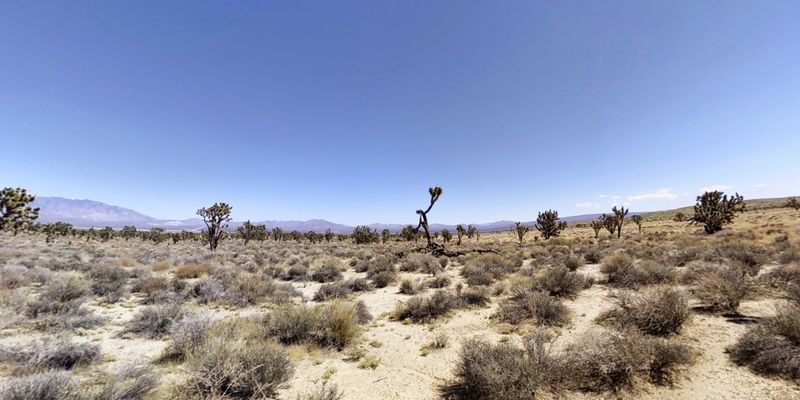
Nipton’s location on the northeastern edge of Mojave National Preserve makes it an ideal base camp for desert exploration.
The preserve encompasses a stunning variety of desert landscapes, from towering sand dunes to ancient volcanic formations that look like they belong on another planet entirely.
Serious hikers and casual walkers alike find trails suited to their abilities and interests within easy driving distance of town.
Kelso Dunes, one of the preserve’s most popular destinations, rises dramatically from the desert floor about 30 miles from Nipton.
These towering sand mountains reach heights of 650 feet and occasionally emit a low booming sound when conditions are right, earning them the nickname “singing dunes.”
The climb to the top rewards visitors with panoramic views across the Mojave’s seemingly endless expanse.
Closer to Nipton, the Ivanpah Valley offers its own attractions for those interested in desert ecology and geology.
Spring wildflower blooms transform the seemingly lifeless landscape into a carpet of color when winter rains have been sufficient.
Rock hounds search for interesting mineral specimens in areas where ancient volcanic activity left behind colorful stones and unusual formations.
The preserve’s network of dirt roads allows adventurous travelers with proper vehicles to explore remote areas rarely seen by casual tourists.
These backcountry routes require preparation and caution but offer solitude and scenery that more accessible areas cannot match.
Returning to Nipton after a day exploring the preserve feels like coming home, with the tiny settlement serving as a welcome outpost of civilization in the vast wilderness.
The Ivanpah Solar Power Facility Views
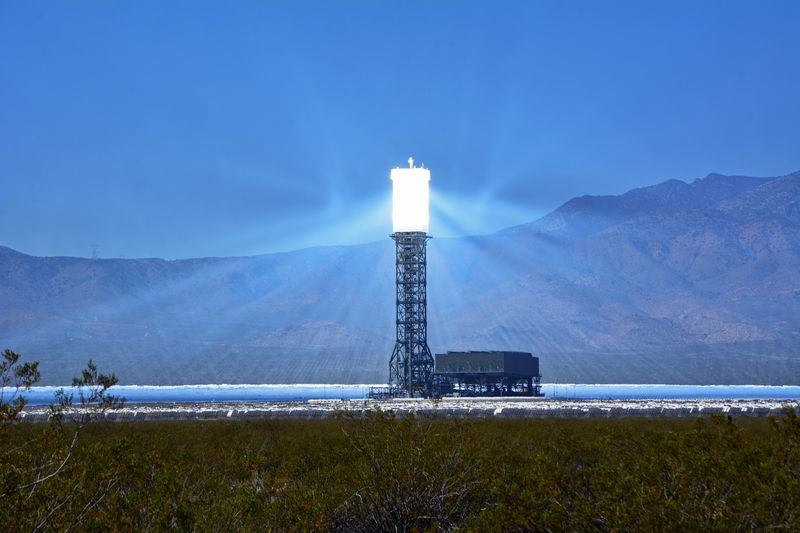
One of the most striking sights near Nipton is the massive Ivanpah Solar Electric Generating System visible to the northeast.
This facility, located just across the state line in Nevada, consists of three towers surrounded by thousands of sun-tracking mirrors called heliostats.
The towers glow with an eerie brilliance as concentrated sunlight heats them to extreme temperatures, creating steam that drives electricity-generating turbines.
From Nipton, particularly at sunrise and sunset, the facility creates an almost science-fiction landscape against the desert backdrop.
The three towers look like beacons from a distant future, their intense light visible for miles across the empty terrain.
Photographers find this juxtaposition of old desert town and cutting-edge technology endlessly fascinating, capturing images that seem to blend different time periods in a single frame.
The solar facility represents a dramatic contrast to Nipton’s historic character and slow-paced lifestyle.
While the town preserves memories of the past, the gleaming towers symbolize humanity’s attempts to harness renewable energy for the future.
This visual contradiction makes visitors think about progress, change, and what we preserve versus what we transform in pursuit of modern needs.
Some residents appreciate having this landmark visible from town, seeing it as proof that the desert continues to serve important purposes.
Others feel the industrial scale disrupts the natural beauty they came to Nipton to experience and protect.
Regardless of personal opinions, the solar facility has become part of Nipton’s modern identity, appearing in countless photographs and travel accounts describing this unique corner of California’s desert country.
Seasonal Changes and Desert Climate Experiences
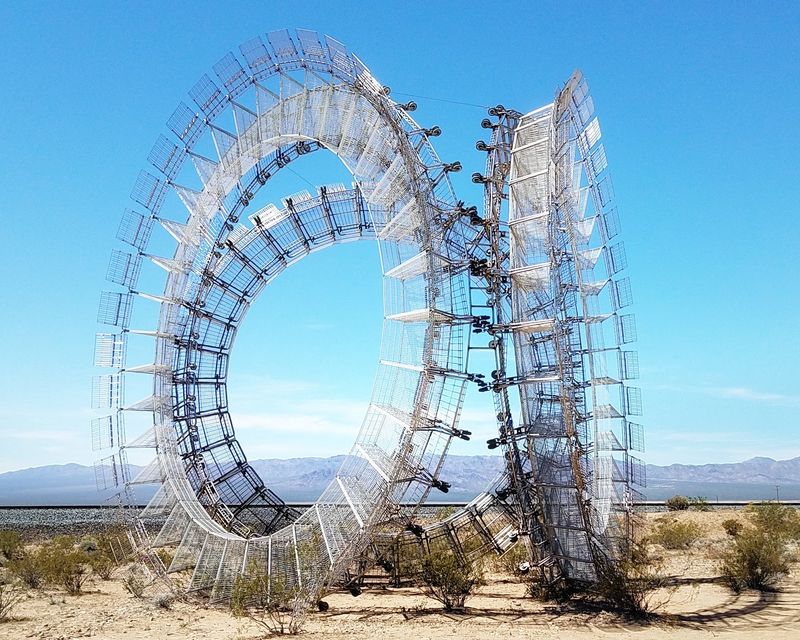
Living in or visiting Nipton means experiencing the Mojave Desert’s dramatic seasonal personality changes.
Summer brings intense heat that can exceed 110 degrees Fahrenheit, turning the landscape into a shimmering furnace where survival requires respect for the sun’s power.
During these months, activity shifts to early morning and evening hours, with midday reserved for seeking shade and staying hydrated.
Fall arrives as a blessed relief, with September and October bringing milder temperatures perfect for outdoor exploration.
The harsh summer light softens into a golden quality that photographers adore, casting long shadows across the desert floor.
This season draws many visitors who want to experience the desert without the extreme challenges that summer presents to unprepared travelers.
Winter surprises those who imagine deserts as perpetually hot environments.
Nighttime temperatures regularly drop below freezing, and occasional light snow dustings aren’t unheard of at Nipton’s elevation.
Clear winter skies create perfect conditions for stargazing, with the Milky Way visible in stunning detail far from any light pollution.
Spring brings the desert’s most magical transformation when conditions align properly.
Following wet winters, wildflowers carpet the landscape in waves of color including yellow brittlebush, purple lupine, and orange globemallow.
This brief flowering period, typically March through April, attracts nature enthusiasts from across California hoping to witness the desert’s colorful celebration.
Each season offers distinct reasons to visit Nipton, though spring and fall provide the most comfortable conditions for those unaccustomed to desert extremes and their particular challenges.
The Night Sky and Stargazing Opportunities
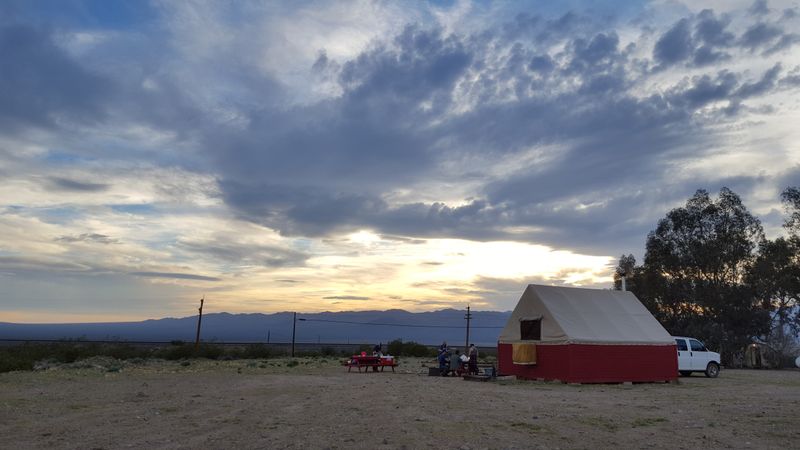
Few experiences match standing under Nipton’s night sky when the moon is absent and stars fill the darkness overhead.
The town’s remote location and tiny population mean virtually no light pollution interferes with celestial viewing.
On clear nights, the Milky Way stretches across the sky like a river of light, with individual stars numbering in the thousands visible to the naked eye alone.
Professional astronomers and amateur stargazers recognize the Mojave Desert as one of California’s premier dark sky locations.
The dry air contains minimal moisture to scatter light, while the high elevation puts observers above much of the atmosphere’s densest layers.
These conditions create exceptional clarity, allowing telescopes to reveal details that humid coastal locations can never quite match.
Many visitors to Nipton specifically plan their trips around new moon phases when the sky is darkest.
They bring telescopes, binoculars, and camera equipment to capture images of deep sky objects invisible from more populated areas.
The profound darkness can feel almost overwhelming to people accustomed to cities where true night never really falls.
Artists who have made Nipton their home often cite the night sky as a major inspiration for their work.
Painters attempt to capture the particular quality of starlight on desert sand, while writers describe the humbling sensation of recognizing human smallness beneath such cosmic vastness.
Simply sitting outside and watching the stars wheel slowly overhead becomes a form of meditation, connecting observers to rhythms that existed long before humans walked the earth and will continue long after we’re gone.
The Road to Nipton and Journey Experience
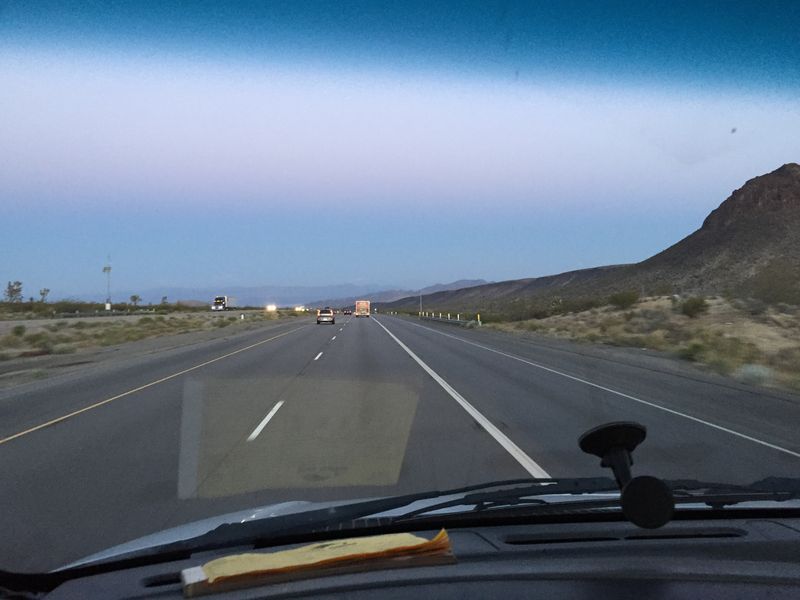
Getting to Nipton requires commitment, as the town sits well off California’s main tourist routes.
Most visitors approach via Interstate 15, taking the Nipton Road exit about 60 miles southwest of Las Vegas or 200 miles northeast of Los Angeles.
From the exit, a two-lane road winds eastward through increasingly empty desert, with civilization falling away in the rearview mirror.
This journey itself becomes part of the Nipton experience rather than just a means to reach a destination.
The road passes through landscape that changes subtly as miles accumulate, with different plant communities and geological features revealing themselves to observant travelers.
Cell phone signals fade and eventually disappear completely, forcing a disconnection from the digital world that many visitors find surprisingly refreshing.
The sense of remoteness grows with each passing mile of empty pavement.
Other vehicles become rare, and the silence outside the car feels almost tangible when travelers stop to stretch their legs.
This isolation serves as a transition period, helping visitors mentally shift from the pace of modern life to the slower rhythms they’ll find in Nipton itself.
Travelers should prepare properly for this journey, ensuring their vehicles are in good condition and carrying extra water.
Summer heat can be dangerous if mechanical problems strand someone on this remote stretch of road.
Winter travelers should check weather conditions, as occasional storms can make roads treacherous despite the generally dry climate.
Arriving in Nipton after this journey creates a sense of accomplishment and arrival at somewhere truly special and separate from everyday California.
The Future and Ongoing Preservation Efforts
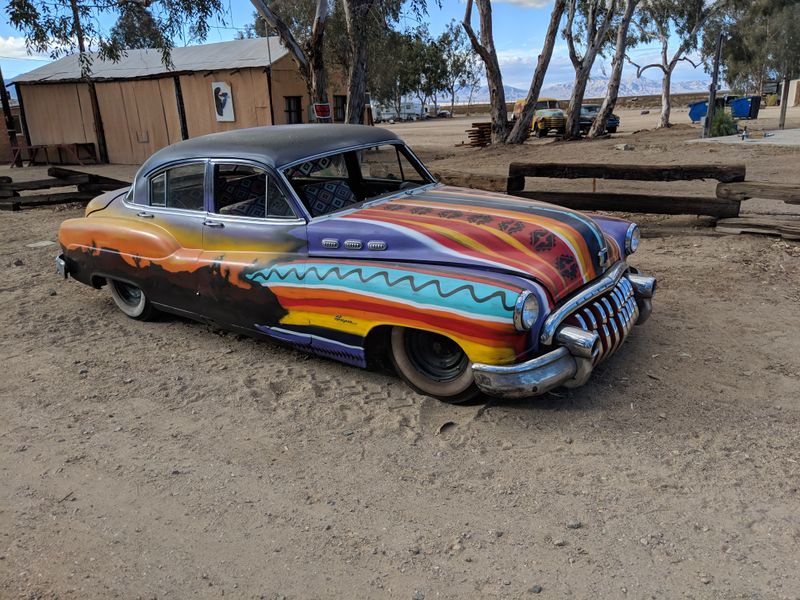
Nipton’s future remains uncertain, as it has been throughout its long existence on the edge of viability.
The town has changed ownership multiple times over recent decades, with each new proprietor bringing different visions for what this desert outpost could become.
Some have proposed development schemes while others emphasized preservation of the historic character that makes Nipton unique among California’s many small towns.
Current preservation efforts focus on maintaining the town’s historic buildings while allowing modest improvements that make them functional.
This balancing act proves challenging in the harsh desert environment where sun, wind, and temperature extremes constantly work against human structures.
Maintaining century-old buildings requires ongoing attention and resources that aren’t always readily available in such a remote location.
The artistic community that has adopted Nipton as their hideout plays an important role in the town’s cultural preservation.
These residents serve as informal guardians of the settlement’s character, resisting changes that might transform it into something more commercial and less authentic.
Their presence ensures Nipton retains the quiet, contemplative atmosphere that attracted them in the first place.
Environmental concerns also shape discussions about Nipton’s future development.
Its location adjacent to Mojave National Preserve means any significant expansion could impact protected desert ecosystems and wildlife corridors.
Balancing human use with environmental protection becomes increasingly important as climate change stresses these already marginal desert environments.
For now, Nipton continues as it has for decades: a tiny settlement where the past and present coexist, offering refuge to those seeking something different from mainstream California life.
Dear Reader: This page may contain affiliate links which may earn a commission if you click through and make a purchase. Our independent journalism is not influenced by any advertiser or commercial initiative unless it is clearly marked as sponsored content. As travel products change, please be sure to reconfirm all details and stay up to date with current events to ensure a safe and successful trip.
