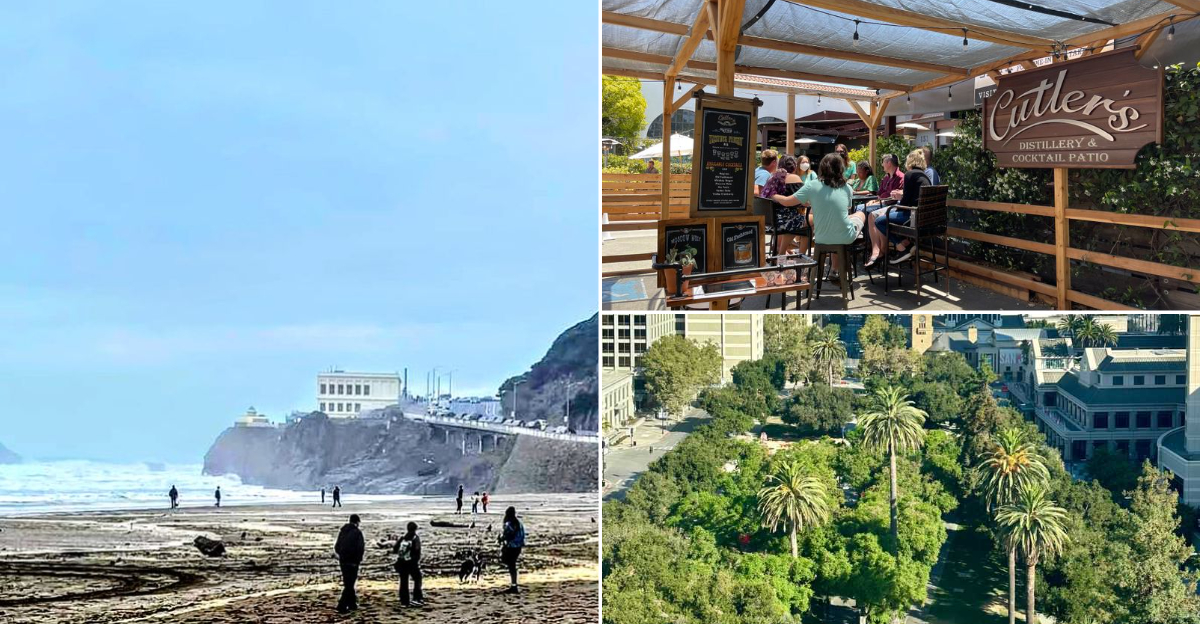
The vibe in California feels split right now in a way that is hard to ignore but easy to feel once you step onto any main street.
You can see folks who have lived here for ages sharing sidewalks with people dragging roller bags, and both sides are moving to different rhythms that almost never sync up.
It is not about who belongs more, it is about how daily life gets reshuffled when home means one thing to you and a completely different thing to the person next to you.
If you pay attention, I think you will hear that split in the small sounds, not the headlines.
Remote Work Removed Traditional Residency Boundaries
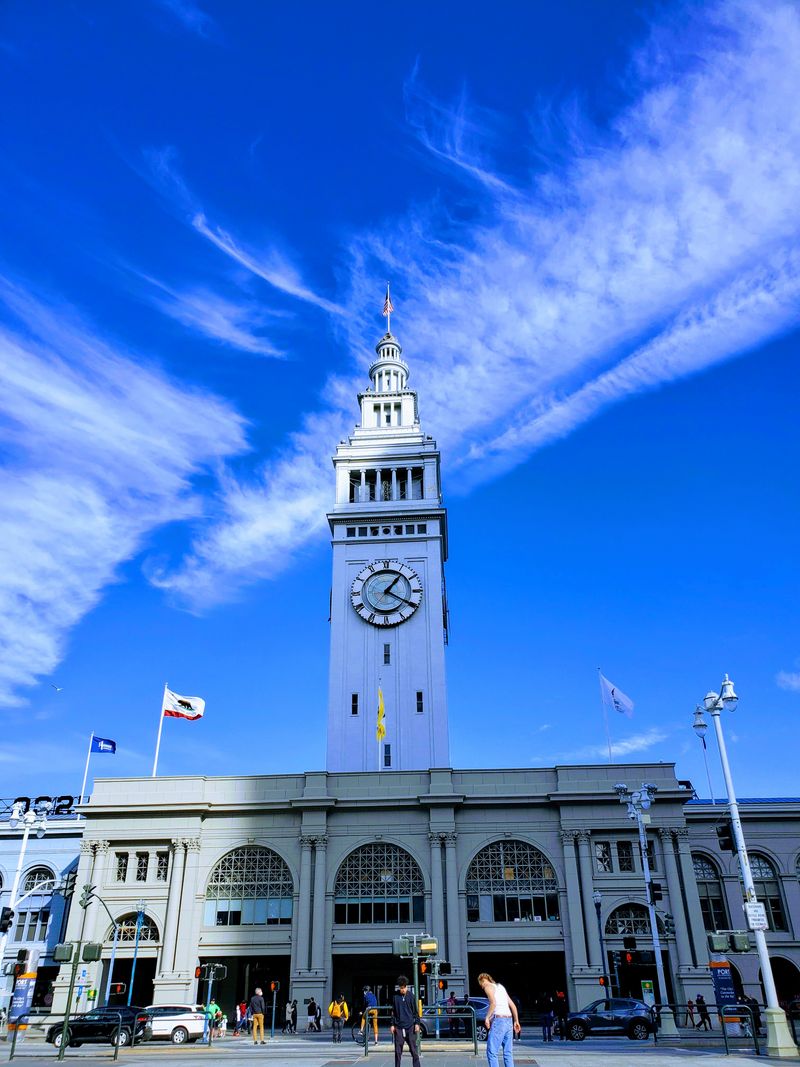
You can feel it best in San Francisco, because that is where the boundary lines got fuzzy fastest. Standing outside the Ferry Building you can watch laptops outnumber briefcases.
Remote work turned the commute into a suitcase, which sounds liberating until the neighborhoods tried to keep up.
People arrived for a month, left, then came back for two weeks, and suddenly leases felt like outdated promises.
Walk a few blocks and you hear languages from everywhere, which is beautiful and also disorienting for people who measure time in school years, not flight cycles. The sidewalks look the same, but the relationships feel shorter.
I get why nomads love it, because flexibility is intoxicating. Locals keep routines that anchor the whole place, and routines do not pack neatly into carry ons.
At Salesforce Park, the garden looks steady while the crowd churns.
You feel like a regular even if you are new, and that is the trick that makes the shift hard to see.
California thrives on reinvention, but reinvention needs a foundation. When residency becomes an app setting, the foundation wobbles just enough to make small cracks.
Maybe the question is not who gets to stay, but how we set expectations. If the baseline for being a neighbor is one month, what happens to the slow trust that takes longer?
Housing Pressure Increased In Desirable Areas
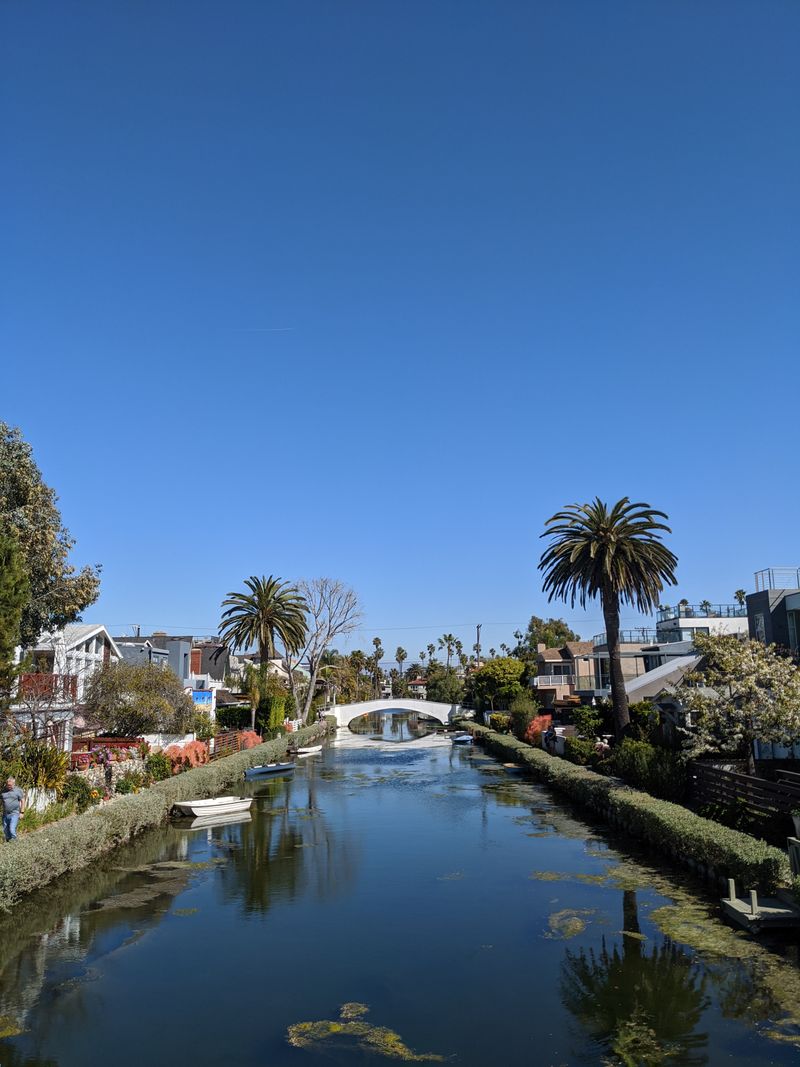
For this one, let us take a look at Venice, near the canals. You can feel the tension tucked behind those postcard bridges.
Short term contracts made long term leases rare, and that nudged prices in ways spreadsheets explain but neighbors feel.
People started competing with flexible timelines, which is a tough opponent for a family aiming to stay put.
Just a few minutes towards Silver Lake, and the story repeats with different paint colors. The bungalow you once recognized now turns over faster than the jacaranda blooms.
None of this is villain territory. It is more like a gentle squeeze that never lets up, and everyone keeps breathing shallower to manage.
California has always been expensive, but the pressure used to arrive predictably. Now it drifts in waves, tied to gigs and seasons you cannot predict from the curb.
Landlords adapt, tenants adapt, and the ground under that relationship goes a little soft.
You can still build community there, but it takes steadier feet.
If you stay a while, you should ask how people found their places. You hear stories of luck and timing more than a clean plan, which says a lot about the current math.
Short-Term Living Changed Neighborhood Stability
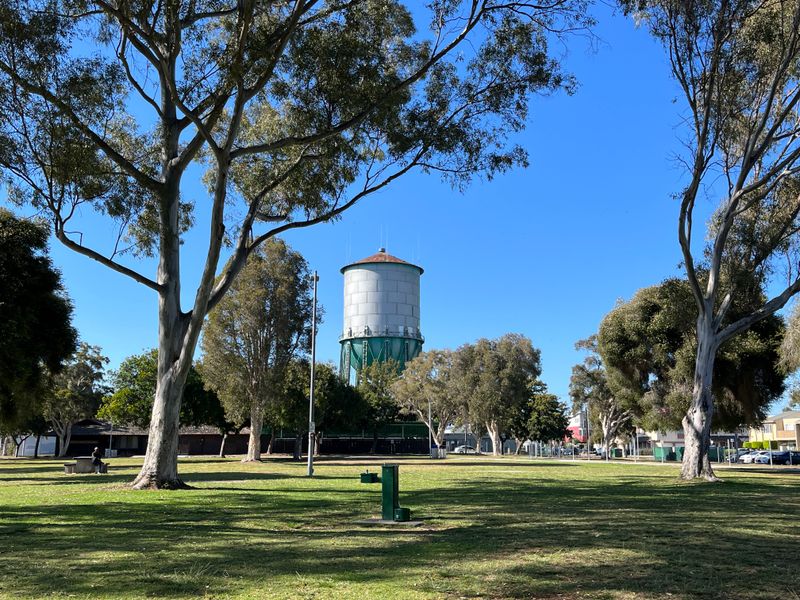
In San Diego’s North Park, the block feels lively, then different, then lively again. The storefronts stay, the faces swap.
Short stays make for warm hellos and fragile goodbyes, which is fine for a vacation and tricky for a community. Traditions need repetition, and repetition needs people who keep showing up.
Take a slow walk by Morley Field. The park looks settled, but the everyday crowd is on shuffle.
Neighbors used to recognize dogs before names. Now you recognize suitcases before leases, and that is not a judgment so much as a weather report.
California neighborhoods learned to keep their energy high to welcome fresh arrivals. That same energy can tire locals who are holding the calendar steady through real life.
When someone asks where is home, the answer lands differently if the boxes never fully unpack.
Stability is not glamorous, yet it makes the small daily corners feel safe.
To be able to understand, I want you to notice which blocks carry rituals. If they are missing, it might be because the people who keep them are missing too.
Local Businesses Adapted To Temporary Populations
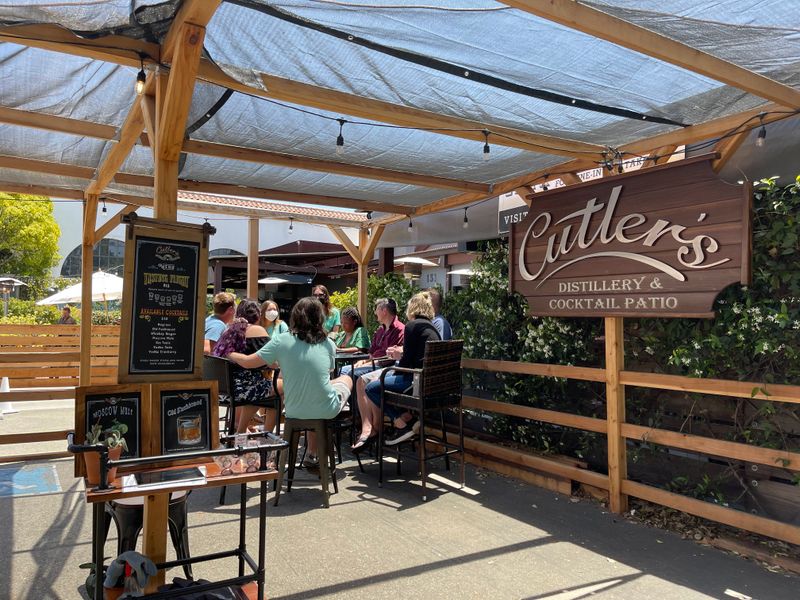
Now take a look at Santa Barbara’s State Street, and notice the storefront calendars. You will see schedules bending toward the ebb and flow of arrivals.
Shops offer flexible services because customers keep rotating. Loyalty programs start from zero more often, which changes how relationships feel behind the counter.
The spaces look airy and modular, ready to flip for whatever crowd shows up next.
There is creativity in that, and also a quiet loss of the familiar nod from someone who knows your Tuesday habit.
Temporary patterns keep the lights on, but they do not always keep the stories going.
California businesses are scrappy, so they learn fast. Still, constant onboarding turns every week into a soft opening, and that is a tiring pace.
I try to ask names and remember them, because it matters when faces change.
The simplest loyalty sometimes is just being around long enough to be recognized.
If you stop here, just skip the rush and talk to whoever is working. A two minute chat might stick longer than a quick swipe, and that is how threads start.
Cultural Norms Began To Clash Quietly
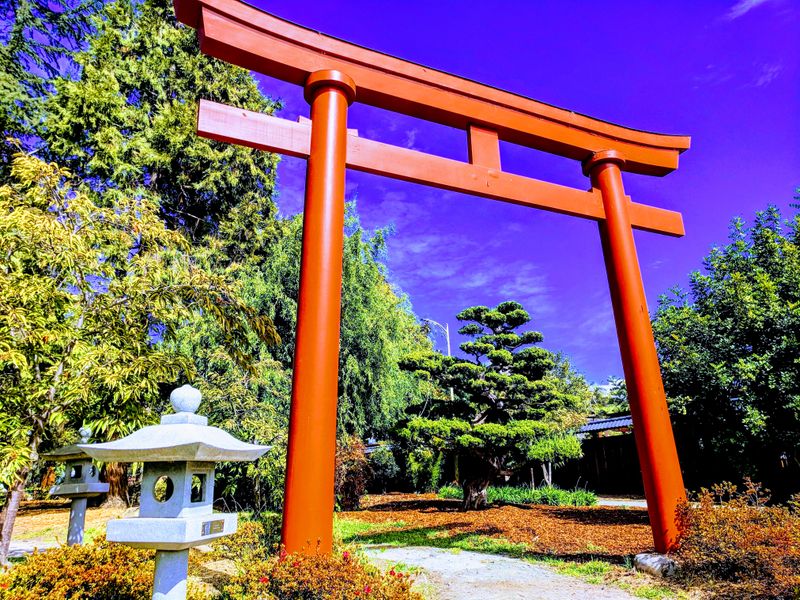
In Oakland around Temescal Alley, the lane is cozy and opinionated. It has unspoken rules about where to stand, how to wait, when to smile.
Nomads bring fresh customs from everywhere, which is part of the draw.
The clash shows up in tiny moments, like volume levels or how long you linger at a table.
If you want to see it for yourself, drive over to Lake Merritt and walk the loop.
You will hear different tempos sharing the same soundtrack, and most days it works until it nudges.
California holds a lot at once, but even big tents need quiet corners. When those corners get busy, locals retreat and the scene loses its elders.
None of this needs scolding, just awareness.
Read the room, match the mood, and the alley keeps its balance without a sign.
I like to think of it as conversational etiquette for places. You tune your voice to the space, and the space makes room for you.
If you ever pass through, try to watch more than you speak. The city tells you how to behave if you are willing to listen first.
Public Spaces Saw Increased Competition
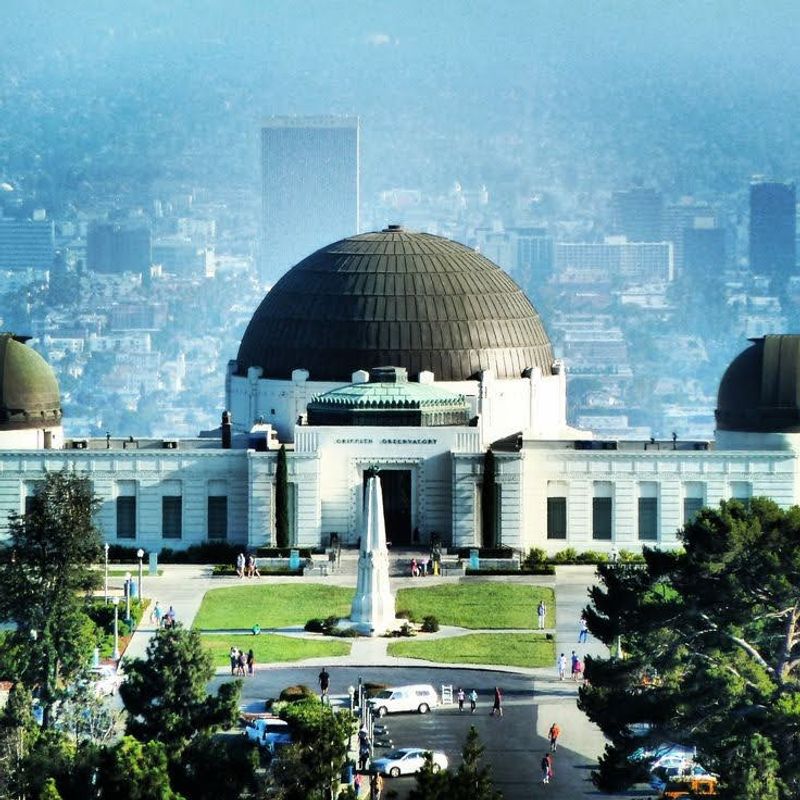
Swing by Griffith Park, specifically the Observatory grounds. You can feel how the lawn becomes a stage for everyone’s rhythm.
Locals come for routine, while visitors come for the moment. The result is polite jostling that grows less polite when the sunsets line up with tight schedules.
Down at Echo Park Lake, the benches tell the story.
A regular keeps one pocket of shade, and a traveler reshuffles the map without knowing.
California parks are built to welcome, yet welcome still has limits when space runs short. The line between sharing and crowding is thin and moves with the light.
I try to leave room the way I wish someone would for me. It is not complicated, just a habit you practice until it sticks.
Public space works best when people self edit.
If you can read the room outside, there is usually enough sky for everyone.
Want to pause here during your drive? You can time it earlier so the routine users keep their rhythm, and you still get the view.
Long-Term Residents Felt Displaced Without Moving
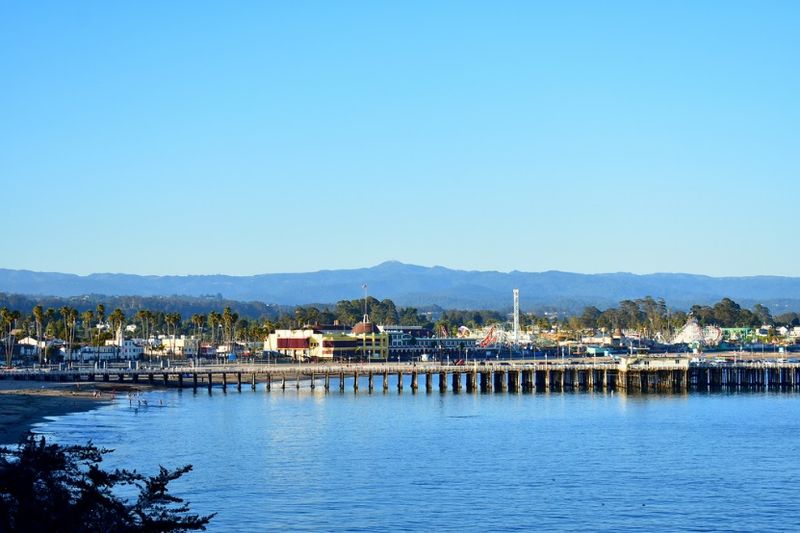
In Santa Cruz the water looks the same but the crowd does not. That is a strange way to feel pushed aside while standing still.
Displacement without moving shows up in small habits, like where you park your bike or which bench has your morning sun. When those habits get interrupted daily, identity gets wobbly.
The cliffs, near West Cliff Drive, hold steady while the foot traffic cycles like tides you did not schedule.
California has a kind memory, yet memory needs repetition. When repetition breaks, people hold their stories tighter and share them less.
I think that is why some locals go quiet rather than confront. It is not anger, just fatigue from explaining the same map over and over.
You can help by noticing the rhythms that were here before you.
Step around them when we can, and step gently when we cannot.
On this stop, walk and listen for the old names of corners. Saying them out loud is a small way of keeping place stitched together.
Nomads Often Misread Local Frustration
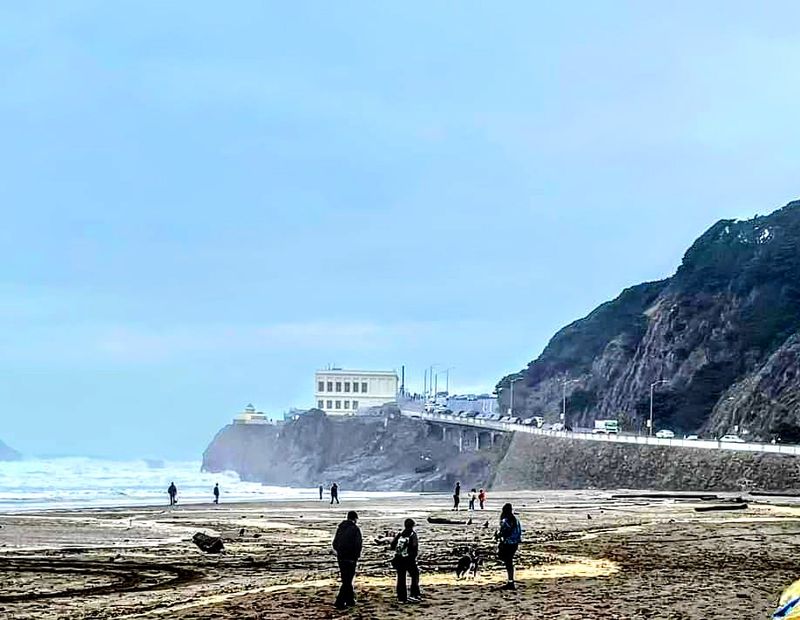
Let us talk honestly about Ocean Beach. The horizon is calm, which can trick you into thinking everything onshore is calm too.
Locals are not angry at visitors as people.
They are worn down by repeating the same boundaries, while the faces asking for exceptions keep changing.
Down the road in Outer Sunset, the blocks stay chill. That quiet can hide frustration because polite equals fine in coastal neighborhoods.
California politeness is an art form. It lets everyone share space, but it also hides the moment when patience runs out.
If you land for a short stretch, learn the cues like you would a new trail.
A quick read of the wind saves you from stepping on the line you did not see.
I try to ask where the neighborhood draws the line on noise and parking. That conversation usually earns a smile and a few extra directions.
If you want, you can do the same. A little humility travels better than any packing cube ever will.
Cities Struggled To Balance Economic Gains And Community Impact
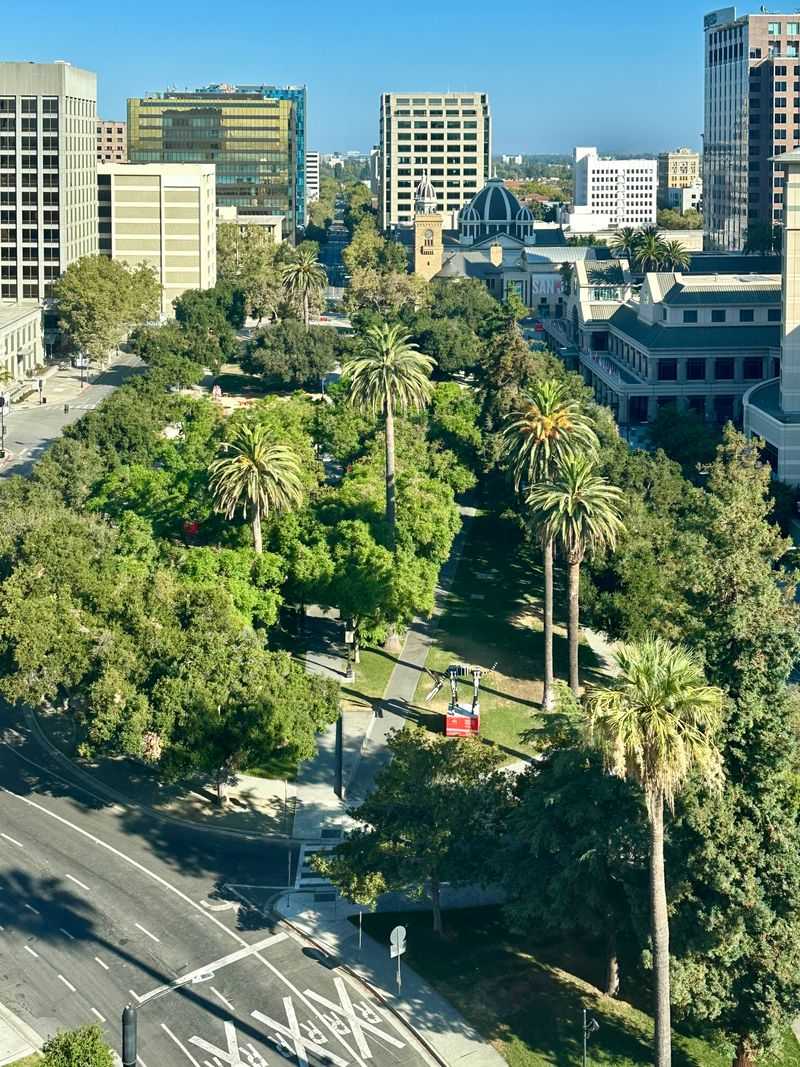
Downtown San Jose shows the balancing act in public.
Event calendars glow, while nearby streets try to feel lived in, not staged.
City leaders welcome spending because budgets are real. Neighbors welcome stability because routines are real, and those two truths do not always high five.
Walk to San Pedro Square. The space looks designed for gatherings that are both frequent and fleeting, a tough combo to hold steady.
California cities test pilot ideas like flexible zoning and layered uses. That experimentation keeps the lights on, but it can blur who the city is for on a Tuesday afternoon.
I like seeing creative moves, and I also like seeing clarity.
Clarity tells you where the locals fit when the crowd arrives and when it leaves.
If you are passing through, you can vote with your feet toward places that name their community commitments. It is a small signal that someone is paying attention to the long game.
You will notice the difference block by block. The ones that feel grounded are usually the ones with a plan you can actually feel on the sidewalk.
Finding Coexistence Remains An Ongoing Challenge
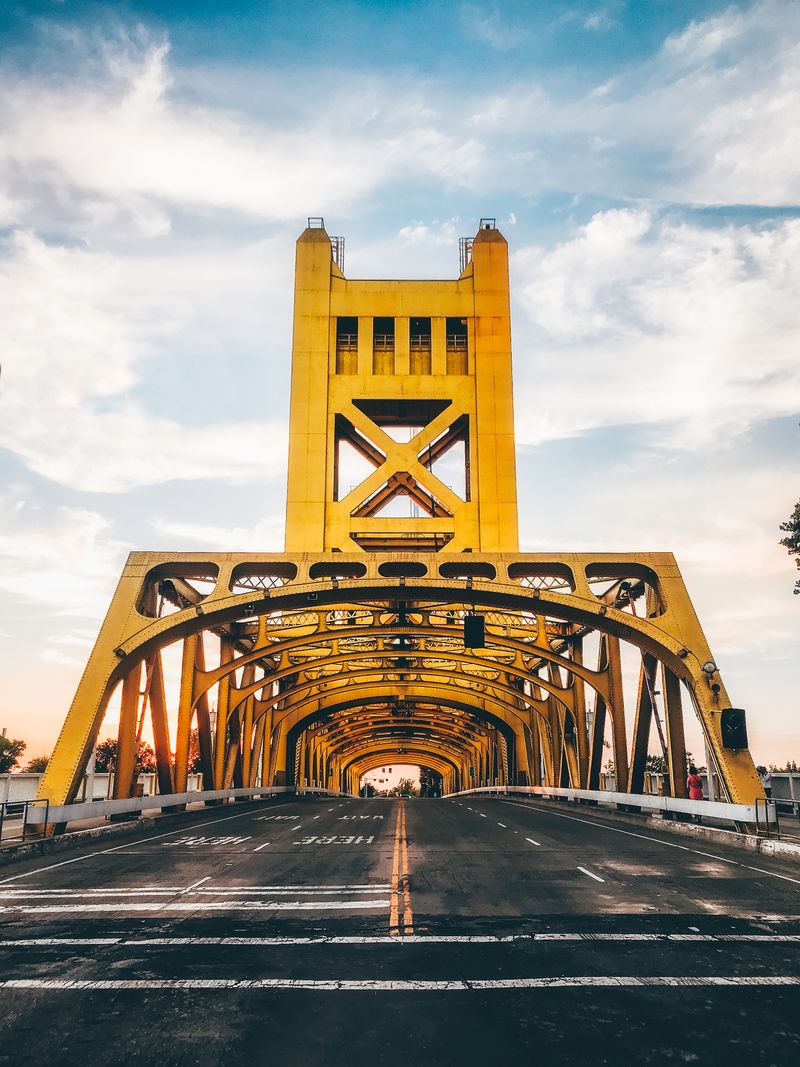
In Sacramento, the river keeps moving. Which is a good reminder that coexistence is motion, not a finish line.
Nearby in Old Sacramento, the wooden walks creak with every step. That sound feels like a chorus asking people to notice where their feet land.
California is big enough for locals and nomads if both sides practice patience.
Patience does not mean silence, it means steady conversations that keep returning.
Coexistence needs small rituals that anyone can learn quickly. Think of them like trail markers that nudge choices without scolding.
We can try the simplest moves and see how they feel. If you are visiting: arrive curious, listen first, and leave a little extra space behind us.
If that sounds basic, good. The basics are what hold a place together when everything else changes faster than anyone planned.
Just keep watching the gap and looking for the bridges.
