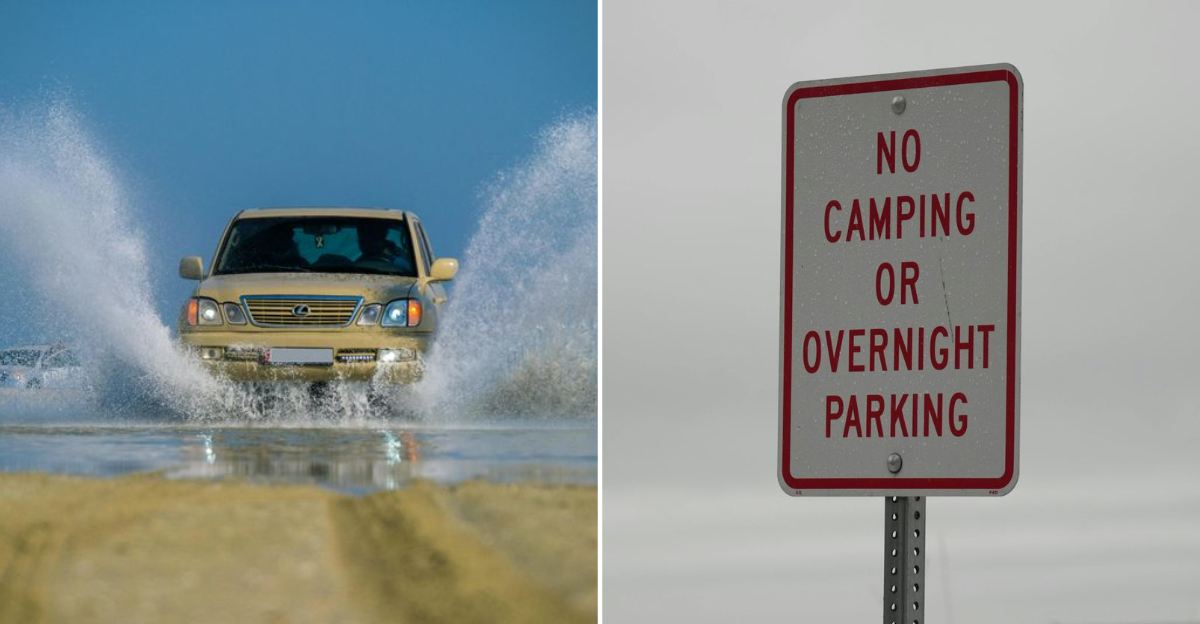
Ever heard of a traffic law that makes you stop and think, “Wait, that’s real?” California has plenty of them.
Beyond the usual rules of the road, the state is full of quirky regulations and stories that sound more like urban legends than actual laws. Some of these rules are oddly specific, and others just make you laugh.
Whether it’s restrictions that don’t seem to fit modern driving or tales drivers swap about what might be illegal, they all add to the colorful reputation of California’s roads. Locals often joke about them, while visitors are left scratching their heads, wondering how these laws ever came to be.
I’ve come across strange rules while traveling before, and they always make the trip more memorable; it’s like uncovering a hidden piece of local culture.
So if you’re curious about what makes driving in California a little different, these weird traffic laws and tall tales are worth knowing.
1. You Can’t Drive In Flip-Flops
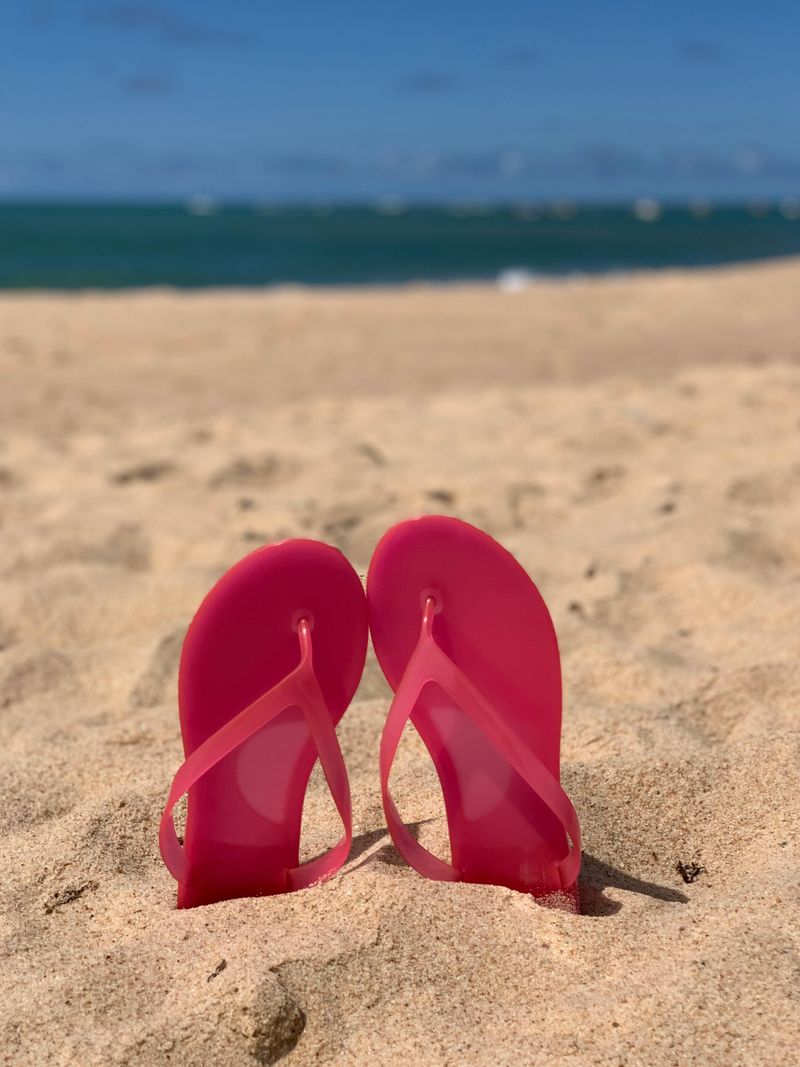
First off, let’s clear the flip-flop panic you keep hearing at the beach parking lot.
This one is a myth, and California has no law that bans flip-flops or barefoot driving, so you can relax your toes.
Police can still ticket you if the footwear messes with safe control, because the shoe itself isn’t illegal, reckless driving is.
Think about it like this, the problem is not foam sandals, it is losing grip on the pedals. If your footwear slides, sticks, or wedges under a pedal, an officer can call that unsafe operation.
I keep a pair of snug sneakers in the trunk just in case, and it saves drama when the road turns twisty.
California roads can change fast with hills, potholes, and surprise lane dips that need steady pedal feel. When you brace for a sudden stop, flimsy straps are not doing you any favors, and you know it.
So wear what you want, but ask yourself whether you could slam the brake without fumbling. If the answer is no, then that is your sign to switch before rolling out.
You will hear folks claim officers can ticket you for sandals on sight, which just is not true. They can ticket you for the unsafe driving they see, and that is the real rule to remember.
2. You Must Yield To Funeral Processions
I know this one gets everyone tense at intersections when a long line of cars appears with flags. This one is true, but with limits, because vehicles in a funeral procession generally have the right of way.
Other drivers should not cut through the line, but the procession still must obey signals unless it is escorted. When you see headlights and markings in a steady row, take a breath and let them pass without weaving.
Customs here lean respectful, and most officers take a dim view of drivers who break up the line.
If there is no escort, the procession stops for red lights like everyone else and moves when safe. If there is an authorized escort, follow the directions the moment they gesture, because that controls the flow.
You are not losing much time, and it keeps the group together in a tough moment for families. I always ease off early and avoid sudden lane changes, which keeps things smooth and calm around them.
Your best move is predictable driving, clear signals, and patience while the line clears the intersection.
People argue about who goes first, but the key is to avoid interference and follow posted controls. Let the group stay intact, watch the lights, and you will handle California roads with real grace.
3. Honk Only When Necessary
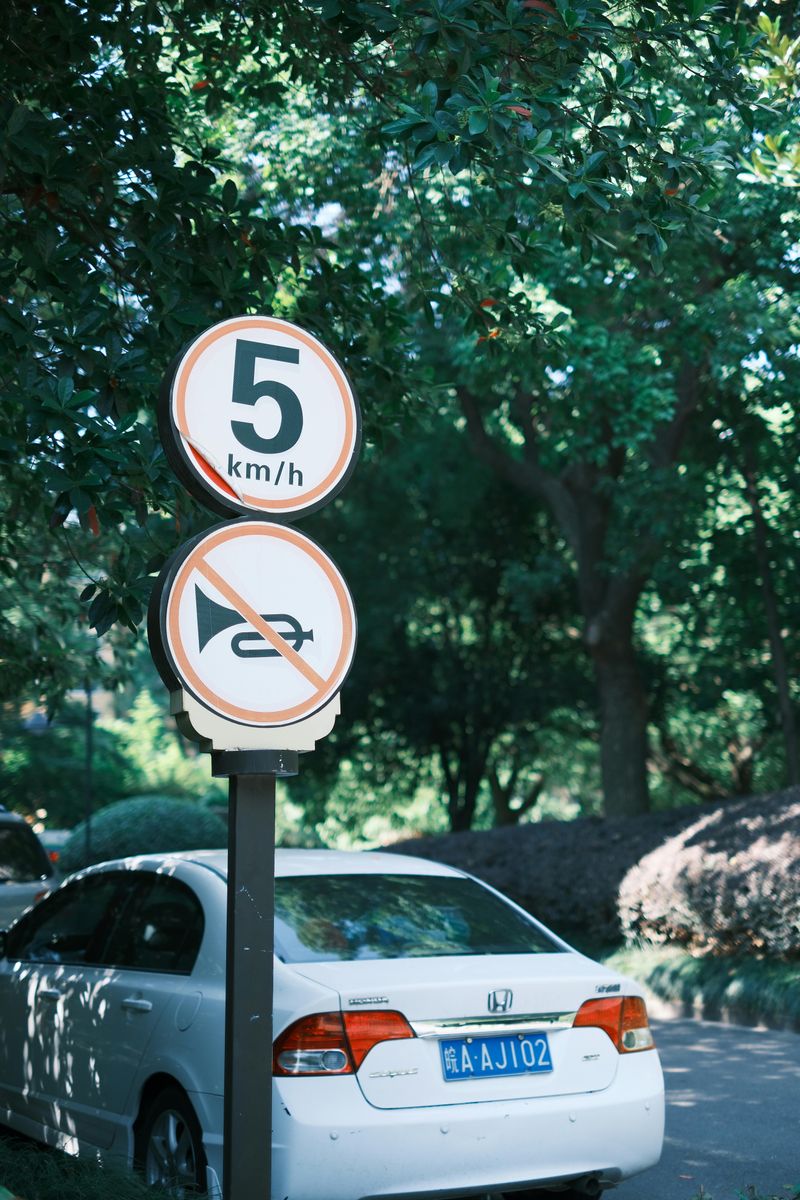
You know that urge to slam the horn when someone camps in the lane and will not move? This law is real and enforced, and in California honking is only legal to avoid danger.
Using your horn out of impatience can earn a ticket, so that kind of honking is technically illegal.
Think of the horn like a safety tool, not a megaphone for feelings, even on congested city blocks.
If a driver drifts into your lane, a quick tap makes sense and keeps everyone aware and awake. But leaning on it for payback just turns you into the problem and attracts attention from patrol cars.
I keep my thumb ready for a light beep and skip the long blast that heats tempers.
City streets carry sound, and loud horns echo between buildings and draw looks you do not want. When in doubt, brake gently, create space, and let the moment breathe while traffic evens out.
Stay steady, signal early, and use the horn only when it changes the situation for safety. Your goal is to prevent a crash, not to score points in a noise contest under downtown towers.
Short and purposeful wins every time, and it keeps your stress level from spiraling on busy commutes.
4. Driving Too Slowly Can Get You Pulled Over
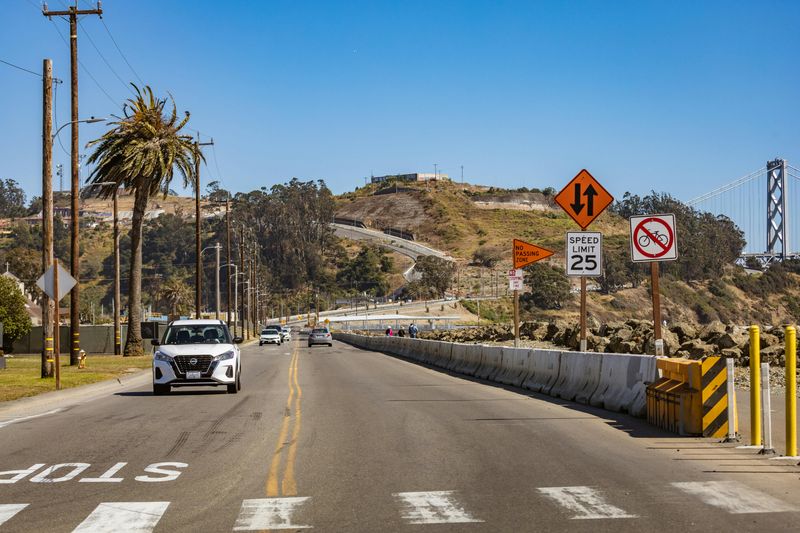
Here is a surprise that catches nervous drivers on their first long California freeway run. This is absolutely true, because the law allows tickets for going so slowly that it blocks traffic.
Even under the speed limit, you can be cited if you disrupt the flow and force unpredictable moves. Keep right except to pass, and watch your mirrors for clusters forming behind you on long grades.
When a line stacks up, ease into a slower lane and let faster traffic go without drama.
California highways have steep climbs, truck lanes, and quick merges that need steady pacing and clear gaps.
I like to set a comfortable pace that matches surrounding cars and keep a calm buffer zone. If the car feels strained on hills, drop a gear or move right and save the engine.
Do not try to prove anything in the left lane, because people expect decisiveness there. Think flow first, then comfort, and the whole freeway breathes easier around your lane changes.
That mindset turns long drives from tiring to peaceful, even when traffic thickens near big cities.
5. You Can’t Block An Intersection
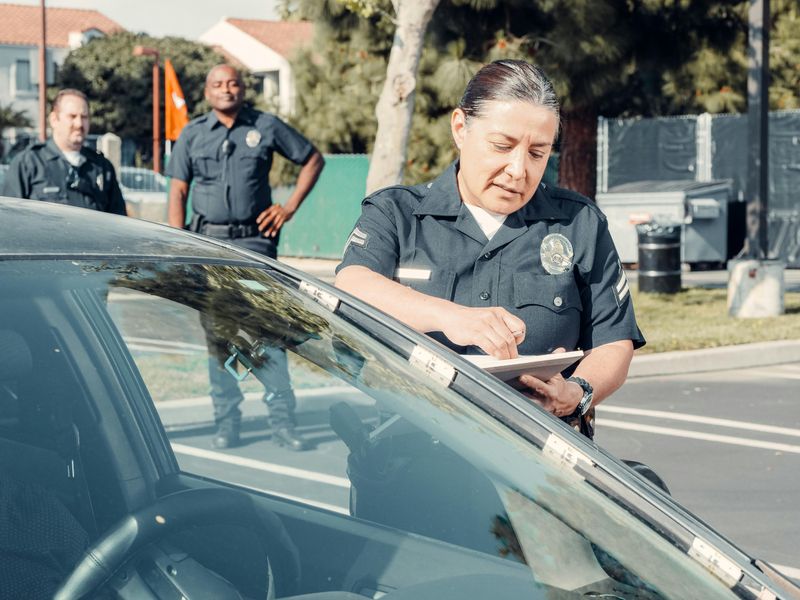
Let me say this loud for downtown drivers who inch forward just because the light turned green. This law is real and heavily enforced in cities, and you may not enter unless you can clear it.
Gridlock fines are common in busy cores, and locals know the pain when cross traffic gets stuck. Watch the exit space, not the light, and keep your bumper behind the line until there is room.
California city blocks can look open, but hidden queues lurk beyond buses and delivery vans that stop suddenly.
I aim for patience, count a breath, and wait for the car ahead to clear by a length. That tiny pause saves you from blocking the box and from glares that stick with you all afternoon.
If a pedestrian wave tempts you forward, smile and hold until your lane really opens. The best drivers treat intersections like shared rooms where everyone takes turns and leaves space to exit.
Once you commit, keep rolling smoothly, make the turn decisively, and do not camp in the crosswalk. It is a small habit shift that earns instant calm in dense California neighborhoods with tight timing.
You will feel the city breathe when the intersections stay clear and the lines move cleanly.
6. Sleeping In Your Car Is Illegal Everywhere
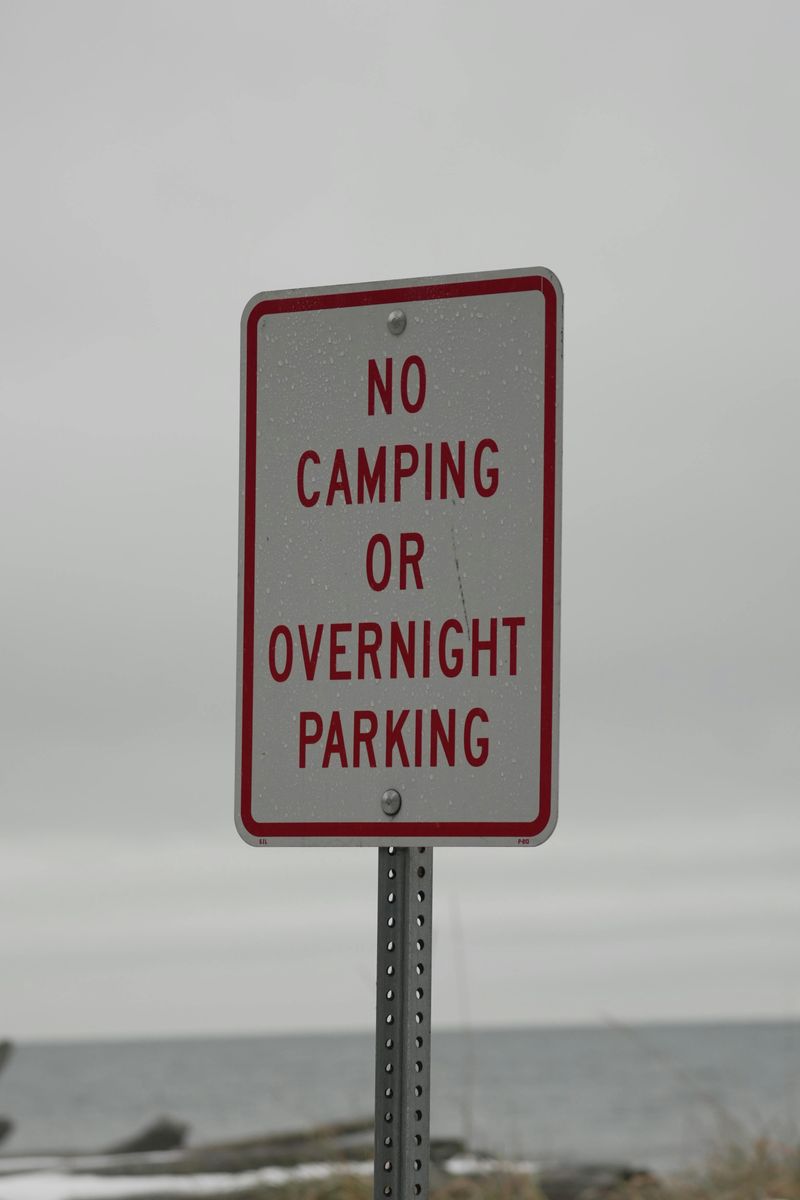
You hear this one at rest stops from people who whisper like they are trading secret codes. This is false but complicated, because state law allows sleeping in your car while cities can restrict it.
Some areas ban overnight vehicle sleeping, so you need to check local ordinances before you settle in. Look for posted signs on blocks near beaches, trailheads, and popular lots where rules change by zone.
California has a patchwork approach, and enforcement can shift with community concerns and safety plans.
I play it safe by using legal lots, designated rest areas, and places that clearly allow short stays. If an officer knocks, be calm, show ID, and follow instructions without trying to argue the code.
Keep windows cracked for airflow, stash valuables out of sight, and avoid noisy streets that draw complaints.
You will sleep better when the spot feels safe and neighbors are not losing patience about parking. Think like a guest in every town, and the car-camping nights go smoother and less stressful.
Map the next morning exit so you roll out early and leave the area clean and quiet. Trips feel freer when you respect local rules and pick stops that welcome weary travelers.
7. You Must Have Working Windshield Wipers
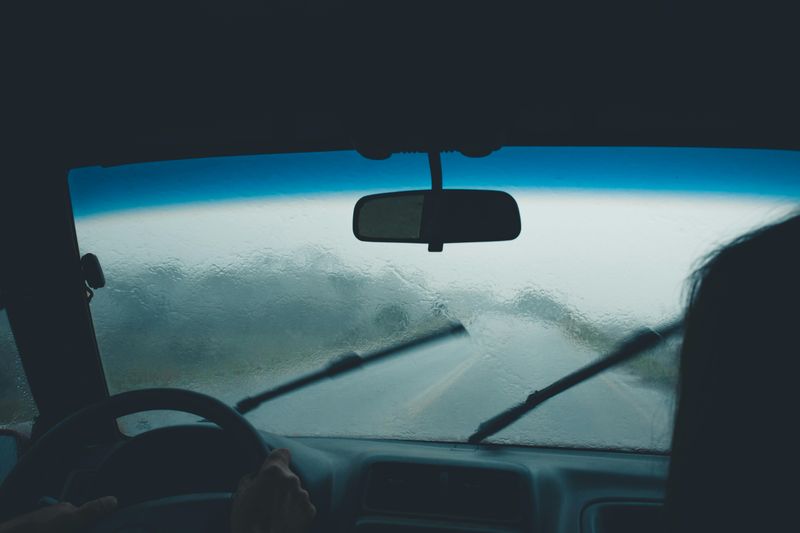
Rain sneaks up on road trips, and suddenly the glass turns into a blurry smear of lights. This is a real requirement, and if your vehicle has wipers they have to work properly.
Driving in rain with broken wipers can lead to a ticket because visibility laws are taken seriously. Rubber blades dry out fast in the California sun, so they streak and chatter right when storms hit.
Swap blades before the season, and top up washer fluid so grit does not grind into the sweep.
I keep a spare set in the trunk and learn my arm sizes before the first wet front. When clouds build over the hills, pull over and test the wipe, spray, and return speed.
If you hear scraping, replace them soon, because that sound means the edge is gone and useless. Clean the windshield at gas stops to reduce glare from headlights that bloom across old film.
You will spot hazards sooner and save your eyes from strain during long night drives. Storms here might be brief, but they can dump quickly and challenge tires and brakes.
Good wipers turn chaos into patterns you can manage, and that keeps the trip moving safely.
8. You Can Get Ticketed For Splashing Pedestrians
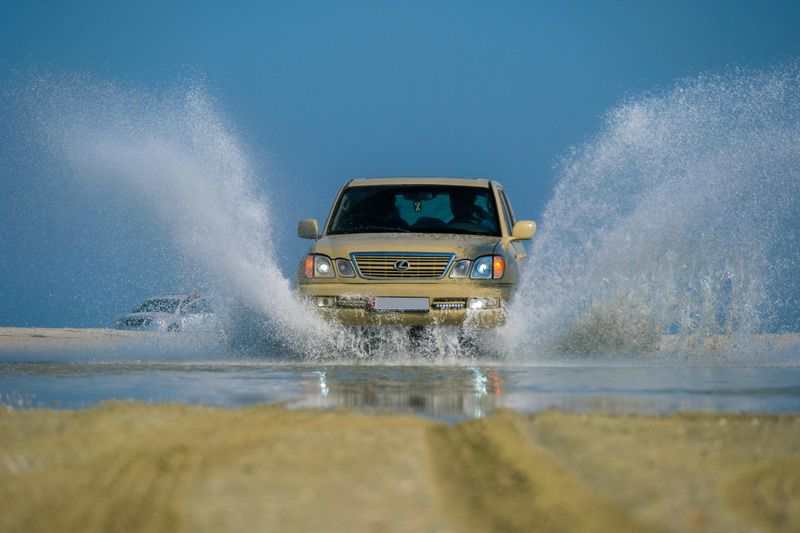
I learned this lesson watching a puddle send an arc right onto people waiting at a crosswalk.
This law is real and surprisingly old, and drivers can be fined for intentionally splashing pedestrians. It falls under careless or reckless driving statutes, so puddle revenge can cost you more than pride.
When rain pools along curbs, steer gentle lines and slow before the water to cut the spray.
California streets have crowned lanes and clogged drains that push runoff toward the edge where people stand.
I feather the throttle and give a little extra space when a bus stop sits in shallow flood. Think ahead at corners, because turning through a lake at speed throws a sheet straight onto the sidewalk.
If it happens by accident, a quick wave of apology helps, and maybe pull over if needed. Better yet, treat wet roads like a courtesy test and drive like your shoes are at risk.
It keeps you smooth, it saves strangers from soaked clothes, and it avoids unwanted attention. California rain days already challenge visibility, so softer inputs help tires keep grip and stop hydroplaning.
Small kindness goes a long way on soggy commutes when everyone just wants to get home.
9. Hwy Myths And The Giant Stop Sign Story
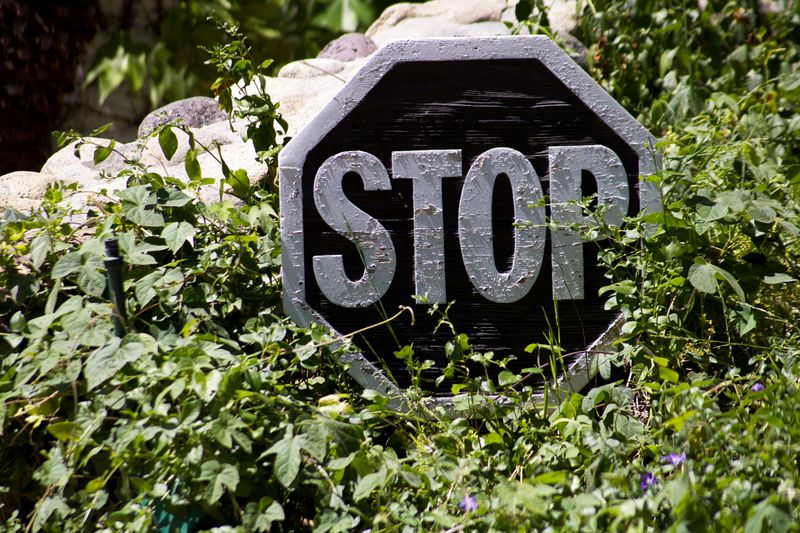
You have probably heard the tale about a giant stop sign someone swears was planted on a hill. It pops up on long drives like a campfire story, and it always changes by the teller.
Supposedly drivers saw it from miles away and slammed brakes in awe before a sudden turn.
I chased that rumor along coastal routes and inland passes and never found a single trace.
This state has its share of quirky roadside art, but traffic control signs still follow strict standards. What remains true is that legends grow fast when roads meet big scenery and late night nerves.
The real lesson is to respect genuine signs and question the ones that seem outlandish. If a story sounds wild enough to make you laugh, it probably belongs in the tall tale bin.
Ask locals for safety tips instead, because they know the corners where fog clings after sunset. You will collect better memories chasing real views than hunting phantom signs over windy ridges.
Let the myths ride shotgun, and keep your attention on the markings that truly matter.
Dear Reader: This page may contain affiliate links which may earn a commission if you click through and make a purchase. Our independent journalism is not influenced by any advertiser or commercial initiative unless it is clearly marked as sponsored content. As travel products change, please be sure to reconfirm all details and stay up to date with current events to ensure a safe and successful trip.
