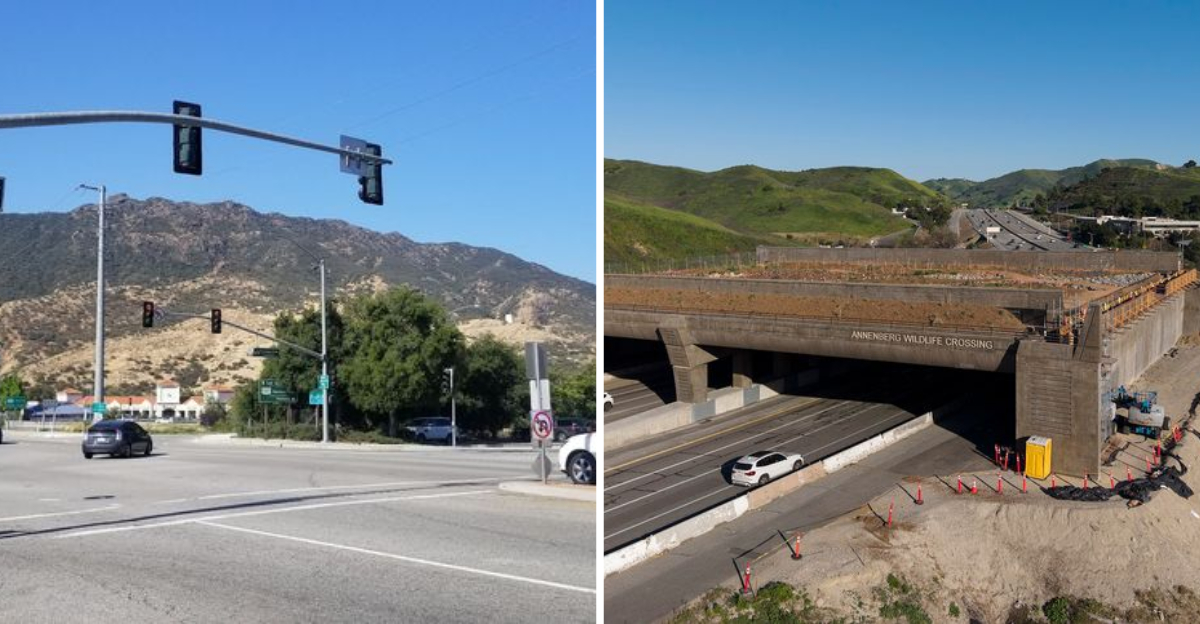
For years, wildlife in California has played a deadly game of Frogger across a ten lane freeway. Mountain lions.
Bobcats. Deer.
All of them trying to cross one of the busiest highways in the country. Too many have lost.
But that is finally changing. The Wallis Annenberg Wildlife Crossing, a massive vegetated bridge stretching over the 101 freeway, now has an opening date. Construction has been moving faster than expected.
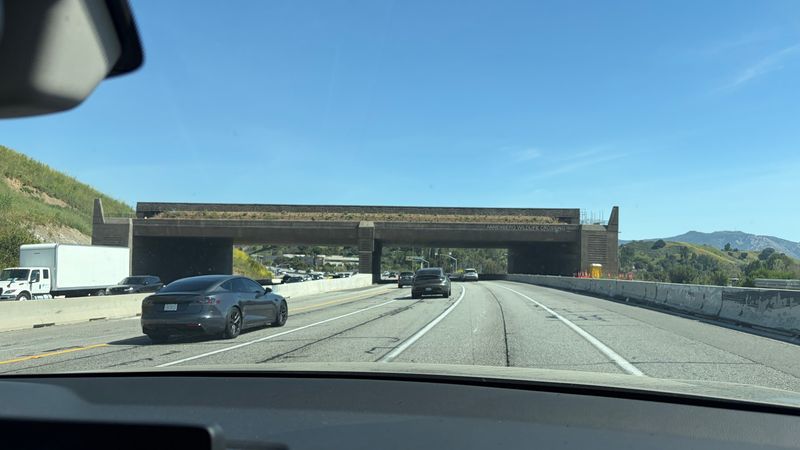
Soon animals will have a safe path from the Santa Monica Mountains to open wilderness on the other side. I drove past the site recently and saw the supports going up.
It is strange to watch humans build something that is not for us. Strange, but good.
Finally, some good news for California’s wildlife.
What Exactly Is the Wallis Annenberg Wildlife Crossing?
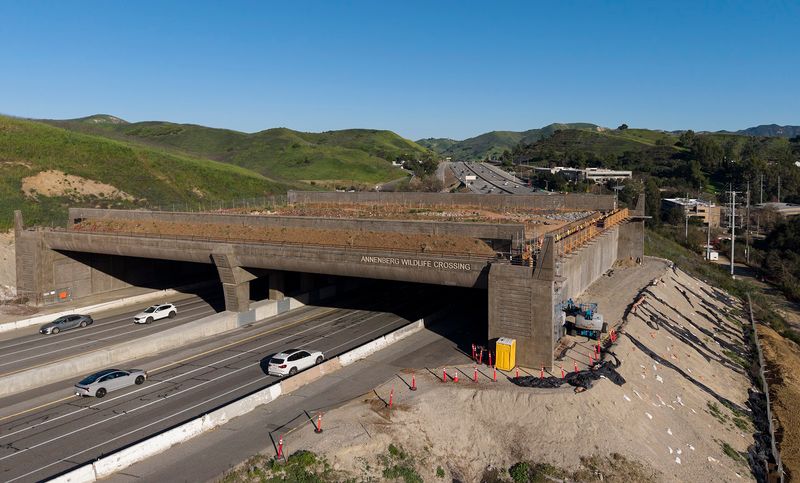
Most bridges exist to move people faster from one place to another. This one was built with a completely different purpose in mind, and that shift in thinking is what makes it so extraordinary.
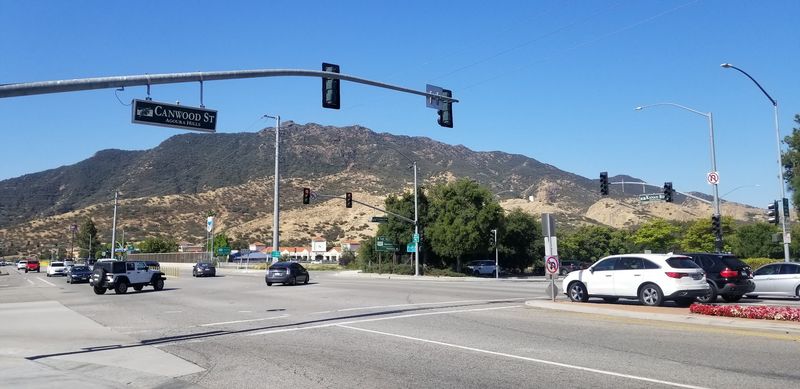
The Wallis Annenberg Wildlife Crossing sits at Liberty Canyon Road and the 101 Freeway in Agoura Hills, California. It is officially recognized as the world’s largest wildlife crossing of its kind, stretching across ten lanes of the U.S. 101 Freeway plus Agoura Road.
The structure covers approximately 55,925 square feet, and the broader work area transforms about 13 acres of land.
Native plants, engineered soils, and carefully designed features to muffle noise and block headlight glare are all part of the plan. The goal is to make the bridge feel as natural as possible so animals actually use it.
Mountain lions, bobcats, mule deer, coyotes, and even small reptiles are expected to cross once the habitat matures.
Construction kicked off on Earth Day 2022, which felt like a fitting start for a project rooted in ecological healing. The crossing connects the Santa Monica Mountains to the Simi Hills, two ecosystems that have been fragmented by the freeway for generations.
Address: US-101, Agoura Hills, CA 91301
The Opening Date That Has Everyone Talking
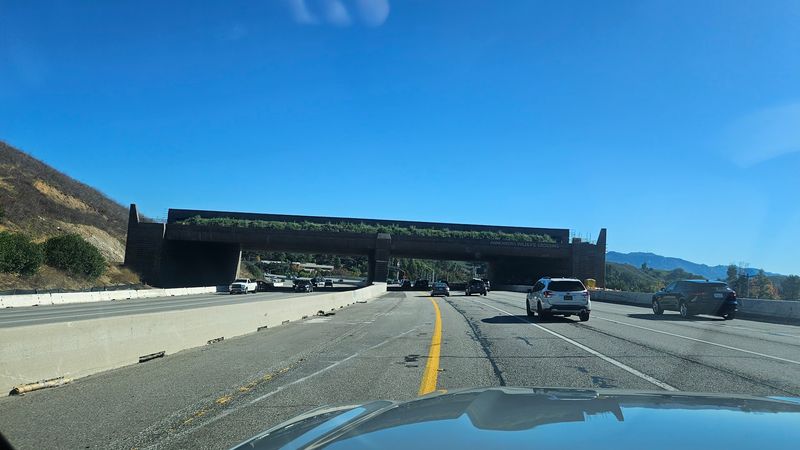
December 2, 2026 is the date circled on a lot of calendars right now, and for good reason. That is when the official ribbon-cutting ceremony is scheduled to take place at the Wallis Annenberg Wildlife Crossing in Agoura Hills.
Getting to this point has taken years of planning, fundraising, construction delays, and sheer determination from hundreds of people who believed this project was worth fighting for. Unusually wet seasons slowed progress.
Inflation and labor constraints pushed the timeline further than anyone originally hoped.
The original completion target was 2025. But as of April 2026, the bridge was reported to be about 60 percent complete, with crews working on irrigation systems, electrical infrastructure, and landscaping preparation.
Twenty-six million pounds of concrete have already gone into the structure.
What makes the December 2026 date feel so meaningful is not just the engineering milestone it represents. It marks a moment when California officially decided that wildlife deserves infrastructure too.
The crossing has been decades in the making, with wildlife biologists and conservationists pushing for a solution since the early 2000s. That kind of patience and persistence deserves a proper celebration.
Why Mountain Lions Needed This Bridge More Than Anyone
There is a mountain lion population living in the Santa Monica Mountains that has been quietly struggling for a long time. The 101 Freeway acts like a wall, cutting these animals off from potential mates in the Simi Hills and beyond.
When a population cannot mix genetically, serious problems follow. Inbreeding leads to weaker immune systems, lower reproductive success, and eventually local extinction.
Researchers studying the Santa Monica Mountains mountain lions have documented exactly these warning signs over the years.
One famous mountain lion known as P-22 lived his entire adult life inside Griffith Park, essentially trapped in an urban island. His story became a symbol of what habitat fragmentation does to wildlife.
He crossed the 101 and 405 freeways as a young cat, a feat so dangerous it was considered remarkable that he survived.
The crossing at Liberty Canyon Road changes the equation for future generations of mountain lions. By reconnecting the Santa Monica Mountains to the Simi Hills, the bridge gives these cats a fighting chance at genetic diversity and long-term survival.
It is not a guaranteed fix, but it is a genuinely meaningful step. Sometimes the most important things take the longest to build.
The Price Tag and Where the Money Came From
Big projects cost big money, and this one is no exception. The original budget for the Wallis Annenberg Wildlife Crossing was estimated at around 90 million dollars.
That number has since climbed to approximately 114 million dollars due to delays, inflation, and the sheer complexity of what is being built.
Funding came from a combination of private philanthropy and public investment. Philanthropic efforts raised over 34 million dollars, with major contributions from the Annenberg Foundation, which also gave the crossing its name.
California stepped in with 58.1 million dollars in public funding as of May 2024.
Some people have questioned whether the cost is justified. The debate is real, and it is worth acknowledging.
Others point out that the long-term ecological value, including preventing species extinction and restoring natural corridors, is difficult to put a dollar figure on.
What is clear is that a project of this scale required an unusual alliance between environmental groups, state agencies, private donors, and local communities. That kind of collaboration does not happen easily.
The fact that it came together at all, and produced something this ambitious, says something interesting about what Californians are willing to invest in when the cause feels right.
How the Bridge Was Designed to Feel Like Nature
Building a bridge that animals will actually use is harder than it sounds. You cannot just pour concrete and scatter some seeds on top.
Wildlife are cautious, perceptive, and slow to trust anything that feels artificial or exposed.
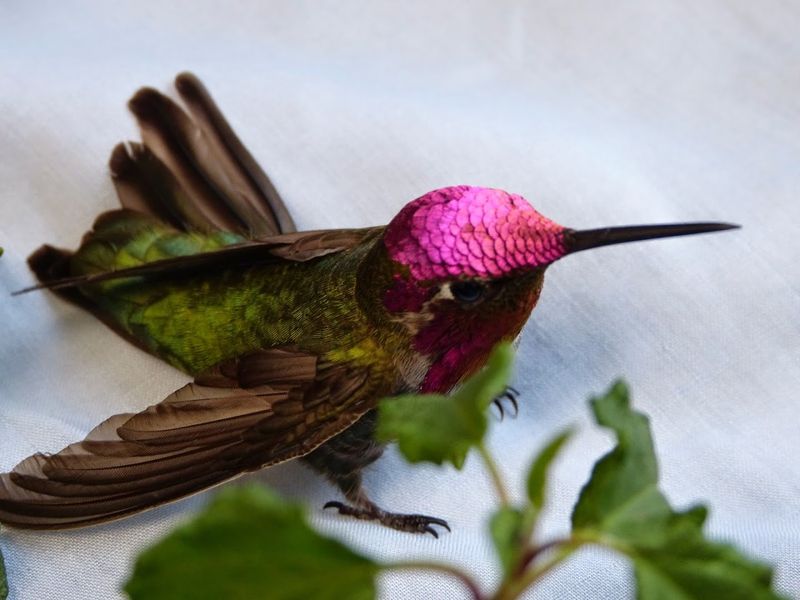
The design team behind the Wallis Annenberg Wildlife Crossing thought carefully about every detail. Native California plants were selected to create familiar habitat.
Engineered soils were layered to support root systems and retain moisture in Southern California’s dry climate. Noise mitigation features were incorporated to reduce the roar of freeway traffic below.
Headlight glare was another challenge. Animals moving at night, which many of them do, can be startled or disoriented by the constant flash of car headlights.
The crossing’s design includes barriers and plantings that help block that visual noise.
The width of the structure matters too. A narrow crossing feels exposed and risky to most animals.
At roughly 200 feet wide at its narrowest point, this bridge offers enough space for animals to feel sheltered as they move across. Early signs are already encouraging.
Even before the crossing is finished, butterflies, birds, and small reptiles have begun appearing in the construction zone, which feels like a small but genuine vote of confidence from the natural world.
No Trails, No Tourists: A Crossing Built Only for Wildlife
Here is something that surprises a lot of people when they first hear it. The Wallis Annenberg Wildlife Crossing will not be open to hikers, joggers, dog walkers, or anyone looking for a scenic overlook.
There are no public trails planned on the structure, and human access will not be permitted.
That decision is completely intentional. The entire purpose of the crossing is to give wildlife a safe, undisturbed passage between ecosystems.
Human presence, even well-meaning recreational visitors, would undermine that goal. Animals need to feel safe enough to use the bridge repeatedly, and that only happens when it remains quiet and free from human activity.
It might feel a little frustrating if you were hoping to walk across and watch the Santa Monica Mountains spread out below you. That view would genuinely be something.
But the crossing was never designed to serve human curiosity, and keeping it that way is part of what makes it work.
Maintenance crews will access the bridge through a dedicated service area. Researchers and wildlife biologists will monitor animal use through camera traps and other tracking tools.
The data collected over the coming years will be invaluable for designing future wildlife crossings around the world. This bridge is already shaping conservation infrastructure globally.
What This Crossing Means for the Future of Conservation
Projects like this one do not stay local for long. The Wallis Annenberg Wildlife Crossing has already attracted international attention from conservation planners, urban ecologists, and transportation engineers who are watching closely to see how it performs.
Roads fragment ecosystems all over the world. It is one of the leading causes of wildlife population decline in developed countries.
Every time a new highway gets built, it quietly slices through migration routes, breeding territories, and feeding grounds that animals have used for thousands of years. The damage adds up slowly and is easy to overlook.
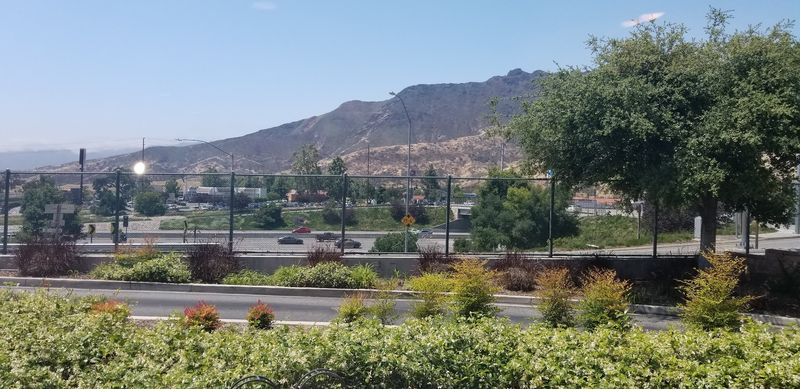
What makes the Liberty Canyon crossing so significant is its scale and its visibility. This is not a small culvert under a rural road.
It is a massive, purpose-built habitat bridge over one of the busiest freeways in the United States, funded by a coalition of public and private partners, and designed with serious scientific input.
If it works, and early indicators suggest it will, the crossing becomes a proof of concept that other cities and states can point to when making the case for similar projects. California has always had an outsized influence on environmental policy in the U.S.
This time, that influence might travel even further.
Address: US-101, Agoura Hills, CA 91301
