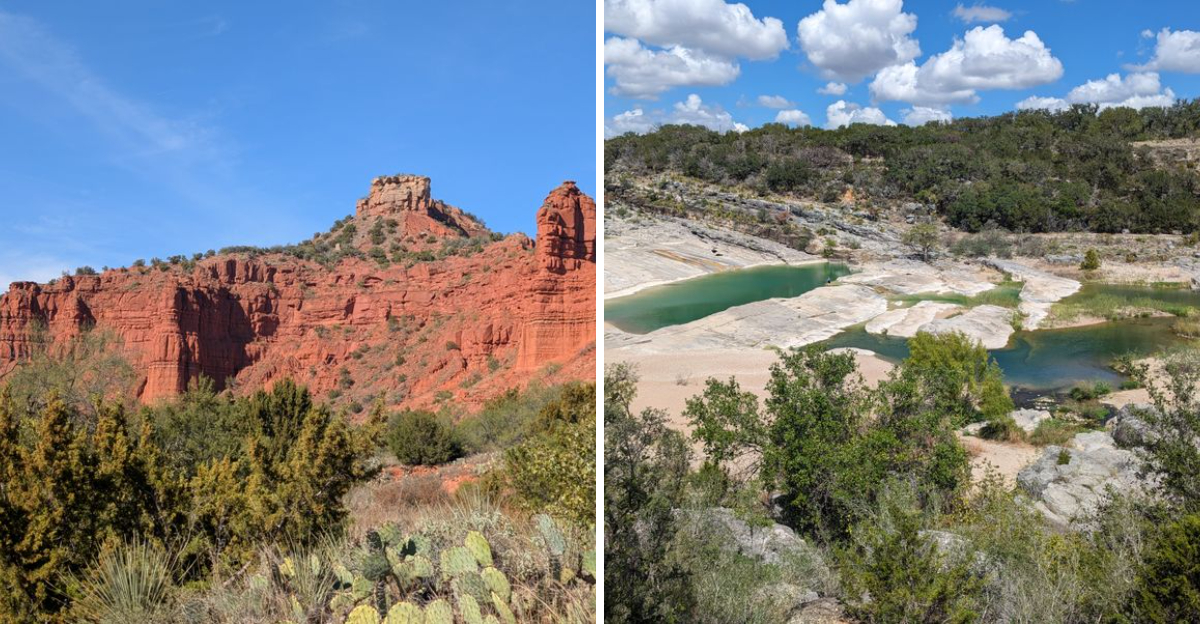
Texas is home to some of the most stunning natural landscapes in the United States, offering countless opportunities for outdoor enthusiasts to explore pristine wilderness areas.
From towering pine forests to rugged canyons and serene lakeshores, the state parks scattered across Texas provide perfect settings for camping adventures and peaceful nature walks.
Whether you are seeking a weekend escape from city life or planning an extended outdoor vacation, these parks deliver unforgettable experiences for families, solo travelers, and groups of friends alike.
Pack your tent, lace up your hiking boots, and get ready to discover seven incredible destinations where natural beauty meets outdoor recreation.
These carefully selected spots showcase the diversity of Texas terrain while offering well-maintained facilities and trails suitable for various skill levels.
Each location provides unique features that make it worth visiting, from wildlife viewing opportunities to geological wonders that have formed over millions of years.
Your next great outdoor adventure awaits in the heart of the Lone Star State.
Palo Duro Canyon State Park
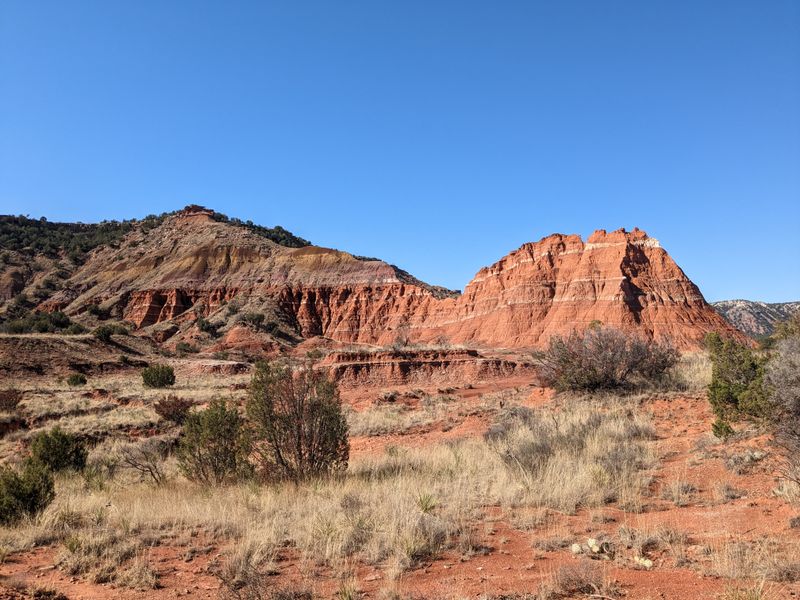
Often called the Grand Canyon of Texas, Palo Duro Canyon State Park stretches across 29,000 acres of breathtaking terrain in the Texas Panhandle near Amarillo.
The second-largest canyon system in the United States features dramatic red rock formations, colorful layers of sedimentary rock, and stunning vistas that seem to stretch forever.
Campers can choose from several campground options, including sites with water and electricity hookups as well as primitive camping areas for those seeking a more rugged experience.
The park offers over 30 miles of hiking, biking, and equestrian trails that wind through the canyon floor and climb up steep canyon walls.
Lighthouse Trail stands out as the most popular route, leading adventurers on a challenging 6-mile round trip to a distinctive rock formation that resembles its namesake.
Sunrise and sunset transform the canyon into a painter’s palette, with shifting light creating ever-changing shadows and highlighting the vibrant oranges, reds, and purples of the ancient rock layers.
Wildlife enthusiasts will appreciate opportunities to spot roadrunners, mule deer, wild turkeys, and various bird species throughout the park.
The park also hosts the outdoor musical drama “TEXAS” during summer months, performed in a natural amphitheater carved into the canyon walls.
Winter camping provides a quieter experience with fewer crowds, though temperatures can drop significantly at night.
Facilities include restrooms with showers, picnic areas, and a visitor center where you can learn about the canyon’s geological history and the Native American groups who once called this area home.
Whether you spend your days hiking challenging trails or simply relaxing at your campsite while soaking in the magnificent views, Palo Duro Canyon delivers an unforgettable Texas outdoor experience that rivals destinations anywhere in the country.
Garner State Park
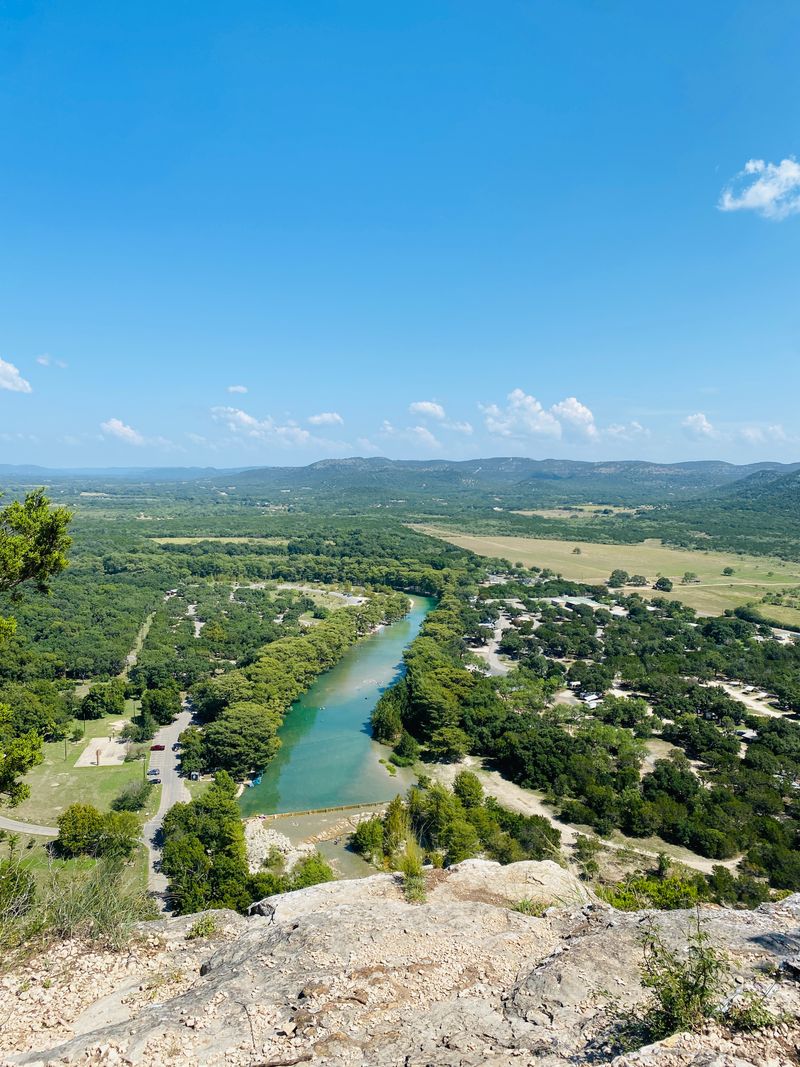
Nestled in the scenic Texas Hill Country along the crystal-clear Frio River, Garner State Park has been a beloved summer destination for generations of Texas families.
The park’s greatest treasure is undoubtedly the river itself, where visitors can swim, tube, paddle, and cool off during hot Texas summers.
Towering cypress trees provide natural shade along the riverbanks, creating picture-perfect spots for picnicking and relaxation between water activities.
Camping options range from riverside sites that book up months in advance to screened shelters and cabins for those preferring a roof overhead.
The park maintains over 15 miles of hiking trails, including the challenging climb up Old Baldy, a prominent hill offering panoramic views of the surrounding Hill Country landscape.
Many visitors make the trek to the summit at sunrise or sunset when the lighting creates spectacular photo opportunities and the temperatures are more comfortable for the steep ascent.
During summer evenings, the park hosts old-fashioned dances at the pavilion, a tradition dating back decades that brings campers together for live music and socializing.
Miniature golf, paddleboat rentals, and a camp store add to the family-friendly atmosphere that makes Garner State Park feel like stepping back to a simpler time.
Fall and spring visits offer pleasant weather with fewer crowds, making these seasons ideal for those seeking a more peaceful experience.
The park’s location near the small town of Concan provides easy access to additional attractions and dining options when you want a break from camp cooking.
Bird watchers particularly enjoy spring migration periods when numerous species pass through the area.
Whether you’re floating down the Frio River on a hot afternoon or hiking through juniper-covered hills in the crisp morning air, Garner State Park captures the essence of Texas Hill Country beauty.
Big Bend Ranch State Park
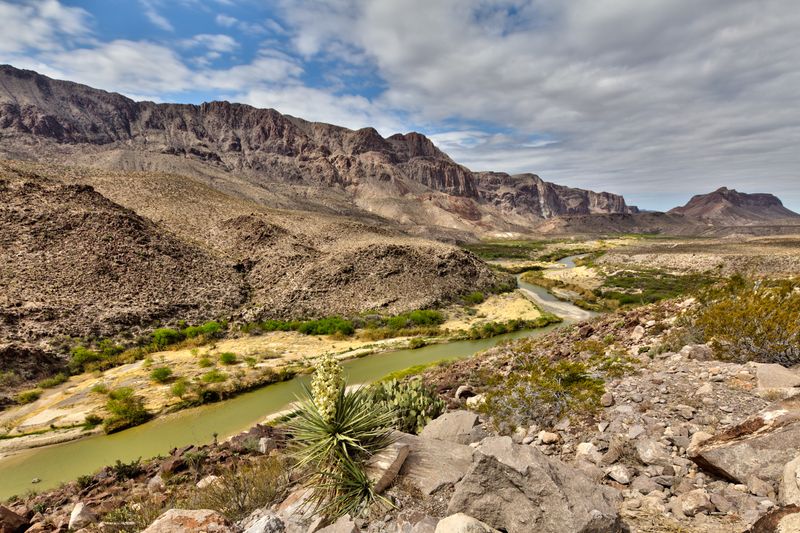
Adventure seekers looking for true wilderness will find their paradise at Big Bend Ranch State Park, Texas’s largest state park spanning nearly 311,000 acres of Chihuahuan Desert landscape.
This remote park in far West Texas offers a stark contrast to the state’s more developed parks, with primitive camping and backcountry experiences that test your outdoor skills.
Volcanic formations, deep canyons, and desert mountains create a landscape that feels more like another planet than typical Texas terrain.
The park requires more preparation and self-sufficiency than most Texas state parks since services and facilities are minimal by design.
Backcountry camping permits allow you to set up camp in designated primitive sites throughout the park, where you’ll truly experience the solitude of the desert.
Colorado Canyon and Closed Canyon trails showcase narrow slot canyons carved through ancient volcanic rock, while longer routes like the Rancherias Loop challenge experienced hikers with multi-day treks through remote desert terrain.
Spring brings wildflowers that transform the seemingly barren desert into a colorful garden, with bluebonnets, poppies, and other blooms creating stunning contrasts against the rocky landscape.
Wildlife adapted to harsh desert conditions includes roadrunners, javelinas, golden eagles, and even occasional mountain lion sightings, though these elusive cats rarely interact with humans.
Night skies here rank among the darkest in Texas, making stargazing absolutely spectacular with minimal light pollution to obscure the Milky Way.
Temperatures can be extreme, with scorching summers exceeding 100 degrees and surprisingly cold winters that sometimes bring snow to higher elevations.
The Rio Grande forms the park’s southern boundary, offering kayaking and rafting opportunities for those with proper equipment and permits.
Visiting Big Bend Ranch State Park means embracing true wilderness where self-reliance and respect for the harsh environment are essential for a safe and rewarding adventure.
Lost Maples State Natural Area
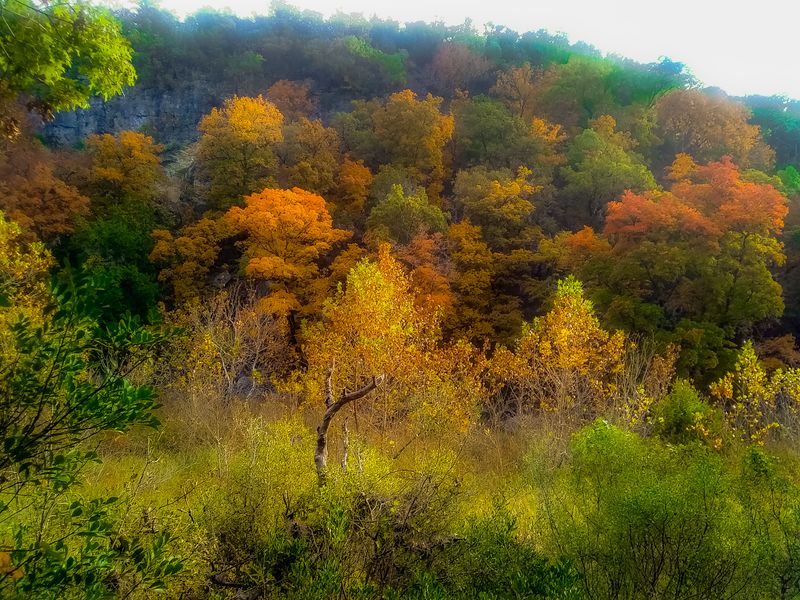
Located in the Texas Hill Country, Lost Maples State Natural Area earned its name from the isolated stands of bigtooth maple trees that create one of the state’s most spectacular fall foliage displays.
While most of Texas experiences subtle autumn color changes, Lost Maples transforms into a kaleidoscope of reds, oranges, and yellows that rival New England’s famous displays.
The park protects rare and endangered species within its rugged limestone canyons and clear spring-fed streams that flow even during drought conditions.
Peak fall color typically occurs from late October through mid-November, though exact timing varies based on weather conditions each year.
The park limits daily visitors during peak season to protect the fragile ecosystem, so arriving early or making advance reservations becomes essential during autumn weekends.
Camping facilities include primitive sites that maintain the natural character of the area, with limited amenities that encourage visitors to truly disconnect from modern life.
Over 10 miles of hiking trails wind through the park, ranging from easy walks along Can Creek to challenging climbs that reward hikers with panoramic views of the surrounding hills.
East Trail provides the best opportunities to see the maple groves up close, while West Trail offers more solitude and equally beautiful scenery with fewer crowds.
Spring visits reveal wildflowers and flowing waterfalls, making this park worth visiting beyond just the famous fall season.
Bird enthusiasts flock here year-round to spot the endangered golden-cheeked warbler during breeding season and numerous other species that inhabit the diverse habitats.
The Sabinal River Canyon creates a unique microclimate that supports plant species not commonly found elsewhere in Texas, making the park scientifically significant.
Photographers should bring plenty of memory cards during autumn as every turn on the trail presents another stunning composition of colorful leaves framing limestone cliffs and sparkling water.
Pedernales Falls State Park
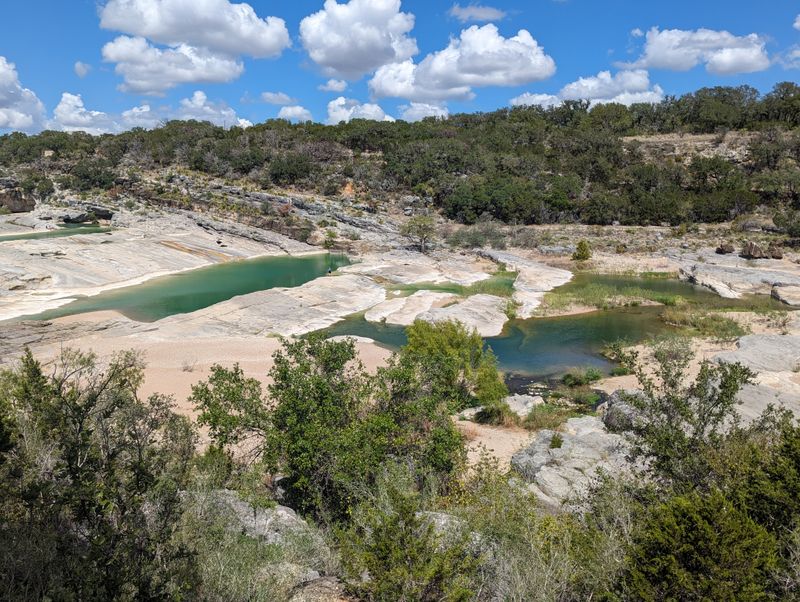
Just an hour west of Austin, Pedernales Falls State Park showcases the raw power and beauty of the Pedernales River as it cascades over layered limestone formations.
The park’s namesake falls create a stunning natural staircase of water during periods of normal flow, while flash floods can transform this peaceful scene into a raging torrent that demonstrates nature’s incredible force.
Campers enjoy easy access to urban amenities while still experiencing genuine Hill Country wilderness across the park’s 5,200 acres of protected land.
Multiple campground areas offer sites ranging from primitive walk-in locations to improved sites with water and electricity, accommodating various camping preferences and comfort levels.
The park maintains over 20 miles of multi-use trails for hiking, mountain biking, and horseback riding through typical Hill Country terrain of juniper and oak trees.
Wolf Mountain Trail challenges hikers with elevation changes and rocky sections while rewarding them with excellent views of the surrounding landscape from several high points along the route.
Swimming in the river is popular upstream from the falls where calmer waters create natural swimming holes, though visitors must always check current conditions since water levels can change rapidly.
The park prohibits swimming near the falls themselves due to dangerous currents and the slippery limestone that has caused numerous injuries over the years.
Wildlife viewing opportunities include white-tailed deer, armadillos, numerous bird species, and occasionally even the tracks of bobcats and other elusive predators.
Spring brings wildflower blooms that carpet the hillsides in bluebonnets, Indian paintbrush, and other native species that make Texas famous for its floral displays.
The park offers interpretive programs and guided nature walks that help visitors understand the geology, ecology, and cultural history of the region.
Whether you’re watching the sunset paint the limestone cliffs in golden light or listening to the constant sound of flowing water from your campsite, Pedernales Falls provides a perfect Hill Country escape.
Caprock Canyons State Park
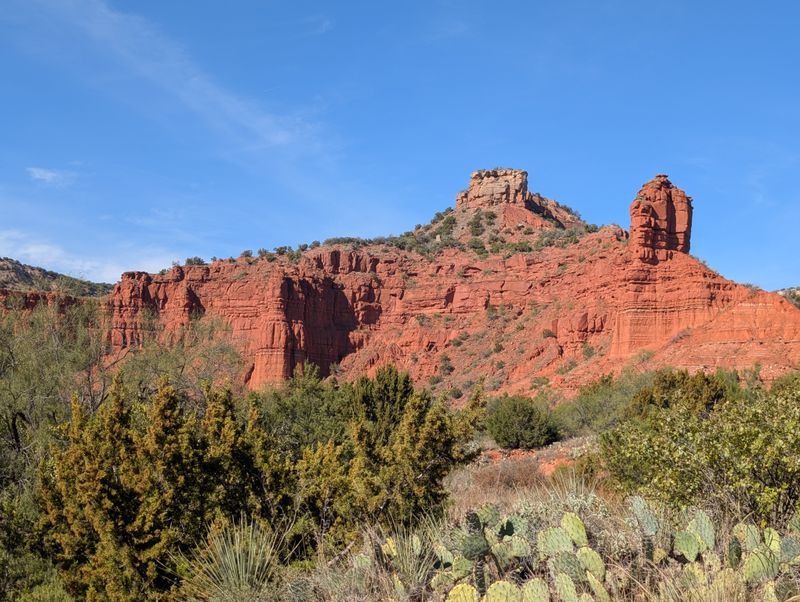
Home to the official Texas State Bison Herd, Caprock Canyons State Park offers visitors a unique opportunity to see these magnificent animals roaming freely across the rugged landscape of the Texas Panhandle.
The park preserves a stunning section of the Caprock Escarpment where the flat High Plains dramatically drop into colorful canyons carved by wind and water over millions of years.
Red rock formations, juniper-covered slopes, and sweeping vistas create scenery that surprises many visitors who expect all of Texas to be flat and featureless.
Camping facilities include both developed sites with amenities and primitive backcountry locations for those seeking true solitude under the expansive Panhandle sky.
The park’s trail system includes the Trailway, a 64-mile rail-trail conversion that follows an abandoned railroad route through the canyon and beyond, perfect for multi-day hiking or biking adventures.
Shorter trails like Upper Canyon Trail and Lower Canyon Trail provide excellent introductions to the park’s diverse terrain and spectacular rock formations without requiring extensive time commitments.
The bison herd typically numbers around 100 animals that roam freely throughout the park, so encountering these powerful creatures is never guaranteed but always thrilling when it happens.
Visitors must maintain safe distances from bison as these are wild animals that can be unpredictable and dangerous despite their seemingly calm demeanor.
Fall and spring offer the most comfortable temperatures for exploring, while summer heat can be intense and winter occasionally brings snow and ice to the canyon trails.
Birdwatchers appreciate the diversity of species found here, including golden eagles, prairie falcons, and various songbirds that inhabit different elevations and habitats within the park.
The night sky provides spectacular stargazing opportunities with minimal light pollution allowing the Milky Way to shine brilliantly overhead.
Whether you’re watching bison graze in a canyon meadow or hiking along ancient rock layers that tell millions of years of geological history, Caprock Canyons delivers unforgettable Panhandle experiences.
Enchanted Rock State Natural Area
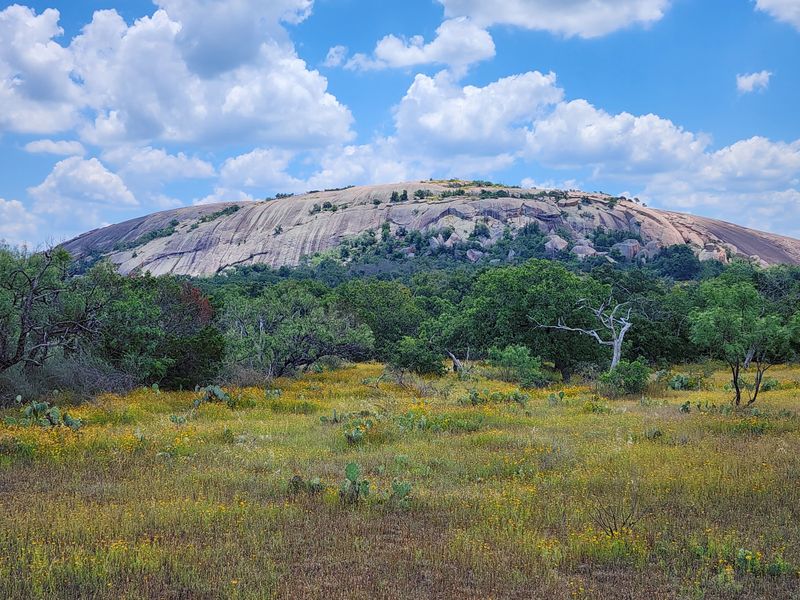
Rising 425 feet above the surrounding Hill Country terrain, the massive pink granite dome of Enchanted Rock has attracted humans for thousands of years, from ancient Native Americans to modern rock climbers and hikers.
This enormous batholith, formed underground millions of years ago and gradually exposed by erosion, creates one of Texas’s most recognizable natural landmarks visible from miles away.
The rock’s name comes from legends about mysterious creaking and groaning sounds it produces, which geologists now explain as the granite expanding and contracting with temperature changes.
Climbing to the summit requires about 30 to 45 minutes of moderate effort up the sloping granite surface, but the 360-degree views from the top make every step worthwhile.
The smooth rock can become slippery when wet and extremely hot during summer afternoons, so proper footwear and timing your hike for cooler morning hours improves safety and comfort.
Beyond the main dome, the park contains several smaller rock formations, caves, and over 11 miles of trails exploring various ecosystems from oak woodlands to rocky hilltops.
Primitive walk-in campsites at the base of the rock provide an unforgettable experience of sleeping beneath the towering granite mass under star-filled skies.
The park limits daily visitors to protect the natural resources, so arriving early or making advance reservations becomes necessary, especially during weekends and holidays.
Rock climbing enthusiasts find numerous routes on Enchanted Rock and surrounding formations, though climbers must register and follow specific regulations to minimize environmental impact.
Spring wildflowers including bluebonnets create colorful displays around the rock’s base, while fall brings comfortable temperatures perfect for extended exploration.
Vernal pools that form in depressions on the rock surface support unique ecosystems of specially adapted plants and tiny crustaceans found nowhere else.
Whether you’re completing the challenging Summit Trail, exploring hidden caves, or simply sitting atop the dome watching the sunset, Enchanted Rock provides a truly magical Hill Country experience.
Dear Reader: This page may contain affiliate links which may earn a commission if you click through and make a purchase. Our independent journalism is not influenced by any advertiser or commercial initiative unless it is clearly marked as sponsored content. As travel products change, please be sure to reconfirm all details and stay up to date with current events to ensure a safe and successful trip.
