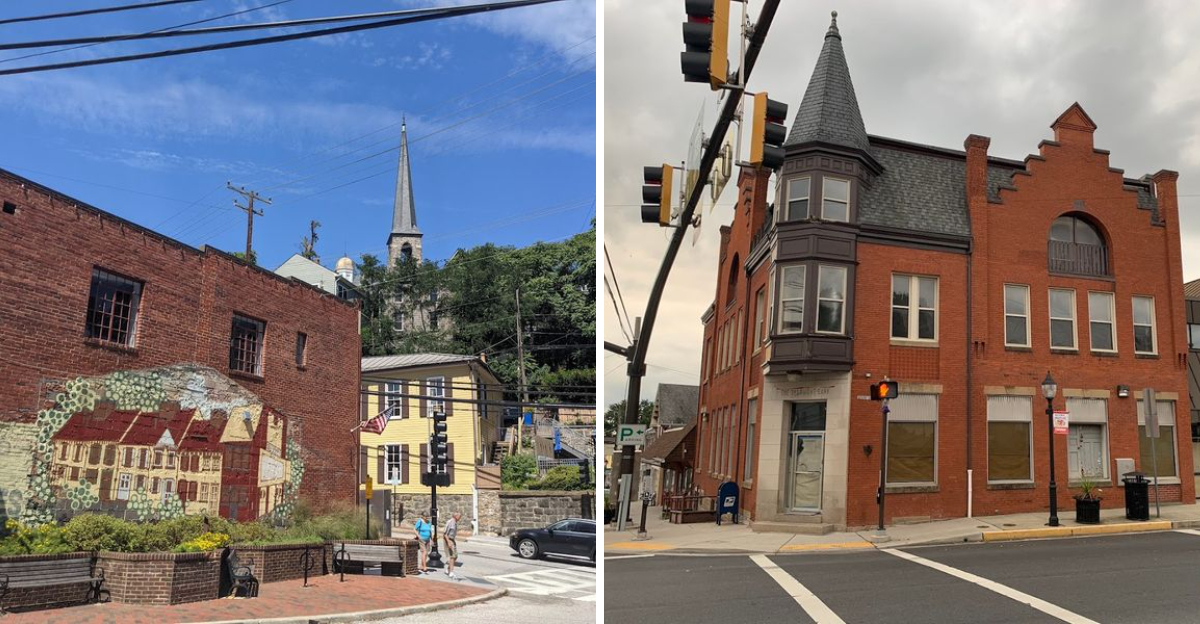
Big box stores and strip malls have their place. But a charming main street?
That is where the heart is. Maryland has some of the best, and these 12 are worth putting on your list.
Old fashioned storefronts, locally owned shops, and bakeries that smell like heaven. You can spend an afternoon just wandering, popping into a bookstore here, a candy shop there, and maybe a little cafe for a coffee break.
Each town has its own personality. Quirky, historic, artsy, or just plain friendly.
No two feel the same. Locals love their main streets.
Visitors fall for them fast. That is the beauty of exploring Maryland one main street at a time.
Slow pace, small businesses, and big charm around every corner.
1. Berlin
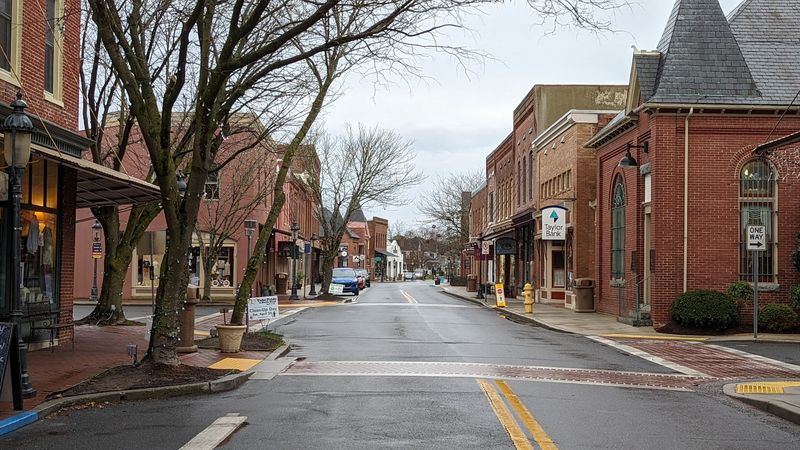
There is a quiet confidence to Berlin that you notice the moment you turn onto its Main Street. The brick facades are clean and proud, the sidewalks are wide enough to stroll without bumping into anyone, and nearly every storefront feels genuinely curated rather than thrown together.
It is the kind of downtown that makes you want to slow your pace without anyone asking you to.
Nearly 75 boutiques, shops, and cafes line the corridor, ranging from regional gift stores to handmade jewelry spots. Island Creamery is a local favorite known for its homemade ice cream, and the flavors rotate with the seasons in the best possible way.
Victorian Charm carries a thoughtful selection of regional goods that make excellent souvenirs without feeling generic.
Anchoring the visual character of downtown is the Atlantic Hotel, a landmark that has been standing since the 1890s. Its Victorian architecture gives the whole street a signature look that photographs beautifully at any time of day.
The building is not just decorative either, as it has been actively maintained and remains a functioning part of the community.
Stephen Decatur Park sits just a short walk from the shopping district and offers quiet walking paths if you need a break from browsing. Berlin’s walkability is genuinely impressive for a town its size.
It also sits close enough to Ocean City that many visitors combine the two stops into one satisfying coastal day trip.
2. St. Michaels
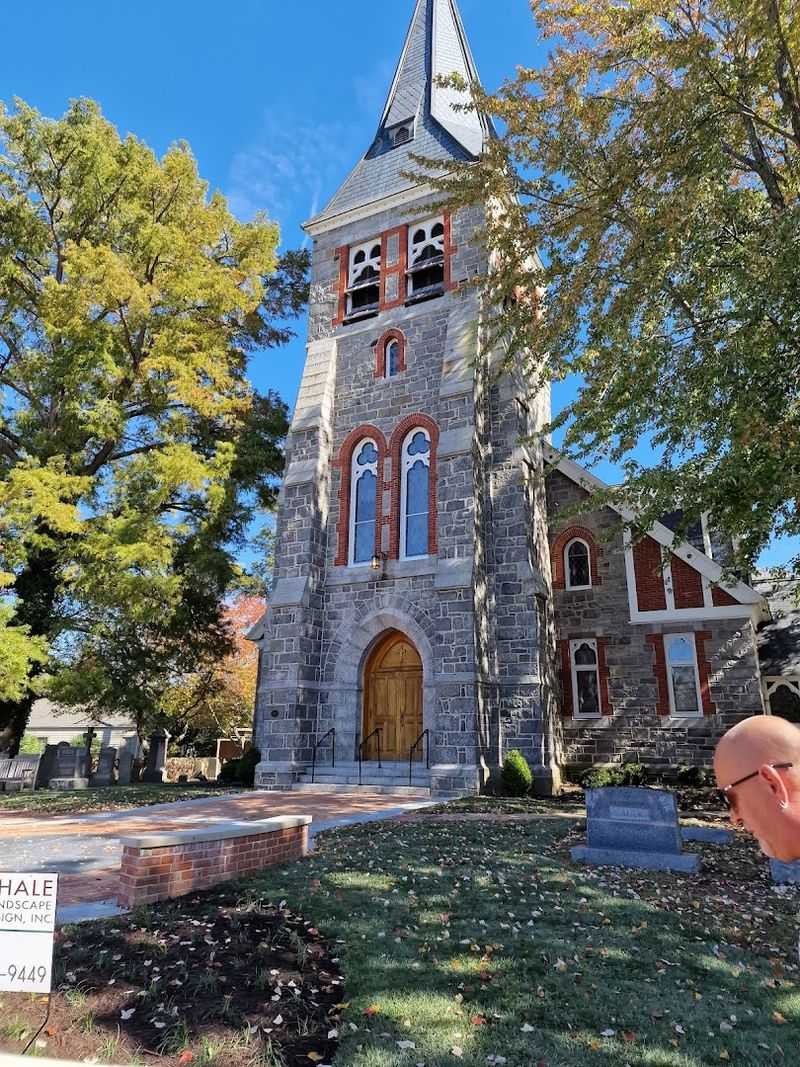
St. Michaels carries the kind of unhurried energy that coastal towns spend decades trying to manufacture. Talbot Street, the town’s main artery, moves at a pace that feels genuinely relaxed rather than staged.
Historic inns sit beside locally owned shops, and the whole strip has a maritime character that reflects the town’s deep connection to the Miles River and the broader Chesapeake Bay region.
The Chesapeake Bay Maritime Museum is one of the most compelling cultural stops along the entire Eastern Shore. Spread across a sprawling waterfront campus, the museum preserves historic vessels, working exhibits, and regional heritage in a way that feels immersive rather than museum-stuffy.
I spent longer there than I expected, and I was not the least bit sorry about it.
Wide sidewalks make Talbot Street easy to explore without feeling crowded, even on busy weekends. The shops lean toward coastal-inspired goods, local art, and handcrafted items rather than mass-produced tourist fare.
Restaurants along the strip offer fresh Chesapeake-style seafood that pairs perfectly with the waterfront setting just steps away.
St. Michaels also has a strong sense of community pride that shows up in how well-maintained everything looks. Flower planters, painted storefronts, and thoughtful signage give the street a polished but approachable feel.
For anyone exploring the Eastern Shore, this town deserves a proper afternoon rather than a quick pass-through glance.
3. Frederick
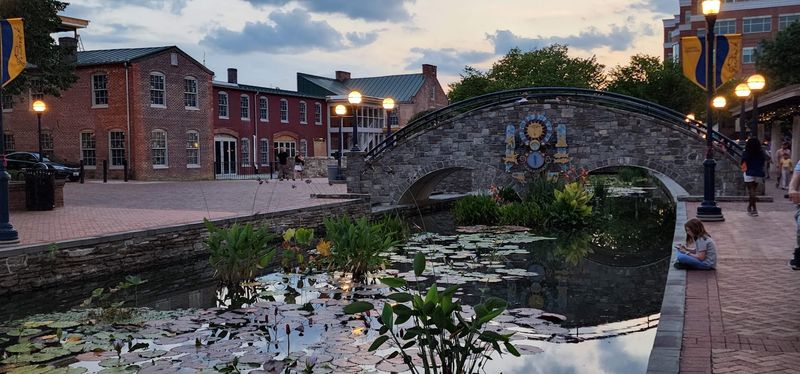
Frederick is one of those towns that earns its reputation without having to shout about it. Market Street cuts through a National Historic Landmark District, and the combination of 18th-century architecture, modern murals, and independent restaurants gives the whole corridor a genuinely layered character.
It manages to feel both historic and alive at the same time, which is harder to pull off than it sounds.
The Delaplaine Arts Center offers free admission and rotates exhibits regularly, making it an easy and rewarding stop even if you are just passing through. North Market Pop Shop is a local gem selling vintage sodas and nostalgic candy that brings out the kid in just about everyone.
The craft scene here is active and community-driven rather than commercialized.
Frederick is notably pet-friendly, with a dedicated dog park and a significant number of shops and patios that welcome four-legged visitors. That detail alone makes it a practical favorite for weekend trips with animals in tow.
The wide sidewalks and outdoor seating areas make the whole experience feel relaxed and open.
Views of the Blue Ridge Mountains frame the western edge of downtown on clear days, adding a scenic backdrop that most Main Streets simply cannot compete with. The mix of boutiques, galleries, and casual restaurants means there is genuinely something for every kind of traveler here.
Frederick is the kind of place that rewards a slow, purposeful walk more than a quick drive-through.
4. Sykesville
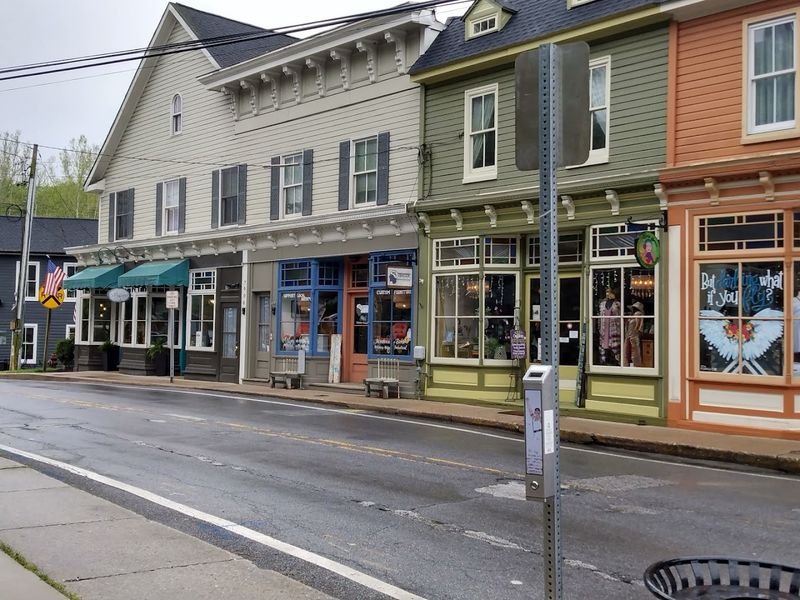
Sykesville punches well above its weight for a small town. Named one of the coolest small towns in the country and recognized nationally for its Main Street in both 2016 and 2020, this community clearly takes its downtown seriously.
Restored buildings line the corridor with an attention to detail that makes the whole street feel like a labor of love rather than a municipal project.
The Patapsco River runs behind the main commercial strip, and the riverside park it feeds into is one of those genuinely pleasant surprises you stumble onto mid-afternoon. It is peaceful, green, and perfectly positioned for a short break between shops.
The contrast between the lively storefronts and the quiet river just a few steps back creates a rhythm that feels uniquely Sykesville.
E.W. Beck’s Restaurant and Pub has been a community anchor for years, known for hearty comfort food that reflects the town’s unpretentious character.
The menu leans into familiar favorites done well, which is exactly what you want after a morning of exploring. The atmosphere inside is warm and unhurried, matching the pace of the street outside.
Inviting storefronts and tidy sidewalks make this a genuinely enjoyable place to spend a few hours without a rigid itinerary. Local business owners tend to be chatty and welcoming, which adds to the sense that this is a real community rather than a curated tourist zone.
Sykesville is the kind of discovery that makes road trips feel worthwhile.
5. Ellicott City
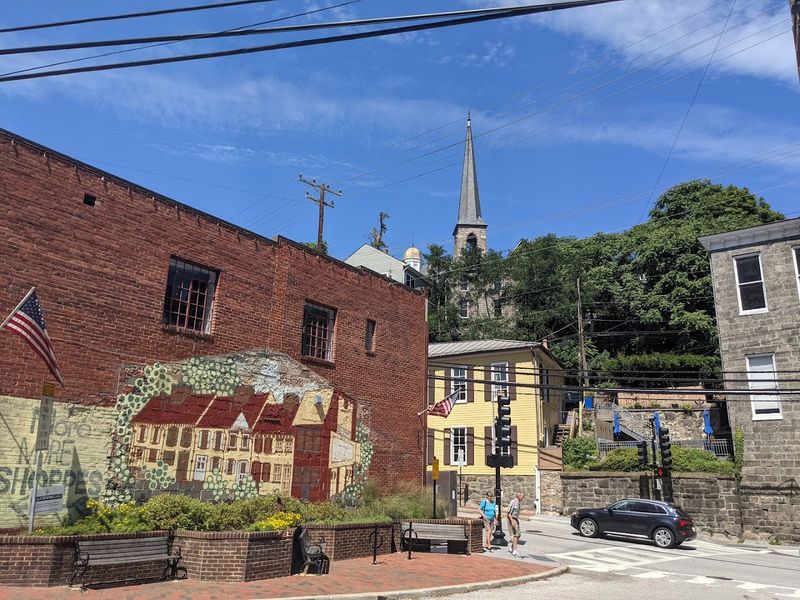
Ellicott City’s Main Street defies the typical flat-and-predictable layout of most downtowns. The street drops steeply through a narrow valley, lined with stone and brick buildings that cling to the hillside like they have been there since the beginning of time, which some of them basically have.
The visual drama of the place hits you immediately and does not really let go.
History is baked into every corner here. Buildings that once served as mills, taverns, and trading posts now house boutiques, vintage shops, and specialty restaurants.
The town’s connection to the Patapsco River gives it an industrial heritage that adds texture to the shopping and dining experience rather than competing with it.
Beyond antiques and vintage finds, Ellicott City has quietly developed a strong roster of local artisans and specialty food spots that keep the experience fresh.
Year-round events like outdoor movie nights, farmers markets, and ghost tours give the town a lively calendar that attracts both locals and out-of-towners throughout the seasons.
I found myself there on a weeknight once and was genuinely surprised by how much energy the street had.
The ghost tours deserve a special mention because Ellicott City has a well-documented history of unexplained events tied to its oldest buildings. Whether or not you believe in that sort of thing, the stories are fascinating and deeply tied to the town’s real past.
The atmosphere after dark takes on an entirely different character that feels earned rather than manufactured.
6. Havre de Grace
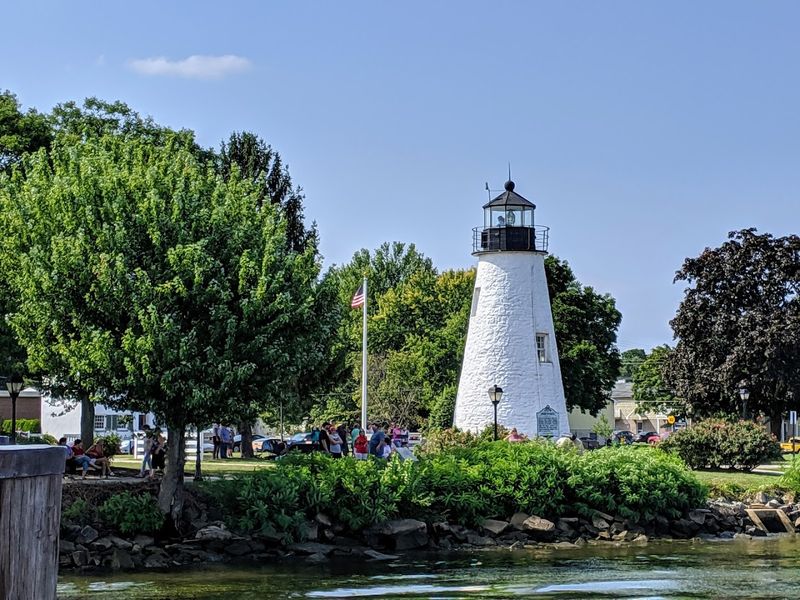
Havre de Grace sits where the Susquehanna River meets the Chesapeake Bay, and that geography shapes everything about the town’s personality. The waterfront is accessible, well-maintained, and woven directly into the fabric of the commercial strip rather than kept separate from it.
St. John Street anchors the shopping area with a mix of independently owned shops that range from handmade toys to global fair-trade crafts.
From April through December, the town closes off downtown streets for First Friday block parties that fill the area with live music and community energy.
These monthly gatherings have become a genuine local tradition rather than a promotional event, and the difference shows in how enthusiastically residents and visitors mix together.
It is the kind of evening that reminds you why small-town culture still matters.
The waterfront promenade offers long, unobstructed views of the river and bay that are especially stunning at sunrise or late afternoon.
Decoy carving has deep roots in this community, and the town’s museum dedicated to the craft is one of the most specific and fascinating local collections I have come across anywhere in Maryland.
It gives Havre de Grace a cultural identity that sets it apart from other waterfront towns.
Restaurants along the main strip lean into fresh local seafood and casual waterfront dining in ways that feel honest rather than performative. The town moves at a gentle pace that invites lingering rather than rushing.
For a full day that combines scenery, shopping, and community atmosphere, Havre de Grace delivers in a quietly impressive way.
7. Chestertown
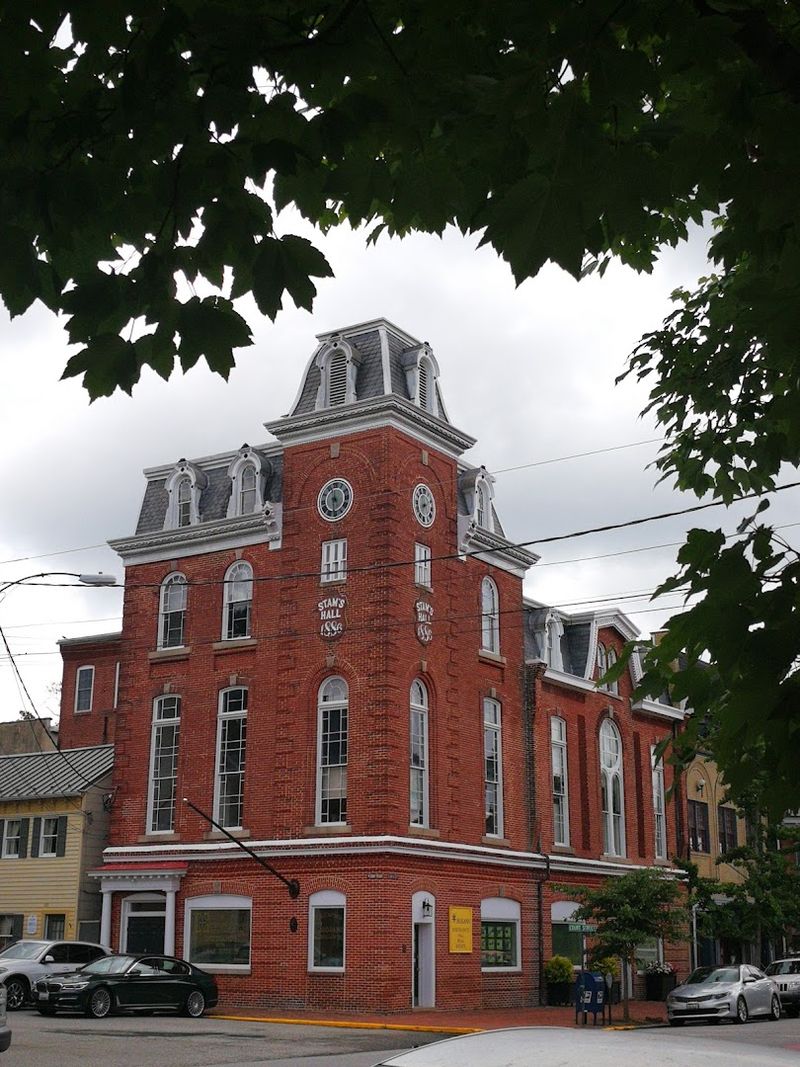
Founded in the early 1700s, Chestertown carries its history the way a well-worn leather jacket carries character: naturally, without making a fuss about it. The brick-lined streets and 18th-century homes give the whole town a timeless quality that feels effortlessly preserved rather than aggressively restored.
It has been called the best small town in Maryland to simply relax in, and after spending a few hours there, it is easy to understand why.
Washington College sits at the edge of downtown and brings a quiet intellectual energy to the community that influences everything from the bookshops to the coffee spots.
The town has a thoughtful, unhurried quality that appeals to people who prefer their travel experiences contemplative rather than action-packed.
It is genuinely restorative in a way that busier destinations rarely manage to be.
The Chester River waterfront adds a scenic dimension to the downtown experience that makes even a simple walk feel worthwhile. Historic buildings along High Street reflect Federal and Georgian architectural styles that transport you back to colonial Maryland with very little imagination required.
The town has been careful about development, and that restraint pays off in how cohesive and authentic the streetscape looks.
Locally owned shops and cafes fill the commercial blocks with personality and warmth. Chestertown also hosts the annual Chestertown Tea Party Festival, a spirited re-enactment of its own 1774 act of colonial defiance.
That kind of community storytelling is rare and worth seeking out if your visit happens to align with the spring calendar.
8. Cumberland
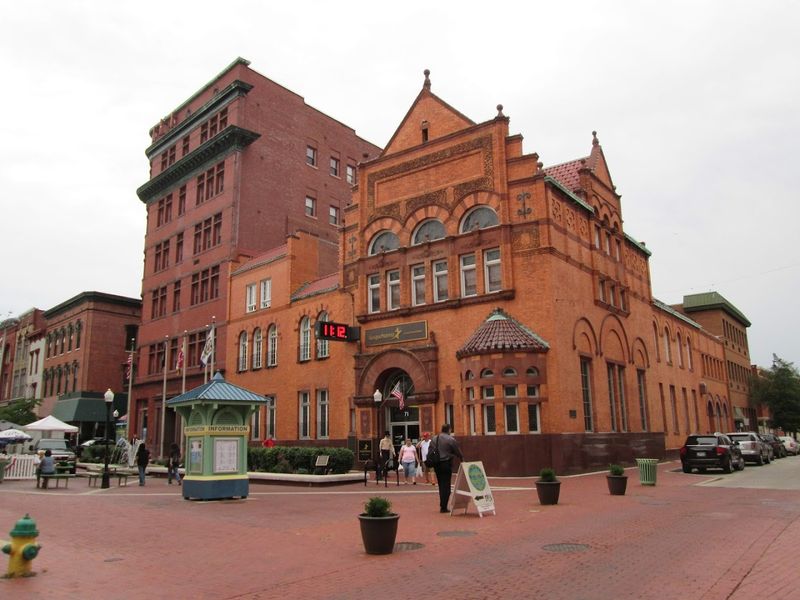
Cumberland surprises people who expect a sleepy mountain town and instead find a genuinely revitalized downtown with real energy.
Nestled in the Allegheny Mountains in Maryland’s western panhandle, the city has leveraged its outdoor access and industrial heritage into something that feels forward-thinking without abandoning its roots.
The main commercial corridor is compact and walkable, lined with art galleries, boutique shops, and cafes that reflect the town’s evolving creative identity.
The C&O Canal Towpath begins here, connecting Cumberland to Washington D.C. along a historic route that draws cyclists and hikers from across the region. The Great Allegheny Passage adds another trail option, making Cumberland one of the best trail-town starting points on the East Coast.
That outdoor infrastructure gives the downtown a functional energy, as visitors tend to fuel up, gear up, and linger before heading out.
The Western Maryland Scenic Railroad departs from Cumberland’s restored station and winds through mountain terrain that showcases the region’s dramatic landscape in a way that driving simply cannot replicate. It is one of those experiences that feels genuinely old-fashioned in the best possible sense.
The station itself is a beautifully maintained piece of railroad history worth seeing even if you do not board a train.
Local restaurants and coffee shops around the main corridor cater to both outdoor adventurers and casual visitors without feeling like they are trying too hard for either crowd.
Cumberland has found a balance between its rugged mountain setting and its cultural ambitions that gives the downtown a distinctive and appealing character.
9. Westminster
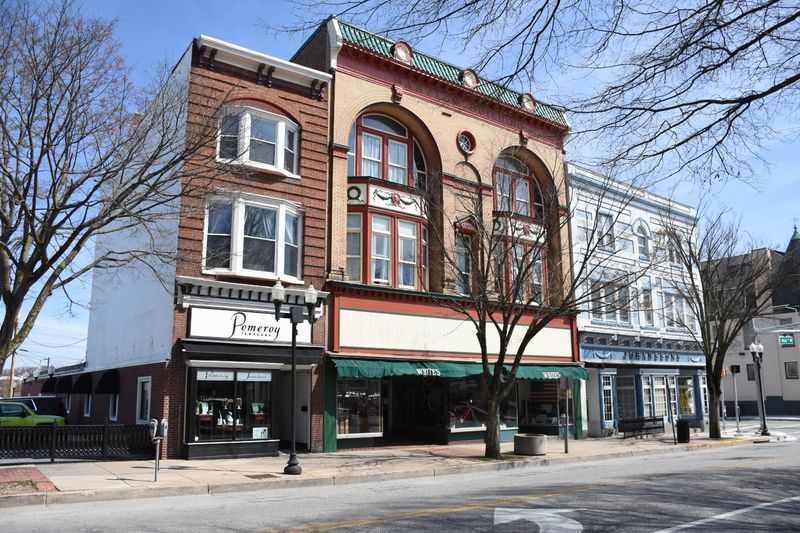
Westminster has the kind of Main Street that rewards attention to detail.
The historic facades along the main corridor retain architectural features from the late 19th and early 20th centuries, and if you slow down enough to look up, the decorative brickwork, carved cornices, and original signage placements tell a story that no plaque could fully capture.
The street has a dignified but approachable quality that makes it easy to spend time in.
The Carroll Arts Center occupies a beautifully restored 1937 Art Deco theater and serves as the cultural anchor of downtown. Films, concerts, and rotating art exhibits keep the space active throughout the year, drawing a mix of longtime residents and newer visitors who appreciate the programming.
The building itself is worth seeing for its architecture alone, as the Art Deco details are unusually well-preserved for a small-town venue.
Small shops and local gathering spots fill the surrounding blocks with a community-centered energy that feels authentic. Westminster is a Carroll County seat, which means it has the institutional weight of a regional hub combined with the intimacy of a small town.
That combination gives the downtown a layered character that purely residential towns often lack.
The surrounding countryside offers rolling farmland and quiet back roads that make Westminster a natural base for exploring Carroll County more broadly. A morning on Main Street followed by an afternoon drive through the surrounding hills is a genuinely satisfying way to spend a day.
Westminster does not try to be flashy, and that restraint is part of its charm.
10. Thurmont
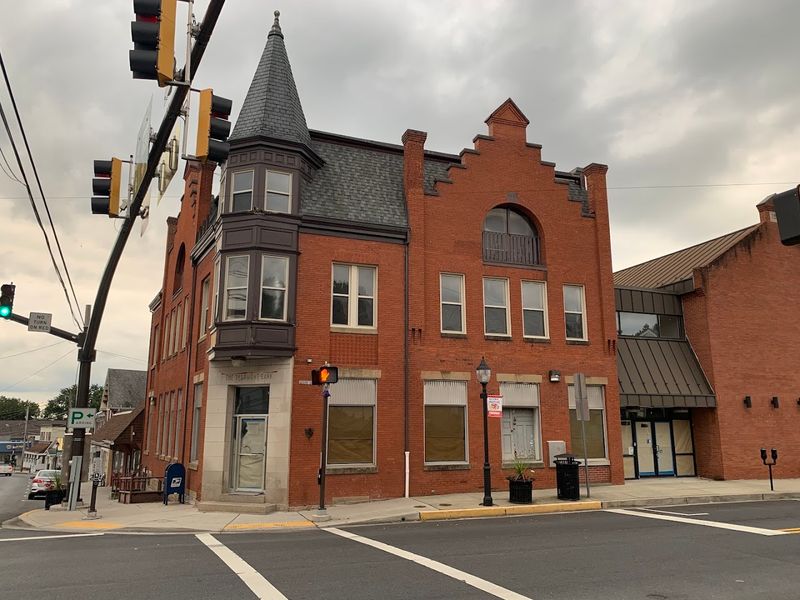
The Catoctin Mountains form a dramatic green backdrop behind Thurmont’s downtown, giving even a simple stroll along Main Street a scenic quality that most towns simply cannot claim.
The mountains are not just decorative either, as they frame the community’s identity in a way that shows up in local art, seasonal events, and the general pride residents take in their natural surroundings.
Thurmont feels rooted in its landscape rather than just adjacent to it.
The Thurmont Main Street Center is a hub for local artisans who display and sell handcrafted goods ranging from pottery to woodwork to fiber arts.
The quality of work on display is genuinely impressive, and the fact that you can often meet the makers in person adds a dimension that online shopping will never replicate.
It is the kind of stop where you go in for a quick look and emerge thirty minutes later with something you did not know you needed.
Public art installations appear throughout the downtown corridor, giving the street a creative energy that feels community-generated rather than commissioned from the outside.
The annual Catoctin Colorfest draws tens of thousands of visitors each October, transforming the town into a celebration of regional craft and autumn color that has been running for decades.
That longevity says something meaningful about how deeply the event is embedded in local culture.
Family-run businesses dominate the commercial strip, and the owners tend to know their neighbors by name. Thurmont operates at a pace that feels genuinely small-town without being sleepy.
It is a place where the mountains, the art, and the community all pull in the same direction.
11. Oakland
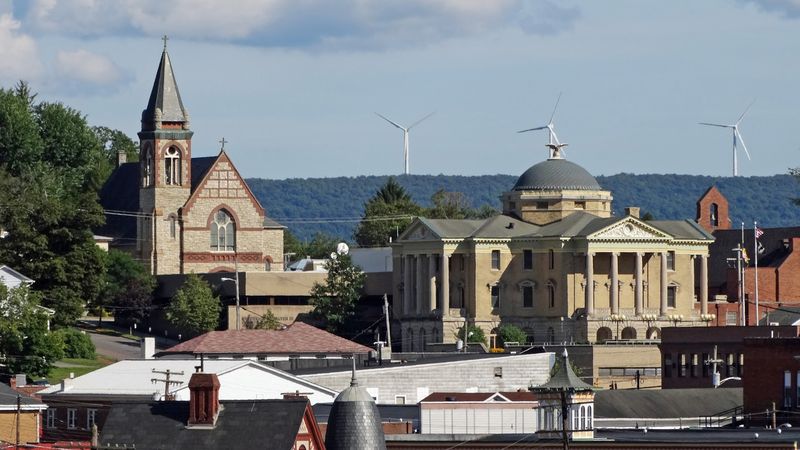
Oakland sits in Garrett County at an elevation that makes the air feel noticeably different, cleaner and cooler even in summer months. Maryland’s westernmost town, it has a mountain character that sets it apart from every other community on this list.
The Main Street is lined with quaint, independently owned businesses that cater to both year-round residents and seasonal visitors drawn by the region’s outdoor offerings.
The Autumn Glory Festival is Oakland’s signature event, held each October when the surrounding hardwood forests put on a color display that genuinely rivals anything New England has to offer.
The festival fills the downtown with craft vendors, live music, and community energy that reflects how much the town enjoys sharing its best season with outsiders.
Winterfest follows a few months later, bringing a different but equally warm community spirit to the cold-weather calendar.
Deep Creek Lake is just a short drive from downtown and draws visitors for boating, fishing, skiing, and hiking depending on the season.
Oakland functions as the practical and cultural hub for the entire lake region, which means the Main Street sees a healthy mix of outdoor enthusiasts, families, and weekend travelers throughout the year.
That diversity keeps the local business community lively and varied.
The pace downtown is genuinely unhurried, and the locals seem to prefer it that way. Shops close at reasonable hours, and the whole street has a rhythm that encourages you to stop, browse, and chat rather than rush.
Oakland is the kind of mountain town that earns loyalty from the people who discover it.
12. Mount Airy
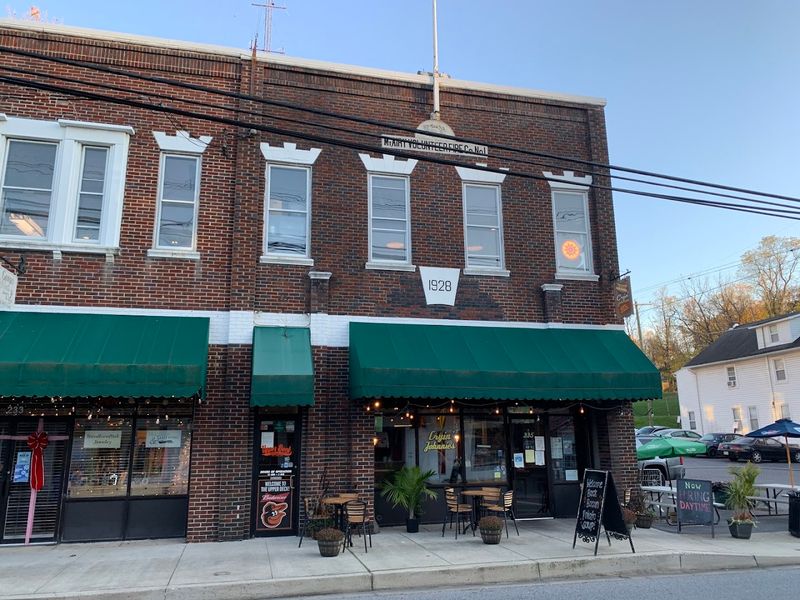
Mount Airy has a nostalgic pull that hits you somewhere between the antique shop windows and the old train station sitting quietly at the edge of downtown.
The town straddles Carroll and Frederick Counties, which gives it a slightly dual identity that shows up in the mix of businesses and the range of visitors who pass through.
It is not trying to be anything other than what it is, and that honesty is genuinely refreshing.
The W. R. Rudy Country Store is a fascinating step back in time, preserving the look and feel of a 19th-century general store and pharmacy with an authenticity that goes beyond decoration. Items on display and for sale reflect a period of American commerce that most towns have long since paved over.
It is the kind of place that makes history feel tangible rather than academic.
The Mount Airy Museum occupies a historic B&O Railroad station and chronicles the town’s development through local artifacts, photographs, and community records.
The nearby B&O Old Main Line Trail extends the railroad theme into an outdoor experience, following a converted rail corridor through pleasant countryside.
Together, the museum and trail form a pairing that works beautifully for history-minded visitors.
Antique shops are a genuine draw here, with several dealers offering well-curated selections that reward patient browsers. Hunting and sporting goods stores reflect the rural character of the surrounding county landscape.
Mount Airy does not shout for attention, but for travelers who know how to look, it offers a quietly satisfying and surprisingly layered small-town experience.
