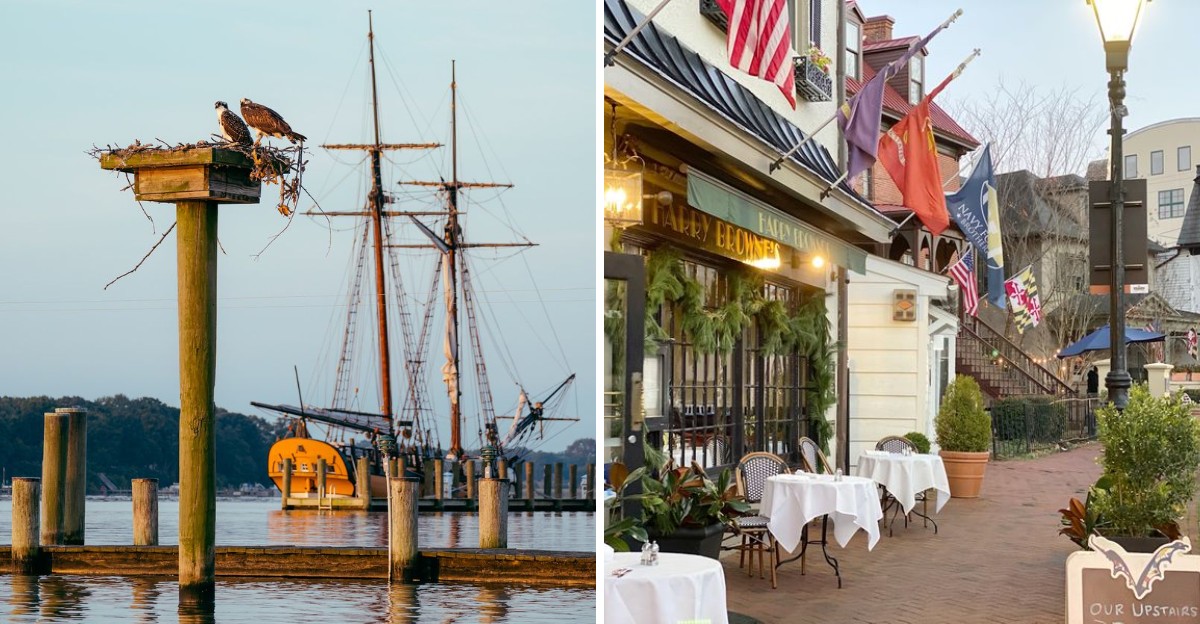
There is something about a town that has held onto its history. The architecture, the pace, the stories that linger on quiet streets.
Maryland has plenty of those places, towns that feel like they belong to another era. This list highlights nine of them, spots where you can walk along cobblestone paths, browse independent shops, and feel a connection to the past.
Some are waterfront, others are nestled in the hills, but all of them offer a glimpse into Maryland’s heritage. The old world vibe is still intact, and the locals are proud of it.
A reminder that not every town has to chase the future. The kind of places where you can slow down and appreciate what came before.
1. St. Michaels
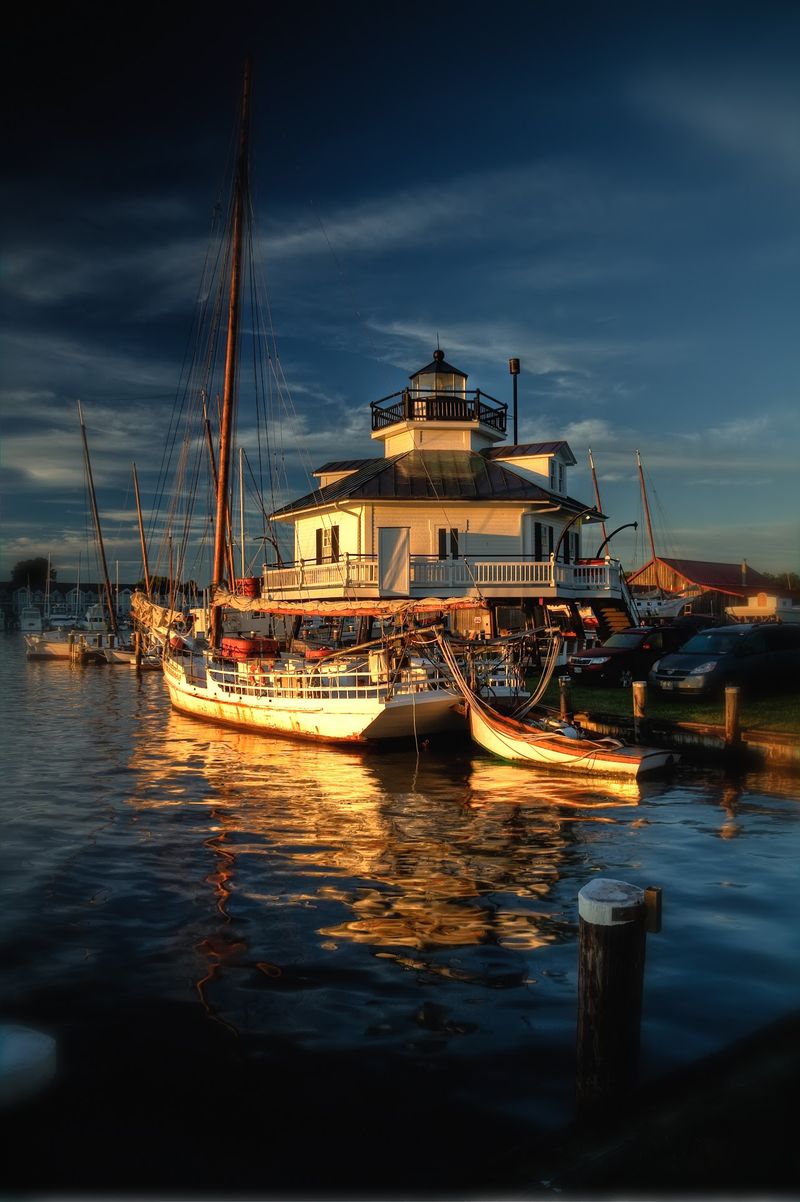
Few places in Maryland carry as much personality per square foot as St. Michaels. Tucked along the Miles River on the Eastern Shore, this compact waterfront town has been drawing visitors since the colonial era, and it still manages to feel like a well-kept secret.
The streets are lined with beautifully preserved 18th and 19th-century homes, their brick facades and white picket fences giving the neighborhood an almost storybook quality.
History runs deep here. St. Michaels earned its legendary nickname, “The Town That Fooled The British,” during the War of 1812, when residents reportedly hung lanterns in treetops to misdirect British cannons during a nighttime attack on August 10, 1813.
The ruse worked, and the story has been proudly retold ever since.
The Chesapeake Bay Maritime Museum sits on an 18-acre waterfront campus and offers one of the most thorough explorations of the region’s nautical heritage anywhere on the bay.
Beyond the museum, visitors can wander through local boutiques, stop at waterfront seafood shacks, and explore craft beverage spots scattered throughout the historic district.
St. Mary’s Square, laid out in 1778, remains the heart of the town and is surrounded by architecture spanning colonial, federal, and Victorian styles. The level of preservation here is genuinely remarkable.
It is the kind of town where a short afternoon stroll covers centuries of American history without feeling like a history lesson.
2. Berlin
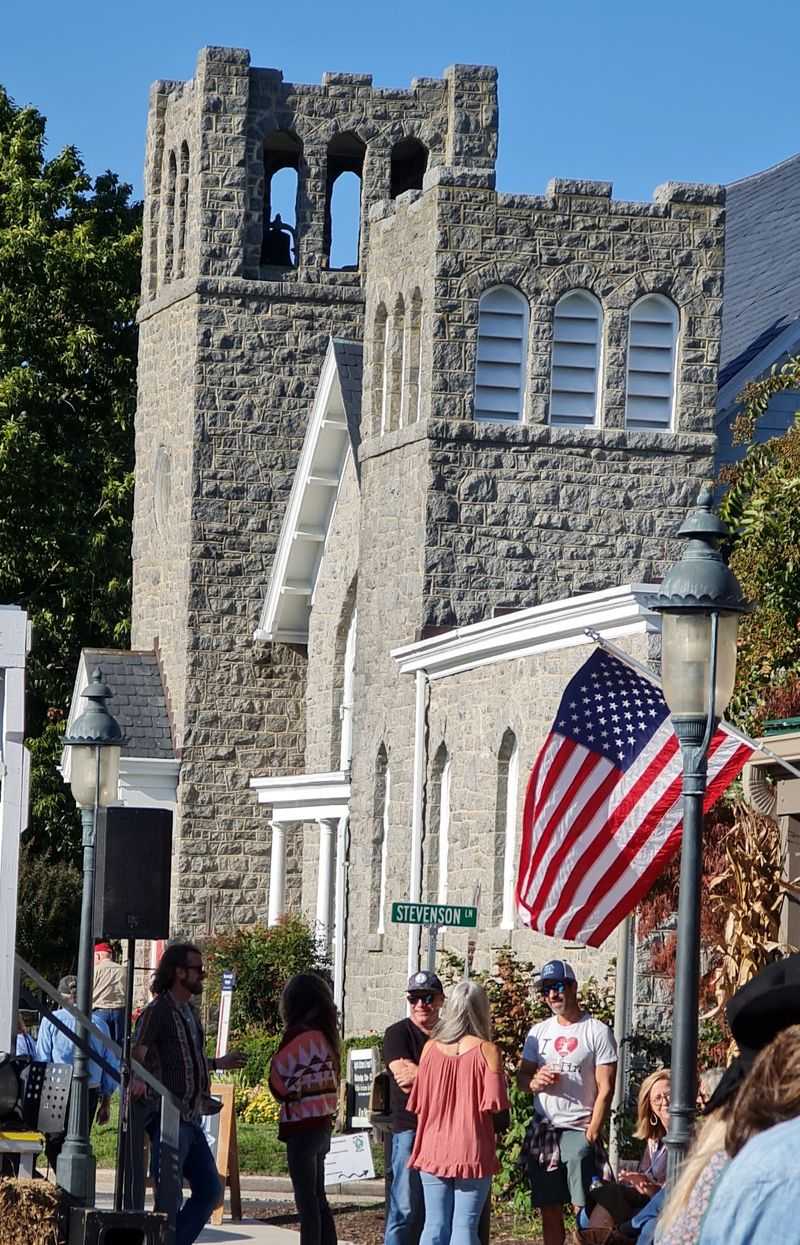
Berlin has a name that raises eyebrows until you hear the backstory. The town did not take its name from the German capital but rather from a local tavern once called the “Burley Inn,” which eventually softened into “Berlin” over the years.
That kind of quirky, low-key origin story suits this Worcester County gem perfectly.
The Victorian-era architecture along Main Street is the real draw here. When the railroad arrived in 1860, prosperity followed quickly, and the buildings constructed during that boom have been carefully maintained ever since.
Classic storefronts with ornate facades, decorative cornices, and wide sidewalks create a streetscape that genuinely feels like a step backward in time.
It is no coincidence that Hollywood came calling, and the town served as the backdrop for the film “Runaway Bride.”
Beyond the aesthetics, Berlin has real cultural substance. The town has a rich agricultural heritage rooted in strawberry and peach farming, and that connection to the land still shapes its community identity.
Local art is woven into the fabric of downtown, with the Art Association offering a rotating selection of work from regional artists.
Interesting shops and solid restaurants fill the storefronts, making it easy to spend a full afternoon here without a plan. Berlin is the kind of town that rewards slow wandering.
There are no must-see blockbusters, just a genuinely charming small-town atmosphere that feels refreshingly authentic and unhurried.
3. Ellicott City
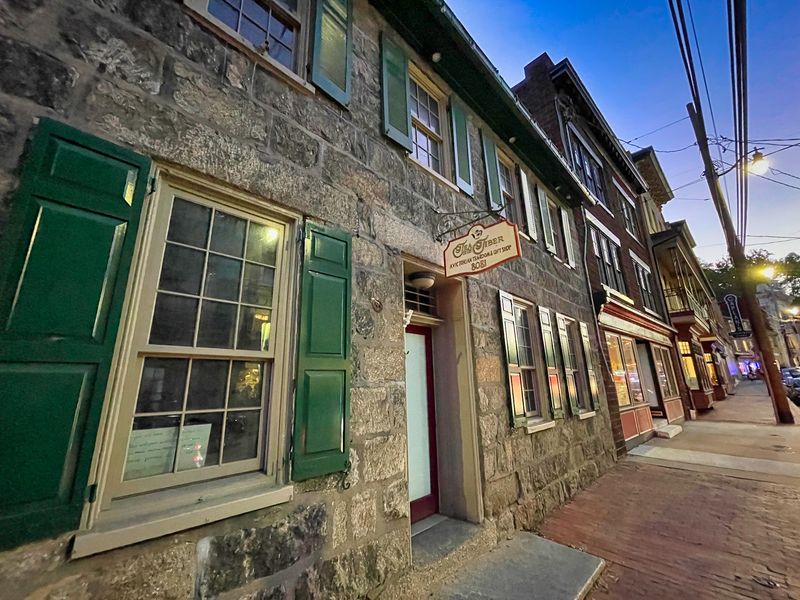
There is something almost cinematic about arriving in Ellicott City for the first time. The town tumbles down a steep hillside into the Patapsco River valley, its granite stone buildings stacked and layered in a way that feels more like a European mountain village than a Maryland suburb.
That alpine quality is part of what makes this place so memorable.
The history here is genuinely significant. In 1830, Peter Cooper’s “Tom Thumb,” the first American-built steam locomotive, was tested on the 13-mile stretch of track connecting this town to Baltimore.
The Ellicott City Station, constructed in 1831 from local granite, holds the distinction of being the oldest surviving railroad station in the entire country. That alone makes it worth the trip for history enthusiasts.
The district traces its origins to 1772, when the Ellicott brothers established grain mills along the river, rapidly transforming the area into one of the largest milling and manufacturing centers on the East Coast.
That industrial energy eventually gave way to the vibrant, walkable historic district that exists today, filled with independent shops, galleries, and restaurants tucked into stone-walled spaces.
The Thomas Isaac Log Cabin, built around 1780, offers a glimpse into colonial-era domestic life in Howard County. Wandering the hilly streets, past old stone facades and down narrow passages, feels genuinely exploratory.
Ellicott City rewards curiosity at every corner, and no two visits feel quite the same.
4. Chestertown
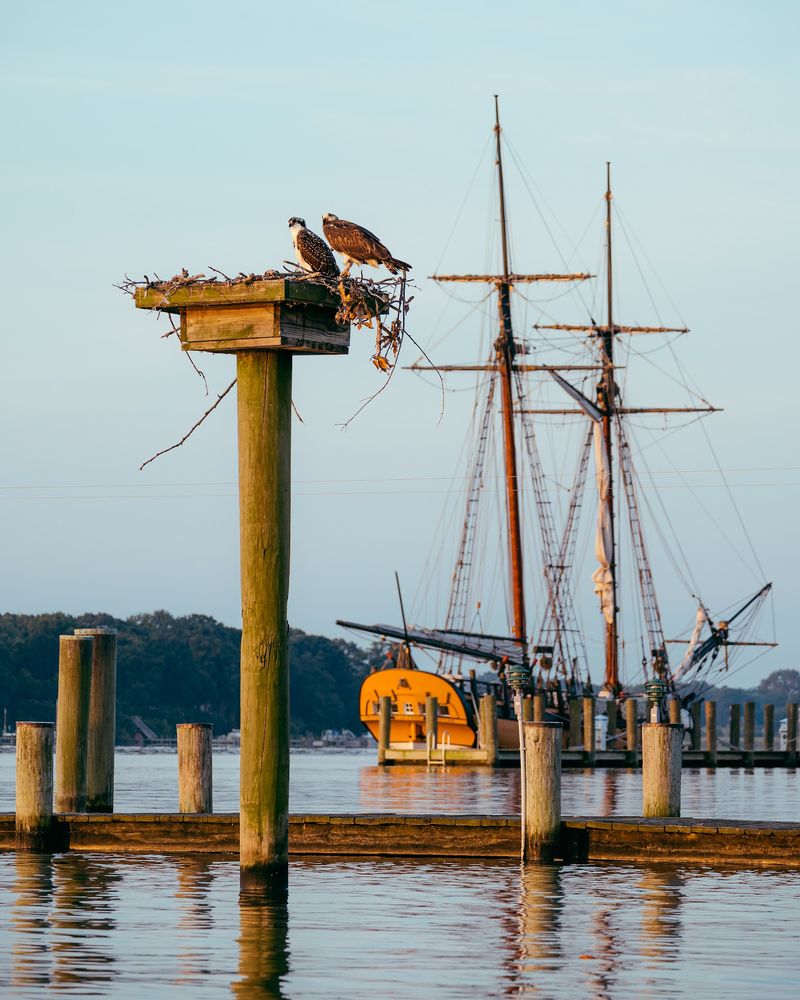
Chestertown moves at a pace that feels almost deliberate, like the town itself decided long ago that there was no reason to rush.
Established in 1706 as a port on the Chester River, it quickly became one of Maryland’s most important colonial trading centers, exporting tobacco and grain to markets across the Atlantic.
By the mid-1700s, it ranked as Maryland’s second busiest port city.
The revolutionary spirit ran strong here. In May 1774, Chestertown hosted its own version of a tea party, a protest against British taxation that echoed the defiant energy spreading through the colonies at the time.
That independent streak is still part of the town’s identity, quietly embedded in its historic streetscapes and community character.
Washington College, founded in 1782, is the tenth-oldest liberal arts college in the nation and adds a steady intellectual energy to the town. Its presence keeps Chestertown from feeling like a preserved relic.
Instead, the town feels genuinely alive, with students and long-time residents sharing the same brick-lined streets.
The historic district is full of beautifully maintained Georgian, Queen Anne, and Federal style architecture. Notable structures like Widehall, the River House, and the White Swan Tavern are scattered throughout, each carrying its own layered story.
The waterfront along the Chester River remains accessible and peaceful, making an early morning walk along the wharf one of the simplest and most rewarding things to do here.
5. Havre de Grace
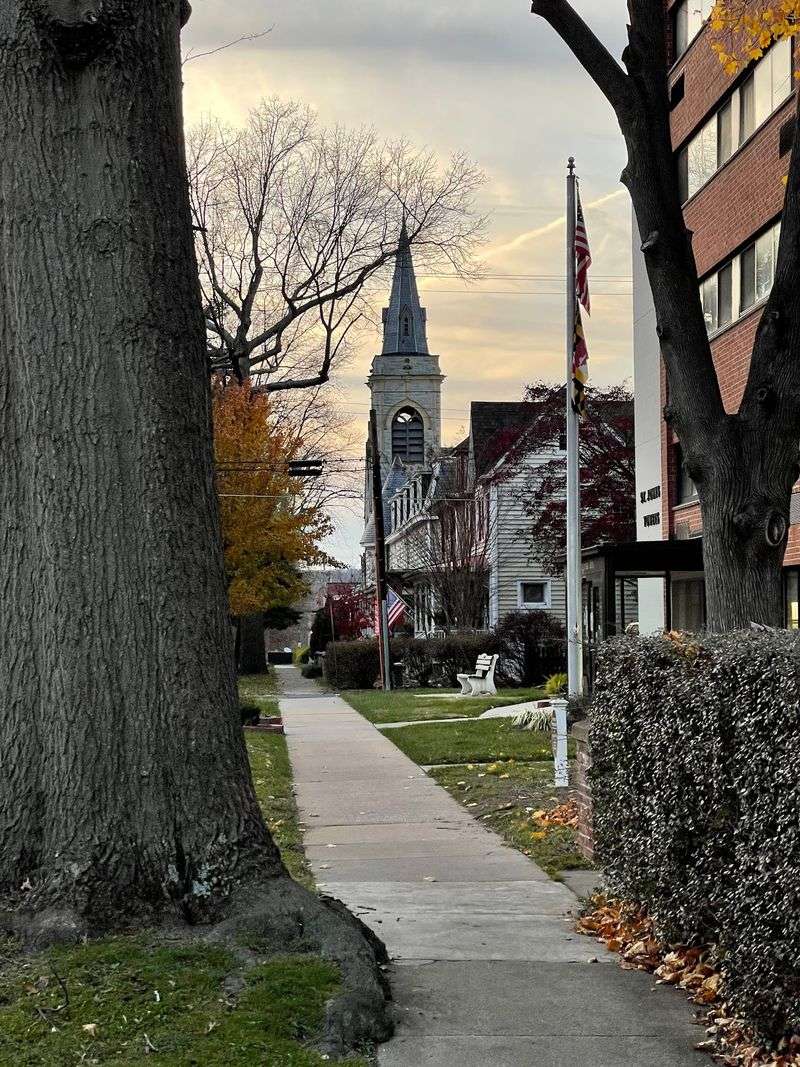
Positioned at the very top of the Chesapeake Bay, where the Susquehanna River empties into open water, Havre de Grace has one of the most dramatic natural settings of any small town in Maryland.
The name itself, French for “Harbor of Grace,” hints at the elegance that has defined this place since the colonial era.
It is a town that takes its waterfront seriously.
The historic district holds a dense collection of 19th-century stone architecture, with buildings that reflect the town’s long role as a strategic point along the bay.
During the Revolutionary War and the War of 1812, Havre de Grace was a place of real consequence, and that weight of history is still palpable when walking its older streets.
The Lafayette Trail, a self-guided tour through the historic district, connects visitors to key sites and stories in an accessible, unhurried way.
The waterfront promenade is one of the town’s most enjoyable features. It stretches along the bay’s edge, offering wide views of the water and the distant Maryland shoreline.
Early mornings here are especially beautiful, with mist rising off the Susquehanna and light breaking slowly over the bay.
Havre de Grace tends to attract visitors who appreciate quiet discovery over crowded attractions. The town rewards those who take their time, read the historical markers, and let the atmosphere settle in.
It has a rich layered identity that does not announce itself loudly but leaves a lasting impression.
6. Annapolis
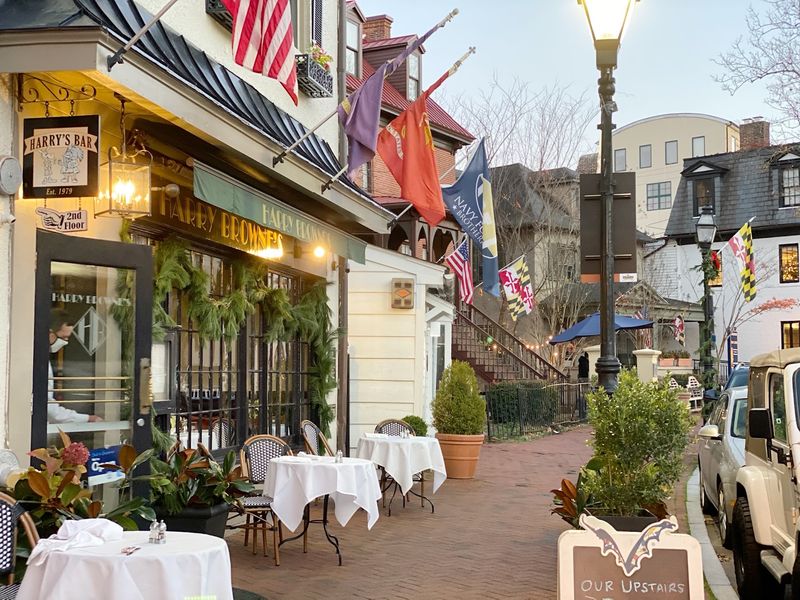
Annapolis has been called the “Athens of America,” and spending even a short afternoon in its colonial historic district makes it easy to understand why.
The 18th-century street grid has remained remarkably intact, with narrow cobblestone lanes threading between brick buildings that date back to the founding era of the republic.
There is a density of genuine history here that is difficult to find anywhere else on the East Coast.
The Maryland State House, the oldest state capitol still in continuous legislative use in the country, anchors the district both physically and historically.
Its distinctive wooden dome is visible from much of downtown, serving as a constant reminder of just how long this city has been at the center of American civic life.
Walking the surrounding streets feels less like sightseeing and more like reading a physical archive.
Main Street is lined with brick townhouses, boutique shops, and cozy cafes that manage to feel both historic and genuinely welcoming. The district does not feel like a museum piece.
People live and work here, and that everyday energy gives the cobblestone streets a warmth that purely preserved spaces sometimes lack.
Historical markers and building plaques are scattered throughout, offering short bursts of context that reward curious walkers. The Severn River and Chesapeake Bay are just blocks away, and the waterfront adds another dimension to the experience.
Annapolis is the kind of place that earns repeat visits, each one revealing something new in its layered and richly detailed past.
7. South Chesapeake City
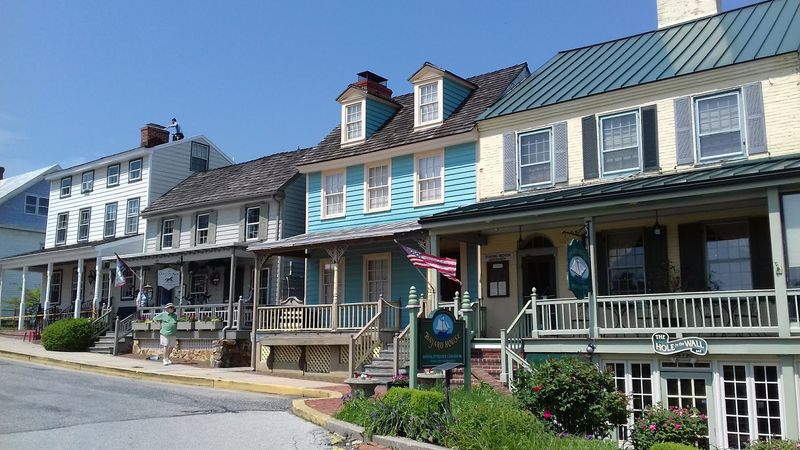
Chesapeake City feels like a place that time gently set aside. Tucked along the Chesapeake and Delaware Canal in Cecil County, this compact village has one of the most unusual and captivating settings in the entire state.
The canal itself is a working waterway, and massive vessels still pass through regularly, creating a surreal contrast against the town’s Victorian-era storefronts and quiet back streets.
The C&D Canal, completed in 1829, transformed this area into a vital commercial link between the Chesapeake Bay and the Delaware River, effectively shortening the water route between Baltimore and Philadelphia by nearly 300 miles.
Chesapeake City grew up around that industrial purpose, and the 19th-century pump houses and canal infrastructure that remain are a fascinating reminder of that engineering ambition.
The Chesapeake City Museum documents this history in a way that is both informative and genuinely engaging.
Bohemia Avenue is the social and commercial spine of the village, lined with bed-and-breakfasts, local dining spots, and Victorian storefronts that give the area its old-world texture. The scale of everything here is pleasantly small.
Nothing feels overwhelming or overly developed, which is exactly the point.
Watching a large container ship glide silently past the rooftops of 19th-century buildings is one of those unexpected Maryland moments that stays with you long after the visit.
Chesapeake City offers that kind of quiet surprise, a place where industrial history and small-town charm exist side by side without either one overwhelming the other.
8. Oxford
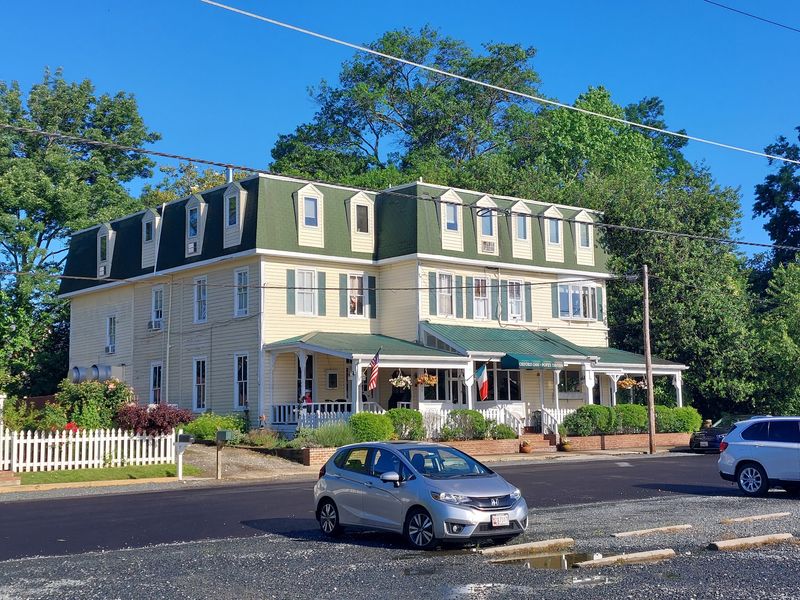
Oxford is one of those rare towns that feels genuinely undiscovered, even though its history stretches back to 1683 when the Maryland General Assembly designated it as an official seaport. By 1694, it was one of only two ports of entry for the entire Maryland province.
That kind of early significance shaped a town with real depth, even if the population has always remained small.
The Oxford Museum, located on South Morris Street, is a seasonal gem that opens each spring and offers an intimate look at the town’s layered past. Thoughtfully placed plaques throughout the grounds narrate chapters of Oxford’s history, inviting visitors to move through the space at their own pace.
The Backyard Historical Timeline and the museum gardens are open year-round, making the property accessible even outside of regular hours.
Oxford sits surrounded by water on three sides, with Town Creek and the Tred Avon River defining its edges. That watery geography gives the town a peaceful, almost island-like quality.
Tree-lined streets, brick sidewalks, and fenced-in yards make it one of the most walkable and visually cohesive historic communities in Maryland.
The Oxford-Bellevue Ferry, which has been running for over three centuries, connects the town to Bellevue across the Tred Avon River and is believed to be among the oldest privately operated ferries in the country.
A ride across that short stretch of water, with Oxford’s white clapboard houses visible from the deck, is a small but genuinely memorable experience.
Address: 101 S Morris St, Oxford, MD 21654
9. Historic St. Mary’s City
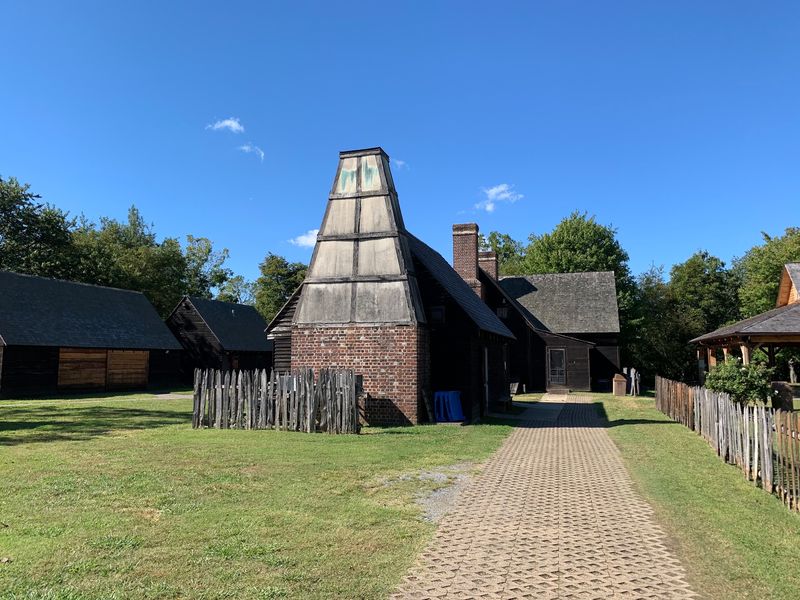
Historic St. Mary’s City carries a weight of significance that becomes clearer the longer you spend there. Maryland’s first colonial capital, settled in 1634, this site along the St. Mary’s River preserves one of the oldest British colonial settlements in North America.
It is not a theme park version of history. The approach here is careful, understated, and genuinely educational.
The outdoor museum spans a scenic rural waterfront, where reconstructed buildings including the 1676 State House and the 1667 Brick Chapel stand alongside active archaeological excavations.
Live historians move through the grounds, offering context and conversation that bring the 17th century into sharper focus without over-dramatizing it.
That restraint is one of the site’s most appealing qualities. It trusts visitors to engage with the material on their own terms.
A replica of the Dove, one of the two ships that carried Maryland’s first settlers across the Atlantic, is moored at the river’s edge. Seeing it up close, small and wooden against the broad expanse of the St. Mary’s River, makes the audacity of that original voyage feel very real.
The site also includes a native Woodland Indian hamlet and a tobacco plantation with farm animals, giving a broader picture of early colonial life.
For anyone with a genuine interest in early American history, this site is hard to match. The natural environment surrounding the exhibits adds to the experience, with open fields, mature trees, and quiet river views creating a setting that feels both historically resonant and genuinely beautiful.
Address: 18751 Hogaboom Ln, St Marys City, MD 20686
