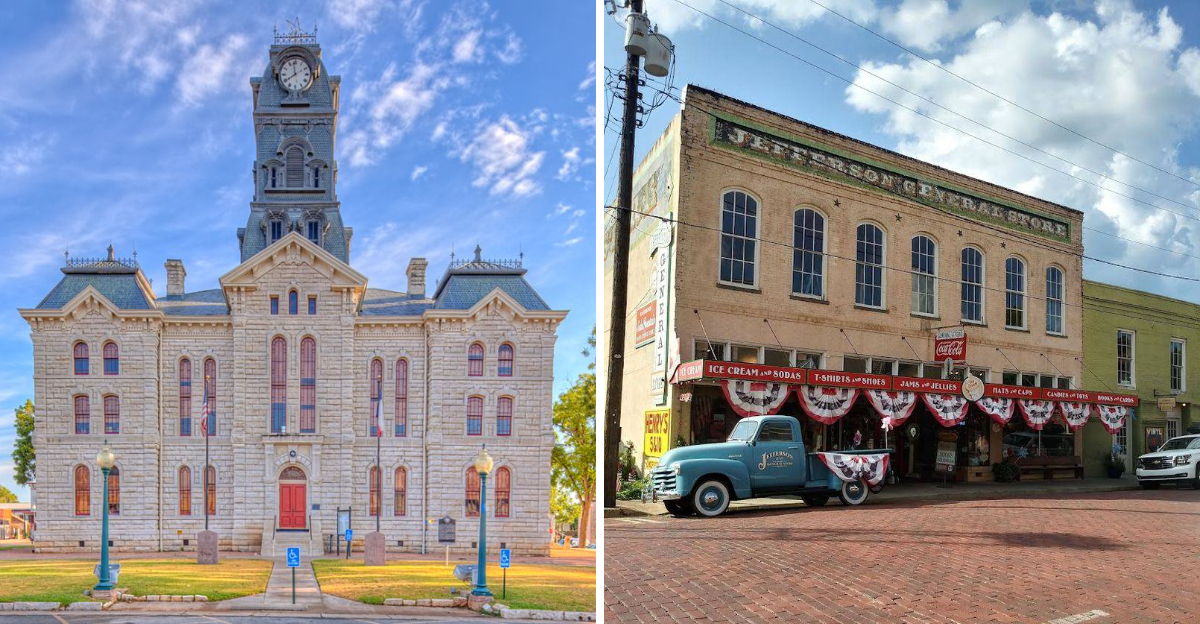
Courthouses still anchor the center of town. Brick storefronts still line the streets.
And the diners still serve pie that has not changed since the 1950s. These 10 Texas towns refused to trade their character for a strip mall.
No cookie cutter chain stores, no generic suburban sprawl, just real downtown squares where folks gather, gossip, and wave at strangers like they have known them for years.
The courthouses steal the show, old limestone and red brick buildings that have stood through storms, elections, and more town gossip than any local will admit.
A slow stroll around the square, a stop at the antique shop, a burger at the counter, and suddenly the day has evaporated. Texas has dozens of towns that look like they got lost in time.
These ten kept their charm on purpose. Bring a camera and some patience, because the clock moves slower here.
1. Lockhart
Lockhart carries a reputation that arrives well before you do. Ask anyone in Texas where to find the best barbecue in the state, and a good number of them will point you straight here.
The town holds the official title of Barbecue Capital of Texas, and the smokehouses near the downtown square have been perfecting their craft for generations.
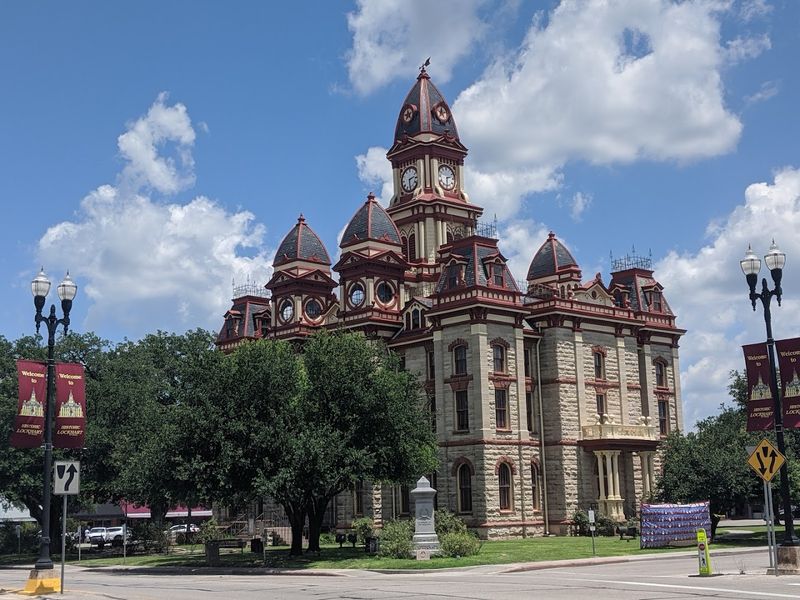
The 1894 Caldwell County Courthouse commands the center of the square with a presence that feels almost theatrical. Its Second Empire design is dramatic by Texas standards, complete with a prominent clock tower that draws your eyes upward the moment you step out of your car.
The whole square feels like it was built to impress, and it still does.
Kreuz Market, Black’s Barbecue, and Smitty’s Market are all within easy reach of the square, each with its own devoted following and its own way of doing things. Locals will tell you there are real differences between them.
Visitors usually end up trying more than one place just to settle the debate for themselves.
What makes Lockhart special beyond the food is how grounded it feels. The square is not trying to be a destination in a manufactured way.
It simply exists as it always has, with the courthouse keeping watch and the smell of smoke drifting through the air on a weekend afternoon. That combination of genuine history and something genuinely delicious makes Lockhart one of the most satisfying stops in the state.
2. Fredericksburg
Fredericksburg has a story that starts in the mid-1800s, when German immigrants settled the Texas Hill Country and built a town that reflected where they came from. The influence never faded.
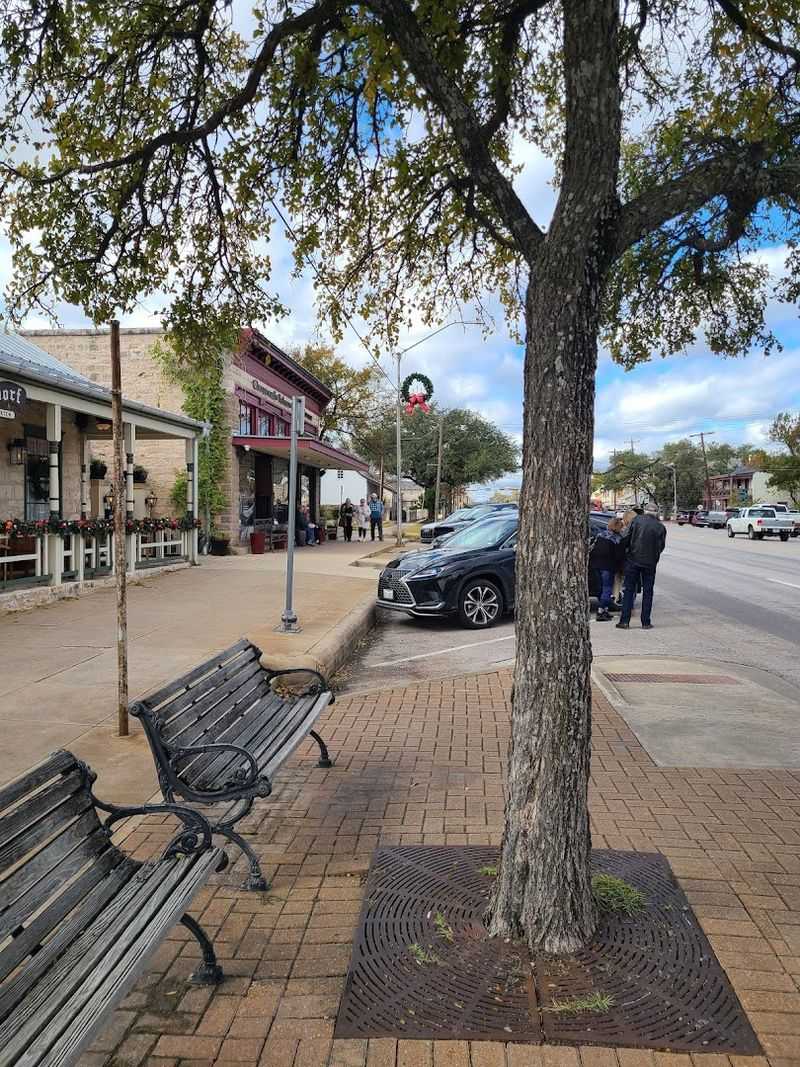
Main Street still carries bilingual street signs, and the architecture blends Texas limestone construction with the kind of orderly, handsome design you might associate with a small German hamlet.
The town square here is called Marktplatz, and it functions as a genuine public green rather than just a traffic circle with a courthouse in the middle.
The Vereins Kirche stands at its center, a faithful reconstruction of the original multi-use building that served as church, school, and meeting hall for the early settlers.
It is an unusual centerpiece, and it gives the square a distinct character you will not find anywhere else in Texas.
Main Street stretches out from the square with a density of vintage storefronts that feels almost cinematic. The buildings are well maintained without feeling sanitized, and the mix of longtime businesses and newer arrivals keeps the street alive without erasing what came before it.
I found myself slowing down to read the dates carved into building facades, each one a small reminder of how long this place has been in motion.
The surrounding Hill Country landscape adds another layer to the experience. Rolling terrain and cedar-covered hills frame the town on every side.
Fredericksburg earns its popularity honestly, because the combination of cultural history, architecture, and natural setting is genuinely hard to match anywhere in the state.
3. Boerne
Boerne is the kind of place that rewards slow walking. Hauptstrasse, the German word for Main Street, runs through the heart of the historic district and anchors a downtown that feels genuinely open and unhurried.
The original town plat included green space as a civic priority, not an afterthought, and that decision still shapes the way the whole area breathes.
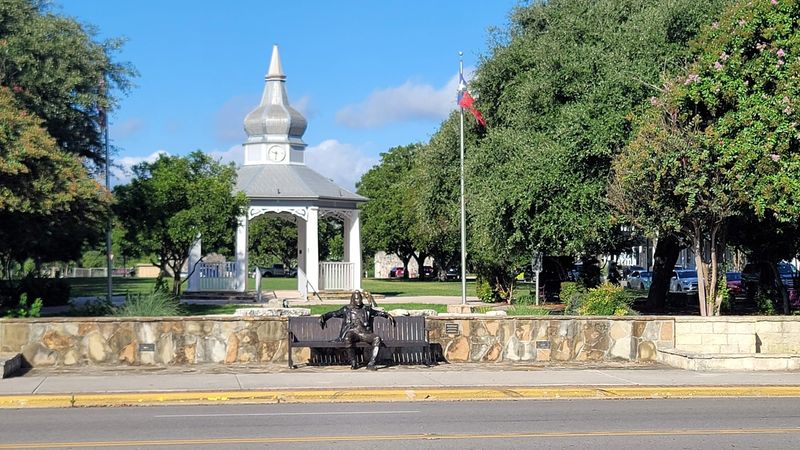
Main Plaza Park sits at the center of it all, featuring a limestone bandstand that has been a gathering point for community events for decades.
The stone is the same warm, cream-colored limestone that defines so much of the Texas Hill Country, and it gives the plaza a sense of permanence that feels earned rather than constructed.
On weekend mornings, locals actually use this space, which is always a good sign.
The buildings along Hauptstrasse reflect the town’s German settlement roots, with sturdy construction and proportions that feel considered rather than hurried.
Many of the storefronts have been updated inside while keeping their original facades, which strikes a balance that a lot of historic downtowns struggle to find.
Boerne manages it with a kind of effortless ease.
The town sits about thirty miles north of San Antonio, close enough to draw day visitors but far enough to maintain its own identity. That proximity to a major city has not diluted Boerne’s character.
If anything, it seems to have strengthened the town’s resolve to hold onto what makes it distinct. Spending an afternoon here feels like a genuine exhale.
4. Brenham
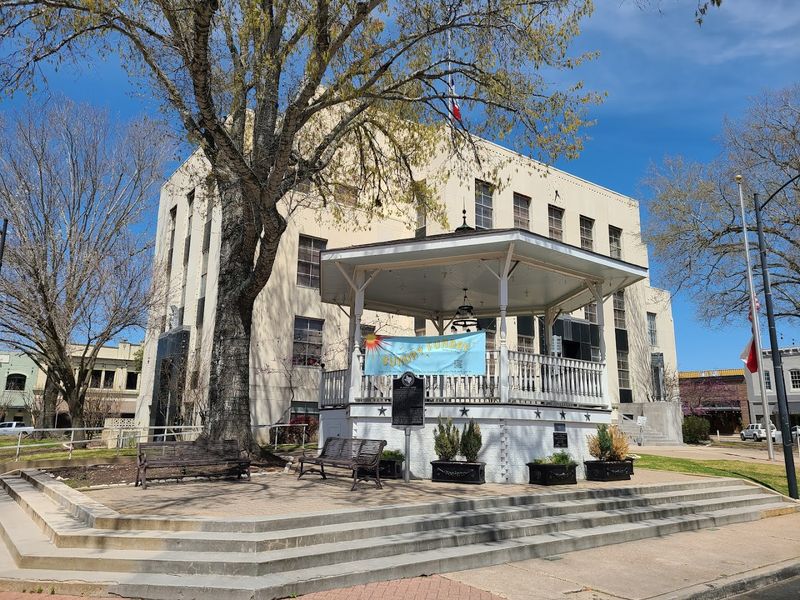
Brenham grew up alongside the railroad, and the bones of that origin are still visible in the way Commerce Street runs parallel to the old Southern Pacific line. There is a logic to the layout that you can feel even if you do not know the history behind it.
The downtown developed with purpose, and that sense of intention has aged well.
The Washington County Courthouse sits on slightly elevated ground above the square, giving it a natural prominence that no architect could have planned better. From the courthouse steps, you get a clean view across the rooftops of the surrounding blocks, most of which date to the early 1900s.
The density of intact commercial buildings here is genuinely impressive, with many still featuring their original tin ceilings and intact signage.
There is a warmth to Brenham that goes beyond the architecture. The town is surrounded by rolling pastureland and wildflower fields that bloom spectacularly in spring.
People come from across the state during bluebonnet season, and the downtown square becomes a natural stopping point on those drives through the countryside.
Local bakeries, bookshops, and small restaurants fill the storefronts around the square, giving the area an everyday quality that makes it feel lived in rather than preserved under glass. I appreciated that Brenham does not seem to be performing its history for visitors.
It simply goes about its business in buildings that happen to be beautiful, and the effect is quietly wonderful. The town earns every bit of affection it receives.
5. Georgetown
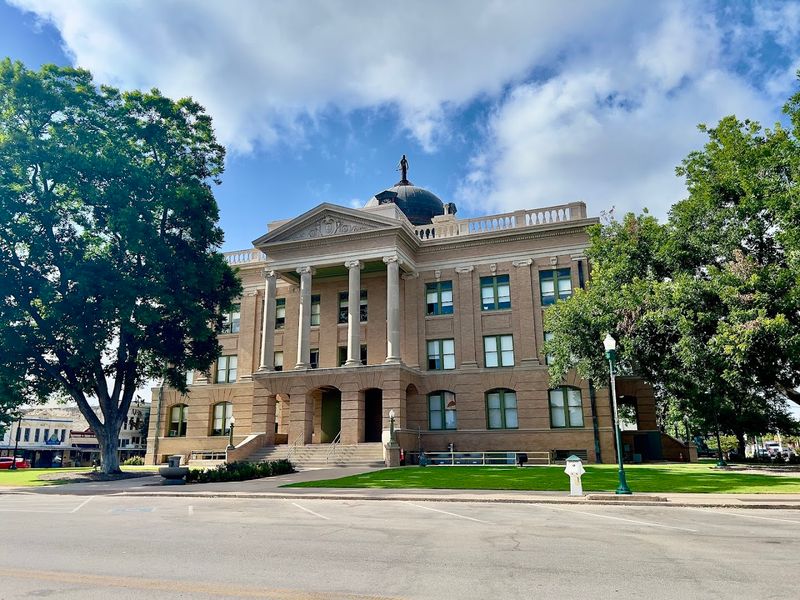
Georgetown has a nickname it wears with full confidence. People call it the Most Beautiful Town Square in Texas, and after spending time there, it is genuinely difficult to argue against that claim.
The Victorian architecture wrapping around the central square is remarkably cohesive, with ornate facades, decorative cornices, and a color palette that makes the whole block feel like it belongs in a period photograph.
The Masonic Lodge with its distinctive Victorian tower is one of the most photographed buildings on the square, and it earns that attention. The tower gives the skyline a vertical punctuation mark that anchors the eye and draws you toward the center of the district.
Even on an ordinary weekday, the square has a kind of festive energy that feels natural rather than manufactured.
Georgetown sits just north of Austin, which means it benefits from a steady flow of visitors looking for something different from the city. The town has handled that growth thoughtfully, expanding its offerings without bulldozing the historic core.
The result is a downtown that feels both active and authentic, a combination that is harder to achieve than it looks.
Art galleries, independent shops, and locally owned restaurants fill the storefronts, and the mix changes often enough to give regulars a reason to keep coming back. First-time visitors usually leave with a list of places they want to return to.
Georgetown has that effect on people. It is the kind of square that makes you wish you lived close enough to visit on a whim.
6. Granbury
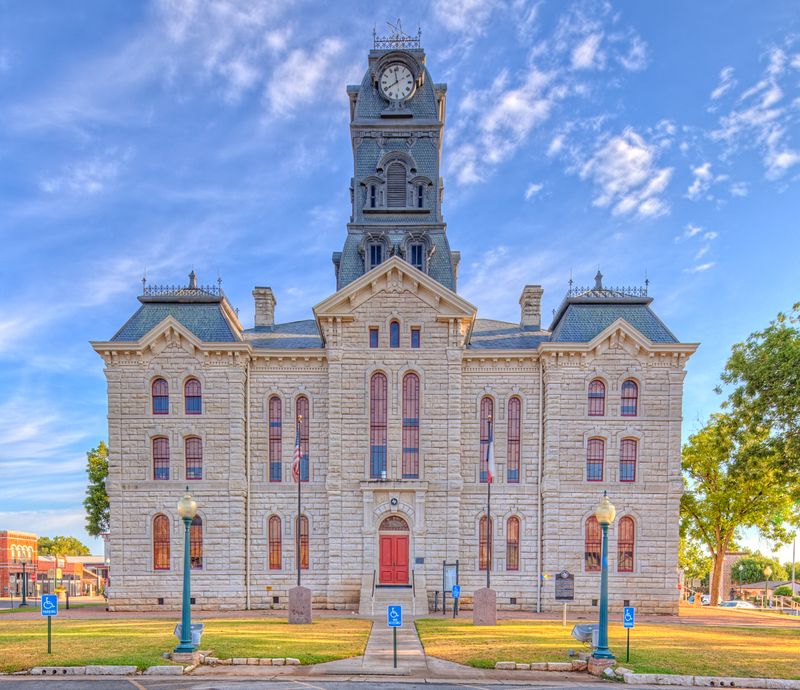
The first thing that hits you about Granbury is how intact everything feels. This is not a square that has been polished up for tourists and left hollow underneath.
The Hood County Courthouse, built from warm limestone, anchors the center of it all, and the surrounding storefronts have been standing since the late 1800s.
Granbury was the first courthouse square in Texas to earn a spot on the National Register of Historic Places. That is a title worth pausing over, because it means the preservation here runs deeper than a fresh coat of paint.
The 1886 Opera House still holds performances, which feels almost unbelievable when you consider its age.
The Nutt House Hotel is one of the original buildings on the square, and its continued presence gives the whole block a sense of living continuity. You get the feeling that people have been gathering here, arguing, laughing, and catching up for well over a century.
Granbury has been named a Best Historic Small Town in America more than once, and honestly, spending even a few hours here makes that easy to understand.
Hood County Lake sits just nearby, so the square benefits from a steady stream of visitors who come for the water and stay for the architecture. The mix of locals and travelers gives it a comfortable energy that never feels overcrowded or rushed.
Granbury moves at its own pace, and after a little while, you start moving at that pace too.
7. Bastrop
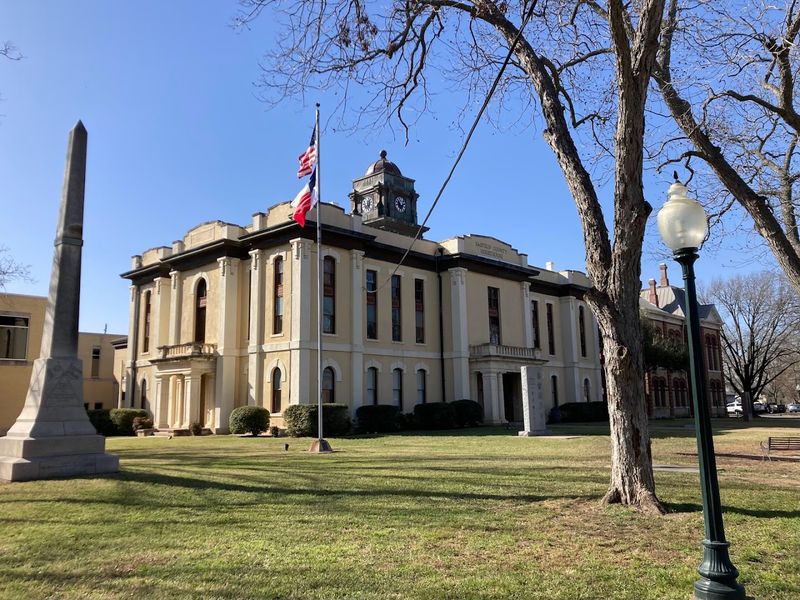
Red brick streets are not something you expect to find in Texas, but Bastrop has them, and they set the tone for everything else the downtown offers. The town rebuilt after an 1860s fire with the kind of determination that leaves a lasting architectural legacy.
What rose from the ashes was a cohesive collection of two-story limestone brick structures with overhanging balconies that give the main corridor a shaded, almost Southern character.
Bastrop’s historic district includes more than 130 sites listed on the National Register of Historic Places, which makes it one of the most historically significant small downtowns in the entire state. That number is not just impressive on paper.
You feel it as you walk the blocks, noticing how the scale and character of the buildings remain consistent from one end to the other.
The Colorado River runs along the edge of town, and the surrounding Lost Pines region adds a landscape element that is genuinely unusual for Central Texas. The pine trees here are geographically isolated from the main East Texas forests, which gives Bastrop a setting that surprises first-time visitors.
The combination of historic downtown and unexpected natural scenery is one of the town’s most distinctive qualities.
Local businesses have moved into the historic storefronts with care, and the result is a downtown that feels occupied and alive rather than merely preserved. Antique shops, art spaces, and family-owned eateries share blocks that have been standing for over a century.
Bastrop rewards the kind of visitor who is willing to wander without a specific plan.
8. Wimberley
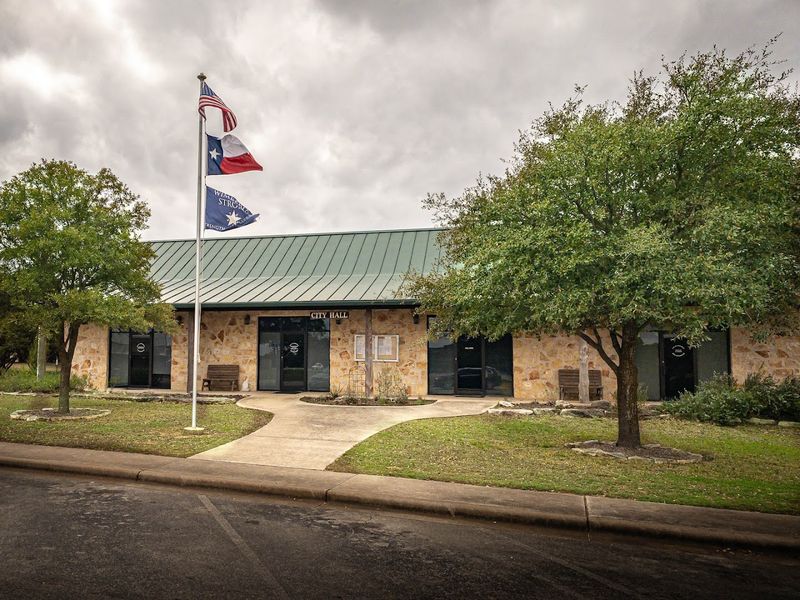
Wimberley does not follow the traditional courthouse-square template, and that departure is part of what makes it interesting. Wimberley Square functions as a community hub in the truest sense, a gathering place defined by the people and businesses that fill it rather than by a single civic monument at its center.
The Hill Country setting wraps around it on every side, with cypress trees and creek-fed air giving the whole area a freshness that feels almost restorative.
The square is compact and walkable, which means you can cover it thoroughly on foot without ever feeling rushed. Independent galleries, handmade goods shops, and locally owned restaurants occupy the storefronts, and the quality tends to be high because the community has always attracted creative people.
Wimberley has a long history as an artists’ colony, and that DNA is visible in nearly every storefront window.
Cypress Creek runs nearby, and on warm days the sound of moving water is never far away. The town draws visitors throughout the year, but it has a particular magic in the quieter seasons when the crowds thin and the Hill Country light goes golden in the late afternoon.
Those are the hours when Wimberley feels most like itself.
The square hosts regular markets and community events that bring locals and visitors together in a way that feels organic rather than organized. I came expecting a charming shopping stop and left with a genuine appreciation for how thoughtfully this community has held onto its character.
Wimberley is small but never small in spirit.
9. Jefferson
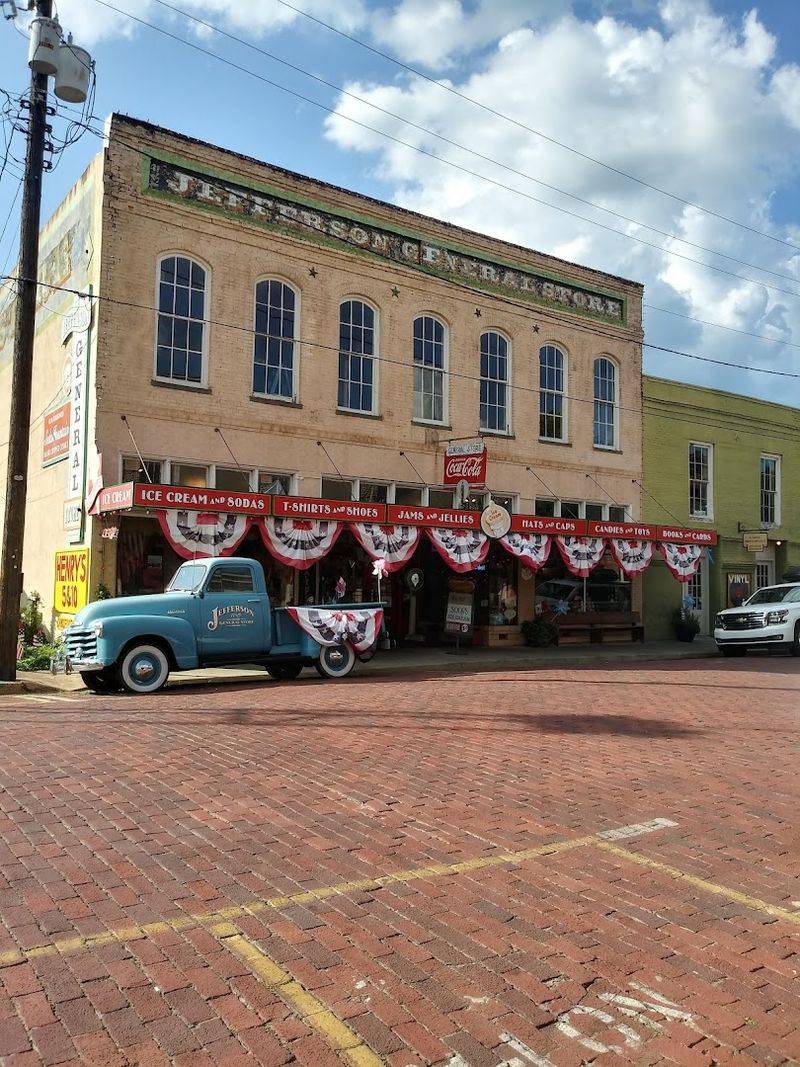
Jefferson carries the weight of its history lightly but unmistakably. This town was once one of the most important river ports in Texas, humming with commerce along the Big Cypress Bayou in the 1800s.
When the railroads bypassed Jefferson and the river traffic slowed, the town preserved rather than demolished, and the result is one of the most intact 19th-century downtowns you will find anywhere in the state.
Brick-paved streets run through the historic district, and the buildings lining them reflect the prosperity of Jefferson’s peak years.
Many are on the National Register of Historic Places, and the overall streetscape has a density and coherence that makes it feel less like a museum exhibit and more like a neighborhood that simply never got around to tearing things down.
That distinction matters more than it might seem.
Jefferson sits in deep East Texas, surrounded by cypress swamps and pine forests that give it a landscape unlike anything else in the state. The bayou still runs nearby, slow and dark and draped in Spanish moss, and it adds an atmospheric quality to the town that photographs never quite capture.
You have to be there to feel the particular stillness of it.
The town is known for its bed-and-breakfast culture, with many historic homes converted into overnight accommodations that let visitors settle in rather than pass through. Jefferson rewards that slower approach.
The more time you spend here, the more layers you find, and the more you understand why people who discover it tend to come back again and again.
10. McKinney
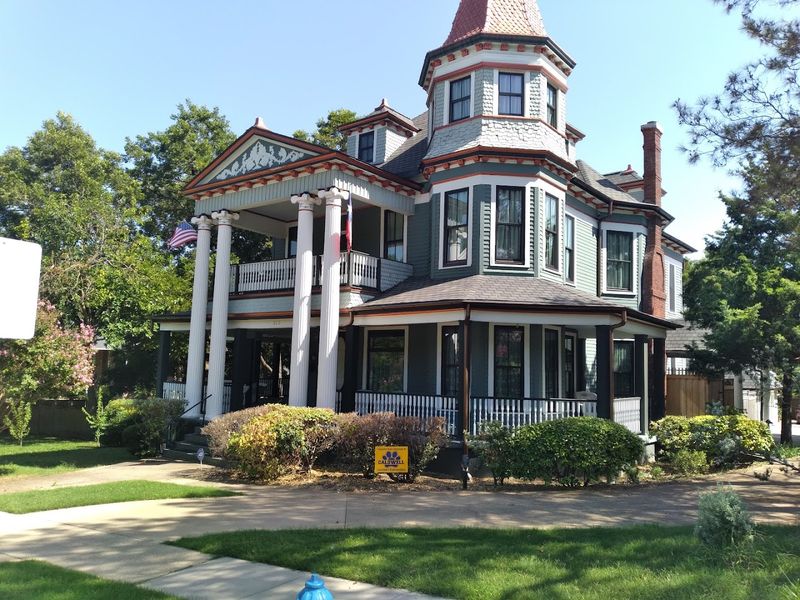
McKinney calls its downtown square anything but square, and that self-aware tagline actually holds up.
The historic district here is one of the largest and most vibrant in Texas, covering multiple blocks of well-preserved commercial architecture that has been thoughtfully repurposed without losing its original character.
More than 200 unique shops, art galleries, and locally owned eateries fill the storefronts, giving the district a density of options that keeps visitors occupied for entire days.
The architecture leans Victorian in many spots, with detailed facades and corner buildings that give the streetscape a satisfying visual rhythm.
McKinney grew quickly in the late 1800s as a North Texas agricultural center, and the commercial confidence of that era is still readable in the scale and ambition of the downtown buildings.
The whole district feels like a town that knew it was going somewhere.
What sets McKinney apart from many historic squares is the level of ongoing investment from local business owners. The shops here are not generic boutiques filling space.
They tend to reflect genuine passion and local identity, which makes browsing feel more like discovery than shopping. I kept finding things I had not expected, which is the best possible quality in a walkable downtown.
The town draws visitors from across the Dallas-Fort Worth region and beyond, and the square handles that traffic well without feeling overwhelmed. Weekend energy here is real and infectious, but the district also has a midweek calm that suits a more contemplative visit.
McKinney has figured out how to be both popular and pleasant, which is a harder balance to strike than it looks.
