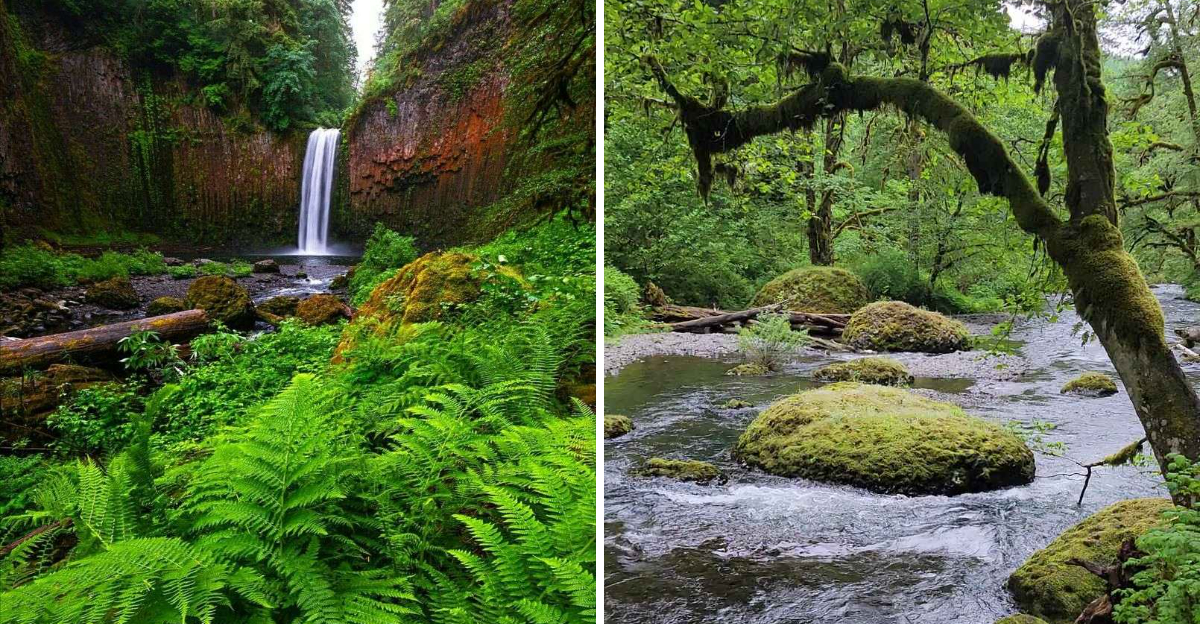
Abiqua Falls feels like a secret kept by basalt walls and whispering firs, yet it calls you with a glow that flickers through Oregon mist.
The amphitheater of moss and stone wraps sound into a soft roar that settles into your chest and steadies your breath.
Every step down the rugged approach builds a quiet anticipation that turns into awe when the curtain of water appears through the trees.
You will want to linger, to watch light move across the hexagon columns like a slow river of gold.
Bring patience, bring care, and let the canyon set the pace for your day.
Finding the trailhead with confidence
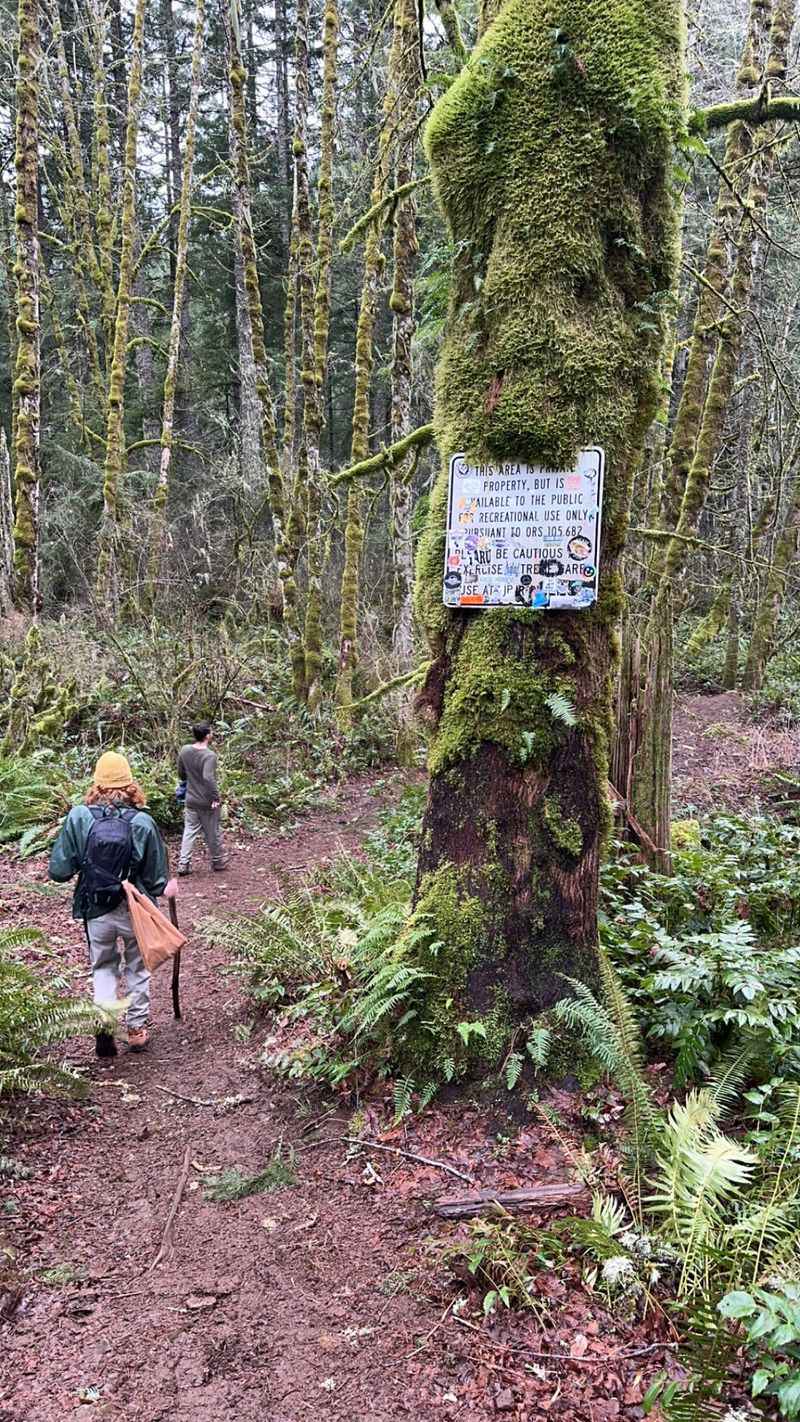
The approach to Abiqua Falls begins on rough forest roads that demand a calm mindset and a plan for variable conditions.
The falls sit near Scotts Mills in Marion County, and access typically follows Crooked Finger Road SE toward a network of private timber lands with permissive public use.
Signage can be limited, so a downloaded map and an offline pin make the difference when service fades.
Parking usually happens at a gravel pullout near an informal trail entrance, and you should never block gates or spurs used by land managers.
Seasonal closures and shifting road grades can change the final approach, so check recent trip reports and local forums before committing your day.
The last stretch of road can be rutted after storms, which is common in western Oregon during long wet spells.
Passenger cars often reach the parking area in dry weather, but higher clearance helps protect your undercarriage when potholes deepen.
Arrive early to secure space and to give yourself enough daylight for a careful descent and a relaxed return.
There is no official fee station here, and there are no services, so bring a full tank and a simple emergency kit.
You are a guest on lands that balance recreation with timber operations, so tread lightly and leave the place cleaner than you found it.
Navigating the descent safely
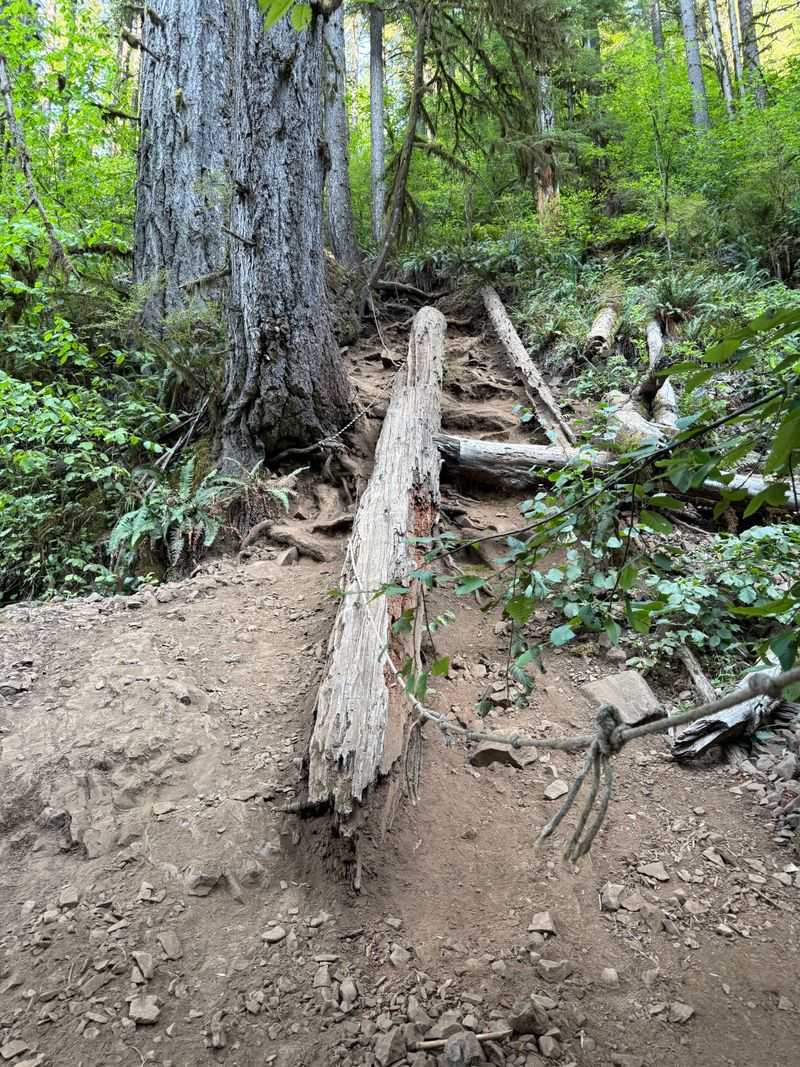
The descent to Abiqua Falls is short but steep, and it asks for patient footwork rather than speed.
The route follows an unmaintained path that threads through trees, skirts steep slopes, and sometimes uses fixed ropes that visitors have tied to aid balance.
Those ropes can change or disappear, so treat them as supplemental and rely first on strong shoes, deliberate steps, and hands on sturdy roots.
The ground stays damp through much of the year in Oregon, which makes clay slick and basalt edges surprisingly polished.
Trekking poles help on the way down and save knees on the climb back, especially when rain has softened the trail.
Give yourself time to navigate around muddy sections instead of cutting new lines that erode the hillside and widen the path.
Keep your pack streamlined so it will not throw you off when you duck around branches or descend short drop offs.
Gloves with grip earn their space when you need to steady on rope or rock while your shoes search for purchase.
Children and dogs can make the trip with careful supervision, but turn around if the conditions or comfort levels change.
Reaching the creek with energy in reserve sets you up for a memorable visit in the amphitheater rather than a hurried scramble.
Timing your visit for light and flow
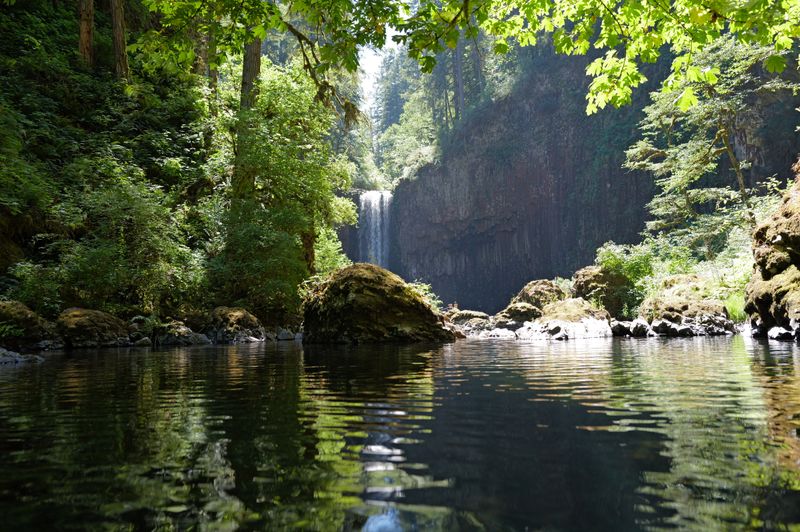
Water and light decide the mood at Abiqua Falls, and both change with season, weather, and hour.
Winter and early spring in Oregon usually bring the strongest flow that fills the plunge pool with churning white and a steady veil.
Late summer can mellow the cascade to a graceful ribbon that reveals more rock texture and calmer reflections.
Morning often offers the gentlest glow as sun filters over the rim and slides across the moss bands on the basalt columns.
Cloudy days create even light that flatters long exposures and still looks beautiful to the eye without glare or harsh contrasts.
After heavy rain, the creek rises and boulders can be slick, so give the water a day to settle if your plan is careful photography.
Midweek visits reduce company and allow more time to frame compositions or simply sit and listen without rushing.
Autumn adds color from vine maple and bigleaf leaves that drift across the pool and gather in eddies like confetti.
Summer mornings feel inviting, but midday can be bright inside the bowl, which challenges both exposure and comfort.
Whatever the season, start early, move unhurried, and let the canyon tell you when it is ready to reveal its best light.
Reading the basalt amphitheater
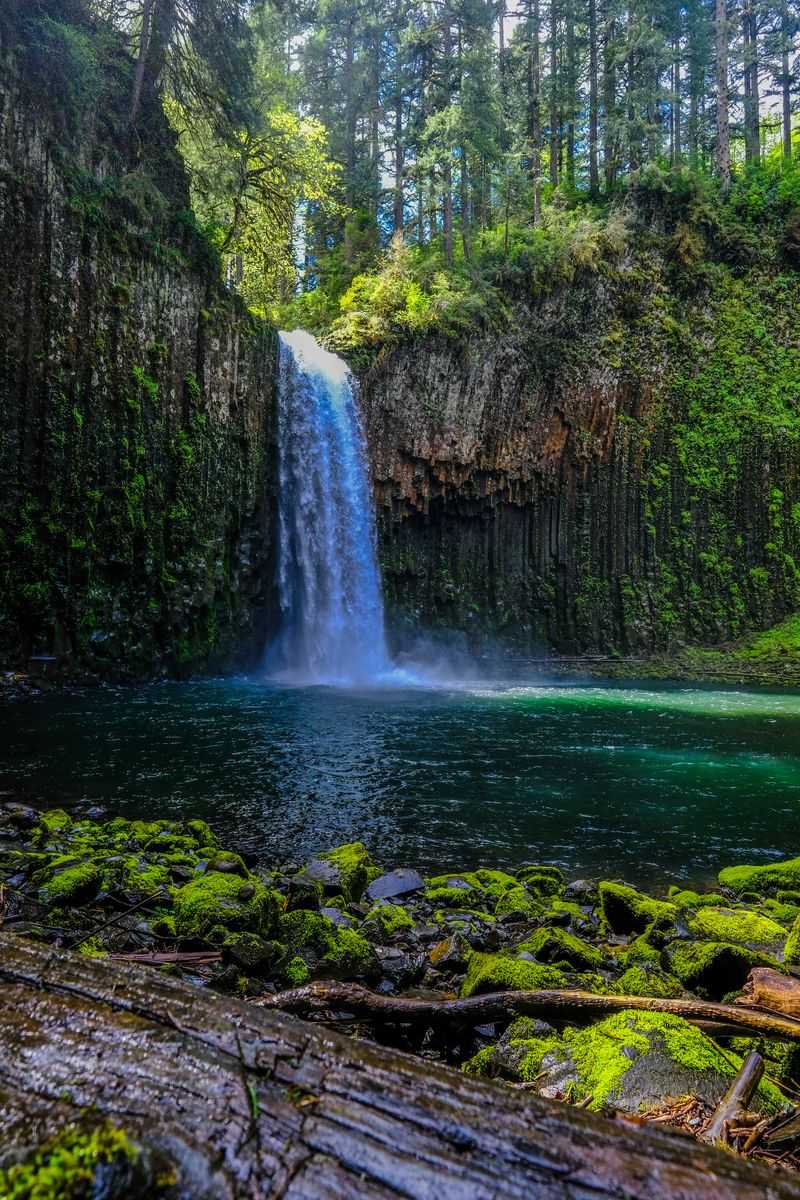
The canyon at Abiqua Falls forms a near circle of columnar basalt that looks like a cathedral built by cooling lava and patient water.
Hexagon and pentagon columns line the walls, and their joints create ledges where moss and lichens stitch bright green seams.
The waterfall drops from a short lip into a bowl that amplifies sound and wraps you in a gentle echo.
Basalt columns form when thick lava cools and contracts into fractures that stack like organ pipes across the cliff.
Pieces break and tumble over time, so talus around the pool shifts and reveals new facets after winter storms.
Look for places where columns curve as if bowed by gravity, and notice how water follows those curves into thin curtains.
Fine spray sculpts beads on moss, and light clings to those beads like a thousand tiny mirrors.
You can trace layers that mark separate flows, and you can imagine how repeated eruptions built this amphitheater step by step.
Respect the walls and avoid climbing on unstable columns that can shear or crumble without warning.
Seeing the geology with patience deepens the visit and gives the scene a story that lingers long after the hike ends.
Photography tips that respect the place
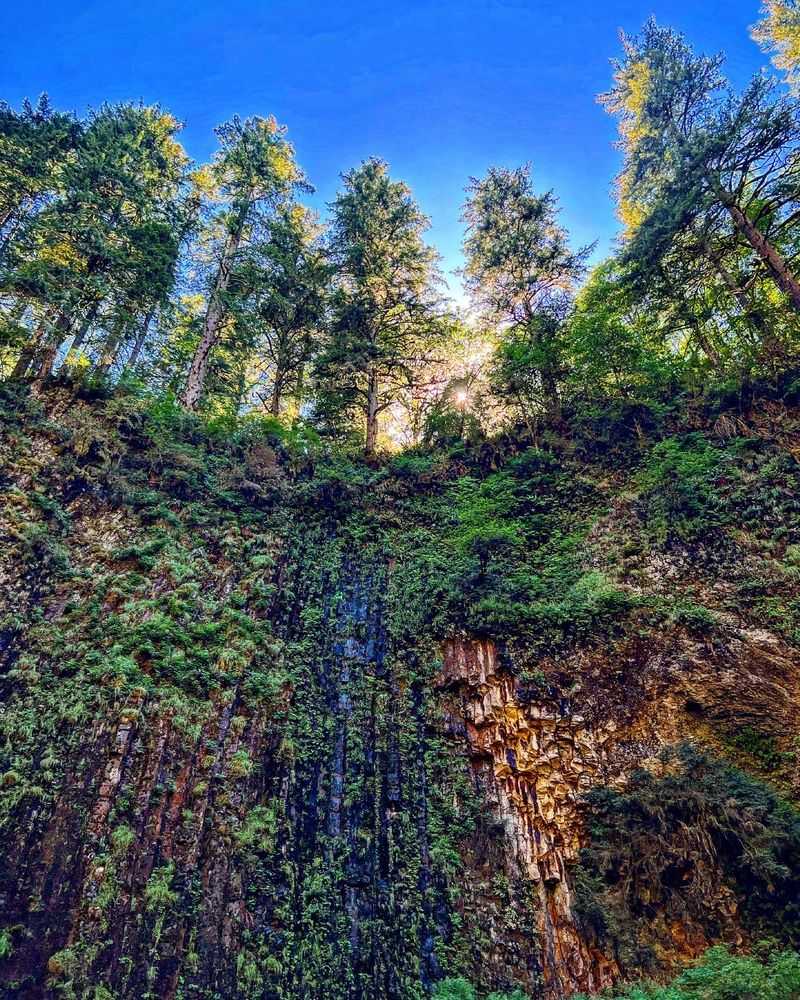
Photographing Abiqua Falls rewards a slow approach that balances creativity with care for the fragile canyon.
A wide angle lens captures the full amphitheater, while a normal lens isolates patterns in rock, moss, and falling water.
Keep tripods on durable stones or sand patches and avoid fragile vegetated shelves that hold the wall together.
Neutral density filters stretch shutter times to soften the cascade into silk ribbons that contrast with crisp basalt lines.
Bring a lens cloth for spray and a microfiber towel for hands, because mist drifts constantly across the pool.
Step away from the main view and test low angles that skim the water surface for reflections and leading lines.
Long exposures shine on overcast days, while broken clouds add drama to fast shutter shots that freeze droplets.
Do not place gear on wet logs that might roll, and keep packs zipped to protect camera bodies from sudden spray.
Yield space to others, swap vantage points kindly, and share beta on slippery rocks to build a respectful scene community.
Leave the canyon as you found it so every visitor can make images without footprints on the moss or trampled ferns.
What to pack for comfort and safety
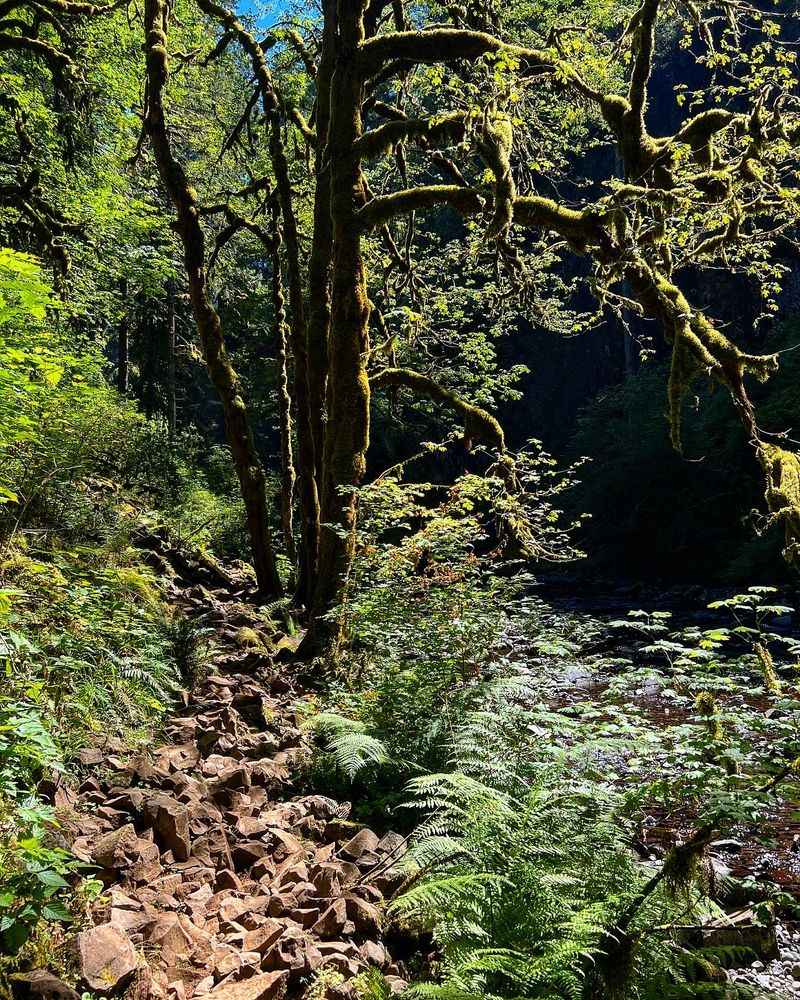
Your kit for Abiqua Falls should handle moisture, cool air, and a steep approach that tests balance and traction.
Waterproof boots with good tread keep feet warm while you rock hop near the pool and explore shoreline angles.
A breathable rain shell suits Oregon weather that changes quickly from mist to shower to pale sun.
Light gloves protect hands on ropes, roots, and rough basalt that can scrape when you steady yourself.
Trekking poles fold small and add control on muddy steps, while microspikes help during icy winter mornings.
Pack a compact first aid kit, a headlamp with fresh batteries, and an emergency blanket for unplanned delays.
Carry a printed map or an offline GPS file since signal can fade inside the canyon and along forest roads.
Use a dry bag for your camera, phone, and keys, and add a microfiber towel for spray and rain.
Bring water, high energy snacks, and a warm layer, even if the forecast looks mild for the afternoon.
Small preparations transform a beautiful visit into a safe, unhurried day that feels grounded and memorable.
Respecting access and stewardship
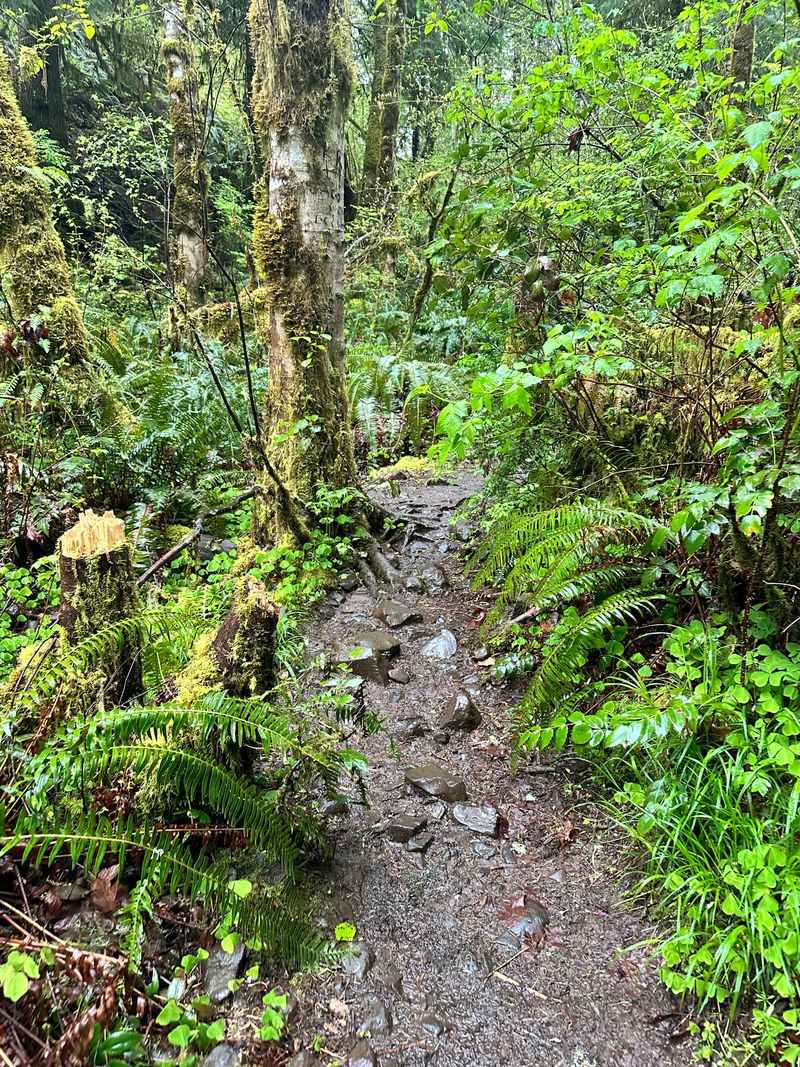
Abiqua Falls sits amid private timber lands where access can change, so staying informed and respectful protects future visits.
Check recent reports from local hiking groups and land managers for updates about closures and responsible parking.
Carry out all trash, keep noise low, and stay on the established path to prevent erosion on sensitive hillsides.
Dogs should remain close and under voice control to protect wildlife and to keep footing safe around steep sections.
Creek banks host delicate ferns, mosses, and new shoots that flatten easily under careless steps.
Human waste requires proper catholes far from water or better yet a pack out system for minimal impact.
Graffiti and rock stacking disrupt natural lines and encourage copycat damage, so leave stones where they lay.
Volunteer days occasionally organize brush clearing or cleanup, and showing up builds community while preserving access.
Share accurate directions, emphasize caution, and avoid blasting precise social posts during busy weekends.
Good stewardship keeps Oregon waterfalls wild, quiet, and welcoming for years of unhurried mornings and glowing spray.
Weather patterns and seasonal realities
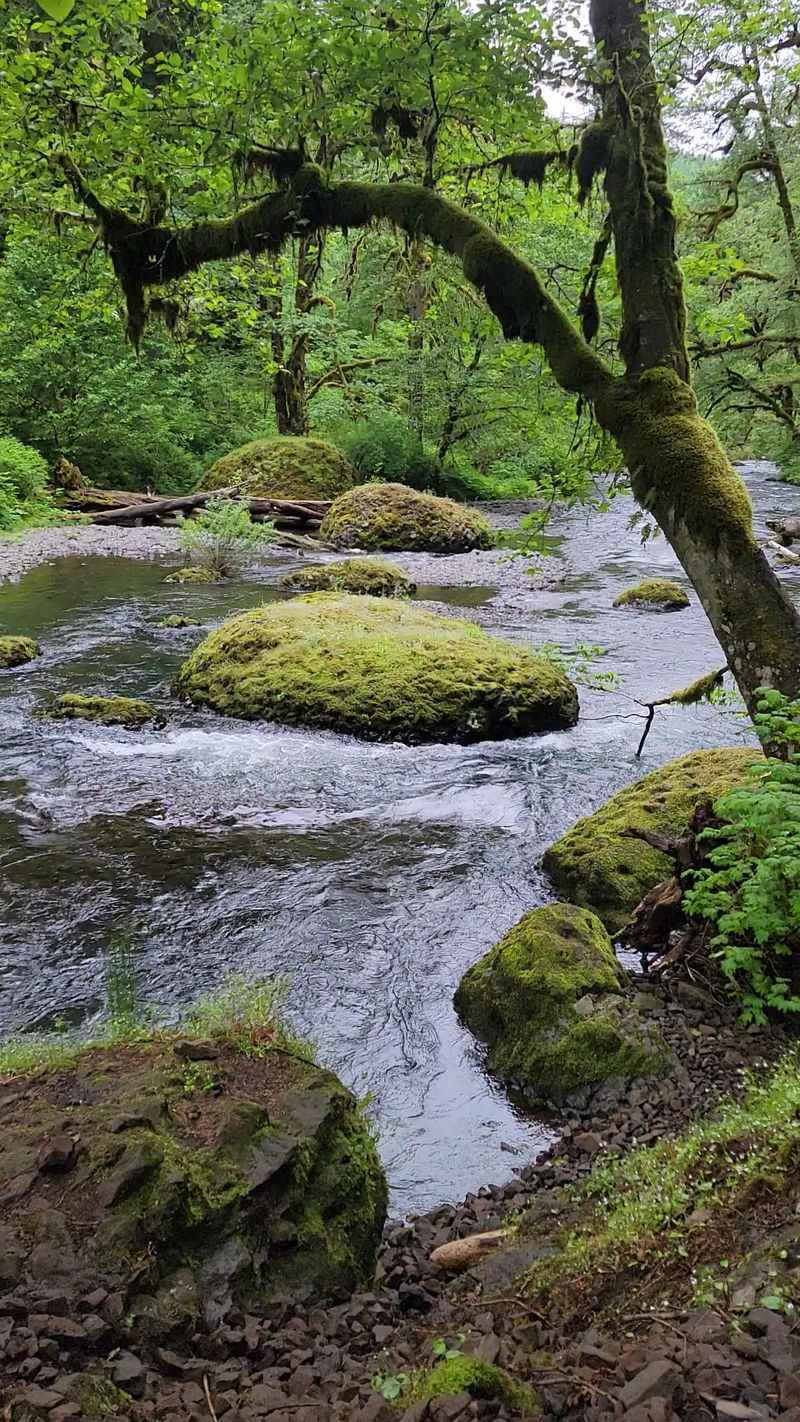
Weather shapes every decision at Abiqua Falls, from footwear to timing and the patience you bring to the descent.
Winter storms in Oregon swell the creek, churn the pool, and drop branches across the approach that slow travel.
Spring brings lush moss and higher flows that wrap the amphitheater in cool mist and fragrant air.
Summer often dries the trail and reduces flow, which reveals more basalt texture and peaceful reflections in the basin.
Autumn colors arrive in waves, and leaves gather on rocks where they add texture for photos and quiet moments.
Mornings can feel cool even in July, so a light layer and a thermos of something warm make the difference.
Fog banks drift in from the coast range and soften light that glows across the canyon walls.
Thunderstorms are uncommon but possible in late summer, so watch forecasts and exit early at the first rumble.
Snow and ice sometimes coat the descent, and that is when traction and extra caution earn their keep.
Travel with flexible plans and you will read the sky like a friendly guide who wants you to see the best.
Nearby comforts and staging spots
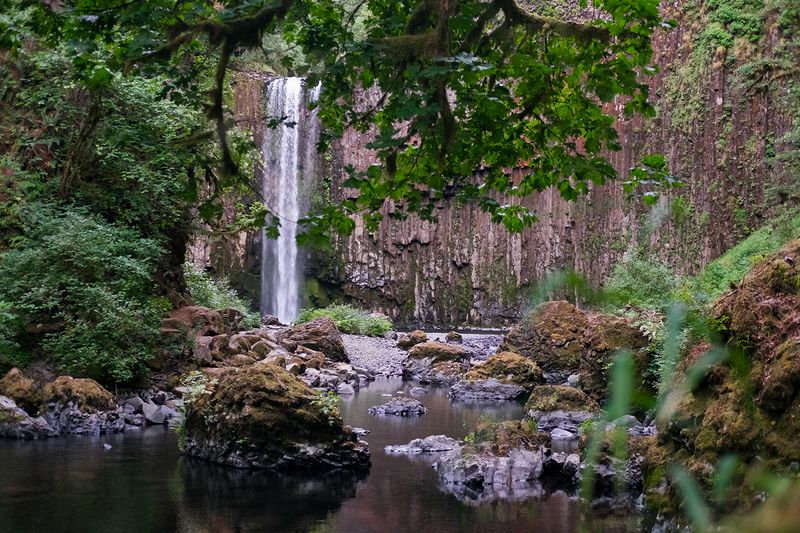
Small towns near Abiqua Falls make great staging points where you can fuel up, check weather, and reset after the hike.
In Silverton, Oregon, parking near the historic district allows quick access to shops and services without crowding trailhead roads.
Public parks in the area offer restrooms and picnic tables, and they provide steady cell service for checking forecasts.
Confirm hours for any cafe or store you plan to visit, since seasonal schedules can change with tourism flows.
Carry cash for small purchases and donations, which helps local businesses and community services that support visitors.
Consider staying in Salem, Oregon, where lodging options give you flexibility on early starts and weather windows.
Keep gear in your car tidy so you can pivot from rain to shine without rummaging in the dark.
Designate a meetup spot in town if you are traveling with friends, and share offline maps before you drive out.
Top off your tank and your water bottles so the forest roads feel simple rather than stressful.
Returning to a warm seat and a calm main street pairs perfectly with the memory of mist and moss in the canyon.
Understanding the location and coordinates
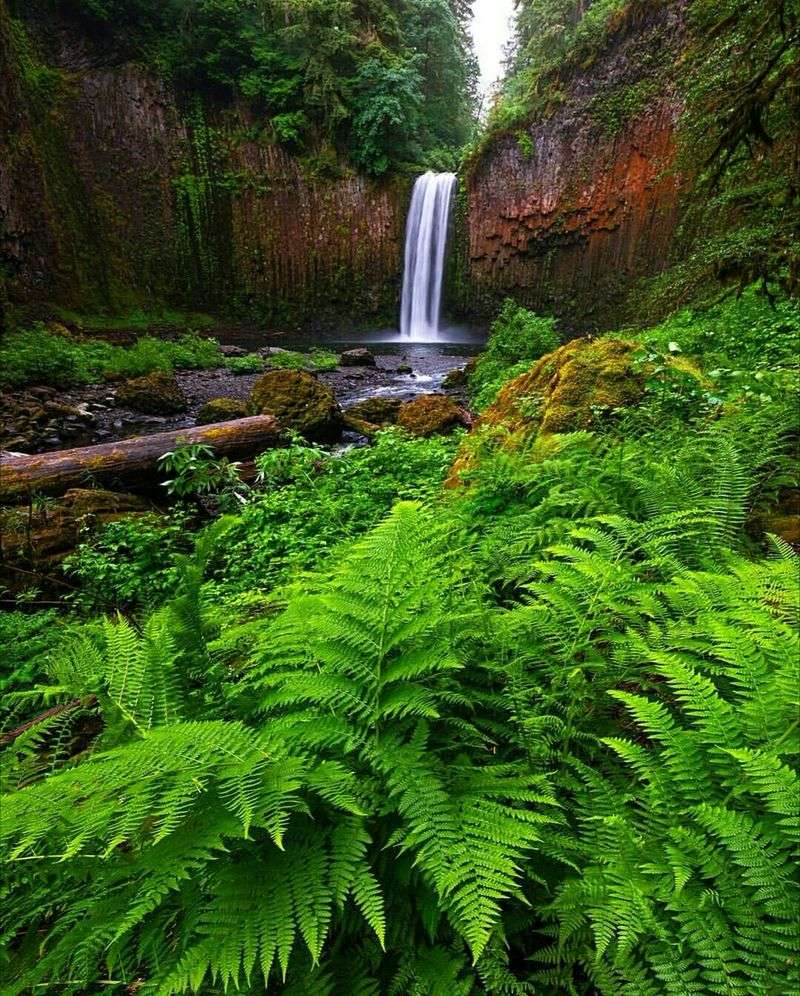
Abiqua Falls sits at approximately 44.9265111, -122.5667521, and those coordinates guide you to the canyon that holds the plunge.
The falls lie within Marion County east of the Willamette Valley, where foothills rise into forested ridges and basalt benches.
Navigation apps can route differently near private timber roads, so confirm the final approach with recent user reports.
Oregon weather and road maintenance can alter conditions quickly, which is why downloading maps remains a smart habit.
Pin both the parking area and the creek crossing so you can trace your path even if your phone loses service.
The waterfall itself is not visible from the rim, and the sound grows slowly as you descend toward the basin.
Carry a paper map as backup and mark the trail start clearly to keep your return smooth and straightforward.
Emergencies require precise information, and coordinates help responders or friends understand exactly where you plan to be.
Share your trip plan and expected return time with someone who will notice if you run late.
Good location awareness frees you to enjoy the amphitheater and the gentle roar that anchors the experience.
Dear Reader: This page may contain affiliate links which may earn a commission if you click through and make a purchase. Our independent journalism is not influenced by any advertiser or commercial initiative unless it is clearly marked as sponsored content. As travel products change, please be sure to reconfirm all details and stay up to date with current events to ensure a safe and successful trip.
