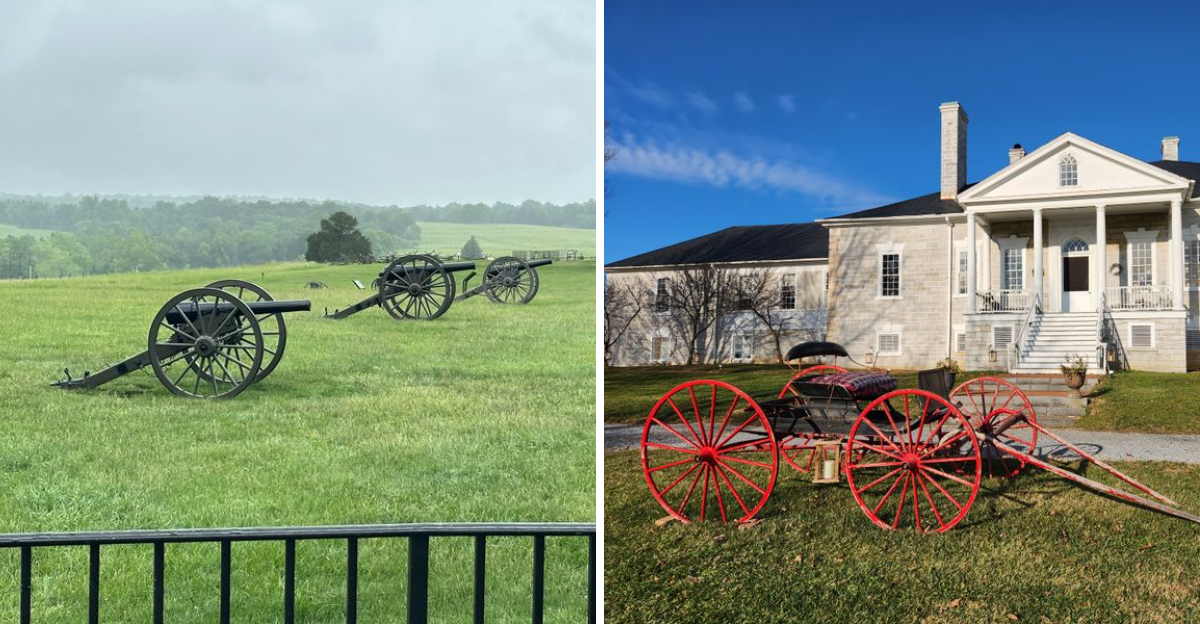
Virginia was the heart of the Civil War, witnessing more than 120 major battles, more than any other state.
From the war’s uncertain beginnings to its final days, campaigns across Virginia shaped the nation’s history.
Many of these battlefields and historic towns remain preserved today, offering visitors the chance to walk the same ground where history was made.
This guide highlights eight Civil War sites in Virginia that provide not only preserved landscapes but also museums, guided tours, and interpretive programs.
Together, they offer a deeper understanding of the conflict’s scale, strategies, and human cost.
This list is based on historical significance, preservation status, and how frequently each site is featured in tours, informed by research and expert sources.
Access, interpretation, and visitor experience can vary, and the order reflects editorial judgment rather than a definitive ranking.
1. Manassas National Battlefield Park
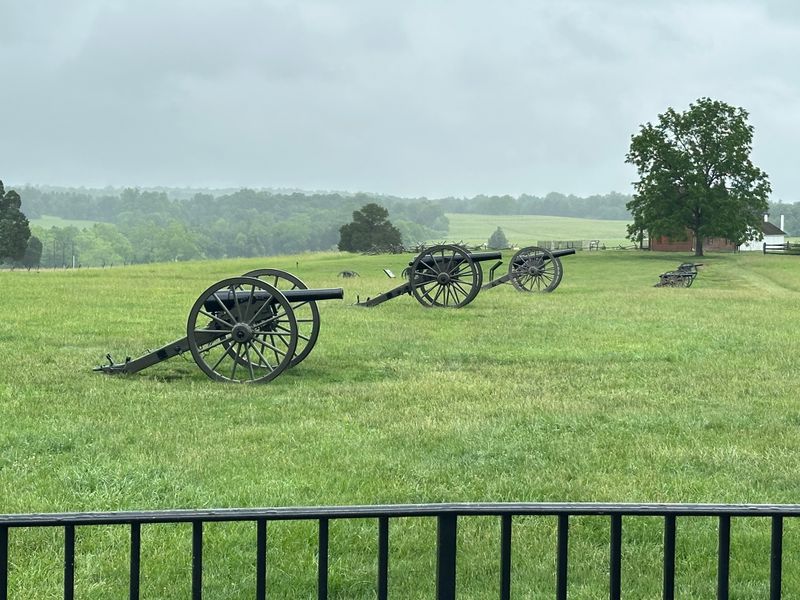
History often unfolds in places that remain calm today, and Manassas National Battlefield Park is a prime example.
This site witnessed the Civil War’s first major clash in 1861, where both Union and Confederate troops realized how long and difficult the conflict would become.
Walking the same ground where the First and Second Battles of Bull Run took place allows visitors to connect with the war’s uncertain beginnings.
The Henry Hill Visitor Center offers detailed exhibits, an electronic battle map, and personal accounts from soldiers who fought here.
Interpretive trails and preserved monuments dot the landscape, each telling nuanced stories about the earliest moments of the war.
The park’s open fields and wooded paths invite reflection on the enormity of the events that shaped the nation.
No other Virginia site captures the war’s uncertain beginnings quite like Manassas.
Rangers lead regular tours that highlight key moments from both battles, helping guests understand the tactical decisions made by commanders on both sides.
The Stone House, used as a field hospital during both battles, stands as a poignant reminder of the human cost of war.
Seasonal programs and living history demonstrations bring the past to life, offering educational experiences for families and school groups.
The park’s accessibility from nearby cities makes it a popular stop for those exploring Civil War history in Virginia.
Visitors can follow driving tours that connect key battle sites, each marked with interpretive panels explaining the significance of the location.
The landscape itself has changed little since the 1860s, preserving the visual context that helps modern audiences understand the challenges faced by soldiers.
Manassas remains a powerful starting point for anyone seeking to understand the Civil War’s evolution from optimistic beginnings to a protracted national struggle.
2. Fredericksburg and Spotsylvania National Military Park
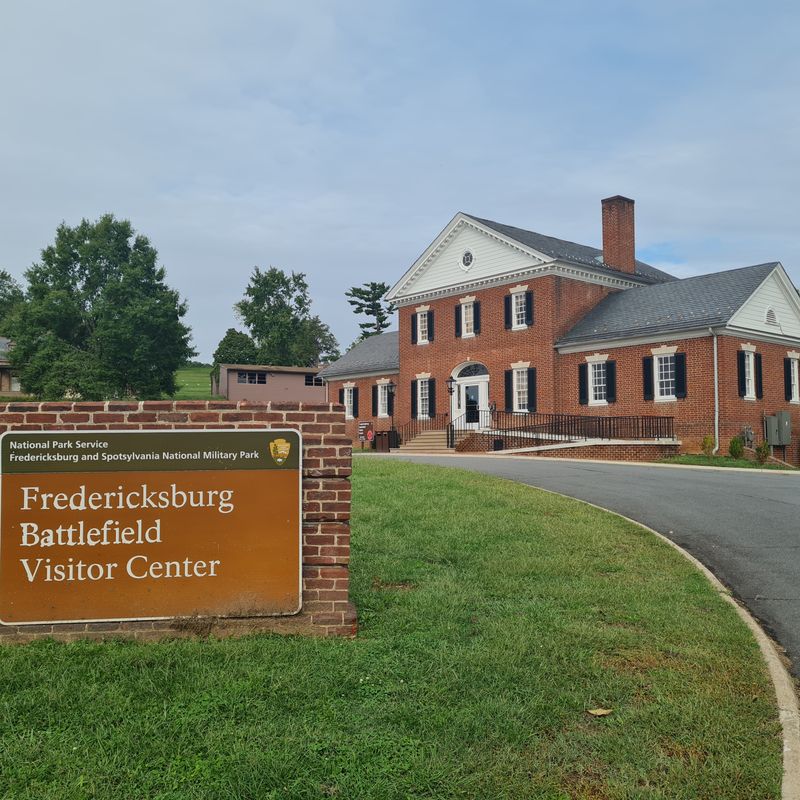
Few places capture the complexity of the Civil War’s middle years like Fredericksburg and Spotsylvania National Military Park.
This extensive park preserves four major battlefields where strategies changed and fortunes shifted dramatically.
Fredericksburg, Chancellorsville, Wilderness, and Spotsylvania Court House each tell distinct stories about the evolution of warfare and leadership during the conflict.
Each battlefield has its own visitor center, blending historical exhibits and artifacts with digital resources detailing troop movements and personal stories.
Guided tours and self-guided trails help visitors appreciate the scale and significance of these encounters.
The park’s wooded terrain and open fields have witnessed pivotal moments in American history.
Exploring these landscapes offers insight into the intense fighting and evolving tactics that defined much of the war’s progress in Virginia.
The range of preserved sites also presents a diverse portrait of the war’s impact across the region’s communities.
At Chancellorsville, visitors learn about one of Robert E. Lee’s most celebrated victories, achieved despite being outnumbered.
The Wilderness battlefield conveys the chaotic nature of combat in dense forest where visibility was limited and confusion reigned.
Spotsylvania Court House features the famous Bloody Angle, where some of the war’s most brutal hand-to-hand fighting occurred.
The Fredericksburg battlefield includes Marye’s Heights, where Confederate defenders repelled repeated Union assaults with devastating effectiveness.
Throughout the park, interpretive programs and ranger talks provide context that transforms battlefield visits into meaningful educational experiences.
The sheer scope of this park allows visitors to trace the war’s progression over multiple campaigns and seasons, understanding how terrain and timing influenced outcomes.
3. Appomattox Court House National Historical Park
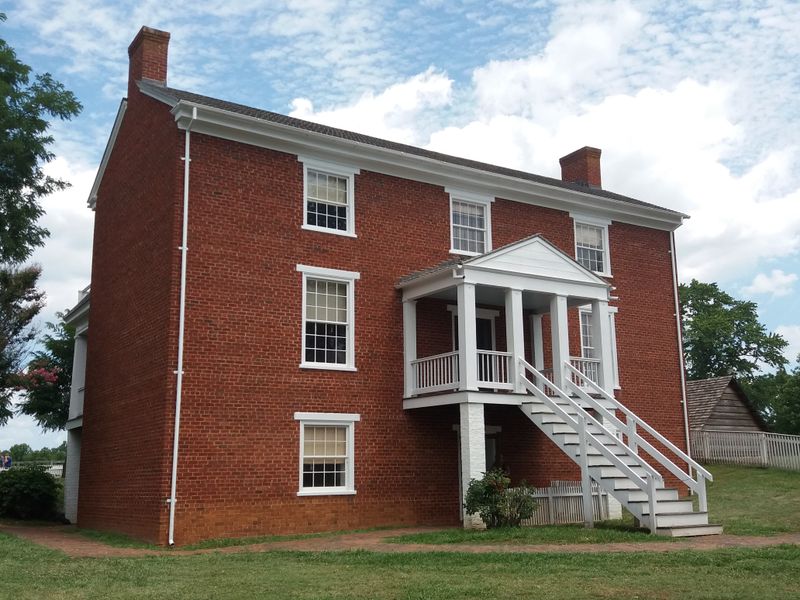
Appomattox Court House National Historical Park stands as a symbol of closure in American history.
Here, on April 9, 1865, General Robert E. Lee met General Ulysses S. Grant to negotiate the terms of surrender, bringing the Civil War to an effective end.
Walking through the restored 19th-century village, visitors encounter structures much as they would have appeared at the time of surrender.
The McLean House, where the signing occurred, is carefully maintained and often staffed by knowledgeable interpreters.
The park offers daily talks, living history demonstrations, and archival exhibits that explore the war’s final days.
The calmness of the village contrasts with the weight of the events it commemorates, making it a thoughtful stop for those interested in the war’s resolution and its aftermath.
Visitors can explore the courthouse, tavern, general store, and homes that formed the small community where history pivoted toward peace.
The surrender site itself is marked with care, allowing guests to stand in the very room where two commanders chose reconciliation over continued bloodshed.
Rangers provide context about the terms of surrender, which were notably generous and aimed at healing rather than punishment.
The park’s exhibits include original documents, uniforms, and personal items from soldiers who were present during those final days.
Seasonal programs often feature reenactors portraying key figures, adding a human dimension to the historical narrative.
The surrounding landscape, with its rolling hills and quiet roads, reinforces the rural character of the location where the nation began its long process of reunification.
Appomattox remains an essential destination for understanding not just how the war ended, but what that ending meant for the future of the United States.
4. Petersburg National Battlefield
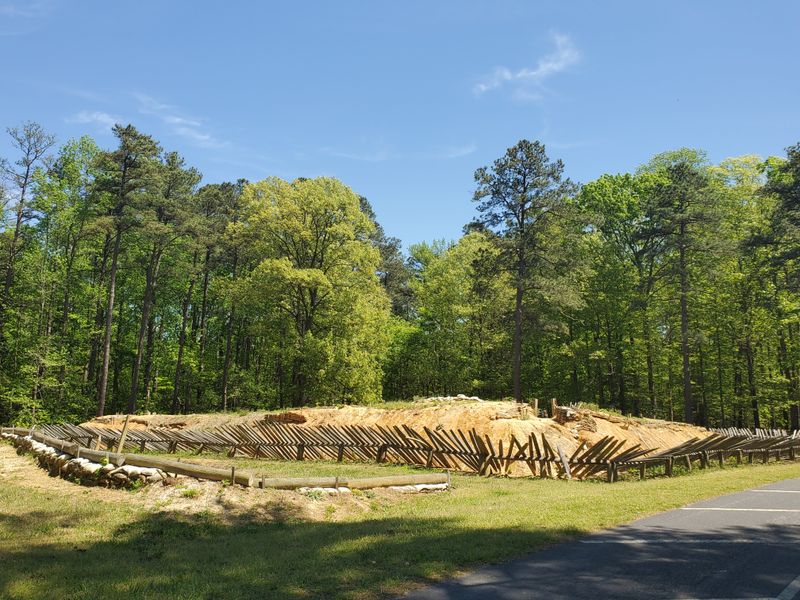
Petersburg National Battlefield tells the story of one of the war’s longest and most consequential sieges.
For over nine months, Union and Confederate forces engaged in a campaign that ultimately severed supply lines to Richmond.
The park’s defining features are its preserved trenches and artillery positions, which stretch for miles across rolling Virginia terrain.
The visitor center provides comprehensive exhibits on siege warfare, including the famous Battle of the Crater.
Driving and walking tours lead guests through key battle sites, cemeteries, and fortifications.
Each stop offers interpretive panels explaining the tactics, hardships, and human experiences of those who fought here.
The site’s layered history makes it a place of both reflection and education for all ages.
The Crater itself remains a haunting landscape feature, a massive depression created by Union forces who tunneled under Confederate lines and detonated explosives.
The subsequent assault turned into a tragic failure, with Union troops trapped in the crater and suffering heavy casualties.
Other sections of the park showcase the evolution of trench warfare, a tactic that would become even more prominent in future conflicts.
Visitors can walk along original earthworks and imagine the daily routines of soldiers who lived in these defensive positions for months.
The park also includes Fort Stedman, site of one of the last major Confederate offensives before the final collapse of their lines.
Educational programs at Petersburg emphasize the strategic importance of the siege and its role in forcing the evacuation of Richmond.
The landscape itself, with its ridges and ravines, helps visitors understand why this location became so critical to both armies.
Petersburg offers a detailed look at siege tactics and the grinding attrition that characterized the war’s final year.
5. Richmond National Battlefield Park
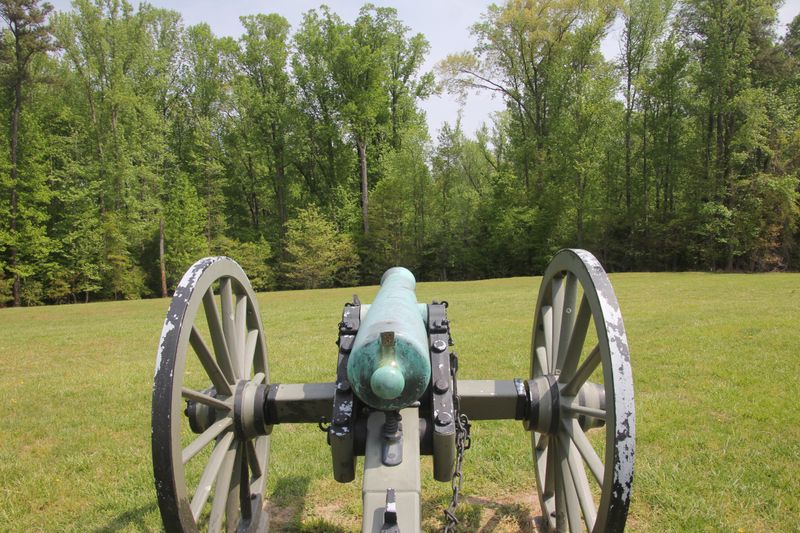
As the former capital of the Confederacy, Richmond was both strategically and symbolically vital during the Civil War.
Today, Richmond National Battlefield Park connects visitors with multiple locations tied to the city’s military significance.
The Tredegar Iron Works, now home to the American Civil War Museum, anchors the park with exhibits on wartime industry and leadership.
Other preserved battlefields, such as Malvern Hill and Cold Harbor, offer contrasting landscapes and stories.
Each site features interpretive trails and wayside markers that highlight the city’s role in shaping military campaigns.
The variety of locations within the park provides visitors with a multi-faceted perspective on Richmond’s wartime legacy and its challenges as a capital under siege.
Malvern Hill showcases one of the Seven Days Battles, where Union artillery repelled Confederate assaults with devastating firepower.
Cold Harbor, discussed separately below, represents one of the war’s most tragic engagements.
The park’s dispersed nature allows visitors to explore different phases of the Peninsula Campaign and subsequent efforts to capture Richmond.
At Tredegar, interactive exhibits detail how the ironworks produced cannons, ammunition, and armor plating for Confederate warships.
The industrial context helps visitors understand the logistical challenges faced by both sides throughout the conflict.
Guided tours and ranger programs connect the dots between individual battles and the broader strategic picture.
The park’s urban and rural sites together illustrate how warfare transformed not just battlefields but entire communities.
Richmond’s preservation efforts have created accessible historical experiences that blend military history with insights into civilian life during wartime.
The park serves as a comprehensive introduction to the campaigns that defined Virginia’s central role in the Civil War.
6. Cold Harbor Battlefield
Known for its grim statistics, the Battle of Cold Harbor remains one of the Civil War’s most sobering engagements.
The battlefield’s preserved trenches and rifle pits are tangible reminders of the high human cost during the 1864 campaign.
The site is part of Richmond National Battlefield Park but stands out for its quiet, contemplative atmosphere.
Walking trails follow the original lines held by Union and Confederate forces, with signs detailing day-by-day movements and outcomes.
Many visitors pause at the memorials and interpretive panels to consider firsthand accounts of the battle.
The landscape’s subdued character encourages reflection on the harsh realities of war and the decisions faced by those in command.
On June 3, 1864, Union forces launched a massive assault against well-entrenched Confederate positions, resulting in thousands of casualties within minutes.
The battle is often cited as an example of the deadly effectiveness of defensive positions and the tragic cost of frontal assaults.
General Grant later expressed regret about ordering the attack, acknowledging the heavy losses it caused.
The preserved earthworks allow visitors to see the defensive advantages that made the Confederate position so formidable.
Interpretive materials include soldier diaries and letters that convey the fear and determination experienced by those who fought here.
The site’s relative quietness today contrasts sharply with the chaos and violence that occurred in 1864.
Educational programs at Cold Harbor emphasize the human dimension of military decision-making and the consequences of tactical errors.
The battlefield serves as a powerful reminder that behind every statistic were individuals with families, hopes, and fears.
Cold Harbor remains an essential stop for those seeking to understand the full scope of the Civil War’s human toll.
7. Cedar Creek and Belle Grove National Historical Park
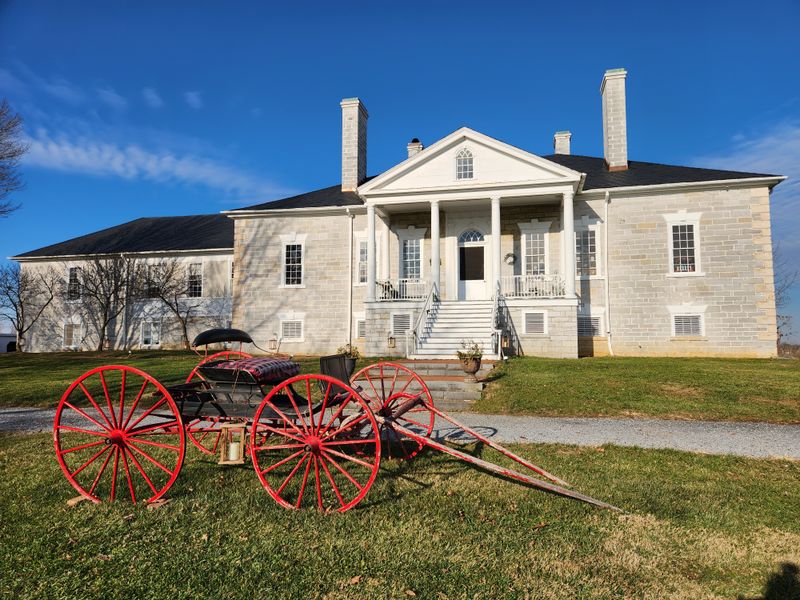
A turning point in the Shenandoah Valley, Cedar Creek and Belle Grove National Historical Park brings together military history and antebellum architecture.
Here, Union troops gained a decisive victory in 1864, altering the course of the Valley Campaigns.
The preserved battlefield is complemented by the stately Belle Grove Plantation, which welcomes visitors for house tours and special events.
Trails and markers interpret the battle’s phases and the strategic importance of this crossroads region.
Annual reenactments and educational programs keep the site’s history accessible and engaging.
The combination of military and civilian stories gives the park a distinctive atmosphere that blends commemoration with ongoing community involvement.
The Battle of Cedar Creek began with a surprise Confederate attack at dawn, driving Union forces back in disarray.
General Philip Sheridan’s dramatic ride from Winchester to rally his troops became legendary, turning near-defeat into decisive victory.
The battlefield’s rolling terrain and creek crossings illustrate the tactical challenges faced by both armies during the engagement.
Belle Grove Plantation itself served as Union headquarters and offers insight into the lives of Virginia’s planter class before and during the war.
The mansion’s architecture and furnishings reflect the region’s agricultural prosperity and the social structures that defined the era.
Interpretive programs at the park explore the connections between military campaigns and the disruption of civilian life in the Shenandoah Valley.
The valley’s agricultural resources made it a strategic target, with both sides seeking to control its productive farmland.
Visitors can explore the battlefield on foot or by car, following routes that trace the morning attack, midday confusion, and afternoon counterattack.
Cedar Creek represents a key moment when Union forces secured control of the valley, denying the Confederacy a vital supply corridor.
8. New Market Battlefield State Historical Park
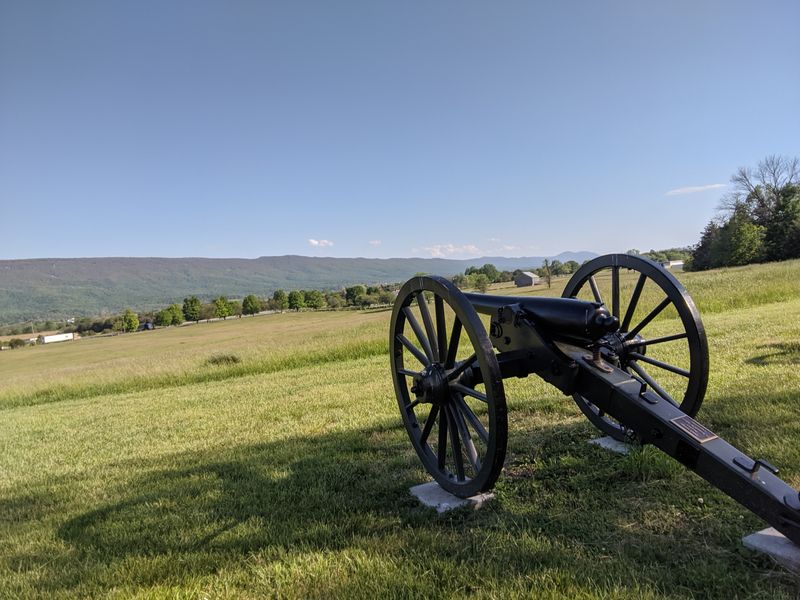
New Market Battlefield State Historical Park is best known for the involvement of young Virginia Military Institute cadets in the 1864 battle.
Their participation became a defining chapter in both local and national memory.
The park preserves open fields and original buildings where the battle unfolded.
The Virginia Museum of the Civil War on-site offers artifacts, dioramas, and films that detail the cadets’ experiences as well as the broader Valley Campaigns.
Visitors can follow walking trails marked with historical information and pause at monuments honoring those who fought.
The site’s educational programs and living history events create opportunities for new generations to engage with the stories that shaped the region.
On May 15, 1864, Confederate forces including 257 teenage cadets from VMI faced Union troops in a desperate attempt to hold the Shenandoah Valley.
The cadets, some as young as fifteen, charged across muddy fields and played a key role in the Confederate victory.
Ten cadets were killed or mortally wounded, and their sacrifice became a symbol of youthful courage and devotion.
The battlefield’s open landscape allows visitors to visualize the movements of troops and the challenges posed by weather and terrain.
The museum’s exhibits include cadet uniforms, personal letters, and weapons used in the battle, bringing individual stories to life.
Annual commemorations at New Market honor the cadets and provide context about the pressures facing the Confederacy in 1864.
The park’s location in the heart of the Shenandoah Valley underscores the region’s strategic importance throughout the war.
Educational programs often focus on the experiences of young soldiers and the impact of war on Virginia’s communities.
New Market offers a unique perspective on the Civil War, blending military history with themes of youth, sacrifice, and regional identity.
Dear Reader: This page may contain affiliate links which may earn a commission if you click through and make a purchase. Our independent journalism is not influenced by any advertiser or commercial initiative unless it is clearly marked as sponsored content. As travel products change, please be sure to reconfirm all details and stay up to date with current events to ensure a safe and successful trip.
