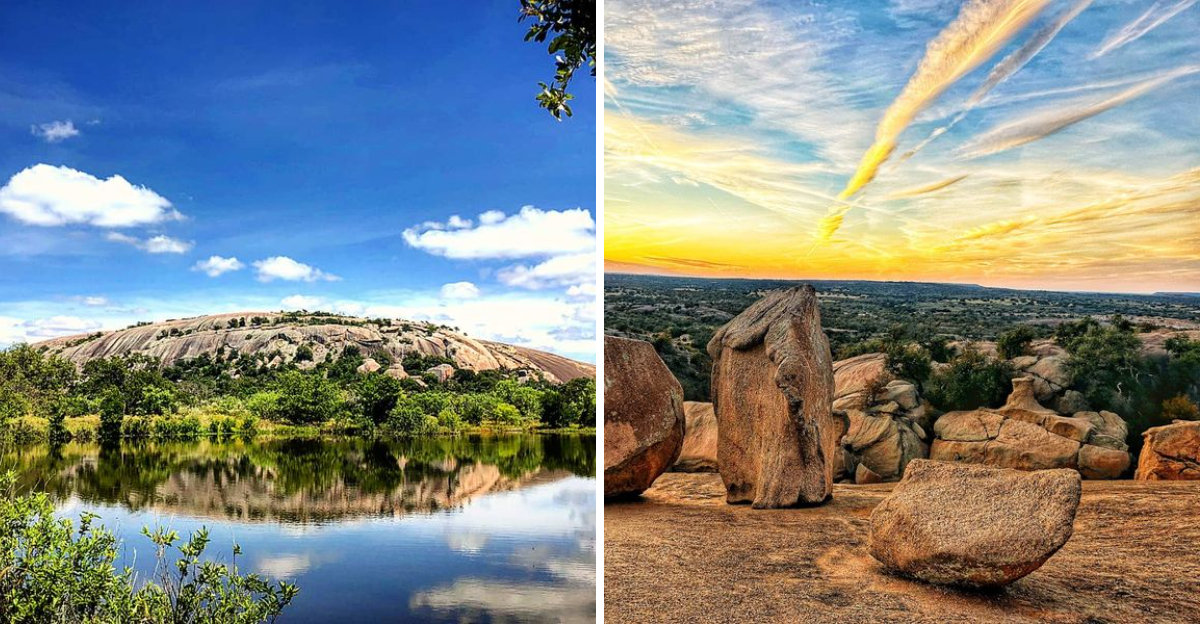
That first step onto the rock feels normal, and then it slowly stops feeling like Texas at all.
The ground turns smooth, pink, and wide open, with nothing but sky and horizon pulling you upward. No trees crowding the view, no distractions, just this massive stretch of stone that keeps going.
It feels a little surreal the higher you climb, like you wandered onto something that doesn’t quite belong here. Texas has its share of big landscapes, but this one hits different the moment you’re on it.
The Giant Pink Dome That Started It All
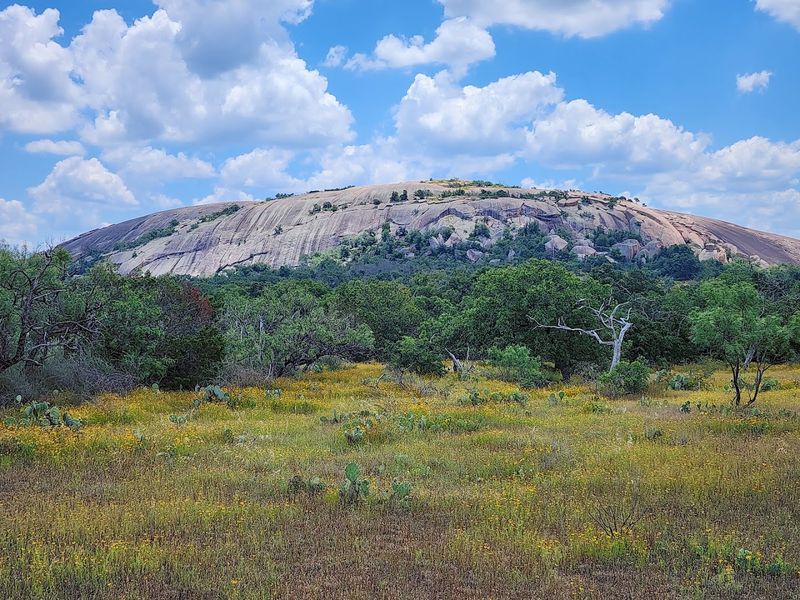
Nothing quite prepares you for the sheer size of Enchanted Rock when you approach it from the parking area. The dome stretches nearly 640 acres across the surface, and it rises about 425 feet above the surrounding terrain.
That is not a hill. That is a statement.
The rock is made of pink granite called Town Mountain Granite, formed roughly one billion years ago deep beneath the earth’s surface. Over millions of years, erosion stripped away the softer rock above it, leaving this enormous dome exposed to the Texas sky.
Geologists call it a batholith, which is essentially a massive blob of cooled magma that never made it to the surface as a volcano.
What makes it feel so alien is the texture and color. The granite has a warm, rosy hue that shifts in tone depending on the time of day.
Early morning light turns it almost golden. At midday it glows pale pink.
Sunset makes it look like it is lit from within. Even seasoned hikers tend to stop and stare for a moment before they start climbing.
It is one of those rare natural landmarks that genuinely earns its reputation every single time.
What the Climb Actually Feels Like
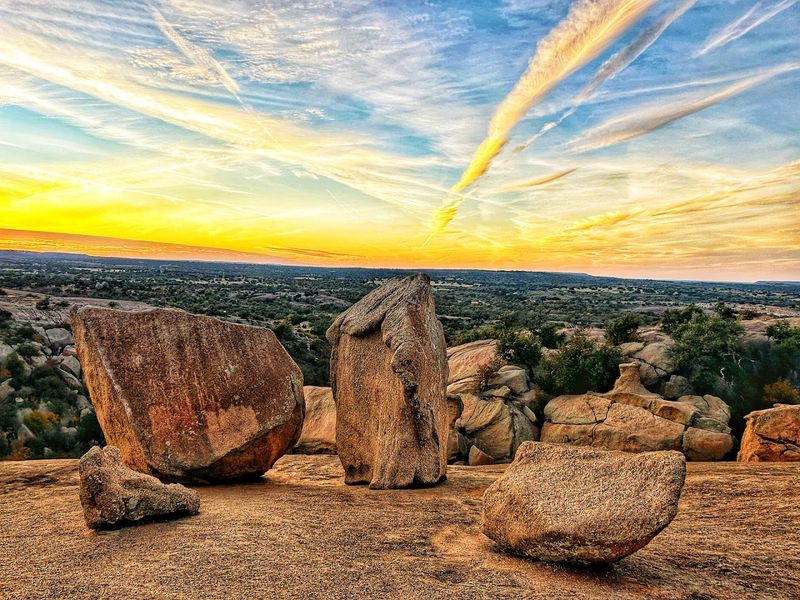
The Summit Trail is the main route up Enchanted Rock, and it is not a casual stroll. The path climbs steeply over bare granite, and there are sections where you are essentially walking up a tilted slab of rock with nothing to hold onto.
Your shoes do most of the work. Good grip matters a lot here.
The trail is about one mile to the summit, but that mile earns every step. Near the top, the incline levels out and you find yourself standing on a broad, open expanse of bare rock that seems to go on forever.
It genuinely feels like stepping onto the surface of some distant moon. The wind picks up, the views open wide, and the world below suddenly looks very small.
I remember pausing near the summit and just taking in the silence. There were other people around, but the space is so vast that you can still find a quiet corner to yourself.
The rock has shallow depressions called weathering pits that collect rainwater, and tiny ecosystems grow inside them. Even at the top, life finds a way.
That detail alone makes the summit feel like something out of a science fiction story.
Rock Climbing and Bouldering for Every Skill Level
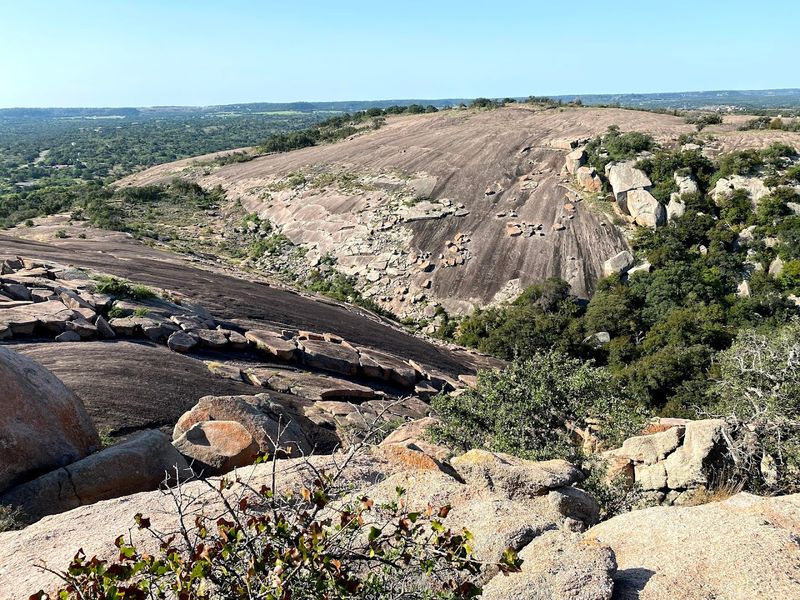
Enchanted Rock is not just a hiking destination. It is a serious climbing area with routes that challenge beginners and experienced climbers alike.
The park has traditional climbing routes, bouldering problems, and even rappelling stations set up at designated spots around the main dome and surrounding formations.
Before you rope up, you have to check in at park headquarters. That is a firm rule, and the rangers take it seriously.
The park emphasizes traditional climbing methods, meaning you should use removable gear rather than pitons. Fixed bolts exist in some areas, but climbers are warned about potential run-outs between anchors, so knowing your ability level before you commit to a route is genuinely important.
Many routes require at least a 70-meter rope, especially for rappelling. Tying a safety knot near the end of your rope before you descend is a habit worth building.
The bouldering scene here is excellent too, with problems spread across various formations throughout the park. Some areas are shaded and stay cool even in summer.
Whether you are a first-time climber with borrowed shoes or someone who has logged years on granite, Enchanted Rock has something that will push you just the right amount.
The Otherworldly Landscape Beyond the Main Dome
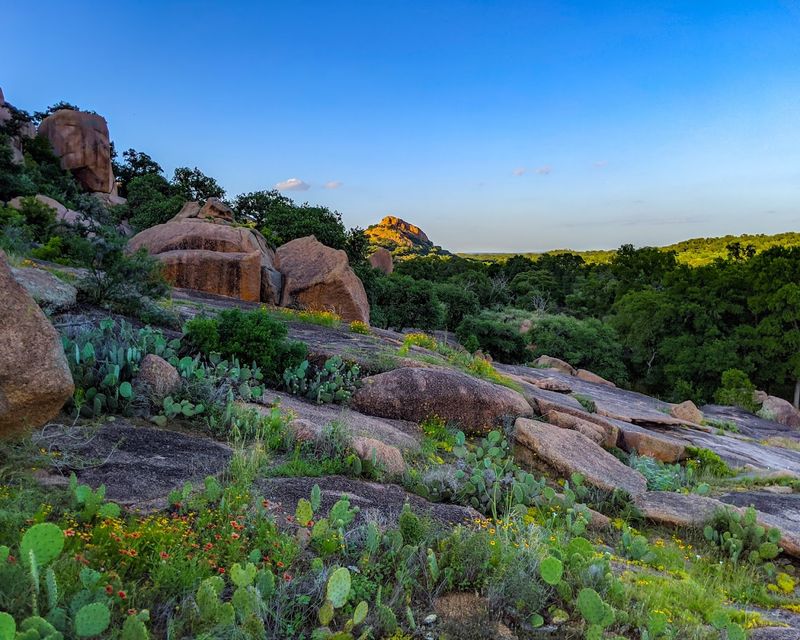
Most visitors focus entirely on the main dome, which is understandable. But the park holds a whole collection of granite formations that are worth exploring on their own terms.
Little Rock, Turkey Peak, Freshman Mountain, and Echo Canyon all offer dramatically different textures and moods compared to the main summit.
Echo Canyon is especially worth your time. It sits between two large granite formations and creates a narrow corridor where sound bounces in unusual ways.
The walls close in, the light shifts, and the temperature drops noticeably. It feels like walking through a completely different environment, even though you are just a short hike from the main trail.
The January 2025 expansion of the park added over 3,000 new acres, bringing fresh granite formations and scenic overlooks into the mix. That is a significant addition, and it opens up terrain that very few people have explored yet.
If you enjoy having a trail mostly to yourself, the newer sections of the park are a good bet. The landscape out there is raw and unpolished in the best possible way, with no crowds and plenty of room to wander without a plan.
Night Skies That Redefine the Word Stargazing
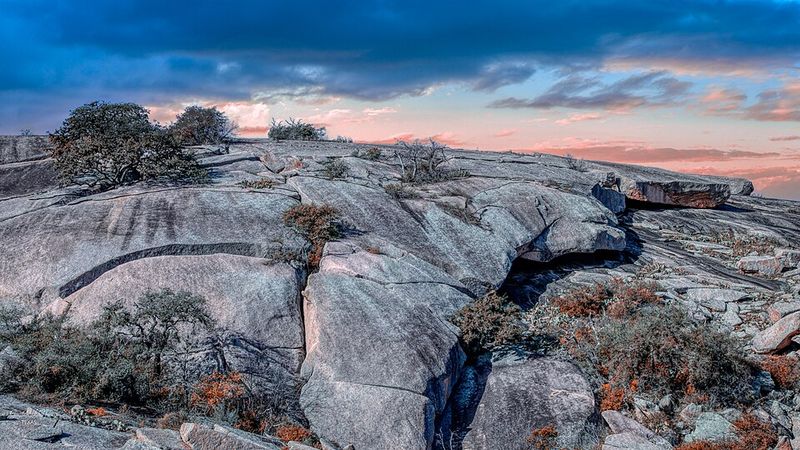
One of the most underrated reasons to visit Enchanted Rock is what happens after the sun goes down. The park sits in the heart of the Texas Hill Country, far enough from major cities that light pollution barely registers.
On a clear night, the Milky Way stretches overhead in a way that feels almost theatrical, like someone turned up the contrast on the universe.
The park offers designated stargazing nights on a regular basis, and rangers sometimes lead astronomy programs that help visitors identify constellations and planets. Even without a guided event, just spreading out a blanket on the granite and looking up is one of the better things you can do in Texas.
The rock holds warmth from the day, so lying on it in the evening is surprisingly comfortable.
Native American groups, including the Tonkawa and Comanche, considered Enchanted Rock a sacred site for thousands of years. Some historians believe the nighttime sounds the rock makes, caused by the granite cooling and contracting after sunset, contributed to legends about the rock being alive or enchanted.
Hearing those faint creaking sounds in the dark while staring at a sky full of stars is genuinely one of the more memorable experiences this park offers.
Wildlife and Tiny Ecosystems Living on the Rock
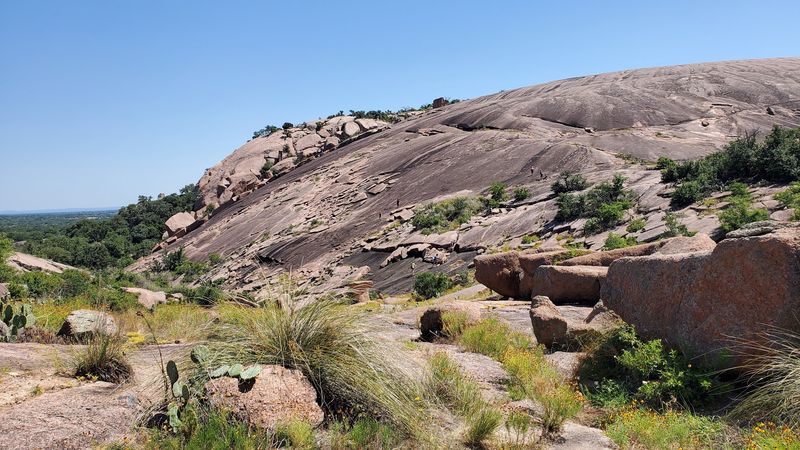
The surface of Enchanted Rock looks barren at first glance, but look closer and you find an entire world operating in miniature. Those shallow depressions in the granite, called vernal pools or weathering pits, fill with rainwater and support surprisingly complex ecosystems.
Fairy shrimp, algae, and specialized mosses live out their entire life cycles in puddles no deeper than your palm.
The surrounding landscape is equally alive. White-tailed deer are common throughout the park, and you might spot them grazing near the trailheads in the early morning.
Roadrunners appear occasionally on the rocky paths, moving with that slightly ridiculous urgency that makes them impossible not to love. Golden-cheeked warblers nest in the juniper and oak woodlands nearby, and they are a rare enough species that birdwatchers make dedicated trips just to spot one.
Texas horned lizards, sometimes called horny toads, also live in the park. They are easy to overlook because they blend so well with the pale granite.
Spotting one feels like a small victory. The biodiversity here is not flashy or dramatic, but it rewards patience and curiosity in equal measure.
The rock itself is the foundation for all of it, quietly supporting life in ways that are not obvious until you slow down and pay attention.
Best Times to Visit and How to Plan Your Trip
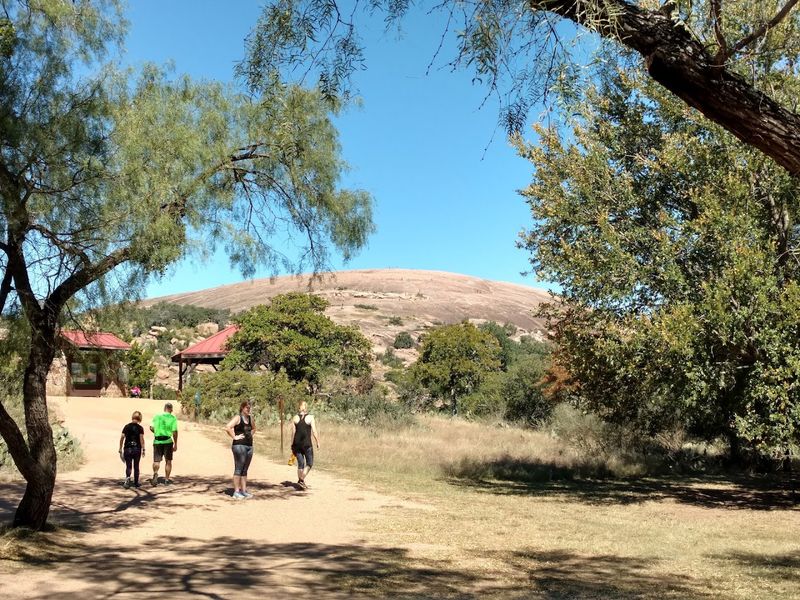
Timing your visit to Enchanted Rock matters more than you might expect. The park reaches full capacity on weekends and holidays, especially between October and April when the weather is cooperative.
Once the parking lot fills, the park closes its gates and turns people away. That is not a rumor.
It happens regularly, and it is frustrating if you drove two hours to get there.
The smartest move is to arrive early, ideally before 9 a.m. on weekends. Weekday visits are generally much easier, and you will have long stretches of trail to yourself.
Spring brings wildflowers to the surrounding meadows, which adds a layer of color to the already dramatic landscape. Fall offers comfortable temperatures and clear skies that make the views from the summit especially sharp.
Reservations for day passes are available through the Texas Parks and Wildlife Department website, and booking ahead is the best way to guarantee entry.
The park also has a campground with both primitive and developed sites, which lets you spread your visit across two days and experience both sunrise and sunset from the dome.
Packing plenty of water is not optional. The granite reflects heat aggressively in summer, and the exposed summit offers zero shade once you are up there.
The History and Folklore Baked Into the Stone
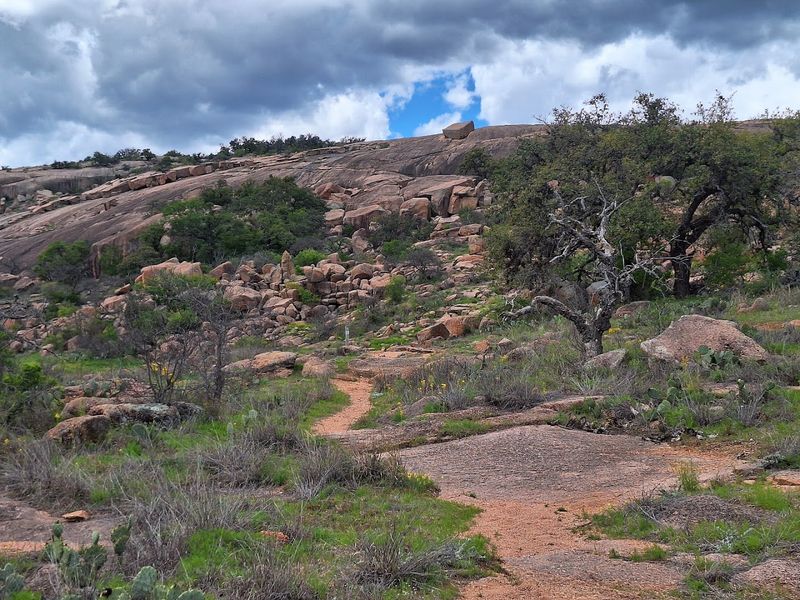
Enchanted Rock has been drawing people for thousands of years, long before it became a state park. Archaeological evidence suggests humans have been visiting this site for at least 11,000 years.
That kind of timeline puts things in perspective fast. The rock was a landmark, a gathering place, and a source of spiritual significance for multiple indigenous groups across countless generations.
The Tonkawa people believed the rock was haunted, and Spanish explorers in the 1700s reported hearing strange sounds emanating from it at night.
Those sounds are real, caused by the granite expanding and contracting with temperature changes, but they carry a different weight when you are standing on the rock in the dark.
The name Enchanted Rock itself is a translation of earlier names given to it by indigenous peoples who recognized its unusual character.
In the 1830s, frontiersman John C. Hays reportedly took shelter on top of the dome during a battle, holding off attackers until help arrived.
Whether every detail of that story is accurate is debated, but the fact that people have been telling dramatic stories about this rock for centuries says something real about its power over the human imagination. Some places just carry history differently than others.
Trails for Hikers Who Want More Than the Summit
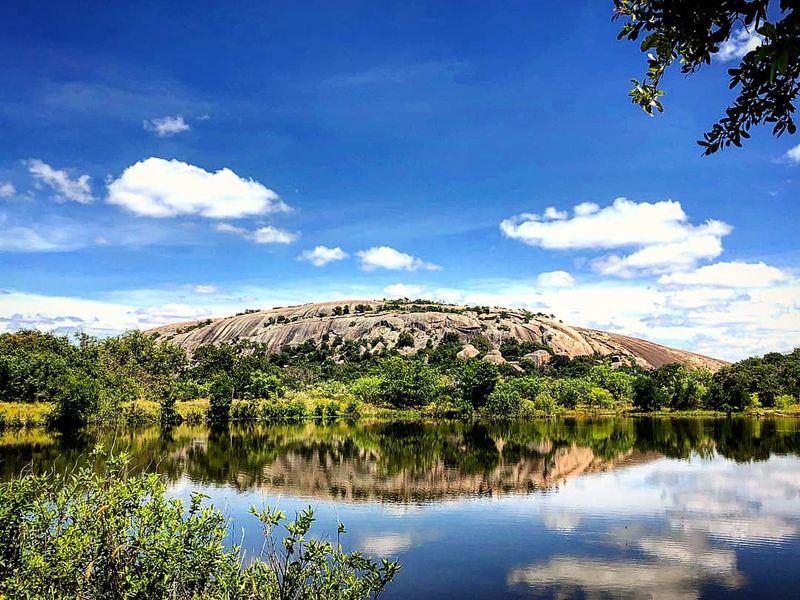
The Summit Trail gets most of the attention, but the park has around 11 miles of trails that take you through genuinely varied terrain. The Loop Trail circles the base of the main dome and gives you a ground-level perspective on just how massive the formation really is.
It also passes through oak and juniper woodland where the light filters differently and the air smells like cedar and dry grass.
The Enchanted Rock Wilderness Trail covers more rugged ground and requires a bit more navigation. It passes through areas that feel genuinely remote, especially now that the park has expanded.
You can combine multiple trails into a longer day hike that hits the summit, circles the base, and winds through the backcountry, covering five to seven miles depending on your route choices.
The Sandy Creek Trail is a calmer option for families with younger kids or anyone who wants a flatter experience. It follows the creek bed through a shaded corridor that feels completely different from the exposed granite above.
Every trail in the park has its own personality, and none of them feel like a consolation prize. The variety is one of the things that makes Enchanted Rock worth more than a single visit.
Practical Gear and Tips to Make the Most of Your Visit
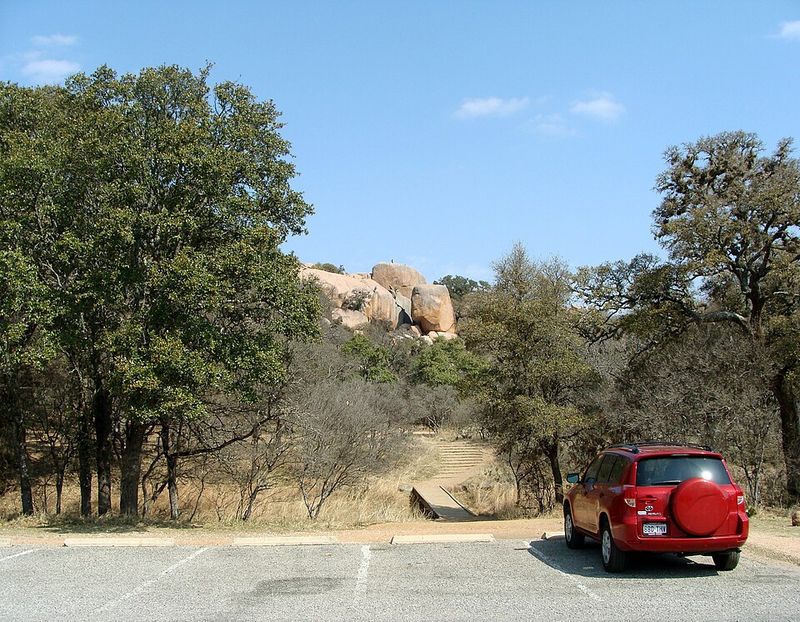
Footwear is the single most important thing to get right before you visit Enchanted Rock. The granite surface is smooth in some places and rough in others, and it gets slippery when wet.
Trail runners or approach shoes with sticky rubber soles handle it well. Sandals and flat sneakers are a bad idea, especially on the steeper sections near the summit.
Sun protection is non-negotiable. The dome is completely exposed, and the reflected heat from the granite adds to whatever the sun is already doing.
A hat, sunscreen, and sunglasses are basics. Bringing more water than you think you need is a habit worth developing before you arrive.
The standard recommendation is at least two liters per person for a summit hike, and more in summer.
If you are planning to climb with ropes, a 70-meter rope is the recommended minimum length for most routes. Checking in at park headquarters before climbing is required, not optional.
For campers, the park has both primitive backcountry sites and developed sites with more amenities. Reserving ahead through the Texas Parks and Wildlife website is the only reliable way to secure a spot.
The park fills up, the trails deliver, and the rock rewards everyone who shows up prepared.
Address: 16710 Ranch Road 965, Fredericksburg, Texas.
Dear Reader: This page may contain affiliate links which may earn a commission if you click through and make a purchase. Our independent journalism is not influenced by any advertiser or commercial initiative unless it is clearly marked as sponsored content. As travel products change, please be sure to reconfirm all details and stay up to date with current events to ensure a safe and successful trip.
