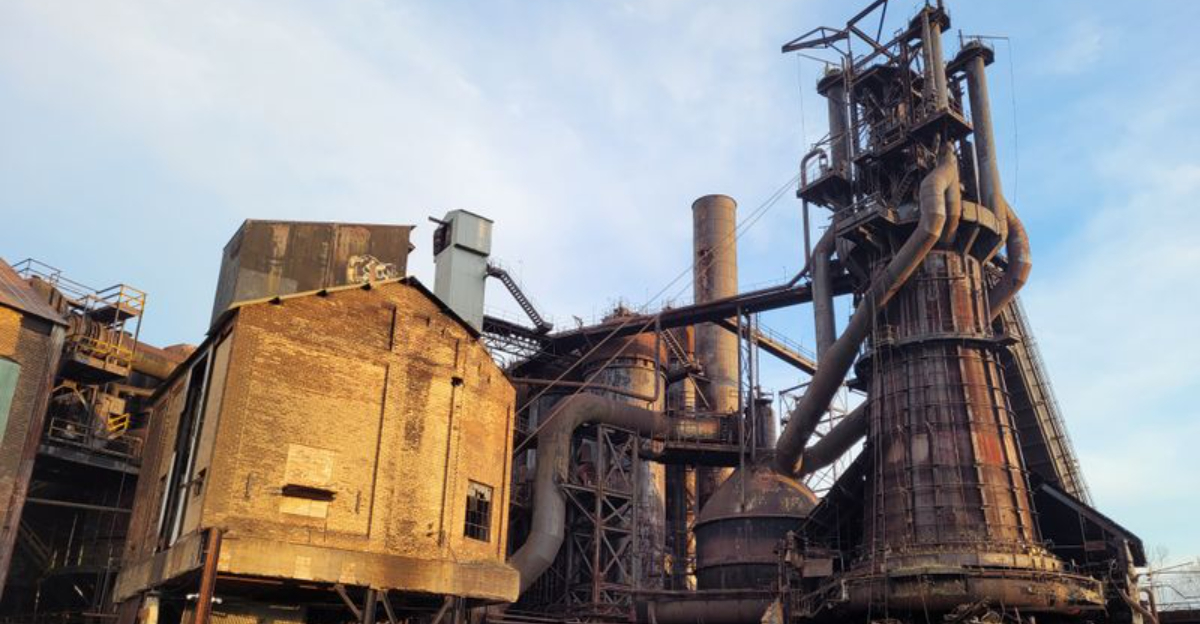
Pennsylvania holds countless memories within its borders, from bustling cities to quiet countryside roads.
Many attractions that once drew crowds have closed their doors, yet they continue to capture the imagination of travelers passing through.
Road-trippers with cameras in hand seek out these abandoned places, drawn by their haunting beauty and the stories they tell.
These forgotten sites offer glimpses into Pennsylvania’s vibrant past, standing as silent witnesses to changing times and shifting interests.
Photographers find endless inspiration in peeling paint, rusted rides, and nature slowly reclaiming what humans left behind.
Whether you’re a history buff or simply curious about urban exploration, these locations represent fascinating chapters in the state’s cultural story.
From amusement parks to industrial sites, each abandoned attraction carries its own unique character and visual appeal.
The following locations remain popular photography destinations despite being closed for years, proving that sometimes endings create their own kind of magic.
1. Abandoned Pennsylvania Turnpike
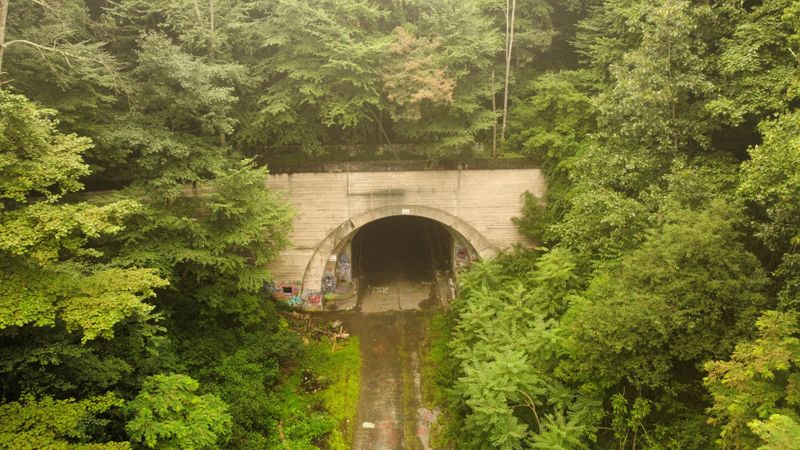
Back in 1968, a 13-mile stretch of America’s first superhighway was bypassed and left to the elements.
The Abandoned Pennsylvania Turnpike between Breezewood and Sideling Hill became an instant time capsule, preserving a piece of mid-century transportation history.
Two tunnels, Rays Hill and Sideling Hill, punctuate this forgotten roadway, their dark passages now covered in colorful graffiti and echoing with dripping water instead of rumbling trucks.
Hikers and cyclists now travel the route that once carried thousands of vehicles daily, experiencing an unusual blend of nature trail and historical monument.
Photographers flock here for the dramatic contrast between human infrastructure and nature’s patient reclamation.
The cracked pavement sprouts wildflowers and small trees, while the tunnel walls display ever-changing street art that ranges from simple tags to elaborate murals.
Sunlight streams through both tunnel entrances, creating natural spotlights that illuminate dust particles and emphasize the tunnels’ impressive length.
The location sits near the Pike 2 Bike Trailhead off Tannery Road in Breezewood, making it relatively accessible for those seeking this unique photo opportunity.
What makes this location particularly special is how it represents both engineering achievement and inevitable obsolescence.
The tunnels were engineering marvels when constructed in the 1880s, yet became bottlenecks that progress simply drove around.
Visitors should bring flashlights for tunnel exploration and wear sturdy shoes, as the pavement has deteriorated significantly over five decades.
The site attracts everyone from professional photographers to casual Instagram users, all captivated by the haunting beauty of this road that time literally left behind.
Spring and fall offer the best lighting conditions, though each season brings its own atmospheric qualities to this remarkable location.
The overgrown landscape creates a serene and slightly eerie backdrop, where nature intertwines with the remnants of human endeavor.
Moss and vines creep along the tunnel walls, softening the hard lines of concrete and steel.
Occasionally, wildlife such as deer or foxes can be spotted wandering along the abandoned roadway, adding to the sense of secluded wilderness.
The graffiti within the tunnels provides an ever-changing gallery, reflecting the creativity and voices of countless visitors over the years.
Historical markers and plaques near the entrances inform visitors about the road’s construction and eventual abandonment, offering context for the unique experience.
Exploring the turnpike allows for a tactile connection to the past, as visitors tread the same pavement once worn smooth by the tires of mid-century automobiles.
This abandoned stretch stands as a reminder of how innovation can both create and render obsolete, leaving behind spaces that are both haunting and beautiful.
The mixture of shadow, light, and decay makes each photograph and personal experience uniquely striking, ensuring the Abandoned Pennsylvania Turnpike remains a favorite destination for adventurers and history enthusiasts alike.
2. Concrete City in Nanticoke
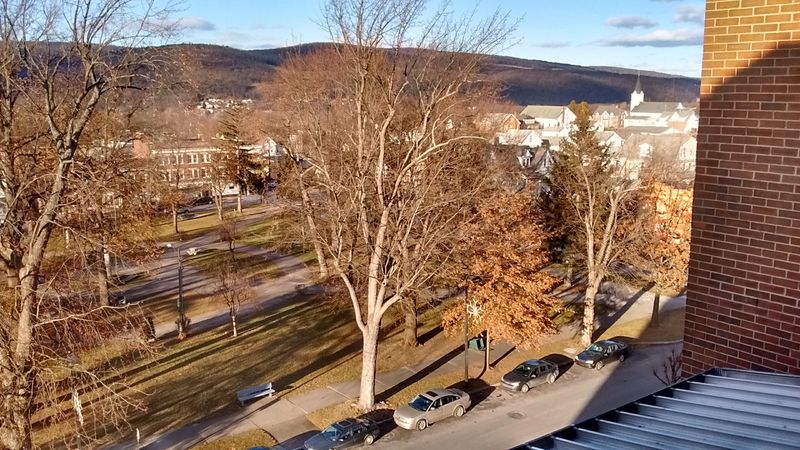
Imagine twenty identical concrete homes standing in two neat rows, built to house coal miners and their families nearly a century ago.
Concrete City was an experimental housing project constructed by the Delaware, Lackawanna and Western Railroad Company in 1911 near Nanticoke.
The company hoped these fireproof concrete structures would provide safe, affordable housing for workers, but the experiment failed within just a few years.
Residents complained about extreme temperatures; the concrete made homes unbearably hot in summer and freezing cold in winter; and everyone had moved out by 1924.
Today, these skeletal structures create one of Pennsylvania’s most photographed abandoned sites.
The identical rowhouses, stripped of roofs and interior walls, stand like giant sculptures against the sky.
Graffiti artists have transformed many walls into outdoor galleries, adding splashes of color to the gray concrete canvas.
Nature has also joined the artistic effort, with trees growing through windows and vines climbing exterior walls.
The site sits on Concrete Street off South Prospect Street in Nanticoke, though visitors should note that access regulations have changed over the years.
Photographers appreciate how the repetitive architecture creates interesting compositional opportunities, especially during golden hour when light streams through empty window frames.
The geometric patterns of identical structures allow for creative framing and perspective shots.
Urban explorers find the site fascinating because it represents an early 20th-century social experiment that simply didn’t work out as planned.
While the homes failed their original purpose, they’ve succeeded in becoming an unlikely monument to industrial-era housing attempts.
Anyone visiting should respect the site and be aware of potential hazards from deteriorating concrete and uneven ground throughout the area.
3. Bethlehem Steel Stacks
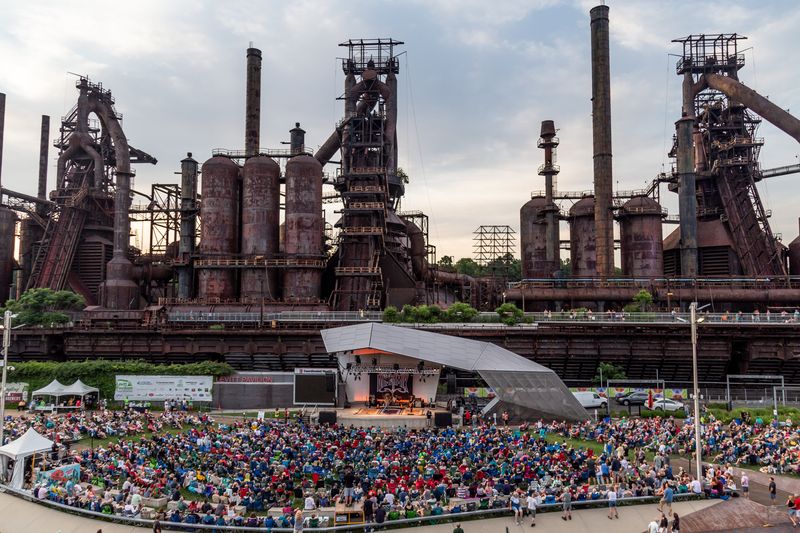
Five towering blast furnaces dominate the Bethlehem skyline, standing as monuments to America’s industrial might and its eventual decline.
Bethlehem Steel once ranked among the world’s largest steel producers, forging materials for the Golden Gate Bridge, Madison Square Garden, and countless warships.
When the plant closed in 1995, it left behind a massive industrial complex that has since become one of Pennsylvania’s most photographed historical sites.
The furnaces themselves rise over 200 feet tall, creating an almost cathedral-like atmosphere that photographers find endlessly compelling.
Unlike many abandoned sites, this location at 101 East First Street in Bethlehem has been partially preserved and incorporated into the SteelStacks arts and cultural campus.
Visitors can take guided tours that explain the steel-making process while walking among the massive equipment that once roared with molten metal and industrial activity.
At night, the furnaces are illuminated with colored lights, transforming the industrial relics into a spectacular light show that draws photographers from across the region.
The contrast between the rusting steel and modern lighting creates surreal images that capture both past and present simultaneously.
What sets this location apart is how it balances preservation with accessibility and artistic reinterpretation.
The site hosts concerts, festivals, and cultural events throughout the year, breathing new life into spaces once filled with industrial noise.
Photographers can capture everything from detailed shots of rusting machinery to wide-angle compositions showing the furnaces against modern Bethlehem.
The location represents not just abandonment but transformation, showing how communities can honor industrial heritage while creating new purposes.
Best photography opportunities occur during special events when the furnaces are lit, though daytime visits reveal incredible textural details in the weathered steel surfaces.
4. Carrie Furnaces
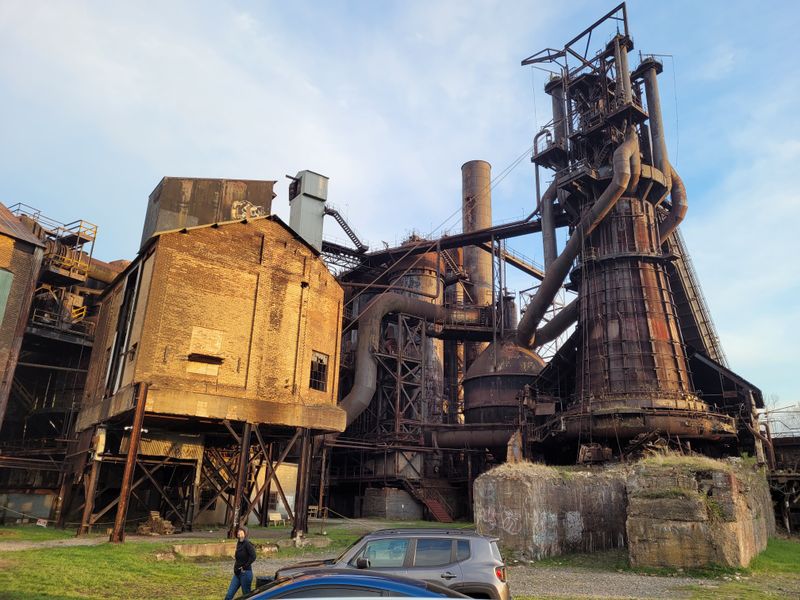
Two massive blast furnaces stand along the Monongahela River, representing some of the best-preserved pre-World War II ironmaking facilities in America.
Carrie Furnaces operated from 1907 until 1982, producing iron for the nearby Homestead Steel Works and playing a crucial role in America’s industrial development.
Unlike most steel facilities that were demolished after closing, these furnaces were saved and designated as National Historic Landmarks.
Their imposing scale and remarkable preservation make them favorites among photographers interested in industrial archaeology and architectural documentation.
The furnaces gained additional fame as filming locations for movies including The Dark Knight Rises and Zack Snyder’s Justice League.
Rivers of Steel National Heritage Area now manages the site at 150 Carrie Furnace Boulevard in Rankin, offering guided tours that allow visitors to climb inside these industrial giants.
Photographers can capture incredible details like the cast house floor, skip bridges, and the massive stoves that heated air for the iron-making process.
The rust-covered structures create dramatic compositions, especially when photographed against sunrise or sunset skies.
What makes Carrie Furnaces particularly special is the combination of accessibility and authenticity.
Unlike many abandoned sites where access is prohibited, here visitors can legally explore and photograph with proper permission during tours.
The site offers educational programs that explain the steel-making process and the role these furnaces played in building America’s infrastructure.
For photographers, the scale is breathtaking; the furnaces tower overhead, creating perspectives that emphasize human achievement and industrial power.
The location provides opportunities for both detailed macro photography of rusting equipment and wide-angle shots that capture the entire complex.
Best visits occur during organized tours or special photography events when access to normally restricted areas becomes available.
5. Alvira Bunkers
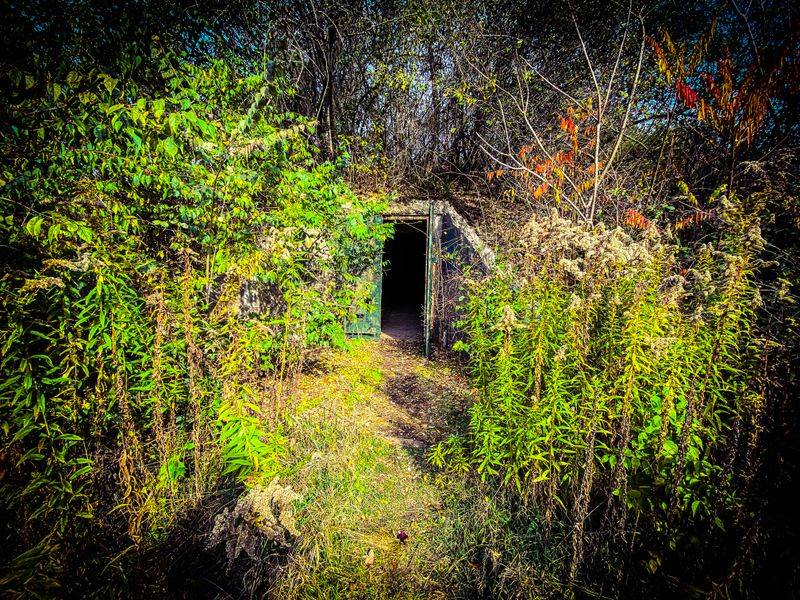
Hidden in the forests of Union County, dozens of concrete ammunition bunkers remain from a World War II ordnance depot that displaced an entire community.
In 1941, the federal government seized over 8,000 acres through eminent domain, forcing residents of the village of Alvira to leave their homes.
The Pennsylvania Ordnance Works manufactured and stored TNT and other explosives here, requiring numerous bunkers spread across the landscape for safety.
After the war ended, the facility closed, and nature began reclaiming the scattered concrete structures that remain today.
The bunkers themselves feature thick concrete walls and earth-covered roofs designed to contain explosions, creating unusual mound-like structures throughout the forest.
Photographers explore the area along trails in the State Game Lands 252, discovering bunkers in various states of decay and vegetation coverage.
Some remain relatively intact with open doorways leading into dark interiors, while others have collapsed or been partially filled with debris.
The combination of military history, displacement narrative, and natural reclamation creates layered meaning that resonates in photographs.
Access is available through State Game Lands near Allenwood, though the bunkers are scattered across a wide area requiring significant hiking.
Many bunkers feature graffiti, though some remain relatively pristine, their concrete surfaces slowly yielding to moss and weathering.
The site represents a little-known chapter of Pennsylvania history, when national defense needs overrode local communities and individual property rights.
For photographers, the bunkers offer unique subjects; human-made structures designed for destruction now serving as peaceful forest sculptures.
Fall colors provide particularly striking backdrops for the gray concrete bunkers, while winter snow emphasizes their geometric forms against organic forest shapes.
Visitors should exercise caution around unstable structures and be aware they’re exploring active game lands with seasonal hunting restrictions.
6. Laurel Hill Tunnel
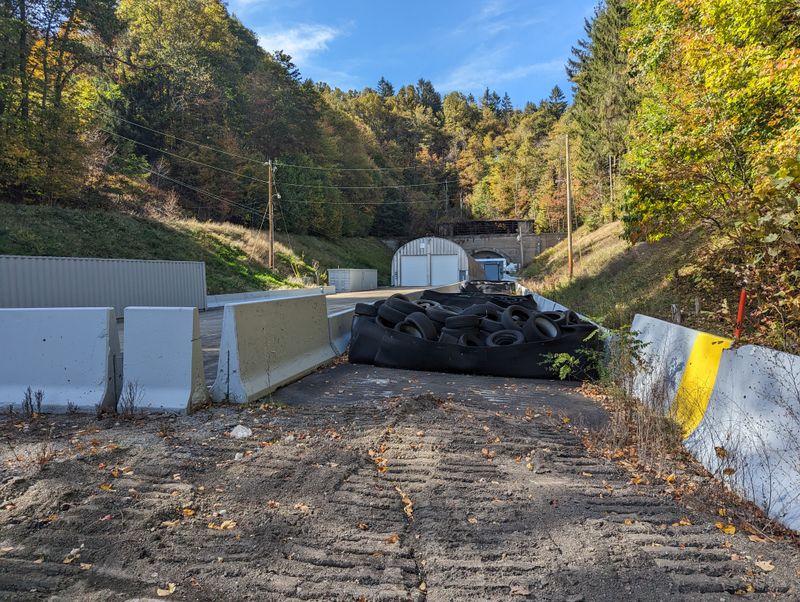
Carved through solid rock in the 1850s, the Laurel Hill Tunnel once carried Pennsylvania Railroad trains through the Allegheny Mountains.
At 4,460 feet long, it represented a major engineering achievement in its era, allowing trains to pass through rather than over the challenging mountain terrain.
The tunnel served trains for over a century before being abandoned in 1981 when a new tunnel was completed nearby.
Today, it stands sealed at both ends, though the impressive stone portals remain visible and photographable from the surrounding area.
Photographers seek out the eastern portal, where the stone archway frames the sealed entrance and demonstrates the craftsmanship of 19th-century railroad construction.
The tunnel’s location within the Laurel Hill State Park area means it’s surrounded by beautiful mountain scenery that changes dramatically with the seasons.
Moss and small plants grow on the stonework, adding organic textures to the precisely cut blocks that form the tunnel entrance.
The combination of natural setting and historical infrastructure creates images that speak to Pennsylvania’s transportation evolution and the infrastructure we leave behind.
Access requires hiking on the Laurel Highlands Hiking Trail near the intersection with Route 31 in Somerset County.
While the tunnel itself cannot be entered safely due to deteriorating conditions and sealed entrances, the portals alone provide excellent photographic subjects.
The site represents the era when railroads conquered mountains and connected distant cities, transforming American commerce and travel.
For photography enthusiasts, the location offers opportunities to capture how nature and human engineering coexist over time.
The stone portal stands as a monument to workers who carved through solid rock with primitive tools and determination.
Best photographs occur during early morning or late afternoon when side lighting emphasizes the texture and depth of the stone archway.
Dear Reader: This page may contain affiliate links which may earn a commission if you click through and make a purchase. Our independent journalism is not influenced by any advertiser or commercial initiative unless it is clearly marked as sponsored content. As travel products change, please be sure to reconfirm all details and stay up to date with current events to ensure a safe and successful trip.
