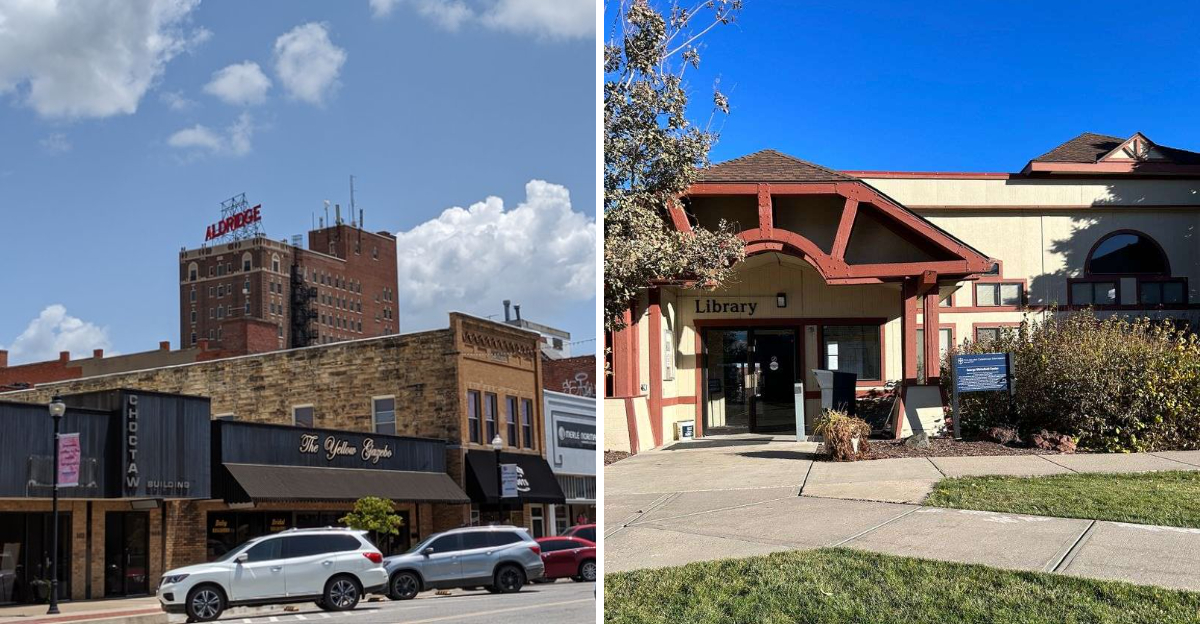
Oklahoma hides its mining scars beneath quiet streets and wind worn headframes, and that silence invites curious travelers to look closer.
These coal linked towns rarely make glossy brochures, yet their landscapes and landmarks hold stories that shaped communities across the state.
You will find modest main drags, shaded cemeteries, and brick remnants that point to boom and bust.
Follow along for overlooked stops where Oklahoma history still whispers from porches and slag piles.
Picher

Picher sits at the far northeast tip of Oklahoma, with empty avenues and roofless storefronts that feel frozen in time.
Although famous for lead and zinc, the town mirrors coal country scars, with chat piles and skeletal frames ringing the horizon.
Visitors stand in the hush and feel the echo of shift whistles that once coordinated entire days.
The core blocks near 200 S Connell Ave, Picher, OK feel like an outdoor museum stripped to foundations and shadows.
Most houses are gone, yet curbs and driveways trace old neighborhood grids that read like a map without labels.
There is no formal visitor center, so exploration is careful, respectful, and quick, guided by common sense and posted signs.
Storm damaged churches and stenciled storefront glass still catch the light, hinting at packed Sundays and payday crowds.
Track corridors remain as corridors of memory, where rail once hauled ore and supplies through the prairie fringe.
You will not find souvenir shops here, only wind, crickets, and the rattle of loose metal in the breeze.
The emptiness becomes the exhibit, a rare chance to contemplate extraction, prosperity, and departure in a single frame.
Whitefield
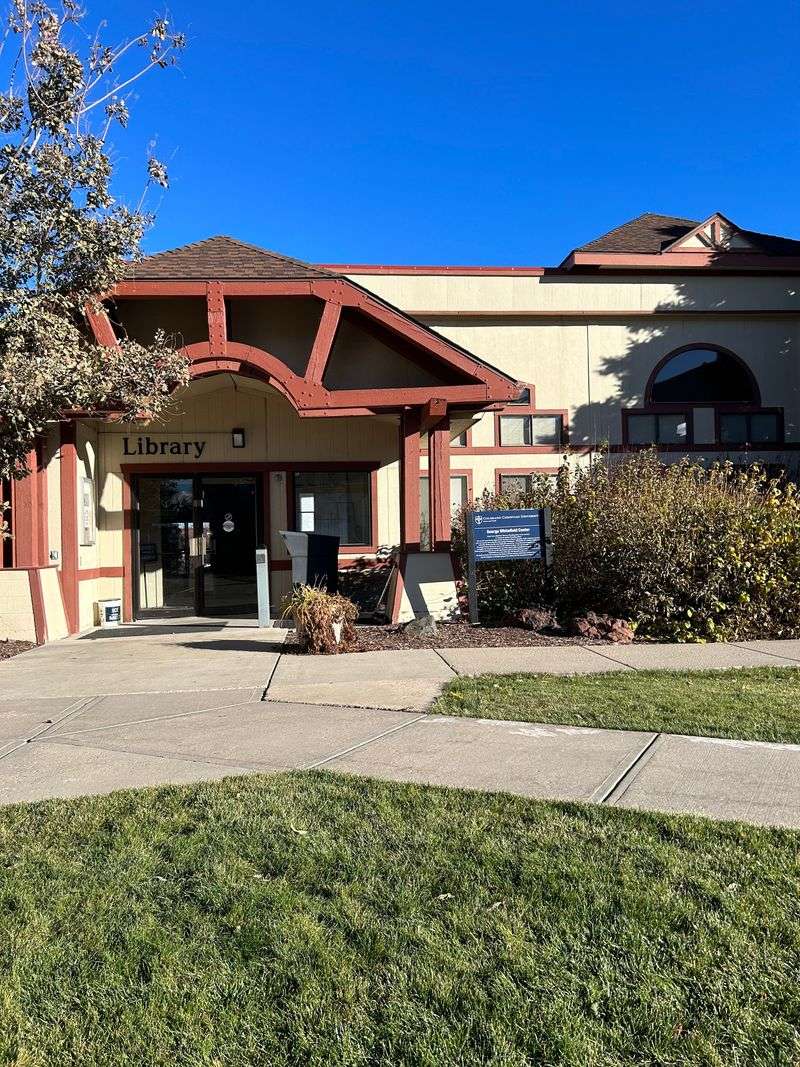
Whitefield rests by the Canadian River, a small settlement whose calm masks a rough edged past shaped by nearby mines and camps.
The town center around 109 Main St, Whitefield, OK carries modest buildings, tin roofs, and shade that cools slow afternoons.
Old stories drift from porches about crews who once moved with the seasons and the seams.
Gravel spurs and faded alignments suggest the routes that hauled coal to depots farther west.
Today you notice gardens, mailboxes, and stray brick footings that hint at bunkhouses long dismantled.
It is a place to park, walk a block or two, and read the streetscape like a ledger.
Local cemeteries on the edges mark surnames that repeat across rows, binding families to cycles of risk and grit.
River bottom land nearby softens the scene, with sycamores and sandbars quieting what industry once demanded.
Visitors find solitude here, not attractions, and that calm turns the past into something almost touchable.
Whitefield shows how Oklahoma holds history in plain sight, without plaques, simply through a town that kept breathing.
Coal Hill
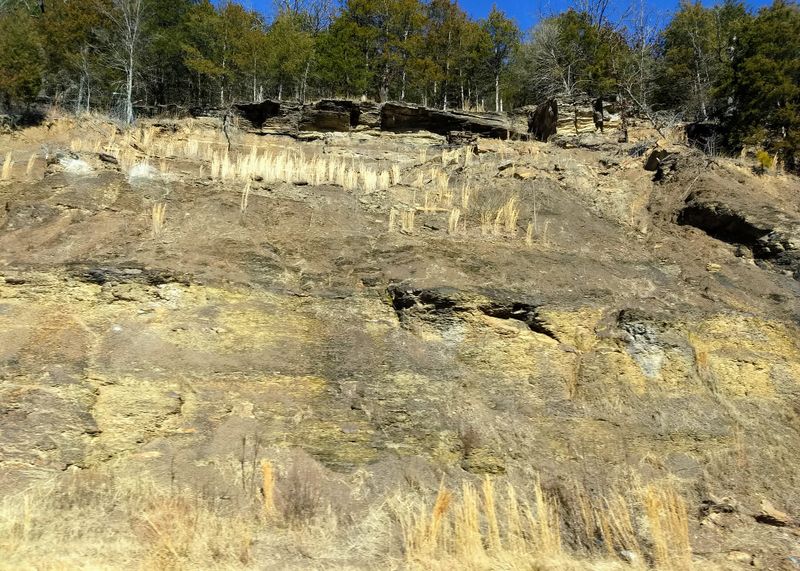
Coal Hill is small, a name more than a cluster, yet the name alone tells you why people stopped here.
Set near Sallisaw, the area around E 1080 Rd and 4680 Rd, Coal Hill, OK speaks with fences, mail posts, and tree lines.
You track the past by studying terrain, where gentle rises may hide shallow pits and capped shafts.
There are no museums, just a sense of work done out of view, then folded back into pasture.
Old equipment sometimes rests behind barns, iron stained and quiet, like punctuation from another era.
Stand still and you can picture mule teams, wagons, and lanterns hovering at dusk.
The soundscape is all birds and wind, the opposite of the hammering days that once defined the ridge.
Photographs favor crossroads and sky, clean compositions that underline how little remains and how much lingers.
You will leave with a better feel for how Oklahoma history spreads beyond courthouse squares.
Coal Hill proves that a place can be a paragraph, short but memorable, in the state story.
Scipio
Scipio sits in Pittsburg County, a gentle bend of road and fields that once supported deeper industry than its size suggests.
The crossroads near 10801 N Scipio Rd, Scipio, OK places you by an old church and a cemetery layered with regional names.
Foundations hide in the grass, and stone footings peek from fencelines like unearthed index cards.
Coal drew people here, then let them slip away, leaving the town to its quiet cadence.
Look for weathered sheds, a hand painted sign, and fence wire humming when the wind changes.
Every detail adds up to a ledger of labor, family, and patient land.
Walk a short loop, keep to roadsides, and let the grid of fields explain how camp life fed the seams.
No tours, no gift racks, only room to think about cycles that shaped Oklahoma communities.
Photographers can frame the church steps or cemetery gates, respectful angles that honor names and dates.
Scipio rewards a slow hour, a notebook, and an ear for the low music of rural space.
Blanco
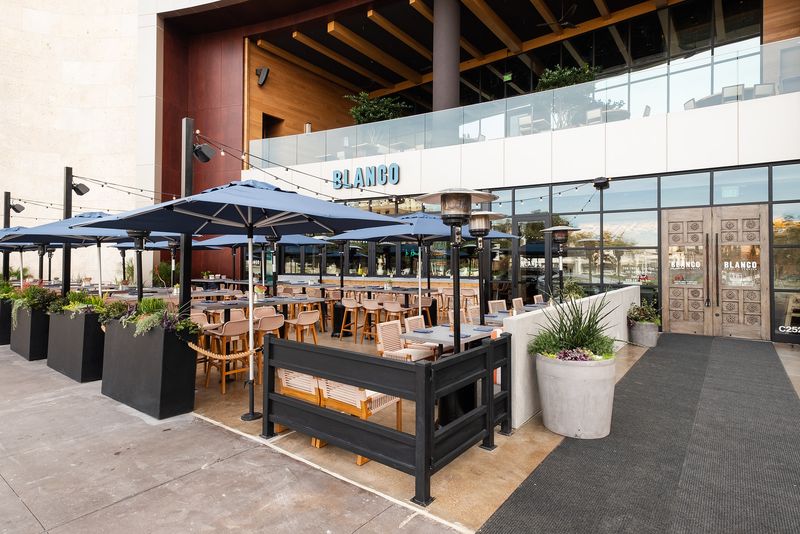
Blanco once served coal hands moving between shafts around Pittsburg County, and that purpose still shows in its simple layout.
The intersection by 100 Blanco Rd, Blanco, OK gathers a few buildings, open lots, and the feel of a stage after curtain.
Grass grows through gravel, and porch posts lean like elders remembering busier seasons.
Coal towns rarely kept what the seams took, and Blanco becomes a case study in modest survival.
Step lightly, photograph facades, and notice how utility poles line up like markers for vanished storefronts.
Rail spurs are long gone, yet the corridor remains etched in how the road meets the horizon.
Locals will nod, and that is welcome enough in a place that values steady days over spectacle.
A small church and yard anchor weekends, drawing a circle around community life that endured collapse.
The Oklahoma sun can be fierce, so visit early or near sunset and read shadows on clapboard walls.
Blanco feels honest, a short stop that enlarges the map of the state’s working past.
Henryetta
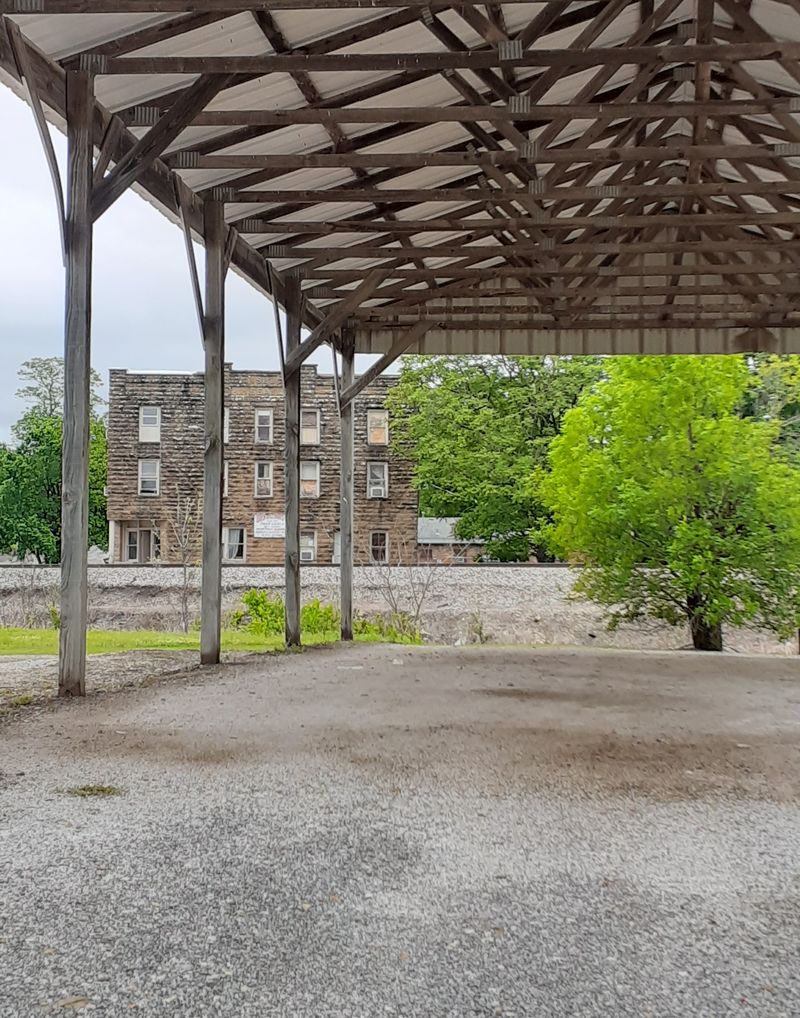
Henryetta is larger than most towns on this list, yet its coal lineage often hides behind later industry and sports talk.
Downtown along 406 W Main St, Henryetta, OK greets you with brick blocks, old signage, and time polished thresholds.
A short walk reveals hints of company housing patterns that once orbited nearby pits and tipples.
The city museum and murals broaden the story, but the streets themselves hold the richest texture.
Look for alley views where stacked stone and patched brick tell of freight days and long shifts.
Side streets deliver weathered facades perfect for wide frames and clean lines.
Henryetta balances memory with momentum, showing how Oklahoma towns adapted when coal receded.
Parks and ballfields fill voids where industry once concentrated noise, smoke, and payrolls.
Visitors find a comfortable base for exploring smaller ghosted sites circling the region.
Walk slow, read the bricks, and you will hear the town explain itself without a brochure in sight.
Hartshorne
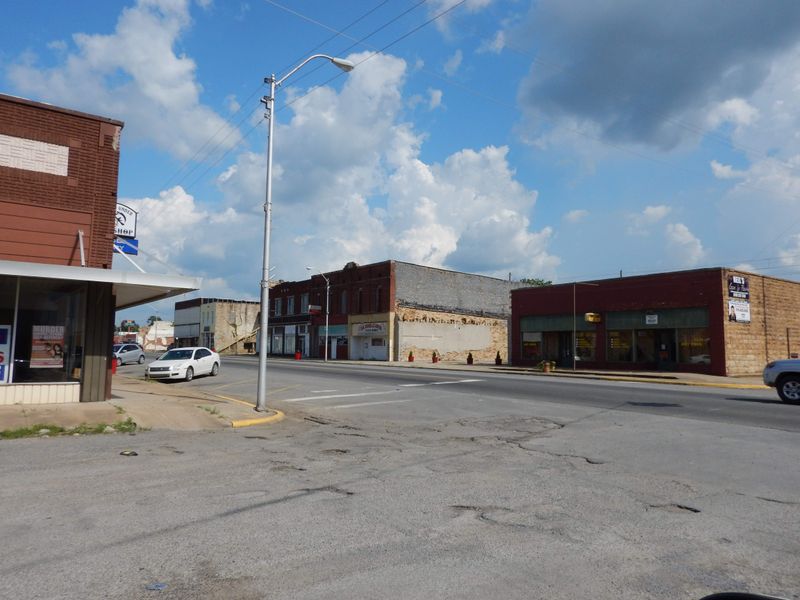
Hartshorne grew with coal, then learned to keep going when the seams thinned and the trains changed their timetables.
Main Street near 1001 Pennsylvania Ave, Hartshorne, OK shows tidy awnings, brickwork, and hints of Italian and Eastern European roots.
Neighborhood grids reveal modest houses built close to work, close to the whistle, and close to each other.
You can trace labor stories in lodge halls and corner steps that have seen countless boots.
The hills south and east still hold scars softened by oak and pine, a patchwork of recovery.
Walk the storefronts, listen for shop bells, and frame doorways that once cycled crowds at shift change.
Local cemeteries display languages and symbols that speak to migration and solidarity.
Murals and small displays remind visitors that coal money funded churches, ball teams, and mutual aid.
Hartshorne invites a respectful pace, a camera, and questions about how communities rebuild after the boom.
It is Oklahoma in concentrated form, resilient, textured, and proud of the ground that made it.
Wilburton
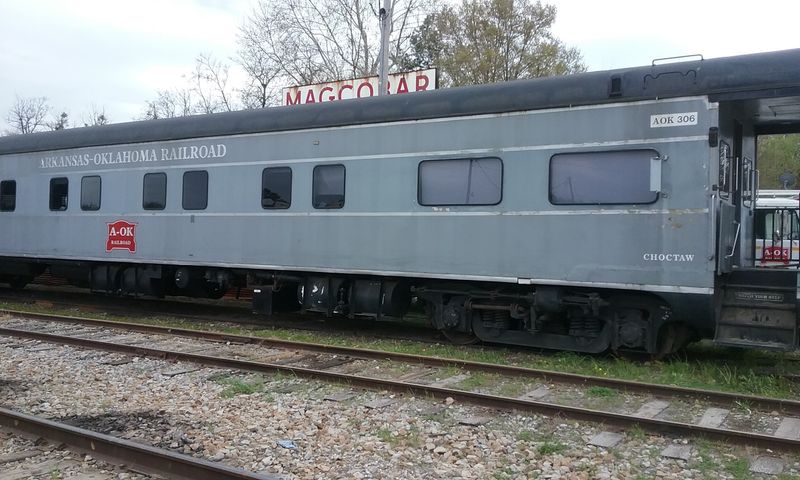
Wilburton served as a regional hub during the coal years, linking camps in the hills to rail and county business.
The area near 109 N Central Ave, Wilburton, OK centers on the courthouse, tidy storefronts, and straightforward sidewalks.
Look closely and you notice loading patterns baked into alleys that once fed freight to rail cars.
Limestone blocks and brick pilasters record a confidence drawn from payrolls that pulsed through town.
Today the pace is even, with benches and planters softening the working geometry of the core.
Photographers can find clean sightlines and warm textures that tell a practical Oklahoma story.
Conversations drift from doorways, and you realize that small institutions still knit the place together.
Out on the edges, reclaimed land shows how extraction sites turned into pasture and trail.
Wilburton rewards attention to details, from lintels to loading docks, each with its own chapter.
It stands quietly, asking you to see what remains instead of what vanished.
Talihina
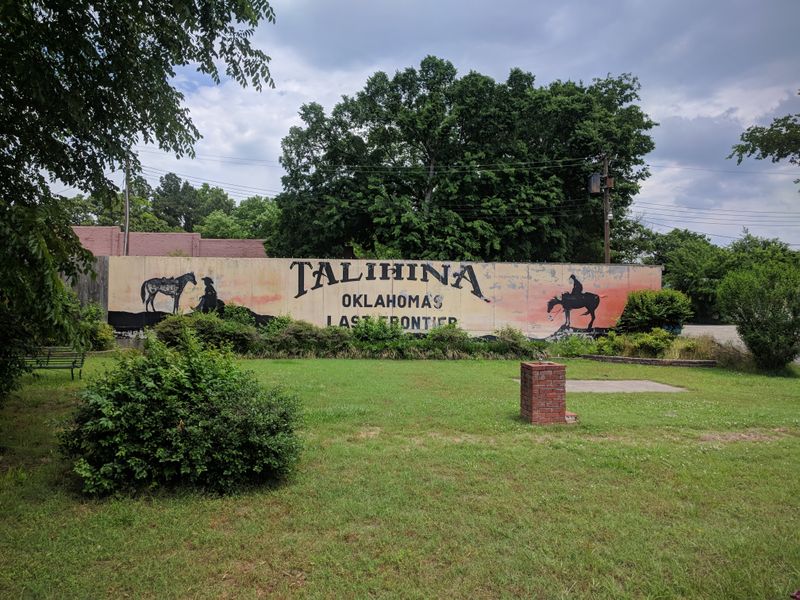
Talihina rests at the foot of the Ouachitas, a gateway better known for scenic drives than the coal economy that once orbited nearby.
Along 407 Dallas St, Talihina, OK the storefronts wear simple lines that suit a service town with hardworking roots.
Coal camps fed trade here, sending pay into hardware aisles and boarding rooms before the roads turned modern.
Today visitors come for vistas, yet the streets still hum with the memory of supply runs and meeting nights.
Step along the sidewalks and frame the view where brick, sky, and low ridges share the same picture.
Benches face outward, giving a stage for dusk when the town grows quiet and lights find the windows.
Old freight paths bend into parking lots, small traces that make sense once you notice patterns.
Talihina teaches that Oklahoma history is layered, with nature and labor stitched into one scene.
It is a gentle stop, suited to thoughtful minutes rather than a packed schedule.
You leave with a sense of connection that outlasts a snapshot.
McAlester and Vicinity
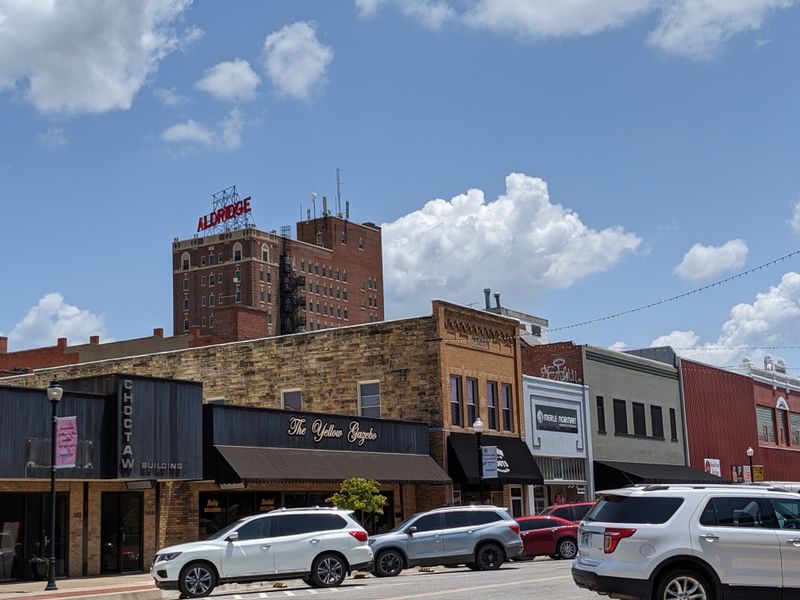
McAlester anchors southeastern Oklahoma, a place where coal once structured jobs, rail schedules, and neighborhood loyalties.
Downtown near 1 E Carl Albert Pkwy, McAlester, OK blends courthouses, storefront cornices, and wide crossings made for freight.
The surrounding countryside hides ghosted camps, with faint grids and foundations under sumac and broom sedge.
You can sense the network at work, from company stores to spur lines that fed main routes.
Museum displays help, but the streets carry the heaviest weight, brick on brick, block by block.
Photographers find dignified facades that shift color with clouds and late day sun.
Nearby communities echo the pattern, their modest cores aligned with former shafts and tramways.
Walk two or three blocks, pause, and match old maps in your mind to doorways and alleys.
McAlester presents the coal era not as nostalgia, but as infrastructure still shaping daily circulation.
The lesson lands gently, and it lingers every time a train horn threads the air.
Krebs
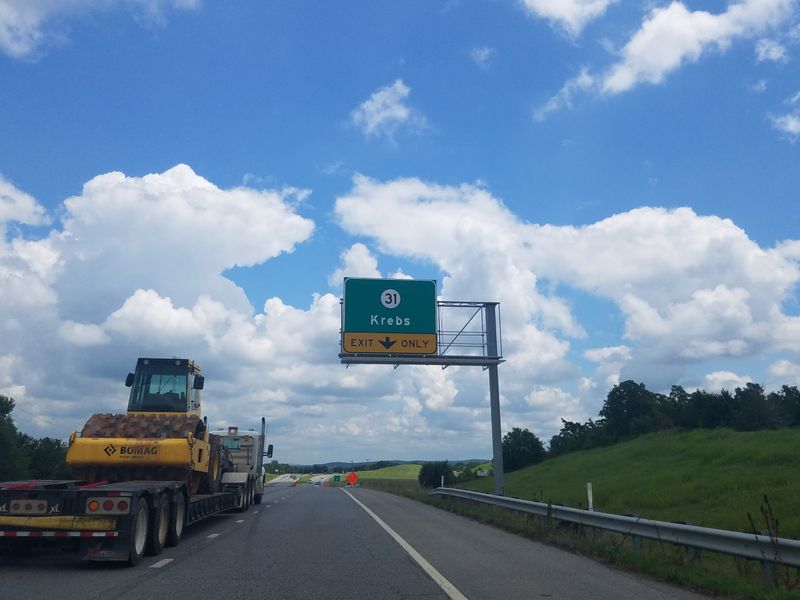
Krebs lives just east of McAlester, a community whose identity formed around mines and the families who worked them.
The heart near 205 E 2nd St, Krebs, OK shows low brick, tidy sidewalks, and civic buildings that grew with payroll days.
Many visitors arrive for restaurants, yet the town itself deserves slow steps and a longer look at foundations.
Porches and stoops speak to shift patterns, with conversations that once rose and fell with whistles.
Old photos in public spaces connect surnames to crews, camps, and parish halls that anchored life.
You can frame storefronts and benches without rush, capturing textures that carry decades of care.
Side streets uncover workshop doors and outbuildings, an everyday museum of tools and trade.
Krebs remains proud of its heritage, protective of memory, and generous to visitors who show respect.
It tells a clear Oklahoma story about work, family, and roots that hold in lean times.
Leave with images of brick, light, and community, the real souvenirs of a coal town that kept going.
Dear Reader: This page may contain affiliate links which may earn a commission if you click through and make a purchase. Our independent journalism is not influenced by any advertiser or commercial initiative unless it is clearly marked as sponsored content. As travel products change, please be sure to reconfirm all details and stay up to date with current events to ensure a safe and successful trip.
