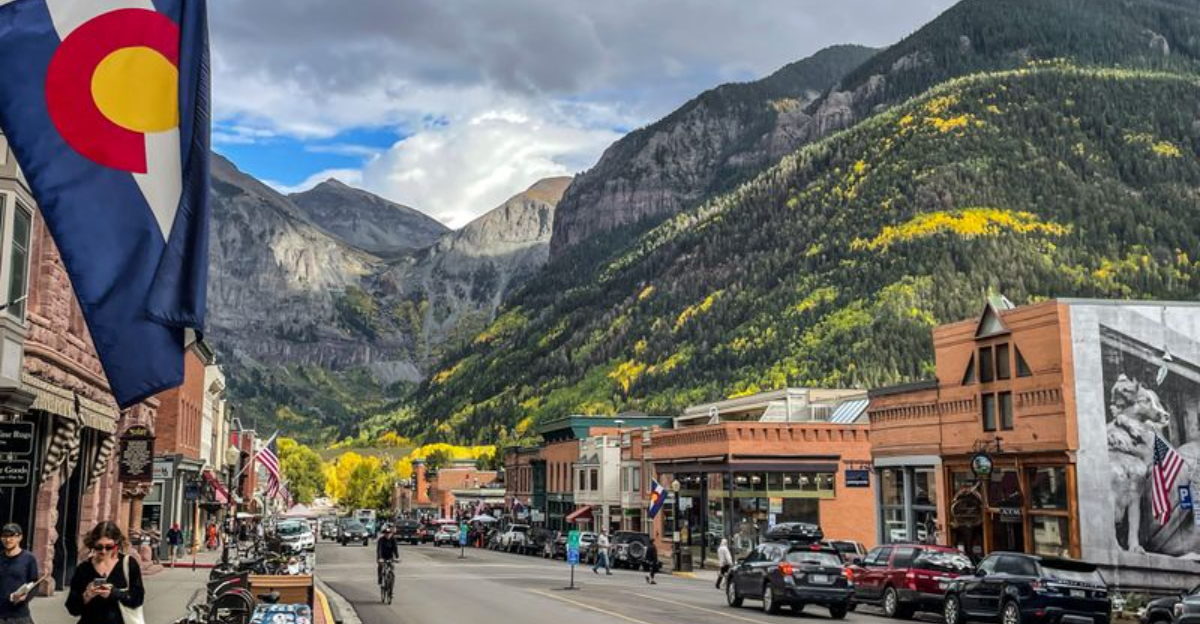
Colorado’s mountain landscape hides dozens of quiet villages that rarely make the travel brochures or Instagram feeds.
While places like Aspen and Vail draw massive crowds year-round, these lesser-known communities offer the same breathtaking scenery, rich history, and outdoor adventure without the hustle.
From historic mining towns frozen in time to artistic enclaves tucked between towering peaks, these villages reveal a side of Colorado that feels more authentic and welcoming.
Whether you’re seeking wildflower meadows, hot springs, or simply a peaceful mountain escape, these hidden gems deserve a spot on your travel list.
1. Crested Butte
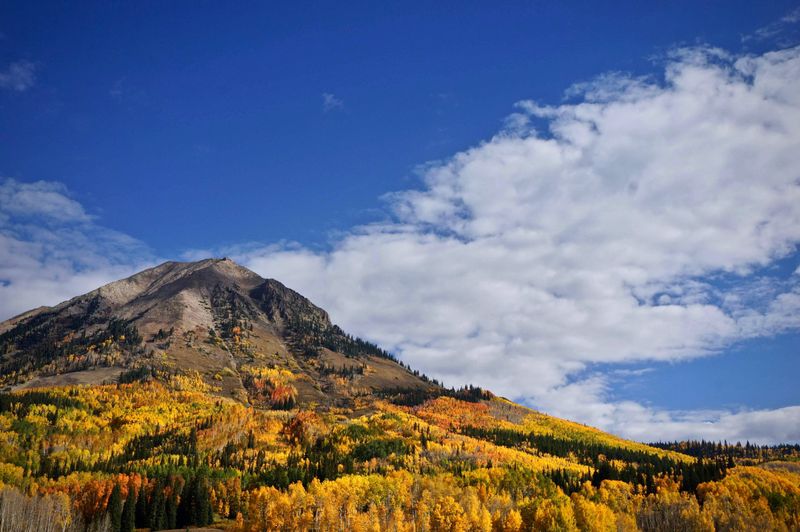
Crested Butte earns its nickname as the Wildflower Capital of Colorado every summer when the surrounding meadows explode in color.
The village sits at the end of a scenic valley, surrounded by rugged peaks that turn into a natural playground for outdoor enthusiasts.
Historic buildings from the 1880s line Elk Avenue, painted in cheerful hues that reflect the town’s vibrant spirit.
Mountain biking trails here are legendary, drawing riders from around the world to tackle challenging singletrack through alpine terrain.
Winter brings uncrowded ski slopes where you can carve fresh powder without waiting in long lift lines.
The community maintains a laid-back vibe that feels refreshingly different from the glitz of larger resorts.
Local festivals celebrate everything from wildflowers to mushrooms, bringing neighbors together in genuine mountain town fashion.
Hiking trails lead through aspen groves and high alpine basins where marmots whistle from rocky outcrops.
Small galleries and shops showcase work from local artists who draw inspiration from the surrounding landscape.
Restaurants serve hearty meals perfect for refueling after a day on the trails or slopes.
The lack of chain stores and corporate development helps preserve the authentic character that makes this village special.
Visiting Crested Butte feels like stepping back to a simpler time when mountain towns prioritized community over commerce.
Few places in Colorado offer this combination of natural beauty, outdoor recreation, and genuine small-town warmth.
2. Lake City
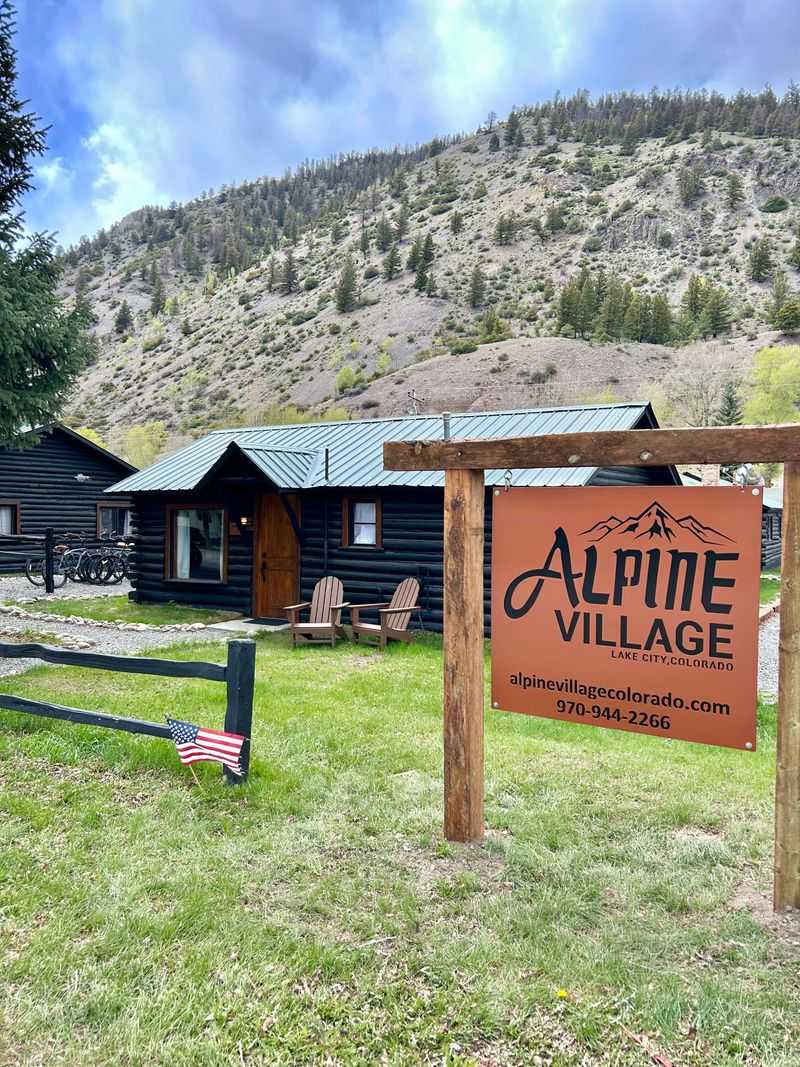
Towering 14,000-foot peaks surround Lake City on all sides, creating a dramatic backdrop that feels almost unreal.
This well-preserved village traces its roots to the 1870s silver boom when prospectors flooded these mountains seeking fortune.
Many original buildings still stand along Silver Street, their Victorian architecture telling stories of boom and bust.
The Alpine Loop, one of Colorado’s most scenic backcountry drives, starts right from town and winds through ghost towns and mountain passes.
Off-road enthusiasts bring jeeps and ATVs to tackle challenging trails that reveal mining relics and stunning vistas.
Lake San Cristobal, Colorado’s second-largest natural lake, sits just a few miles away, offering fishing, kayaking, and peaceful shoreline picnics.
Fall transforms the surrounding hillsides into a patchwork of gold and orange as aspen trees change color.
The small population means you’ll encounter more wildlife than people on most trails.
Local shops sell handmade goods and mining memorabilia that connect visitors to the area’s colorful past.
Several historic buildings now house cozy cafes and restaurants serving comfort food with mountain views.
Winter blankets the valley in deep snow, creating a quiet wonderland for snowshoeing and cross-country skiing.
The isolation that once made mining difficult now serves as Lake City’s greatest asset, keeping crowds away while preserving its authentic character.
Photographers flock here during sunrise and sunset when the peaks glow with alpenglow.
3. Marble
Roughly 130 people call Marble home, making it one of Colorado’s tiniest inhabited villages.
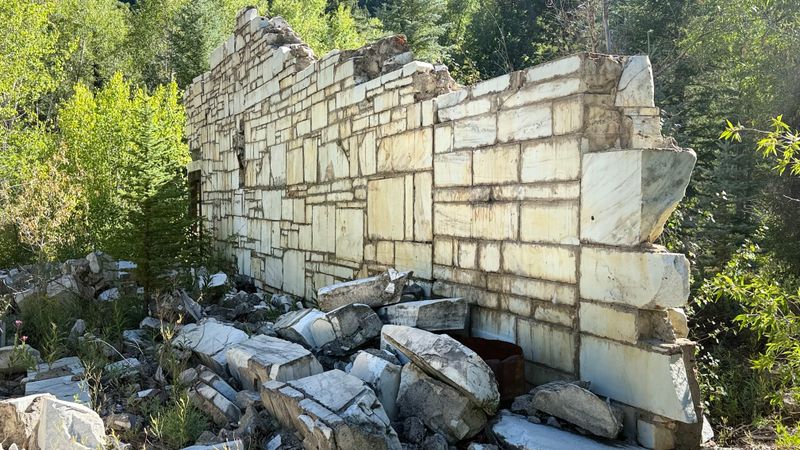
The pristine white marble quarried here gained worldwide fame when it was chosen for the Lincoln Memorial and Tomb of the Unknown Soldier.
Massive blocks of stone still sit near the quarry, reminders of the industry that once dominated this remote valley.
The Crystal Mill, perched dramatically above a waterfall, ranks among Colorado’s most photographed historic structures.
Getting there requires a rough four-wheel-drive road or a moderate hike, but the reward is worth every bump and step.
Crystal River runs clear and cold through town, offering excellent fly fishing for trout in a pristine mountain setting.
Wildflowers carpet the meadows in summer, creating natural gardens that rival any cultivated landscape.
The village maintains an unhurried pace where neighbors greet each other by name and strangers quickly feel welcome.
Several trails lead into the surrounding wilderness, where you might spot elk, deer, or even black bears.
Fall brings dramatic color changes as aspen groves turn golden against the evergreen backdrop.
A small general store provides basic supplies and serves as an informal community gathering spot.
Artists and writers have long been drawn to Marble’s peaceful atmosphere and inspiring scenery.
The lack of cell service and limited amenities force visitors to slow down and truly disconnect from daily stress.
Few places offer this level of tranquility combined with such rich history and natural beauty.
4. Ridgway
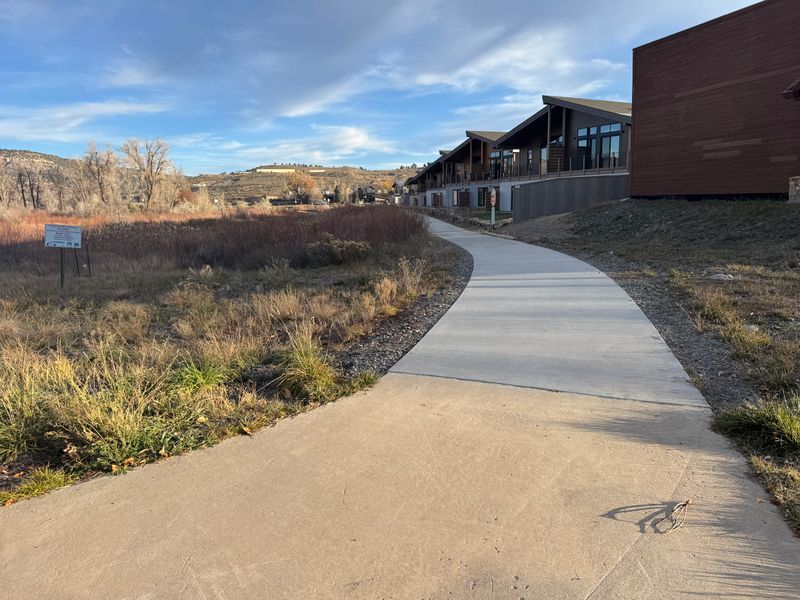
Creative energy flows through Ridgway like the Uncompahgre River that runs beside it.
The Sneffels Range provides a jaw-dropping backdrop that artists have been trying to capture on canvas for generations.
Galleries and studios line the streets, showcasing everything from traditional Western art to contemporary sculptures.
Public art installations surprise visitors around nearly every corner, turning the entire village into an open-air museum.
The town sits just minutes from Ouray, but maintains its own distinct personality focused more on creativity than tourism.
Ridgway State Park offers water recreation on a reservoir surrounded by red rock formations and mountain peaks.
Fishing, boating, and swimming attract locals and visitors during the warm months.
Several films were shot in the area, including parts of True Grit, adding Hollywood history to the town’s story.
Small cafes and restaurants serve meals made with locally sourced ingredients, often featuring produce from nearby farms.
The community hosts regular events that bring together artists, musicians, and craftspeople in celebration of mountain culture.
Hiking and biking trails provide easy access to the surrounding wilderness without requiring serious technical skills.
Fall colors here are particularly spectacular, with cottonwoods and aspens creating ribbons of gold through the valley.
The relaxed atmosphere encourages lingering over coffee or browsing galleries without feeling rushed.
Ridgway proves that small mountain villages can nurture thriving arts communities while maintaining their authentic character.
5. Rico
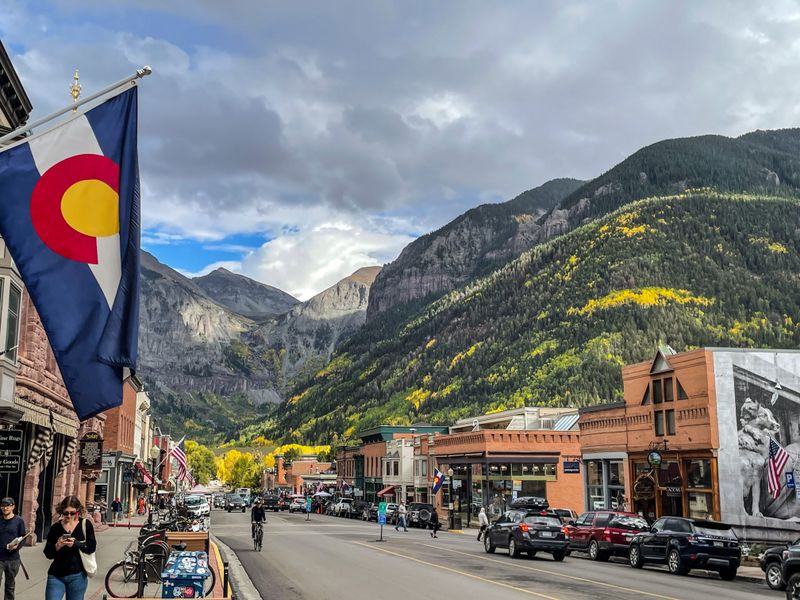
With fewer than 300 residents, Rico offers an authentic glimpse into mountain life without tourist polish.
Historic buildings line the main street, many dating back to the silver mining boom that briefly brought prosperity to this remote valley.
The surrounding mountains provide endless recreation opportunities without the crowds found at more popular destinations.
A natural hot spring along the Dolores River offers the perfect reward after hiking, biking, or skiing.
Soaking in the warm water while surrounded by towering peaks and forest creates an unforgettable experience.
The village sits along the scenic Highway of Legends, making it an ideal stopping point for road trippers.
Several old mining structures still stand in the hills above town, accessible by hiking trails that reveal the area’s industrial past.
Wildlife sightings are common here, with elk often grazing in meadows near town during dawn and dusk.
Winter brings deep snow that transforms Rico into a quiet wonderland perfect for snowshoeing and backcountry skiing.
The lack of commercial development means no chain restaurants or corporate lodging, just a few local establishments run by longtime residents.
This authenticity appeals to travelers seeking genuine mountain experiences rather than resort amenities.
The Dolores River provides excellent fishing and kayaking opportunities as it winds through the valley.
Photographers love the way morning light hits the peaks above town, creating dramatic shadows and highlights.
Rico remains one of Colorado’s best-kept secrets, offering solitude and natural beauty in equal measure.
6. Creede
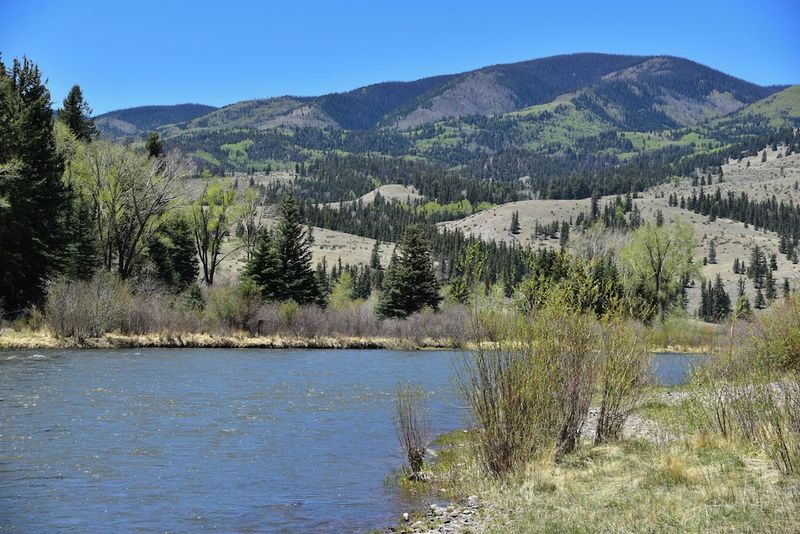
Creede squeezes into a narrow canyon where silver mines once produced millions of dollars in ore.
The dramatic setting creates a sense of being tucked away from the rest of the world.
Historic buildings cling to the steep hillsides, connected by staircases and narrow roads that wind through town.
The Creede Repertory Theatre draws theater lovers from across the region for professional summer performances in an intimate setting.
Few mountain villages can claim such a vibrant performing arts scene in such a remote location.
Mining history comes alive at the Underground Mining Museum, where visitors descend into actual mine tunnels.
The experience provides a visceral understanding of the dangerous work that built this community.
Nearby Bachelor Loop offers a scenic drive through aspen forests and past historic mining sites.
Fishing enthusiasts prize the Rio Grande, which runs through the area, for its healthy trout population.
Several ghost towns within easy driving distance make fascinating day trip destinations.
The annual Donkey Derby brings the community together for a quirky celebration that honors the pack animals that once hauled ore from the mines.
Art galleries showcase work inspired by the dramatic landscape and colorful local history.
Small cafes and restaurants maintain a casual atmosphere where everyone seems to know each other.
Winter brings quiet to Creede, with snow-covered peaks creating a peaceful backdrop for those seeking solitude.
The combination of natural beauty, rich history, and cultural offerings makes Creede far more interesting than its small size might suggest.
7. Silverton
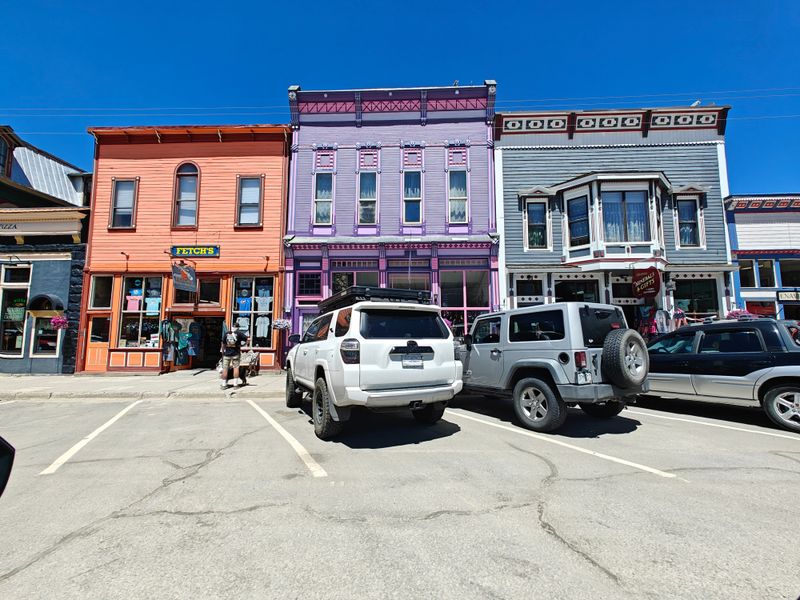
Silverton sits at 9,318 feet elevation, making it one of Colorado’s highest incorporated towns.
The thin air adds to the sense of being in a special place far removed from everyday life.
Victorian-era buildings line Greene Street, many housing shops, restaurants, and museums that preserve the town’s mining heritage.
The Durango and Silverton Narrow Gauge Railroad delivers passengers via historic steam train, creating an arrival experience that feels like time travel.
Snow often lingers well into summer at this elevation, with some years seeing flurries even in July.
The surrounding San Juan Mountains offer some of Colorado’s most challenging and rewarding hiking trails.
Ice Lakes Basin, accessible via a steep trail from town, features turquoise alpine lakes that seem too vibrant to be real.
Off-road enthusiasts tackle the Alpine Loop and other jeep trails that connect Silverton to neighboring communities through high mountain passes.
The town embraces its rough-around-the-edges character rather than polishing itself for tourists.
Several saloons maintain an Old West atmosphere where locals and visitors mingle over drinks and stories.
Winter transforms Silverton into a backcountry skiing destination with helicopter and snowcat operations accessing untracked powder.
The lack of ski resort development keeps the experience raw and adventurous.
Historic mine buildings dot the surrounding hillsides, creating dramatic silhouettes against the sky.
Silverton proves that some mountain villages are better appreciated by those seeking adventure rather than comfort.
8. Ouray
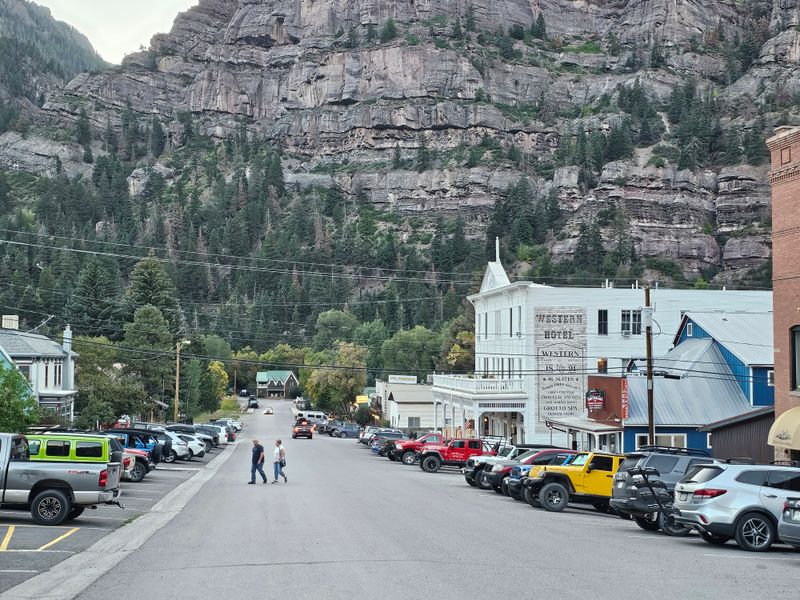
Steep canyon walls rise dramatically on three sides of Ouray, creating a box canyon setting that earned it the nickname Switzerland of America.
Natural hot springs bubble up throughout the area, providing soothing soaks with mountain views.
The Ouray Hot Springs Pool offers a developed facility, while more adventurous souls seek out natural pools in the surrounding wilderness.
Victorian buildings from the mining era line Main Street, now housing boutiques, galleries, and restaurants.
The town serves as the northern terminus of the Million Dollar Highway, one of America’s most scenic and thrilling drives.
Ice climbing has become a winter specialty here, with the Ouray Ice Park offering hundreds of frozen waterfalls for climbers of all skill levels.
Watching climbers scale massive ice formations creates entertainment even for those who prefer to keep their feet on solid ground.
Summer brings hikers to trails that lead to alpine lakes, waterfalls, and high mountain passes.
The Box Canyon Falls thunders through a narrow slot just outside town, accessible via a short walk and steel walkways.
Jeep rentals are popular here, allowing visitors to explore rough backcountry roads that lead to ghost towns and mining ruins.
Small hotels and bed-and-breakfasts maintain historic character while providing comfortable accommodations.
The community has successfully balanced tourism with preservation, keeping development in check while welcoming visitors.
Fall brings fewer crowds and spectacular color as aspens turn gold against the dark canyon walls.
Ouray’s combination of natural hot springs, outdoor recreation, and historic charm creates an appealing package that somehow remains underappreciated.
9. Paonia
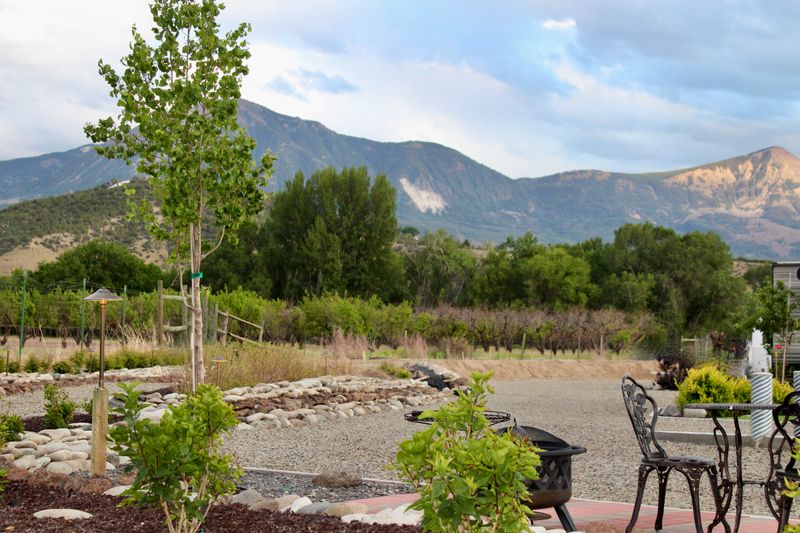
Orchards and vineyards surround Paonia, giving this mountain village a distinctly agricultural character.
The North Fork Valley’s unique microclimate allows fruit trees and grapevines to thrive despite the elevation.
Cherries, peaches, apples, and pears ripen throughout the summer, filling roadside stands with fresh local produce.
Several wineries have established themselves here, producing wines that surprise visitors expecting only Western Slope peaches.
The town maintains a strong commitment to organic and sustainable farming practices.
A weekly farmers market brings the community together, offering everything from fresh vegetables to handmade crafts.
Artists and musicians have created a thriving creative community that hosts regular concerts and gallery shows.
The Paradise Theatre, a renovated historic building, screens independent films and hosts live performances.
Hiking and mountain biking trails wind through the surrounding hills, offering views of the West Elk Mountains.
The Black Canyon of the Gunnison National Park sits within easy driving distance, making Paonia an ideal base for exploration.
Small cafes and restaurants emphasize farm-to-table dining, showcasing local ingredients in creative preparations.
The combination of agriculture, arts, and outdoor recreation creates a unique mountain town experience.
Paonia attracts visitors seeking authenticity rather than resort amenities or tourist attractions.
Fall harvest season brings the valley to life with u-pick orchards and harvest festivals.
This village proves that Colorado mountain communities can thrive through agriculture and creativity rather than only tourism.
10. Westcliffe
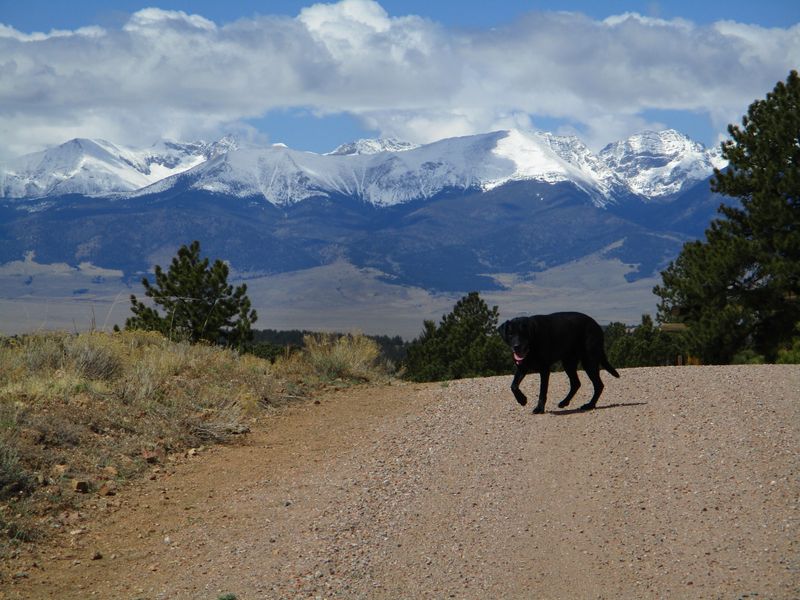
The Sangre de Cristo Range towers above Westcliffe, creating one of Colorado’s most dramatic mountain backdrops.
These peaks, whose name means Blood of Christ in Spanish, glow brilliant red during sunrise and sunset.
The wide Wet Mountain Valley provides breathing room between the town and the mountains, offering expansive views in every direction.
Ranching heritage runs deep here, with working cattle operations still defining much of the valley’s character.
Several dude ranches welcome guests seeking authentic Western experiences complete with horseback riding and campfire cookouts.
The area has earned recognition as an International Dark Sky Community, making it exceptional for stargazing.
On clear nights, the Milky Way stretches overhead in a brilliant display rarely visible near cities.
Small shops and cafes along Main Street maintain an unhurried pace that reflects the ranching lifestyle.
Rainbow Trail runs along the base of the Sangre de Cristos, offering over 100 miles of hiking and horseback riding.
Several 14,000-foot peaks are accessible from trailheads near town, challenging hikers with steep ascents and rewarding them with incredible views.
The town hosts regular rodeos and Western events that draw participants and spectators from surrounding communities.
Art galleries showcase Western and landscape paintings inspired by the dramatic setting.
Westcliffe remains refreshingly uncommercialized, with more feed stores than gift shops.
This authenticity appeals to travelers seeking genuine mountain West experiences rather than tourist-oriented attractions.
11. Mancos
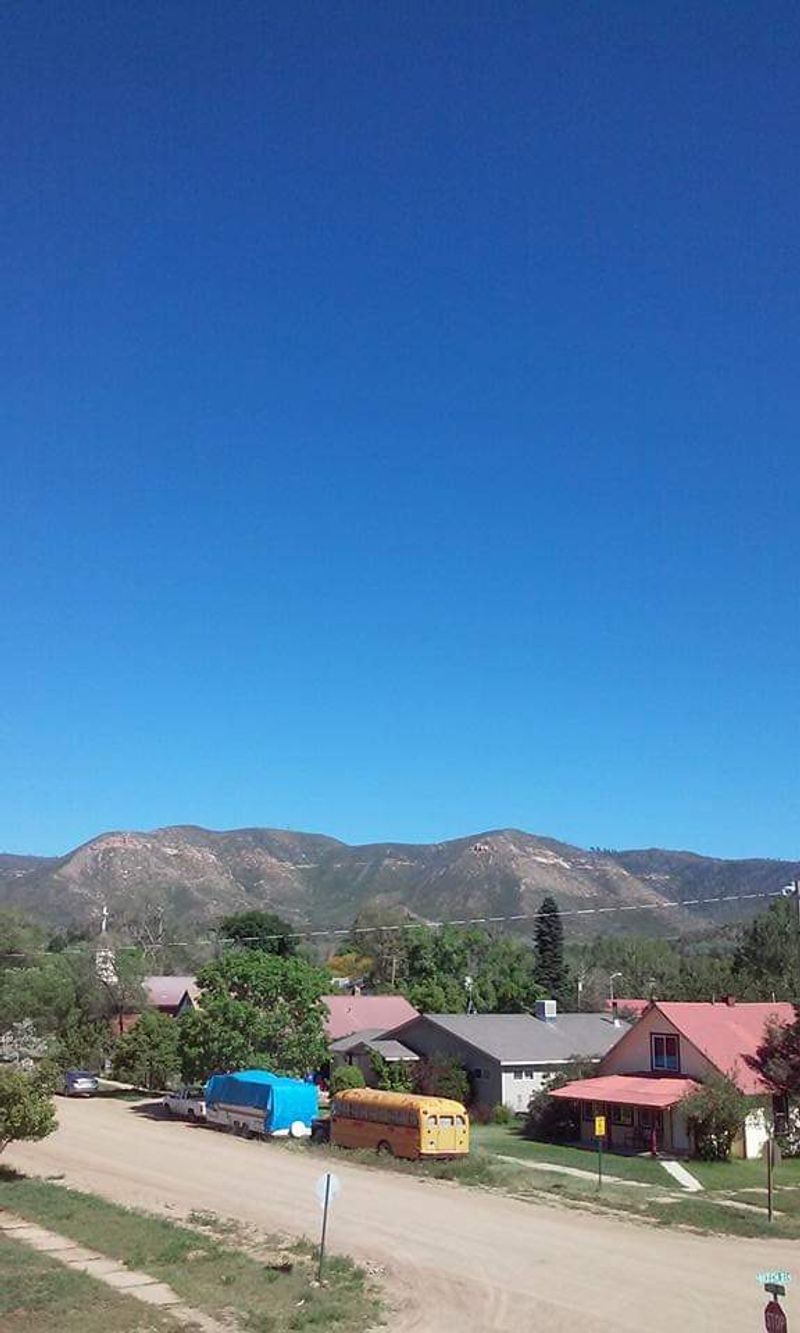
Mancos sits in the shadow of the La Plata Mountains, just minutes from Mesa Verde National Park.
Most visitors rush past on their way to the famous cliff dwellings, missing this charming village entirely.
Historic buildings along Main Street house locally owned shops, cafes, and a beloved brewery.
The pace here feels deliberately slow, encouraging visitors to linger rather than rush through.
Several trails lead into the surrounding mountains, offering hiking and mountain biking without the crowds found at more famous destinations.
The Mancos River flows through town, providing fishing opportunities and pleasant sounds on summer evenings.
Local artisans have established studios and galleries showcasing work inspired by the surrounding landscape and Native American heritage.
The town embraces its role as a quieter alternative to nearby tourist hubs, maintaining authenticity over commercial appeal.
Farm stands and small markets sell produce grown in the fertile valley, emphasizing the area’s agricultural roots.
Several festivals throughout the year celebrate local culture, from bluegrass music to harvest traditions.
The proximity to Mesa Verde allows visitors to explore ancient ruins during the day then return to a peaceful village at night.
This combination makes Mancos ideal for those seeking cultural experiences without staying in crowded tourist areas.
Small inns and vacation rentals provide comfortable accommodations with personal touches rarely found at larger establishments.
Mancos proves that sometimes the best mountain experiences happen in places that don’t actively seek attention.
12. Salida
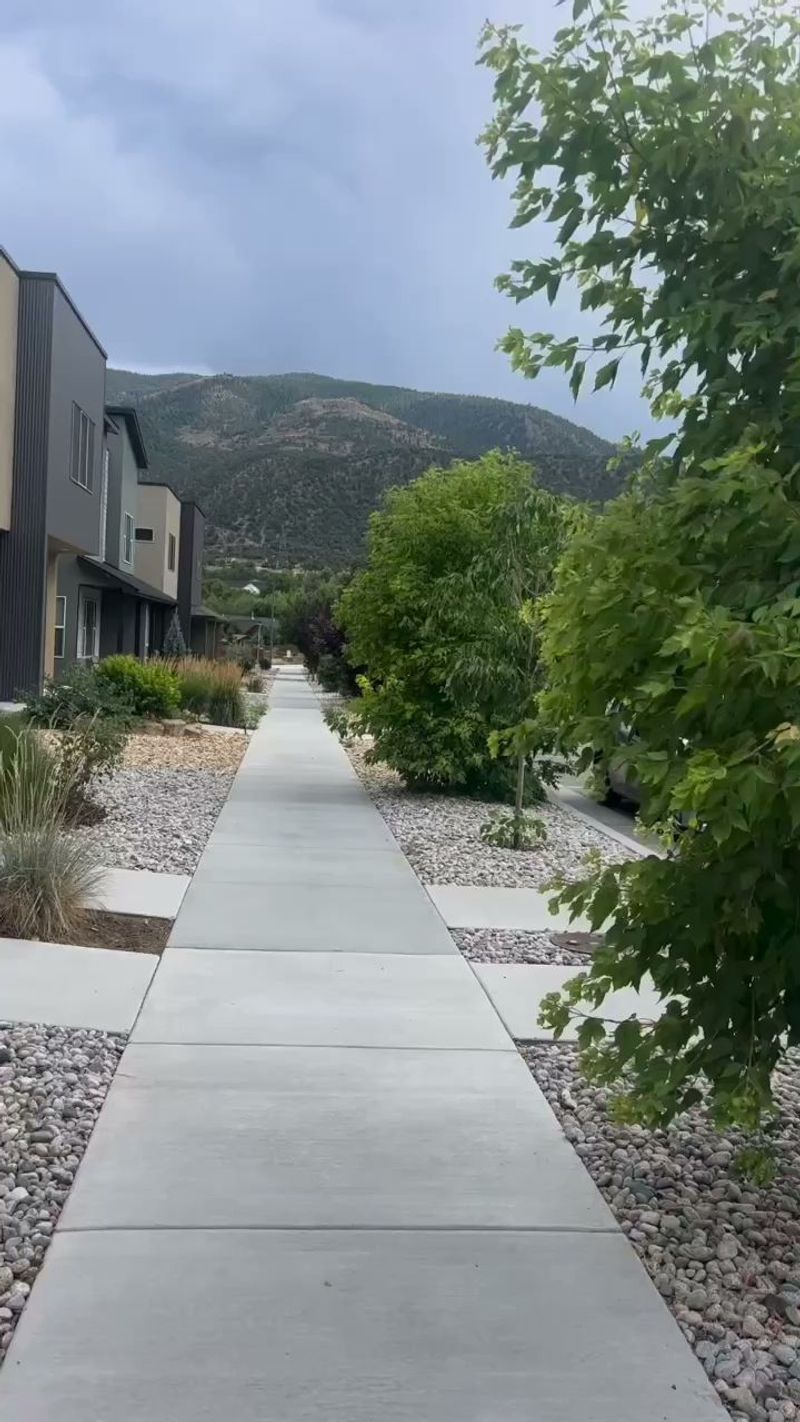
The Arkansas River flows right through Salida, bringing world-class whitewater rafting and kayaking to town.
Riverside parks and trails provide easy access to the water for fishing, floating, or simply enjoying the sound of rushing rapids.
Historic downtown stretches for several blocks, filled with galleries, shops, restaurants, and breweries in beautifully preserved buildings.
The creative community has transformed Salida into an arts destination, with regular gallery walks and public art installations.
Mountain biking trails of all difficulty levels wind through the surrounding hills, from gentle riverside paths to challenging singletrack.
The Collegiate Peaks, a collection of 14,000-foot mountains, provide a stunning backdrop and endless hiking opportunities.
Natural hot springs in nearby locations offer relaxing soaks after active days exploring the area.
The town has embraced outdoor recreation while maintaining small-town character and community values.
Farmers markets and local food initiatives connect residents and visitors with regional agriculture.
Several music venues host regular live performances, from bluegrass to rock to classical.
The combination of river sports, mountain recreation, arts, and culture creates unusual diversity for a town this size.
Fall brings spectacular foliage as cottonwoods along the river turn brilliant gold.
Winter offers less crowded skiing at nearby Monarch Mountain, along with excellent backcountry opportunities.
Salida has managed to grow and develop while keeping the authentic mountain town feel that makes it special.
This balance makes it appealing to both adventure seekers and those simply wanting to experience genuine Colorado mountain life.
Dear Reader: This page may contain affiliate links which may earn a commission if you click through and make a purchase. Our independent journalism is not influenced by any advertiser or commercial initiative unless it is clearly marked as sponsored content. As travel products change, please be sure to reconfirm all details and stay up to date with current events to ensure a safe and successful trip.
