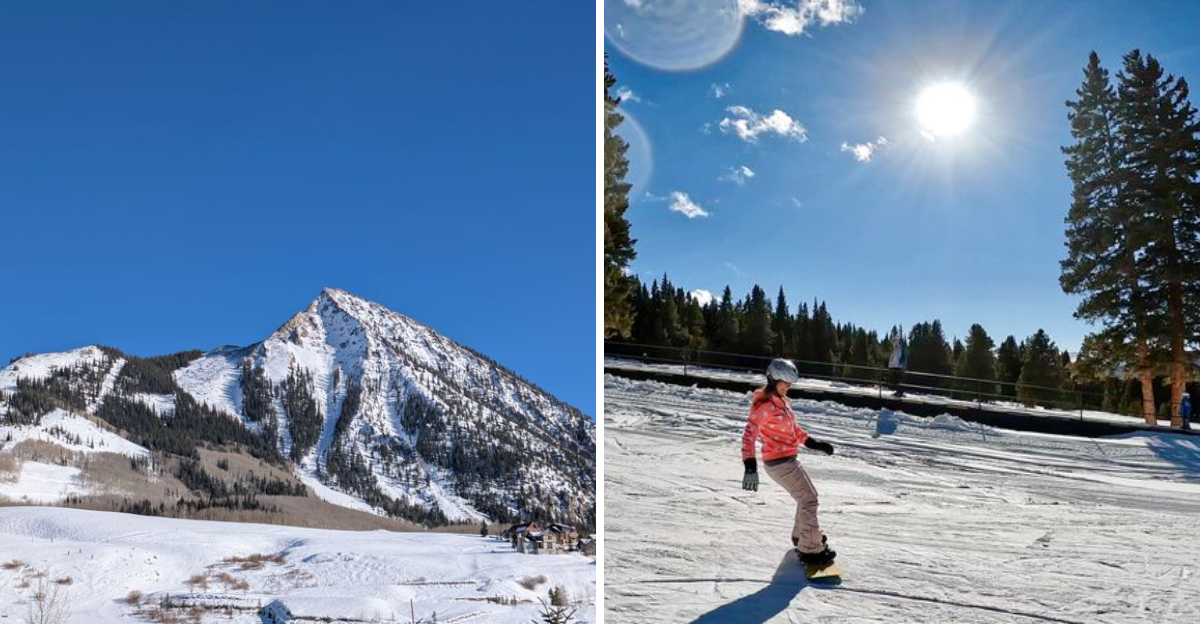
Colorado’s mountain landscape stretches across the Rockies with a collection of ski towns that offer far more than downhill runs and chairlifts.
While places like Aspen and Vail capture most of the attention, dozens of smaller communities provide equally thrilling winter experiences without the overwhelming crowds or sky-high price tags.
These hidden gems blend Old West history, Victorian charm, and outdoor adventure into weekends filled with authentic mountain culture and stunning natural beauty.
From high-altitude mining towns to riverside valleys surrounded by towering peaks, these destinations reward curious travelers with unforgettable memories and a genuine taste of Colorado’s mountain spirit.
1. Frisco
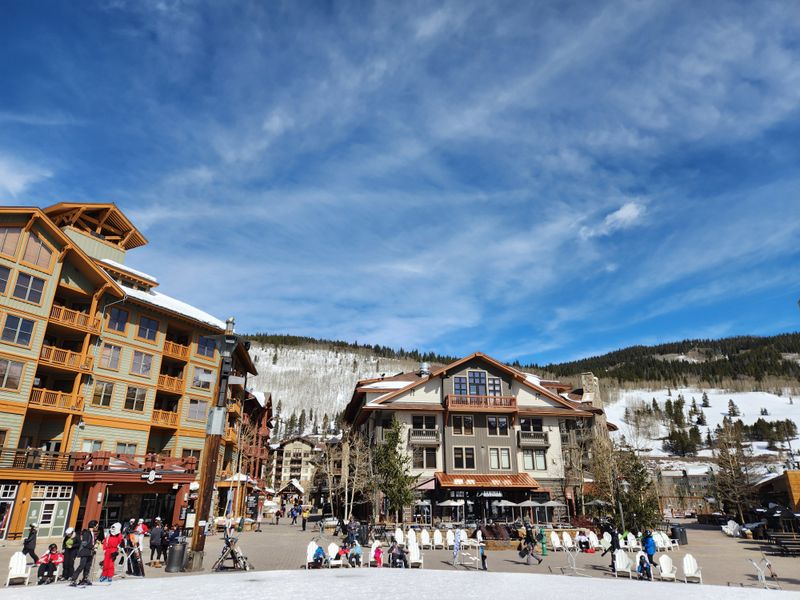
Positioned perfectly between several major ski areas, Frisco serves as an affordable base camp that puts four different mountains within a twenty-minute drive.
The town earned its nickname as Main Street to the Rockies thanks to this central location that provides easy access to Copper Mountain, Breckenridge, Keystone, and Arapahoe Basin.
Unlike those busier resort towns, Frisco maintains reasonable lodging prices and a relaxed atmosphere that appeals to budget-conscious families and groups of friends.
The historic downtown district preserves buildings from the 1880s mining boom, now transformed into boutiques, restaurants, and pubs that create a welcoming village feel.
Frisco Nordic Center offers its own winter activities with groomed trails for cross-country skiing and snowshoeing that wind through forests and meadows overlooking the reservoir.
The marina area along Dillon Reservoir provides stunning views of the surrounding peaks reflected in the water, creating photo opportunities that capture Colorado’s mountain beauty.
Summer brings additional recreation as the reservoir becomes a hub for sailing, paddleboarding, and kayaking beneath the same mountains that provide winter skiing.
Local events throughout the year include BBQ competitions, music festivals, and holiday celebrations that showcase the community’s friendly spirit.
The Frisco Adventure Park features tubing hills that delight children and adults alike, offering simple fun without the cost of lift tickets.
Restaurants range from casual pizza joints to upscale dining establishments, ensuring variety for every taste and budget.
The combination of affordability, central location, and genuine small-town character makes Frisco an often-overlooked choice that delivers exceptional value for weekend ski trips.
2. Silverton
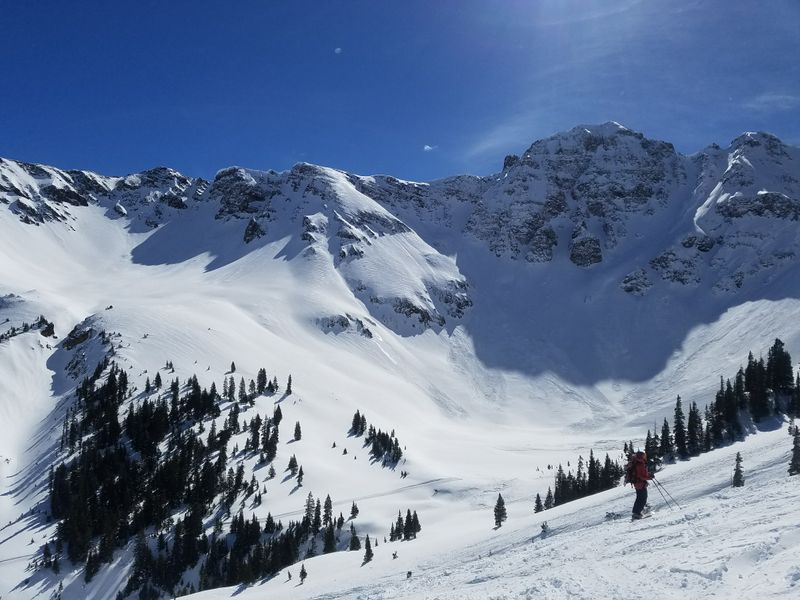
Isolation defines this remote settlement tucked high in the San Juan Mountains, where winter snows often close the passes and create a true backcountry atmosphere.
Silverton sits at an elevation of 9,318 feet, making it one of Colorado’s highest towns and giving it a frontier character that feels authentically untouched by modern resort development.
The entire downtown area is designated as a National Historic Landmark District, with Victorian-era buildings that transport visitors back to the mining boom days of the late 1800s.
Silverton Mountain operates as a guided-only ski area that caters to advanced and expert skiers seeking ungroomed terrain and genuine adventure without crowds or fancy amenities.
This approach keeps the experience raw and challenging, appealing to those who prioritize powder over pampering.
The Durango and Silverton Narrow Gauge Railroad runs steam trains through the mountains, offering scenic winter rides that showcase the dramatic landscape surrounding the town.
Off-road enthusiasts flock here for winter jeep tours along mountain passes and mining roads that provide access to ghost towns and stunning alpine vistas.
The small population of year-round residents creates a tight-knit community where visitors quickly feel the welcoming spirit of true mountain people.
Local saloons and restaurants maintain an Old West atmosphere with wooden bars, historical photographs, and hearty meals that fuel cold-weather adventures.
Limited lodging options mean advance planning is essential, but the reward is an authentic mountain experience far removed from the commercialized ski town model.
Silverton’s remoteness and rugged character attract travelers seeking solitude, challenge, and a genuine connection to Colorado’s mining heritage and wild mountain landscapes.
3. Crested Butte
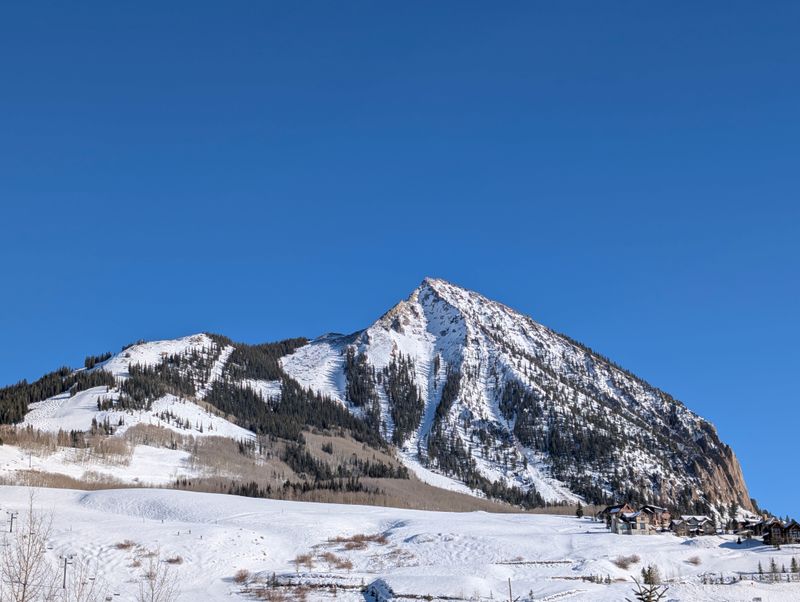
Wildflowers carpet the surrounding valleys in summer, but winter transforms this former coal mining settlement into a snow-draped wonderland that locals proudly call the Last Great Colorado Ski Town.
Crested Butte’s Victorian-era buildings stand as colorful reminders of its 1880s origins, when miners flocked here seeking fortune beneath the peaks.
Today, those same historic structures house art galleries, cozy cafes, and locally owned shops that give the town an authentic character missing from many resort communities.
The mountain itself rises just a few miles from downtown, offering terrain that ranges from gentle groomed runs perfect for beginners to extreme double-black-diamond chutes that challenge even expert skiers.
Freeriders particularly love the steep couloirs and wide-open bowls that earned Crested Butte its reputation as the birthplace of extreme skiing.
Between runs, visitors can explore the thriving arts scene that includes regular gallery walks, live music performances, and theater productions that reflect the creative spirit of this mountain community.
The locals maintain a laid-back attitude that welcomes visitors without the pretension found in more famous Colorado destinations.
Snowshoeing and cross-country skiing trails wind through pristine forests just outside town, offering peaceful alternatives to the adrenaline of downhill racing.
Evenings bring opportunities to sample craft beers at local breweries or warm up with hearty mountain cuisine at family-run restaurants.
The compact downtown means everything sits within easy walking distance, eliminating the need for constant driving between lodging, dining, and entertainment.
This accessibility combined with genuine mountain town character makes Crested Butte an ideal weekend escape for anyone seeking Colorado skiing without the typical resort atmosphere.
4. Steamboat Springs
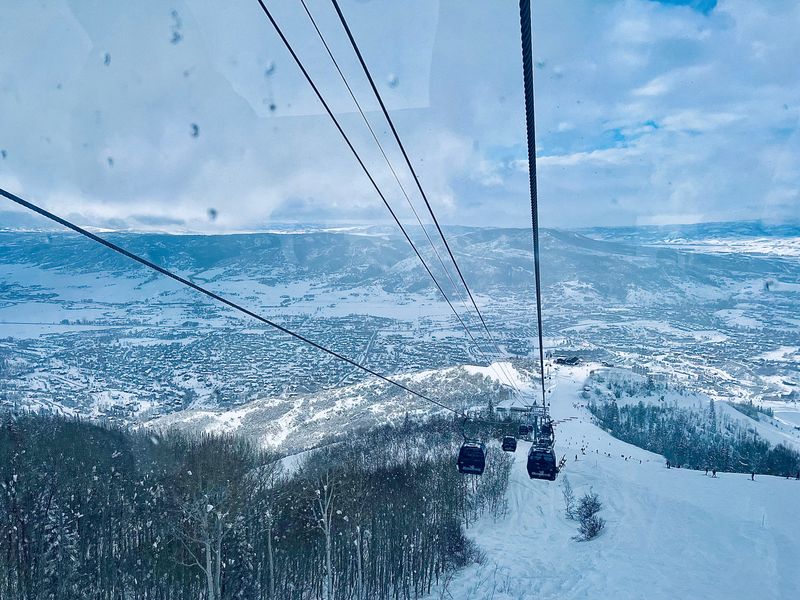
Champagne powder falls lighter and drier here than at most Colorado ski areas, thanks to unique weather patterns that create the fluffy snow conditions skiers dream about.
Steamboat Springs blends genuine ranching heritage with world-class skiing, resulting in a town where cowboys and ski bums share the same saloons and coffee shops.
The mountain produced more winter Olympians than any other ski area in North America, a testament to the quality of terrain and snow conditions that shaped championship athletes.
Downtown stretches along Lincoln Avenue with brick buildings housing western wear shops alongside modern restaurants, creating an interesting mix of Old West and contemporary mountain culture.
Natural hot springs bubble up throughout the area, giving the town its name and providing relaxing soaks after long days on the slopes.
Old Town Hot Springs offers multiple pools at varying temperatures, plus water slides that entertain families while parents unwind in the therapeutic mineral waters.
The ski area recently completed major base village improvements, adding modern amenities while maintaining the relaxed, unpretentious atmosphere that sets Steamboat apart from flashier resorts.
Tree skiing through aspen and pine forests provides shelter on stormy days and creates magical conditions when fresh snow clings to every branch.
The town hosts winter carnival festivities each February, including ski jumping competitions and a unique event where skiers and snowboarders navigate a course while being pulled by horses.
Local ranches offer sleigh ride dinners that combine western hospitality with mountain scenery for memorable evening entertainment.
Steamboat’s combination of exceptional snow quality, authentic western character, and welcoming community creates a ski town experience that feels both special and refreshingly genuine.
5. Telluride
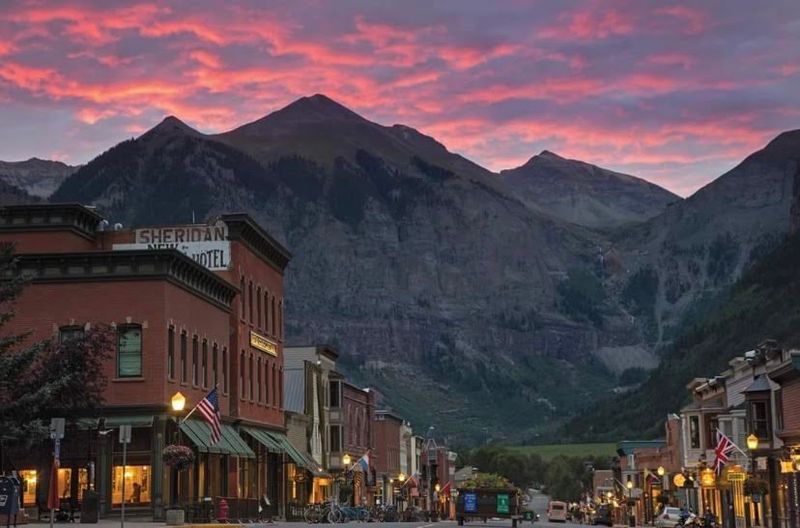
Sheer cliffs rise on three sides of this box canyon settlement, creating one of the most dramatically beautiful settings in all of Colorado.
Telluride began as a rough mining camp in the 1870s where Butch Cassidy committed his first bank robbery, adding outlaw legend to the town’s colorful history.
Today, those same Victorian-era buildings house upscale galleries, boutiques, and restaurants that attract a sophisticated crowd seeking both natural beauty and cultural experiences.
The free gondola connects the historic town with Mountain Village, offering spectacular aerial views while providing convenient transportation between lodging areas and the ski slopes.
Riding the gondola becomes an attraction itself, with passengers gazing down at frozen waterfalls and across to peaks that tower over 14,000 feet.
The ski terrain spreads across multiple faces of the mountain, providing everything from gentle cruisers to steep chutes that test advanced skiers’ abilities.
Summer brings an impressive lineup of festivals including bluegrass, film, and jazz events that transform the town into a cultural destination beyond its winter ski season.
Despite increasing popularity and development, Telluride maintains restrictions on building height and architectural style that preserve the historic character of the downtown area.
The compact main street allows visitors to explore on foot, discovering local shops, cozy cafes, and historic landmarks without navigating sprawling resort complexes.
Bridal Veil Falls, Colorado’s tallest free-falling waterfall, freezes into a stunning ice sculpture visible from town during winter months.
Telluride’s combination of jaw-dropping scenery, preserved history, excellent skiing, and vibrant arts scene creates a mountain town experience that satisfies both adventure seekers and culture enthusiasts.
6. Durango
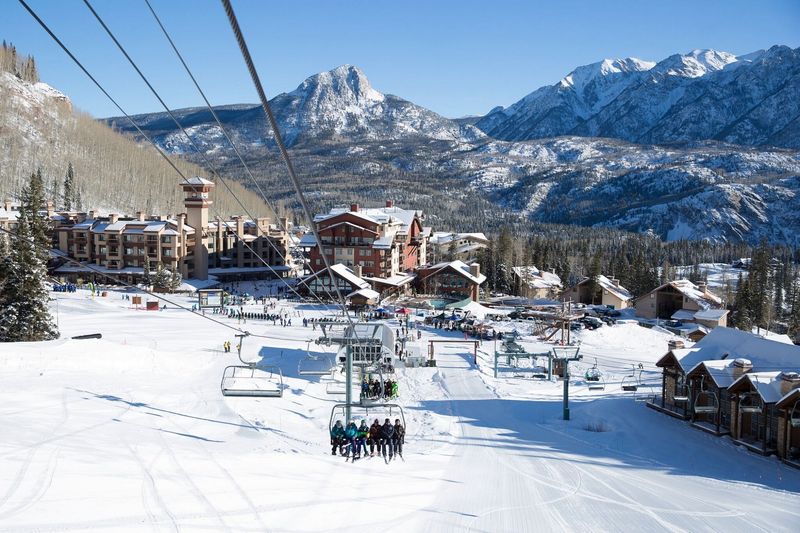
Southwestern energy pulses through this historic railroad town where Native American heritage and Old West history blend into a unique cultural atmosphere.
Durango sits along the Animas River in the southern reaches of Colorado, giving it a distinct character different from the central mountain resort towns.
The downtown historic district preserves Victorian-era buildings that now house brewpubs, restaurants, bookstores, and outdoor gear shops catering to the adventure-minded community.
Purgatory Resort lies just 25 miles north, offering family-friendly skiing without the massive crowds or expensive lift tickets found at more famous Colorado mountains.
The terrain at Purgatory suits intermediate skiers particularly well, with long groomed runs and beautiful tree skiing through ponderosa pine forests.
Fort Lewis College overlooks the town from its mesa-top campus, adding a youthful energy and college-town vibe to the community.
The Durango and Silverton Narrow Gauge Railroad operates year-round, with winter trains running shorter routes through the snow-covered Animas River canyon.
Riding behind a coal-fired steam locomotive through the mountain wilderness provides a nostalgic journey back to the days when railroads connected remote mining camps.
Mesa Verde National Park sits less than an hour away, offering opportunities to explore ancient cliff dwellings and learn about the Ancestral Puebloan people who inhabited this region centuries ago.
The town’s lower elevation compared to other Colorado ski destinations means milder temperatures and easier breathing for visitors adjusting to mountain altitudes.
Durango’s combination of skiing access, rich history, cultural diversity, and proximity to national parks makes it an ideal base for weekend trips that blend outdoor recreation with educational experiences.
7. Leadville
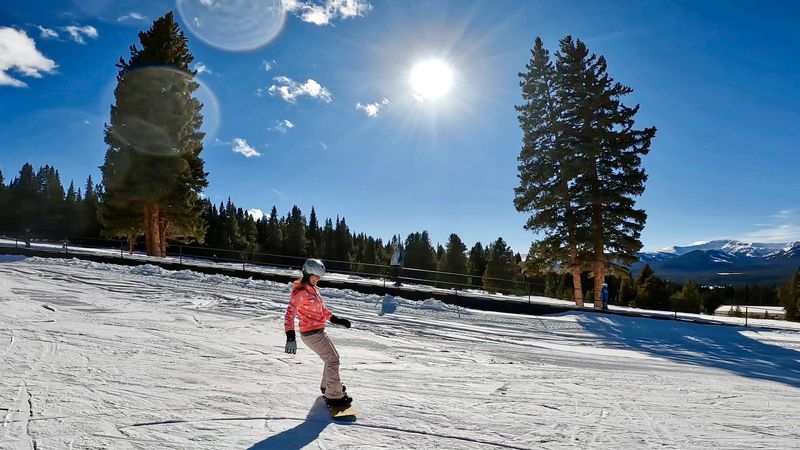
Thin air greets visitors at 10,152 feet elevation, making Leadville the highest incorporated city in North America and giving it a rugged character shaped by altitude and history.
Silver mining created incredible wealth here in the late 1800s, with fortunes made and lost in the span of years as ore deposits played out and new strikes were discovered.
The historic downtown preserves Victorian buildings from those boom years, including the Tabor Opera House where famous performers entertained newly rich miners and their families.
Today, Leadville attracts visitors seeking authentic Colorado history without the polish and commercialization of more developed ski towns.
Ski Cooper operates as a small, family-friendly area with affordable lift tickets and uncrowded slopes that harken back to skiing’s earlier, simpler days.
The mountain also serves as home to the 10th Mountain Division Hut Association, which maintains a network of backcountry huts for cross-country skiers and snowshoers seeking wilderness experiences.
Mount Massive and Mount Elbert, Colorado’s two highest peaks, rise just outside town, creating an impressive backdrop and drawing mountaineers year-round.
The National Mining Hall of Fame and Museum documents the region’s mining heritage with exhibits, artifacts, and stories of the people who worked beneath the mountains.
Local events include winter ski races and the famous Leadville Trail 100 ultramarathon that challenges runners each summer at oxygen-depleted altitude.
The small-town atmosphere means limited dining and lodging options, but what exists reflects genuine mountain hospitality without pretension.
Leadville’s combination of extreme elevation, preserved history, and frontier spirit attracts travelers seeking authentic Colorado experiences far removed from the typical ski resort model.
8. Ouray
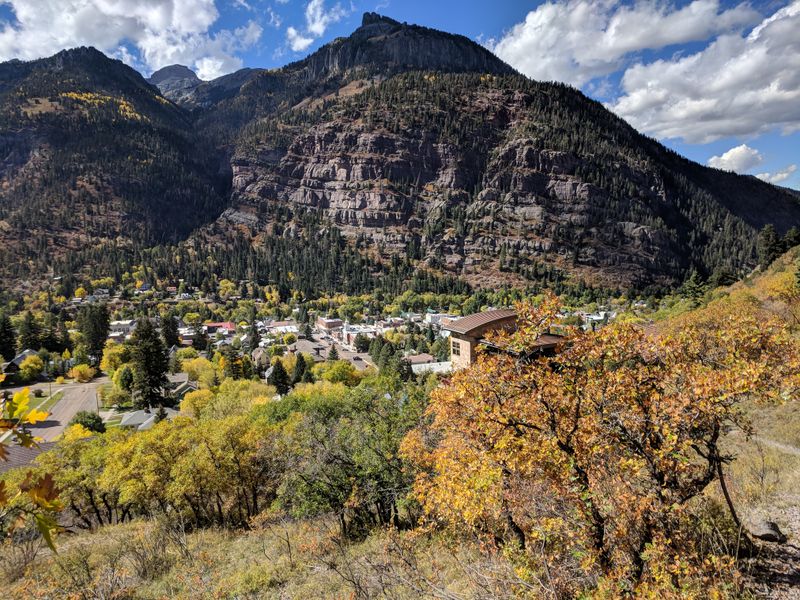
Towering cliffs encircle this tiny town on all sides, creating an amphitheater setting so dramatic that early settlers dubbed it the Switzerland of America.
Ouray sits at the northern end of the Million Dollar Highway, a spectacularly scenic route that winds through the San Juan Mountains past abandoned mines and stomach-dropping drop-offs.
The town became famous for natural hot springs that bubble up at temperatures perfect for soaking, with several pools offering year-round access to the therapeutic mineral waters.
Winter transforms the surrounding box canyon into an ice climbing paradise as waterfalls freeze into massive pillars and curtains that attract climbers from around the world.
The Ouray Ice Park is the first facility of its kind, with man-made ice climbing routes maintained throughout winter for both experienced climbers and beginners taking lessons.
Victorian buildings line Main Street, housing restaurants, galleries, and shops that maintain the historic character while serving modern visitors.
The compact size means everything sits within easy walking distance, though the surrounding mountains make even short walks feel like you’re in genuine wilderness.
Nearby Telluride and Silverton provide skiing options, while Ouray itself focuses on ice climbing, hot springs soaking, and scenic beauty as its main winter attractions.
Jeep tours operate year-round when weather permits, taking visitors up mountain passes to ghost towns and overlooks that showcase the rugged San Juan landscape.
The intimate scale and dramatic setting create a romantic atmosphere that appeals to couples seeking a peaceful mountain retreat.
Ouray’s unique combination of hot springs relaxation, ice climbing adventure, and stunning natural beauty makes it a memorable weekend destination for those willing to explore beyond traditional ski towns.
9. Buena Vista
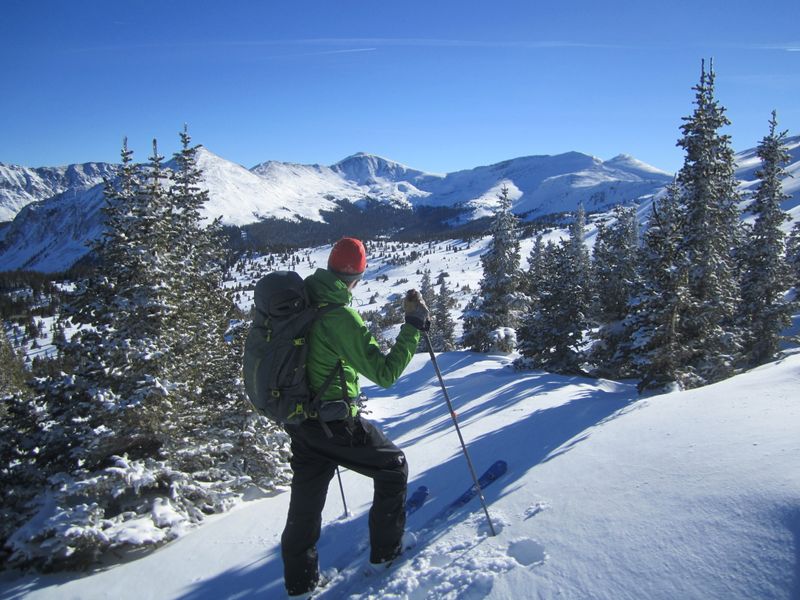
The Collegiate Peaks surround this Arkansas River valley town, with mountains named Harvard, Yale, Princeton, and Columbia creating a classroom of fourteeners for peak baggers to study.
Buena Vista sits at a lower elevation than many Colorado ski towns, making it more comfortable for visitors sensitive to altitude while still providing easy access to mountain recreation.
Monarch Mountain lies just 20 miles west over Monarch Pass, offering affordable skiing with an average of 350 inches of annual snowfall and minimal crowds even on weekends.
The ski area maintains an old-school vibe with no base village development, just parking lots and a day lodge that keep the focus on snow quality rather than amenities.
After skiing, visitors can soak in natural hot springs at several nearby locations, including Mount Princeton Hot Springs Resort where pools overlook Chalk Creek canyon.
The Arkansas River runs through town, creating summer whitewater rafting opportunities that make Buena Vista a year-round outdoor recreation destination.
Downtown features a mix of outfitter shops, local restaurants, and brewpubs that serve the outdoor enthusiast community without the high prices of more famous mountain towns.
The South Main Street corridor preserves historic buildings from the railroad and mining era, giving the town authentic character rather than manufactured resort atmosphere.
Nearby ghost towns and mining sites provide history buffs with exploring opportunities when they need a break from skiing or soaking.
The combination of affordable skiing at Monarch, relaxing hot springs, and comfortable lower elevation makes Buena Vista ideal for families and groups with varying ability levels and interests.
This often-overlooked destination delivers genuine Colorado mountain experiences without the crowds, traffic, or expense that plague more popular ski town weekends.
10. Dillon
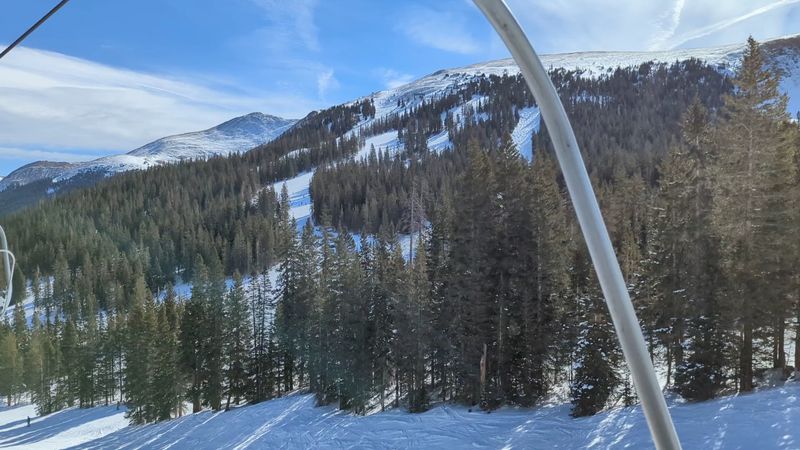
Blue waters stretch across Dillon Reservoir, creating an unexpected lakeside setting in the heart of Colorado’s ski country.
The town sits along the southern shore of this large reservoir, offering a unique base camp location with water views and mountain access combined.
Dillon provides convenient proximity to Keystone, Breckenridge, Copper Mountain, and Arapahoe Basin, putting four major ski areas within a fifteen-minute drive.
This central location combined with more affordable lodging rates makes Dillon a smart choice for groups wanting to sample multiple mountains during a weekend trip.
The town rebuilt at its current location in 1961 after the original settlement was flooded to create the reservoir, giving it a more modern feel than historic mining towns.
The Dillon Marina area features a paved recreation path that circles the reservoir for 17 miles, providing walking, running, and biking opportunities with spectacular mountain views.
Winter transforms the path into a peaceful route for snowshoeing and winter walking, with the frozen reservoir creating a stark white foreground to the surrounding peaks.
The Dillon Amphitheater hosts summer concerts with the reservoir and mountains creating a stunning natural backdrop for outdoor performances.
Local shopping centers provide grocery stores and practical services that help families and groups stock condos and save money on dining expenses.
Restaurants range from casual pizza and burger joints to upscale establishments, offering variety without the premium prices charged in nearby resort villages.
The lakeside setting gives Dillon a different character than typical mountain towns, with sailing and paddleboarding culture mixing with ski town energy.
For visitors seeking affordable access to multiple ski areas combined with unique reservoir scenery, Dillon provides an often-overlooked weekend base that delivers both value and convenience.
Dear Reader: This page may contain affiliate links which may earn a commission if you click through and make a purchase. Our independent journalism is not influenced by any advertiser or commercial initiative unless it is clearly marked as sponsored content. As travel products change, please be sure to reconfirm all details and stay up to date with current events to ensure a safe and successful trip.
