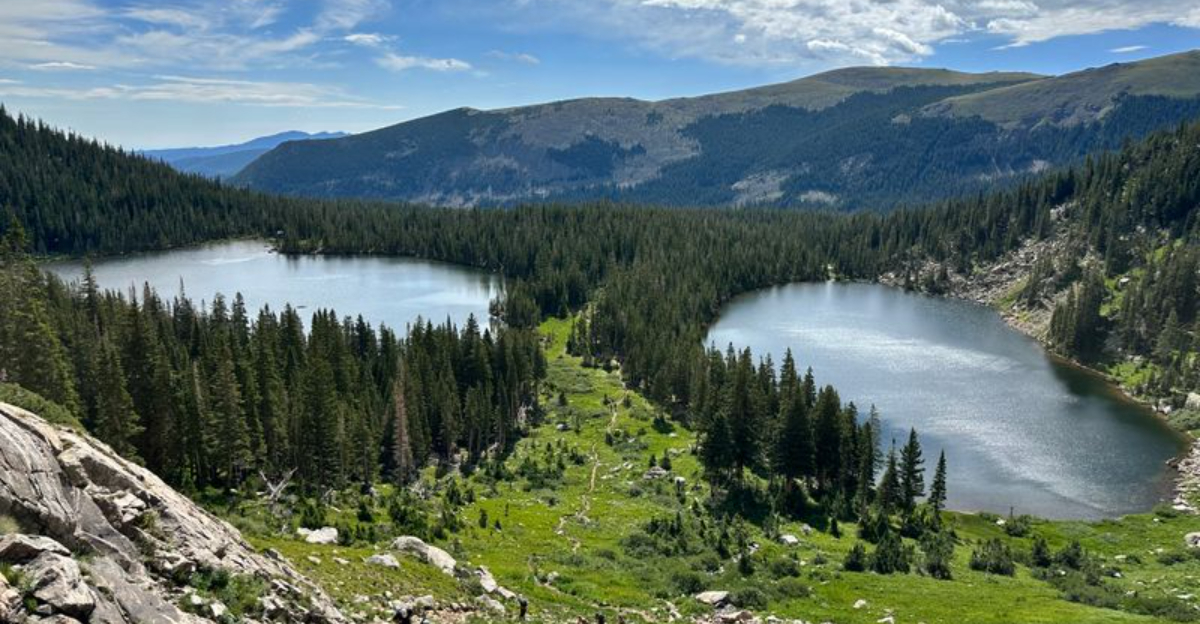
Colorado’s mountain towns have a special way of rewarding hikers who spend their mornings on rocky trails and alpine meadows.
After hours of breathing crisp mountain air and conquering steep switchbacks, a warm meal in a cozy restaurant feels like pure magic.
These nine towns combine stunning natural landscapes with welcoming eateries that serve up everything from wood-fired pizzas to hearty bison chili.
Whether you’re craving comfort food or looking for a unique culinary adventure, these destinations offer the perfect blend of outdoor excitement and satisfying flavors.
1. Ouray
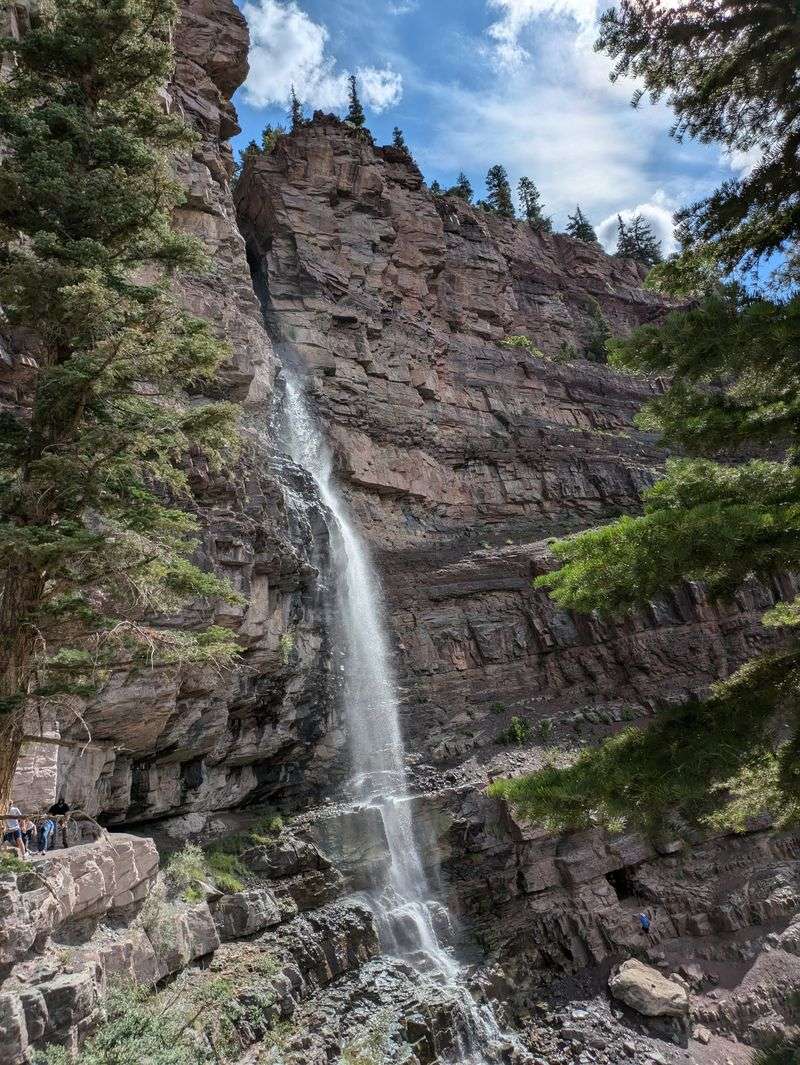
Ouray earns its nickname as the Switzerland of America through dramatic mountain peaks that tower over Victorian-era buildings and natural hot springs.
The town sits in a natural amphitheater of towering cliffs that create one of the most stunning backdrops in all of Colorado.
Hikers flock to trails like the Perimeter Trail, which wraps around the town offering panoramic views, and Bear Creek Falls, where cascading water tumbles down moss-covered rocks.
After working up an appetite on these challenging routes, the downtown area becomes a paradise for hungry adventurers.
Mouse’s Chocolates & Coffee serves up handcrafted treats that taste even sweeter when your legs are tired from climbing.
The aroma of freshly brewed coffee mingles with the scent of artisan chocolates, creating an irresistible invitation to rest and refuel.
Local restaurants understand that hikers need more than just pretty views on their plates.
Generous portions of comfort food come standard here, with menus featuring locally sourced ingredients and mountain-inspired dishes.
The combination of physical exhaustion and high altitude makes every bite taste more intense and satisfying.
Beyond the food, Ouray’s natural hot springs provide the perfect way to soothe sore muscles after a long day on the trails.
The town’s compact size means you can walk from trailhead to restaurant to hot spring without needing a car.
Historic mining heritage adds character to every street corner, making the entire experience feel like stepping back in time while enjoying modern culinary delights.
Visitors often say that eating in Ouray after a hike feels like earning a delicious reward.
2. Telluride
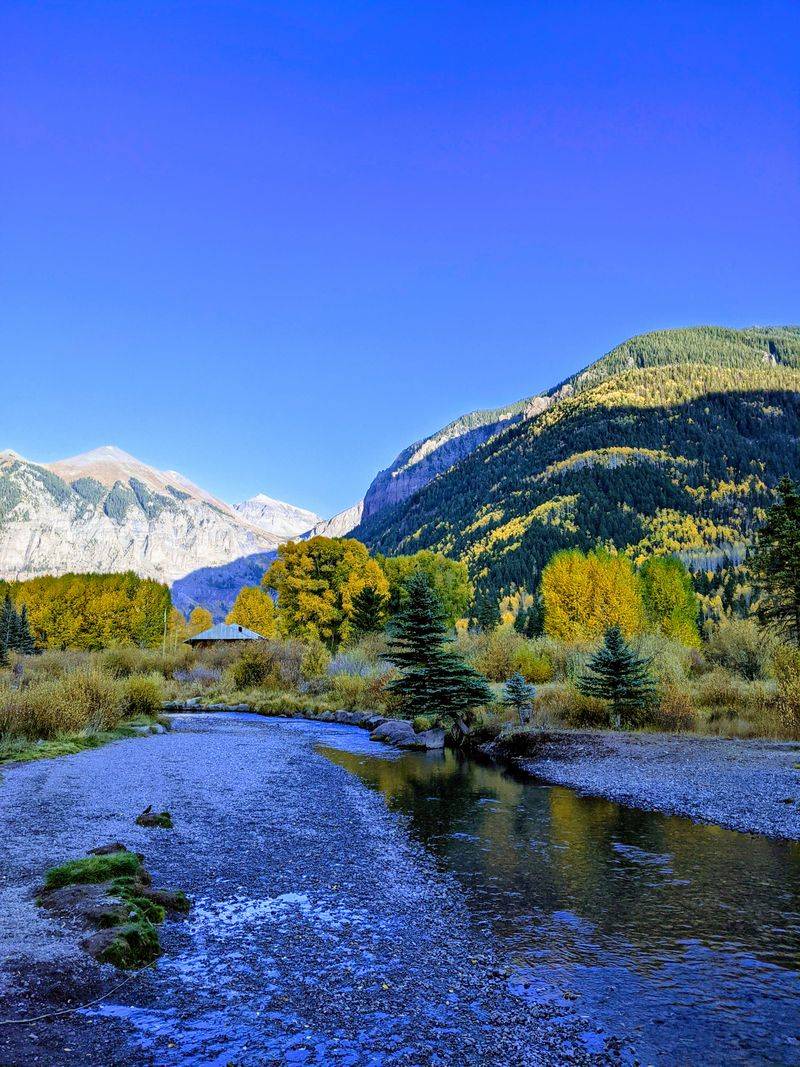
Nestled at the end of a dramatic box canyon, Telluride captivates visitors with its stunning geography and rich mining history.
Towering 13,000-foot peaks surround this former Wild West town on three sides, creating a natural fortress of beauty.
The main street maintains its 19th-century charm while hosting world-class restaurants that rival anything found in major cities.
Hiking options range from gentle riverside strolls to challenging alpine ascents that test even experienced mountaineers.
Bridal Veil Falls, Colorado’s tallest free-falling waterfall, rewards hikers with spectacular views after a steep climb.
The Bear Creek Trail offers another popular route where wildflowers bloom in summer and golden aspens shimmer in fall.
Culinary offerings in Telluride go far beyond typical mountain town fare.
Bison chili warms you from the inside out, with rich flavors that seem enhanced by the thin mountain air.
Wild mushroom risotto appears on several menus, showcasing locally foraged ingredients that connect diners to the surrounding forests.
Chefs here take pride in creating dishes that satisfy both refined palates and ravenous appetites built up on the trails.
The town’s festival culture brings an extra layer of vibrancy to the dining scene throughout the year.
Film festivals, bluegrass concerts, and art celebrations fill the streets with energy and creativity.
Restaurant patios offer front-row seats to mountain sunsets that paint the canyon walls in shades of orange and pink.
Eating here feels like participating in a special celebration where nature, culture, and cuisine come together in perfect harmony.
3. Crested Butte
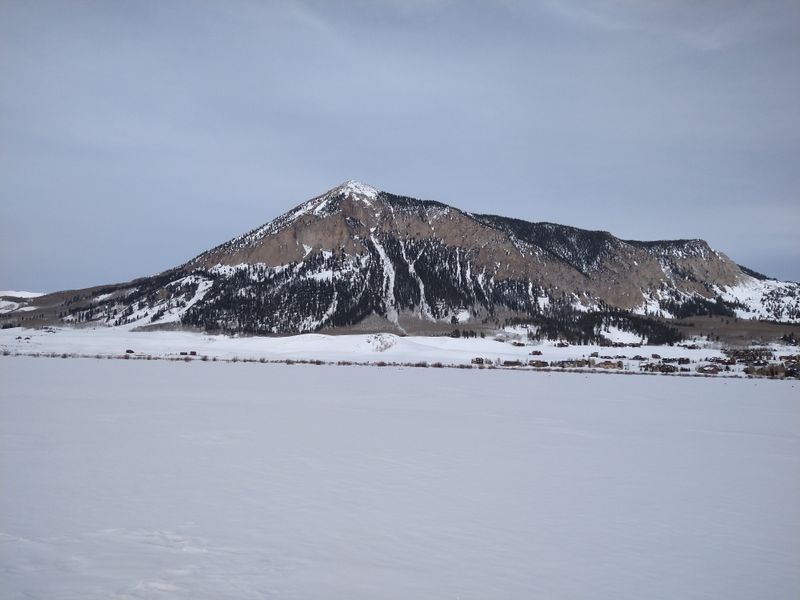
Crested Butte proudly calls itself the Wildflower Capital of Colorado, and summer hikes prove this title well-deserved.
Meadows explode with color as lupines, columbines, and Indian paintbrush blanket the hillsides in stunning displays.
The town maintains an authentic, laid-back atmosphere that feels refreshingly unpretentious compared to some resort communities.
Mountain biking culture runs deep here, with trails that challenge riders of all skill levels.
Hikers share these paths with cyclists, creating a friendly outdoor community where everyone appreciates the surrounding beauty.
Gothic Road leads to abandoned mining sites where history buffs can explore remnants of Colorado’s silver boom days.
Food culture in Crested Butte centers around casual, high-quality establishments that prioritize flavor over fancy presentation.
Irwin Brewing Co. serves wood-fired pizzas with creative toppings alongside craft beers brewed right on the premises.
The combination of crispy crust, melted cheese, and hoppy beer tastes absolutely perfect after hours of mountain exploration.
Local breweries understand that their customers have worked hard for their meals, so portions tend to be generous and satisfying.
Elk Avenue, the main street, features brightly painted Victorian buildings that house restaurants, shops, and galleries.
The compact downtown layout makes it easy to wander from one eatery to another, sampling different flavors and atmospheres.
Winter transforms the town into a skiing paradise, but summer and fall reveal the true character of this mountain gem.
Locals joke that the best seasoning for any meal is a five-mile hike, and Crested Butte offers countless opportunities to add that special ingredient.
4. Rollinsville
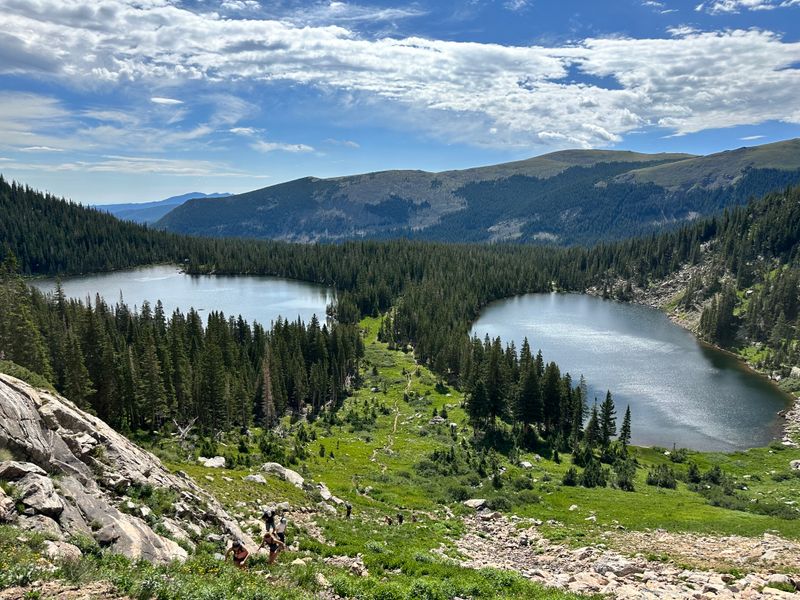
Tucked along the famous Peak-to-Peak Scenic Byway, Rollinsville remains one of Colorado’s best-kept secrets for outdoor enthusiasts.
This tiny mountain community offers access to incredible trails without the crowds that pack more famous destinations.
The surrounding Roosevelt National Forest provides endless opportunities for exploration through dense pine forests and rocky outcrops.
Hikers can access routes that lead to pristine alpine lakes where the water reflects surrounding peaks like mirrors.
The Continental Divide looms nearby, offering challenging climbs for those seeking serious elevation gains.
Fall brings spectacular color changes as aspen groves turn golden against the evergreen backdrop.
Despite its small size, Rollinsville punches above its weight in the culinary department thanks to Toss Pizza.
This unassuming establishment serves wood-fired pizzas that have earned a devoted following among locals and visitors alike.
The aroma of burning wood and baking dough greets hungry hikers like a welcoming embrace after hours on the trail.
Each pizza emerges from the oven with perfectly charred edges and bubbling cheese that stretches with every slice.
The relaxed atmosphere encourages lingering over meals while sharing trail stories with fellow adventurers.
Large windows offer views of the surrounding mountains, allowing diners to continue appreciating nature’s beauty while refueling.
The Peak-to-Peak Highway provides stunning driving experiences between hikes, with countless pullouts for photos and exploration.
Rollinsville proves that you don’t need a big town to find exceptional post-hike dining experiences in the Colorado Rockies.
5. Estes Park
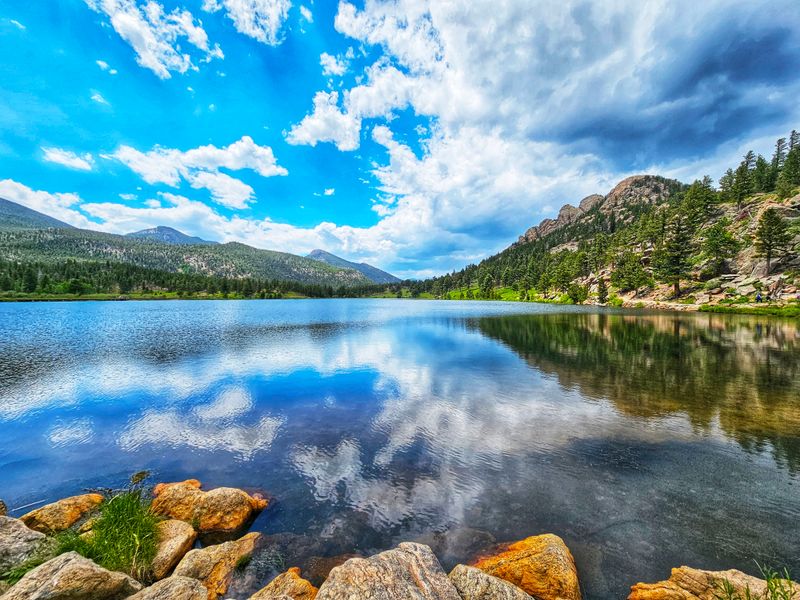
Serving as the eastern gateway to Rocky Mountain National Park, Estes Park welcomes millions of visitors who come seeking alpine adventures.
The town sits at 7,522 feet elevation, where the plains meet the mountains in a dramatic transition of landscapes.
Elk frequently wander through town, grazing on lawns and bugling during fall mating season, creating unforgettable wildlife encounters.
Trail options range from easy lakeside walks to grueling climbs up fourteeners that test physical limits.
Bear Lake serves as a popular starting point for numerous routes, including the challenging ascent to Hallett Peak.
Alpine wildflower displays in summer rival anything found elsewhere in the state, carpeting high meadows with brilliant colors.
The dining scene caters to every taste and budget, from casual cafes to upscale restaurants with mountain views.
Rock Cut Brewing offers refreshing craft beers that taste especially crisp after a day spent at high altitude.
The brewery’s patio provides a perfect spot to watch sunset light paint the surrounding peaks in warm hues.
Many establishments feature locally sourced game meats, including elk and bison, connecting diners to the wild landscape they’ve just explored.
Downtown Estes Park buzzes with energy during peak season, with shops, galleries, and restaurants lining the main streets.
The Riverwalk follows the Big Thompson River through town, offering a pleasant stroll for working off dinner.
Historic Stanley Hotel overlooks the valley, famous for inspiring Stephen King’s novel The Shining.
Eating in Estes Park after hiking Rocky Mountain National Park completes a perfect Colorado mountain experience.
6. Buena Vista
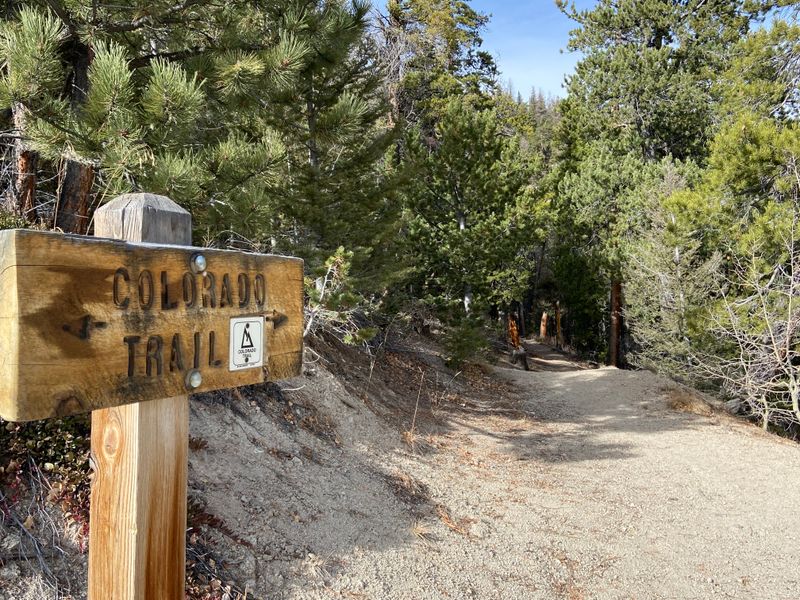
Positioned along the rushing Arkansas River, Buena Vista attracts adventurers who crave both water and mountain activities.
The Collegiate Peaks Wilderness surrounds the town, featuring some of Colorado’s most impressive fourteeners named after Ivy League universities.
Mount Princeton, Mount Yale, and Mount Harvard create a stunning backdrop that dominates every view.
Hiking trails lead to hot springs, alpine lakes, and summit ridges where the entire state seems to spread out below.
The Colorado Trail passes nearby, allowing through-hikers to resupply while enjoying town amenities.
Cottonwood Pass Road climbs to over 12,000 feet, offering high-altitude trailheads for those seeking quick access to the alpine zone.
Eddyline Restaurant at South Main has become a favorite post-hike destination for locals and visitors.
Wood-fired pizzas emerge from the oven with creative topping combinations that showcase regional ingredients.
The attached brewery crafts excellent beers that pair perfectly with hearty mountain fare.
Outdoor seating allows diners to enjoy warm afternoons while watching rafters float past on the Arkansas River.
The town’s artistic community adds unexpected cultural depth to this outdoor recreation hub.
Galleries and studios showcase works inspired by the surrounding landscape, from paintings to sculptures to photography.
Summer brings festivals celebrating art, music, and local food, creating a vibrant atmosphere beyond just hiking and dining.
Buena Vista demonstrates how a mountain town can balance adventure tourism with authentic community character and excellent culinary options for hungry hikers.
7. Pagosa Springs
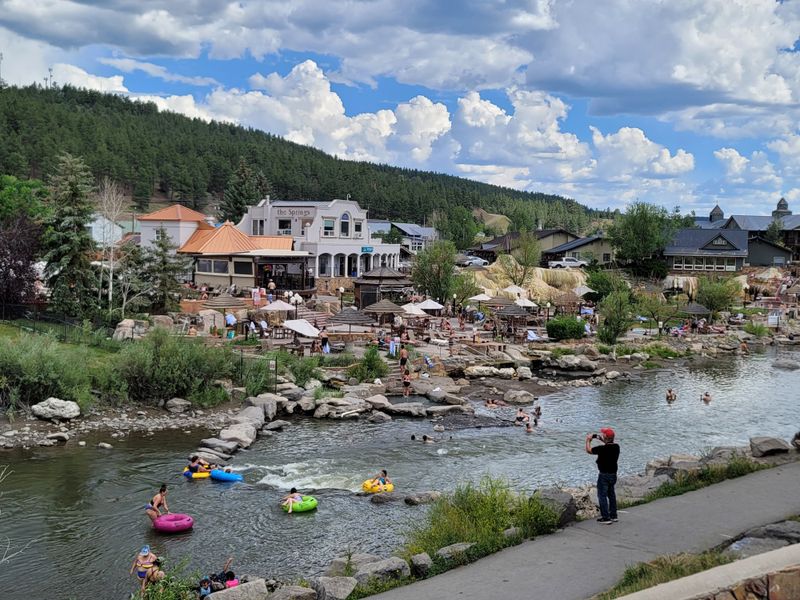
Famous for having the world’s deepest geothermal hot spring, Pagosa Springs offers a unique combination of hiking and soaking.
The San Juan River flows through town, providing a scenic corridor for walking paths and wildlife viewing.
Surrounding mountains belong to the San Juan National Forest, with trails that range from gentle riverside routes to challenging alpine climbs.
Continental Divide Trail hikers often stop in Pagosa Springs to rest, resupply, and enjoy the healing waters.
Local trails lead to waterfalls, mountain lakes, and meadows filled with wildflowers during peak summer months.
The combination of volcanic geology and mountain scenery creates a landscape unlike anywhere else in Colorado.
After hiking, the natural hot springs provide therapeutic relief for tired muscles and sore joints.
The mineral-rich waters have been valued for centuries, first by Ute people and later by settlers seeking healing.
Once you’ve soaked away the day’s exertion, local restaurants offer cozy atmospheres perfect for relaxed dining.
The Rose serves hearty meals that satisfy appetites built up through hours of mountain exploration.
Comfort food takes center stage here, with generous portions and flavors that warm you from the inside.
Many establishments feature rustic decor that reflects the town’s frontier heritage and connection to the land.
The combination of physical activity, natural hot springs, and satisfying food creates a complete wellness experience.
Pagosa Springs maintains a quieter, more relaxed pace compared to some busier Colorado mountain towns.
This laid-back atmosphere allows visitors to truly unwind and savor both their meals and their mountain experiences.
8. Grand Junction
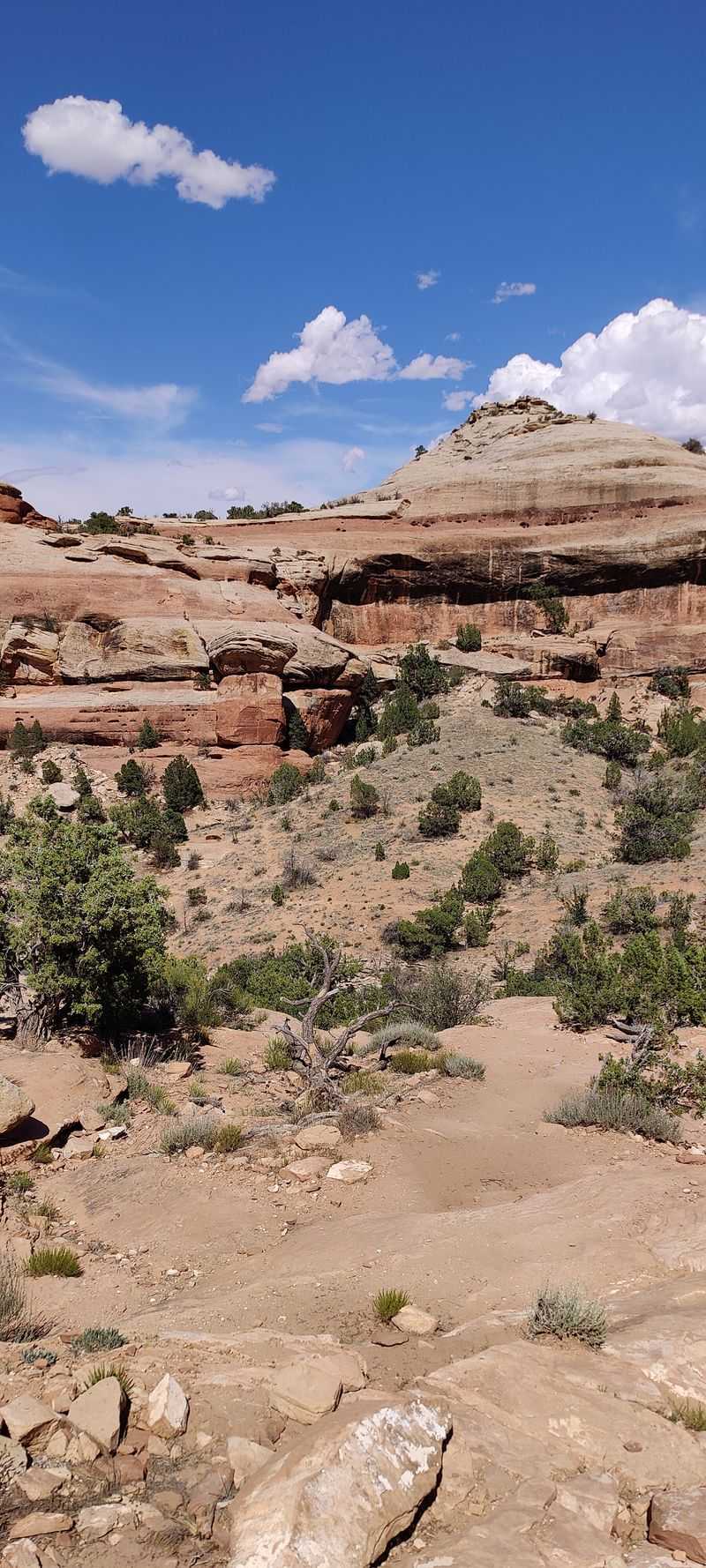
Situated on Colorado’s Western Slope, Grand Junction offers a completely different landscape from the state’s famous alpine regions.
Red rock canyons, desert mesas, and the mighty Colorado River create scenery that feels more like Utah than typical Colorado.
The region’s lower elevation and warmer climate support vineyards and orchards that produce exceptional wines and fresh fruit.
Colorado National Monument provides stunning hiking through twisted rock formations and deep canyons carved over millions of years.
Trails wind past balanced rocks, natural arches, and cliff edges with dizzying drops to the valley below.
The unique geology creates a hiking experience that stands apart from mountain trails found elsewhere in the state.
After exploring desert trails under the hot sun, Grand Junction’s culinary scene offers refreshing rewards.
Local restaurants emphasize farm-to-table dining, showcasing the region’s abundant agricultural production.
Fresh peaches, cherries, and apples appear on menus during harvest season, celebrating the valley’s fruit-growing heritage.
Wine tasting rooms dot the countryside, offering samples of locally produced vintages that pair beautifully with regional cuisine.
The downtown area features a growing collection of breweries, bistros, and cafes that cater to outdoor enthusiasts.
Patio dining takes advantage of the area’s sunny weather, allowing diners to enjoy meals under blue skies.
The combination of desert hiking and wine country dining creates a unique Colorado experience that surprises first-time visitors.
Grand Junction proves that post-hike dining satisfaction doesn’t require alpine scenery or mountain peaks.
The region’s distinctive character and agricultural bounty offer their own special rewards for hungry adventurers.
9. Silverton
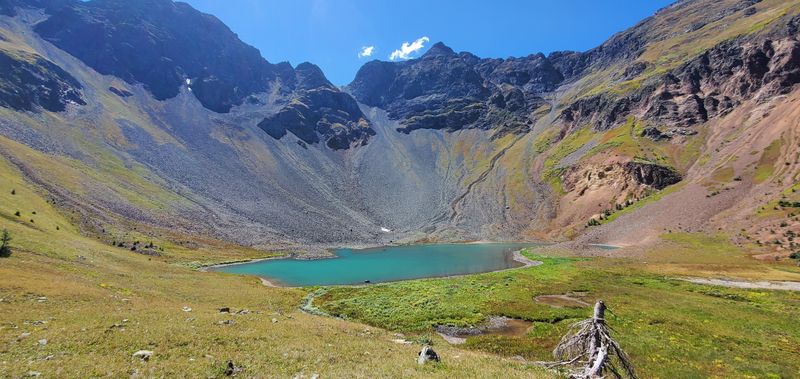
Perched at 9,318 feet elevation, Silverton stands as one of Colorado’s highest and most authentic mining towns.
Rugged peaks surround this tiny community on all sides, creating a dramatic setting that feels isolated from the modern world.
The famous Durango & Silverton Narrow Gauge Railroad brings visitors who step off the train into a living museum of frontier history.
Hiking opportunities abound in the surrounding San Juan Mountains, with trails leading to abandoned mines, alpine basins, and towering summits.
Ice Lakes Basin attracts photographers with impossibly blue waters set against red mountain peaks dusted with snow.
The challenging terrain and high altitude make every hike feel like a genuine mountain adventure.
Despite its small size and remote location, Silverton offers surprisingly good dining options for hungry hikers.
Local establishments serve hearty meals designed to refuel exhausted adventurers who’ve spent hours climbing steep trails.
The thin air at this elevation makes every bite taste more intense, and appetites seem bottomless after high-altitude exertion.
Historic buildings line the main street, many dating back to the silver mining boom of the late 1800s.
Eating in these vintage structures adds atmosphere to every meal, connecting diners to the hardy pioneers who settled this harsh landscape.
Local brews appear on many menus, crafted by small breweries that understand what mountain adventurers crave.
Winter brings heavy snow that isolates Silverton for months, but summer reveals its true character as a hiker’s paradise.
The combination of authentic history, challenging trails, and satisfying food creates an unforgettable Colorado mountain town experience.
Dear Reader: This page may contain affiliate links which may earn a commission if you click through and make a purchase. Our independent journalism is not influenced by any advertiser or commercial initiative unless it is clearly marked as sponsored content. As travel products change, please be sure to reconfirm all details and stay up to date with current events to ensure a safe and successful trip.
