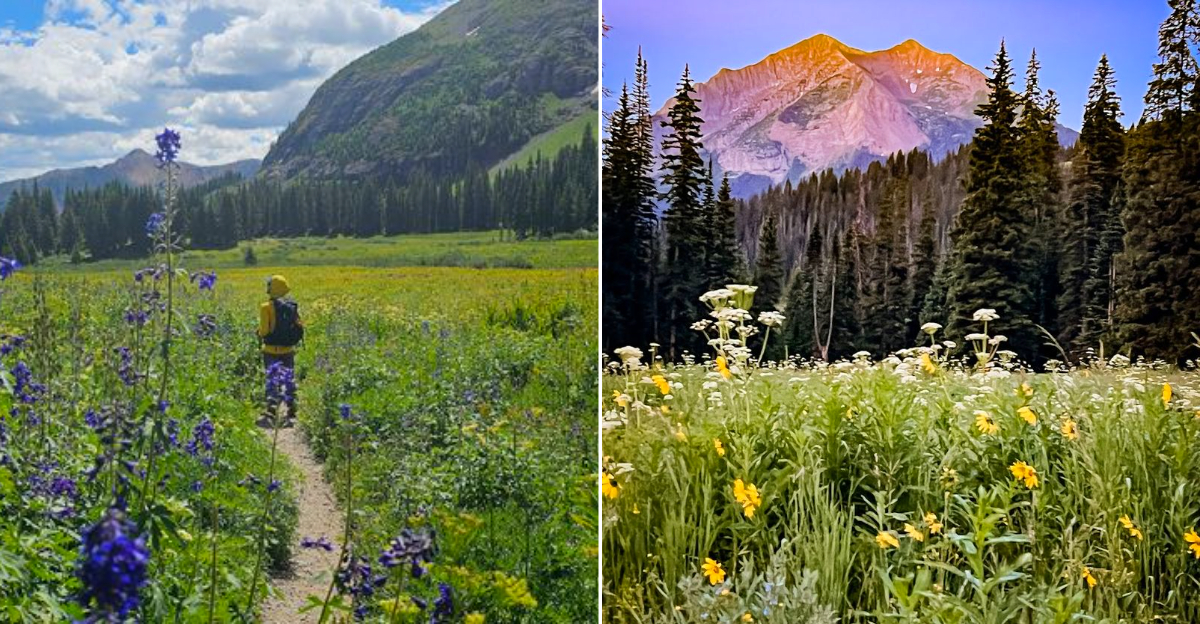
One quick step off trail, and suddenly the whole meadow is paying for it. Colorado wildflower meadows look like nature went full show-off mode, with bright color, wide open views, and that dreamy “is this real?” feeling that makes everyone stop walking.
Then tourists treat the flowers like a photo backdrop instead of a living place, and the damage happens fast. A single shortcut can crush fragile plants, widen social trails, and turn a delicate slope into a dusty scar that lasts long after the selfies are gone.
The frustrating part is how avoidable it is. Most meadows have clear paths for a reason, because wildflowers are tough enough to survive mountain weather but not tough enough to survive thousands of careless boots.
And once people see one set of footprints, they follow it like it is permission. This is why locals get protective.
They want you to see the bloom, love the bloom, and leave it exactly as you found it, so the next person gets the same jaw-drop moment without the trail turning into a mess.
The Wildflower Meadow Glow That Makes People Forget The Rules
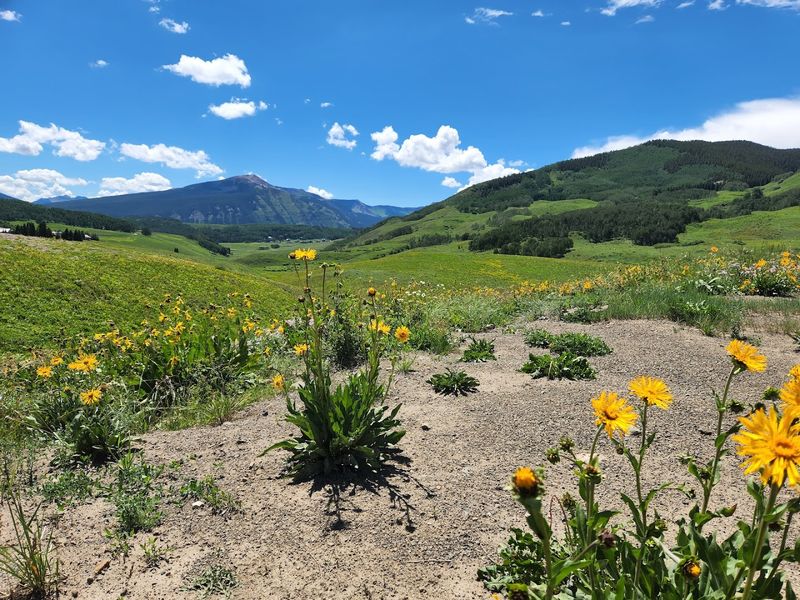
You know that warm buzz when the tundra lights up with paintbrush and lupine and you feel ten feet tall inside your boots.
That is the exact second your brain whispers just one step for the photo, and the meadow pays the bill.
Colorado meadows are not lawns, and they are not casual. They are living mosaics with roots holding thin soil that took ages to form.
The trail is not there to cramp your style, it is there because the ground has limits.
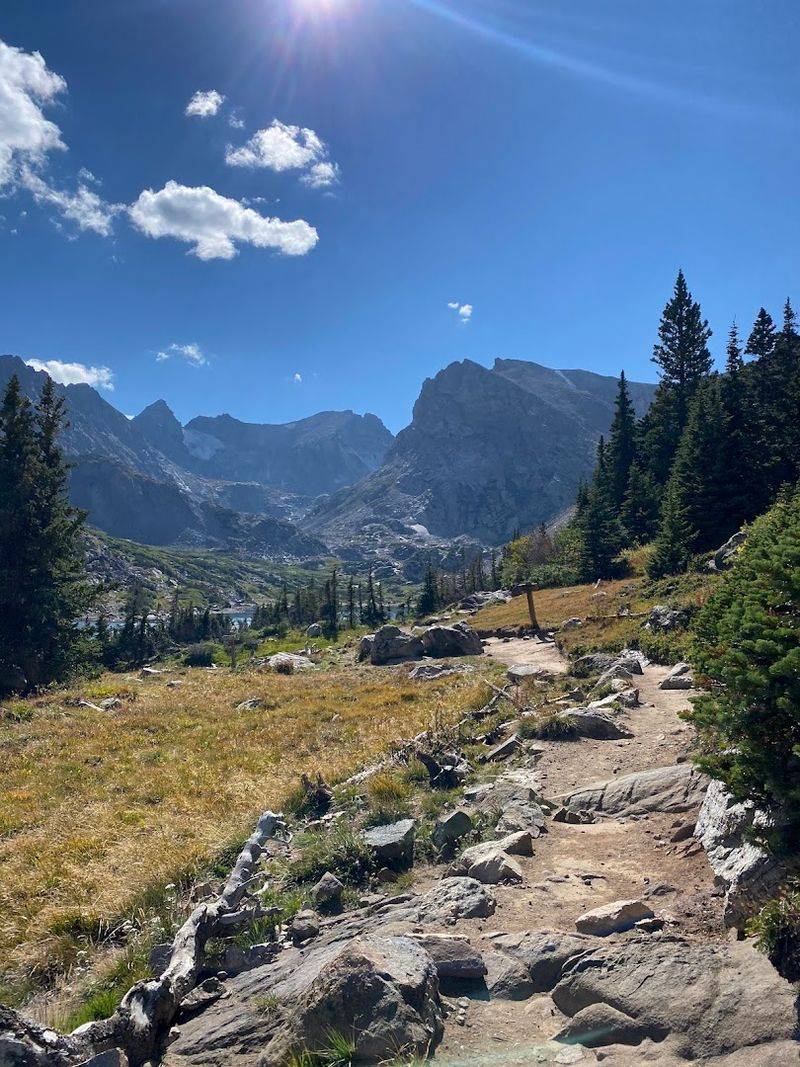
On the Indian Peaks trail near Pawnee Pass, I watched a stranger toe into the flowers for a better angle.
By lunch, a faint side track followed their print like a dotted line, and two more people copied it.
You do not see the damage in the moment, which is why it is so sneaky.
You see it a week later when the crushed leaves brown, and the gap looks weirdly gray.
If the view makes you want to float, try a knee bend or a lower angle right from the tread.
The color pops, your photo sings, and the meadow stays whole for the next person.
Colorado gives us these wild confetti slopes for free.
We pay back by staying on the brown line and letting the green glow do its thing.
Why One “Quick Step” Can Start A Long Ugly Scar
It starts with one heel edge pressing into soft duff, then someone else lands in the same spot because it looks like a path.
Now the soil compacts, water runs differently, and the new line keeps calling feet.
We think single choices vanish in big landscapes. They do not, especially in Colorado where thin alpine soils behave like memory foam that never rebounds.
Once a tread shows, people trust it more than signs.
I watched this near Shrine Pass where the flowers do that electric July thing.
A guy stepped around a small puddle, and boom, a mirror route formed on the meadow side by afternoon.
That track widens because boots splay and folks avoid mud to keep shoes clean.
Then bikes or dogs follow the firmer feel, and the scar learns to persist.
Erosion loves tiny shortcuts since water chooses the easiest slide, which ends up right down that unplanned line.
When the next storm hits, the groove deepens, and plants at the edge get undercut.
The fix sounds boring and simple.
Walk straight through the puddle or snow patch on durable surfaces and let your socks earn the story.
The Alpine Tundra Reality: Fragile Plants, Slow Comebacks
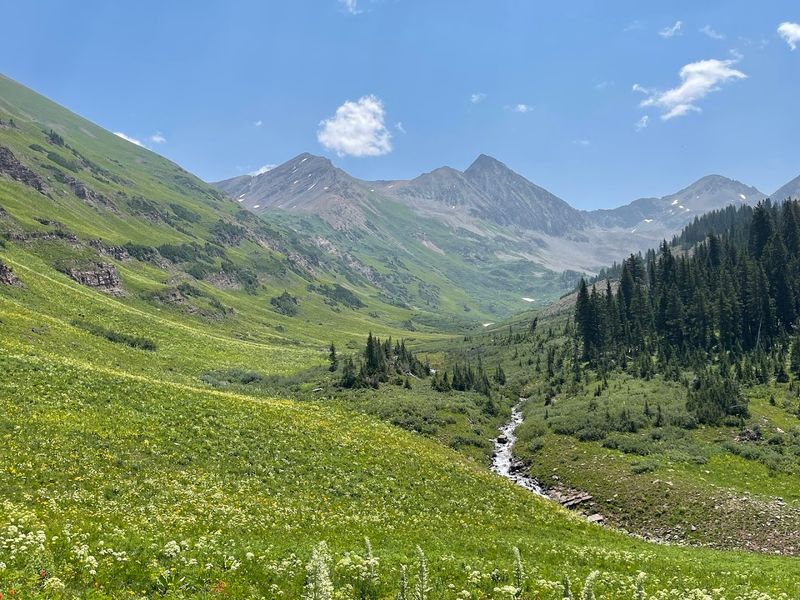
Cushion plants look like green pillows, but they are more like slow-building coral reefs of the Rockies.
Each mat can be older than your hiking habits, stitched tight to survive wind, ice, and thin air.
Crush that cushion and the plant cannot just pop back like a dandelion. It breaks cells that took seasons to lay down, and the gap invites frost to pry the wound open wider.
Colorado tundra has inches of soil, not buckets.
Roots weave like lace to catch warmth and water, which means one twist of a boot tears a lot more than leaves.
Recovery up high is measured in long waits, not weekends.
If you need proof, check the boardwalk edges on Mount Evans where fencing protects tiny plots.
Those are not for show, they are little hospital beds for plants that grow painfully slow.
When you feel tempted to step off for a closer look, crouch on the trail and zoom with your eyes or your lens.
Your knees can handle the angle better than those plants can handle your tread.
That choice keeps the color carpet seamless for the next thaw.
And it keeps you part of the solution while the tundra does its quiet, stubborn work.
Trail Braiding: How Side Paths Multiply Fast
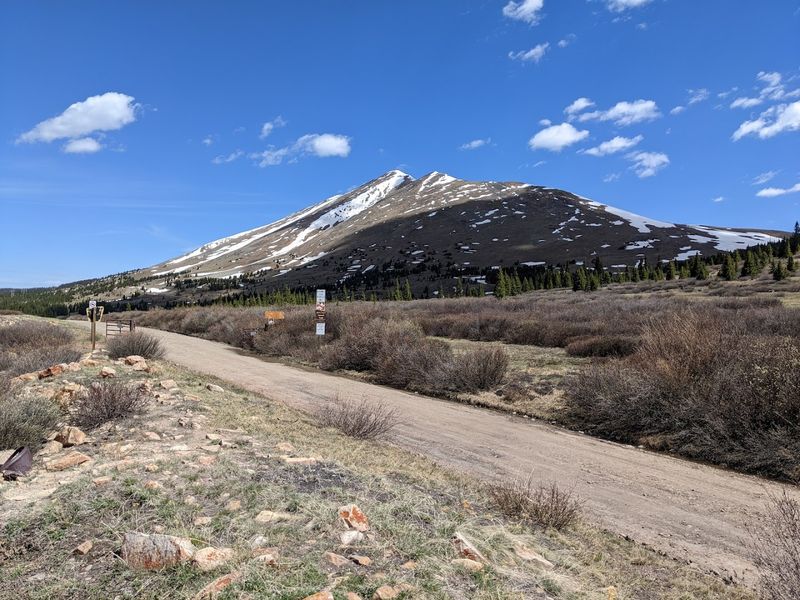
You have seen it near Loveland Pass or around Crested Butte, where the main track splits, then splits again like a frayed rope.
That is trail braiding, and it is why meadows start to look threadbare.
It usually begins at obstacles like mud, snow tongues, or a tight switchback. People cut wide to save a second, and suddenly there are three choices where one would do.
Each new line steals a slice of living meadow, which turns the whole slope into a maze.
Maintenance crews then have to rehab multiple scars instead of one sturdy tread.
On the ground it feels innocent, because the next line looks slightly drier or cleaner.
From above it resembles a parking lot of damage, and the flowers lose big chunks of habitat.
The move that helps is boring and heroic at the same time.
Pick the mainline, step right through the inconvenience, and keep poles tucked so you are not poking new soil.
If you are with friends, call out the braid and choose the narrowest, firmest option together.
That small group choice stops the copycat spiral before it grows legs.
Photo Ops Without The Footprint: Angles That Keep You On Track
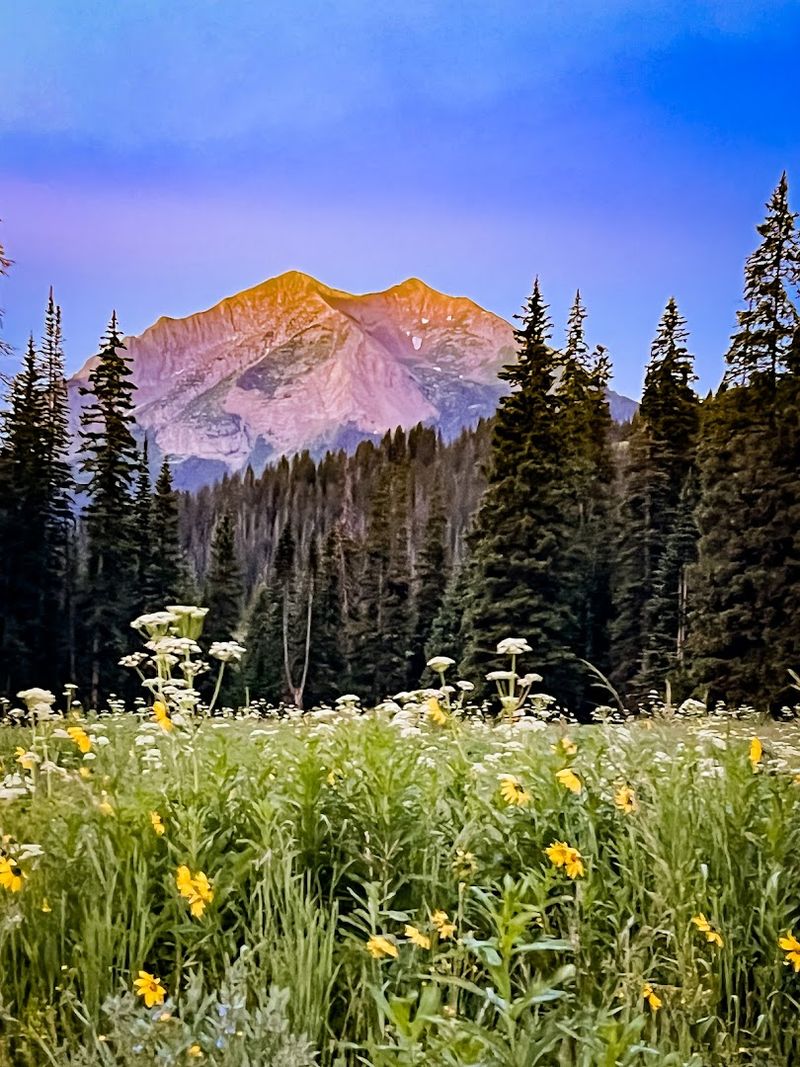
Let the trail be your tripod, and your knees be the zoom.
Drop low, tilt the lens, and pull flowers close without leaving the tread at all.
Shoot along the trail edge so blossoms stack up in the frame. Use a finger to shield glare, and you will get that creamy color band everyone chases.
Side step is not required, just a tiny shuffle within the beaten line.
Colorado light loves early and late hours, so you can work angles while the tread is quiet.
Ask your buddy to stand on the switchback above you for scale, staying on dirt so the meadow stays clean.
I like the move where you place the camera almost at shoe level.
The foreground pops, mountains stretch, and you never touch the plants.
If the trail curves, let that S shape lead through the frame like a river.
Your feed looks cinematic, and you get to walk away guilt free.
The secret is resisting that one-step urge when the view hits hard.
Turn the urge into creativity, and the flowers get to keep blooming right where they belong.
Kid And Dog Moves That Prevent The Wandering Drift
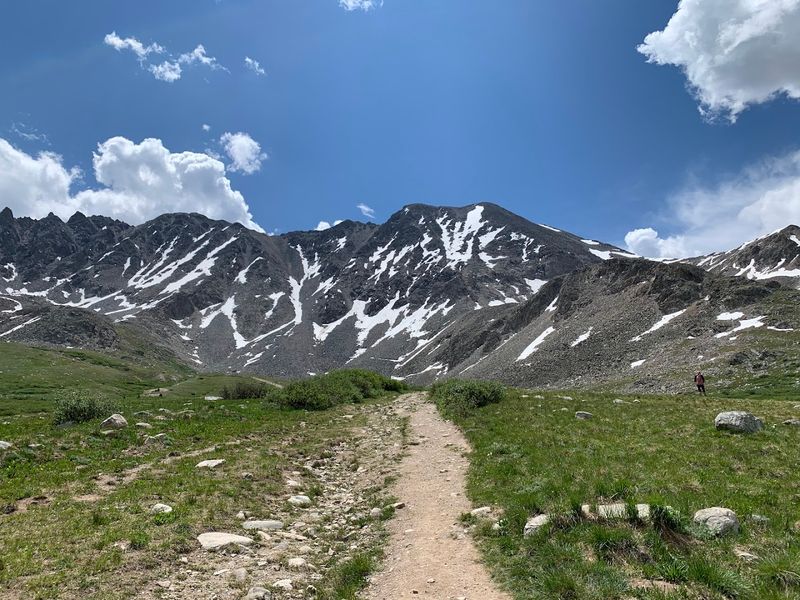
Kiddos and pups are joy engines, and also tiny chaos machines when the color explodes on both sides.
Set the rules at the car, and repeat them at the trailhead before the buzz takes over.
Leash the dog in meadows even if recall is rock solid. You are not just protecting flowers, you are protecting ground nesters and hidden water channels.
Make the game to follow the brown line like a train track and let the kid be the conductor.
Give them the job of spotting cairns or signs so the focus stays forward.
Snacks become checkpoints, not reasons to bounce into petals.
I keep a short leash and slide to the uphill edge when people pass.
That keeps paws centered and avoids the yo-yo tug that yanks them into blooms.
For photos, scoop the kid to a knee bend right on the tread and keep the dog sitting beside your boots.
The shot looks composed, and nothing green gets stomped.
Colorado has plenty of spots where off leash is fine outside meadows.
Save the zoomies for those zones and let the flowers stay a postcard, not a playground.
Crowd Moments: Passing People Without Stepping Into Flowers
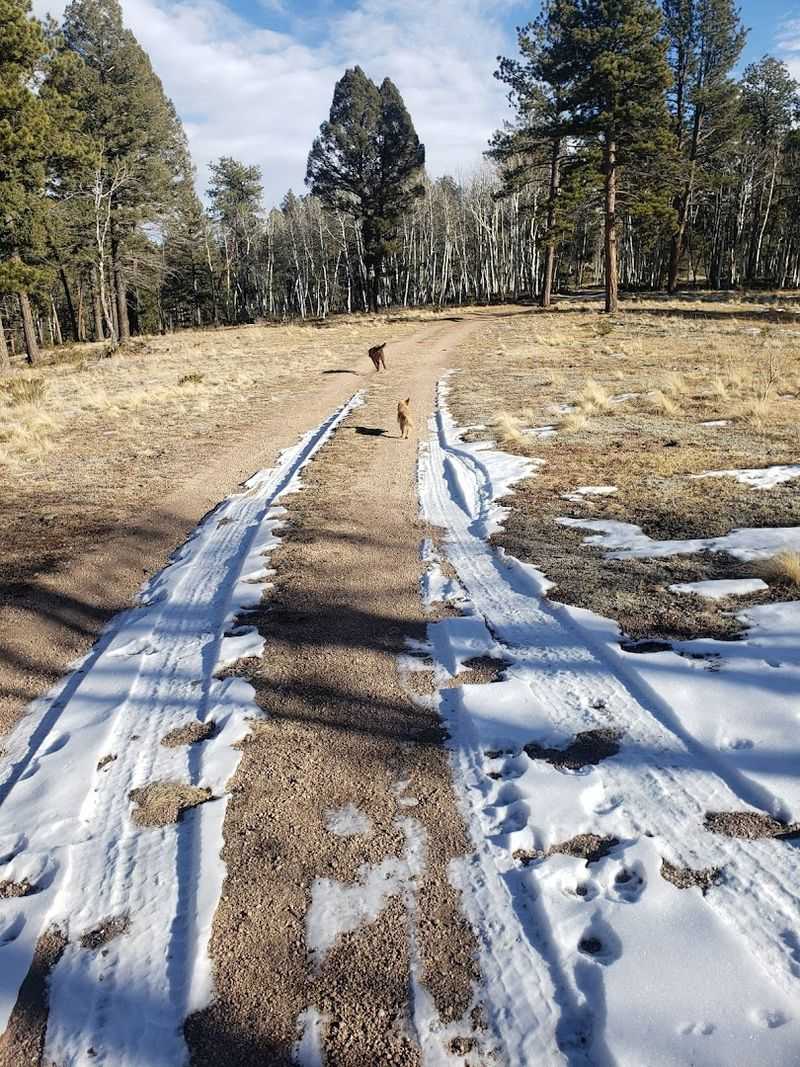
Peak bloom plus a bluebird forecast means the singletrack turns into a polite hallway.
Passing without flower damage takes a tiny plan and a little patience.
When you see a group coming, slow early and scan for rock or bare mineral soil. Aim for those durable spots if anyone needs to step aside.
If there is none, just pause and let them come through single file.
It feels old school, and it saves a swath of color from sneaker prints.
Poles can help, but keep tips planted on the tread so you are not jabbing seedlings.
Voice helps too, simple and calm.
Hey, I will wait right here on the rock, you are good, sounds normal and keeps everyone centered.
This is especially true on the busy segments near Aspen or Breckenridge where meadows sit tight to the trail.
Colorado crowds ebb fast if you breathe and give it a minute.
That kindness reads in the landscape later when there is no fresh side path.
It also makes the whole day feel lighter, which is the point of hiking anyway.
When Closures And Ropes Show Up, They Are Not “Optional”
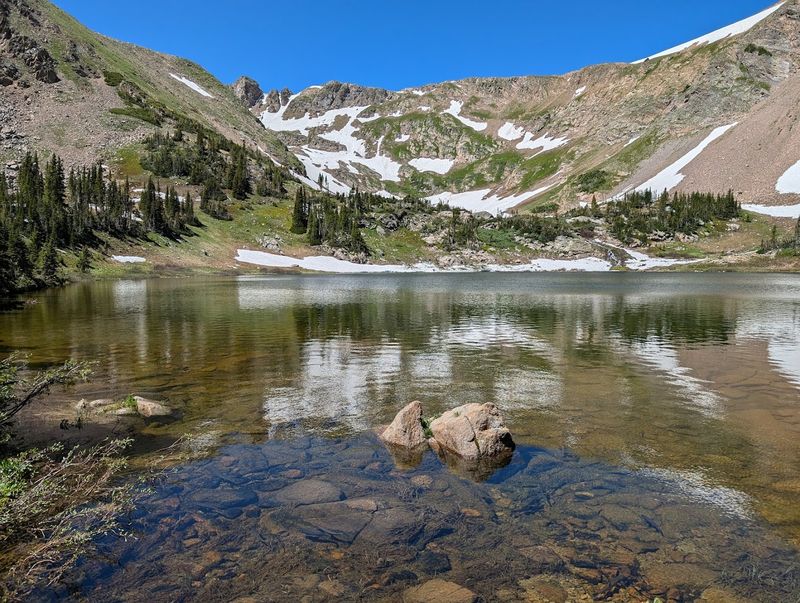
Those ropes are not decorations or photo barriers, they are surgery tape on a living hillside.
Step over them and you rip the stitches before the wound closes.
Agencies rope sections at places like Butler Gulch when side tracks start to eat the meadow. They are trying to rest the roots and let the thin soil knit back together.
Even if the flowers look fine behind the rope, trust the process.
Recovery up high hides under the surface, and it needs quiet more than applause.
Take your pictures from the open trail or the signed overlooks, which are placed for a reason.
If a closure sends you the long way, consider it part of the trip instead of a hassle.
You would rather see rope for a short season than gray scars for a long one.
Colorado crews and volunteers bust it out to keep these spots special, and the least we can do is read the line and respect it.
Ask a ranger if you are unsure, because they will always give context without judgment.
That conversation turns a no into a why, and the why is what sticks.
The Quick Fix That Helps: Calling Out The Step With Zero Drama
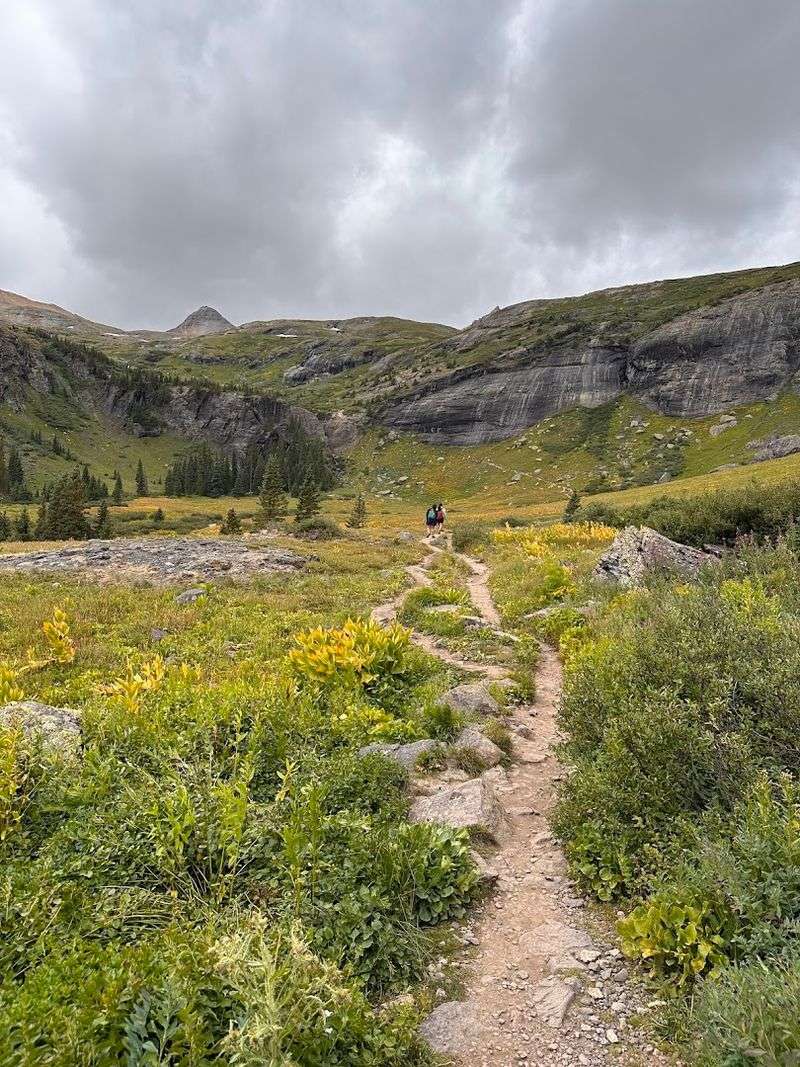
I know the cringe feeling of speaking up, but this can be so low key it barely registers as a callout.
Try a hey, the meadow is super fragile here, stay on the tread, thanks, with a smile and keep moving.
Say it like a weather update. Then model the move by stepping straight through the muddy bit or hugging the rock.
Most folks are not villains, they are distracted by the view.
Give them an easy script and they usually follow it without a ripple.
If it is a big group, speak to the person in front and the message flows backward.
When I did this near Kenosha Pass, the vibe stayed friendly and the shoe prints stopped wandering.
It felt like tapping a shoulder, not blowing a whistle.
You are not the trail police, you are just protecting the thing you came to see.
Colorado meadows do not need heroes, they need thoughtful nudges.
Those nudges compound fast when the trail is busy.
Suddenly the braid does not appear, and the flowers keep their space.
Leave No Trace Habits That Keep Colorado Meadows Looking Unreal
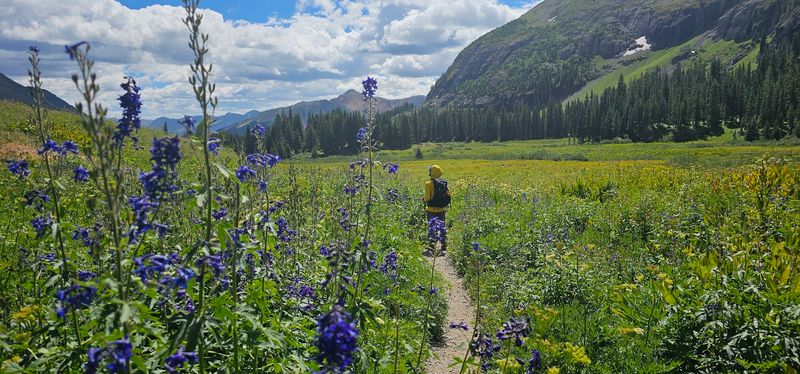
Pack in curiosity and pack out everything else, including those off trail shortcuts that temptation keeps pitching.
Plan your route so you hit meadows when the ground is firm and the tread can handle traffic.
Stay on durable surfaces, yield with patience, and keep groups tight through narrow sections. Spread out on wider durable ground instead of tiptoeing into plants.
Keep dogs leashed where posted and near meadows even if not posted.
Pick a bathroom plan that protects water, because those seeps in flowers are often the start of creeks.
Skip wildflower picking so the pollinators get paid and seeds can set.
If you see a fresh side path, ignore it and stick to the mainline.
Better yet, mention it at the trailhead so crews can address it before it hardens.
Use apps and maps to confirm routes where snow hides the tread.
Wandering to hunt for the line is how extra lines get born.
Colorado gives us high country meadows that look unreal in the best way.
Keeping them that way is a stack of tiny choices made by people who care enough to walk the line.
Dear Reader: This page may contain affiliate links which may earn a commission if you click through and make a purchase. Our independent journalism is not influenced by any advertiser or commercial initiative unless it is clearly marked as sponsored content. As travel products change, please be sure to reconfirm all details and stay up to date with current events to ensure a safe and successful trip.
