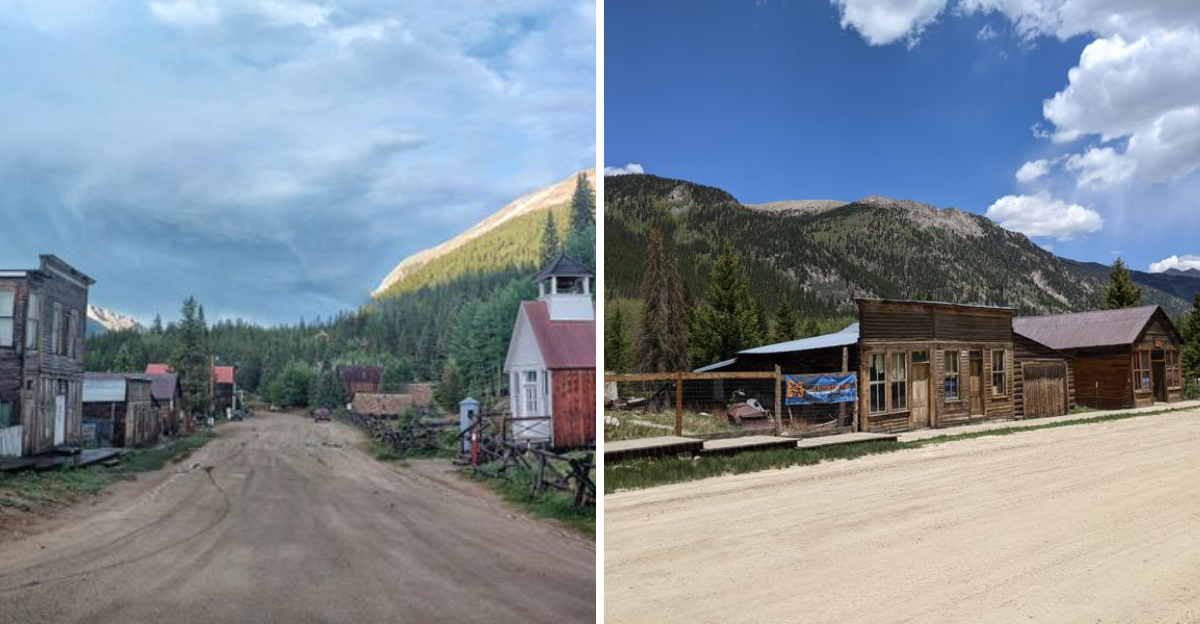
High in the Sawatch Range sits a place where time seems frozen, where wooden buildings creak in the mountain wind, and where the past feels more alive than the present.
St. Elmo is one of Colorado’s most famous ghost towns, a settlement that once buzzed with thousands of miners chasing fortune but now stands mostly silent.
This mountain town offers visitors a rare chance to walk through history, explore authentic Old West buildings, and imagine what life was like during the gold and silver rush.
Whether you’re a history lover, an adventure seeker, or just curious about Colorado’s mining past, St. Elmo delivers an unforgettable experience.
From friendly chipmunks to preserved structures over a century old, this ghost town has stories waiting around every weathered corner.
Here are ten fascinating things you need to know about this remarkable mountain settlement.
1. Birth of a Mining Town in the Mountains
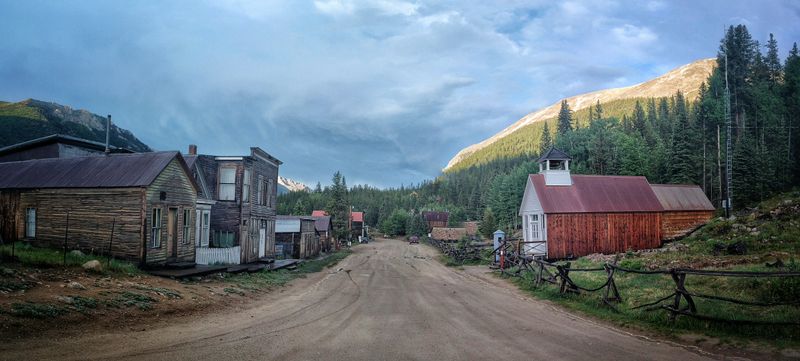
St. Elmo came to life when prospectors discovered precious metals hidden deep in the Sawatch Range.
The town officially took shape as miners flooded the Chalk Creek Canyon area, staking claims and building homes.
What started as scattered mining camps quickly transformed into a proper settlement with streets, businesses, and a community.
Prospectors had been exploring the area for years before the town’s official founding, drawn by rumors of rich veins of gold and silver.
The location proved ideal because of its proximity to productive mines and access to water from Chalk Creek.
As word spread about successful strikes, more fortune seekers arrived with their families, tools, and dreams of striking it rich.
Within months, St. Elmo evolved from a rough mining camp into a bustling mountain town.
Businesses opened to serve the growing population, including hotels, saloons, and a general store that became the heart of community life.
The town’s rapid growth reflected the optimism of the mining era, when entire communities could spring up almost overnight.
Today, visitors can still see the original layout and imagine those early days when St. Elmo was brand new and full of possibility.
Address: Colorado 81236
2. A Town That Once Thrived With Thousands
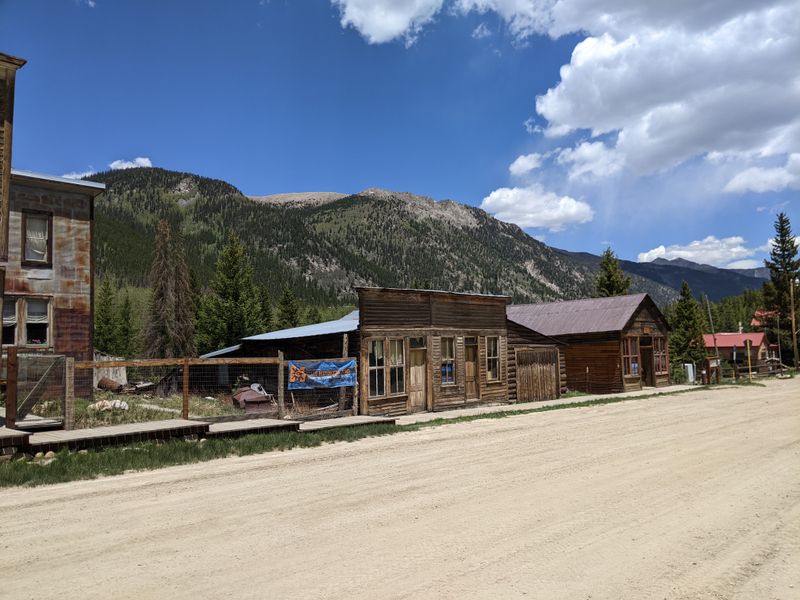
Imagine a mountain town packed with thousands of people, all chasing the same dream of striking gold or silver.
St. Elmo reached its peak when the mines were producing at full capacity and jobs were plentiful.
The main street bustled with activity as miners, merchants, families, and travelers filled the town from dawn to dusk.
Hotels never had empty rooms, saloons stayed busy, and the general store saw constant traffic.
Children attended school, families built homes, and the community established churches and social organizations.
Life in St. Elmo during those boom years was hard but full of energy and opportunity.
Miners worked long shifts underground while their families created a functioning town above.
The population included people from various backgrounds, all united by the hope of better fortunes.
Entertainment options were limited but cherished, with community gatherings and celebrations marking important occasions.
Walking through St. Elmo today, it’s hard to picture streets filled with that many people, but the numerous buildings hint at the town’s former vitality.
The contrast between past and present makes visiting this Colorado ghost town especially powerful.
3. Railroad Connections That Changed Everything
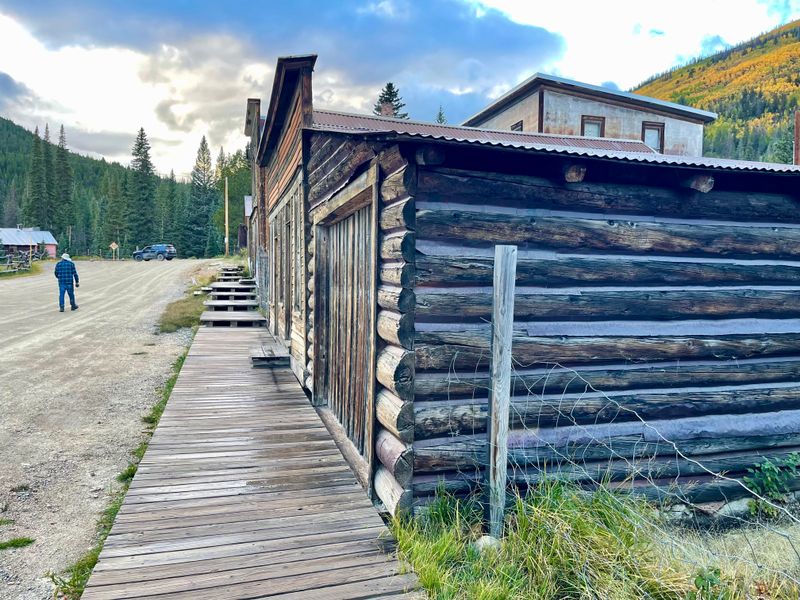
Transportation transformed St. Elmo from an isolated mountain camp into a connected hub of commerce and industry.
When the Denver, South Park and Pacific Railroad extended its line through the area, the town’s fortunes soared.
Suddenly, heavy mining equipment could arrive more easily, and ore could be shipped out efficiently.
The railroad also brought supplies, mail, news from the outside world, and a steady stream of new arrivals.
Nearby mines could transport massive quantities of ore daily, making operations far more profitable.
The presence of the railroad elevated St. Elmo’s importance in the region and ensured steady growth.
Passenger service meant families could maintain connections with relatives in other towns and cities.
Business owners relied on the railroad to stock their shelves with goods that mountain isolation would otherwise make scarce.
The rhythmic sound of trains became part of daily life in this Colorado mountain town.
When you visit St. Elmo today, you can still trace the old railroad bed and imagine the steam engines that once rumbled through.
The railroad’s story is essential to understanding both the town’s rise and its eventual decline.
4. The Mine That Made Millions
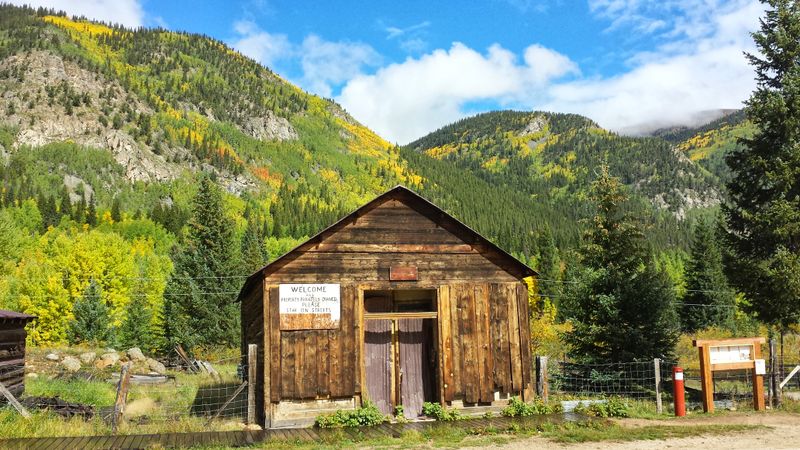
Among all the mining operations in the area, one stood out as the undisputed champion of production and profit.
The Mary Murphy Mine extracted enormous quantities of gold from the mountain, creating wealth that seemed almost unimaginable.
Miners worked around the clock in dangerous conditions, digging deeper into the earth in pursuit of precious metal.
The mine’s success sustained not just St. Elmo but the entire surrounding region’s economy.
Families depended on the mine for their livelihoods, and businesses thrived on the spending of well-paid miners.
The operation required sophisticated equipment, skilled labor, and constant investment in new tunnels and shafts.
Stories of the mine’s productivity spread throughout Colorado and beyond, attracting more prospectors and investors.
The wealth generated by the Mary Murphy Mine seemed like it would last forever, but mineral deposits eventually diminish.
Today, remnants of the mining operation remain visible in the landscape around St. Elmo.
Visitors can explore the area and gain appreciation for the dangerous, difficult work that built this ghost town.
The Mary Murphy Mine’s legacy lives on as a testament to the ambition and hardship of Colorado’s mining era.
5. When the Last Train Left Town
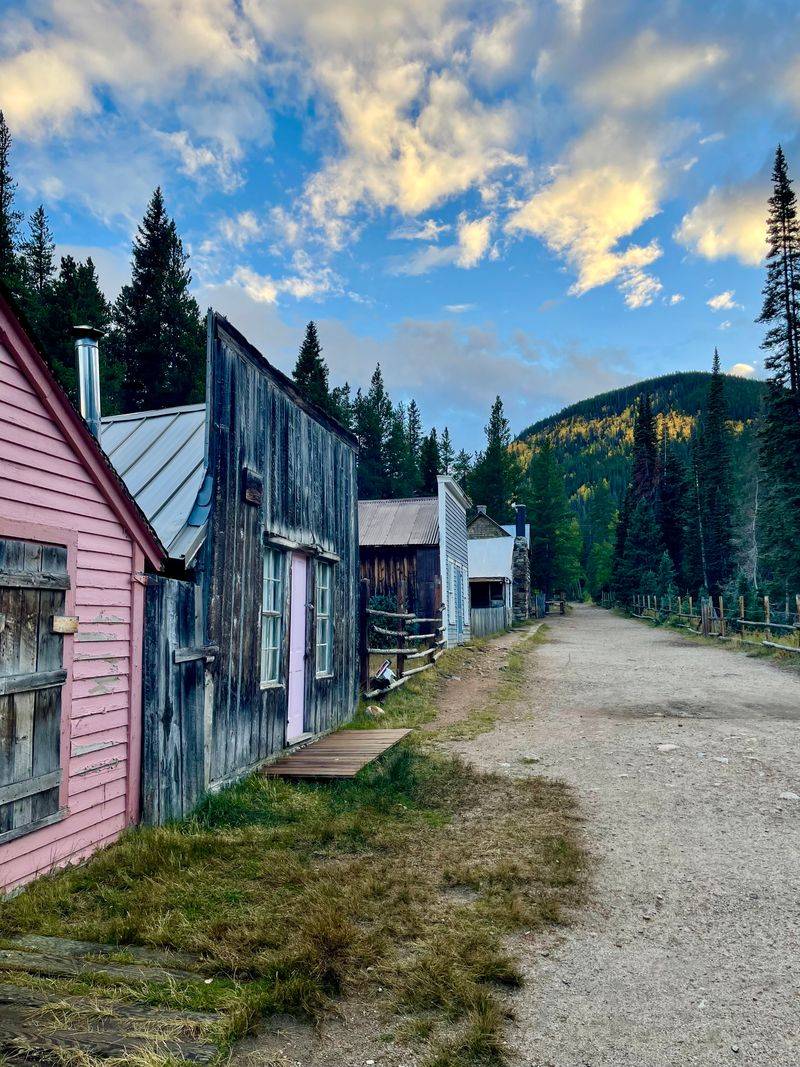
Every boom eventually faces a bust, and St. Elmo’s decline came swiftly when circumstances changed.
Mining operations slowed as the richest ore deposits were exhausted and costs rose.
Then the railroad company made a decision that would seal the town’s fate as a ghost town.
When rail service ended, St. Elmo lost its vital connection to the outside world.
Without trains, transporting ore became impractical, and bringing in supplies grew difficult and expensive.
Families faced a hard choice between staying in an increasingly isolated town or leaving for better opportunities.
Many residents boarded that final train, carrying what they could and leaving homes and memories behind.
The departure was emotional, marking the end of an era and the transformation of a living community into a ghost town.
Buildings stood empty, streets grew quiet, and nature began slowly reclaiming the settlement.
Yet St. Elmo never completely disappeared, unlike many other Colorado mining towns that vanished entirely.
Today’s visitors can sense the weight of that moment when the town’s fate changed forever.
6. A Ghost Town With Living Residents
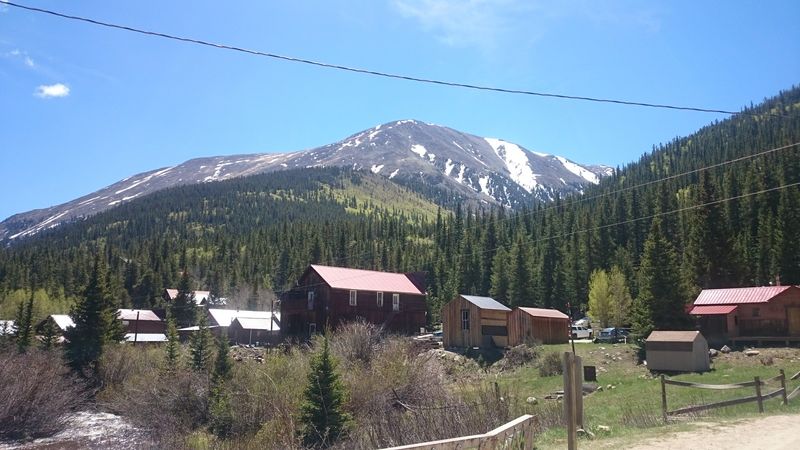
Most people think of ghost towns as completely abandoned places, but St. Elmo defies that simple definition.
A handful of hardy individuals actually call this mountain settlement home throughout the entire year.
These full-time residents embrace the isolation, harsh winters, and unique challenges of living in a historic ghost town.
During warmer months, the population swells as cabin owners arrive to enjoy their summer retreats.
These seasonal residents help maintain properties and contribute to the town’s ongoing preservation.
The presence of people, even in small numbers, gives St. Elmo a different character than truly dead towns.
Smoke might rise from a chimney on a cold morning, and you might encounter someone tending their property.
This blend of past and present, abandonment and occupation, creates a fascinating atmosphere.
Visitors should remember they’re walking through a place where people actually live, not just a museum.
The residents of St. Elmo are stewards of history, keeping the town’s story alive through their presence.
Their dedication ensures this Colorado ghost town remains accessible and preserved for future generations to experience and appreciate.
7. Protected Status for Historic Preservation
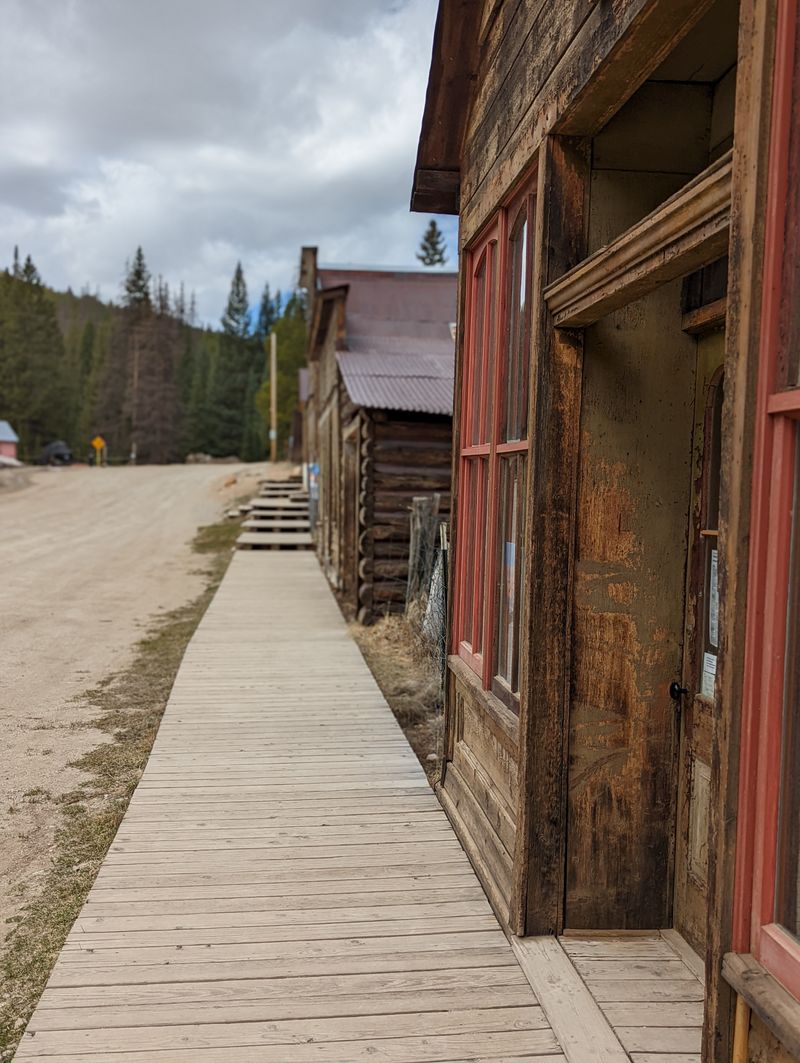
Recognition came to St. Elmo when officials acknowledged its exceptional historical value and authenticity.
Being listed on the National Register of Historic Places brought attention to the town’s significance.
This designation as a National Historic District helps protect the buildings from inappropriate development or destruction.
The status also makes certain preservation grants and resources available to maintain the historic structures.
Without this protection, St. Elmo might have suffered the fate of other ghost towns that crumbled into dust.
Property owners must follow guidelines that preserve the authentic character of their historic buildings.
This ensures visitors experience genuine Old West architecture rather than modern reconstructions.
The designation acknowledges St. Elmo as an important piece of Colorado’s mining heritage.
Preservation efforts focus on stabilizing structures while maintaining their original appearance and materials.
Visitors benefit from these protections, which guarantee the town will look much the same for years to come.
The National Historic District status represents a commitment to remembering and honoring the people who built St. Elmo and the era they lived in.
8. Furry Residents Who Steal the Show
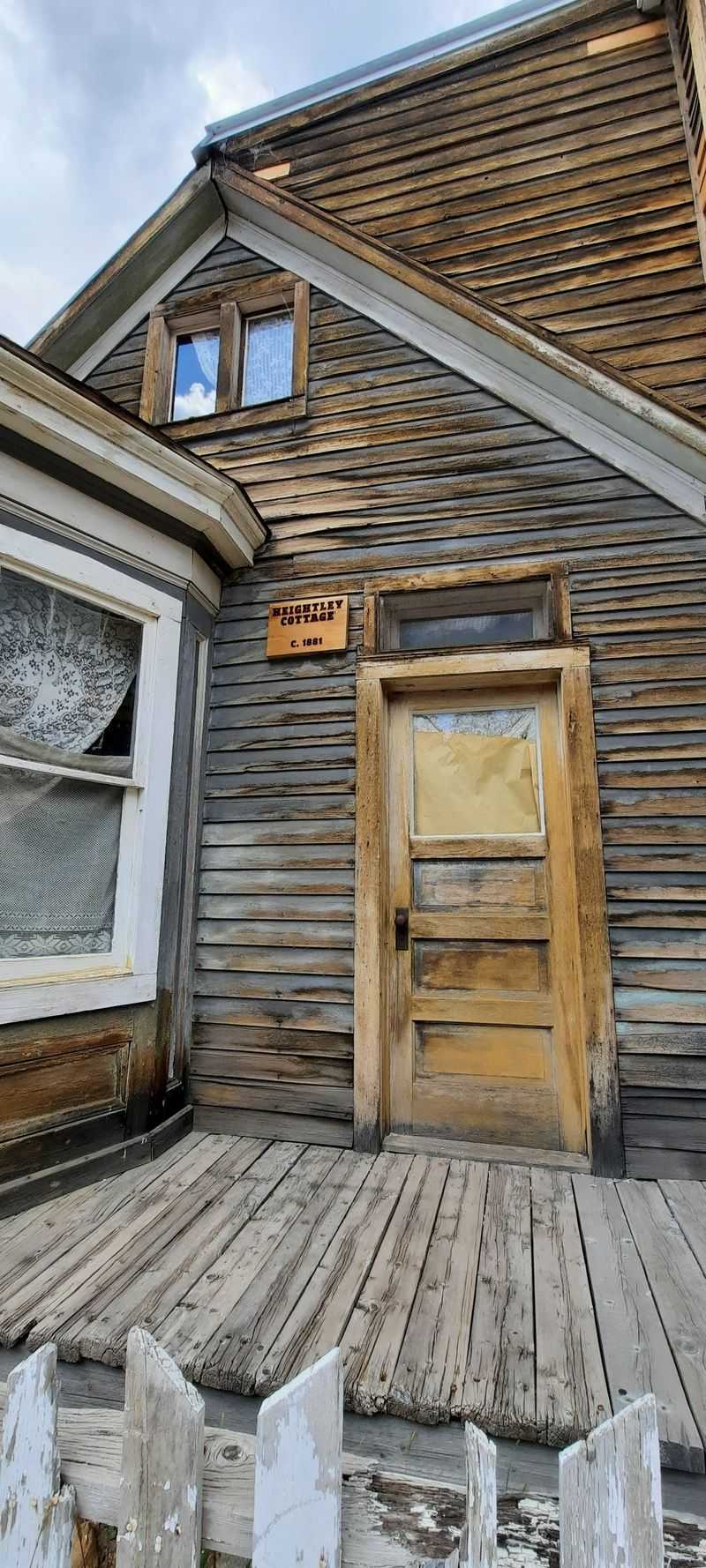
Among St. Elmo’s most beloved attractions are the small, furry creatures that have made the ghost town their home.
Chipmunks and squirrels populate the area in impressive numbers, showing little fear of human visitors.
These bold little animals have learned that tourists often bring sunflower seeds and other treats.
Watching them scamper across old wooden porches and between historic buildings adds charm to any visit.
Many visitors find that feeding these friendly creatures becomes the highlight of their St. Elmo experience.
The animals will approach quite close, and some will even eat seeds directly from an outstretched hand.
Children especially love interacting with the chipmunks, creating memories that last long after the visit ends.
Photographers find endless opportunities to capture adorable images of these photogenic residents.
The wildlife presence reminds visitors that nature continues even as human settlements fade.
Bringing seeds for the animals has become an unofficial tradition among regular visitors to this Colorado ghost town.
Just remember to be gentle and respectful, letting the animals approach on their own terms rather than chasing or grabbing them.
9. Authentic Buildings From Another Century
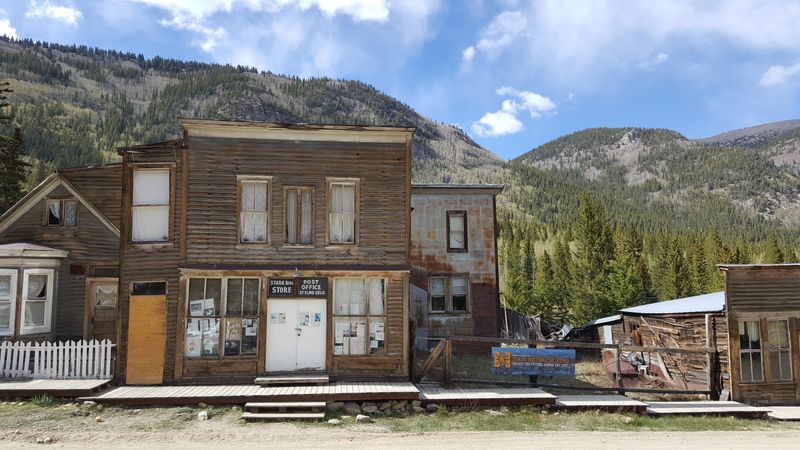
Walking through St. Elmo feels like stepping back in time because so many original structures still stand.
Dozens of authentic buildings from the mining era remain, creating an atmosphere that’s genuinely historical rather than recreated.
These weathered wooden structures include homes, businesses, and community buildings that date back over a century.
The buildings show their age through faded paint, worn wood, and the settling that comes with mountain winters.
Yet they remain remarkably intact considering the harsh conditions and passage of time.
Visitors can peer through windows into rooms that look frozen in the past, with old furnishings and artifacts still visible.
The general store building still stands, though it operates only during warmer months now.
Each structure has its own story, representing the dreams and daily lives of the people who built and occupied them.
Preservation efforts have stabilized many buildings while respecting their historical integrity.
The collection of authentic structures makes St. Elmo one of Colorado’s best-preserved ghost towns.
Photography enthusiasts find endless subjects in the weathered textures, authentic details, and atmospheric qualities of these remarkable buildings from another era.
10. Adventure Destination Through All Seasons
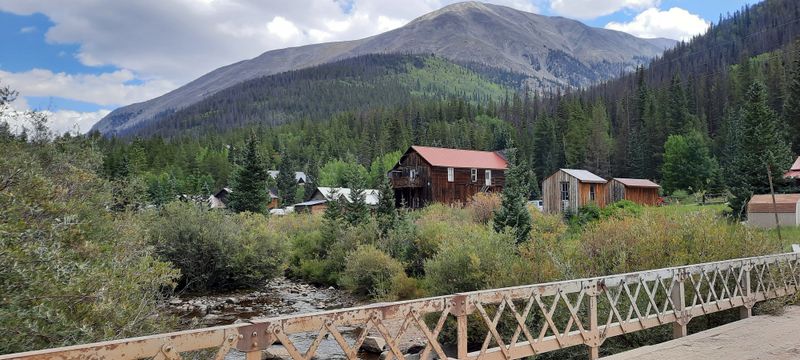
St. Elmo offers far more than just historic buildings to explore and photograph.
The surrounding landscape provides countless opportunities for outdoor adventure and recreation.
Chalk Creek flows nearby, offering excellent fishing opportunities for those who enjoy casting a line in mountain waters.
Hiking trails wind through the area, leading to old mining sites, scenic overlooks, and pristine wilderness.
Off-road enthusiasts can explore former mining roads that climb into the mountains surrounding the town.
These routes offer challenging terrain and spectacular views for those with appropriate vehicles.
The town remains accessible by car during good weather, making it a popular day trip destination.
Winter transforms St. Elmo into a snowy wonderland, though access becomes more difficult and requires proper preparation.
The general store operates seasonally, providing basic supplies and souvenirs when open.
Many visitors use St. Elmo as a base camp for exploring the broader region’s natural and historical attractions.
Whether you come for history, photography, outdoor recreation, or simply to experience a genuine Colorado ghost town, St. Elmo delivers an unforgettable mountain adventure throughout the year.
Dear Reader: This page may contain affiliate links which may earn a commission if you click through and make a purchase. Our independent journalism is not influenced by any advertiser or commercial initiative unless it is clearly marked as sponsored content. As travel products change, please be sure to reconfirm all details and stay up to date with current events to ensure a safe and successful trip.
