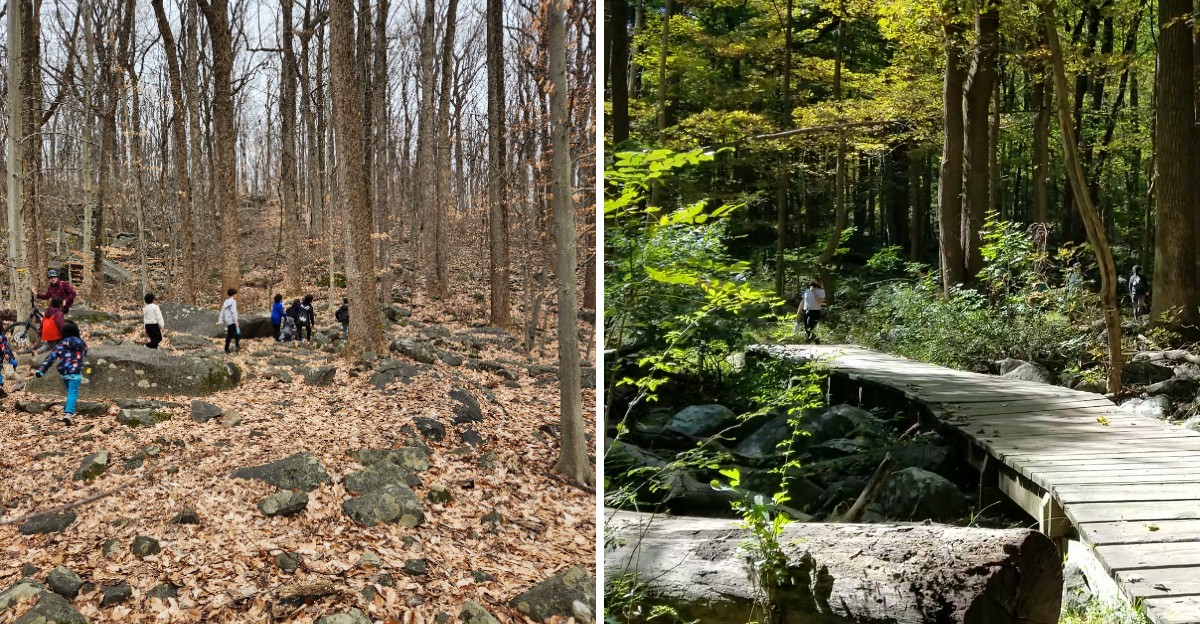
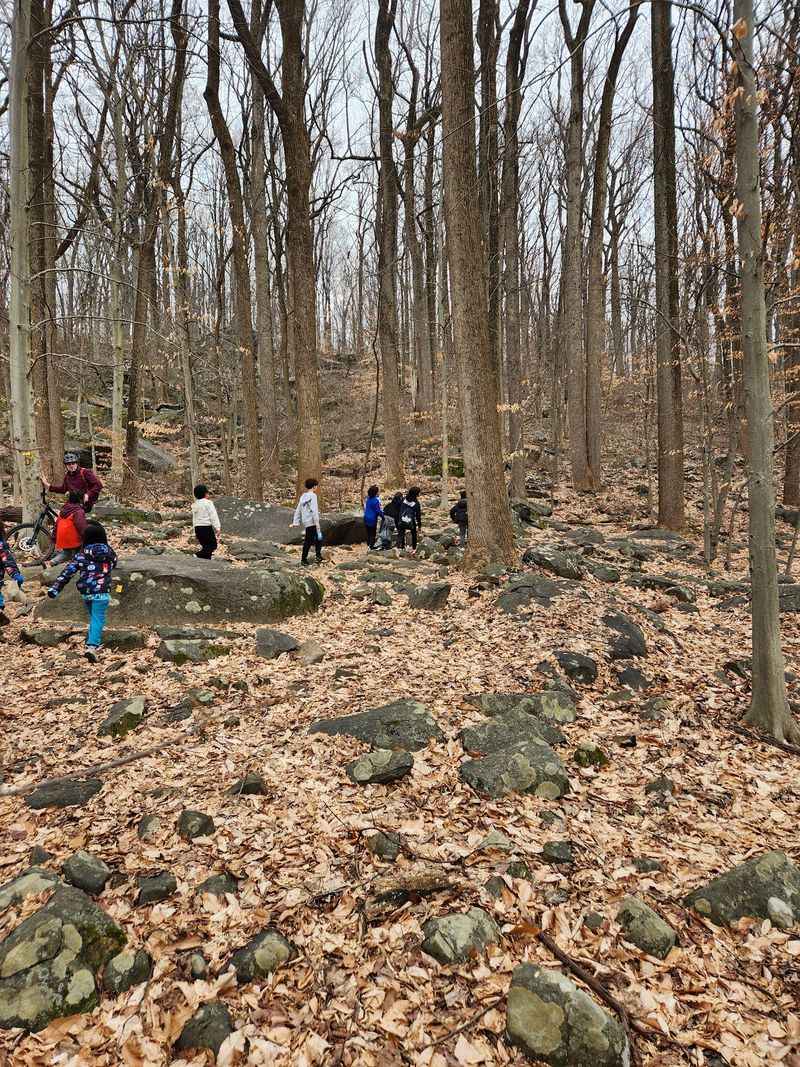
Those crunchy leaves beside the trail deserve a second glance.
This sprawling New Jersey preserve protects rugged forest, rocky ridges, streams, and wildlife habitat that feels remarkably wild considering how much development surrounds the region.
It is also within the range of the northern copperhead, one of the state’s venomous snake species.
That doesn’t mean hikers should panic or skip the trails. Copperheads generally rely on camouflage and avoidance, and encounters are hardly guaranteed.
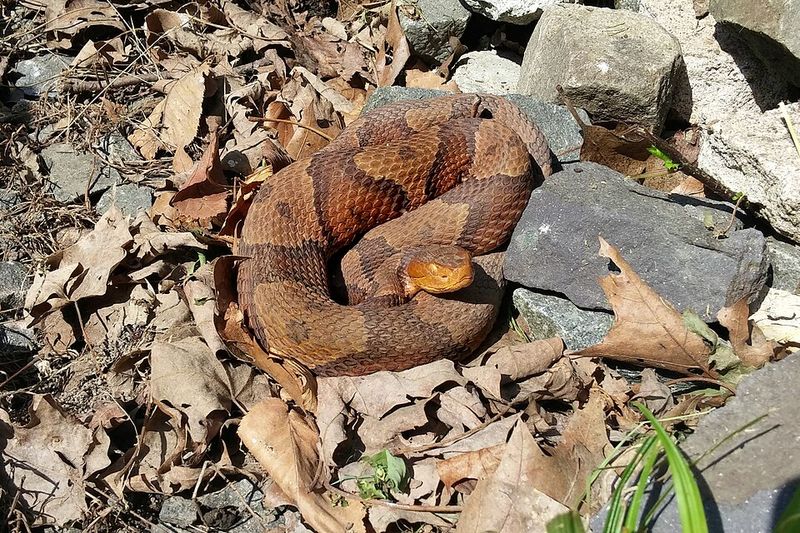
Still, their mottled coloring can blend remarkably well with fallen leaves and rocky ground.
Good trail habits go a long way. Watch where hands and feet land, stay aware around rocks and logs, and give any snake plenty of room.
The payoff is miles of beautiful woodland where nature still gets to behave like nature. Just keep those eyes open.
Meet the Copper-Banded Neighbor
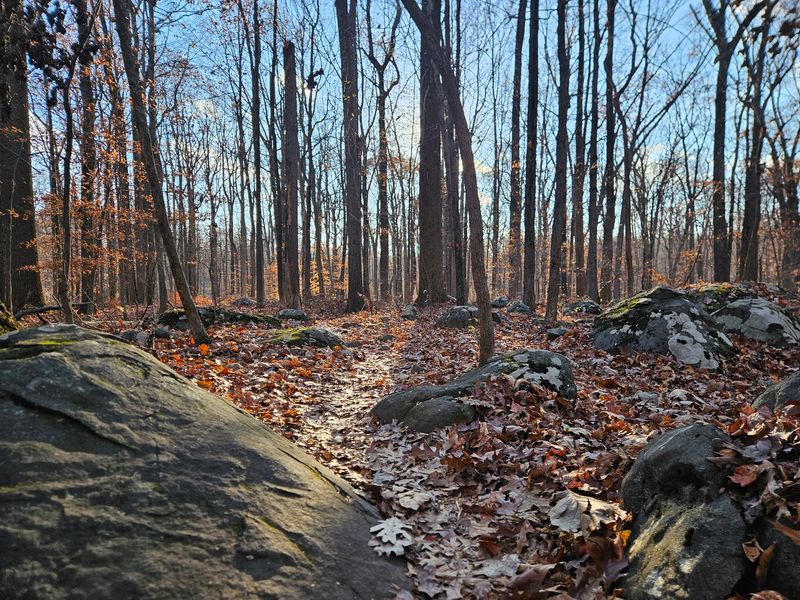
Spotting one is harder than you might think. The eastern copperhead wears hourglass-shaped bands of copper and reddish brown, and those colors melt right into fallen leaves and rocky ground.
It is one of only two venomous snake species found in New Jersey, and Sourland Mountain Preserve is a well-known home for it. These reptiles love rocky, forested areas with little human disturbance, and the boulder-filled woods here fit that wish list perfectly.
Honestly, I find them fascinating rather than frightening. Copperheads are generally not aggressive.
They usually strike only when they feel threatened or when someone accidentally steps on them, so giving them space is the best plan.
A bite can cause severe pain, but human deaths from copperheads are extremely rare in the state. Still, nobody wants to test that fact.
If you see one, stop, back away slowly, and enjoy the sighting from a safe distance.
Here is a fun twist. The copperhead is listed as a Species of Special Concern in New Jersey, so it is protected by law.
Harming or bothering one is off the table, which means respect is the only rule that matters.
When the Snakes Are Out and About
Timing changes everything on these trails. Copperheads are usually active from May through October, so the warmer months call for a little extra attention every time you set your foot down.
Warm, humid days are prime snake weather. After a good rain, sightings tend to go up too, which makes sense when you think about how the damp forest wakes up and gets busy.
My simple trick is to scan the path a few steps ahead instead of staring at my phone. It sounds basic.
It works surprisingly well, and it also helps you notice mushrooms, tiny frogs, and interesting rocks you might miss otherwise.
Avoid reaching into cracks between boulders or sitting on rocks without looking first. Those shady gaps are exactly the kind of hiding spots a copperhead might pick for a nap on a hot afternoon.
Cooler seasons bring a different mood. Fall and winter hikes feel calmer on the snake front, and the bare trees open up views you cannot see in summer.
Every season has something worth coming back for, as long as you match your awareness to the weather.
Boulders Everywhere You Look
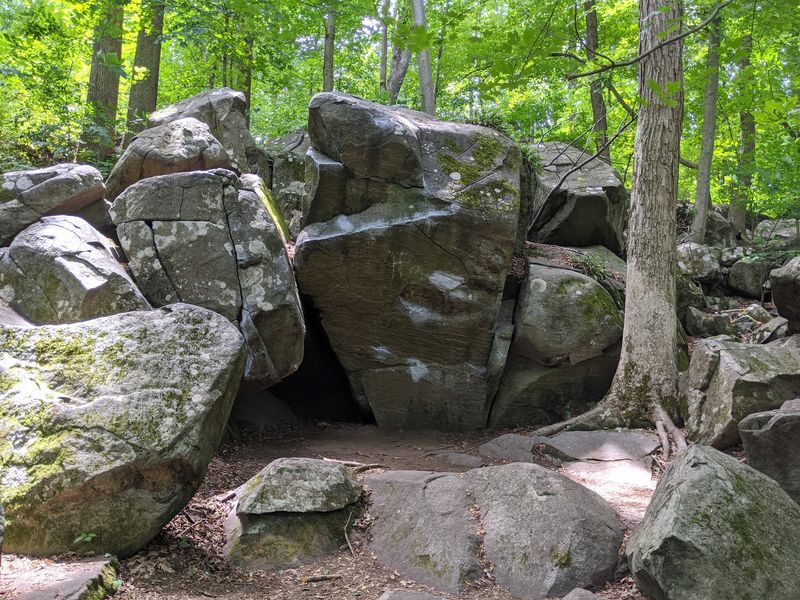
Rocks are the real stars here, and some of them are enormous. The landscape is shaped by diabase, a type of rock that pushed up from deep underground long ago and cooled into the rugged outcrops you see today.
Huge chunks sit scattered through the woods like a giant dropped a bag of marbles. Some are small enough to step over.
Others tower over your head and are covered in soft green moss.
One area known as Devil’s Half Acre is famous for its big boulder piles. The trail there can seem to disappear because you are mostly hopping from rock to rock, so watching the painted markers on trees really helps.
Bouldering fans love this place, and it is easy to see why. Climbing around these formations feels like a natural playground for grown-ups and kids alike.
Just remember who else likes rocks. Those cool crevices are ideal copperhead hangouts, so check your hand and foot placements before you climb.
A little caution keeps the adventure fun instead of stressful, and the views from the top of a big boulder are always worth the effort.
Trails With Personality
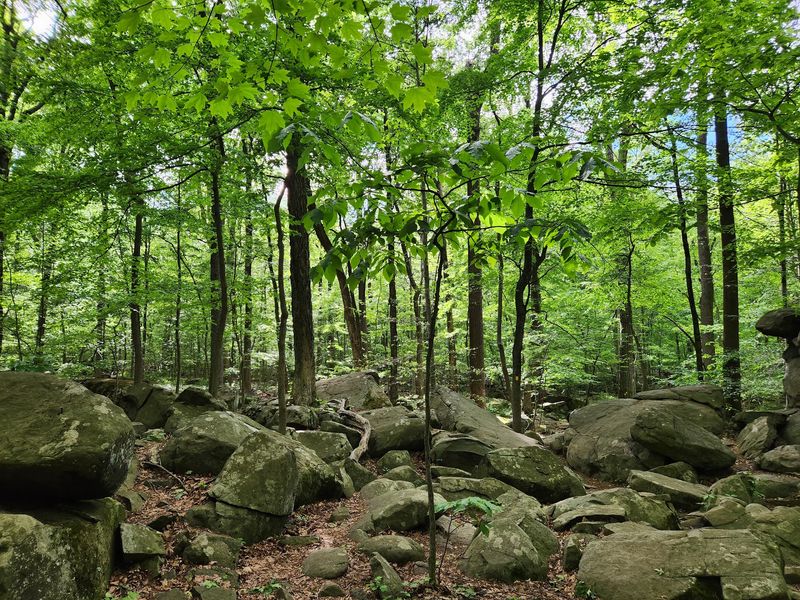
No two paths here feel the same. The Ridge Trail, Roaring Brook Trail, Maple Flats Trail, and Pondside Trail each bring their own flavor, from gentle forest strolls to rocky scrambles that make your legs work hard.
A section of the Maple Flats Trail recently reopened after restoration work. That is great news for anyone who likes a calmer walk under tall trees.
Trails are marked with colored blazes on the trees, and many hikers find them easy to follow. Some routes even have small numbered markers along the way, which helps a lot when the ground turns into a jumble of stones.
I would not call the rocky sections easy, though. They can be tougher than expected, and a walking stick makes a real difference on the uneven parts.
Longer loops around the edge of the preserve can stretch for several miles and take a few hours. Shorter cut-through options let you shape a hike around your energy level.
Stick to marked paths the whole way, since that is the smartest way to avoid surprise encounters with anything slithering in the brush.
A Birdwatcher’s Hidden Treasure
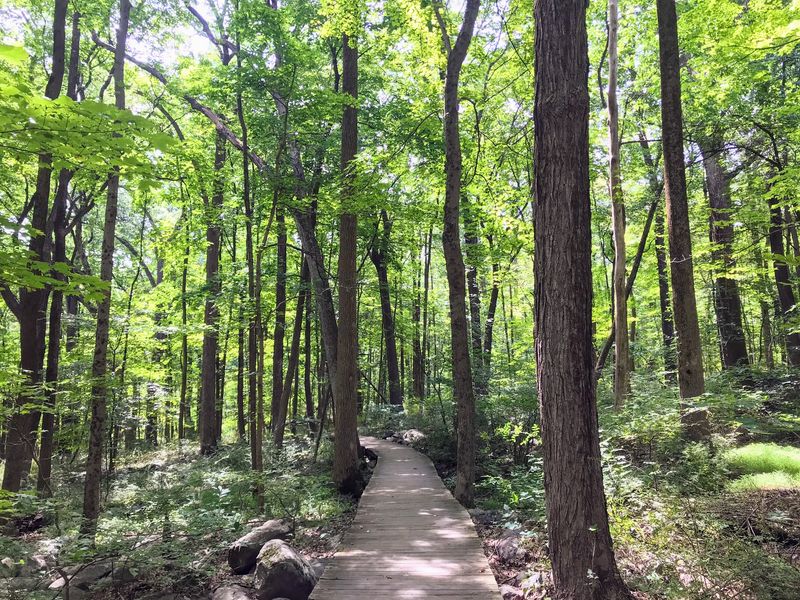
Birdsong follows you down almost every trail. The Sourland region is known for its wide variety of nesting birds, which makes it a favorite for anyone carrying binoculars.
Keep an eye out for the Summer Tanager, a bird so red it almost glows against the green leaves. The tiny Winter Wren is another prize, with a song far bigger than its body.
Here is a fun detail. Both Black-capped and Carolina Chickadees can be found in the Sourlands, and telling them apart is a friendly challenge even for experienced birders.
Morning is a lovely time to listen. The forest feels fresh, and the chorus of calls is usually at its liveliest before the day heats up.
Birding also trains your eyes to move slowly and notice small details. That habit pays off twice here.
While you are scanning branches, remember to glance at the ground now and then too, since a copperhead resting on the trail is easy to miss when your head is tilted up toward the treetops.
Foxes, Deer, and Forest Surprises
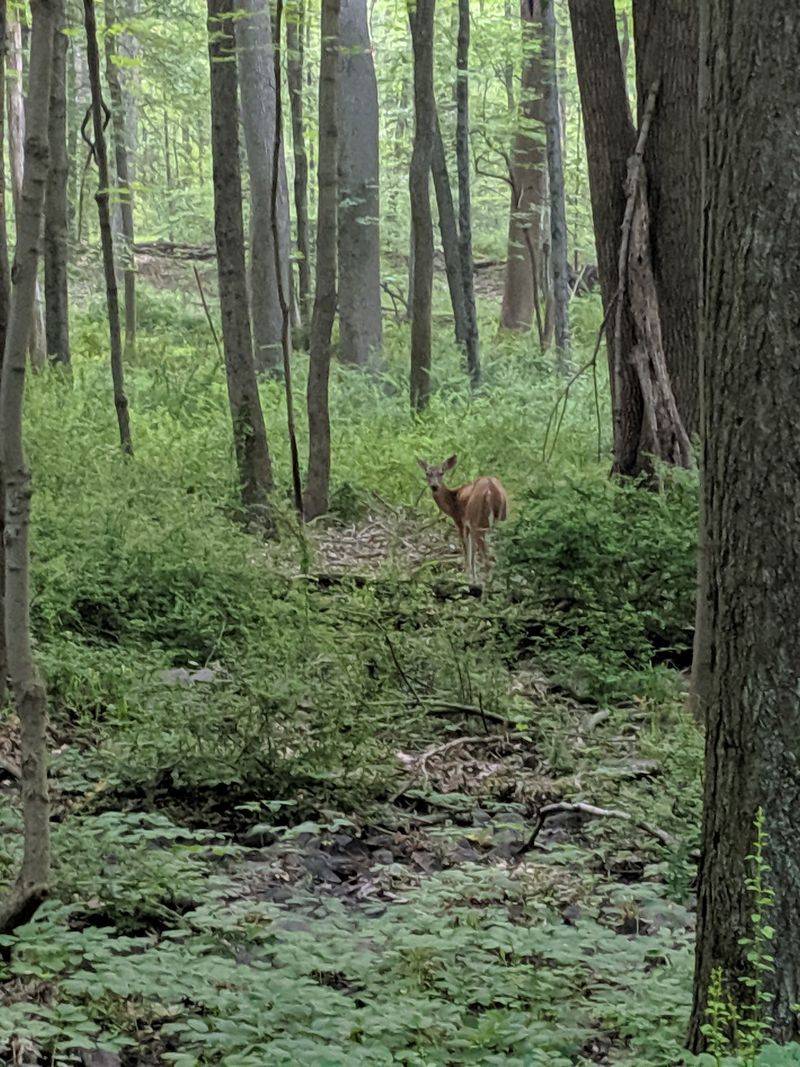
Wildlife sightings keep every visit a little unpredictable. Red foxes slip between the trees, and deer often wander through quiet corners of the woods.
Look down and the tiny world gets just as interesting. Wild mushrooms pop up after rain, moss wraps around fallen logs, and wildflowers add color along the trail edges in warmer months.
Amphibians are a big part of the story too. The many wetlands and stream headwaters make great homes for frogs and salamanders, especially when spring fills the vernal pools.
I love how the preserve feels alive without being noisy. It is peaceful.
Yet something is always moving, rustling, or singing just out of sight.
All of these animals live in an undisturbed natural setting, and that is exactly why the copperheads thrive here as well. Treat every creature as a neighbor.
Watch quietly, never feed wildlife, and keep your distance. Those simple habits protect the animals and make sure the next hiker gets to enjoy the same wild surprises that make this forest so special.
Gear That Makes Rocky Hikes Easier
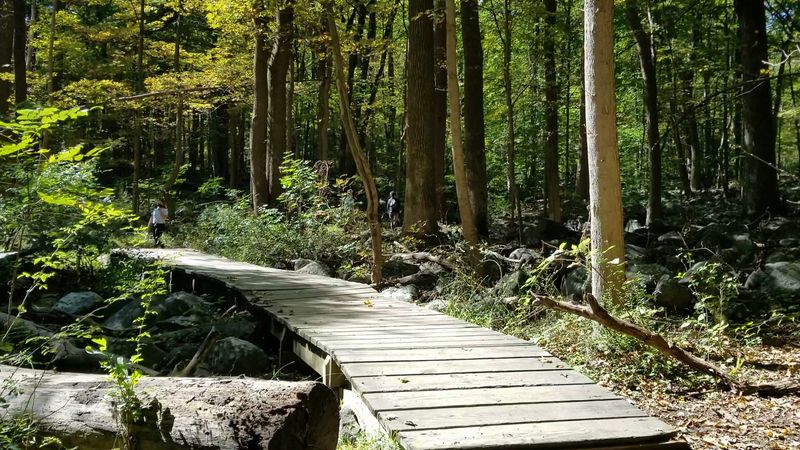
Sneakers might seem fine at the parking lot. Ten minutes later, on a pile of slick stones, most people wish they had worn real boots.
Sturdy hiking boots are a must, especially in wet seasons when trails turn muddy and uneven. Ankle support helps on rocky sections, and thick soles give some protection if you step somewhere unexpected.
Long pants are a smart choice as well. They shield your legs from brush, scratches, and ticks, which can be a real nuisance in these woods.
Pack water, snacks, and bug spray before you head out. A walking stick is handy for balance, and it can also tap the ground ahead of you in leafy spots where you cannot see your footing.
Cell service can be spotty in parts of the forest. Snapping a photo of the trail map before you start is a clever backup.
With the right gear in your bag and on your feet, the tough terrain turns from a worry into part of the fun.
Views From the Pipeline Clearing
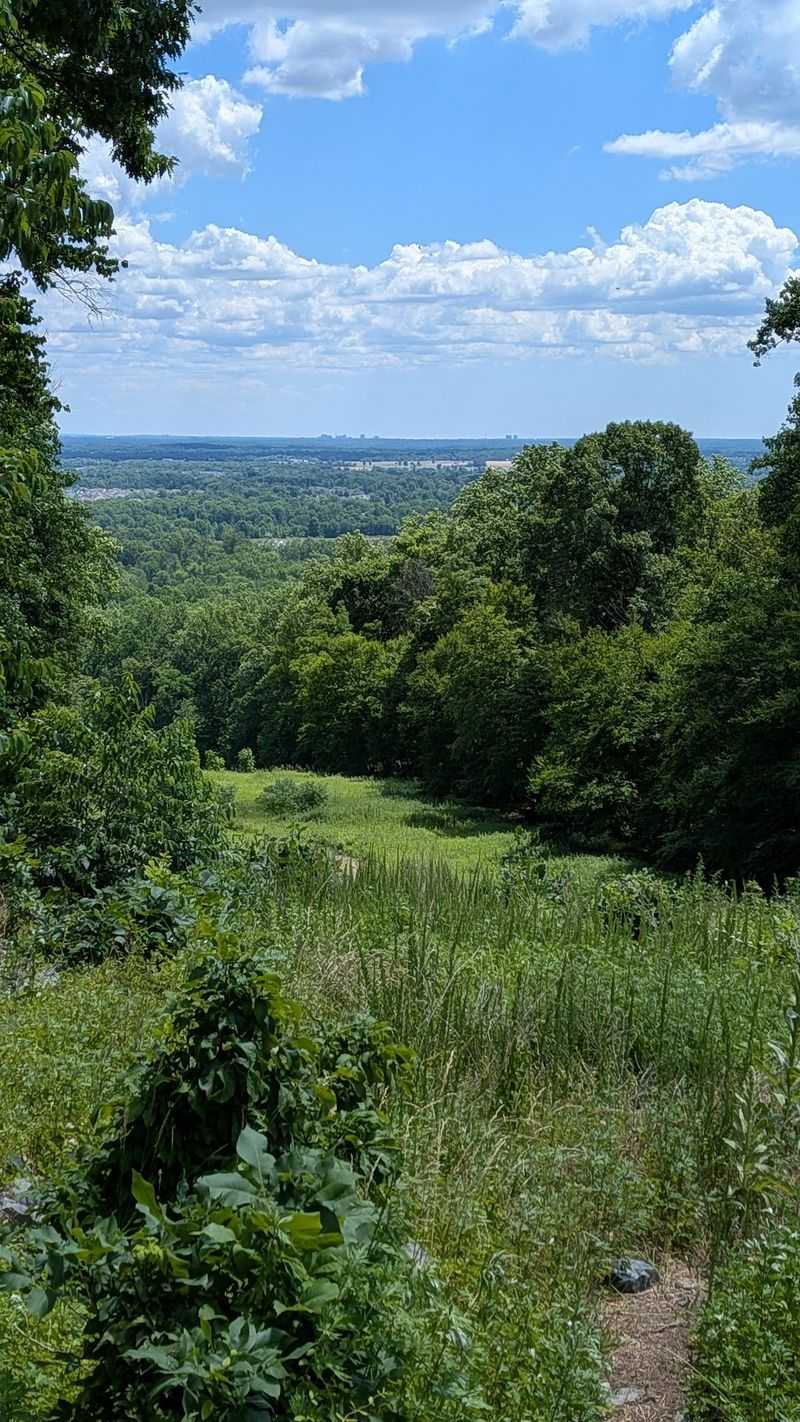
Climbing uphill has its rewards. A wide cleared strip where the pipeline and power lines cut through the forest opens up long views that surprise many first-time visitors.
The slope looks a bit like a ski run from below. It is a steady climb, but many hikers find it one of the more straightforward routes to the top.
On clear days the view stretches far across central New Jersey. Some visitors say they have even spotted the New York City skyline in the distance, though haze can easily hide it.
Fall is a wonderful time to make this climb. Changing leaves turn the hillsides into a patchwork of orange, gold, and red.
Open, sunny areas like this can warm up quickly, and grassy edges are worth watching during snake season. Stay on the worn path rather than pushing through tall grass.
Then find a safe spot, catch your breath, and enjoy that big sky. It feels like a well-earned prize after all those rocks.
Old Stories and Trail Manners
History hangs in these hills in fun little ways. The name Sourland may come from sorrel-land or from the rocky soil that challenged early farmers.
Local lore even claims compasses act strangely in these hills. It is a tale worth smiling about.
There are also stories linking John Hart, a signer of the Declaration of Independence, to hiding out in the region during the Revolutionary War.
Today the preserve is managed by the Somerset County Park Commission. It sits within the larger Sourland region, which stretches across several counties, and it welcomes hikers, mountain bikers, and horseback riders.
Maps are posted at the parking lot, which is roomy but can fill on weekends. Dogs are welcome on a leash, and a leash also keeps curious pups away from snakes hiding under rocks.
Stay on marked trails, pack out what you bring, and share the path kindly. When you are ready to visit, head to Sourland Mountain Preserve at 421 E Mountain Rd, Hillsborough Township, NJ 08844, and remember to watch where you step.
