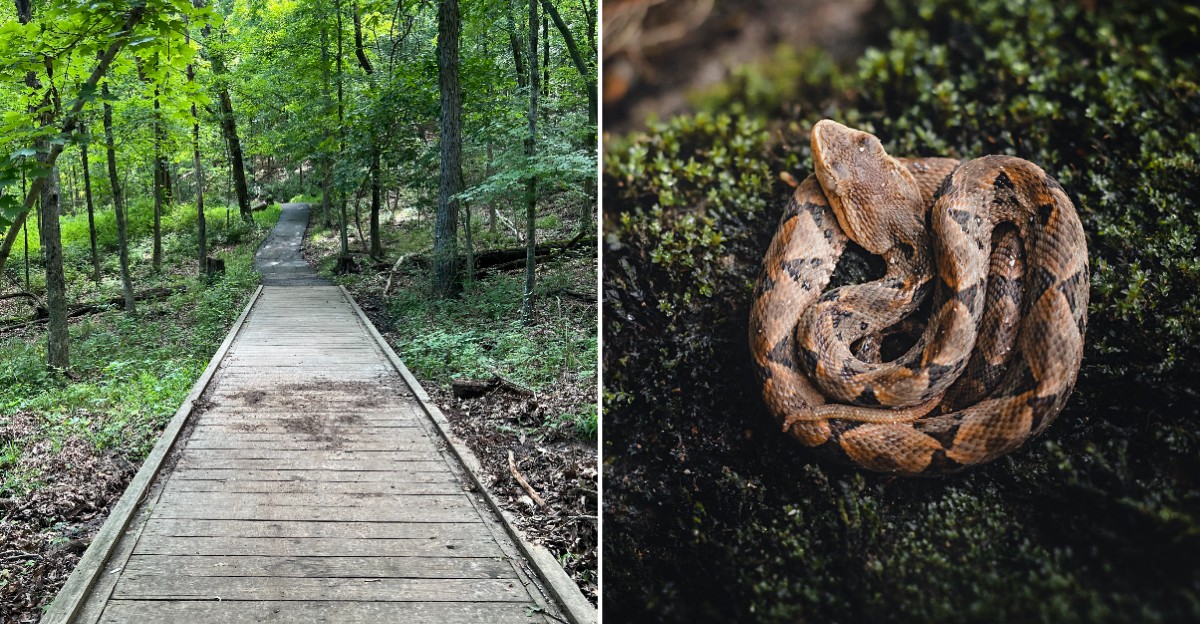
A copperhead nicknamed Captain Kirk once carried a tiny radio transmitter around a suburban forest. Scientists followed his signal across the whole property and beyond.
Yeah, I’m definitely looking twice at that.
The study didn’t stop with one snake. Researchers have fitted at least 15 more copperheads with transmitters.
They learned these snakes stay hidden, avoid people, and spend winter at about 40 degrees.
What gets me is the location. This forest sits right beside two busy interstates in Missouri.
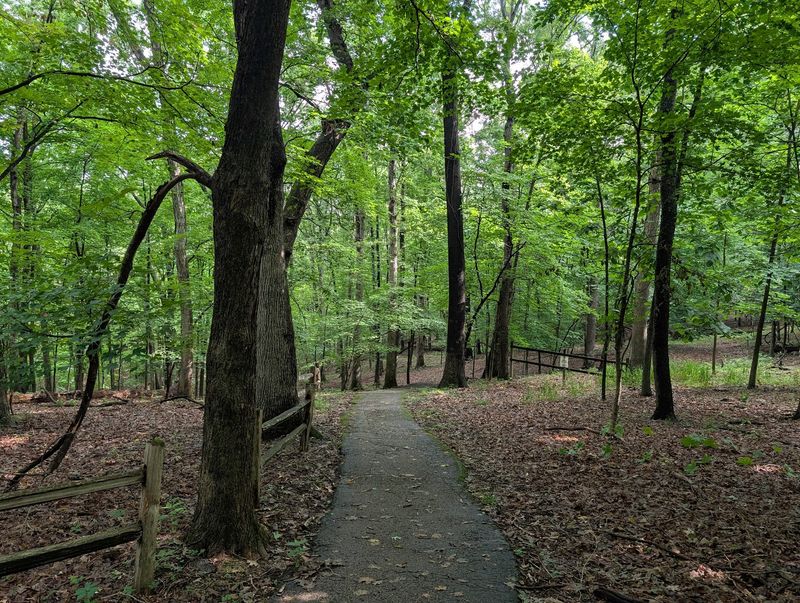
Families stroll paved trails there while quiet reptiles go about their business nearby.
I can see why scientists picked this spot. It’s a real research site that also welcomes curious kids, hikers, and bird watchers for free.
So what else is hiding in those oak and hickory trees?
A Snake Named Captain Kirk Started The Whole Adventure
Every good research story needs a star, and this one has a copperhead called Captain Kirk. He was the first snake tracked at Powder Valley Conservation Nature Center in a multi-year study.
Scientists implanted a tiny radio transmitter inside him. Then they followed his signal as he roamed across the 112-acre property and even beyond it.
That name is a playful nod to Kirkwood, the city around the forest. It also fits a snake that boldly went where researchers had to chase him.
Captain Kirk proved something important right away. Copperheads can live full lives in a forest surrounded by homes, roads, and shopping centers.
His wandering gave scientists a starting point for bigger questions. How far do these snakes travel, and where do they spend their time?
After Kirk, the team kept going strong. They have fitted at least 15 other copperheads with transmitters to build a clearer picture.
Each snake adds new pieces to the puzzle. Together, they help explain how wildlife survives in busy suburban spaces.
I like that a single snake turned into a long-running science project. Not many reptiles get a name, a following, and a spot in research history in Missouri.
The Scientists Behind The Signals Make A Great Team
Tracking snakes through the woods takes more than one person with an antenna. The copperhead study here is a true group effort.
Dr. Benjamin C. Jellen leads the research.
He is an associate professor of biology at the University of Health Sciences and Pharmacy in St. Louis.
He works with two big partners. The Missouri Department of Conservation and the St. Louis Zoo both help make the project happen.
That mix matters. A university brings research skills, the zoo brings animal care know-how, and the conservation department manages the land.
The goal is simple to say but tricky to answer. Scientists want to understand how eastern copperheads live and how their population works near a crowded city.
Copperheads are the venomous snake Missourians run into most often. So learning about them helps people and snakes share space more safely.
I believe projects like this make science feel close to home. The research isn’t happening in a faraway jungle.
It’s happening in a forest where families take Saturday walks. That’s a pretty cool reminder that discovery can happen right next to the highway.
Winter Data Reveals How Copperheads Keep Their Cool
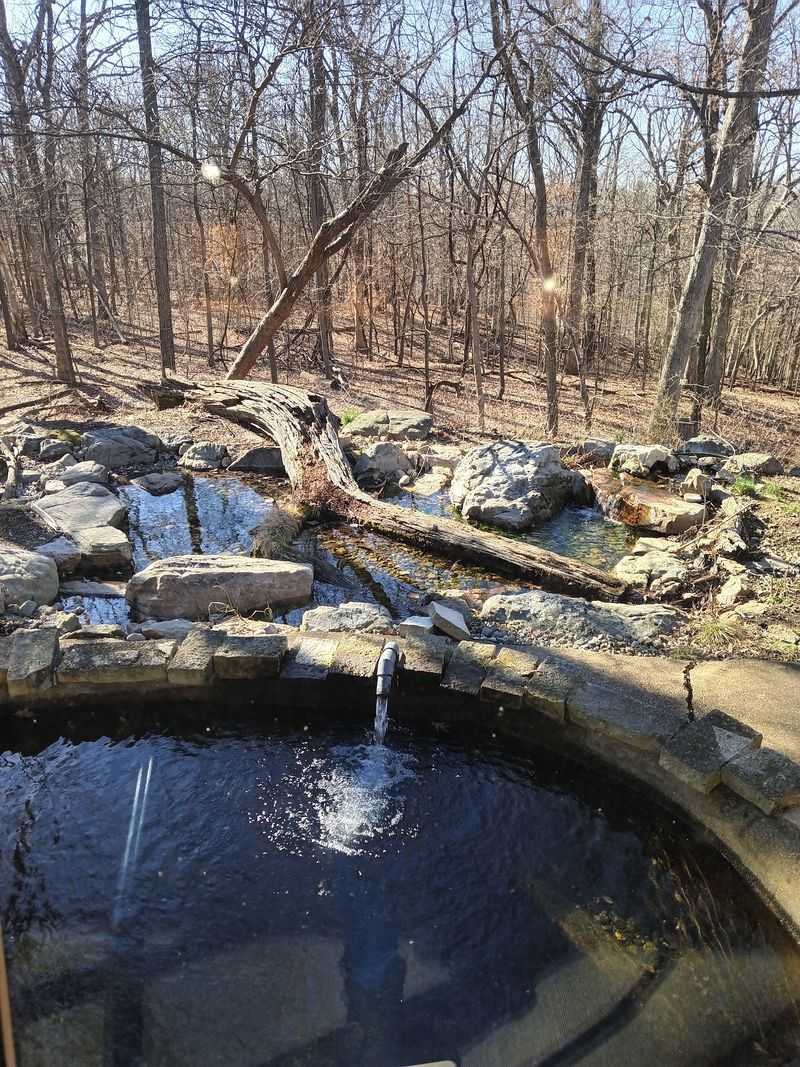
Forty degrees. That’s roughly how warm the tracked copperheads stay while they overwinter at Powder Valley.
The tiny transmitters do more than show location. They also let researchers learn snake body temperatures during the cold months.
Snakes can’t make their own heat like we do. They depend on their surroundings, so winter is a serious challenge.
The data shows these copperheads stay just above freezing. They find spots that keep them safe until spring warms the forest again.
Honestly, I’d last about ten minutes in that kind of chill. These snakes manage it for months without a single cozy blanket.
This kind of information is hard to gather any other way. You can’t exactly ask a hidden snake to step out and get its temperature checked.
Knowing where and how snakes spend winter helps land managers protect those places. It also tells scientists how weather changes might affect them.
Fair warning, you won’t see these snakes on a winter visit. They’re tucked away, quietly waiting out the season while the trails stay open for walkers.
Tall Prairie Grasses Turned Out To Be Prime Snake Real Estate
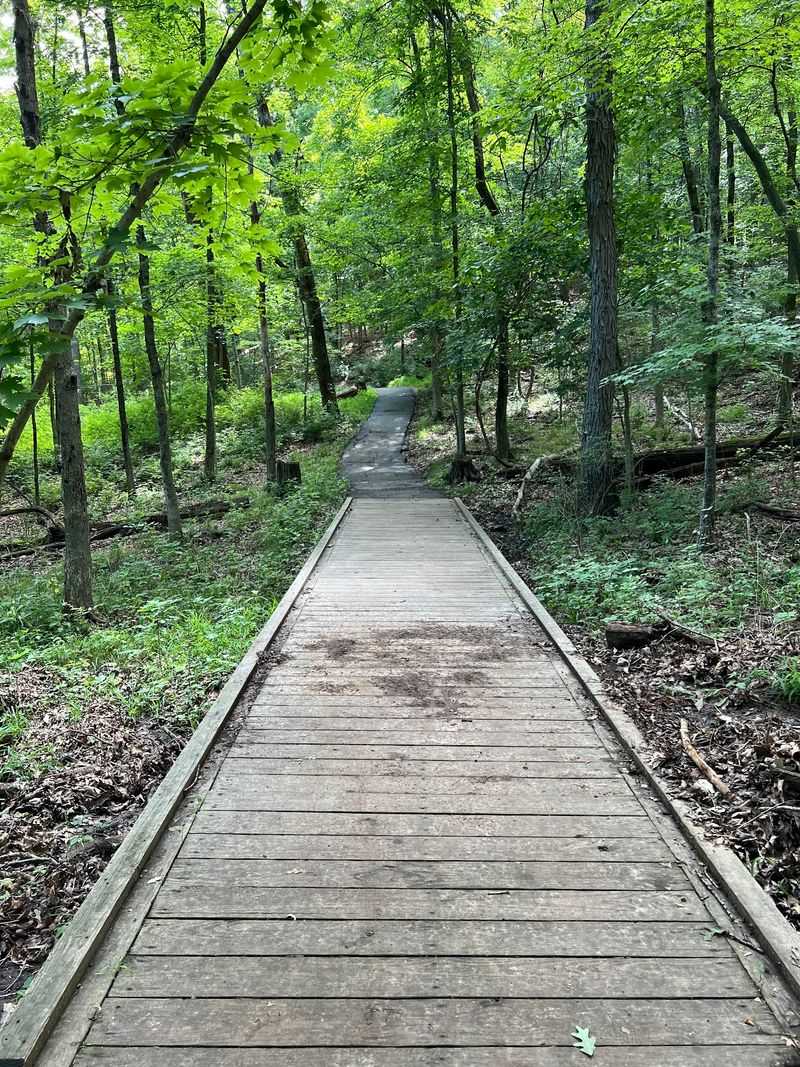
Big bluestem and compass plant sound like something from a garden catalog. At Powder Valley, they double as copperhead hangouts.
The tracking data shows that copperheads use the native grass plantings on the property. That was a useful clue for scientists studying their habits.
Big bluestem is a tall prairie grass native to Missouri. Compass plant is a sturdy wildflower with deeply cut leaves.
These plantings give snakes cover and a place to hunt. Thick grass also helps them warm up and cool down as needed.
I have to admit, this detail changes how I see a patch of grass. It’s not just pretty scenery but an important part of the habitat.
The finding also shows why native plants matter. They support all kinds of wildlife, from insects to birds to reptiles.
So when you walk past those plantings, enjoy the view from the path. The snakes prefer their privacy, and the grasses help them keep it.
It’s a quiet reminder that every corner of this forest has a job. Even the plants are part of the research story.
Good News For Hikers Who Get Nervous About Snakes
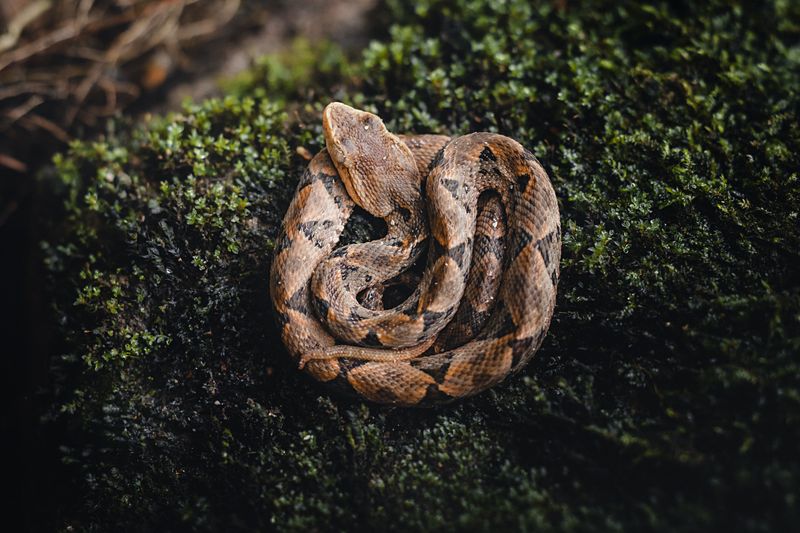
Here’s a fact that might calm your nerves. The study found that copperheads at Powder Valley Conservation Nature Center are highly reclusive and non-aggressive.
Yes, the snakes do cross the trails sometimes. But they clearly prefer to avoid people whenever they can.
That’s pretty reassuring for families who love these paths. Most copperheads would rather slip away than stick around for a meeting.
Still, smart habits help. Stay on the paved trails, watch where you step, and give any snake plenty of room.
Collecting of any kind isn’t allowed here, and that includes wildlife. Leaving animals alone keeps both you and them safe.
Pets aren’t allowed on the trails either, though service animals are welcome. That rule protects curious dogs and the wildlife living nearby.
I’d say this finding is one of the most practical parts of the research. It replaces fear with facts.
Knowing a snake wants to avoid you makes a walk feel a lot calmer. And spotting one from a safe distance might become the coolest story of your week in Missouri.
Three Paved Trails Let You Explore The Snakes’ Neighborhood
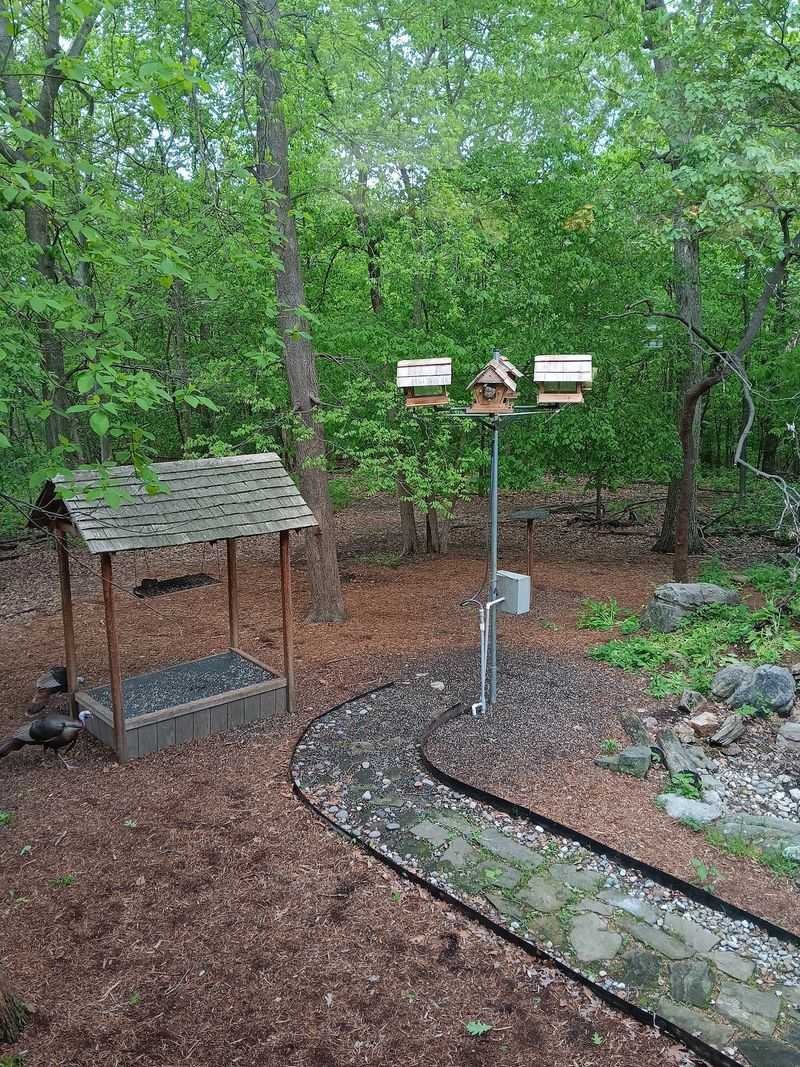
Paved paths in a forest might sound fancy. At Powder Valley, they make exploring the woods easy for many different visitors.
Tanglevine Trail is the shortest at about one-third of a mile. It’s an accessible loop with interpretive signs along the way.
Broken Ridge Trail stretches about two-thirds of a mile. It has mild hills and bridges that cross over a creek.
Hickory Ridge Trail rounds out the trio for anyone wanting a longer walk. It’s a good pick when you want more time under the trees.
Trails open daily at 8 a.m. They close at 6 p.m. in standard time and 8 p.m. during daylight saving time.
Keep the pace relaxed, since jogging and bicycling aren’t allowed. Skating, skiing, and motorized vehicles are off the list too.
Honestly, that slower pace is part of the charm. You notice more birds, leaves, and maybe a deer when you aren’t rushing.
Wear good shoes and take your time on the hills. The oak-hickory forest rewards anyone who strolls instead of sprints.
Inside, A Giant Aquarium And A Buzzing Beehive Steal The Show
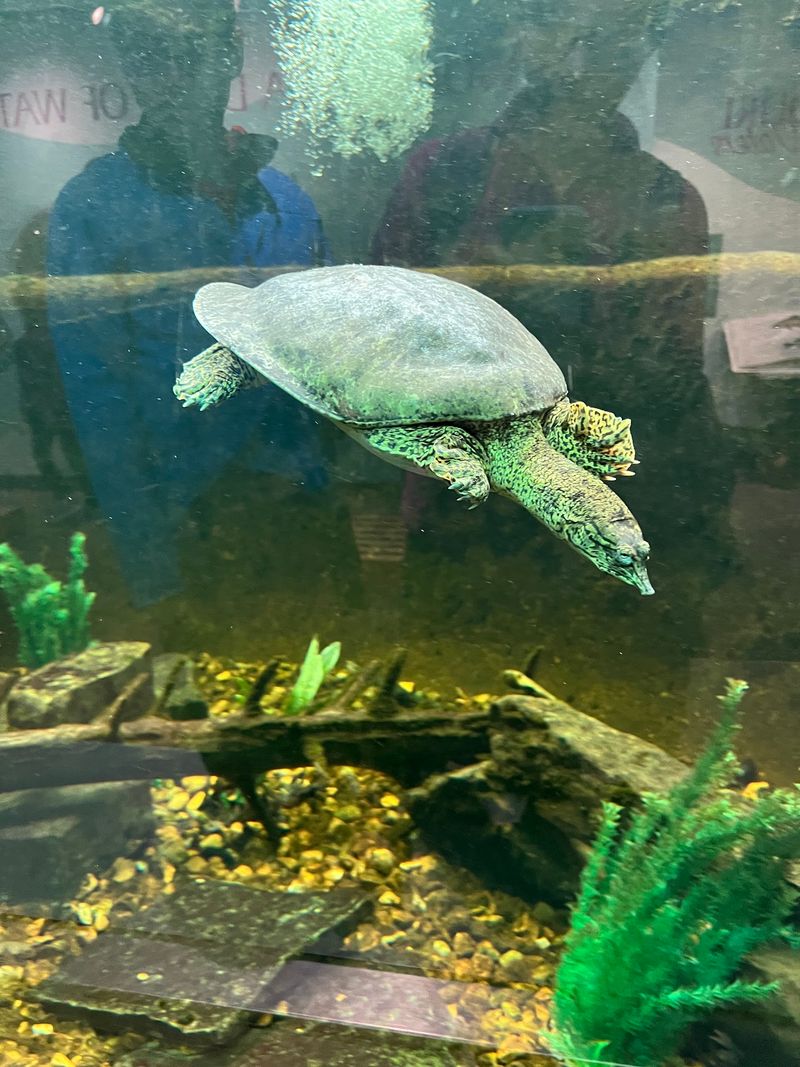
Three thousand gallons of water is a lot of fish home. That’s the size of the aquarium inside the nature center building.
Next comes a living beehive you can watch up close. It’s fascinating to see busy bees at work without worrying about a sting.
A wildlife viewing window looks out on the forest. It’s a great spot to watch birds and other visitors without disturbing them.
Kids get their own fun too. The building has a kid’s corner, an indoor tree house, and a reading room.
That tree house is a favorite idea of mine. Who wouldn’t want to climb into a tree without worrying about bark scrapes?
The building opens Tuesday through Saturday from 8 a.m. to 5 p.m. The gift shop closes a little earlier at 4:30 p.m.
Plan around Sundays and Mondays, when the building stays closed. It also closes on state holidays, Thanksgiving, Christmas, and New Year’s Day.
On rainy days, the indoor exhibits make a smart backup plan. You still get a dose of nature without the soggy sneakers.
Free Admission Makes Learning About Wildlife Easy To Love
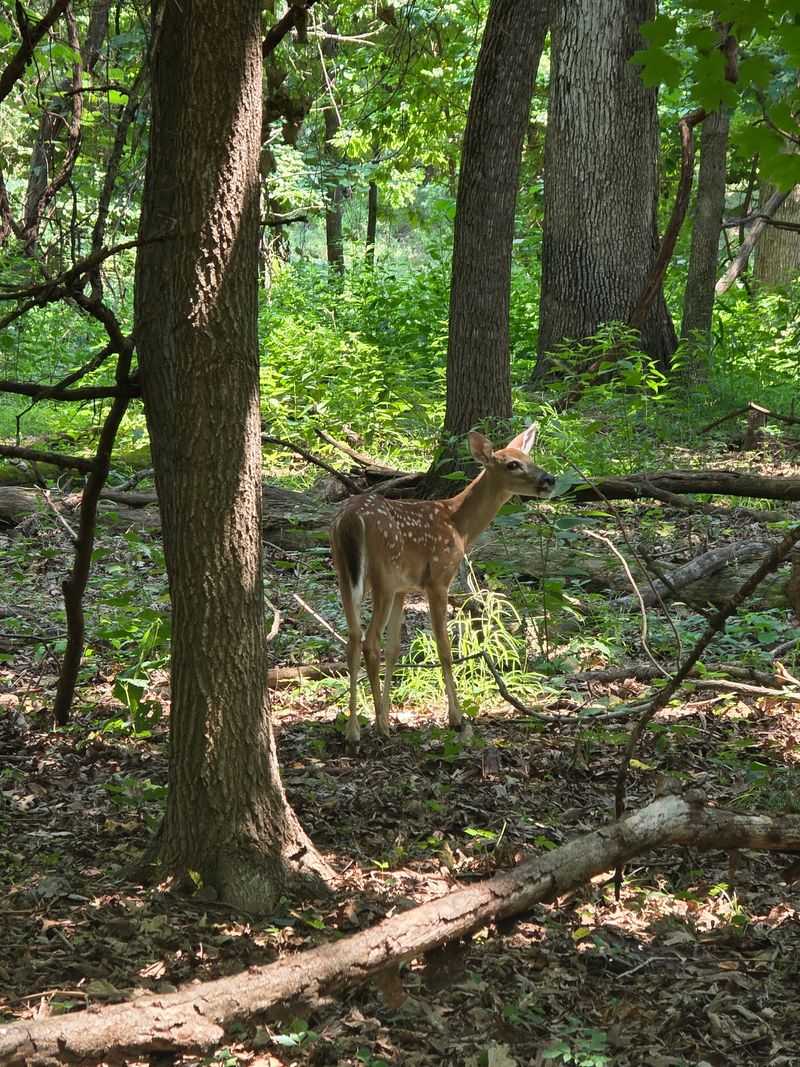
Free is a beautiful word. Admission to Powder Valley Conservation Nature Center costs nothing, which makes repeat visits easy.
The center offers naturalist-led programs and special events throughout the year. They give visitors a chance to learn straight from people who know the outdoors.
These programs can turn a simple walk into a mini adventure. Kids and grown-ups both walk away knowing a little more about Missouri wildlife.
Programs change over time, so checking ahead is smart. That way, you can match your visit to something that sparks your interest.
I can see why this setup works so well. A real research site paired with free learning feels like a bonus science class.
Imagine hearing about tracking snakes, then walking the same forest where it happens. That connection makes the lessons stick.
The Missouri Department of Conservation runs the center. Its mission focuses on helping people discover and care for nature.
So bring your questions and curiosity. The forest, the exhibits, and the programs all work together to make learning feel like play.
You Can Reach This Wild Forest Without Leaving The Suburbs
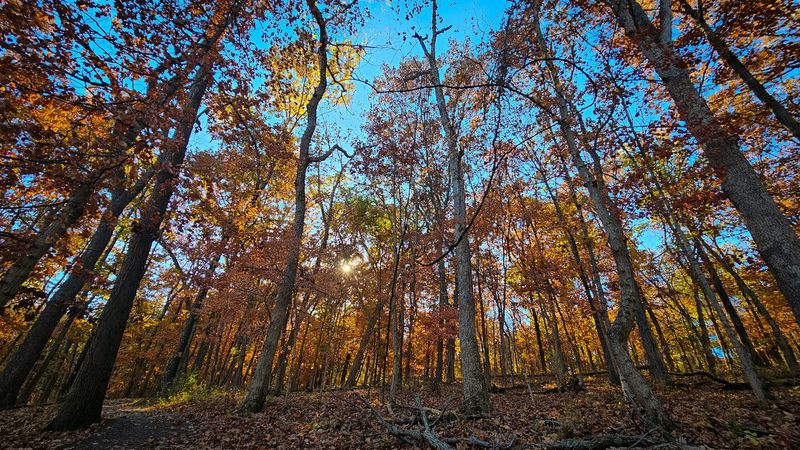
Highways hum just beyond the trees, yet the forest feels like its own little world. That contrast is exactly what makes the copperhead research so interesting.
You’ll find the center at 11715 Cragwold Road in Kirkwood, Missouri. It sits in southwest St. Louis County near where Interstates 270 and 44 meet.
The location is often called an urban oasis. The 112 acres of oak-hickory forest stand out among busy roads and neighborhoods.
For scientists, this setting is a perfect test. It shows how snakes and other wildlife adapt when people live all around them.
For visitors, it means nature is a short drive away. No long road trip required to feel the shade of tall trees.
A few simple rules keep the place peaceful. Fishing, hunting, trapping, and collecting aren’t permitted on the trails.
Keeping the land protected helps the research continue. It also keeps the forest healthy for the next family who visits.
That might be my favorite detail of all. A wild home for tracked copperheads sits minutes from city life, quietly sharing its secrets with anyone curious enough to look.
