A farmer once asked a woodworker to turn a corn cob into a pipe on his lathe, and a whole industry popped out of that odd request. The company that grew from it still makes thousands of cob pipes daily.
What gets me is the corn. It’s a special white hybrid developed by the University of Missouri, grown on company land in the river bottom.
The cobs rest for at least two years before anyone carves them.
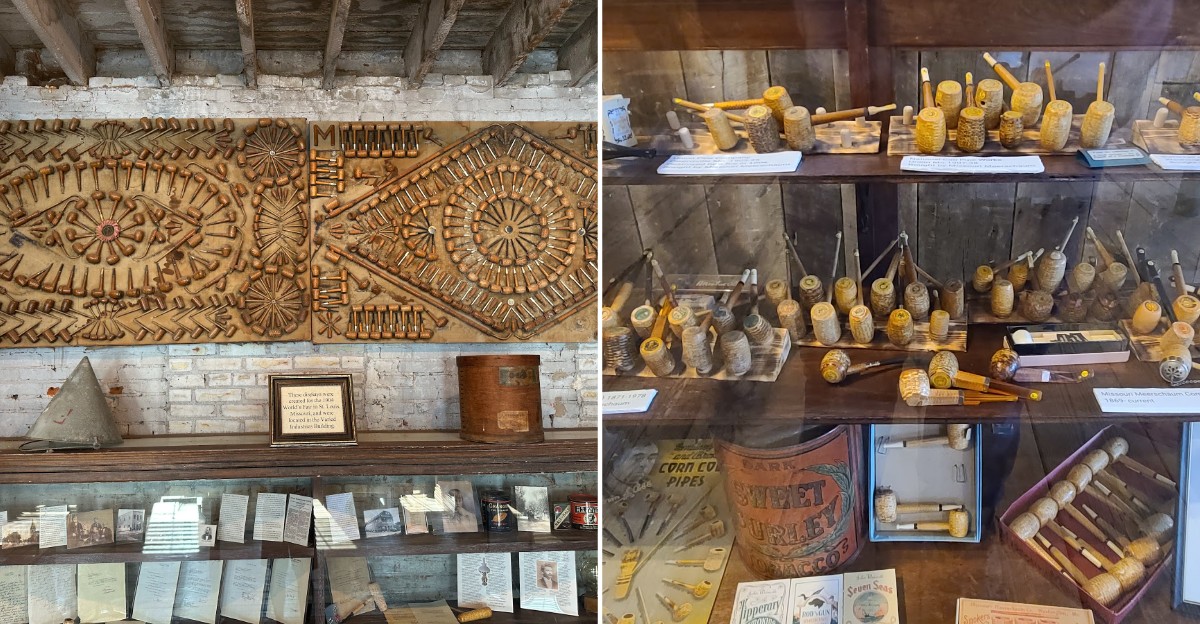
Right beside that working factory sits a museum with creaky hardwood floors. It holds molds, vintage ads, and a chair bristling with pipes like a corny porcupine.
I can see why history fans stop in, pipe or no pipe.
One Farmer’s Strange Request Started A Business That Never Quit
Some of the best ideas start with someone asking, “Hey, can you try this?” Back in 1869, a local farmer posed that question to a Dutch immigrant woodworker named Henry Tibbe.
The farmer wanted a pipe carved from a corn cob on Tibbe’s lathe. Tibbe gave it a shot, and the result surprised him in the best way.
Corn cob turned out to be a terrific pipe material. It soaked up moisture and stayed cool and dry, which pipe fans appreciated right away.
Those first cob pipes sold fast. Before long, Tibbe stopped treating them as a side project and moved into full-time production.
That small workshop story is the heart of the Missouri Meerschaum Corn Cob Pipe Museum and Retail Shoppe today. The museum lays out how a farm leftover became a real Missouri business with real staying power.
I love that the whole thing hinges on curiosity. Tibbe could have laughed off the request, and the town would have a very different nickname now.
Instead, his company grew into the world’s oldest and largest continuously operating maker of corn cob pipes. Not bad for something most farmers tossed aside after shelling.
A Fancy Name Borrowed From Europe’s Priciest Pipes
Branding experts would tip their hats to Henry Tibbe. He looked at his light, porous cob pipes and compared them to meerschaum, a costly mineral pipe prized in Europe.
Both gave a cool smoke, so Tibbe borrowed the fancy word. The result was “Missouri Meerschaum,” a name that sounds half elegant and half front porch.
He didn’t stop at clever naming either. In 1878, Tibbe patented a process that coated the outside of the cob with a plaster-like substance.
That coating fireproofed the bowl and hardened it too. Suddenly a humble cob could hold up much longer in everyday use.
In 1883, Tibbe and his son Anton trademarked the Missouri Meerschaum name. The family business ran as H.
Tibbe and Son Co. for years.
Then in 1907, it officially became the Missouri Meerschaum Company. That’s the same name stamped across the brand today.
Okay, that’s impressive. A woodworker with a lathe managed to invent a product, improve it with a patent, and name it so well that the label outlived him by more than a century.
The museum gives this chapter its due, and it’s a fun reminder that good marketing isn’t a modern invention.
The Corn Gets Grown Just For Pipes, Then Waits Two Years
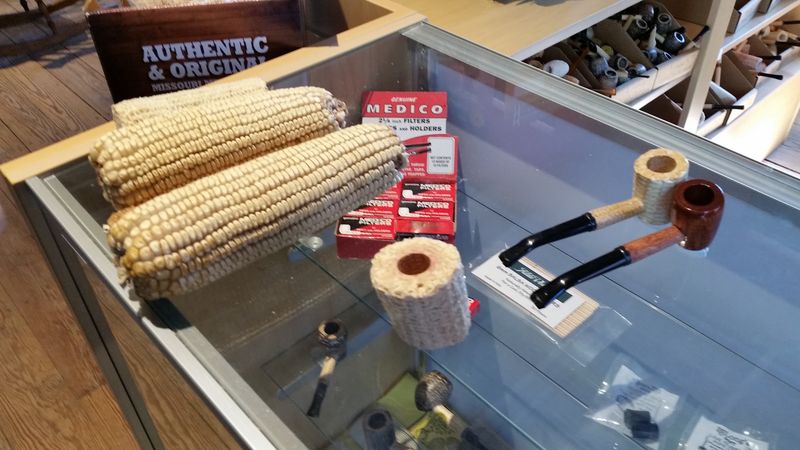
Grocery store corn won’t cut it here. The company uses a special white hybrid corn developed by the University of Missouri.
Why so picky? Regular sweet corn cobs are too small and soft for a sturdy pipe bowl.
The company grows its own crop on roughly 140 to 150 acres of land in the Missouri River bottom. So the story stays local from field to finished pipe.
After harvest, the corn is shelled. Then comes the part that tests anyone’s patience.
The cobs get stored for at least two years. During that time they dry out and harden, which makes them ready for shaping.
I have to admit, that waiting game is my favorite detail. Two whole years just to let a cob get tough enough for the lathe.
It also explains why these pipes feel tied to the land around them. The river, the soil, and a university research project all play a part.
Keep this in mind when you browse the museum’s displays. Every pipe on the shelf started as a stalk in a nearby field, then sat around longer than most kids wait for a new phone upgrade.
An 1880s Brick Factory Keeps Watch Over The River
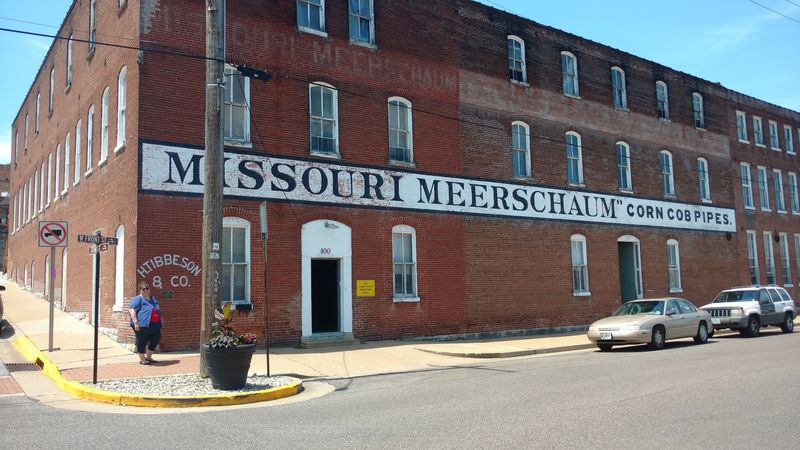
Red brick, three stories tall, and dating back to the 1880s. The factory building looks exactly like the kind of place where something old-fashioned still gets made.
It sits at the corner of Front and Cedar Streets, right at the edge of downtown. Across the way, the Missouri River rolls past.
The museum entrance is at 21 Cedar Street, Washington, MO 63090. You’ll sometimes see the factory listed on West Front Street, so don’t let that throw you off.
Look for the official city plaque outside. It explains why this building matters so much to the town’s story.
And it matters a lot. Washington proudly calls itself the “Corn Cob Pipe Capital of the World,” and this building is the reason why.
The riverside spot adds real charm. Downtown Washington has other shops and places to eat nearby, so the museum fits nicely into a relaxed afternoon stroll.
I’d absolutely make a detour for that combo of river views and brick history. Few factories this old still do the job they were built for.
Snap a photo of the building before heading in. The exterior tells half the story all by itself.
Creaky Floors, A Giant Wooden Cob, And A Throne Made Of Pipes
Listen closely once you’re inside. The old hardwood floors creak with nearly every step, and honestly, that sound sets the mood perfectly.
The museum and shop share one L-shaped room. It feels like a trip back to an earlier era, minus the time machine.
A large wooden corn cob greets you with the word “Welcome.” Subtle? Not even a little, and that’s exactly the point.
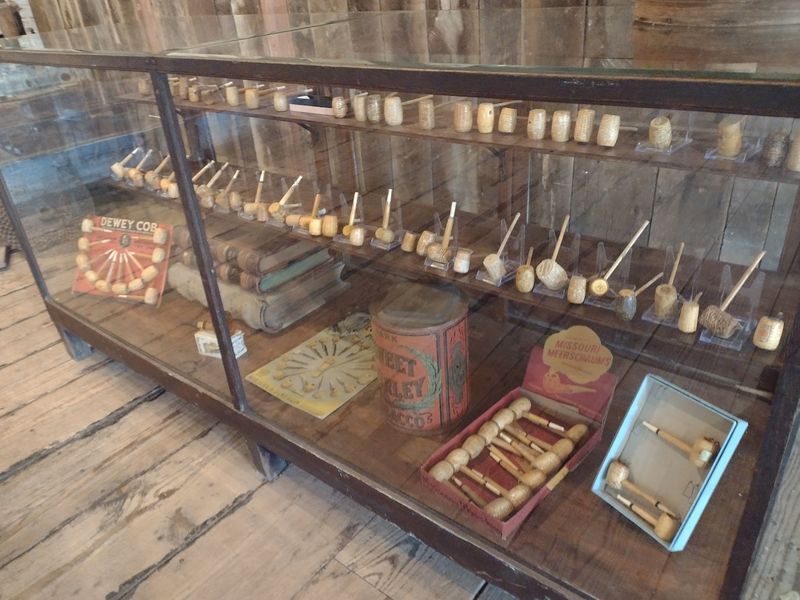
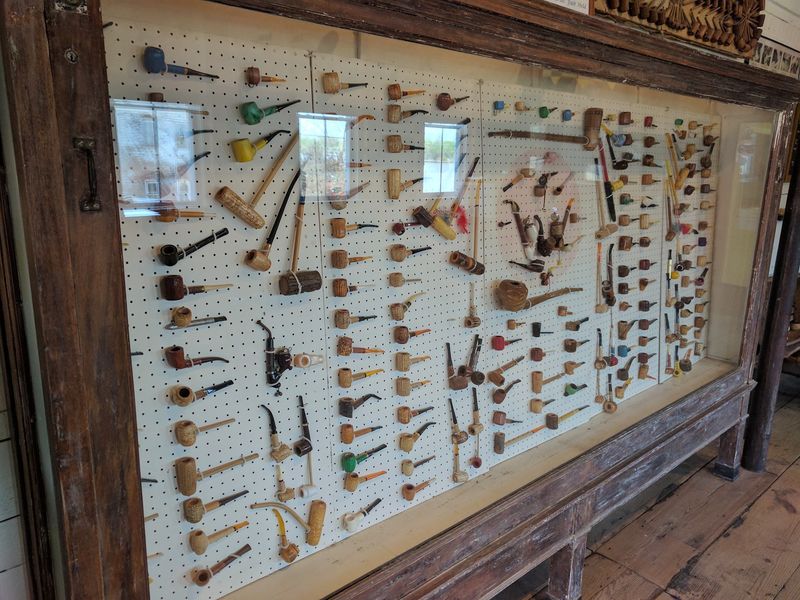
Display cabinets line the space. Inside, you’ll find antique cobs, including shapes the company no longer makes.
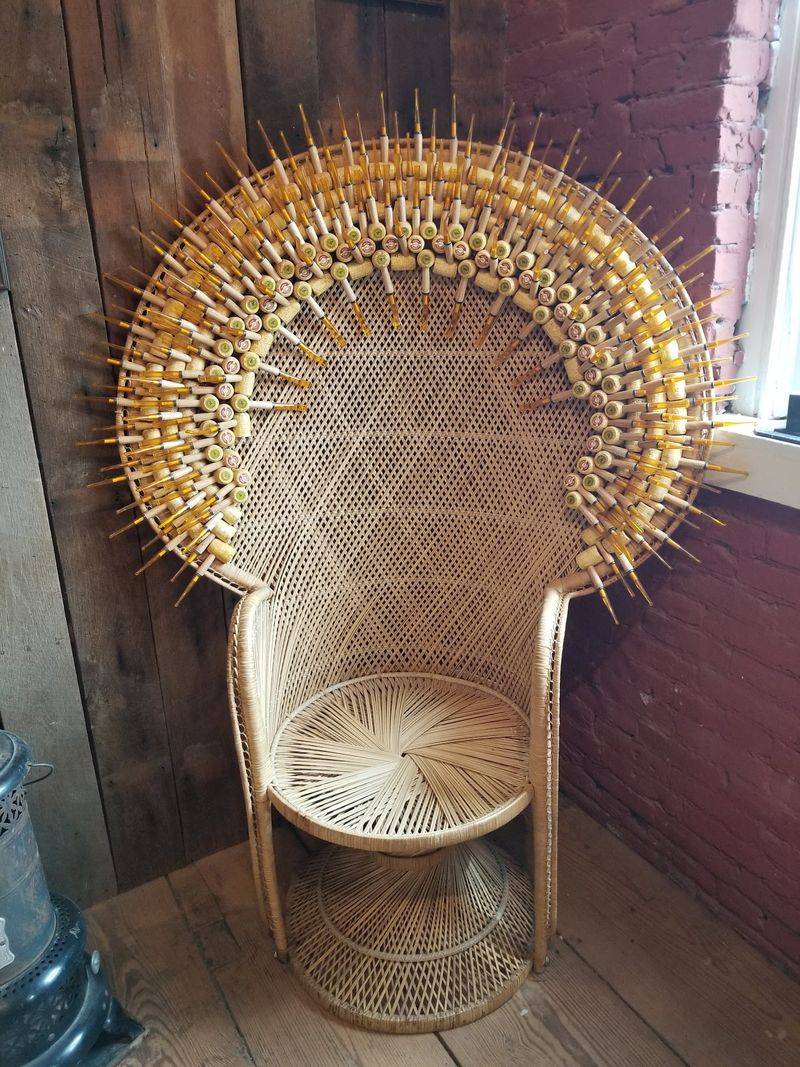
Then there’s the showstopper. The “Corncob Throne” is a wooden chair with corn cob pipes sticking out all over it.
Yep, it’s as wonderfully goofy as it sounds. I’m not sure what’s more surprising, that someone built it or that it fits the room so well.
The space is cozy rather than huge. That works in its favor, because every corner holds something worth a closer look.
Photography and video are allowed inside, so the throne is fair game for your camera. Just don’t expect it to be comfortable, since royalty clearly never tested this particular seat.
Famous Fans Left Their Mark In The Display Cases
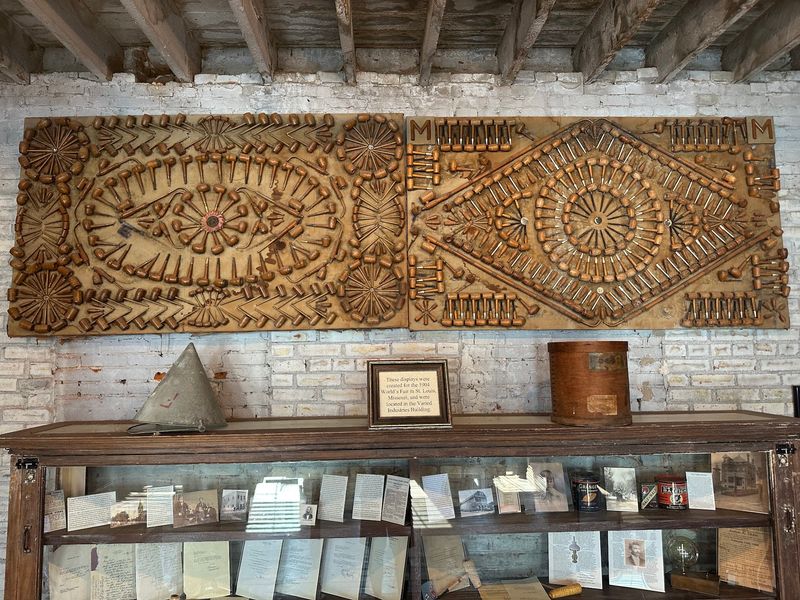
General Douglas MacArthur didn’t just puff on a corn cob pipe. He actually sent the company his own design.
That’s the kind of story the museum loves to share. Its exhibits explore how Missouri Meerschaum pipes became part of American culture.
The list of famous users is a fun one. Mark Twain, Norman Rockwell, Lyndon B.
Johnson, and Rudyard Kipling all show up in the company’s history.
Correspondence and documents tied to military and literary figures are on display. Reading them makes these names feel a little more human.
The collection goes beyond celebrities, too. Vintage pipe designs, old molds, and well-used tools show how the craft actually worked.
Don’t skip the advertising materials. Old ads have a charm all their own, with bold claims and lettering you just don’t see anymore.
What gets me is the range here. A Missouri cob pipe could sit in a general’s hand or on a writer’s desk, and it never lost its down-to-earth roots.
Give yourself time with the documents. They’re the quiet stars of the room, even sitting next to a chair covered in pipes.
Thousands Of Pipes Still Roll Out Of Here Every Single Day
This is no dusty museum about a closed factory. The Missouri Meerschaum Company still makes pipes right next door.
Estimates put daily production somewhere around 3,500 to 5,000 pipes. A crew of about 32 employees handles the work.
Now that is a lot of cobs. Those pipes ship to every U.S. state and several foreign countries.
Here’s a fun twist. Many steps in the process have barely changed in over 100 years, and some original equipment is still in use.
Full factory tours generally aren’t offered anymore. Still, limited views of active manufacturing areas may be visible from designated spaces in the museum.
Outside the building, folks have noticed the smell of the varnish used to seal the pipes. The hum of machines at work sometimes drifts out too.
That’s the detail I can’t get over. You’re learning about 1869 while the same craft keeps humming along a few feet away.
It turns a quick museum stop into something closer to a living history lesson. Few places let you see the past and present of one product share the same block so easily.
The Gift Shop Might Test Your Willpower
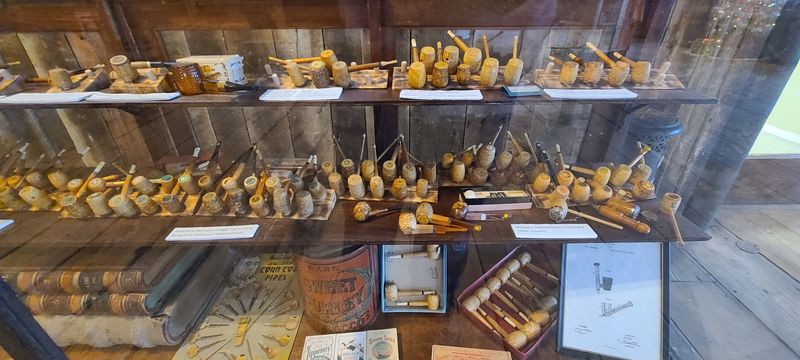
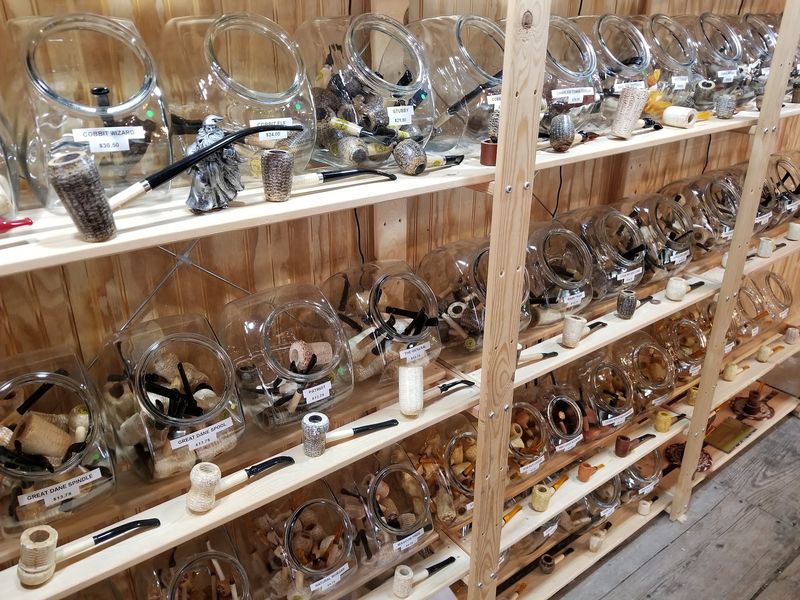
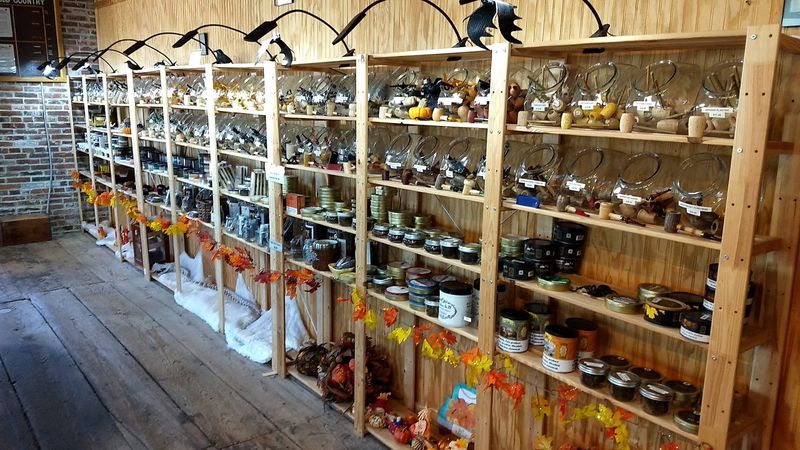
Fair warning: the shop sits inside the museum, so walking past it isn’t really an option. Shelves hold a big lineup of corn cob pipes alongside hardwood options.
Pipe tools and accessories fill in the gaps. There’s also branded merchandise the company calls “cob wear,” including t-shirts and caps.
A cap from the Corn Cob Pipe Capital of the World makes a pretty great souvenir. It’s a conversation starter that doesn’t require any explanation, or maybe requires a long one.
Here’s a perk worth knowing. Some items are sold only in the museum shop, not online or at other stores.
That makes the Missouri Meerschaum Corn Cob Pipe Museum and Retail Shoppe the place for collectors hunting something different. Newcomers aren’t left out, since beginner kits are available too.
The staff has a reputation for being friendly and happy to share the pipe’s history. Questions about which style suits you are welcome.
I can see why folks leave with more than they planned. Between the exclusives and the cob wear, this shop is clever about making the visit last a little longer.
Budget a few extra minutes here. Your souvenir shelf will thank you.
Smart Tips Before You Head To The Riverfront
Good news first: admission is free. You can explore the whole museum without opening your wallet, unless the shop wins you over.
Hours currently run 10 a.m. to 4 p.m. Monday through Friday.
Saturday hours are 10 a.m. to 3 p.m., and the doors stay closed on Sunday.
The museum is self-guided and usually takes about 30 to 45 minutes. That makes it an easy add-on to a day downtown.
Bringing a four-legged buddy? Pets are welcome, and there’s no fee for them.
A couple of practical notes will save you a headache. The museum is not wheelchair accessible, which matters for anyone planning a group trip.
There are also no public restrooms inside the shop and museum. The nearest ones are about two blocks away at the public market.
My advice is simple. Make that restroom stop first, then enjoy the creaky floors and pipe stories without watching the clock.
Afterward, wander downtown Washington and take in the river views. It’s a lovely way to cap off a visit to one of Missouri’s most unexpected success stories, all thanks to a farmer and a spare cob.
