The tomato tastes suspiciously like a tomato again. The cream has actual flavor.
The pork comes with a farmer’s name attached to it. Clearly, something is going very right in these kitchens.
Across Indiana, a handful of restaurants are building their menus around ingredients grown, raised, and produced nearby, sometimes close enough that the farm is practically the neighbor.
Fresh vegetables arrive with dirt still having something to say, local meats become the centerpiece of the plate, and homemade pies tend to disappear faster than anyone planned.
The fun part is seeing how differently each place uses what grows around it. One meal might feature ingredients from a nearby farm, another might lead into Amish country, while city restaurants turn local harvests into polished plates.
It is basically a road trip where the scenery keeps changing and lunch is the souvenir. Bring an appetite, loosen the belt one notch, and get ready to taste one farm-fresh bite at a time.
The Loft at Traders Point Creamery, Zionsville
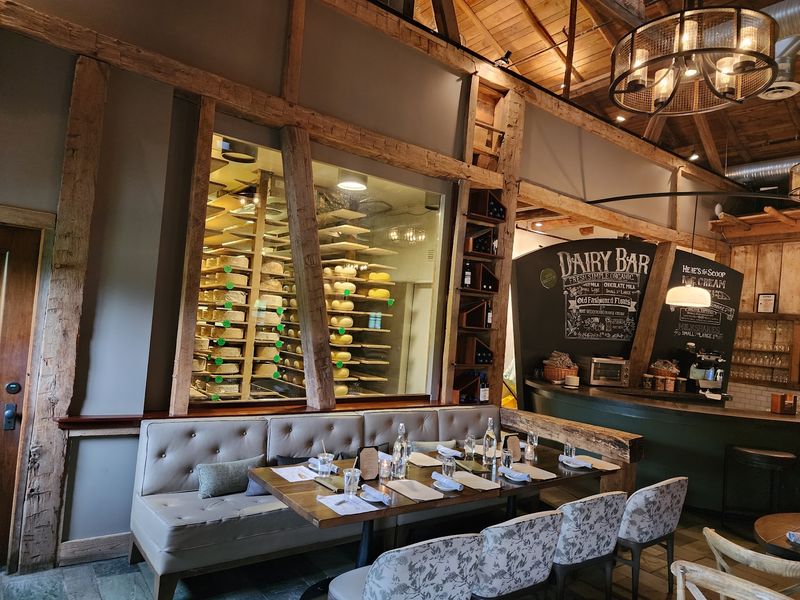
Cows graze just beyond the windows, and somehow that changes how food tastes. The Loft occupies the upper level of a restored barn, all timber beams and soft light, with cheese wheels glowing behind glass like museum pieces.
Grass-fed dairy from the surrounding pastures anchors nearly everything on the plate. Yogurt, cheese, butter, all of it made on site.
Meals lean on what the fields hand over that week, so a spring visit and an autumn visit rarely overlap. Root vegetables show up when the weather turns cool, and greens crowd the plates once the ground softens again.
The barn itself carries a hushed kind of energy, the sort where conversations naturally drop a notch. Families wander the grounds before eating, peeking at calves and walking gravel paths between outbuildings.
Worth knowing: the farm operates on organic principles and treats education as part of the job, so staff tend to answer questions about grazing rotations without blinking.
Weekend mornings draw a crowd, and the pastoral setting makes lingering feel almost mandatory. Bring shoes that handle a little mud.
What sticks with visitors is not any single dish but the shortness of the distance between pasture and plate. Few places in the state make that distance feel so literal, so measurable in footsteps.
Address: 9101 Moore Road, Zionsville, Indiana
Grindstone on the Monon, Westfield
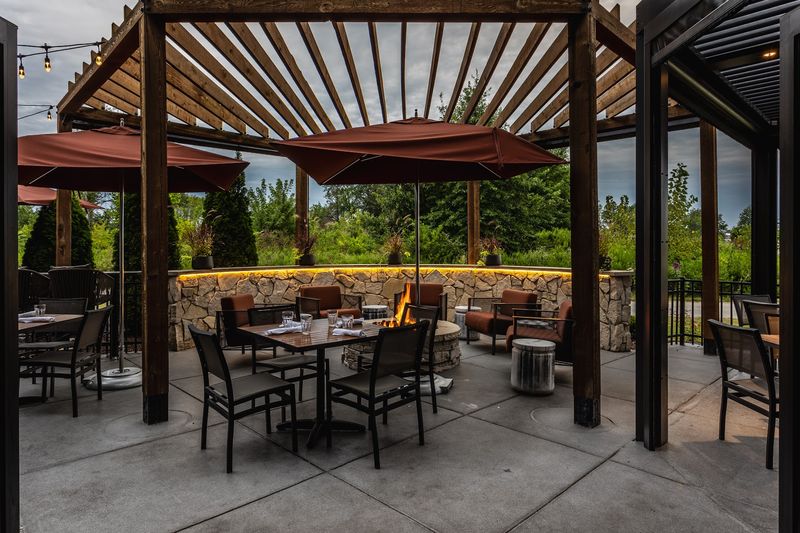
Cyclists roll past the patio all afternoon, some of them stopping mid-ride for a plate of pasta. The restaurant sits right against the Monon Trail, which gives the whole place a pleasant sense of motion.
Design-wise, the space splits the difference between polished and homey. Clean lines meet warm wood, and nothing feels fussy.
Local farms supply much of the meat and vegetables, and the kitchen makes pasta by hand while running its own smoker. Smoked meats and fresh noodles form the backbone of a menu that shifts with what growers deliver.
Regulars treat the dining room like a living room, which says plenty about the atmosphere. Trail walkers, families, and after-work groups mix without anyone feeling out of place.
The patio is the real prize during mild weather, especially in early evening when the trail traffic thins and the light goes gold. Inside, tables fill quickly once temperatures drop.
Fitting a stop here into a longer Hamilton County route works nicely, since the trail connects several towns worth exploring on foot or by bike.
Relationships with nearby farms are not decoration, they shape what appears on the board each season. That rootedness gives the food a straightforward honesty that suits the setting perfectly.
Address: 17470 Wheeler Road, Westfield, Indiana
Goose the Market, Indianapolis
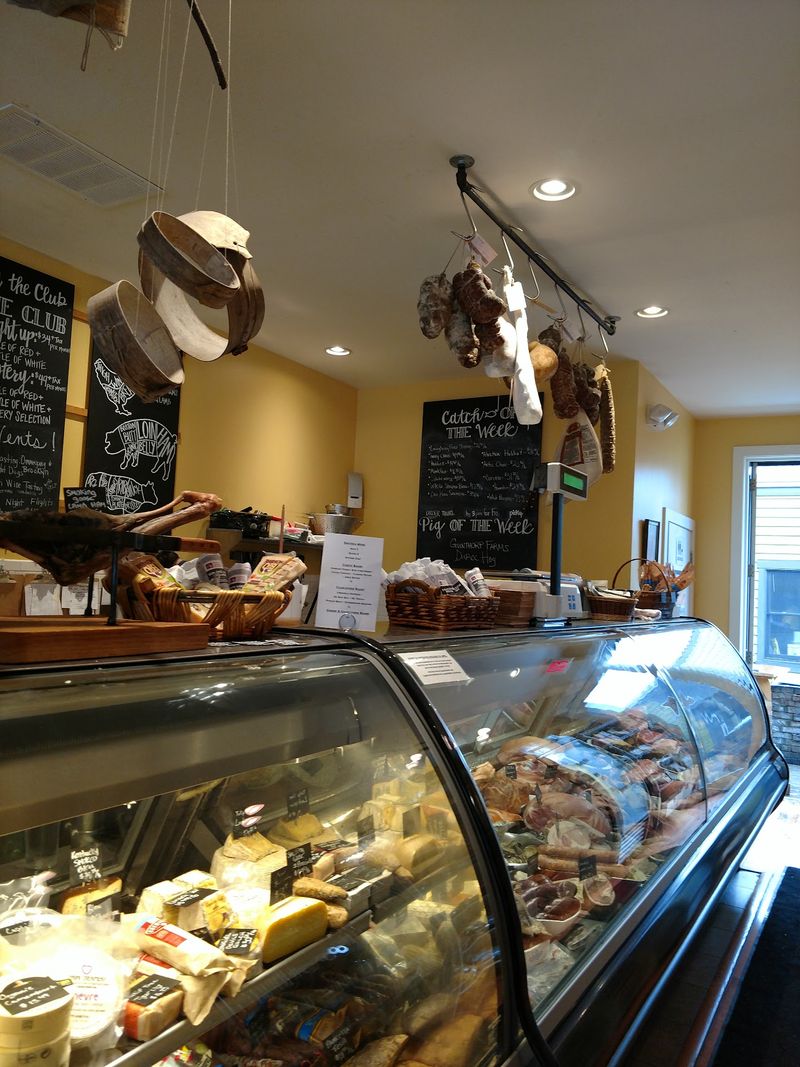
Half deli, half treasure hunt. The narrow space packs in a cheese case, a butcher counter, shelves of pickles and preserves, and a sandwich board that changes often enough to keep regulars guessing.
Cured meats and house-made sausages hang behind the counter, giving the room an Old World feel that suits the neighborhood.
Sourcing runs deep here. Dry-aged beef arrives from Fischer Farms, poultry comes from Gunthorp Farms, and farmstead cheeses represent producers scattered across the state.
Lunch lines form fast, and the sandwiches move quickly. Grabbing one and eating it on a nearby stoop counts as a legitimate Indianapolis tradition.
Beyond prepared food, the shelves reward browsing. Artisan breads, specialty condiments, and small-batch goods from Indiana makers turn a quick stop into a longer one.
Staff know where everything came from, which farm raised which animal, which week the cheese was made. That kind of detail is rare and genuinely useful for travelers trying to understand the state’s food landscape.
Fun detail: the shop occupies a converted corner building in a residential stretch, so it feels less like a destination and more like a neighborhood secret that happens to be widely known.
Pack a cooler if the drive home is long, because the temptation to buy extra is strong.
Address: 2503 North Delaware Street, Indianapolis, Indiana
Story Inn, Nashville
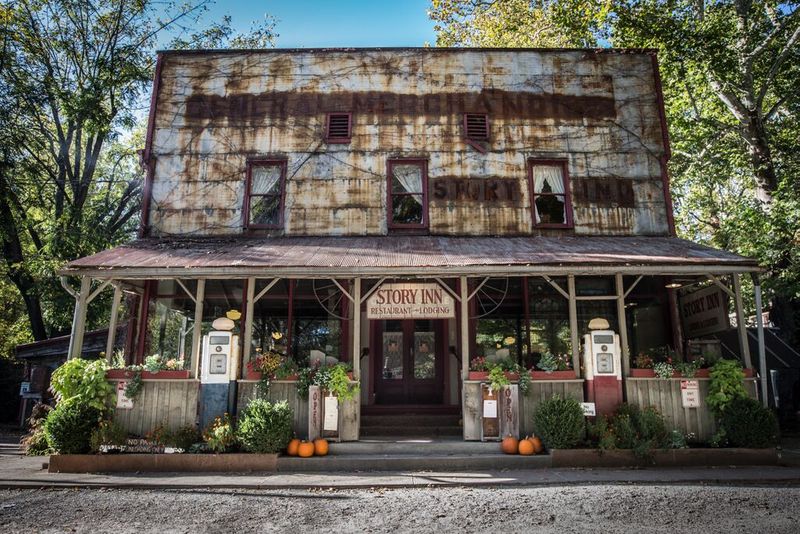
An old general store from 1851, still standing, still feeding people. The Story Inn leans hard into its own history with a motto about being inconveniently located since the year it was built, and honestly, the remoteness is the charm.
Brown County’s wooded hills wrap around the property, muffling everything.
The kitchen pulls from local producers and from culinary gardens planted right outside. Menus shift with what the gardens call micro-seasons, meaning a dish might appear for two weeks and then vanish until next year.
Creaky floors, mismatched furnishings, and lantern light give the dining room a genuinely antique feel rather than a staged one. The whole property sits within a national historic district.
Rooms and cottages scattered nearby make an overnight stay easy, and staying over is arguably the point. Mornings on the porch are quiet in a way that suburbs never manage.
Getting there involves winding state roads through forest, so build extra time into the drive and expect spotty phone service.
Hoosier cooking gets taken seriously here, treated as a cuisine worth refining rather than a punchline. That respect shows in dishes that feel familiar and surprising at the same time, built from ingredients grown within sight of the table.
Address: 6404 South State Road 135, Nashville, Indiana
FARM Bloomington
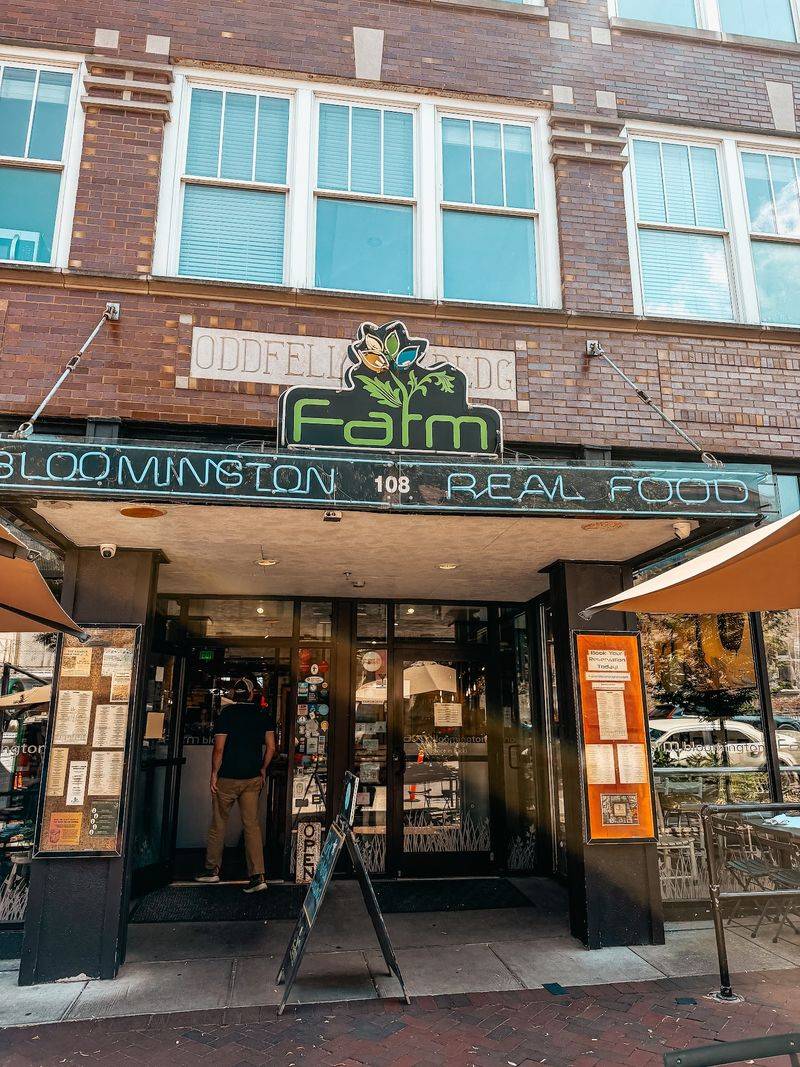
College towns tend to hide their best kitchens in plain sight, and this one sits right on a busy downtown stretch. The restaurant treats Indiana produce with the kind of technique usually reserved for bigger cities.
Farm names appear openly, not buried in fine print.
Heritage pork from small operations, corn and soybeans handled in creative ways, vegetables that rotate as growing seasons turn. The menu functions almost like a calendar of what Indiana agriculture is actually doing at any given moment.
Locals treat it as a benchmark, the place other kitchens measure themselves against. That reputation was earned slowly through consistency rather than hype.
Inside, brick and warm lighting keep things relaxed enough for a casual lunch but sharp enough for something more special. Students, professors, and visiting families all end up at neighboring tables.
A practical tip: the location makes it easy to combine a meal with a walk through the surrounding shops and campus green space, which is a pleasant way to spend an afternoon.
What separates this kitchen from others is ambition applied to humble ingredients. Midwestern agriculture gets treated as genuinely diverse and interesting, not as a limitation to work around, and that attitude turns ordinary vegetables into something memorable.
Address: 108 East Kirkwood Avenue, Bloomington, Indiana
Artisan, Elkhart
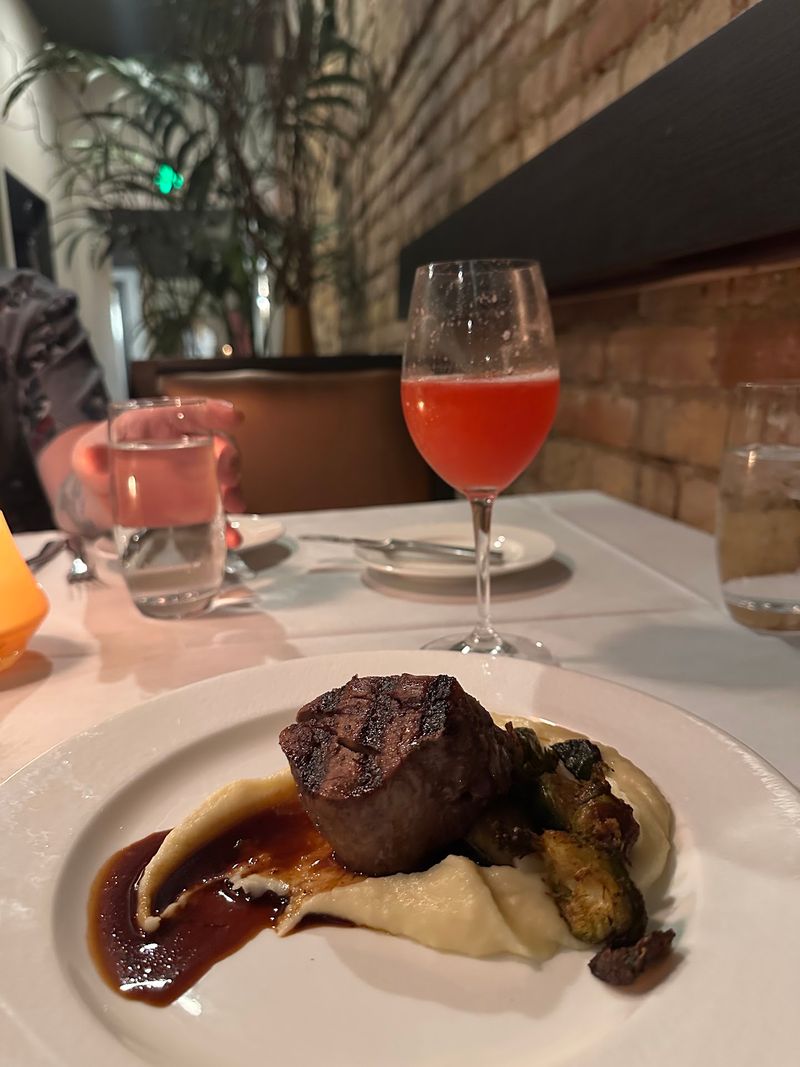
Downtown Elkhart does not immediately suggest refined regional cooking, which makes this dining room a genuine surprise. Dark wood, soft pendant lights, and a menu that quietly name-checks Midwestern farms set the mood.
Elegant, yes, but nobody seems worried about which fork to use.
Indiana chicken, pork, and bison appear regularly, while beef for burgers, brisket, and short ribs comes from farms across Indiana and Illinois. Sourcing decisions drive the menu rather than following it.
Dishes shift with the calendar, and the kitchen clearly enjoys playing around. Squash soup in cooler months, smoked pork belly paired with pickled blueberries, four-spice pork chops that reward slow eating.
That rotation means repeat visits rarely feel repetitive, which is a real advantage for travelers passing through the region more than once.
The northern Indiana location makes it a natural pairing with trips toward the lakes or Amish country, offering a change of pace from country cooking without abandoning local ingredients.
Service tends toward attentive without hovering, and the room stays comfortable even when full.
Ultimately, the appeal comes down to craft. Regional farm products get treated with real technique here, proving that inventive cooking and agricultural pride can share the same plate without either one getting overshadowed.
Address: 505 South Main Street, Elkhart, Indiana
Blue Gate Restaurant, Shipshewana
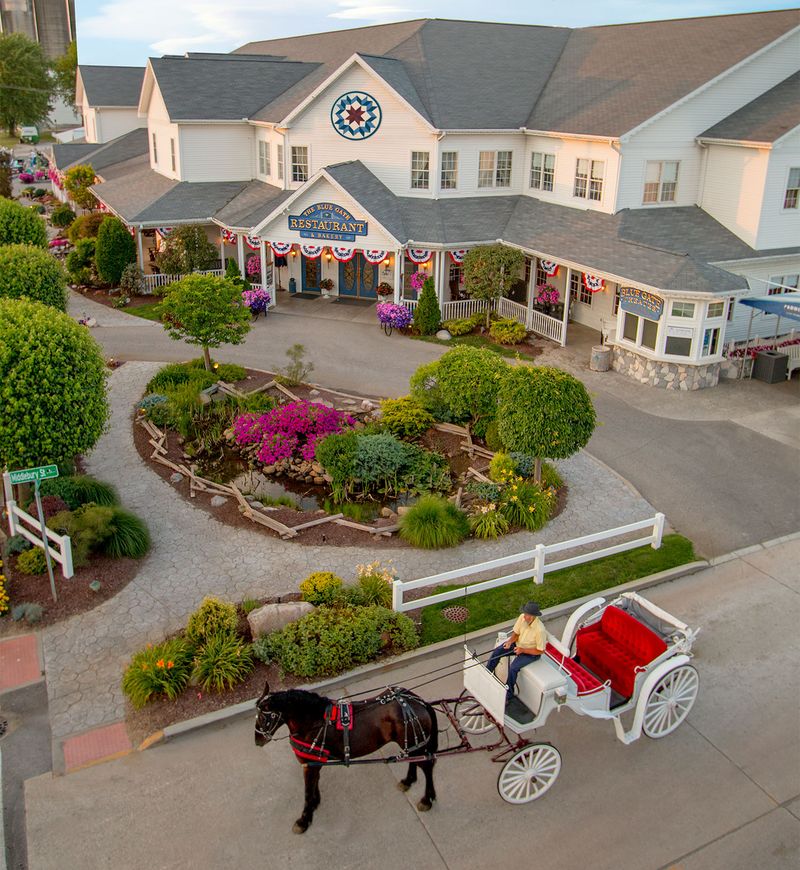
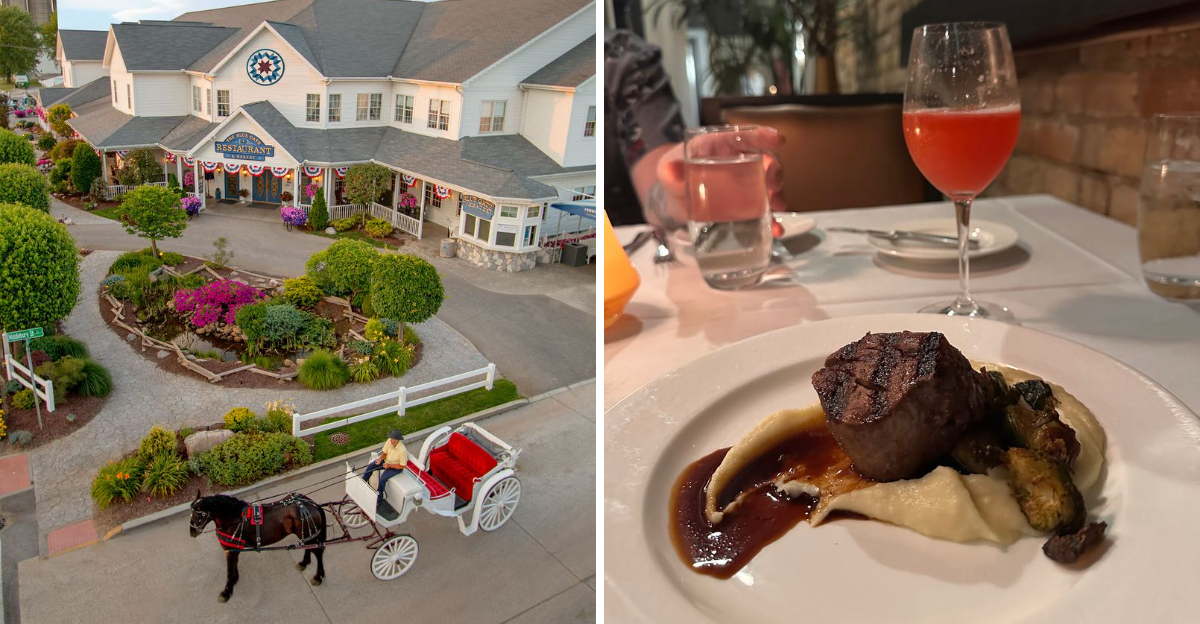
Pie first, if anyone asks. Shipshewana sits in the middle of northern Indiana’s Amish country, where horse-drawn buggies share the road with pickup trucks, and this restaurant serves the kind of food that region built its reputation on.
Fried chicken, meatloaf, beef and noodles, all straightforward and generous.
Most ingredients come from farmers working land nearby. Eggs, bacon, and sausage at breakfast, tomatoes in the salads, peaches folded into pie filling.
The kitchen makes no secret of it, noting that produce is grown down on the farm in the most literal sense possible. In this corner of the state, local sourcing predates the phrase by generations.
Tables fill with families passing platters, and the noise level sits somewhere between a church supper and a Sunday kitchen. Comfortable, warm, unpretentious.
Traveler advice: arrive hungry and plan for a slow afternoon afterward, because portions here do not encourage immediate activity.
The surrounding town offers markets, craft shops, and back roads worth wandering, making this an easy anchor for a full day of exploring.
Honest cooking rooted in honest farming, served without any fuss about it. That simplicity is exactly why travelers keep circling back to this stretch of Indiana.
Address: 195 North Van Buren Street, Shipshewana, Indiana
Tolon, Fort Wayne
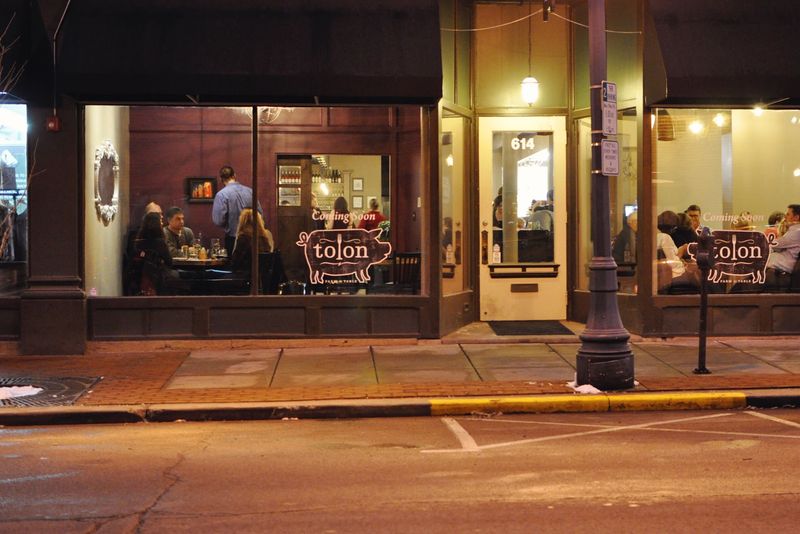
Fort Wayne’s first farm-to-fork restaurant had to convince a city that local sourcing mattered, and the argument apparently worked. The dining room is small, brick-lined, and busy in a good way.
Chef Matthew Nolot builds menus around what northeast Indiana growers deliver.
Partnerships with small family farms including Berry Hill Farm, Gunthorp Farms, and Hawkins Family Farm supply much of the kitchen. Those relationships mean the menu never sits still for long.
Steak, salmon, scallops, and pork chop entrees show up as mainstays, though preparations shift as seasons change. Regulars tend to ask what is new rather than ordering the usual.
Atmosphere lands somewhere between refined and easygoing, the sort of place that works for a quiet dinner or a celebration without changing character.
Downtown Fort Wayne has grown considerably, and a stop here pairs well with walking the riverfront or browsing nearby blocks before or after a meal.
Reservations help, since the room is compact and word has spread.
Every plate here reflects a working partnership between cooks and farmers, which is harder to pull off than it sounds. The result feels less like a trend and more like a genuine local food culture taking root in a city that clearly wanted one.
Address: 614 S Harrison St, Fort Wayne, IN 46802
Oakley’s Bistro, Indianapolis
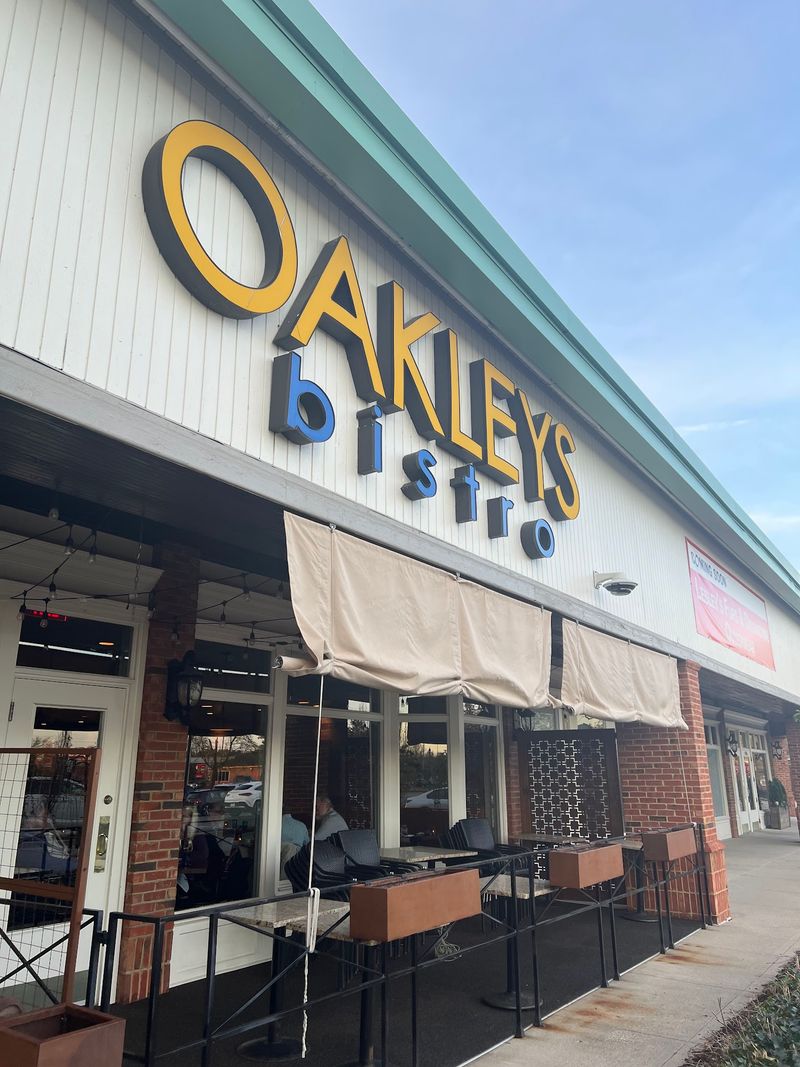
Tucked into a shopping center on the northwest side, this bistro rewards anyone willing to look past the parking lot. Chef-owner Steven Oakley built it around a simple idea: every meal should feel like a small occasion.
No dress code required, no special reason needed.
Menus change frequently, following whatever meats, produce, and dairy are at their peak. Local purveyors supply as much as possible, which keeps the offerings tied to Indiana’s growing calendar.
Shareable starters lead into hearty entrees, and the kitchen clearly enjoys the freedom that constant menu changes allow.
The dining room strikes a comfortable middle ground, polished enough to feel like a treat but never stiff. Longtime customers show up in jeans and nobody blinks.
Because the menu rotates so often, asking about the day’s additions usually pays off. Staff can explain what came in fresh and why it landed on the plate.
For travelers based in Indianapolis, the location offers a break from downtown crowds without a long drive.
Consistency is the quiet accomplishment here. Years of seasonal cooking and local sourcing have built a reputation that does not depend on trends, just careful attention to what Indiana farms happen to be producing right now.
Address: 1464 West 86th Street, Indianapolis, Indiana
Nesso, Indianapolis
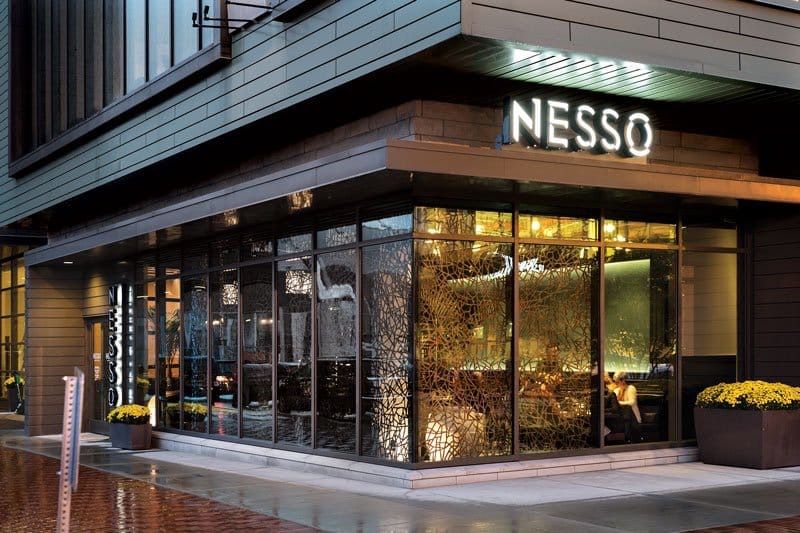
Italian cooking meets Indiana farmland, which sounds like an odd pairing until the pasta arrives. Located inside The Alexander hotel downtown, Nesso builds Mediterranean dishes from ingredients grown much closer than Italy.
Fresh pasta is made in house.
Vegetables and meats come from nearby producers, and the kitchen actively seeks out those connections rather than defaulting to distributors. Seafood rounds out a menu that shifts with what arrives each week.
The setting borrows the hotel’s contemporary art-forward personality, with clean modern lines and warm lighting that keeps things inviting rather than austere.
Traditional Italian technique gets applied to Hoosier ingredients, and the combination works better than expected. A summer vegetable pasta here tastes distinctly of this region, not of somewhere across an ocean.
Downtown location makes it convenient for anyone exploring the city center, whether visiting museums or catching an event nearby.
The room manages to feel special without requiring formality, which suits travelers who have been walking all day.
Bringing Italian sensibility to Indiana agriculture creates something neither purely traditional nor strictly local, and that in-between quality is exactly the appeal. Familiar comfort food arrives with an unmistakably Midwestern accent.
Address: 333 South Delaware Street, Indianapolis, Indiana
