Florida has always been known as a paradise for theme park lovers, with attractions that draw millions of visitors every year. But beneath the sunshine and magic lies a darker side.
Scattered across the state are abandoned theme parks that once thrilled families but now stand silent and decaying.
These forgotten places have become eerie monuments to dreams that faded away.
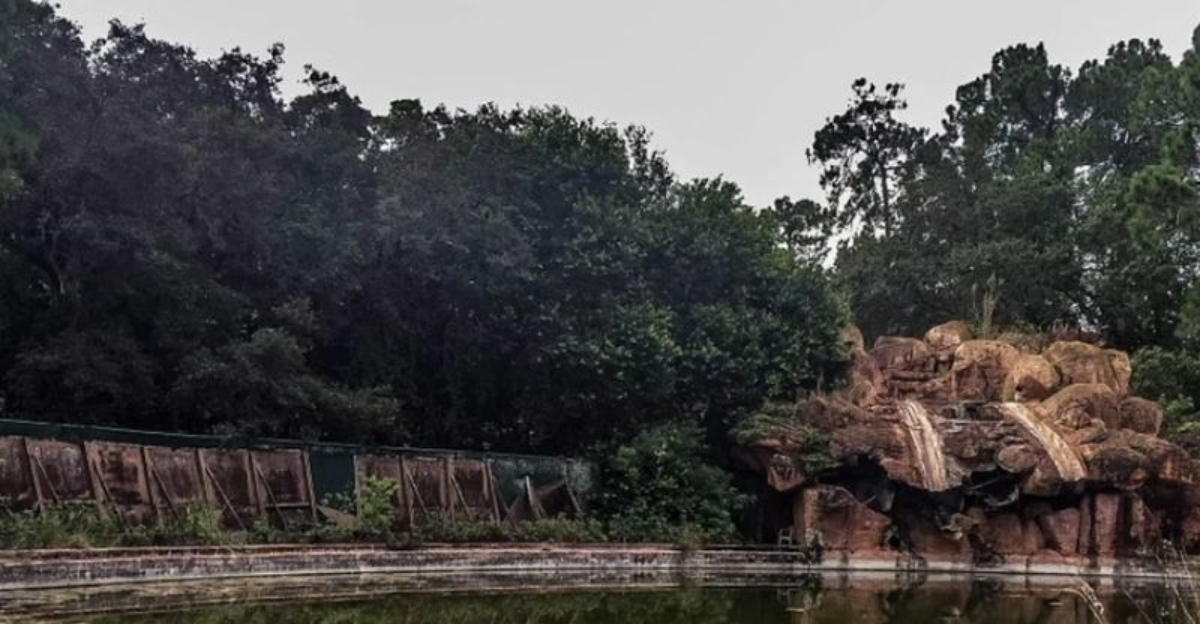
Rusted rides creak in the wind, empty pools collect rainwater, and nature slowly reclaims what was once bustling with laughter.
Some closed due to financial troubles, while others faced tragic accidents or simply could not compete with larger attractions.
Walking through these deserted grounds feels like stepping into a time capsule where joy turned to sorrow.
The peeling paint, broken windows, and overgrown pathways create an atmosphere that sends chills down your spine.
Urban explorers and curious adventurers are drawn to these locations, captivated by their haunting beauty and mysterious stories.
Each park has its own tale of rise and fall, filled with interesting history and strange occurrences.
From water parks with empty slides to fantasy lands frozen in time, these abandoned attractions offer a glimpse into what happens when entertainment empires crumble.
1. Six Gun Territory
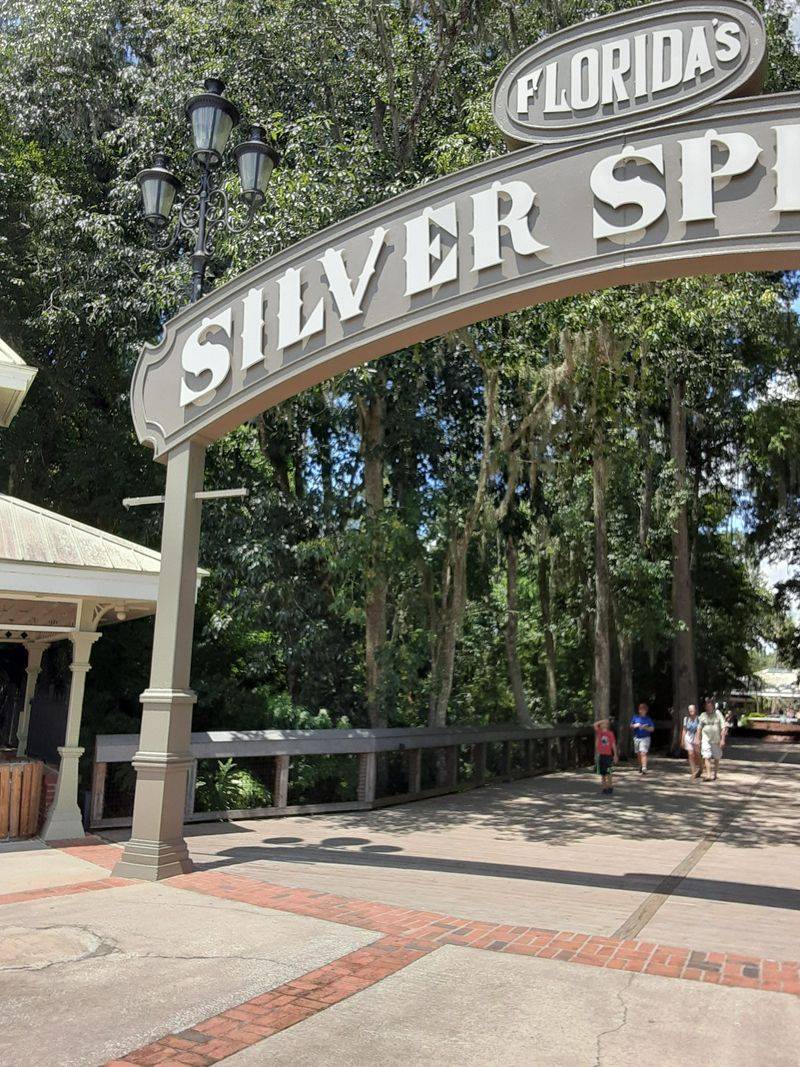
Back in the 1960s, families flocked to this Wild West wonderland that promised gunfights, saloons, and cowboy adventures just outside Ocala.
Six Gun Territory opened in 1963 at 5800 E Highway 40, Silver Springs, FL 34488, and quickly became a beloved destination for those seeking frontier excitement.
The park featured authentic-looking western buildings, stunt shows with skilled performers, and even a working narrow-gauge railroad that transported guests through the dusty streets.
Children loved watching staged bank robberies and shootouts while parents browsed the general store filled with souvenir trinkets.
The entire experience felt like stepping into an old western movie, complete with saloon girls and sheriffs patrolling the wooden sidewalks.
Unfortunately, the park struggled to compete when Disney World opened nearby in 1971, drawing away crowds and revenue.
Six Gun Territory closed its gates permanently in 1984, leaving behind a ghost town that became genuinely haunted by neglect.
Today, the deteriorating structures stand as silent witnesses to a bygone era of roadside entertainment.
Visitors who have explored the abandoned site report an unsettling atmosphere among the collapsed buildings and rotting wood.
The once-cheerful facades now appear sinister with broken windows that stare like empty eye sockets.
Graffiti covers many walls, and the forest has begun swallowing the pathways where families once strolled.
The railroad tracks lie twisted and buried under years of leaves and debris.
What makes this location particularly eerie is how the western theme creates an authentic ghost town feeling.
The silence is profound, broken only by wind whistling through the skeletal remains of saloons and shops.
Some explorers claim to hear phantom gunshots echoing through the trees, though these are likely just the sounds of settling wood and wildlife.
The property remains private, but its creepy reputation continues to grow among urban exploration enthusiasts.
2. Boardwalk and Baseball
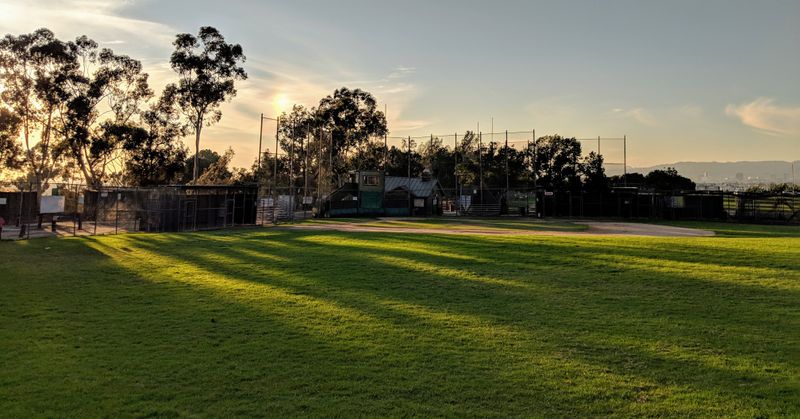
Imagine a place where America’s favorite pastime met thrilling amusement rides, creating what seemed like the perfect combination for family fun.
Boardwalk and Baseball opened in 1987 at 31700 US Highway 27, Haines City, FL 33844, with high hopes and backing from major league baseball stars.
The park featured a unique blend of attractions including roller coasters, a baseball stadium, and interactive exhibits celebrating the sport’s history.
Guests could watch spring training games before hopping on rides or exploring the extensive arcade areas.
The boardwalk section recreated a nostalgic seaside atmosphere with classic carnival games and food stands serving cotton candy and hot dogs.
Baseball legends like Ted Williams were involved in promoting the venue, lending it credibility and star power.
Despite the innovative concept, the park never achieved the attendance numbers needed to sustain operations.
Located between Tampa and Orlando, it faced fierce competition from more established attractions that dominated tourist attention.
The park closed abruptly in 1990, just three years after opening, leaving investors disappointed and employees jobless.
After closure, the property sat abandoned for years while ownership changed hands multiple times.
The baseball stadium was eventually demolished, but remnants of the amusement area lingered like forgotten memories.
Explorers who ventured onto the grounds discovered rusted ride components scattered among weeds and crumbling concrete walkways.
The once-vibrant colors of carnival attractions had faded to ghostly pastels under the relentless Florida sun.
What creates the creepy factor here is the juxtaposition of childhood joy with complete abandonment.
Empty ticket booths stand with windows shattered, and faded signs advertising long-gone attractions hang at crooked angles.
The silence feels heavy in a place designed for cheering crowds and excited screams from roller coaster riders.
Nature has aggressively reclaimed the site, with vines wrapping around metal structures like grasping fingers pulling everything back into the earth.
3. Cypress Gardens Adventure Park
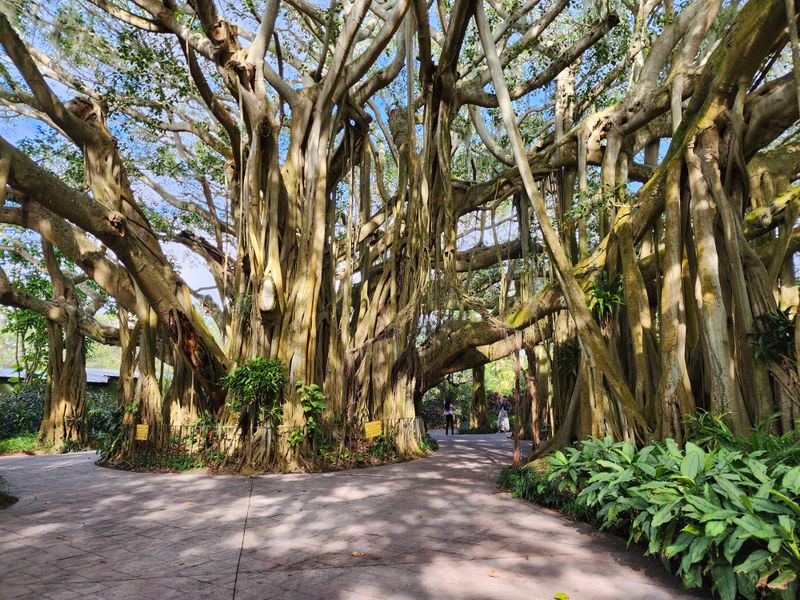
Long before modern mega-parks dominated the landscape, this botanical paradise combined stunning gardens with thrilling water ski performances that amazed audiences for decades.
Cypress Gardens originally opened in 1936 at 6000 Cypress Gardens Boulevard, Winter Haven, FL 33884, becoming Florida’s first commercial tourist theme park.
The attraction gained fame for its beautiful Southern Belles in hoop skirts, elaborate flower displays, and world-class water skiing shows.
Generations of families created memories walking through meticulously maintained gardens bursting with colorful blooms and exotic plants.
The water ski stadium became legendary, hosting championship competitions and training Olympic athletes who performed death-defying stunts.
Photographers loved capturing the iconic banyan trees and scenic lake views that made every visit feel magical.
However, changing tourism patterns and increased competition gradually eroded the park’s visitor numbers over the years.
Despite attempts to modernize with added thrill rides, Cypress Gardens struggled financially and closed permanently in 2009.
The property went through several ownership changes and brief reopening attempts, but none succeeded long-term.
Eventually, LEGOLAND Florida acquired the site in 2010 and incorporated some areas while abandoning others.
Parts of the original Cypress Gardens remain accessible within LEGOLAND, but sections were left to decay outside the new park boundaries.
The abandoned water ski stadium stands particularly haunting, with empty bleachers overlooking a murky lake where performers once soared.
Maintenance buildings sit locked and forgotten, their windows broken and interiors exposed to the elements.
The gardens that were once pristine now grow wild in neglected areas, creating an eerie contrast between cultivated beauty and chaotic overgrowth.
Pathways crack and buckle as tree roots push through concrete that once guided millions of footsteps.
The creepiness comes from seeing something once so carefully tended now surrendered to entropy and time.
Faded signs pointing to attractions that no longer exist create a disorienting feeling for anyone who remembers the park’s glory days.
4. River Country at Walt Disney World
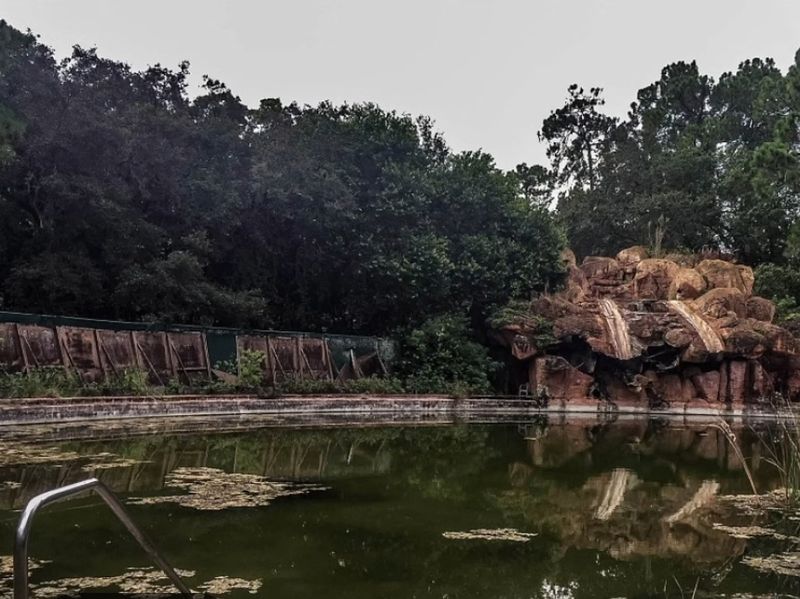
Even the magic of Disney could not save this pioneering water park from becoming one of Florida’s most famous abandoned attractions.
River Country opened in 1976 at 4510 N Fort Wilderness Trail, Lake Buena Vista, FL 32830, as Disney’s first water park and a revolutionary concept at the time.
The rustic design featured a swimming hole aesthetic with rope swings, water slides built into artificial boulders, and a sandy beach area.
Unlike modern water parks with chlorinated pools, River Country used filtered water from adjacent Bay Lake, giving it a natural swimming hole feel.
Families loved the casual atmosphere that contrasted with the more polished experiences found elsewhere in Walt Disney World.
The Whoop-n-Holler Hollow water slides and the white-water rapids ride were particularly popular attractions that generated long lines during peak season.
For years, the park thrived as a perfect escape from Florida’s summer heat for resort guests and day visitors alike.
However, concerns about water quality and amoeba scares in the lake began affecting public perception during the 1990s.
Disney built newer, larger water parks like Typhoon Lagoon and Blizzard Beach that overshadowed the smaller, aging River Country.
The park closed temporarily in 2001 for what Disney called seasonal closure but never reopened to guests again.
For over a decade, River Country sat abandoned and rotting within the Walt Disney World property boundaries.
The contrast between Disney’s usual immaculate maintenance and this decaying facility created an especially unsettling atmosphere.
Photographers who managed to glimpse the site captured images of empty pools filled with stagnant green water and algae.
The once-cheerful slides had become discolored and covered in mildew, looking more like relics from a horror movie than a Disney attraction.
Playground equipment rusted in place while tropical vegetation slowly consumed pathways and buildings.
The creepy factor intensified because this was Disney property, a place synonymous with perfection and happiness, now left to decay.
Disney finally announced official permanent closure in 2005 and began demolition in 2018, erasing this eerie chapter from their history.
5. Miracle Strip Amusement Park
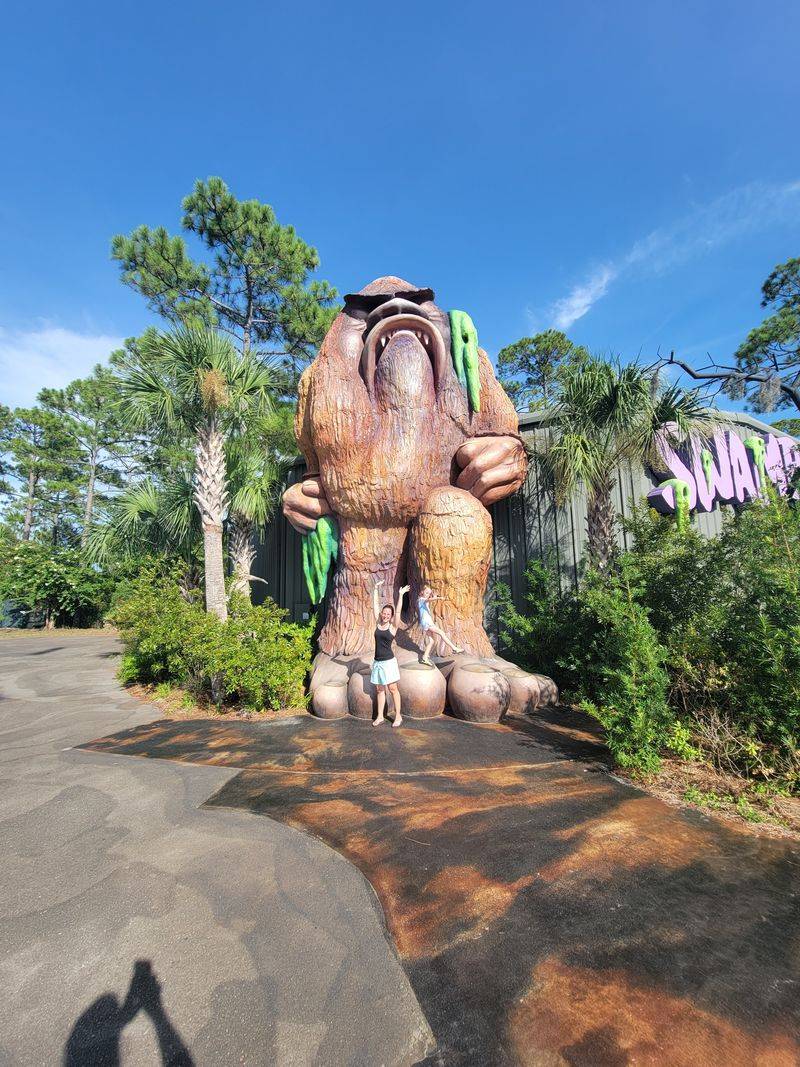
For over four decades, this beachside attraction brought joy to Panama City Beach visitors with classic rides and carnival atmosphere before vanishing almost overnight.
Miracle Strip Amusement Park operated from 1963 to 2004 at 12000 Front Beach Road, Panama City Beach, FL 32407, becoming a beloved local institution.
The park featured traditional amusement rides including the Starliner wooden roller coaster, a Ferris wheel, bumper cars, and numerous carnival games.
Located directly across from the beach, it offered the perfect combination of seaside relaxation and amusement park thrills.
Generations of families made annual pilgrimages to ride the attractions and win oversized stuffed animals from the game booths.
The park’s retro charm and affordable prices made it accessible to working-class families seeking vacation entertainment.
Unlike corporate mega-parks, Miracle Strip maintained an old-fashioned, locally-owned feel that resonated with regular visitors.
Unfortunately, rising property values along the beachfront made the land more valuable than the business operating on it.
The owners decided to close permanently in 2004, selling rides at auction and leaving the property vacant.
Within months, the once-lively park transformed into a desolate wasteland of broken concrete and rusting metal.
The Starliner roller coaster, though purchased for relocation, was dismantled and its parts scattered before reconstruction could occur.
Visitors to Panama City Beach were shocked to see the empty lot where so many memories had been created.
For years, remnants of the park’s infrastructure remained visible, including concrete foundations and utility structures.
The abandoned ticket booths and entrance gates stood like tombstones marking where happiness once flourished.
Graffiti artists tagged remaining walls, and the site became known for late-night gatherings and urban exploration.
The creepiness stems from how quickly a thriving entertainment venue became a forgotten ruin in such a high-traffic tourist area.
The contrast between the bustling beach just across the street and the dead silence of the abandoned park created an unsettling juxtaposition.
Eventually, the property was cleared for redevelopment, but the memory of its eerie abandonment remains strong among longtime residents and visitors.
6. Weeki Wachee Springs Underwater Theater (Original Facility)
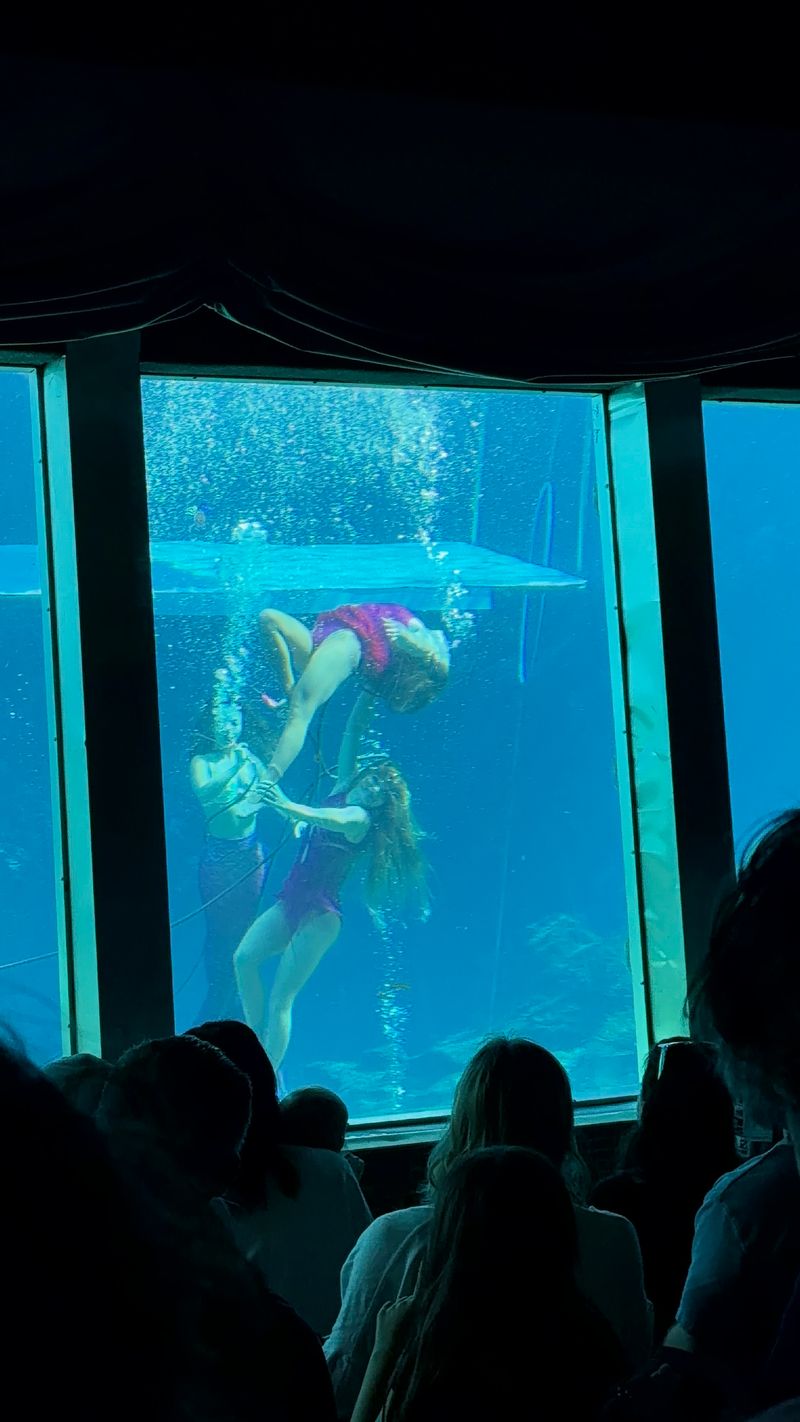
Few attractions capture imagination quite like this unique roadside wonder where live mermaids performed underwater ballet for captivated audiences beneath natural spring waters.
Weeki Wachee Springs opened in 1947 at 6131 Commercial Way, Weeki Wachee, FL 34606, becoming an instant sensation during Florida’s golden age of roadside attractions.
The original underwater theater featured large viewing windows where audiences watched performers breathe from air hoses while executing graceful choreographed routines.
The crystal-clear spring water provided perfect visibility for the shows that combined athleticism, beauty, and theatrical storytelling.
Mermaids ate bananas, drank soda, and performed elaborate productions of fairy tales and popular stories, all while submerged.
During the 1950s and 1960s, Weeki Wachee became one of Florida’s top tourist destinations, rivaling even early Disney attractions in popularity.
The park expanded over the years, adding additional theaters, a water park, and river boat cruises through the pristine natural springs.
However, the opening of Interstate 75 in the 1980s diverted traffic away from the coastal highway where Weeki Wachee was located.
Attendance declined dramatically as tourists opted for faster routes that bypassed the attraction entirely.
While Weeki Wachee still operates today as a state park with mermaid shows, the original theater and several older facilities were abandoned.
These forgotten structures sit deteriorating near the active park, creating an eerie contrast between past and present.
The old underwater viewing windows are now murky and covered in algae, making it impossible to see through them.
Dressing rooms where mermaids once prepared for performances now stand empty with rusting lockers and peeling paint.
Maintenance buildings filled with vintage equipment and costumes have been left to decay in the humid Florida climate.
The creepiness factor comes from imagining the performers who once brought magic to these now-silent spaces.
Walking through abandoned sections feels like discovering a lost civilization dedicated to underwater fantasy.
The combination of natural spring beauty and man-made decay creates an atmosphere that is both enchanting and deeply unsettling.
Photographers are drawn to the location for its unique aesthetic that blends natural wonder with forgotten entertainment history.
Dear Reader: This page may contain affiliate links which may earn a commission if you click through and make a purchase. Our independent journalism is not influenced by any advertiser or commercial initiative unless it is clearly marked as sponsored content. As travel products change, please be sure to reconfirm all details and stay up to date with current events to ensure a safe and successful trip.
