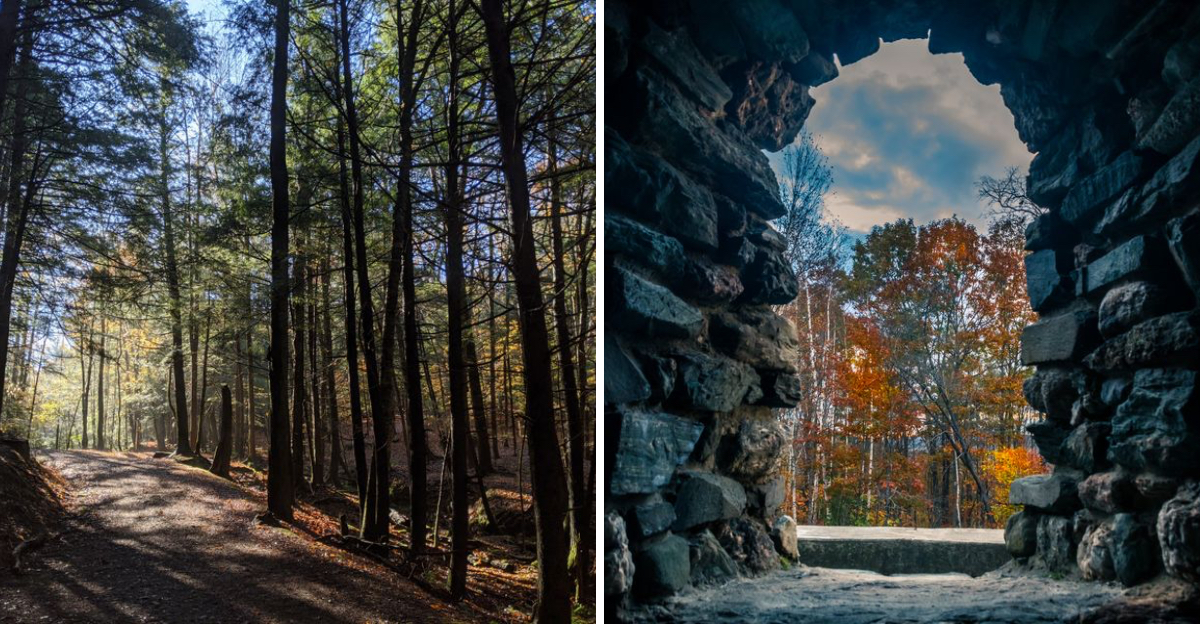
Vermont’s forests are beautiful year-round, but some trails carry a reputation that sends chills even in the middle of the day.
For adventurous hikers seeking a mix of natural beauty and eerie suspense, the Hubbard Park Trails near Montpelier and Barre offer the perfect combination of mystery and adventure.
This spot has become famous for its unsettling atmosphere, drawing thrill-seekers and curious explorers from across the country.
Ready to discover what makes this Vermont trail so spine-tingling?
A Trail Shrouded in Legend
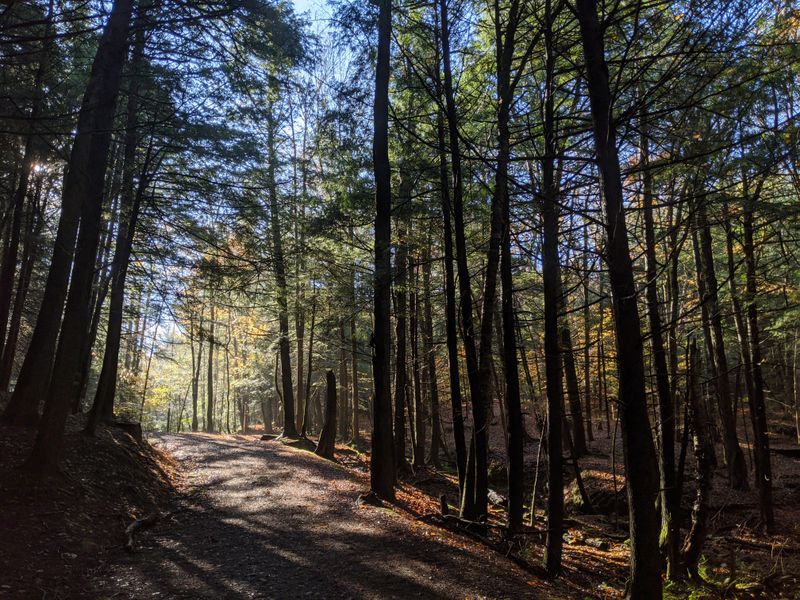
Stories of strange sounds, fleeting shadows, and unexplained footsteps have been passed down by locals for decades.
Even longtime hikers report feeling watched in certain sections.
The Hubbard Park Trails, located at 132 Hubbard Park Drive in Montpelier, Vermont, have earned their eerie reputation through years of whispered tales and chilling encounters.
Families who have lived in the area for generations share stories around campfires about mysterious occurrences that defy logical explanation.
Some claim to have heard voices calling their names when no one else was around.
Others describe seeing figures moving between the trees, only to vanish when approached.
The legends aren’t just modern creations either.
Historical records suggest that settlers in the area spoke of unusual happenings long before the trail became a popular hiking destination.
These accounts have been woven into the fabric of local culture, creating an atmosphere of mystery that hangs over the path like morning fog.
Park rangers and frequent visitors acknowledge the stories but often downplay them as natural phenomena misinterpreted in moments of solitude.
Yet the consistency of the reports across different time periods and from unrelated sources gives the tales a weight that’s hard to dismiss entirely.
Whether you believe in the supernatural or not, walking these trails means stepping into a landscape where folklore and reality blur together.
The sense of history and mystery makes every rustling leaf and snapping twig feel significant.
For those drawn to places where the veil between the ordinary and extraordinary seems thinner, this trail delivers an experience unlike any other in Vermont.
The legends continue to grow with each passing season, adding new layers to an already compelling story.
The Remote Sections
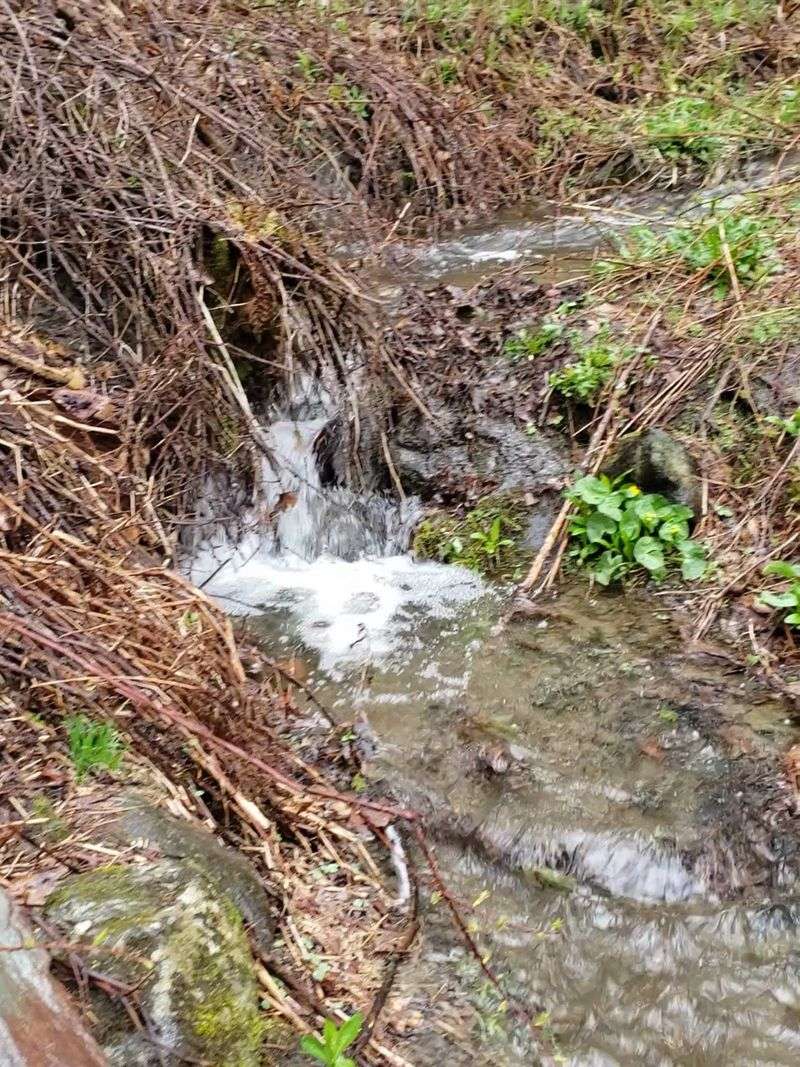
Parts of the trail wind through dense forest and overgrown paths.
Isolation heightens the eeriness, especially when mist rolls through the trees.
Venturing deeper into Hubbard Park reveals sections where civilization feels miles away, even though you’re still relatively close to Montpelier and Barre.
The canopy overhead grows thicker, filtering sunlight into dim, greenish rays that barely reach the forest floor.
These remote stretches lack the well-maintained appearance of the main paths, with branches reaching across the trail and roots creating natural obstacles.
Cell phone reception becomes spotty or disappears entirely, cutting you off from the outside world in a way that feels both liberating and unsettling.
Birds seem to grow quieter here, and the usual forest chatter gives way to an oppressive silence broken only by your own footsteps.
When fog descends, visibility drops to just a few feet, transforming familiar landmarks into ghostly shapes that seem to shift and change.
The isolation works on your mind in subtle ways, making you hyper-aware of every sound and movement in your peripheral vision.
What might be dismissed as ordinary in a busier setting takes on new significance when you’re alone in these forgotten corners of the woods.
The remoteness also means fewer people venture here, so encountering another hiker becomes a rare and sometimes startling event.
These sections require more careful navigation and a stronger sense of direction since trail markers become less frequent.
The wildness of the landscape adds to the overall atmosphere, creating pockets of untamed forest that feel frozen in time.
For some hikers, this isolation is precisely the appeal, offering a chance to disconnect and test their comfort with solitude.
For others, it amplifies the creepy reputation that has made this trail famous throughout Vermont and beyond.
Old Foundations and Stone Walls
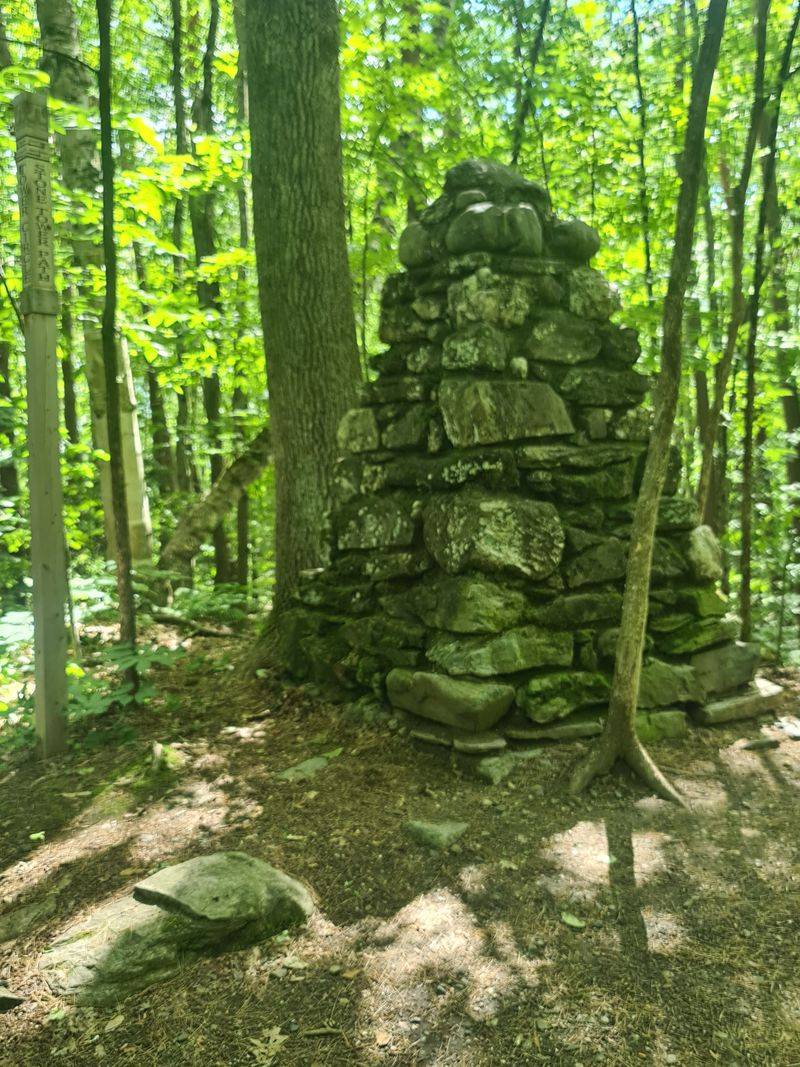
Abandoned farm structures, moss-covered stone walls, and foundations of long-gone homesteads give the trail a haunted, historical vibe.
Walking past these remnants feels like stepping back in time to an era when families carved out lives in these now-silent woods.
The stone walls, built by hand generations ago, snake through the forest in patterns that once marked property boundaries and livestock enclosures.
Now they serve as monuments to forgotten labor, their original purposes obscured by time and vegetation.
Moss and lichen coat the weathered stones, creating textures and colors that blend seamlessly with the surrounding forest.
Occasionally you’ll stumble upon cellar holes, rectangular depressions in the ground where homes once stood before being reclaimed by nature.
These foundations are particularly eerie, inviting you to imagine the lives lived within walls that no longer exist.
Who were these people, and what circumstances led them to abandon their homesteads to the encroaching wilderness?
Some structures show evidence of fire, while others simply seem to have been left behind as families moved on to more promising locations.
The historical layers add depth to the hiking experience, transforming a simple walk into a journey through Vermont’s rural past.
Local historians have documented some of these sites, but many remain unmarked and unnamed, their stories lost to time.
The combination of natural beauty and human abandonment creates a melancholy atmosphere that resonates with the trail’s spooky reputation.
Photographers find these ruins irresistible, capturing images that blur the line between documentary and art.
The structures also provide context for the legends, suggesting that the feelings of presence reported by hikers might be echoes of the people who once called this place home.
Exploring these sites requires respect and caution, as unstable stones and hidden holes present real hazards alongside the imagined ones.
Creepy Wildlife Encounters
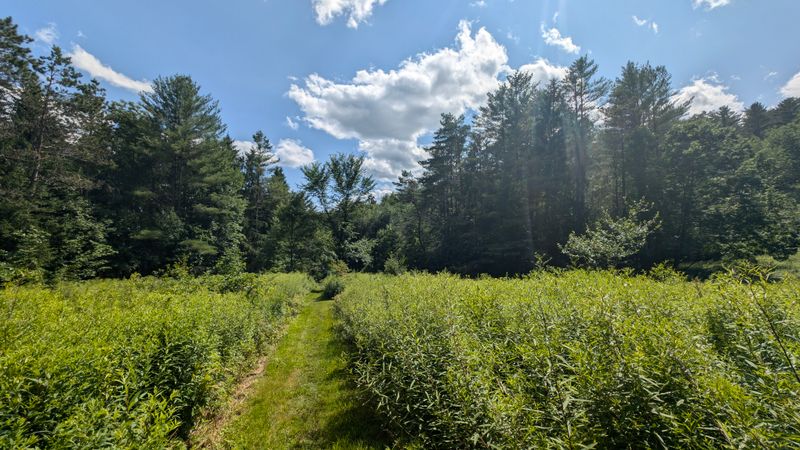
Deer and foxes are common, but occasional owls, raccoons, and unexplained rustlings in the underbrush add to the suspense.
Wildlife encounters on the Hubbard Park Trails range from delightful to downright unsettling, depending on timing and context.
During daylight hours, spotting a deer grazing in a clearing feels like a gift from nature, a peaceful moment that reminds you why you love hiking.
But when that same deer suddenly crashes through the brush without warning, your heart rate spikes and adrenaline floods your system.
Foxes appear like rust-colored ghosts, their movements so silent and fluid that they seem to materialize from thin air before vanishing just as quickly.
Owls add an auditory dimension to the eeriness, their hoots echoing through the trees at unexpected times, sometimes during the day when you least expect nocturnal hunters to be active.
Raccoons leave evidence of their nighttime activities in the form of overturned logs and scattered debris, signs that the forest is busy even when humans aren’t around.
The unexplained rustlings are perhaps the most unnerving aspect of wildlife encounters here.
Something moves through the leaves just out of sight, too large to be a squirrel but too quick to identify.
Your mind races through possibilities, from bears to bobcats, though the reality is usually something far more mundane.
The forest’s natural sounds become amplified when you’re already on edge, turning every snap and crackle into a potential threat or mystery.
Hikers report seeing eyes reflecting in the shadows, glowing orbs that watch from the darkness between trees.
These are almost certainly nocturnal animals caught in a beam of light, but the effect is still disconcerting.
The wildlife contributes to the trail’s atmosphere in ways that guidebooks can’t fully capture, creating moments of genuine suspense that keep your senses sharp and your imagination active throughout the entire hike.
Unexplained Happenings
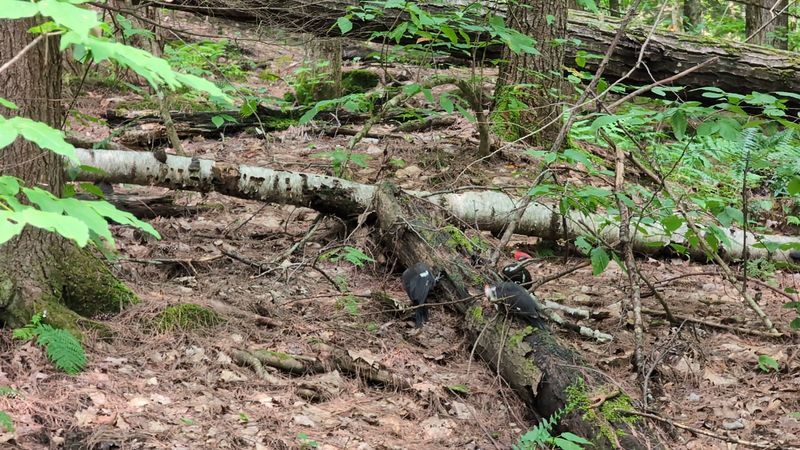
Hikers report cold spots, sudden gusts of wind, and the feeling of being followed.
Nothing is confirmed, but the tales keep curiosity high.
Among the most frequently mentioned phenomena are the cold spots, localized areas where the temperature drops noticeably without any apparent cause.
You might be hiking on a warm afternoon, sweating from exertion, when you suddenly walk through a pocket of air so cold it raises goosebumps on your arms.
These zones are typically small, just a few feet across, and disappear as quickly as they appear.
Skeptics attribute them to natural air currents and variations in sun exposure, while believers see them as evidence of something more paranormal.
The sudden gusts of wind present another puzzle, occurring even on calm days when the air elsewhere remains perfectly still.
These blasts seem to come from nowhere, rattling branches and scattering leaves before subsiding just as abruptly.
Perhaps most unsettling is the persistent feeling of being followed that many hikers describe.
You hear footsteps matching your pace, but when you turn around, the trail behind you is empty.
The sensation of eyes on your back becomes so strong that some people abandon their hikes early, unable to shake the conviction that they’re not alone.
Other reported oddities include compasses spinning erratically in certain locations and electronic devices malfunctioning without explanation.
Cameras drain their batteries rapidly, and phones shut down unexpectedly despite having full charge moments before.
Some hikers claim to have captured strange orbs or mists in photographs that weren’t visible to the naked eye.
The cumulative effect of these reports has cemented the trail’s reputation as Vermont’s spookiest hiking destination.
Whether the happenings have natural explanations or something more mysterious at work, they create an atmosphere of uncertainty that defines the Hubbard Park experience for many visitors.
Night Hikes Are Not Recommended
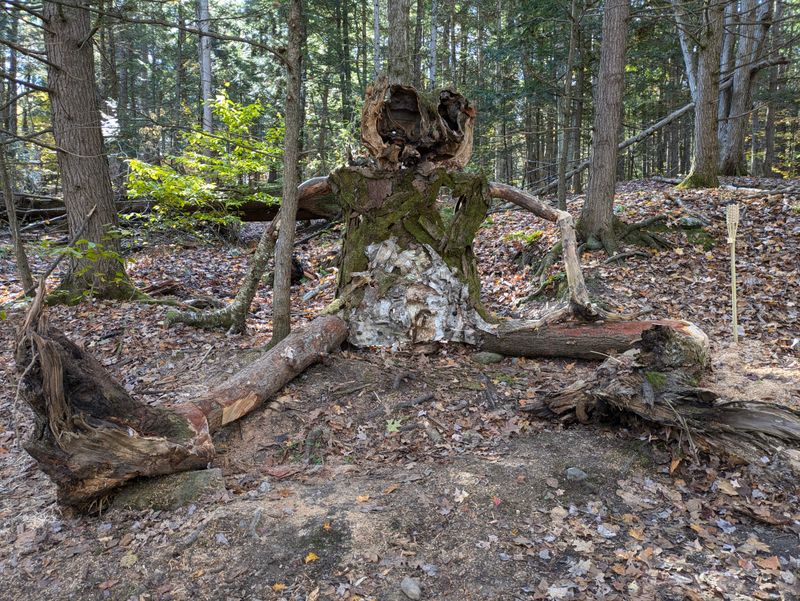
While the trail is safe during daylight, locals strongly advise avoiding it after dark due to uneven terrain and limited visibility.
The practical reasons for this warning are obvious to anyone who has hiked the trail.
Roots, rocks, and sudden elevation changes that are manageable in daylight become serious hazards when you’re navigating by flashlight or headlamp.
The beam of light creates a narrow tunnel of visibility, leaving everything beyond it in impenetrable darkness that plays tricks on your depth perception.
Trail markers that are easy to spot during the day become nearly impossible to locate at night, increasing the risk of getting lost.
The forest transforms after sunset, taking on an entirely different character that even experienced hikers find disorienting.
Sounds become amplified and harder to identify, turning the ordinary business of nocturnal animals into a soundtrack of mysterious activity.
The psychological impact of hiking in darkness shouldn’t be underestimated either.
What feels like mild unease during daylight can escalate into genuine fear when you’re surrounded by black woods and limited to what your light can reveal.
Local authorities and park management echo the community’s advice, pointing out that rescue operations become exponentially more difficult and dangerous after dark.
If someone gets injured or lost on a night hike, the response time and complexity of assistance increase dramatically.
Beyond the practical considerations, there’s an unspoken acknowledgment that the trail’s creepy reputation intensifies after sunset.
Those who have ignored the warnings and hiked at night report experiences that range from merely uncomfortable to genuinely frightening.
The shadows seem deeper, the silence more oppressive, and the sense of being watched becomes almost overwhelming.
For your safety and peace of mind, plan your hikes to finish well before darkness falls.
The trail offers plenty of atmosphere even in broad daylight without adding the extra challenges and risks that come with nighttime exploration.
Trail Highlights Despite the Spookiness
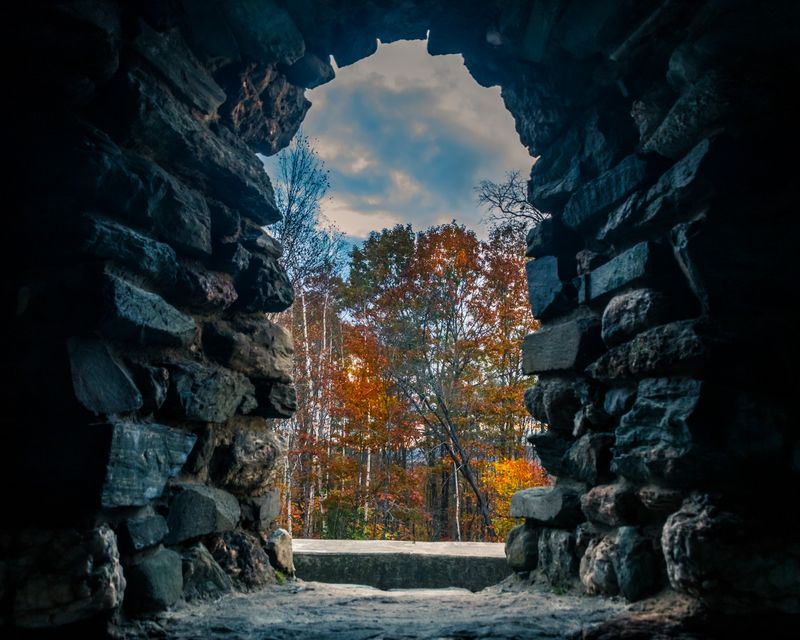
Despite its creepy reputation, the trail offers streams, waterfalls, and panoramic views of Vermont’s mountains that make the hike worthwhile.
The natural beauty here rivals any hiking destination in the state, proving that atmosphere and scenery can coexist in fascinating ways.
Clear streams cut through the landscape, their waters flowing over smooth rocks and creating peaceful sounds that counterbalance the trail’s eerie elements.
These waterways provide perfect spots for rest breaks, where you can refill water bottles and enjoy moments of tranquility.
Small waterfalls appear at intervals along the route, each one offering its own unique character and photo opportunities.
The cascades range from gentle trickles during dry seasons to impressive torrents during spring runoff, adding variety to the hiking experience throughout the year.
As you gain elevation, the forest opens up to reveal stunning vistas of Vermont’s Green Mountains stretching to the horizon.
These viewpoints remind you that you’re hiking through one of the most beautiful regions in the country, regardless of any spooky stories.
The changing seasons bring different highlights, from spring wildflowers carpeting the forest floor to autumn foliage that transforms the landscape into a riot of color.
Winter hiking here offers its own stark beauty, with snow-covered trails and ice formations creating a wonderland atmosphere.
The diversity of plant life includes towering hardwoods, evergreens, ferns, and mosses that create layers of green in every shade imaginable.
Bird watchers find plenty to occupy their attention, with species ranging from common songbirds to occasional raptors soaring overhead.
The trail system offers options for both short walks and longer excursions, accommodating different fitness levels and time constraints.
Families with children can stick to the easier sections near the parking area, while serious hikers can challenge themselves with the more demanding routes.
The combination of natural attractions and mysterious atmosphere creates a unique hiking experience that you won’t find anywhere else in Vermont.
Dear Reader: This page may contain affiliate links which may earn a commission if you click through and make a purchase. Our independent journalism is not influenced by any advertiser or commercial initiative unless it is clearly marked as sponsored content. As travel products change, please be sure to reconfirm all details and stay up to date with current events to ensure a safe and successful trip.
