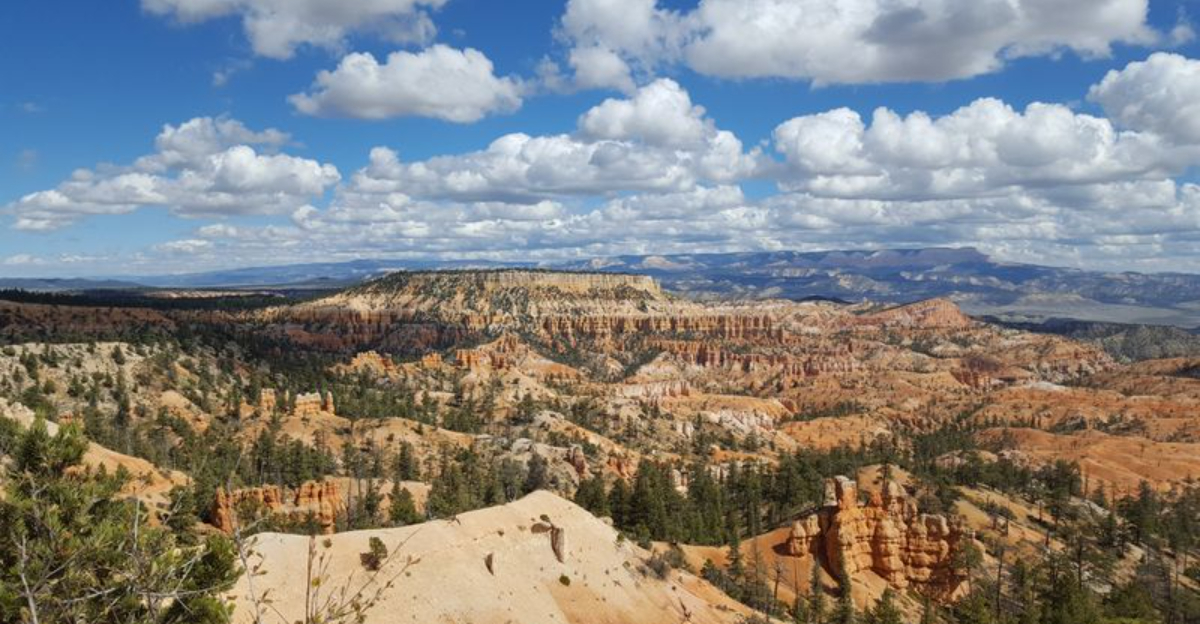
Utah holds a special place in the hearts of stargazers and night sky enthusiasts around the world.
With some of the darkest skies in the entire country, this southwestern state offers an escape from the glow of city lights and a chance to see the universe as it was meant to be seen.
From towering red rock formations silhouetted against the Milky Way to remote desert valleys where constellations shine with breathtaking clarity, Utah’s Dark Sky Parks provide experiences that feel both timeless and deeply personal.
Whether you’re a seasoned astronomer or simply someone who loves to gaze up at the stars, these protected parks offer a magical journey into the cosmos.
1. Natural Bridges National Monument
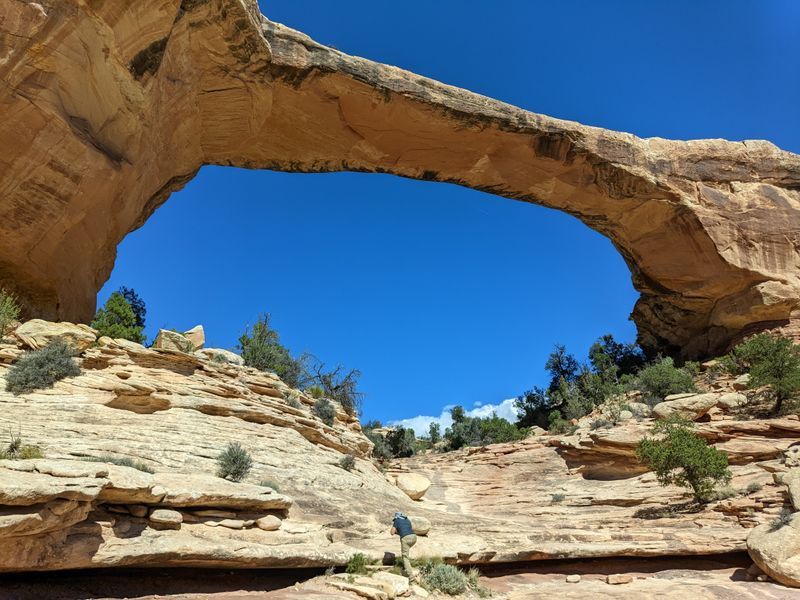
Natural Bridges National Monument earned the distinction of becoming the world’s very first International Dark Sky Park back in 2007.
This recognition wasn’t just a title but a testament to the park’s commitment to preserving the natural darkness that makes stargazing so extraordinary.
Tucked away in southeastern Utah’s remote canyonlands, the monument features three impressive natural bridges carved over millennia by flowing water.
By day, visitors marvel at the Sipapu, Kachina, and Owachomo bridges, each with its own character and geological story.
But when the sun sets, an entirely different world emerges overhead.
The absence of nearby towns and the park’s strict lighting policies create conditions that allow up to 15,000 stars to become visible on clear, moonless nights.
The Milky Way appears as a luminous river flowing across the sky, and planets shine with a brilliance that seems almost unreal.
Rangers often host astronomy programs during peak seasons, offering telescopes and expert guidance to help visitors identify celestial objects.
The monument’s high elevation and dry desert air contribute to exceptional viewing conditions throughout most of the year.
Photographers travel from around the globe to capture images of the ancient stone bridges framed by star-filled skies.
The combination of geological wonder and astronomical beauty creates moments that stay with visitors long after they leave.
For anyone seeking a profound connection with the night sky, Natural Bridges offers an experience that feels both humbling and inspiring.
2. Bryce Canyon National Park
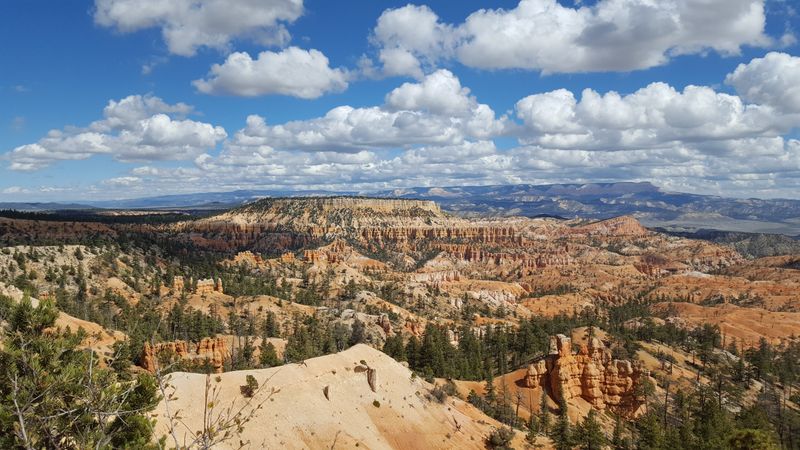
Standing at the edge of Bryce Canyon under a moonless sky feels like stepping into a dream painted with starlight.
This park boasts some of the darkest skies in North America, with visibility so clear that approximately 7,500 stars become visible to the naked eye on ideal nights.
The famous hoodoos, those towering spires of orange and red rock, create an otherworldly landscape that becomes even more magical when silhouetted against the cosmos.
During summer months, the park hosts annual astronomy festivals that draw enthusiasts from across the continent.
These events feature telescope viewing sessions, guest speakers, and guided constellation tours that help visitors navigate the celestial sphere.
What makes Bryce Canyon particularly special is how the elevation works in favor of stargazers.
Sitting at over 8,000 feet above sea level, the park rises above much of the atmospheric haze that can obscure views at lower elevations.
The crisp mountain air combined with the park’s remote location creates viewing conditions that rival professional observatories.
On winter nights, when temperatures drop and the air becomes even clearer, the stars seem to burn with extra intensity.
Visitors often describe the experience of watching the Milky Way stretch from one horizon to the other as life-changing.
The ancient rock formations below and the ancient light from distant stars above create a perspective that makes everyday worries seem wonderfully small.
Bryce Canyon proves that nature’s beauty extends far beyond what we see in daylight hours.
3. Dead Horse Point State Park
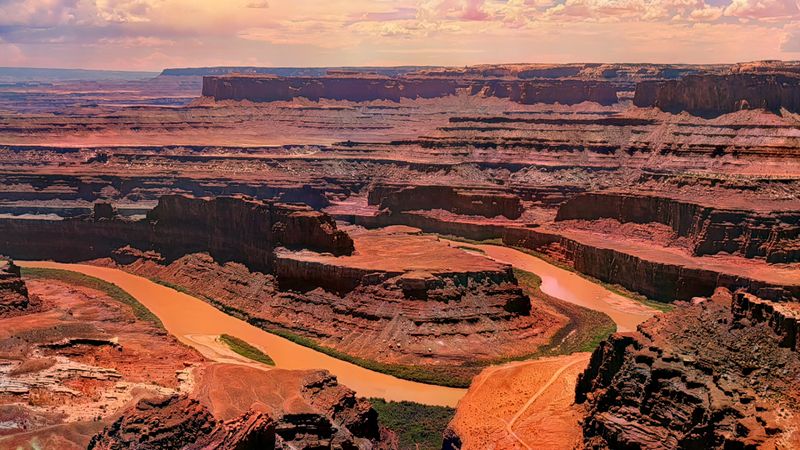
Perched 2,000 feet above the Colorado River, Dead Horse Point State Park offers one of the most dramatic settings for stargazing anywhere in the American Southwest.
As Utah’s first state park to receive Dark Sky certification, this location has worked hard to minimize light pollution while maximizing visitor experiences under the stars.
The park’s name comes from a legend about cowboys who once used the point as a natural corral for wild mustangs.
Today, instead of horses, visitors gather here to witness the celestial parade that unfolds each night above the canyonlands.
What sets Dead Horse Point apart is the combination of its accessible location near Moab and its commitment to astronomy programming.
Throughout the year, the park hosts regular stargazing events where rangers and volunteer astronomers set up telescopes and share their knowledge with curious visitors.
These programs make astronomy approachable for families and beginners while still offering plenty to engage more experienced sky watchers.
The view from the overlook during daylight hours is already considered one of Utah’s most iconic vistas.
But when darkness falls and the stars emerge, that same overlook transforms into a natural amphitheater for cosmic observation.
The vastness of the canyon below mirrors the vastness of space above, creating a sense of scale that can be both exhilarating and meditative.
Photographers particularly love this location for capturing time-lapse sequences that show star trails arcing over the serpentine curves of the Colorado River far below.
Whether you visit for a scheduled astronomy program or simply show up on a clear night, Dead Horse Point delivers an unforgettable stargazing experience.
4. Goblin Valley State Park
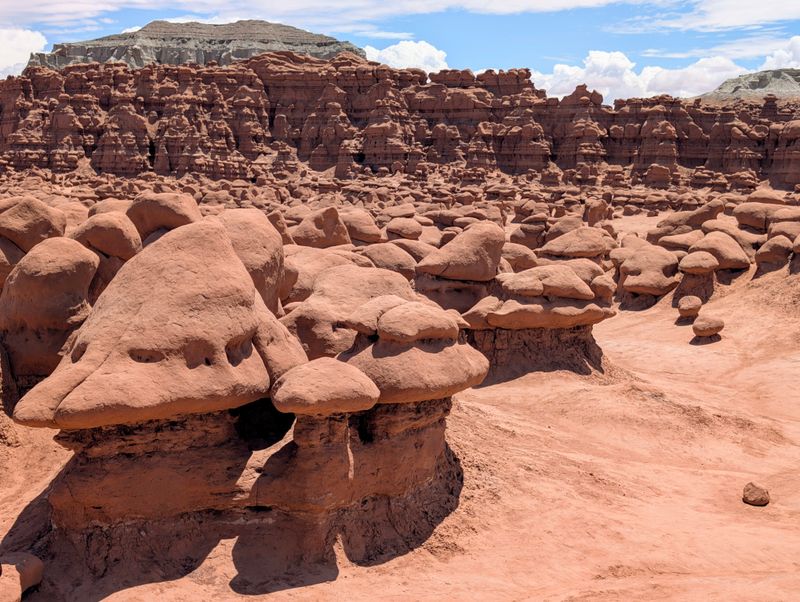
Goblin Valley State Park looks like something from another planet, which makes it the perfect place to contemplate worlds beyond our own.
The park’s famous goblin-shaped hoodoos, formed over millions of years by wind and water erosion, create a landscape so unusual that it has served as a filming location for science fiction movies and television shows.
Located in the remote San Rafael Swell region, Goblin Valley benefits from extraordinary isolation that translates into exceptionally dark skies.
Miles separate the park from any significant light sources, allowing the night sky to reveal itself in stunning detail.
On clear nights, the contrast between the earthy red and tan hoodoos and the deep blue-black sky creates visual drama that feels almost surreal.
Walking among the goblins after dark with only starlight for illumination is an adventure that appeals to both children and adults.
The whimsical rock formations take on mysterious new personalities in the darkness, while overhead, the universe puts on its nightly show.
Because the park sits in a valley surrounded by higher terrain, it experiences very stable atmospheric conditions that are ideal for astronomy.
The dry desert air contains minimal moisture to scatter light, and the high elevation helps as well.
Visitors often bring blankets and lie on their backs among the goblins, watching for meteors and satellites crossing the sky.
The park’s relatively small size and open terrain make it easy to find a perfect spot away from other visitors.
For those who want to combine geological wonder with astronomical beauty, Goblin Valley offers a unique experience that engages the imagination on multiple levels.
5. Arches National Park
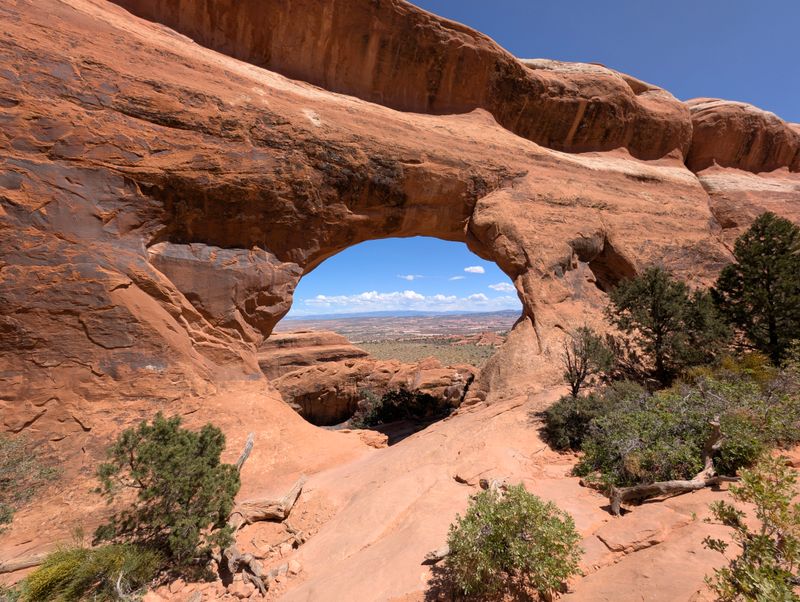
Arches National Park needs no introduction to most travelers, but fewer people know about its exceptional qualities as a stargazing destination.
Home to over 2,000 documented sandstone arches, the park transforms after sunset into a celestial showcase that rivals its daytime geological splendor.
The park’s proximity to Moab means it does experience some light pollution from town, but the National Park Service has worked with the community to implement lighting ordinances that help protect the night sky.
The result is a viewing experience that remains remarkably good, especially in areas farther from the park entrance.
Photographing the park’s famous arches framed by star fields has become something of an art form, with images of Delicate Arch or Turret Arch silhouetted against the Milky Way appearing in galleries and publications worldwide.
These photographs capture a truth that words struggle to convey about how the ancient stone and ancient starlight complement each other.
The park offers several excellent locations for stargazing, from the Windows Section to the Devils Garden area.
Each spot provides its own unique foreground features to frame your view of the cosmos.
Rangers occasionally lead night sky programs during peak seasons, helping visitors identify constellations and understand the cultural significance that various celestial objects held for indigenous peoples who once called this region home.
These programs add layers of meaning to the stargazing experience.
For many visitors, seeing the Milky Way rise through one of the park’s natural stone frames creates a moment of connection between earth and sky that feels almost spiritual.
Arches proves that even well-known destinations can still surprise and inspire when viewed under starlight.
Address: Arches National Park, Moab, Utah
6. Capitol Reef National Park
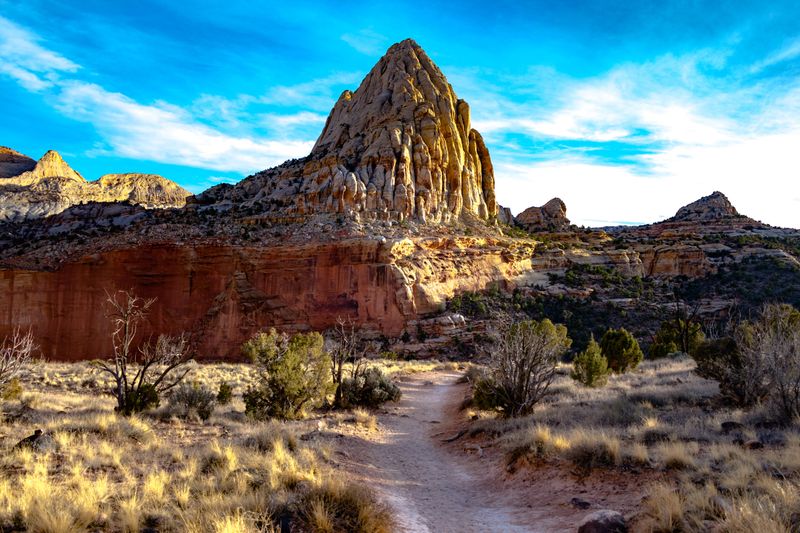
Capitol Reef National Park often flies under the radar compared to its more famous neighbors, but for stargazers, this relative obscurity is actually a blessing.
The park’s remote location along the Waterpocket Fold, a 100-mile wrinkle in the Earth’s crust, means fewer visitors and darker skies than you’ll find at more crowded destinations.
The park’s diverse terrain includes towering cliffs, hidden canyons, and ancient petroglyphs left by the Fremont people centuries ago.
When night falls, these same landscapes become perfect foregrounds for astronomical observation and photography.
Capitol Reef’s elevation and desert climate create consistently excellent viewing conditions throughout most of the year.
Summer brings warm evenings perfect for lying out under the stars, while winter offers some of the clearest skies thanks to cold, stable air masses.
The park’s night sky programs, offered seasonally, introduce visitors to both astronomy and the cultural astronomy traditions of indigenous peoples.
One particularly magical aspect of Capitol Reef is how the white sandstone domes that give the park its name seem to glow faintly under starlight.
This natural luminescence creates an ethereal atmosphere that enhances the overall experience.
The Fruita campground, located in a historic orchards area, provides convenient access to dark skies without requiring a long hike.
Campers can step outside their tents and immediately find themselves under a canopy of stars.
For those willing to venture farther into the park, areas like Cathedral Valley offer even darker skies and a profound sense of solitude.
The combination of geological grandeur and astronomical wonder makes Capitol Reef a hidden gem for anyone seeking a deeper connection with the natural world.
7. Canyonlands National Park
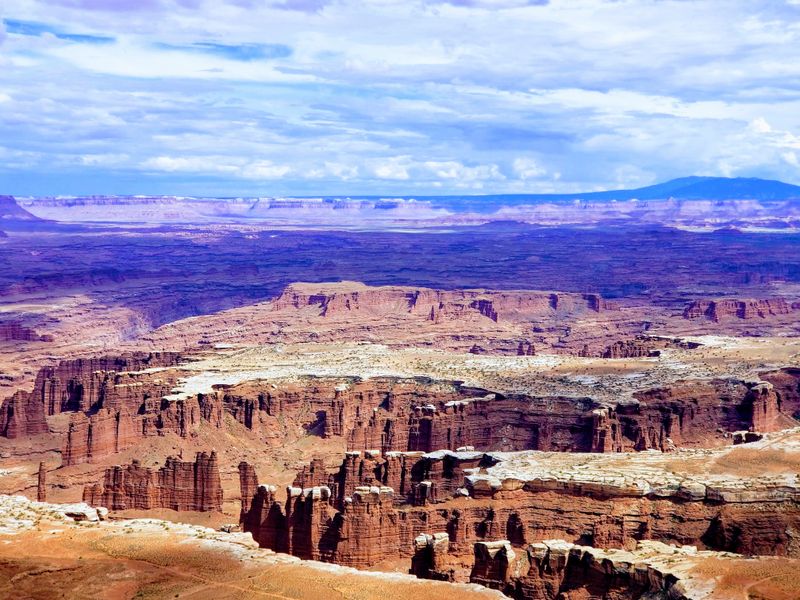
Canyonlands National Park encompasses a landscape so vast and rugged that much of it remains virtually untouched by human development.
This wildness extends upward to the night sky, where light pollution is nearly nonexistent across most of the park’s 337,598 acres.
Divided into four districts, each section of Canyonlands offers its own character for night sky viewing.
The Island in the Sky district provides easily accessible overlooks where you can watch stars emerge above the layered canyons carved by the Colorado and Green Rivers.
The Needles district offers a more intimate experience among colorful sandstone spires that seem to reach toward the heavens.
What makes Canyonlands particularly special for astronomy is the sheer sense of scale.
Standing at an overlook with hundreds of square miles of canyon country stretching before you and an equally vast universe overhead creates a perspective that is humbling in the best possible way.
The park’s remote location means that on the darkest nights, the Milky Way casts enough light to see your shadow.
This phenomenon, called airglow, occurs only in the darkest places on Earth and serves as a reminder of how disconnected most modern humans have become from the natural night.
Photographers prize Canyonlands for its dramatic geological features that provide stunning foregrounds for night sky compositions.
Mesa Arch at sunrise is famous, but that same arch under the stars offers an entirely different kind of magic.
Whether you visit for a few hours or camp for several days, Canyonlands delivers a stargazing experience that feels both endless and intimate.
The park reminds us that darkness is not something to fear but rather a natural state that allows us to see deeper into the universe.
8. Cedar Breaks National Monument
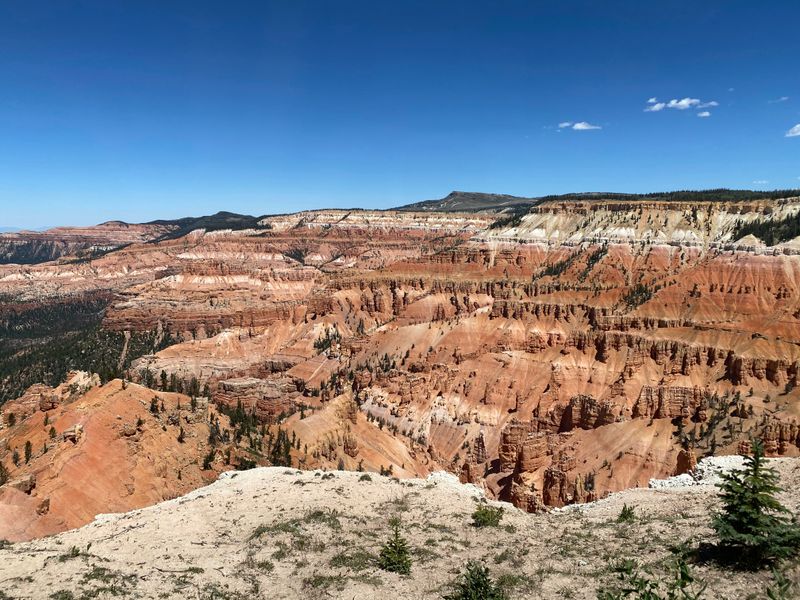
Cedar Breaks National Monument sits at over 10,000 feet elevation in the Markagunt Plateau, making it one of the highest Dark Sky Parks in Utah.
This altitude advantage means thinner atmosphere and less air between you and the stars, resulting in exceptional clarity and brightness.
The monument’s main feature is a natural amphitheater spanning three miles across and dropping 2,000 feet deep.
The colorful rock layers that paint this amphitheater in shades of red, orange, and purple during daylight become mysterious shadows under starlight, creating a sense of depth and dimension that enhances the astronomical experience above.
Because of heavy winter snows, Cedar Breaks typically opens only from late May through October, with the summer months offering the best combination of accessibility and weather.
During this window, the monument hosts astronomy programs that take advantage of the exceptional viewing conditions.
The high elevation also means cooler temperatures, even in summer, so visitors should come prepared with warm layers for comfortable stargazing.
But the slight chill is a small price to pay for the incredible views the altitude provides.
On the clearest nights, observers at Cedar Breaks can see the Andromeda Galaxy with the naked eye, along with countless other deep-sky objects that remain invisible in less favorable locations.
The monument’s location away from major population centers ensures that light pollution remains minimal.
Alpine meadows surrounding the amphitheater provide comfortable spots to set up chairs or blankets for extended viewing sessions.
The scent of pine and fir trees adds another sensory dimension to the experience.
For anyone who wants to combine mountain scenery with world-class stargazing, Cedar Breaks offers an experience that engages all the senses while focusing the mind on the cosmos above.
9. Hovenweep National Monument
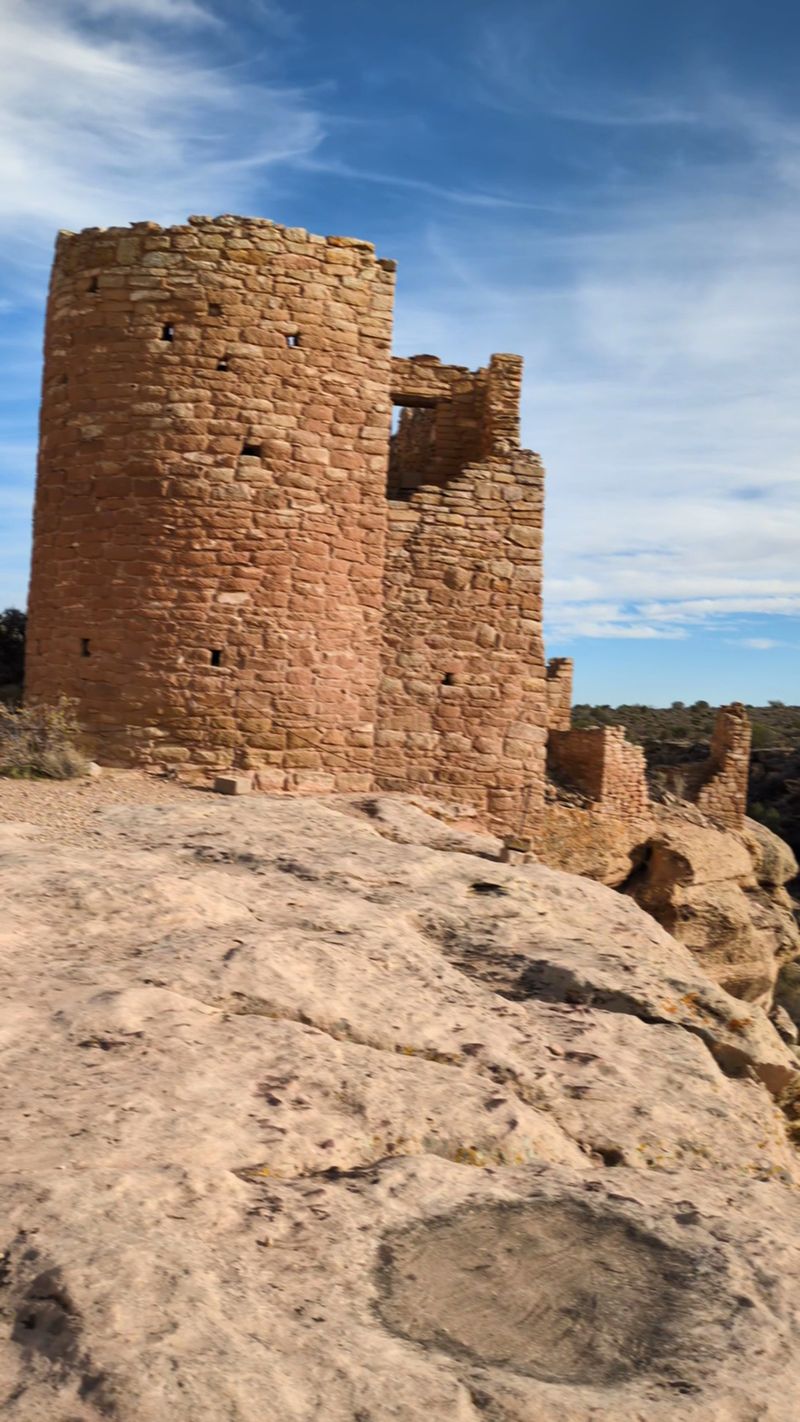
Hovenweep National Monument protects six prehistoric villages built by ancestral Puebloan people between 1200 and 1300 CE.
These ancient stone towers and structures, constructed with remarkable precision, create a powerful connection between past and present, especially when viewed under the same stars that guided their builders centuries ago.
The monument straddles the Utah-Colorado border in a remote area where modern development remains sparse.
This isolation, combined with the monument’s commitment to dark sky preservation, creates viewing conditions that rival much larger and more famous parks.
Standing near the ancient towers at night, it becomes easy to imagine how important the stars were to the people who built these structures.
Archaeological evidence suggests that many Puebloan buildings incorporated astronomical alignments, reflecting a sophisticated understanding of celestial movements.
Watching the same constellations they observed adds a layer of historical connection to the stargazing experience.
The monument’s relatively small size means you’re never far from your vehicle, making it accessible even for families with young children or those who prefer not to hike long distances in the dark.
The main tower clusters provide excellent viewing spots with interesting architectural elements to frame your celestial observations.
Rangers occasionally offer night sky programs that explore both astronomy and archaeoastronomy, explaining how ancient peoples used the stars for agriculture, ceremony, and timekeeping.
These programs deepen appreciation for both the cultural and natural resources the monument protects.
The combination of ancient human achievement and timeless cosmic beauty makes Hovenweep a uniquely contemplative place for stargazing.
Here, the darkness connects us not only to distant stars but also to distant ancestors who looked up at the same sky with wonder.
10. Antelope Island State Park
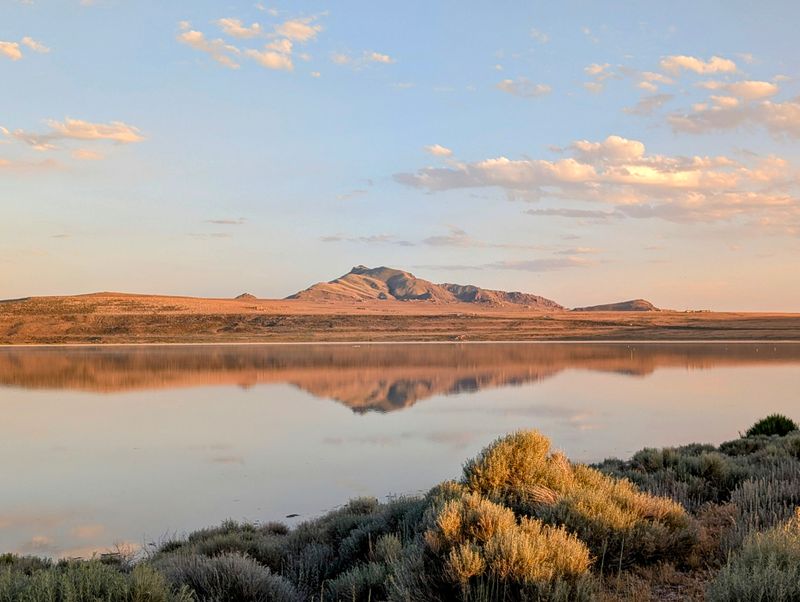
Antelope Island State Park offers something truly unique among Utah’s Dark Sky Parks because it sits in the middle of the Great Salt Lake, the largest saltwater lake in the Western Hemisphere.
This island setting creates viewing conditions unlike anywhere else in the state.
The surrounding water helps stabilize temperatures and atmospheric conditions, often resulting in exceptionally steady air that is ideal for astronomy.
The salt flats and beaches provide wide-open horizons where you can watch celestial objects from the moment they rise until they set hours later.
Despite being relatively close to Salt Lake City, the island benefits from careful management of artificial lighting.
The park has worked to shield and reduce unnecessary lights, creating a surprisingly dark environment considering its proximity to a major metropolitan area.
Antelope Island is named for the pronghorn antelope that roam its grasslands, but the island also supports a herd of American bison.
Encountering these magnificent animals during daylight adds an extra dimension to your visit, and knowing they’re out there somewhere under the same stars creates a sense of wildness even as you gaze upward.
The park’s accessibility makes it an excellent choice for people who want a dark sky experience without driving hours into the remote backcountry.
You can visit for an evening of stargazing and still be back in Salt Lake City before midnight.
Photographers appreciate how the lake’s surface can sometimes act as a mirror, reflecting stars and creating dreamy double images of celestial objects.
The island’s varied terrain offers numerous composition options, from rocky shorelines to grassy meadows.
Antelope Island proves that you don’t always need extreme remoteness to find dark skies and magical stargazing experiences.
Sometimes the magic is closer than you think.
Dear Reader: This page may contain affiliate links which may earn a commission if you click through and make a purchase. Our independent journalism is not influenced by any advertiser or commercial initiative unless it is clearly marked as sponsored content. As travel products change, please be sure to reconfirm all details and stay up to date with current events to ensure a safe and successful trip.
