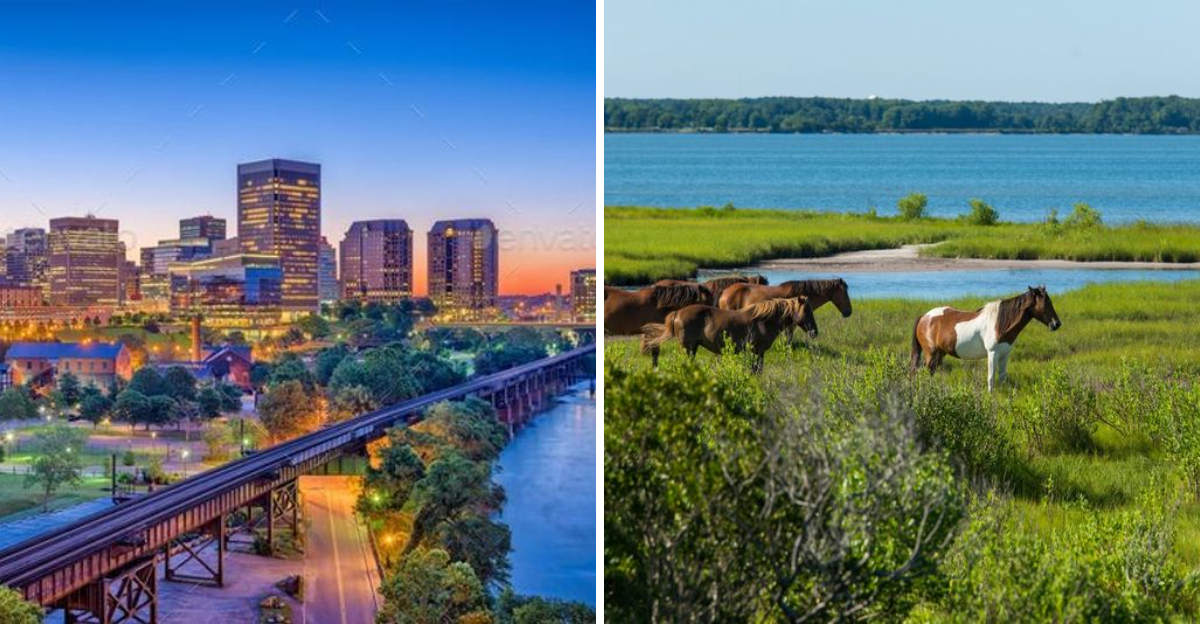
Virginia offers an incredible variety of experiences within a short drive from almost anywhere in the state.
From misty mountain trails to historic colonial streets, the Commonwealth has something for every traveler.
Locals know the best spots that combine natural beauty, fascinating history, and unique culture.
Whether you’re craving outdoor adventure, coastal relaxation, or a journey back in time, these recommended day trips showcase the very best Virginia has to offer.
Pack your bags and get ready to explore hidden gems and beloved favorites that make Virginia such a special place to visit.
1. Shenandoah National Park

Skyline Drive winds through some of the most breathtaking scenery on the East Coast.
This national treasure sits just west of Washington, D.C., making it an accessible escape for anyone seeking mountain air and panoramic views.
Locals consistently point visitors toward this park for good reason.
The drive itself stretches over a hundred miles along the crest of the Blue Ridge Mountains, offering overlook after overlook of rolling green valleys.
Waterfalls tumble down rocky slopes throughout the park, with trails ranging from easy strolls to challenging scrambles.
Old Rag Mountain stands out as the ultimate test for hikers looking for a rewarding challenge.
The trail involves rock scrambling and steep ascents, but the summit views make every step worthwhile.
Spring brings wildflowers carpeting the forest floor, while autumn transforms the landscape into a canvas of reds, oranges, and golds.
Wildlife sightings happen regularly, with deer grazing in meadows and black bears occasionally crossing paths with careful observers.
Bird watchers bring binoculars to spot everything from hawks soaring overhead to tiny warblers flitting through the trees.
The park connects seamlessly with the Blue Ridge Parkway, extending your mountain journey southward if time allows.
Pack a picnic and stop at one of the designated areas to enjoy lunch surrounded by mountain beauty.
Winter visits offer solitude and stark beauty, though some facilities close during colder months.
Rangers lead guided walks and educational programs throughout the year, sharing insights about the ecosystem and history.
Address: 3655 U.S.
Highway 211 East, Luray, Virginia.
Plan for a full day to truly appreciate what Shenandoah offers.
Bring layers of clothing since temperatures drop noticeably at higher elevations.
This destination captures the essence of Virginia’s natural splendor.
2. Virginia’s Historic Triangle
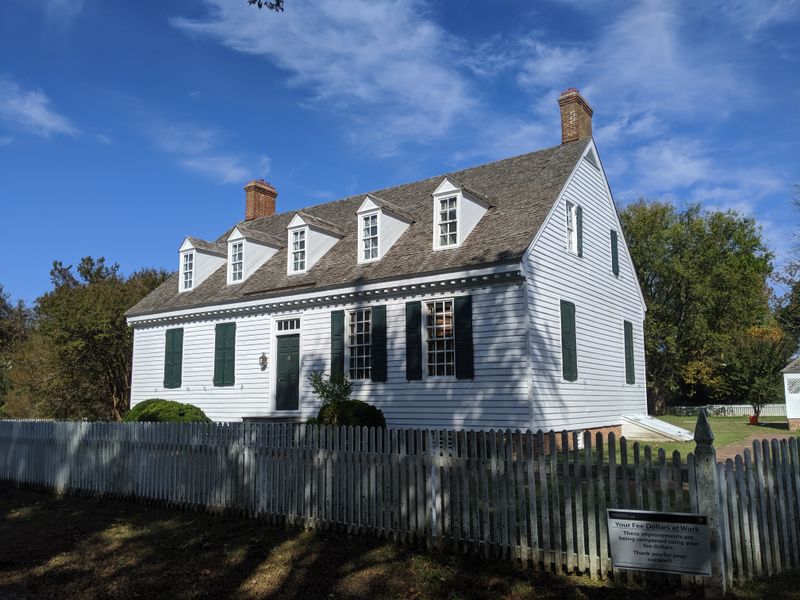
Step back into the birth of America in this concentrated area where history comes alive.
Colonial Williamsburg recreates an entire eighteenth-century town with costumed interpreters demonstrating trades and daily life.
Blacksmiths hammer hot iron, bakers pull fresh bread from brick ovens, and historical figures stroll the streets ready to discuss politics and philosophy.
The immersive experience transports visitors to a time when revolution was brewing and a new nation was taking shape.
Historic Jamestowne marks the site of the first permanent English settlement in North America.
Archaeological excavations continue to uncover artifacts and foundations, revealing stories of survival, conflict, and adaptation.
Walking the grounds where settlers first landed creates a tangible connection to the past.
Yorktown Battlefield preserves the site where American independence was secured through military victory.
Interpretive signs and monuments guide visitors through the siege that ended the Revolutionary War.
The combination of these three sites offers a comprehensive look at early American history within a small geographic area.
Locals recommend dedicating at least two days to fully explore all three locations without rushing.
Each site provides distinct perspectives on colonial life, indigenous peoples, and the struggle for independence.
Educational programs cater to all ages, making this trip valuable for families and history enthusiasts alike.
Address for Colonial Williamsburg: 101 Visitor Center Drive, Williamsburg, Virginia.
Comfortable walking shoes are essential since exploring involves considerable time on your feet.
Seasonal events and reenactments add extra layers of engagement throughout the year.
The Historic Triangle represents Virginia’s role as the cradle of American democracy.
3. Luray Caverns and Natural Bridge
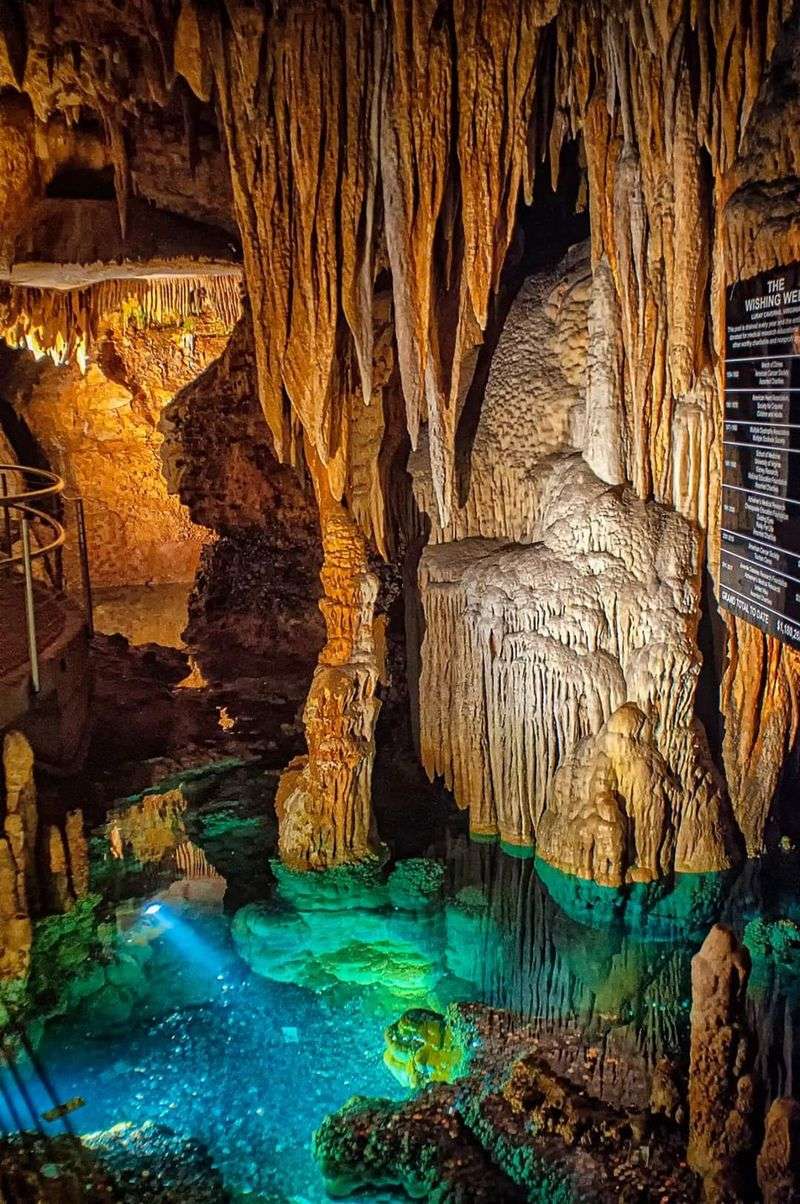
Underground wonders await beneath the surface of Virginia’s limestone landscape.
Luray Caverns reveals chambers filled with stunning formations that took millions of years to create.
Stalactites hang like frozen waterfalls from cathedral ceilings while stalagmites rise from the floor to meet them.
The Great Stalacpipe Organ transforms cave formations into musical instruments, producing ethereal tones when rubber mallets strike specific stalactites.
This unique instrument ranks as the largest musical instrument in the world, filling entire chambers with haunting melodies.
Guided tours lead visitors through winding passages where lighting highlights the natural beauty of calcite formations.
Mirror-smooth pools reflect the ceiling above, creating illusions of endless depth.
Temperature inside remains constant year-round, providing cool relief during summer and relative warmth in winter.
Natural Bridge stands as a separate geological marvel just a short drive away.
This limestone arch rises over two hundred feet above Cedar Creek, carved by water over countless centuries.
George Washington allegedly surveyed the site, and his initials are said to be carved into the rock face.
A walking path leads beneath the bridge, offering perspectives on its massive scale and natural engineering.
The surrounding park includes trails, gardens, and historical exhibits.
Combining both attractions makes for a full day of geological exploration.
Address for Luray Caverns: 101 Cave Hill Road, Luray, Virginia.
Photography is allowed in most areas, though flash may be restricted to protect formations.
These natural wonders showcase the hidden beauty beneath Virginia’s mountains.
4. Charlottesville and The Monticello Wine Trail
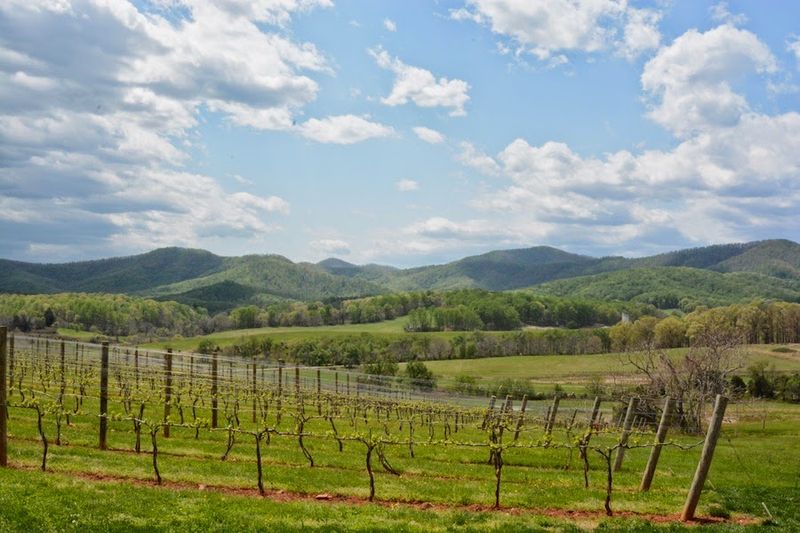
Nestled against the Blue Ridge foothills, this city combines intellectual heritage with agricultural tradition.
The University of Virginia campus showcases Thomas Jefferson’s architectural vision with its iconic Rotunda and Academical Village.
Students and visitors alike stroll the manicured lawns, often called the Grounds rather than campus in local parlance.
Downtown centers around a pedestrian mall lined with brick sidewalks, outdoor cafes, and independent shops.
Street performers entertain passersby while locals meet friends for coffee or browse bookstores.
Monticello sits atop a nearby mountain, offering tours of Jefferson’s ingenious home filled with inventions and innovations.
The plantation’s history includes difficult truths about slavery alongside Jefferson’s contributions to democracy and science.
Interpreters provide nuanced discussions about this complex legacy.
Beyond town, rolling hills are covered with vineyards producing world-class wines.
Over forty wineries dot the countryside within a short drive, each offering tastings and tours.
Some feature modern tasting rooms with floor-to-ceiling windows overlooking vines, while others occupy historic barns and estates.
The Monticello Wine Trail connects many of these wineries, making it easy to plan a route.
Virginia’s wine industry has grown dramatically in recent years, gaining national recognition for quality.
Varietals range from crisp whites to bold reds, with many wineries experimenting with lesser-known grapes.
Address for Monticello: 931 Thomas Jefferson Parkway, Charlottesville, Virginia.
Designate a driver or hire a tour service when visiting multiple wineries.
This area blends history, culture, and agriculture into one memorable experience.
5. Old Town Alexandria
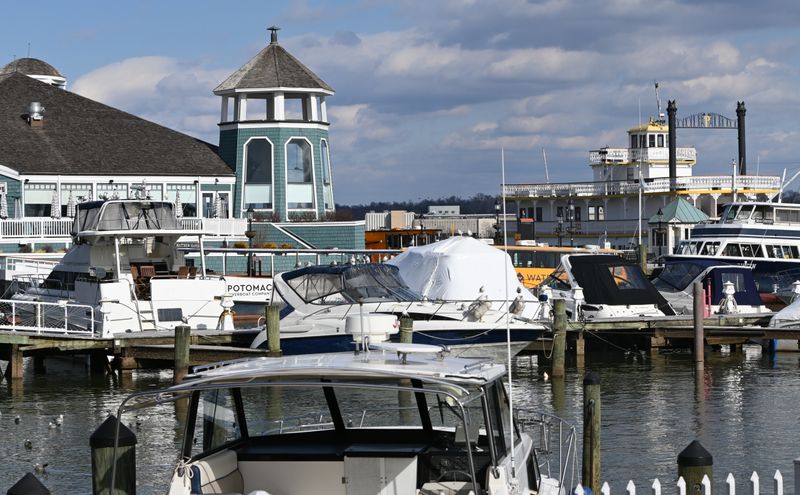
Cobblestone streets and brick sidewalks create an atmosphere of timeless charm in this waterfront district.
Old Town Alexandria preserves centuries of history while maintaining a vibrant contemporary culture.
King Street serves as the main thoroughfare, running from the Potomac River inland through blocks of boutiques, galleries, and restaurants.
A free trolley runs along King Street, making it easy to explore without worrying about parking.
Colonial and Federal-era buildings house modern businesses, creating an appealing blend of old and new.
The waterfront area features a boardwalk perfect for strolling while watching boats on the Potomac.
Torpedo Factory Art Center occupies a former munitions plant, now home to dozens of artist studios and galleries.
Visitors can watch artists at work, creating everything from paintings to jewelry to ceramics.
George Washington’s Mount Vernon estate sits just a short drive south along the river.
The plantation offers extensive tours of Washington’s home, grounds, and museum exhibits.
Back in Old Town, historic sites include Gadsby’s Tavern, Carlyle House, and Christ Church where Washington worshiped.
Ghost tours lead brave souls through allegedly haunted locations after dark, sharing tales of colonial spirits.
Seasonal events fill the calendar, from art festivals to holiday celebrations to outdoor concerts.
The farmers market operates year-round, claiming to be one of the oldest continuously operating markets in the country.
Address for Visitor Center: 221 King Street, Alexandria, Virginia.
Metered parking and garages are available, though public transportation from Washington makes visiting easy.
Old Town offers a perfect blend of history, shopping, and riverside relaxation.
6. Richmond
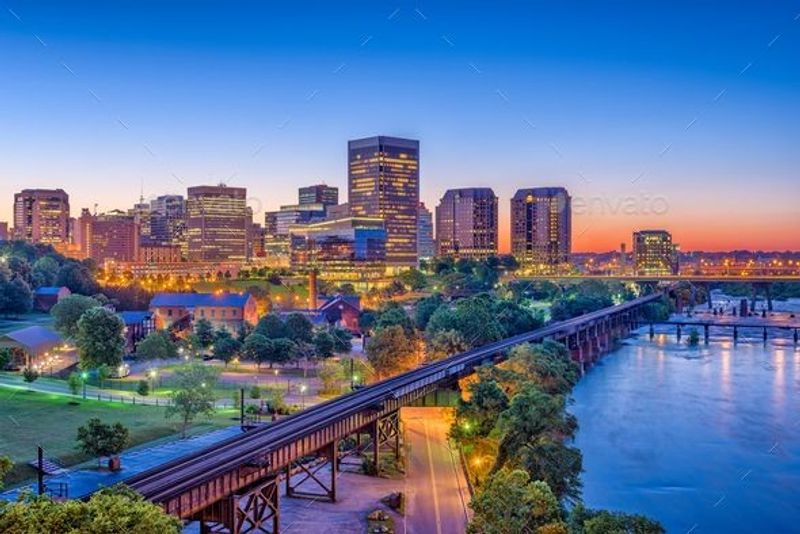
Virginia’s capital pulses with creative energy while honoring its complicated past.
The James River cuts through the city, creating natural rapids and recreational opportunities within urban boundaries.
James River Park System offers miles of trails for hiking, mountain biking, and access to swimming holes and rock-hopping areas.
Kayakers and paddleboarders navigate rapids ranging from gentle to challenging depending on water levels.
Scott’s Addition neighborhood has transformed from industrial area to creative hub filled with breweries, cideries, and innovative restaurants.
Murals cover building walls throughout the city, turning streets into outdoor art galleries.
The Virginia Museum of Fine Arts houses an impressive collection spanning centuries and continents, with free admission to permanent exhibits.
Monument Avenue showcases grand homes and tree-lined medians, though recent years have seen important conversations about which historical figures deserve commemoration.
The city continues evolving its relationship with Civil War history and the legacy of the Confederacy.
Carytown offers quirky shopping along a mile-long stretch of independent stores, vintage shops, and cafes.
Hollywood Cemetery provides scenic views and notable graves, including two U.S. presidents.
The food scene has exploded with creativity, earning Richmond national attention for its culinary innovation.
From farm-to-table restaurants to international cuisines to classic Southern cooking, options satisfy every palate.
Live music venues host local and touring acts across multiple genres.
Address for James River Park System headquarters: 8200 Riverside Drive, Richmond, Virginia.
Richmond rewards exploration with unexpected discoveries around every corner.
The city balances outdoor recreation, arts, history, and gastronomy in equal measure.
7. Middleburg
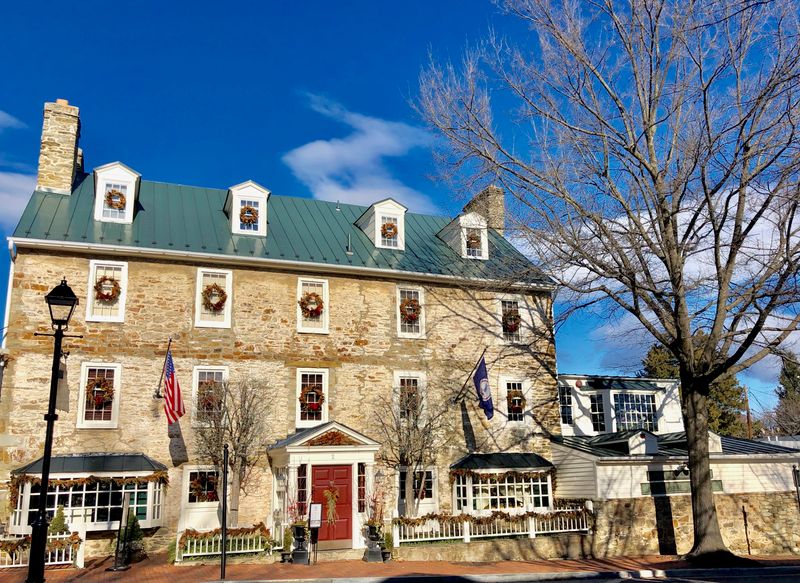
Rolling pastures dotted with grazing horses define the landscape surrounding this elegant small town.
Middleburg sits at the heart of Virginia’s hunt country, where equestrian tradition runs deep.
The main street stretches just a few blocks, lined with upscale boutiques, antique shops, and galleries.
Stone buildings and white-fenced paddocks create a picture-perfect setting that feels worlds away from urban hustle.
Locals have preserved the town’s character while welcoming visitors seeking refined rural charm.
Steeplechase races and polo matches draw crowds during the season, showcasing athletic horses and skilled riders.
Even without attending an event, simply driving the country roads reveals beautiful estates and pristine farmland.
Several wineries operate in the surrounding countryside, offering tastings in scenic settings.
The combination of wine country and horse country creates a uniquely sophisticated atmosphere.
Historic homes and estates occasionally open for tours, revealing glimpses of gracious living.
Art galleries feature works by local and regional artists, many inspired by the pastoral landscape.
The town’s compact size makes walking the preferred way to explore, with everything within easy reach.
Seasonal changes bring different charms, from spring blooms to fall foliage to crisp winter mornings.
Weekend visitors from Washington and other cities come to unwind in Middleburg’s unhurried pace.
Address for Town Hall: 10 West Marshall Street, Middleburg, Virginia.
Dress codes at some establishments lean toward country club casual.
This destination offers a taste of Virginia’s genteel countryside and equestrian heritage.
8. Chincoteague Island
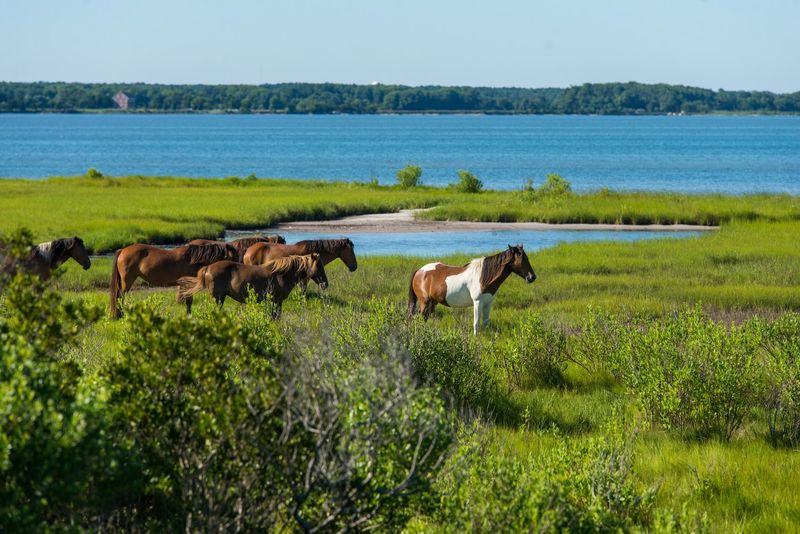
Salt marshes and sandy beaches create a coastal paradise free from commercial overdevelopment.
Chincoteague Island remains refreshingly low-key compared to other beach destinations.
No high-rise hotels block the horizon, and no billboard clutter mars the scenic drive onto the island.
The famous wild ponies roam freely on nearby Assateague Island, protected within the National Wildlife Refuge.
These hardy animals have adapted to harsh coastal conditions, grazing on salt marsh grasses and drinking from freshwater ponds.
Viewing the ponies in their natural habitat creates memorable encounters, though visitors must maintain respectful distances.
The annual pony swim and auction draws huge crowds, but quieter times offer more peaceful exploration.
Beaches stretch for miles, with soft sand and gentle waves perfect for swimming and shell collecting.
Kayaking through the marshes provides close-up views of herons, egrets, and other wading birds.
Sunrise and sunset transform the sky into brilliant displays of color reflected in tidal waters.
The town itself maintains a family-friendly atmosphere with ice cream shops, casual restaurants, and small motels.
Bike paths crisscross the island, making cycling a popular way to get around.
Wildlife watching extends beyond ponies to include dolphins, sea turtles, and countless bird species.
The lighthouse stands as a photogenic landmark offering tours during operating hours.
Address for Refuge Visitor Center: 8231 Beach Road, Chincoteague, Virginia.
Bring insect repellent since mosquitoes thrive in marsh environments.
Chincoteague offers a tranquil coastal escape with natural beauty and wildlife encounters.
9. Smith Mountain Lake
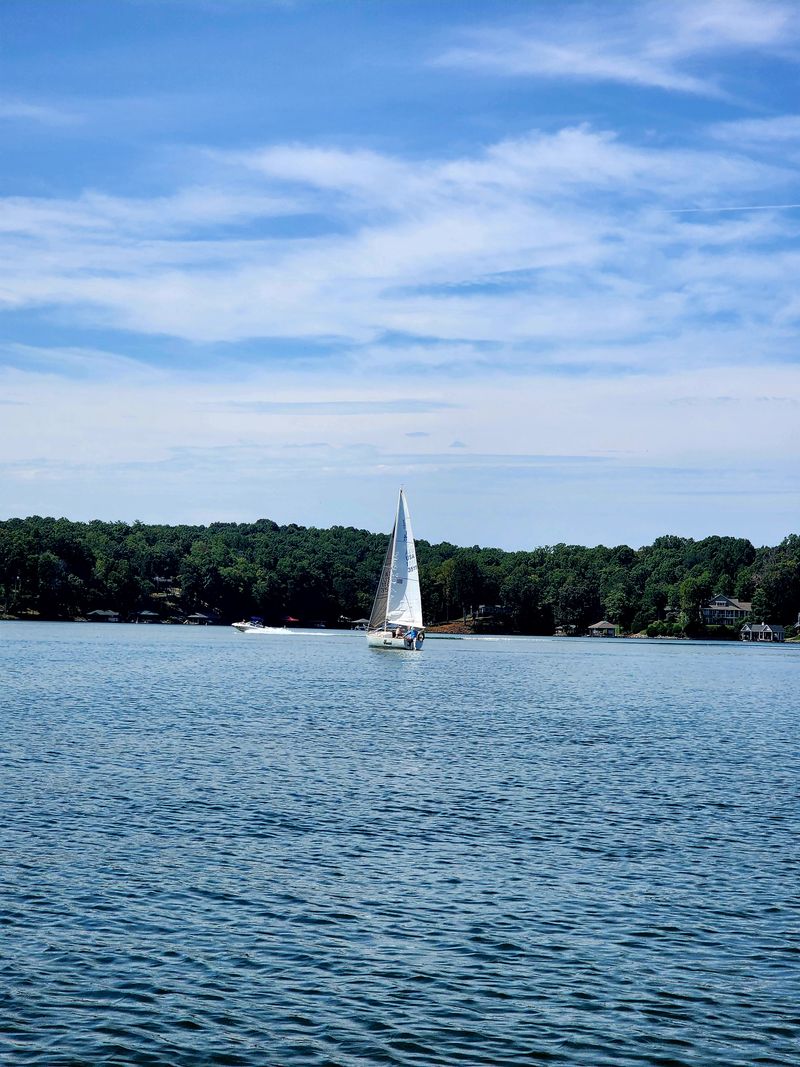
Locals call this massive reservoir the Jewel of the Blue Ridge, and a single visit explains why.
The lake sprawls across multiple counties, with over five hundred miles of shoreline creating endless coves and inlets.
Clear water invites swimming, while consistent winds make sailing popular among boating enthusiasts.
Fishing attracts anglers seeking striped bass, largemouth bass, and crappie in abundant populations.
Multiple marinas offer boat rentals, from pontoons perfect for family cruising to speedboats for water sports.
Kayaking and paddleboarding provide quieter ways to explore hidden coves and observe wildlife along the shore.
The surrounding mountains create a scenic backdrop, with forested slopes rising from the water’s edge.
Lakefront restaurants and cafes offer dining with water views, perfect for watching boats pass by.
Public access points and parks provide beach areas and picnic facilities for day visitors.
Sunset cruises give passengers front-row seats to spectacular evening light shows over the water.
Real estate developments ring much of the lake, but public areas remain accessible and welcoming.
Water temperature warms nicely during summer months, making swimming comfortable from late spring through early fall.
The comparison to Lake Tahoe stems from the lake’s size, beauty, and recreational opportunities.
Year-round residents and weekend visitors share appreciation for this aquatic playground.
Address for Visitor Center: 16430 Booker T.
Washington Highway, Moneta, Virginia.
Life jackets and sun protection are essential for safe enjoyment on the water.
Smith Mountain Lake delivers classic summer fun and outdoor recreation.
10. Abingdon and Damascus
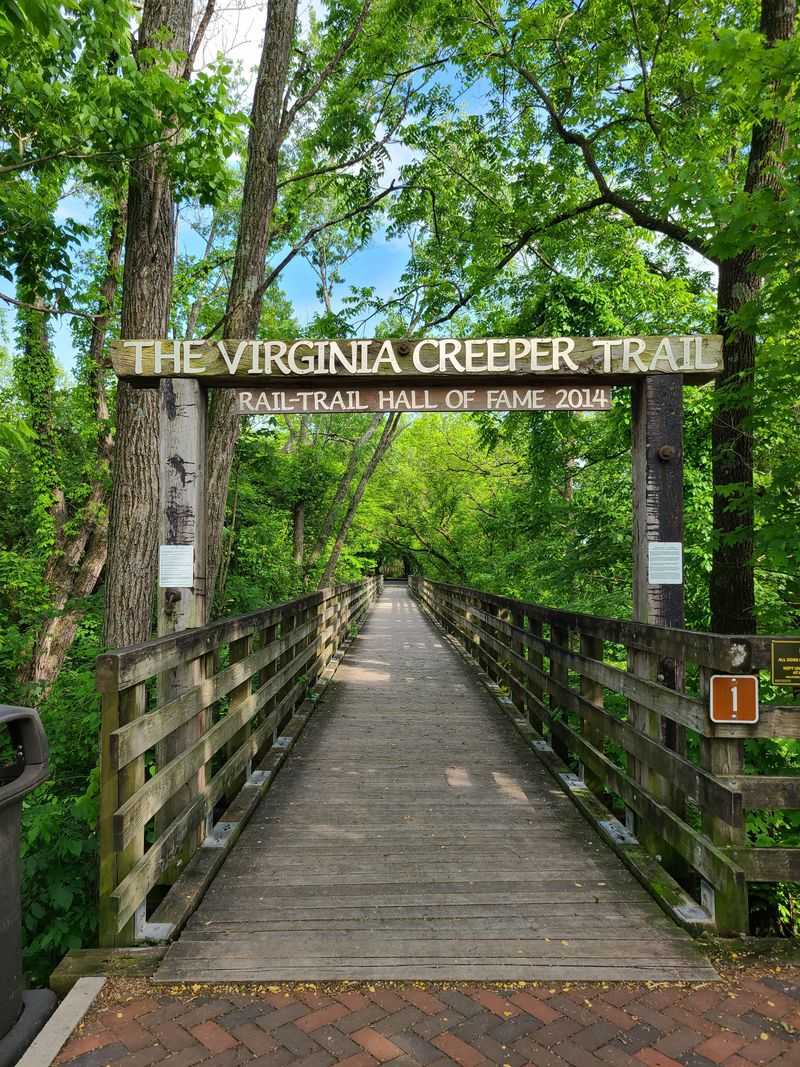
Southwest Virginia’s mountain towns offer genuine Appalachian hospitality and outdoor adventure.
Abingdon anchors the region with historic charm and cultural attractions despite its small size.
The Barter Theatre earned fame during the Great Depression when patrons could trade produce for admission.
Today it operates as a professional theater presenting classic and contemporary productions year-round.
The historic district features well-preserved buildings housing galleries, shops, and restaurants.
Arts and crafts reflect the region’s heritage, with quilts, pottery, and woodwork showcasing traditional skills.
Damascus earned the nickname Trail Town USA by sitting at the intersection of multiple long-distance trails.
The Appalachian Trail, Virginia Creeper Trail, and several other paths converge here, making it a hiker’s paradise.
The Virginia Creeper Trail follows an old railroad bed for over thirty miles through stunning mountain scenery.
Gentle grades make the trail accessible for cyclists of varying abilities, with shuttle services available for one-way trips.
The most popular section descends from Whitetop Station to Damascus through forests and across historic trestles.
Bike rental shops in Damascus outfit visitors with equipment and arrange transportation to trailheads.
Both towns celebrate their mountain heritage with festivals featuring music, crafts, and local traditions.
The surrounding national forest offers additional trails, waterfalls, and camping opportunities.
Address for Abingdon Visitor Center: 335 Cummings Street, Abingdon, Virginia.
These communities showcase the natural beauty and cultural richness of Appalachian Virginia.
Dear Reader: This page may contain affiliate links which may earn a commission if you click through and make a purchase. Our independent journalism is not influenced by any advertiser or commercial initiative unless it is clearly marked as sponsored content. As travel products change, please be sure to reconfirm all details and stay up to date with current events to ensure a safe and successful trip.
