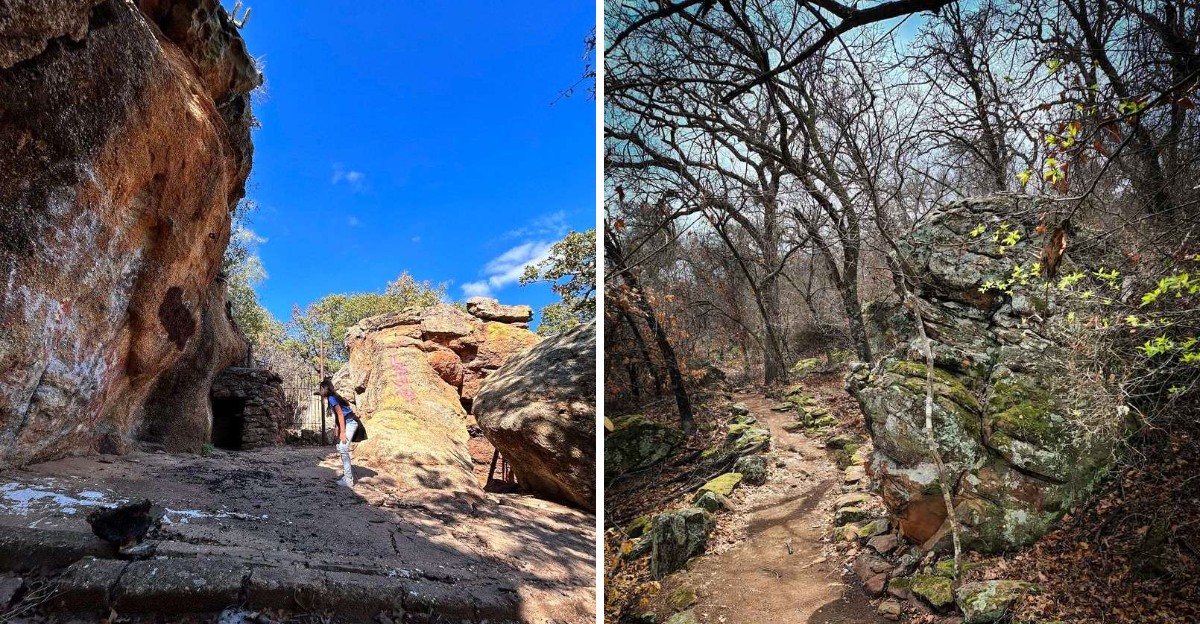
Some places feel like they have been waiting for someone to notice them, and this forgotten Texas park is one of those spots, sitting quietly off the beaten path while the rest of the state moves on without it.
The structures inside have been left largely as they were decades ago, which gives the whole place an atmosphere that is hard to describe until you are standing in the middle of it, surrounded by buildings that time seems to have skipped over entirely.
There are no crowds here, no gift shops, and no rush to see everything before the tour group moves on, just open space and a stillness that makes you slow down whether you meant to or not.
It is the kind of destination that rewards curiosity and patience, offering a glimpse of a Texas that most people have never seen and a reminder that not every worthwhile place shows up on a map.
Bring a camera and a sense of wonder.
A Zoo Born From an Oil Boom
Back in the 1920s, oil money was flowing through Cisco, and the town wanted something fun to show for it. In 1923, a zoo opened right beneath the Williamson Dam.
It started small, with just a donated deer and a bear.
Nobody could have guessed how big it would grow. Over time, the Cisco Zoo filled up with animals most Texans had only seen in books, including ostriches, a giraffe, a hippo, flamingos, monkeys, a cougar, peacocks, and even a lion.
There was also a tarantula, which probably gave a few kids nightmares.
A man named Dr. Charles H. Hale served as the zoo director.
He pushed for a zoological society to help the place grow and stay strong, which showed how seriously the town took its star attraction.
For a small West Texas community, this was a very big deal. People came from all over the region to spend a day looking at exotic creatures and enjoying the grounds.
Think of it like the theme park of its day, only with more feathers and fur.
Knowing this story before a visit changes everything. Those stone walls stop looking like random ruins and start looking like the homes of real animals that once drew real crowds.
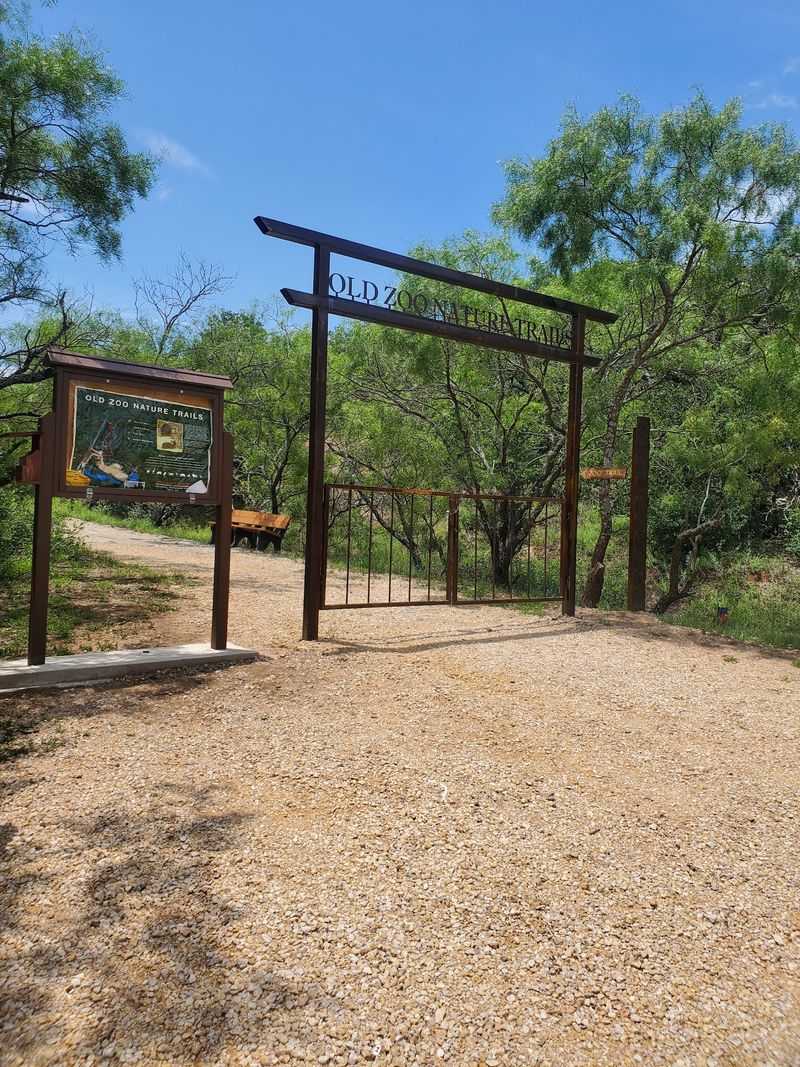
A good tip is to read the history sign at the entrance before heading out. It sets the stage nicely and makes every crumbling corner feel more meaningful.
History buffs will love it, and kids usually get hooked on the idea of a lion living in the woods.
Mystery Behind the Closed Gates
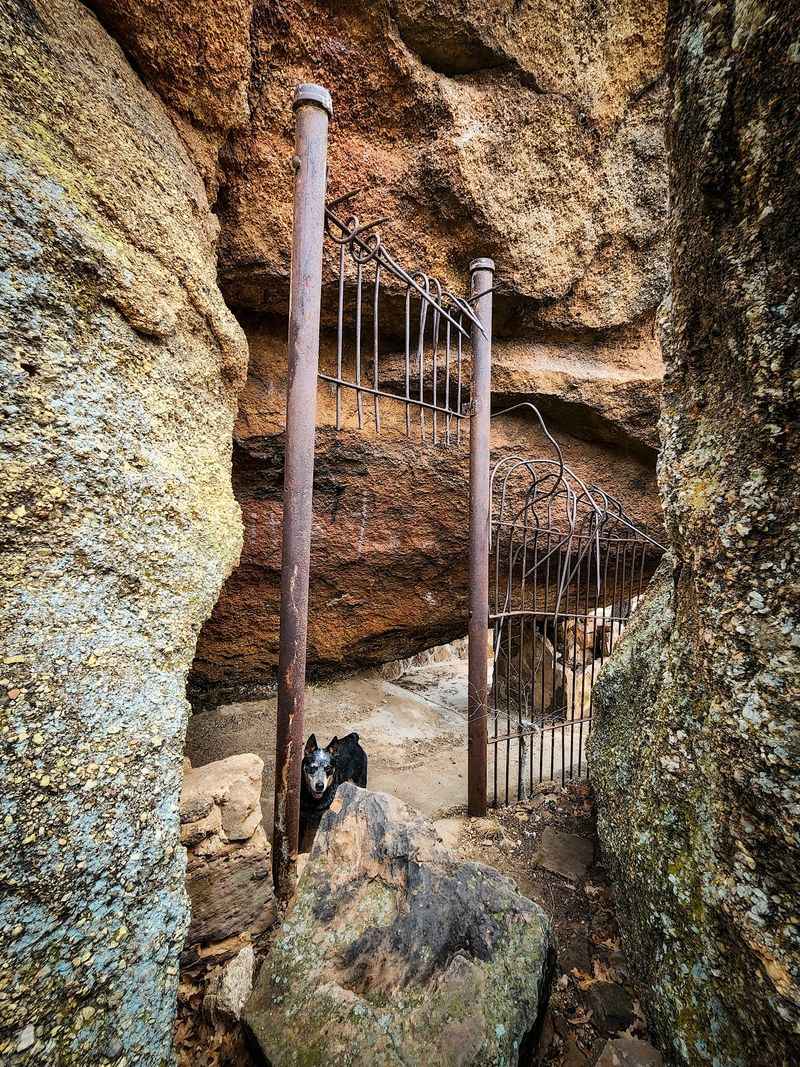
Every good forgotten place needs a mystery, and this one has a real puzzle attached. In 1930, a bear at the zoo was reportedly poisoned.
Around the same time, a deer died too, though that death was said to be unrelated.
Those events cast a dark cloud over the attraction. Attendance dropped, and the zoo slowly slid into disrepair.
By around 1938, it was abandoned, and the gates stayed quiet for a very long time.
So what really happened? Honestly, nobody has a neat answer.
That is part of the fun, and part of the chill.
Standing near the old cages, it is hard not to think about those animals. Some visitors find the small size of the enclosures a bit sad, and that feeling is worth sitting with for a moment.
Zoos have changed a lot since the 1920s, and these pens show how different life was for animals back then.
For families, this is a great chance to talk with kids about how people now care for animals in better ways. It turns a hike into a little lesson without feeling like school.
Mystery lovers should take their time here. Look at the shapes of the dens, the old doorways, and the bent bars.
Try to guess which animal lived where. It is a bit like being a detective in a story that never quite got its final chapter, and that open ending keeps people coming back to wonder all over again.
Stone Dens and Crumbling Walls
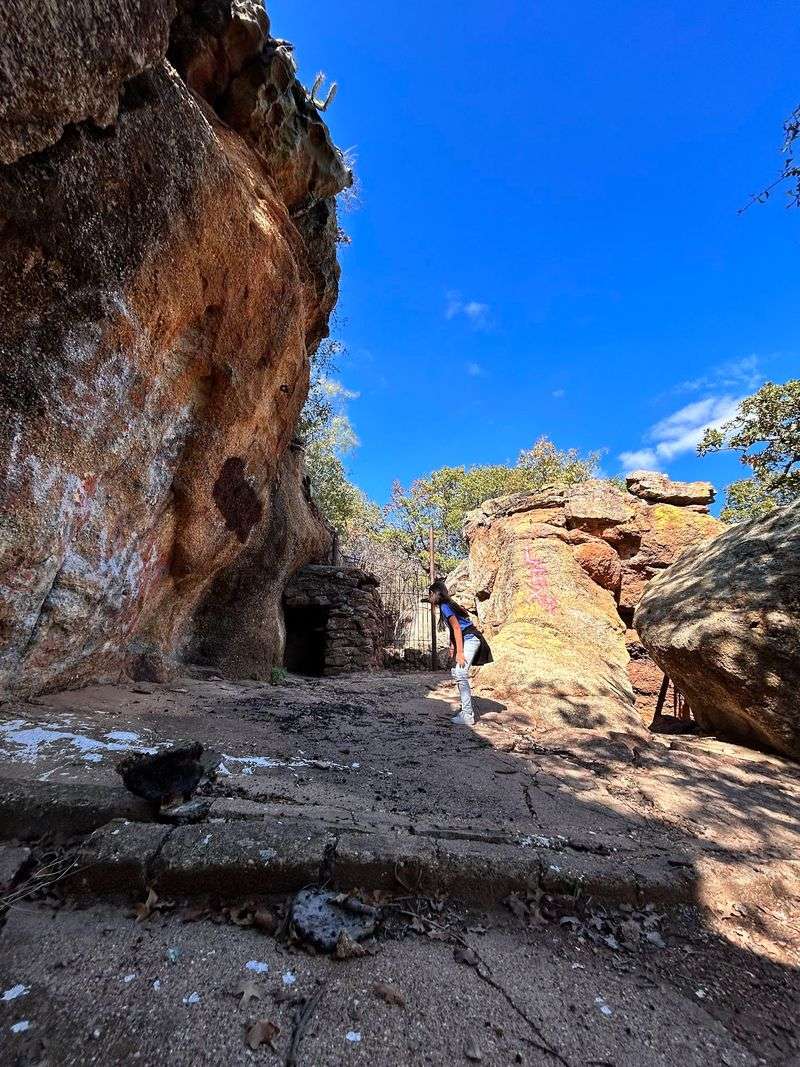
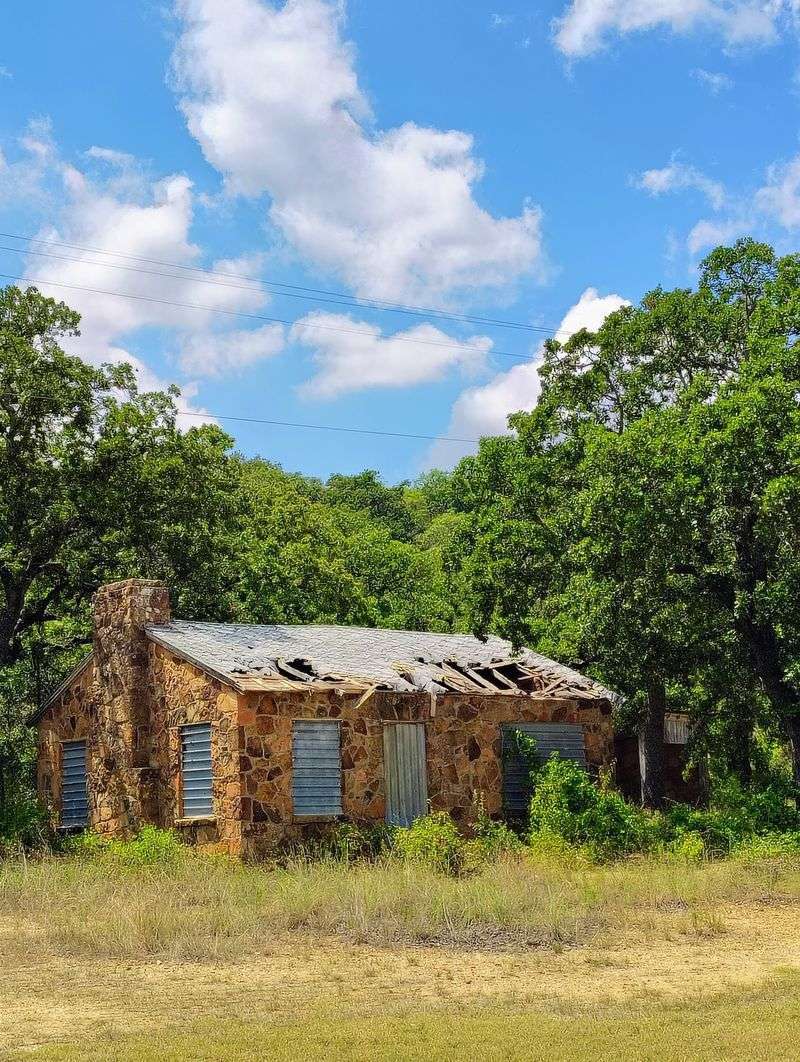
Crumbling walls have a way of telling stories without saying a word. Along the zoo loop, stone and concrete enclosures still stand, many of them surprisingly solid after nearly a century.
Moss creeps over steps, and iron gates rust quietly in the shade.
Visitors can walk right past the old dens and peek inside. Some have cave-like openings.
Others have tall bars that bend in odd directions, like they got tired of standing straight. There are even ruins of former staff offices, giving a peek into how the zoo ran day to day.
The whole scene sits in the shadow of the Williamson Dam. That big concrete wall towers above the trees and adds a dramatic backdrop that photos love.
The mood here is tranquil and a little spooky at the same time. Birds chirp, leaves rustle, and then a rusty gate appears out of nowhere.
It is fun eerie, not scary eerie.
Sadly, some walls carry spray paint left by careless visitors. Treat the ruins kindly, stay off fragile spots, and leave everything as found so others can enjoy it too.
Photographers should come in the early morning or late afternoon. Soft light makes the stone glow, and shadows through the bars look amazing.
Bring a phone or camera with plenty of space, because every corner seems to offer another shot worth keeping, from twisted metal to tiny ferns growing out of cracks.
Hunting for Hidden Animal Medallions
Here is a game that turns a simple walk into a quest. Near the trailhead stands a pole showing ten animal medallions.
Each one represents a creature that once lived at the zoo.
The list includes a bear, deer, monkey, flamingo, black widow spider, giraffe, peacock, crane, big cat, and hippopotamus. The medallions are hidden along the paths, and the goal is to find as many as possible.
Snap a photo of that pole before starting. Also take a picture of the trail map at the gate.
Both make the search much easier.
Fair warning, some medallions have gone missing over the years because of weather, time, or theft. Finding all ten might not happen.
Still, the hunt is a blast, and spotting even a few feels like a small victory.
Not every medallion sits by the zoo cages, either. Some are out on the other trails.
One popular route, the spider rock trail, leads up to a big cat medallion perched on top of a large boulder.
This activity slows everyone down in the best way. Instead of rushing, hikers start noticing roots, rocks, and little details they would have missed.
Kids especially love it, but adults get competitive fast too. Turn it into a friendly contest and keep score.
Whoever finds the most gets to pick the snack at the picnic table afterward. Simple, silly, and surprisingly fun for all ages.
Where a Giant Pool Became a Pond
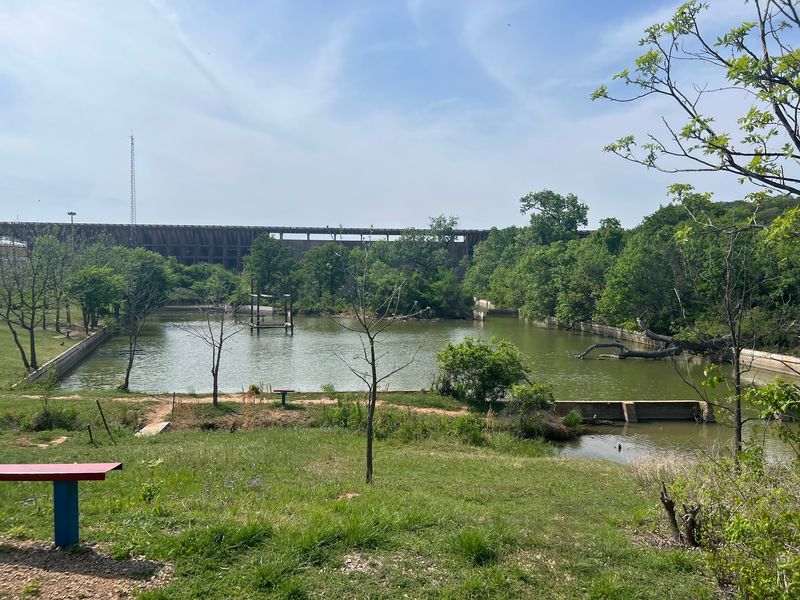
Imagine the biggest swimming party in Texas, packed with families trying to beat the summer heat. Right next to the zoo sat what was called the world’s largest concrete swimming pool.
It was a huge draw for decades.
The pool kept running until the 1970s, long after the animals were gone. For many local families, it was the heart of summer fun.
Nearby, a popular skating rink also served the community for years before closing in the 1970s.
Today, the pool has turned into something new. Much of it is now a pond, softened by plants and water life.
Parts of the old diving platform still stand, a little reminder of cannonballs and belly flops from long ago.
The size is what grabs attention. Even with nature taking over, the concrete basin shows how bold the builders were.
Someone really dreamed big here.
This spot works well for a quiet pause. Listen for frogs and birds, and watch for ripples on the surface.
It is hard to believe the water once echoed with shrieks and splashes.
Of course, swimming is not the plan anymore. Enjoy it from the edges and keep a safe distance from any crumbling concrete.
For history fans, this is one of the most striking scenes on the property. It shows the whole story in one view, from busy tourist hotspot to peaceful natural space, all wrapped into one very large, very green pond.
Old Cottages With Stories to Tell
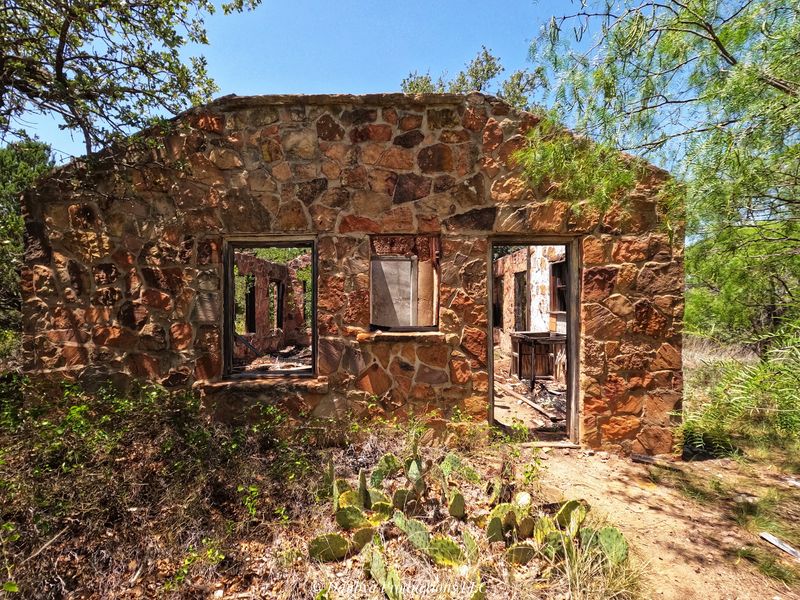
A trip to the Cisco Zoo was not always a quick afternoon stop. Back then, the site worked like a true resort, complete with cottages for overnight guests.
People traveling from far away could stay, see the animals, and swim in that giant pool the next day.
Those cottages are now picturesque ruins. Walls lean, windows are empty, and vines climb wherever they please.
Many visitors think these buildings feel even spookier than the animal pens. It is easy to see why.
Found at Co Rd 112, Cisco, TX 76437, United States, these remains add another layer to the park’s story. They show that this was once a full vacation spot, not just a place to look at lions.
Think about how travel worked in the 1920s and 1930s. Roads were rougher, cars were slower, and a trip to a small-town resort felt like a grand adventure.
These cottages were part of that excitement.
Take a moment to picture families unpacking suitcases here, kids begging to go see the monkeys first. It is a fun thought exercise that makes the ruins come alive.
As with all the old buildings, look but do not climb on unstable walls. Safety first, always.
Photographers and daydreamers will both enjoy this corner. The mix of old architecture and wild greenery makes for moody, beautiful pictures, especially on cloudy days when the gray sky matches the weathered stone perfectly.
Boulders, Steps, and Lake Views
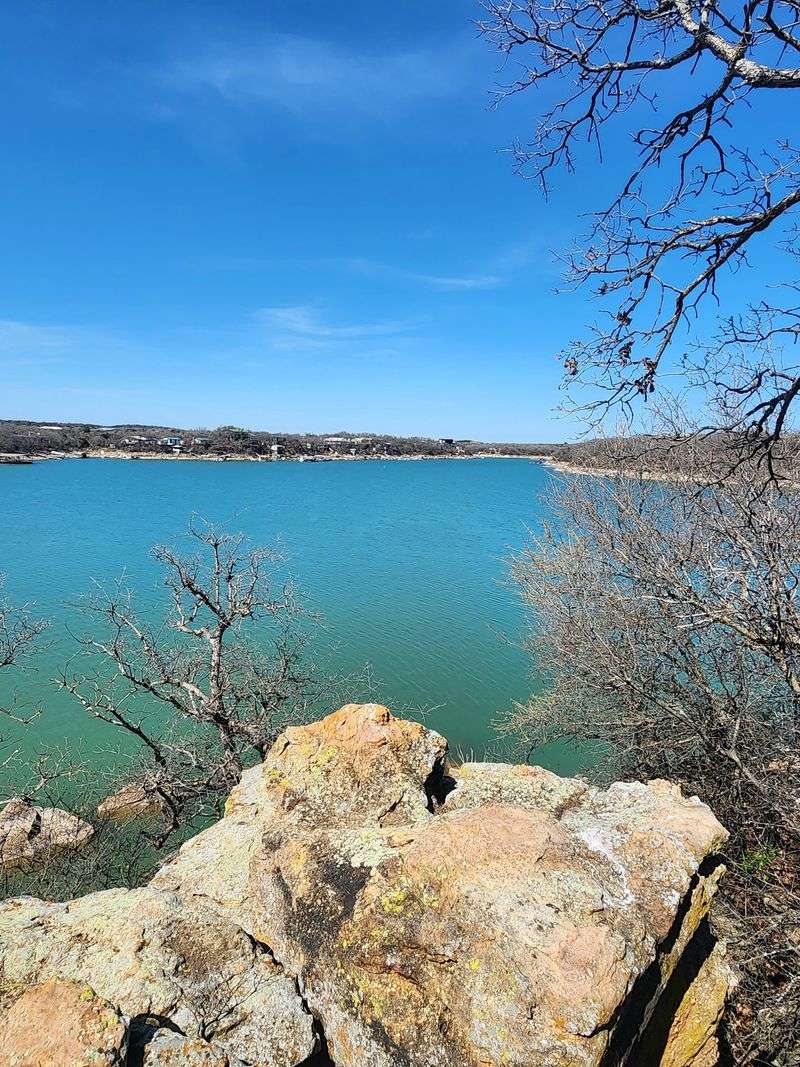
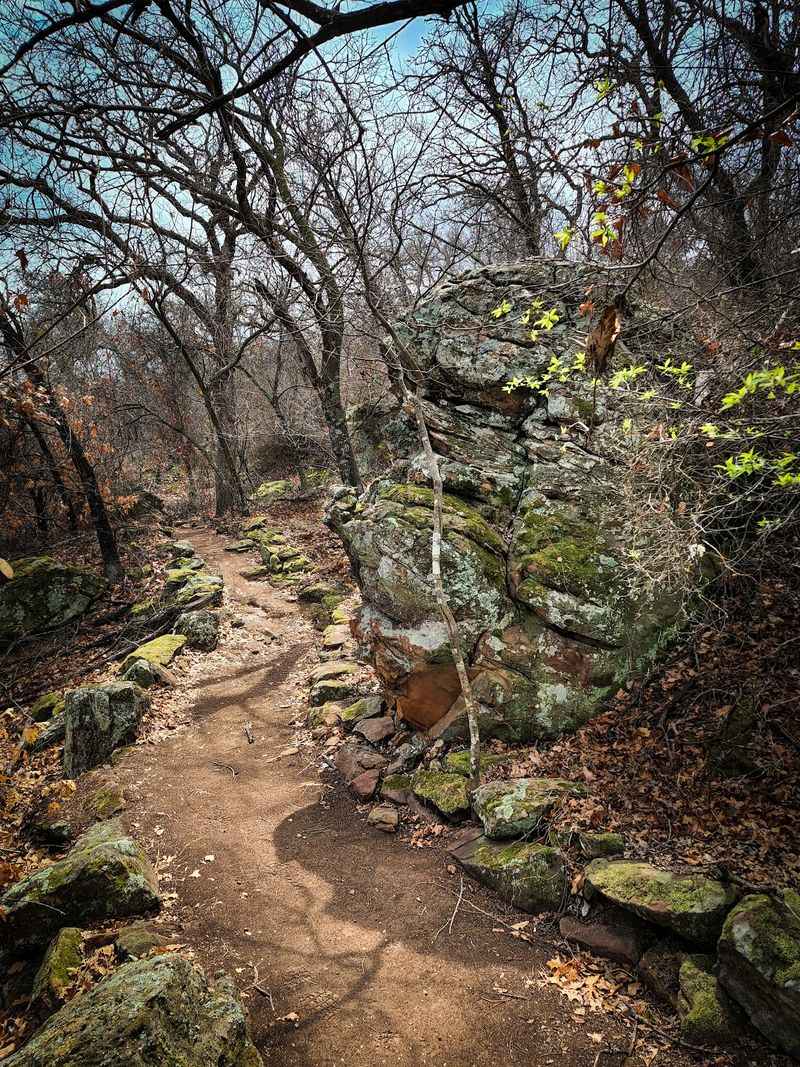
Big rocks make everyone feel like a kid again. Scattered across the trails are huge boulders that practically beg to be climbed.
Rock scrambling is one of the favorite parts for many hikers here.
The trails sit close to Lake Cisco, and the higher spots offer lovely views of the water, the dam, and the wooded hills of Eastland County. The elevation gain is only around 150 feet.
That is just enough to earn a nice overlook without wearing anyone out.
Do not let the short distance fool anyone, though. Total trail length runs roughly 0.9 to 1.5 miles, depending on the route.
Some sections are rugged, with high stone steps, narrow paths, and uneven footing.
The lake trail can be steeper than it looks. It winds past cacti and under low branches, so keep eyes up and down at the same time.
Thorny bushes also grow along some paths, so long pants help on the wilder routes.
Surprisingly, the area feels lush and green for West Texas. Shade from the trees makes the walk much more pleasant, even on warm days.
Most people finish in about an hour or two, but exploring tends to stretch that out. There is simply too much to poke around.
Dogs on a leash can enjoy it too. Just watch paws around sharp rocks and cactus spines.
A slow pace keeps everyone happy and makes the views at the top feel even sweeter.
Smart Tips Before Heading Out
Good planning can make a short visit feel effortless. The trailhead sits off Co Rd 112 near the Williamson Dam, about four miles north of Cisco.
It is easy to miss, so keep an eye out while driving.
The trails are open daily from 6 AM to 9 PM, all year long. Admission is free, and donations help the nonprofit SAFE keep the grounds in shape.
A QR code at the gate makes giving simple.
SAFE stands for Students, Athletics, Families, and Education. This group cleared years of overgrowth in 2021 and turned the old zoo into public trails.
Volunteers still do much of the upkeep, so a little kindness goes a long way.
Wear sturdy shoes. Hiking shoes are best, though tennis shoes work on the main loop.
Bring plenty of water, especially in summer, when the hills feel steeper than they look.
Start at the flagpole, and check out the painted rock snake stretching along the ground. Bring a painted rock of your own to add to its body.
It is a sweet little tradition that kids love.
Shaded picnic tables, swings, and a small playground sit nearby, so packing lunch is a great idea. Restrooms or a portable toilet are available in the park area, and parking is easy.
Finally, respect the boundary signs near the dam, since some land is private. Pack out trash, skip the spray paint, and leave this special place ready for the next curious explorer.
