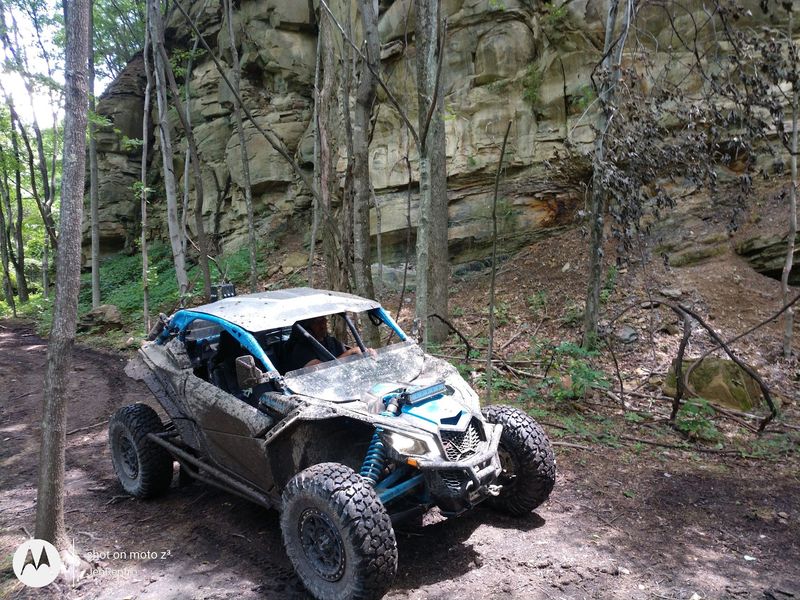
Picture yourself driving through the mountains of southern West Virginia, looking for nothing more than a good lunch and a quiet road. Then you notice tall brick buildings climbing a hillside and mansions tucked behind old trees, far grander than you expected.
Those buildings hold a story about coal, trains, and money so plentiful that bankers reportedly hauled cash around in a wheelbarrow. Once you hear it, you will never look at these hills the same way again.
A Mountain Town Hiding a Gilded Past
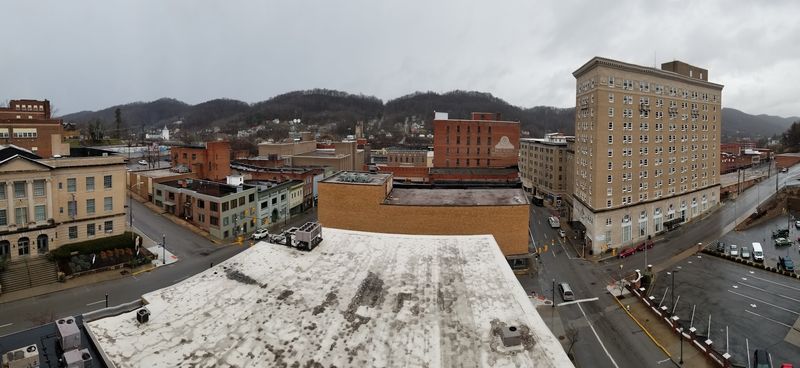
Some places whisper their history, and others practically shout it from the rooftops. Tucked into the southern edge of West Virginia, right along the Virginia line, sits a city whose skyline looks almost too big for the ridges around it.
Visitors often do a double take when tall brick towers rise out of the forest.
Today the city is home to roughly 9,658 people, according to the 2020 census. It also anchors a larger micropolitan area stretching into Virginia, with about 106,363 residents in total.
Those numbers sound modest, and they are, but they only tell half the story.
A little over a century ago, this corner of Mercer County ranked among the busiest and wealthiest spots in all of Appalachia. Coal barons, railroad bosses, and bankers built fortunes here that were talked about from coast to coast.
The area around it reportedly held more millionaires for its size than just about anywhere in the United States.
So how did a mountain community end up swimming in riches? The answer starts deep underground, with a black rock that powered a nation.
Grab a cup of coffee, because this tale has plenty of twists worth savoring.
Black Gold Beneath the Pocahontas Coalfield
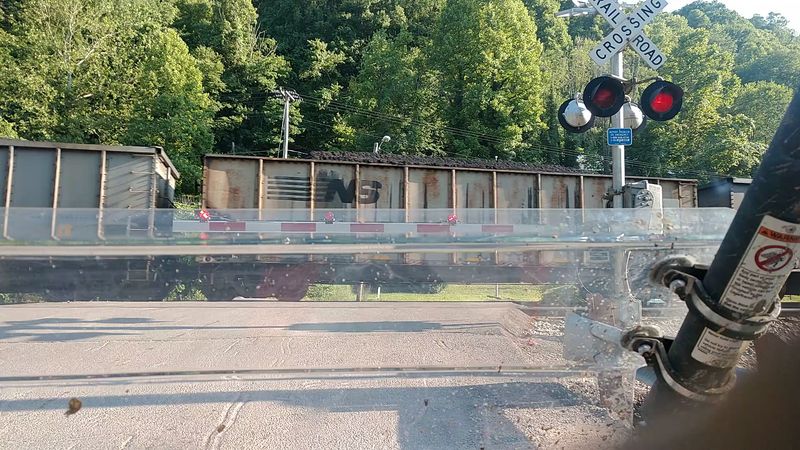
Folks back then had a nickname for it: black gold. Beneath these hills ran thick seams of bituminous coal belonging to the Pocahontas Coalfield, widely considered one of the finest coal deposits on the planet.
Some seams were reportedly eight to ten feet high, which is enough to make any miner grin.
What made this coal special was how cleanly it burned. People called it smokeless coal, and factories, steamships, and steel mills wanted as much of it as they could get.
As the Industrial Revolution roared, demand seemed to have no ceiling at all.
Hundreds of mines opened almost overnight along the border region. Speculators, developers, and investors rushed in, hoping to claim a piece of the treasure.
Right behind them came thousands of workers, including European immigrants and African American families moving north from the Deep South in search of steady paychecks.
Many West Virginia families today can trace their roots straight back to that rush. Maybe your own grandparents or great-grandparents arrived on a train with a lunch pail and big hopes.
The coal gave everyone a reason to come, but something else was needed to turn rocks into riches, and that something ran on steel rails.
How the Norfolk and Western Railway Changed Everything
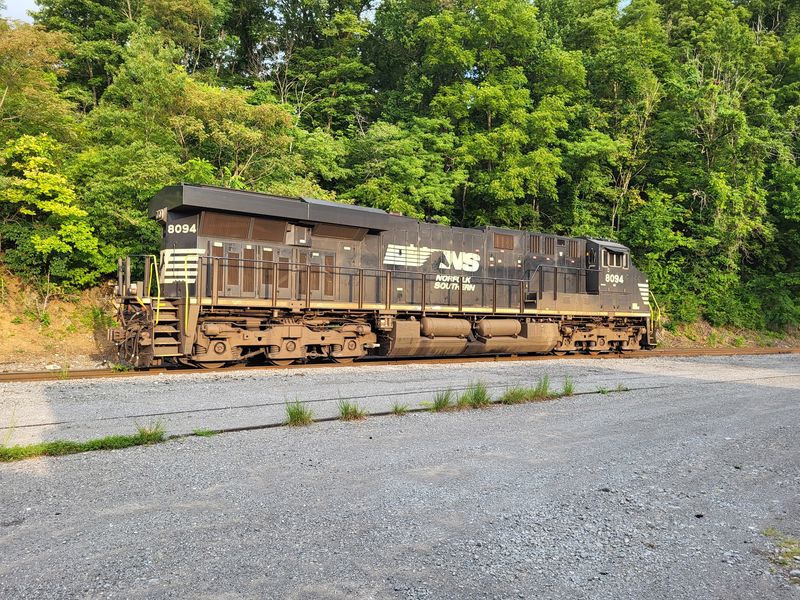
Coal sitting in a hillside is worth exactly nothing until somebody moves it. Enter the Norfolk and Western Railway, which saw the enormous potential of the Pocahontas fields in the early 1880s.
In 1882, the company chose this spot for its Pocahontas Division headquarters, a major repair shop, and a sprawling classification yard.
That single decision set the stage for everything that followed. The yard used a clever natural gravity switching system, letting cars roll downhill to be sorted into long coal trains.
Railroad folks admired it as a model of efficiency.
By the middle of the twentieth century, hauling smokeless coal reportedly brought in more than 70 percent of the railroad’s revenue. The company even electrified dozens of miles of track toward mining communities such as Iaeger and Vivian to move heavy loads faster.
With the railroad came everything else. Banks, utilities, and wholesale warehouses popped up to supply the company stores scattered through the coal camps.
Train whistles became the soundtrack of daily life, and the paychecks that followed filled local pockets. Longtime residents still talk fondly about the rumble of trains shaking the windows, a sound that meant the town was working and thriving.
Little New York in the Appalachian Hills
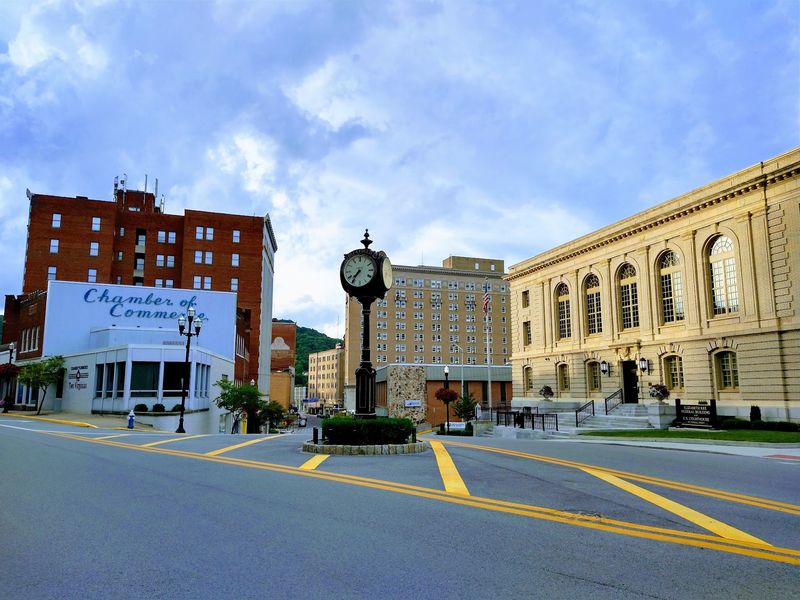
Imagine calling a mountain town Little New York and actually meaning it. That was the nickname this booming city earned in the early 1900s, and it fit surprisingly well.
Busy sidewalks, rising buildings, and constant commerce gave it a big-city buzz that visitors compared to Chicago, Pittsburgh, and New York itself.
Incorporated in 1889, the city grew so quickly that roads and services struggled to keep up. Its population jumped from about 1,775 people in 1890 to a peak of 21,506 by 1950.
That is the kind of growth modern planners can only dream about.
Stately Federal Revival buildings began marching up the hillsides of the downtown commercial district. At its height, the area served as a gateway for as much as 40 percent of the country’s coal production, according to local historical accounts.
Money flowed in every direction.
For many older West Virginians, stories of Little New York bring back memories of Saturday shopping trips, department store windows, and crowded lunch counters. Those were the good old days in the truest sense.
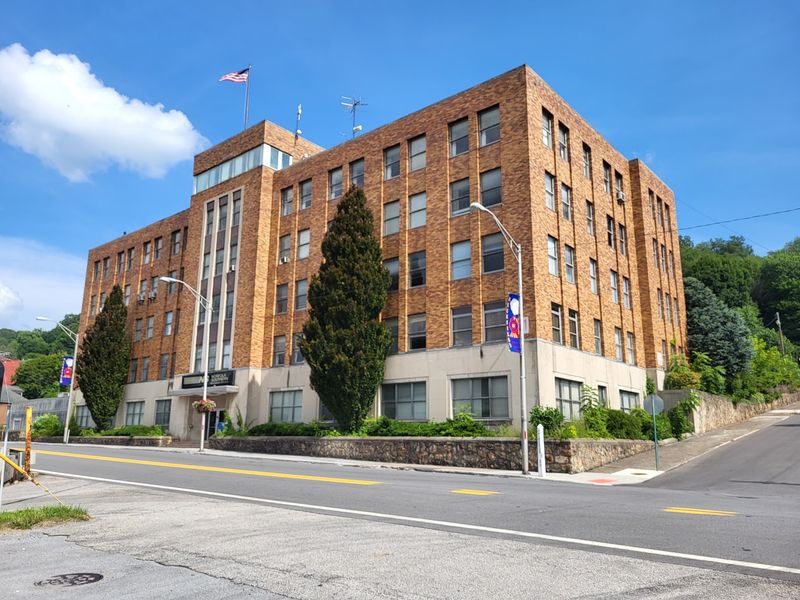
Even now, standing downtown and looking up at those brick towers, you can almost hear the chatter and footsteps of a city in full swing.
Bluefield and Its Millionaire Neighbor, Bramwell
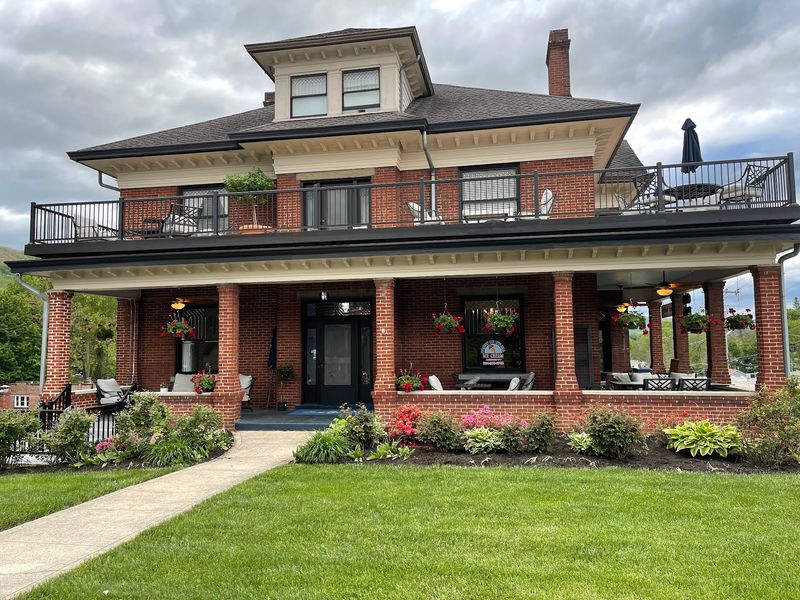
Here is where the story gets really juicy. The bustling hub we have been describing is Bluefield, in Mercer County, and it served as the economic heart of the coalfields.
Yet the famous millionaire claim is tied most closely to a tiny neighbor about eight miles north, the town of Bramwell.
Coal land investors and mine operators planned Bramwell as a residential retreat. They wanted to stay near their mines without living in the gritty coal camps.
Incorporated in 1888, the town reportedly boasted more millionaires per capita than anywhere else in the nation.
Around the turn of the century, with roughly 4,000 residents in the area, at least 14 millionaires reportedly lived there, and some accounts put the number as high as 19. Names like J.H.
Bramwell, I.T. Mann, Edward Cooper, Philip Goodwill, John Hewitt, and William Thomas filled the local directory.
Their homes were built with the finest materials money could buy, and many still stand in a lovely historic district. Together, Bluefield’s commerce and Bramwell’s mansions made this little region one of the richest stretches of ground in America.
Few places anywhere packed so much wealth into so few square miles.
Payday Cash in a Wheelbarrow at the Bank of Bramwell
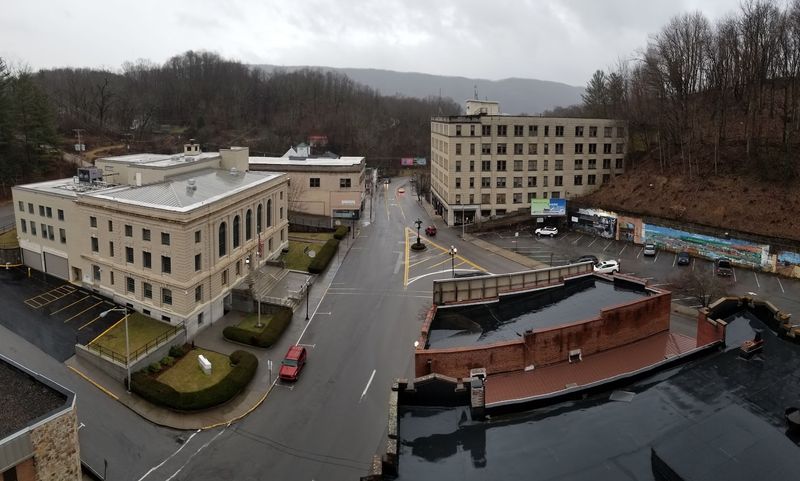
Picture a janitor strolling down a brick street pushing a wheelbarrow stuffed with leather money bags. According to local lore, that was a regular payday sight in Bramwell, with a security escort walking alongside all the way to the train depot.
Talk about a memorable commute.
The Bank of Bramwell, chartered in 1889, earned a reputation as one of the wealthiest banks of its size in the United States. It acted as a financial center for much of southern West Virginia.
Cousins James Mann and I.T. Mann helped form it, and I.T.
Mann at one point controlled vast coal lands.
Its reach stretched far past the mountains. The bank reportedly helped finance the Burning Tree Country Club near Washington, D.C.
During World War I, it sold more Liberty Loan bonds than any other institution of comparable size in the country.
Stories like these are why the region’s history feels so larger than life. A small-town bank bankrolling projects in the nation’s capital sounds like a tall tale, yet historians back it up.
Next time you grumble about a long line at your local branch, remember that some West Virginia tellers once handled money by the wheelbarrow load.
Opera Houses, Grand Hotels, and Brilliant Minds
Anyone expecting a rough frontier outpost would have been in for a pleasant shock. Coal money brought culture to Bluefield in a big way.
The city had a 500-seat opera house where traveling Broadway productions reportedly stopped to perform on their way west.
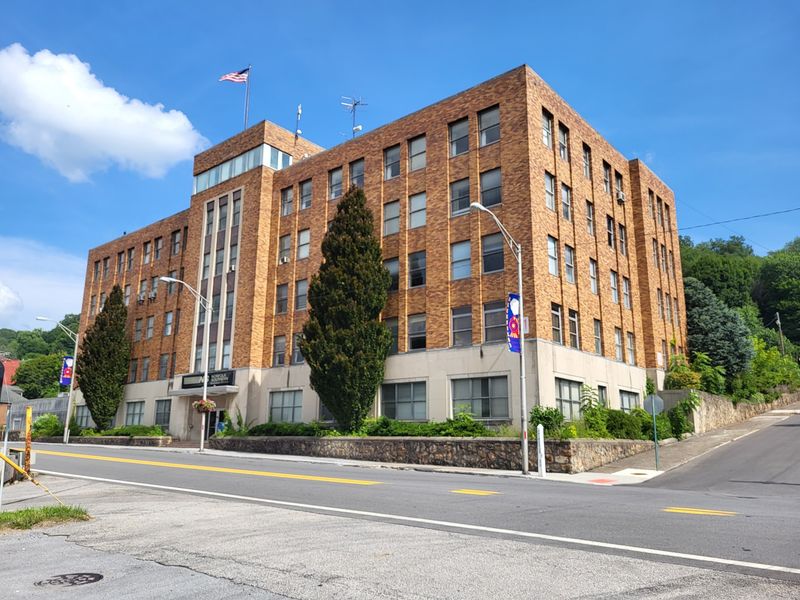
In the 1920s, the twelve-story West Virginian Hotel rose over downtown, a proud landmark of the era. Fittingly for our retiree readers, the building has found new life in recent years as a retirement home.
It is lovely to see such a grand structure still serving the community.
Education flourished too. In 1895, the Bluefield Colored Institute opened its doors, and it later grew into Bluefield State University, a historically Black institution that remains part of the city’s identity today.
Here is a fun fact to share at your next family dinner. John Forbes Nash, the mathematician and Nobel Prize-winning economist whose life inspired the film A Beautiful Mind, was born in Bluefield in 1928.
Not bad for a mountain railroad town. Between the theater, the towering hotel, the college, and a homegrown genius, Bluefield proved that prosperity here meant much more than coal cars and cash.
Free Lemonade in Nature’s Air-Conditioned City
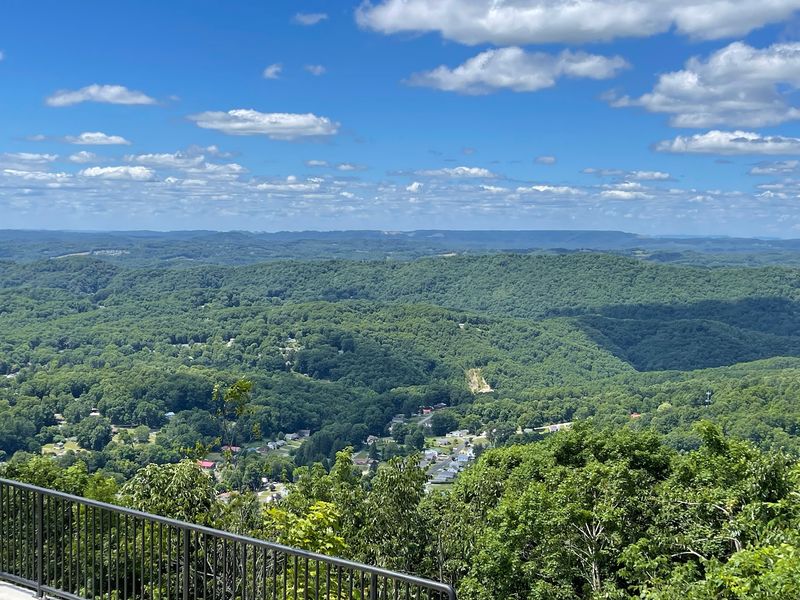
Sweltering summer afternoon? Not in Bluefield, at least not very often.
Perched at about 2,612 feet above sea level, it ranks among the highest cities in the eastern United States, and its summers tend to stay pleasantly mild.
Locals proudly adopted the nickname Nature’s Air-Conditioned City. Starting in 1938, the Chamber of Commerce made a cheerful promise: free lemonade for everyone whenever the temperature climbed past 90 degrees.
Those days were rare enough to feel like a small holiday.
There is something wonderfully small-town about that tradition. In the middle of a hard-working industrial center, folks took time to celebrate a cool breeze and share a cold cup with strangers.
It says a lot about the friendly spirit that still defines southern West Virginia.
Many readers probably remember sipping lemonade on a porch swing during their own childhood summers. Bluefield turned that simple pleasure into a point of civic pride, and the nickname still pops up on signs and in local conversation.
If you visit in July, pack a light jacket for the evenings. You may be surprised how refreshing mountain air feels when the rest of the state is baking.
Changing Times and a Legacy of Hometown Pride
Every boom has its season, and Bluefield’s eventually began to cool. The Great Depression of the 1930s hit the region hard, though coal demand during World War II brought a welcome revival for a time.
After that, the ground slowly shifted. Mechanization let mines produce more coal with fewer workers, and fewer jobs meant fewer families.
Then in 1974, Interstate 77 opened through East River Mountain, giving freight and travelers new options beyond the railroad. By the 1950s, population growth had already leveled off and started drifting downward.
Still, calling this a sad story misses the point. The mansions of Bramwell, the brick towers downtown, and the rail heritage remain as proof of what West Virginians built with grit and determination.
Families here carry that history with genuine pride.
Plenty of readers likely have their own memories of these streets, whether it was a shopping trip, a first job, or a grandparent who worked the rails. Those recollections are part of the legacy too.
Share them with your kids and grandkids. A place does not need to be the richest spot in America anymore to remain rich in stories, character, and heart.
Planning a Visit to Bluefield, West Virginia
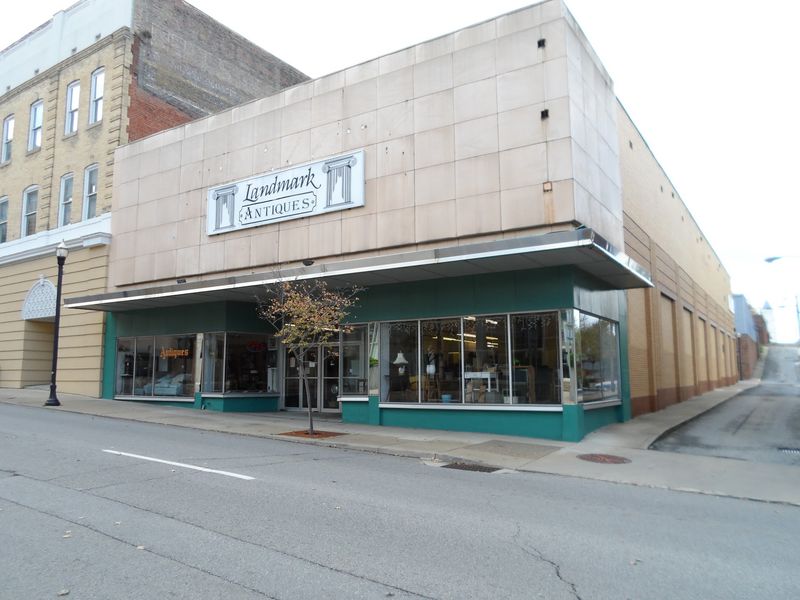
Ready to see it for yourself? A day trip here makes a wonderful outing for history lovers, railroad fans, and anyone who enjoys wandering a classic Appalachian downtown at an easy pace.
The cooler mountain summers make it especially inviting from June through September.
You will find Bluefield in Mercer County, West Virginia, USA, near the Virginia state line, at roughly 37.2698 north and 81.2223 west. Interstate 77 passes nearby, making the drive manageable from Beckley, Princeton, and points beyond.
The city of Bluefield maintains a website at cityofbluefield.com, which is a smart first stop for current events and visitor details.
Plan to pair your trip with a short drive north to Bramwell, the so-called Millionaires’ Town, to stroll past its grand historic homes. Specific hours and admission prices vary by site, so check ahead before you go.
Is it worth the trip? For anyone who treasures West Virginia’s past, the answer is likely yes.
Few places capture the drama of the coal and railroad era quite like this corner of the state. Walk slowly, look up at the old buildings, and let the stories of wheelbarrows full of cash and free summer lemonade keep you smiling on the drive home.
