Who knew a fuzzy keychain could be a problem in Delaware? Delaware law bans selling or offering for sale the fur or hair of a domestic dog or cat, or any product made in whole or in part from it.
So a shop cannot stock dog or cat fur trim, even if it is tiny and even if the tag is vague. This is unlawful trade in dog or cat by-products in the second degree, a class B misdemeanor.
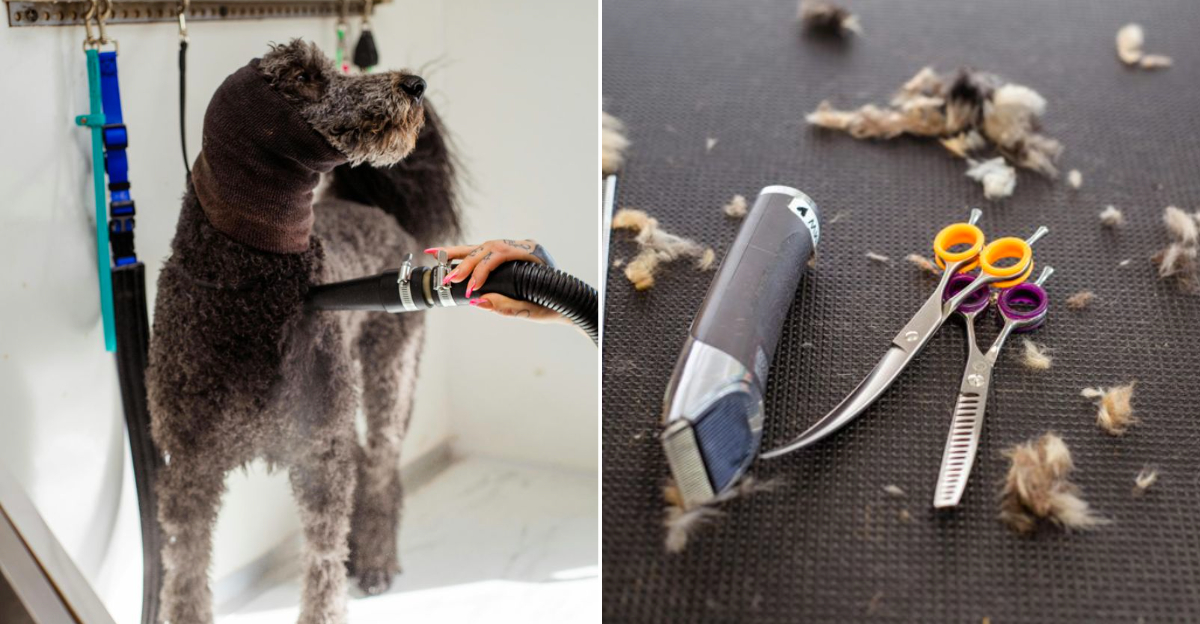
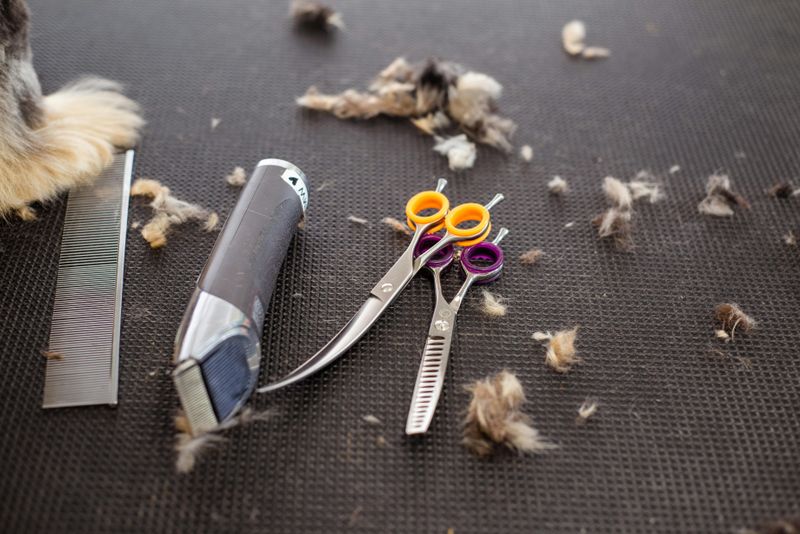
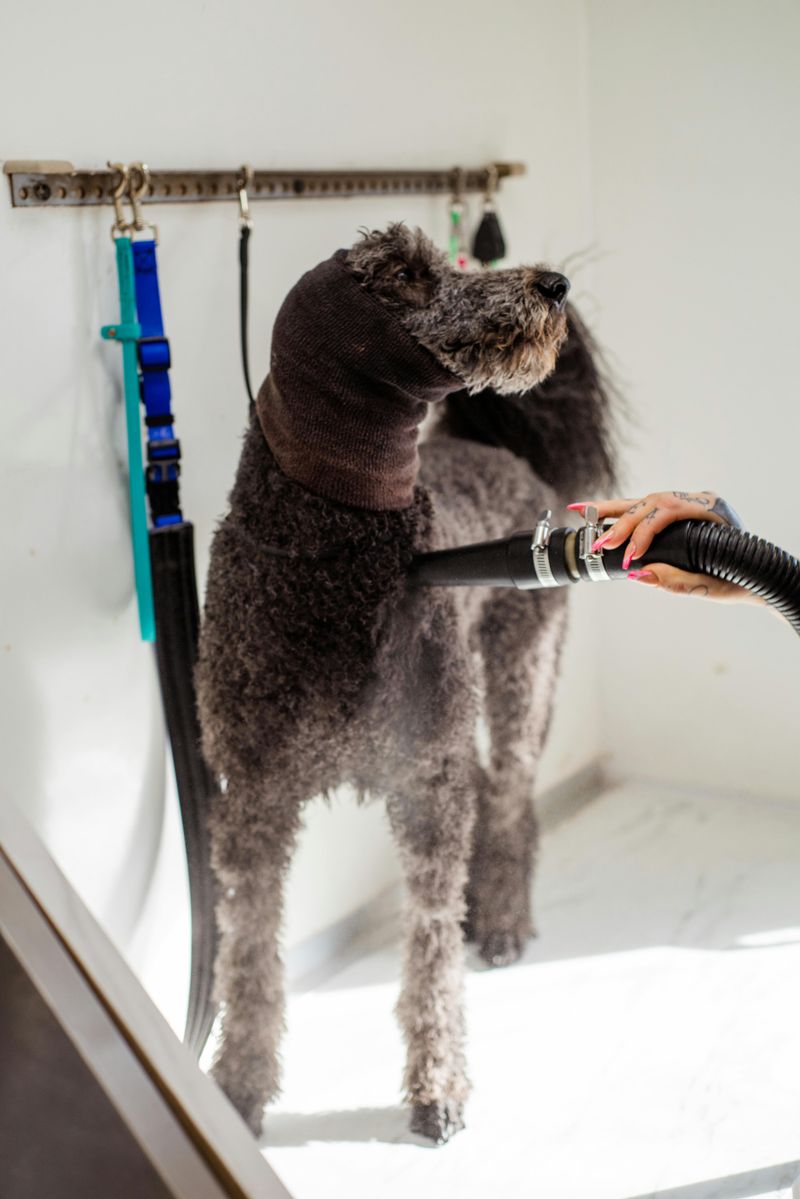
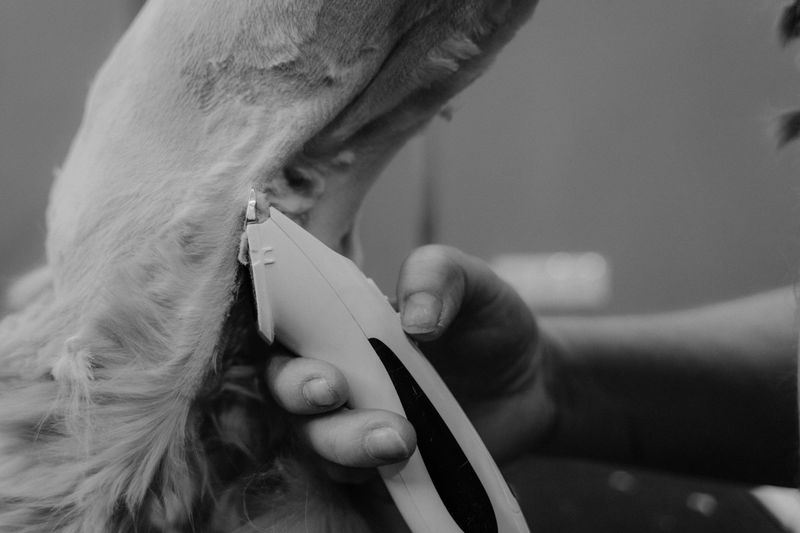
There are limited exceptions for fur or hair cut at a commercial groomer or veterinary clinic, or used for scientific research. A breach can also mean a $2,500 fine and a 15-year ban on owning or possessing a domestic dog or cat.
That is why sourcing and labeling matter for retailers, and why shoppers should stick with faux. Here is what the rule covers and how to avoid an expensive surprise today.
What Delaware Actually Bans In Stores
Here is the straight answer you were hoping someone would give you without the legal maze. Delaware bans the sale or trade of products that are made from dog or cat fur or hair, and that includes items containing those materials in any portion, not just entirely.
If a product has been made in whole or in part from dog or cat fur or hair, the rule says it is not allowed to be sold in stores or offered in a transaction.
That sounds simple, but it matters because some novelty accessories or imported trinkets might use mystery trim or soft accents you would not identify on sight. The state does not expect you to carry a lab kit, but it expects sellers to be careful about sourcing.
You as a shopper can ask questions, look for material labels, and remember that Delaware puts animal welfare and consumer clarity ahead of curiosity buys.
So what should you do when something feels off in the texture or labeling? You can walk away, ask the shop to contact their distributor, or flag it for management so they can check compliance.
Delaware takes a practical stance that keeps stores focused on reputable supply chains, and it keeps you from accidentally bringing home something you never wanted in the first place.
The Law Name And Where It Lives In The Code
If you want to see it in black and white, the rule lives in Delaware’s criminal code under offenses related to animals and commerce. The statute lays out that selling or offering dog or cat fur or hair products is off limits, and it breaks violations into degrees based on what part of the animal was used.
Knowing where the text sits in the code helps when you are talking to a store manager or writing a quick note to a vendor who needs a nudge.
You do not need to memorize section numbers to make good choices, but a quick search of the Delaware Code on official state sites will pull it up fast. The language is plain, direct, and designed so a regular shopper can understand the difference between fur or hair and flesh.
It is not wrapped in fancy terms that hide the ball.
If a retailer wants to train staff, they can print the relevant code page and keep it with their vendor policy. That way, when a questionable shipment arrives, the team can check the words and make a confident call.
Delaware likes when the rule is not a rumor but a posted reality that guides everyday decisions at the counter and in the stockroom.
Dog Or Cat Fur And Hair Products, The Basic Rule
The core rule is easier than it sounds when you first hear it tossed around in conversation. If a product is made from dog or cat fur or hair, you cannot sell it in Delaware, and you should not see it sitting quietly on a shelf with vague labeling.
That includes little accents, trims, pom details, or blended fibers that sneak into the design without a clear label.
Most mainstream items stick with synthetic or familiar natural fibers, and that makes life simple. Trouble happens when a brand tries something edgy, when an importer uses unusual materials, or when a tag goes missing.
Your best move is to read those tiny fiber descriptions, ask the clerk if a vendor sheet is on file, and trust your instincts if something is not adding up.
Delaware is not asking you to police every aisle, but it is giving you a standard you can lean on. If dog or cat fur or hair is present, the sale is a no go, and that holds even if the rest of the piece is fine.
When stores follow that standard, the shopping experience feels cleaner, kinder, and a lot less confusing for everyone.
The “Knowingly Or Recklessly” Part That Matters
This is the part that trips people up, and it is worth slowing down for because it drives how penalties work. Delaware looks at whether a person sells, or offers, dog or cat fur or hair products knowingly or recklessly, which covers both being aware and being willfully careless.
If someone shrugs off obvious red flags, that can count, and the law is written to discourage sloppy sourcing.
For shop owners, this means vendor vetting is not just a nice to have, it is your seat belt. Keep purchase orders, spec sheets, and materials confirmations, and set a simple rule that anything with fuzzy mystery content needs a hold tag until it is verified.
Staff training does not need to be intense, but it should be real, with examples and a quick checklist.
As a shopper, you are not on the hook for the backend paperwork, but you can recognize when a store is taking care. Stores that post material transparency feel different, and you can feel good about spending there.
Delaware wrote this knowing and reckless language to nudge everyone toward better habits that keep questionable goods out of regular circulation.
Fur Or Hair Versus Flesh, The Two Levels
Here is where the rule splits into levels that change the seriousness of a violation. Using or selling dog or cat fur or hair is one level, while selling an item made from the flesh of a dog or cat is treated more harshly.
Delaware separates these to reflect the gravity of the material involved and the harm behind it.
Most of what an everyday shopper might bump into would be the fur or hair question hidden in trims or novelty accessories. Flesh products are not something you typically see in a normal store, but the code still draws a bright line in case a wild import shows up.
It means law enforcement and regulators can respond with the right weight when they do.
If you are a retailer, the takeaway is simple but firm. Vet for fur or hair every time, and treat any hint of flesh content as an immediate stop and call.
Delaware wants a clean market where no one is normalizing dog or cat parts, and the two level structure makes it very clear what crosses the line and how badly.
What “Made In Whole Or In Part” Covers
This phrase is the quiet backbone of the rule, and it shuts the door on the loopholes you might expect. Made in whole or in part means even a small portion of dog or cat fur or hair makes the product off limits for sale in Delaware.
It does not matter if it is a tiny trim, a blended fiber, or a decorative tassel that only shows up on one edge.
That clarity helps buyers write strong vendor contracts with explicit no dog or cat content language. It lets floor staff hold an item when a label says mixed fiber without details and ask for documentation before restocking.
You are allowed to be curious, and you are also allowed to insist on answers, because the rule supports that kind of diligence.
From a shopper’s angle, the phrase keeps things simple. If a product raises questions about origin or fiber makeup, you can ask or pass, and you know the store should have your back.
Delaware uses that wording to keep gray areas from swallowing the rule, and it makes the shopping day easier than debating microscopic percentages at the counter.
How This Would Show Up In Real Shopping Moments
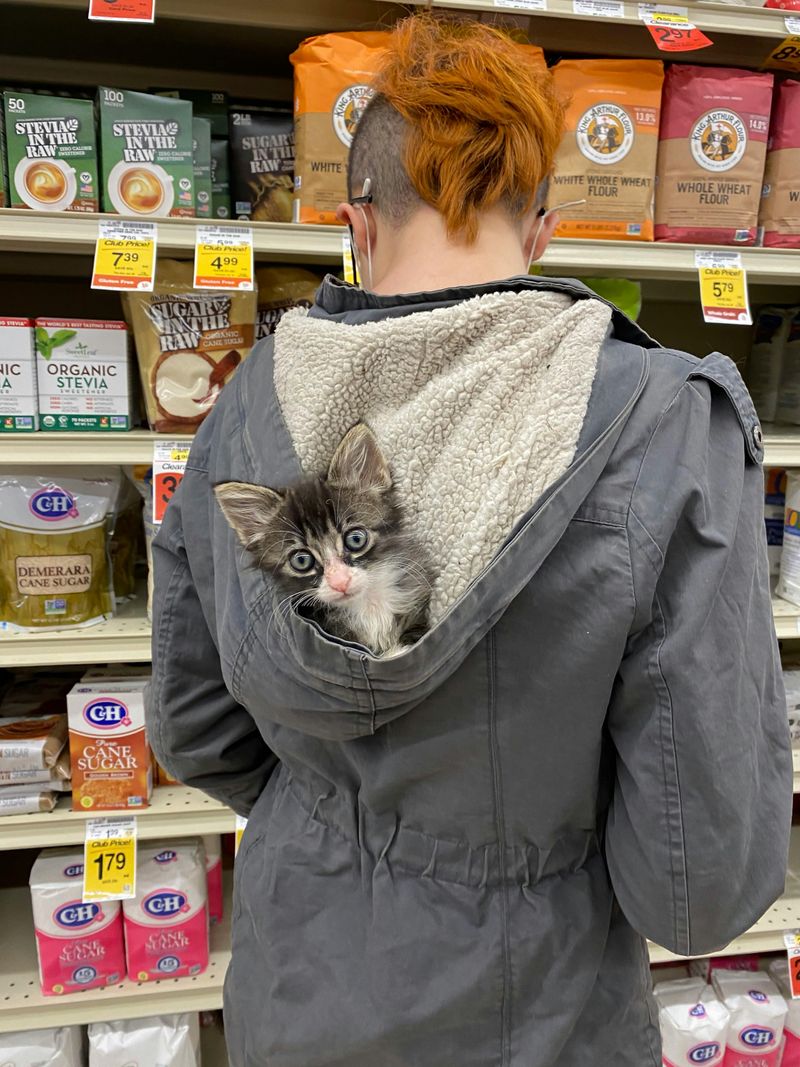
Picture standing in a cozy store near the Delaware beaches, checking out a rack of winter hats with fluffy poms. You feel the texture, flip the tag, and see a generic fiber list that dodges the origin of the trim, and that is when you ask the clerk for the vendor sheet.
A good shop will either produce the paperwork or pull the item until they can confirm it is not dog or cat content.
Another moment might be an online order getting returned to a Delaware storefront because the shipping invoice lists an unknown animal fiber. The staff will pause the sale, contact the distributor, and keep the piece off the floor.
You might hear a quick explanation that the state has a strict rule around dog and cat fur and hair, which is why they are double checking.
None of this has to be tense, and it often feels like any normal quality control moment. The rule just gives people language and confidence to make a humane call without guesswork.
In Delaware, the small actions add up to a marketplace where you trust what you touch and the labels match the story behind the product.
Quick Takeaway For Sellers, Buyers, And Gift Shoppers

If you want this in one breath, here it is, and it will serve you well on any store run in Delaware. Dog or cat fur or hair in any amount means the product cannot be sold, and flesh is a bigger, harsher category that no one wants to see.
Sellers need real sourcing files and a hold policy for mystery fibers, and buyers should not be shy about asking for clarity on tags.
Gift shoppers get the same simple rule, since cute never excuses unknown materials. If a label is vague, pick something else, and you will still have plenty of great options that feel good to give.
Stores love customers who care, because it keeps their standards visible and their shelves ready for surprise inspections.
At the end of the day, the Delaware approach is not meant to make shopping complicated. It just keeps the line bright so kindness and common sense lead the way.
You walk out with something you like, the store keeps a clean record, and the marketplace stays aligned with values most people already hold.
If You Are A Store Manager, Here Is Your Simple Playbook

Start with a vendor agreement that bans dog and cat materials outright, then back it up with a quick intake checklist at receiving. If a shipment includes anything fuzzy or oddly labeled, put it on hold, email the vendor for fiber documentation, and log the request.
When the paperwork confirms the material, you tag it accurately or send it back, and your floor stays clean without drama.
Train staff with real examples they can touch, like swatches and tags, so the standard feels practical. Give them a simple script that explains the Delaware rule to curious customers in a calm, friendly way.
Keep a printed copy of the relevant code nearby, because it helps when people want to see the exact language.
Do a quarterly sweep of the floor and the backroom with fresh eyes, since things drift over time. Invite vendors to update their spec sheets, and archive the old ones so your records tell a full story.
That rhythm makes inspections boring in the best way, and it shows your team that compliance is just part of running a thoughtful store.
Where To Double Check Materials When You Are Unsure

When a tag is vague and your curiosity kicks in, you have a few easy places to look without turning your day into a research project. Start with the official Delaware government website or the state code portal to confirm the wording, then hop to the brand site for material disclosures.
If the brand is thin on details, a quick email to customer service asking for fiber content by percentage usually gets a useful reply.
Local humane groups in Delaware sometimes keep resource pages that point to broader animal product standards. Retail associations may also publish compliance notes that translate legal phrases into store language.
None of these are a substitute for the statute, but they help you cut through the noise and feel confident.
If you hit a wall, ask the store to contact their distributor while you browse something else. Good teams appreciate the nudge, because it shows the standard matters to real people.
In Delaware, those small, polite checks keep the rule alive in daily life, and they make shopping feel collaborative rather than combative.
Why This Rule Fits The Way Delaware Shops And Lives
Spend a little time in Delaware, and you notice how community minded the shopping rhythm feels on a normal afternoon. Stores know their customers, buyers ask honest questions, and the whole scene runs on a quiet promise that things on the shelf match the values outside the door.
A clear ban on dog and cat fur or hair products slides right into that culture without drama.
It keeps the focus on well made goods with traceable materials and fewer weird surprises hidden in trim and novelty pieces. It also gives shop owners a friendly script they can use when a vendor pitches something questionable, which makes those conversations easier.
You feel that alignment when you step into a tidy boutique and see labeling that actually tells you something useful.
So if you are cruising through Delaware on a weekend errand run, keep this in your back pocket. Ask questions when a tag dodges details, and support the stores that answer cleanly.
The rule does not slow anyone down, it just steers the marketplace toward choices that feel humane, practical, and easy to stand behind.
Dear Reader: This page may contain affiliate links which may earn a commission if you click through and make a purchase. Our independent journalism is not influenced by any advertiser or commercial initiative unless it is clearly marked as sponsored content. As travel products change, please be sure to reconfirm all details and stay up to date with current events to ensure a safe and successful trip.
