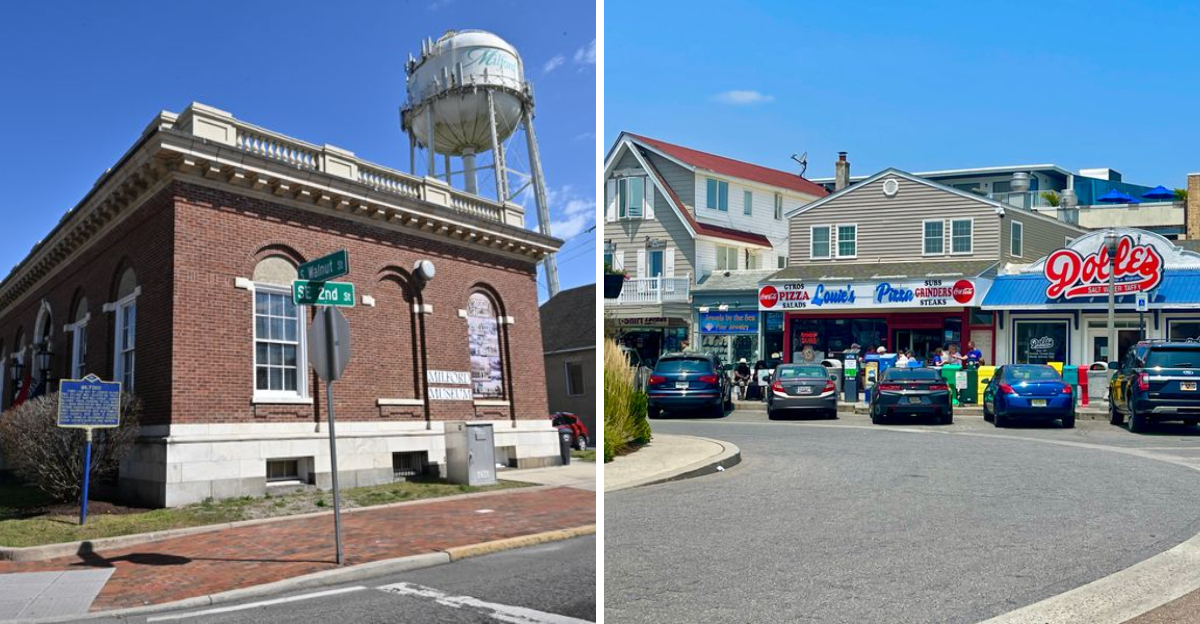
Delaware’s coastline once offered peaceful retreats where visitors could escape the noise of everyday life.
Over the years, word spread about these charming communities, and their quiet streets transformed into bustling destinations filled with tourists seeking beach access, historic charm, and coastal beauty.
What were once sleepy towns now buzz with activity during peak seasons, as restaurants overflow, boardwalks fill with crowds, and traffic clogs narrow roads.
The following nine small towns have experienced remarkable growth in tourism, forever changing their character from tranquil havens to vibrant, visitor-packed hotspots.
1. Bethany Beach
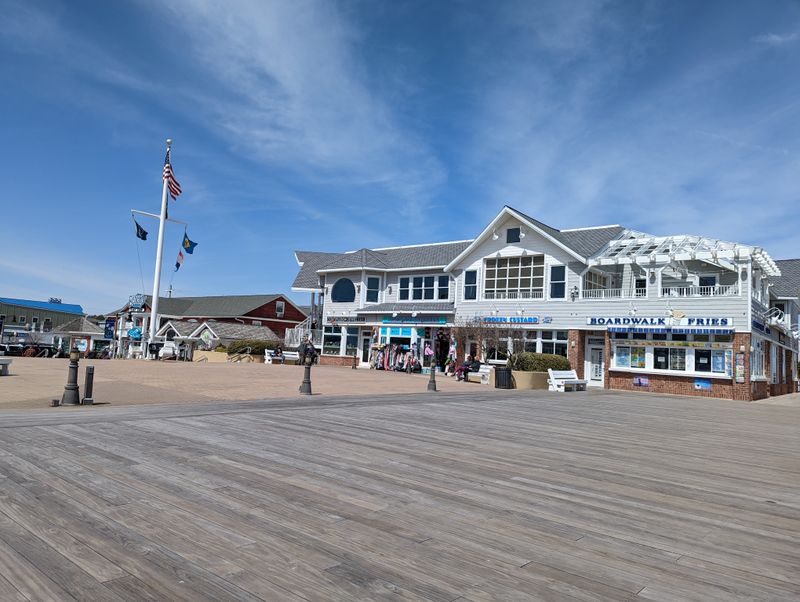
Once known proudly as ‘The Quiet Resort,’ Bethany Beach has experienced significant growth that challenges its traditional nickname.
Founded in 1901 by the Christian Missionary Society, the town maintained strict rules about Sunday activities and alcohol sales for decades.
While some of these traditions continue, the influx of visitors has brought noticeable changes to the community’s atmosphere.
The small boardwalk, though shorter than neighboring Rehoboth’s, now sees steady foot traffic throughout the summer season.
Families appreciate the town’s continued emphasis on wholesome entertainment, with free concerts, movie nights, and community events drawing large crowds.
Real estate development has accelerated in recent years, with vacation homes and condominiums replacing older cottages along the coastline.
Local restaurants that once served primarily residents now operate with tourist-focused menus and extended summer hours.
The Bethany Beach Boardwalk, rebuilt after storm damage, features modern amenities that attract more visitors than the rustic version it replaced.
Traffic along Route 1 and local streets becomes congested during peak weekends, creating delays that would have been unimaginable twenty years ago.
Despite the changes, town officials work to maintain the family-friendly character that distinguishes Bethany Beach from rowdier neighboring communities.
The absence of bars and nightclubs keeps the atmosphere calmer than other beach towns, though the sheer volume of visitors has altered the quiet nature the town once promised.
Long-time property owners notice the transformation most acutely, remembering when they could walk the beach without encountering crowds.
The town’s appeal continues to grow, ensuring that future summers will bring even more visitors seeking the family-oriented beach experience Bethany Beach provides.
2. Rehoboth Beach
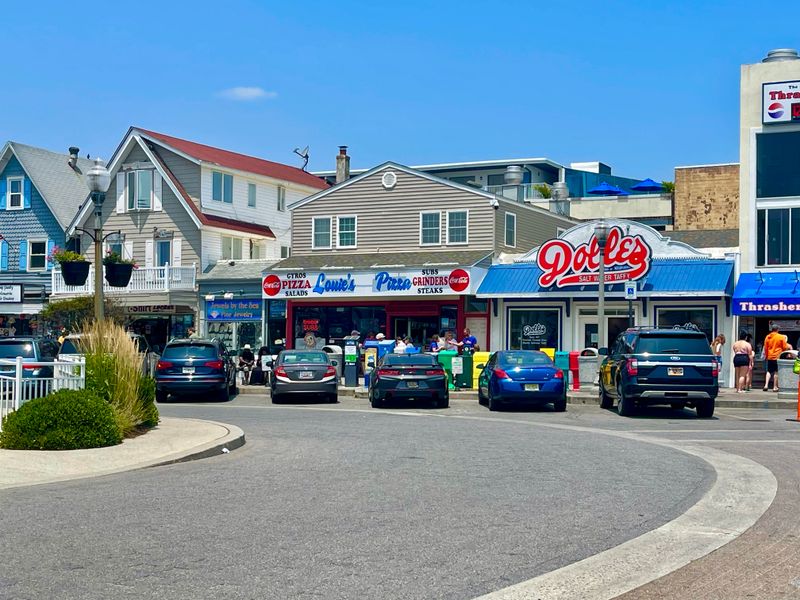
Nicknamed ‘The Nation’s Summer Capital,’ Rehoboth Beach has become one of Delaware’s most popular coastal destinations.
Its mile-long boardwalk attracts thousands of visitors each summer, transforming what was once a Methodist camp meeting ground into a lively resort town.
Families stroll past colorful storefronts selling saltwater taffy, beach gear, and souvenirs while the aroma of Thrasher’s French fries fills the salty air.
Restaurants and bars line Rehoboth Avenue, creating a vibrant nightlife scene that extends well past sunset.
The town’s proximity to Washington, D.C., makes it a convenient weekend escape for city dwellers seeking ocean breezes and sandy beaches.
During peak season, finding parking becomes a challenge as beachgoers arrive early to claim their spots on the crowded sand.
Local shops now cater almost exclusively to tourists, with boutiques, art galleries, and ice cream parlors replacing many of the original businesses that served year-round residents.
The once-quiet streets now hum with activity from Memorial Day through Labor Day, as visitors fill hotels, vacation rentals, and bed-and-breakfasts.
Even the off-season brings steady crowds, particularly during special events and holiday weekends.
Despite the transformation, Rehoboth Beach maintains its charm through historic architecture and a strong sense of community pride.
The town balances its tourism economy with efforts to preserve its character, though the peaceful atmosphere of decades past has given way to constant motion.
Visitors who remember the quieter days notice the difference immediately, as the population swells from around 1,500 year-round residents to tens of thousands during summer months.
The beach itself remains beautiful, but solitude has become nearly impossible to find.
3. South Bethany
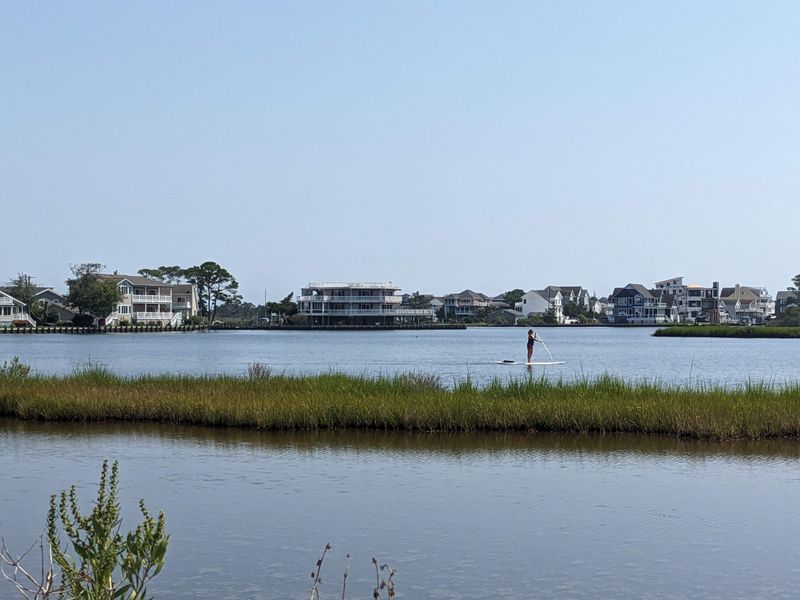
Adjacent to its busier neighbor, South Bethany developed as a residential beach community intended for those seeking tranquility.
The town incorporated in 1966 with the specific goal of maintaining a quiet, family-oriented atmosphere away from commercial development.
For years, this vision succeeded, with strict zoning laws preventing businesses from opening within town limits.
However, the spillover effect from neighboring Bethany Beach and Fenwick Island has brought increased traffic and visitor interest to South Bethany’s shores.
Vacation rental properties have proliferated throughout the small town, bringing a constant rotation of new faces to the previously close-knit community.
The beach access points, once used primarily by property owners, now see regular use from visitors staying in nearby rental homes.
While South Bethany still lacks the commercial development of other beach towns, its quiet streets now experience seasonal congestion from beachgoers seeking parking and beach access.
The town’s canal system, originally designed for drainage and water access, has become a popular feature for kayaking and paddleboarding, attracting water sports enthusiasts.
Property values have risen dramatically as demand for Delaware beach access has increased, pricing out some long-time residents and changing the community’s demographic composition.
Summer weekends bring noticeable increases in noise, traffic, and beach crowds, though South Bethany remains quieter than most Delaware coastal communities.
Town officials face ongoing challenges balancing residential character with the economic benefits tourism brings to neighboring areas.
The transformation from sleepy beach community to bustling seasonal destination continues gradually, as more visitors discover South Bethany’s appeal.
Residents who chose the town for its peaceful nature now find themselves sharing their beaches with growing numbers of tourists each year.
4. Fenwick Island
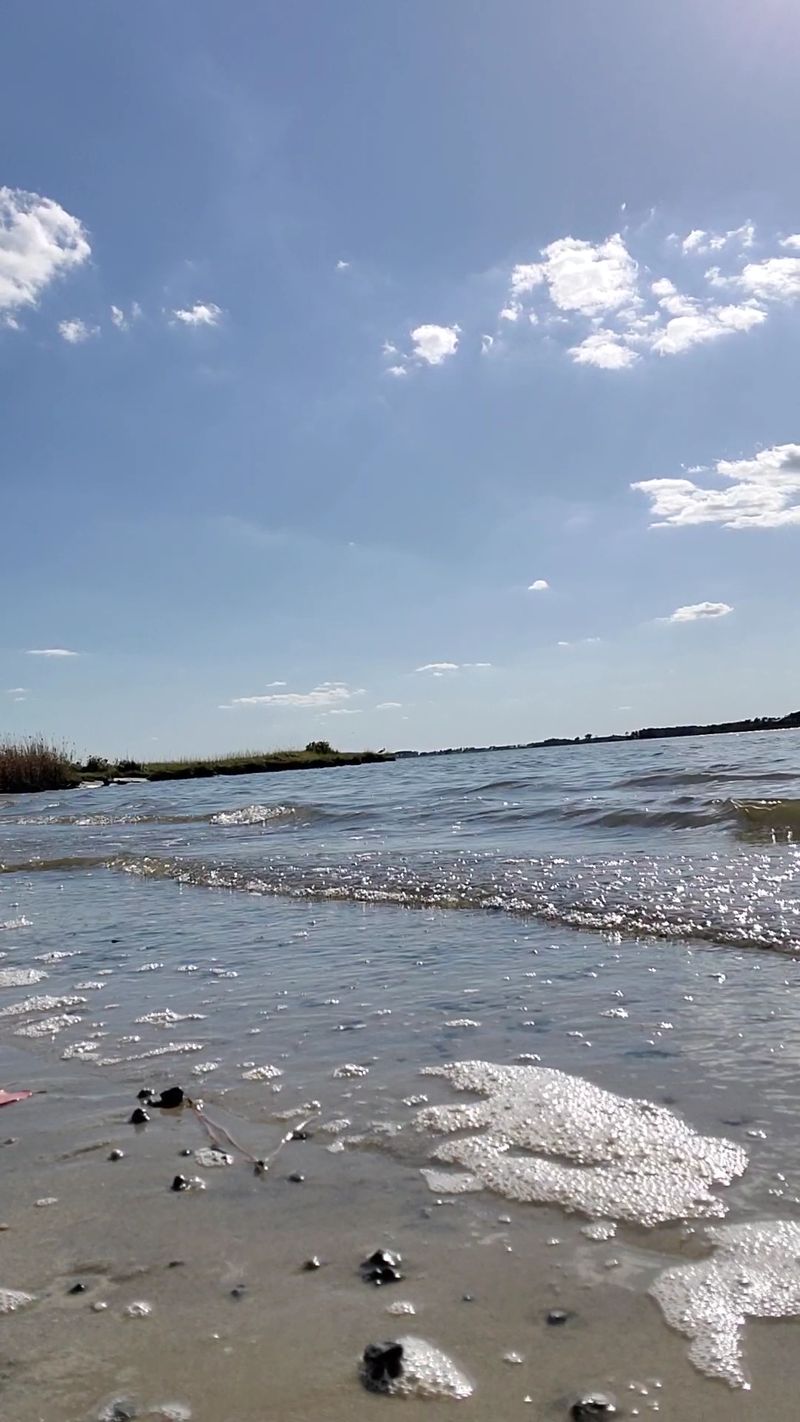
Straddling the Delaware-Maryland border, Fenwick Island has transformed from a secluded barrier island into a popular beach destination.
The historic Fenwick Island Lighthouse, built in 1858, once stood in relative isolation but now overlooks a developed resort community.
Route 1 runs through the center of town, lined with hotels, restaurants, mini-golf courses, and beach shops catering to the tourist trade.
The transformation accelerated in the late 20th century as developers recognized the island’s potential and began constructing high-rise condominiums along the oceanfront.
What was once a quiet fishing and farming community now experiences summer traffic jams and crowded beaches throughout the peak season.
The town’s small size means that even modest increases in visitor numbers create noticeable impacts on infrastructure and daily life.
Local beaches, once the domain of a few hundred residents, now host thousands of visitors on summer weekends.
The commercial corridor along Route 1 buzzes with activity as tourists shop for beach gear, grab meals at seafood restaurants, and seek entertainment at amusement attractions.
Fenwick Island’s proximity to Ocean City, Maryland, brings additional traffic as visitors travel between the two destinations.
Real estate development continues as developers maximize the limited available land, creating a more urban feel along the narrow barrier island.
Long-time residents remember when the island felt isolated and peaceful, accessible only by boat or a single bridge.
Now, the constant flow of vehicles and visitors has fundamentally altered the island’s character.
Despite the changes, the natural beauty of the Atlantic coastline remains, though finding a quiet spot to enjoy it has become increasingly difficult during tourist season.
5. Lewes
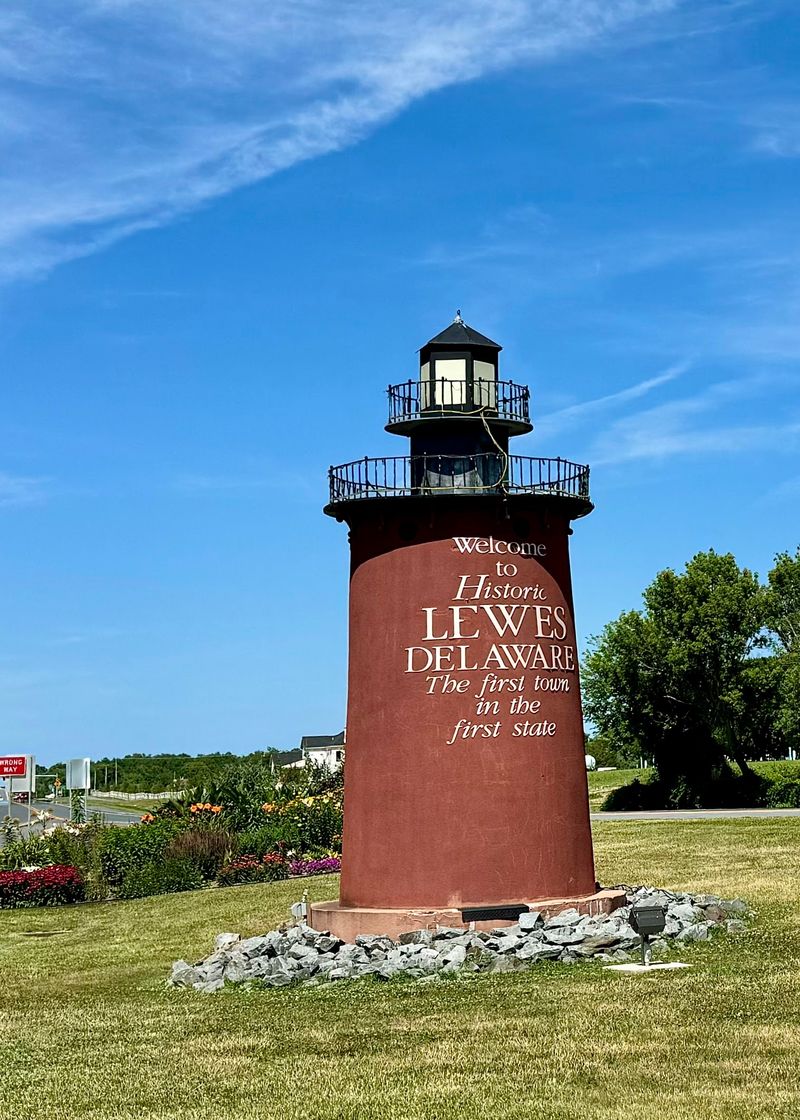
Delaware’s oldest town, Lewes traces its history to 1631 when Dutch settlers established Zwaanendael.
For centuries, this historic community maintained a quiet maritime character, with fishing boats and local commerce defining daily life.
The arrival of the Cape May-Lewes Ferry in 1964 marked the beginning of significant changes, as the terminal brought a steady stream of visitors passing through town.
Many ferry passengers, charmed by Lewes’ historic architecture and waterfront location, began returning as tourists rather than simply passing through.
The town’s historic district, featuring homes dating to the 18th and 19th centuries, attracts history enthusiasts and architecture lovers.
Second Street, the main commercial corridor, has evolved from a street serving local needs to a tourist-focused shopping and dining destination.
Art galleries, boutiques, and upscale restaurants have replaced hardware stores and other businesses that once catered to year-round residents.
The Lewes beaches, particularly at Cape Henlopen State Park, draw crowds seeking alternatives to the busier resort beaches further south.
Summer weekends bring traffic congestion unusual for a town of fewer than 3,500 permanent residents.
The historic Cannonball House and other museums see steady visitation, while harbor tours and water activities attract outdoor enthusiasts.
Real estate prices have soared as demand for historic homes and waterfront properties has increased, changing the town’s demographic composition.
Long-time residents appreciate the economic benefits tourism brings but miss the quiet, close-knit community atmosphere that once defined Lewes.
The transformation continues as more visitors discover this charming town’s appeal, ensuring that future summers will bring even larger crowds to its historic streets and scenic waterfront.
6. Milford

Situated along the Mispillion River, Milford served for generations as a quiet agricultural and manufacturing center.
The town’s historic downtown featured local businesses serving residents rather than tourists, with shipbuilding and farming driving the economy.
In recent decades, community revitalization efforts have transformed Milford into an emerging tourist destination.
The restored Riverwalk attracts visitors seeking scenic views and outdoor recreation along the water’s edge.
Historic downtown buildings now house antique shops, art galleries, and restaurants that draw visitors from across the region.
The Milford Museum preserves local history, while the restored Vinyard Shipyard showcases the town’s maritime heritage.
Annual events like the Ladybug Music Festival and the Riverwalk Freedom Festival bring thousands of visitors to this town of about 11,000 residents.
What was once a place where locals shopped and conducted business has become a destination for day-trippers and weekend visitors.
The town’s location between Delaware’s beaches and its inland attractions makes it a convenient stopping point for travelers.
New restaurants and breweries have opened to serve the growing visitor market, changing the dining landscape significantly.
Real estate development has accelerated, with new residential communities attracting residents who work remotely or commute to larger cities.
This population growth has brought additional commercial development and increased activity throughout the town.
Long-time residents notice the transformation most during special events, when parking becomes scarce and streets fill with unfamiliar faces.
The economic benefits of tourism have helped revitalize downtown, though some miss the quieter atmosphere that once characterized this river town.
7. Middletown
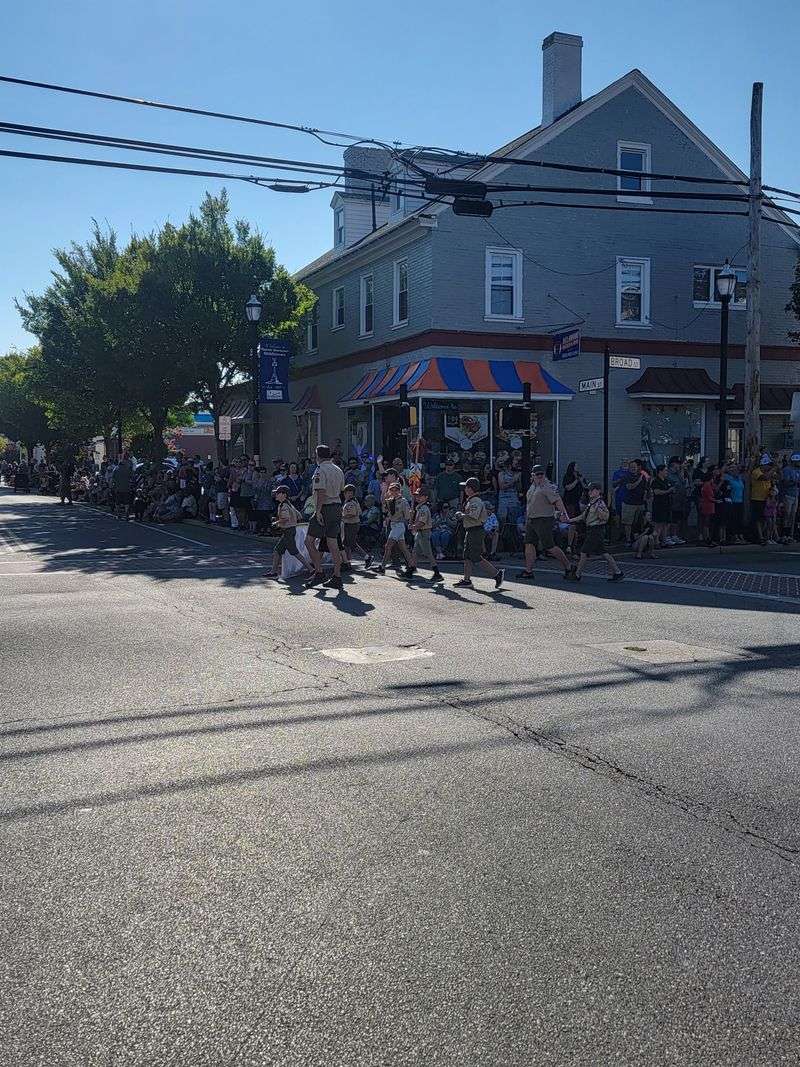
Middletown’s transformation represents one of Delaware’s most dramatic small-town changes.
For most of its history, this agricultural community featured farmland, a small historic downtown, and a population that barely exceeded 3,500 residents.
The construction of Route 1 and improved transportation connections to Wilmington and Philadelphia sparked explosive growth beginning in the 1990s.
Large residential developments replaced farms and open spaces, bringing tens of thousands of new residents to the area.
The population now exceeds 22,000, fundamentally altering the town’s character from rural community to suburban center.
Main Street, once a quiet corridor with a few local businesses, has been revitalized with new shops, restaurants, and entertainment venues.
The historic district maintains some connection to the past, but the surrounding development has created an entirely different community.
Visitors now come to Middletown for shopping, dining, and events rather than passing through on their way elsewhere.
The Appoquinimink River still flows through town, but residential neighborhoods now line its banks where farms once stood.
Traffic on Route 301 and local roads has increased dramatically, creating congestion during peak hours that would have been unimaginable twenty years ago.
New schools, shopping centers, and recreational facilities serve the growing population, creating an infrastructure more typical of a small city than a rural town.
Long-time residents struggle to recognize the community they once knew, as familiar landmarks disappear beneath new construction.
The transformation continues, with additional residential and commercial development planned for coming years.
While growth has brought economic opportunity, it has completely erased the quiet, agricultural character that once defined Middletown’s identity.
8. Delaware City

Perched along the Delaware River, Delaware City was founded in 1826 as the eastern terminus of the Chesapeake and Delaware Canal.
The town thrived during the canal’s early years but declined as shipping patterns changed and larger ports drew commerce away.
For much of the 20th century, Delaware City remained a quiet backwater, its Victorian homes and historic streets largely overlooked by tourists.
Recent decades have brought rediscovery, as visitors seeking historic charm and waterfront views have found this small community of fewer than 2,000 residents.
Battery Park, offering views of passing ships and the Delaware River, attracts picnickers and photographers throughout warmer months.
The historic district features beautifully preserved 19th-century architecture, with many homes now operating as bed-and-breakfasts catering to tourists.
Clinton Street, the main commercial corridor, has seen new restaurants and shops open to serve the growing visitor market.
Fort Delaware State Park, located on nearby Pea Patch Island, brings history enthusiasts who often extend their visits to explore Delaware City proper.
The Delaware City Branch Canal offers kayaking and nature observation opportunities, adding to the town’s appeal for outdoor recreation seekers.
Summer weekends now bring noticeable increases in traffic and visitors, particularly during special events and festivals.
The annual Delaware City Day celebration draws crowds that would have seemed impossible when the town was struggling economically.
Real estate values have risen as buyers recognize the town’s historic character and convenient location between Wilmington and the beaches.
Long-time residents appreciate the economic revitalization but note that the quiet, forgotten atmosphere that once characterized Delaware City has largely disappeared as tourism has increased.
9. Hockessin
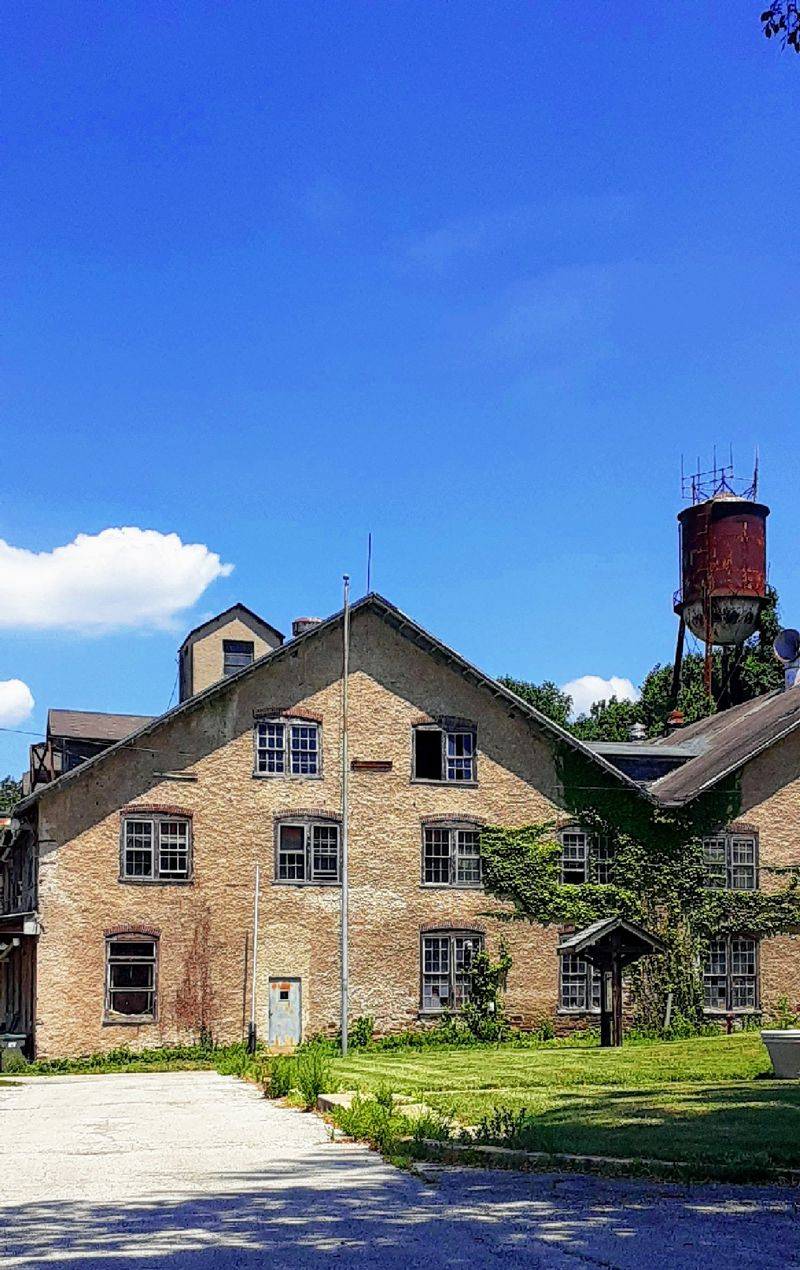
Located in northern Delaware near the Pennsylvania border, Hockessin developed as an agricultural community with a strong Quaker heritage.
For generations, this unincorporated community maintained its rural character, with farms, wooded areas, and a small commercial center serving local needs.
Proximity to Wilmington and easy access to Interstate 95 have brought significant changes in recent decades.
The community has grown substantially as suburban development has spread northward from Delaware’s largest city.
What was once a quiet crossroads has become a destination for dining, shopping, and outdoor recreation.
The Hockessin area now features numerous restaurants ranging from casual cafes to upscale dining establishments, attracting food enthusiasts from across the region.
Ashland Nature Center and other preserved natural areas draw hikers, birdwatchers, and nature lovers seeking escape from urban environments.
The community’s reputation for excellent schools has attracted families, further increasing population and development pressure.
Local shopping centers and businesses now cater to both residents and visitors, with weekends bringing noticeable increases in traffic and activity.
The Hockessin Memorial Hall serves as a community gathering place, hosting events that now attract attendees from well beyond the immediate area.
Farm stands and orchards that once served primarily neighbors now advertise to draw customers from throughout northern Delaware.
Traffic along Route 41 and other main roads has increased dramatically, creating congestion during peak hours.
Long-time residents remember when Hockessin felt truly rural, with open spaces and quiet roads defining the community’s character.
The transformation continues as remaining farmland faces development pressure and the community becomes increasingly integrated into the greater Wilmington metropolitan area.
Dear Reader: This page may contain affiliate links which may earn a commission if you click through and make a purchase. Our independent journalism is not influenced by any advertiser or commercial initiative unless it is clearly marked as sponsored content. As travel products change, please be sure to reconfirm all details and stay up to date with current events to ensure a safe and successful trip.
