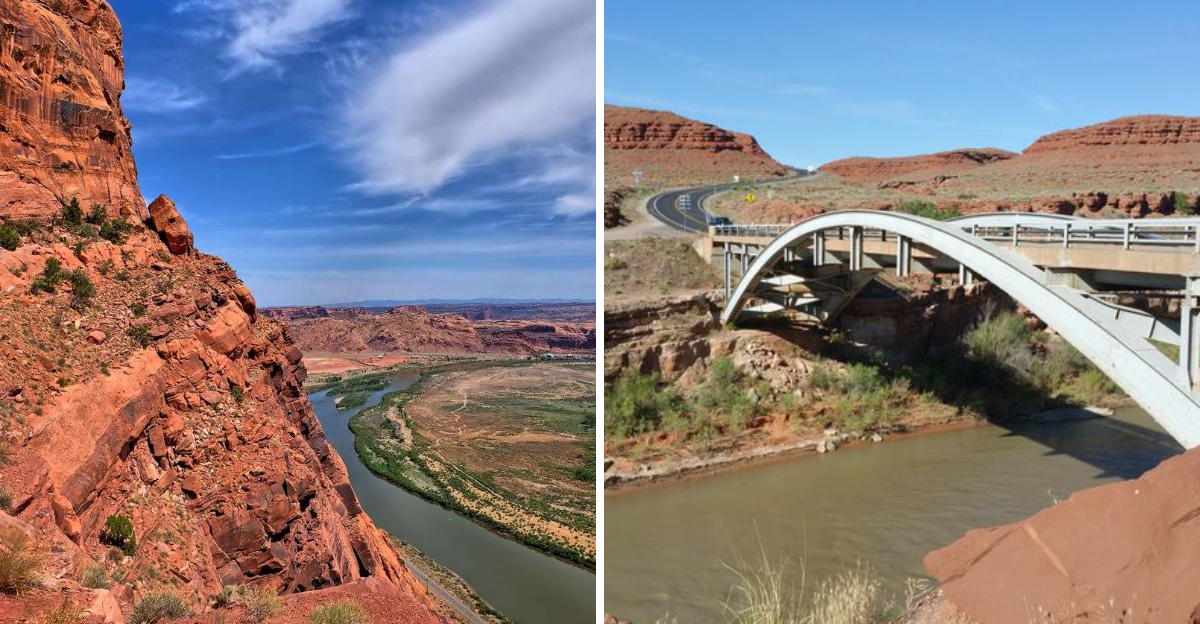
Utah’s desert canyon towns offer a glimpse into communities where nature isn’t just a backdrop, it’s the foundation of daily life.
Massive red cliffs tower above main streets, ancient rock formations frame neighborhood views, and entire towns nestle into river valleys carved over millions of years.
These settlements weren’t built despite the dramatic terrain, they were built because of it, with residents and visitors alike drawn to landscapes that feel almost otherworldly.
From gateway communities serving national parks to remote outposts surrounded by slot canyons and sandstone buttes, each town has adapted to its environment in unique ways.
Walking through these places means experiencing architecture that respects the geology, roads that wind around natural obstacles, and a pace of life influenced by the vast desert expanses.
Whether you’re an adventurer seeking trailheads or simply someone who appreciates stunning scenery, these towns provide both access and inspiration.
The connection between human settlement and geological wonder creates something special in this corner of the American Southwest.
1. Springdale
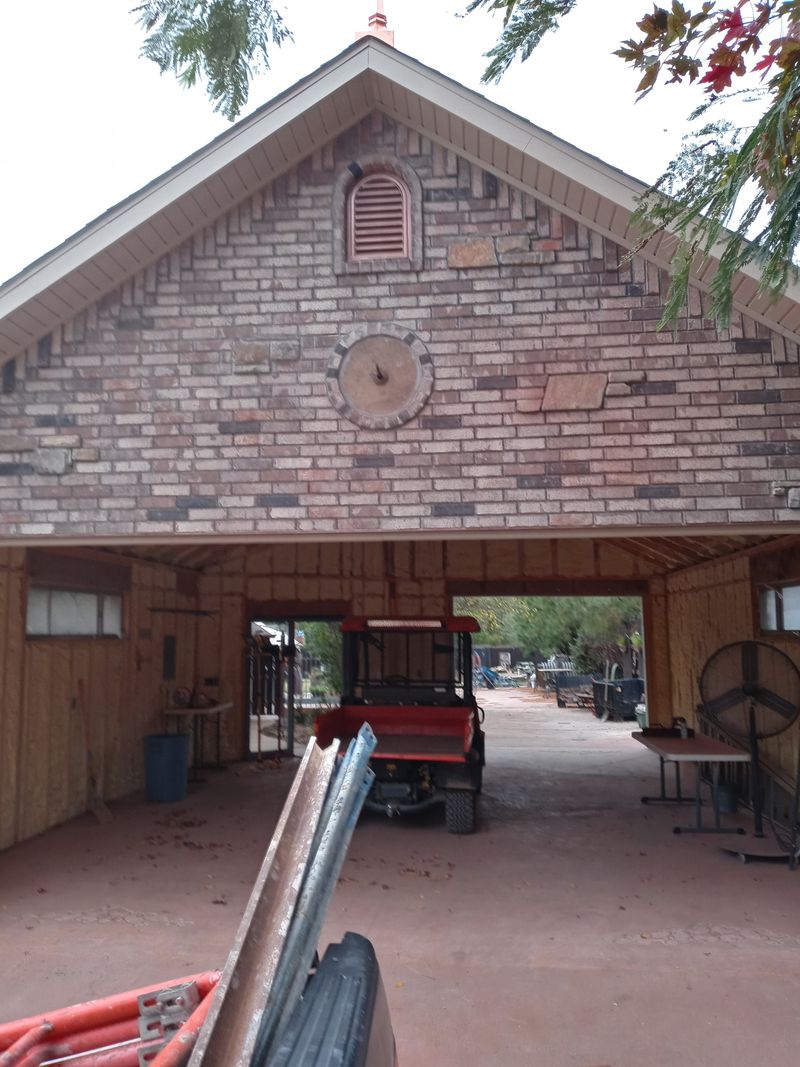
Springdale serves as the primary entry point for one of Utah’s most visited natural treasures.
Towering sandstone cliffs in shades of crimson and cream rise thousands of feet above the town’s streets, creating an amphitheater effect that makes every glance upward breathtaking.
The community has grown organically around the park entrance, with lodges, shops, and restaurants all designed to complement rather than compete with the geological spectacle.
Visitors find themselves surrounded by the same formations that attract millions to the park itself.
Local architecture tends toward earth tones and modest heights, ensuring nothing blocks the views of the canyon walls.
The Virgin River runs through both the town and the park, providing a ribbon of green vegetation that contrasts beautifully with the desert rock.
Walking along the main road means constantly craning your neck to take in cliff faces that glow orange at sunset.
Shuttle buses connect the town to trailheads, reducing traffic while maintaining access to wilderness.
Springdale has become a model for how gateway communities can thrive without overwhelming the natural features that draw people there.
Address: Springdale, UT 84767
2. Kanab
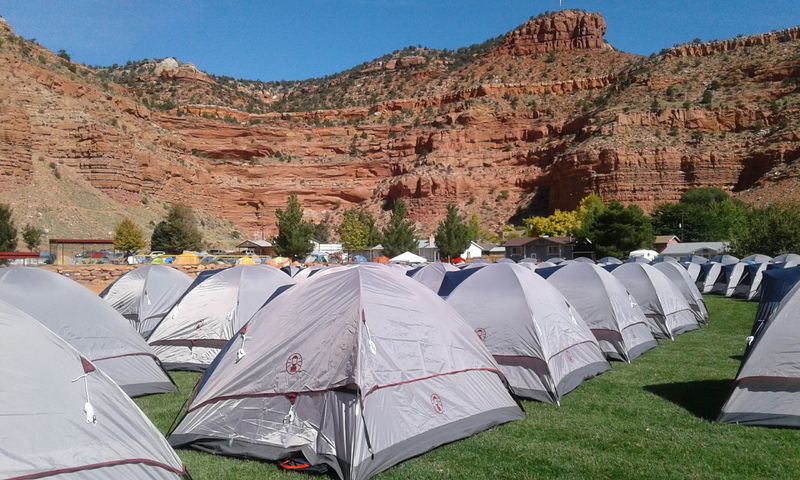
Film crews discovered this location generations ago, recognizing landscapes that could double for anywhere in the Old West.
Kanab sits at a crossroads where multiple geological features converge, from pink sand dunes to deep slot canyons.
The town itself maintains a vintage Western character, with wide streets and buildings that echo frontier architecture.
Surrounding terrain includes some of the most photographed formations in the region, though many remain relatively unknown to casual tourists.
Coral pink sands create dunes that seem transported from another planet, while nearby canyons like Peekaboo offer technical challenges for experienced hikers.
Local businesses cater to both film production needs and outdoor recreation, creating an economy built entirely around the dramatic scenery.
The town serves as a base camp for exploring multiple protected areas, each within easy driving distance.
Kanab’s integration with its environment goes beyond tourism, residents have long understood that preserving the landscape preserves their livelihood.
Historic movie posters line some establishments, reminding visitors of the countless productions filmed against these backdrops.
Address: Kanab, UT 84741
3. Torrey
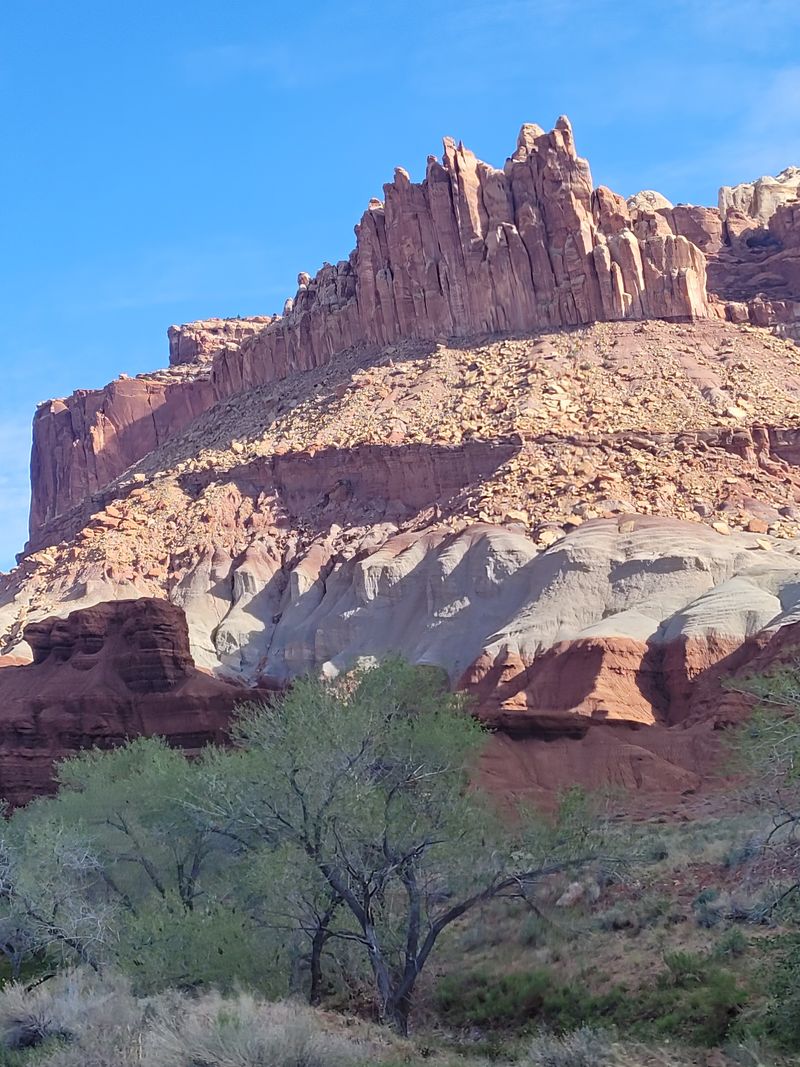
Capitol Reef National Park draws adventurers to this quiet community where fruit trees line residential streets.
Torrey offers an unexpected combination of lush greenery against a backdrop of rust colored cliffs and domes.
The contrast between cultivated gardens and wild desert creates a visual tension that defines the town’s character.
Historic orchards planted by early settlers still produce fruit, adding seasonal color and fragrance to the high desert air.
Red rock formations visible from virtually every vantage point remind residents and visitors alike that this is canyon country.
The town maintains a slower pace than some of Utah’s busier tourist destinations, appealing to those seeking quieter exploration.
Local establishments reflect the agricultural heritage while serving modern travelers heading into the national park.
Panoramic views stretch for miles, with layered cliffs revealing millions of years of geological history in their striations.
Torrey’s position along a scenic byway makes it a natural stopping point for road trippers traversing the state’s most beautiful routes.
The integration of human settlement with dramatic geology feels particularly balanced here, neither overwhelming the other.
Address: Torrey, UT 84775
4. Moab
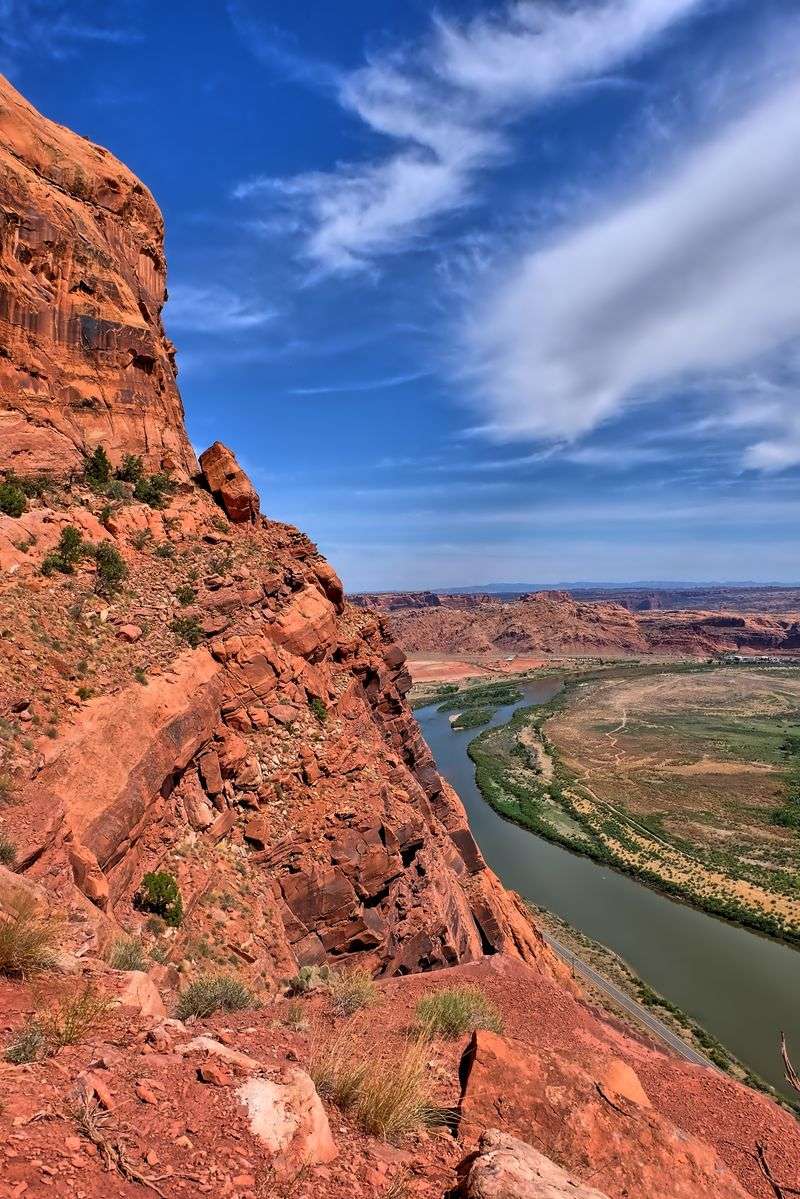
Outdoor enthusiasts flock to this adventure capital where two iconic national parks lie within short drives.
Moab has transformed from a quiet mining town into an international destination for rock climbing, mountain biking, and canyoneering.
The surrounding terrain features some of the most recognizable formations in the American Southwest, from delicate arches to vast canyon systems.
Downtown streets bustle with gear shops, guide services, and eateries catering to adventurers fresh from the trails.
The town sits in a valley along the Colorado River, with towering sandstone walls rising on all sides.
This geography creates a natural bowl that concentrates both heat and stunning views.
Local culture revolves entirely around outdoor recreation, with trail conditions and weather patterns dominating conversations.
Moab’s growth has been carefully managed to maintain access to wilderness while accommodating increasing visitor numbers.
The relationship between town and landscape is symbiotic, each defining and supporting the other.
Sunset paints the surrounding cliffs in shades of orange and purple, a daily spectacle visible from hotel rooms and campgrounds alike.
Address: Moab, UT 84532
5. Bluff
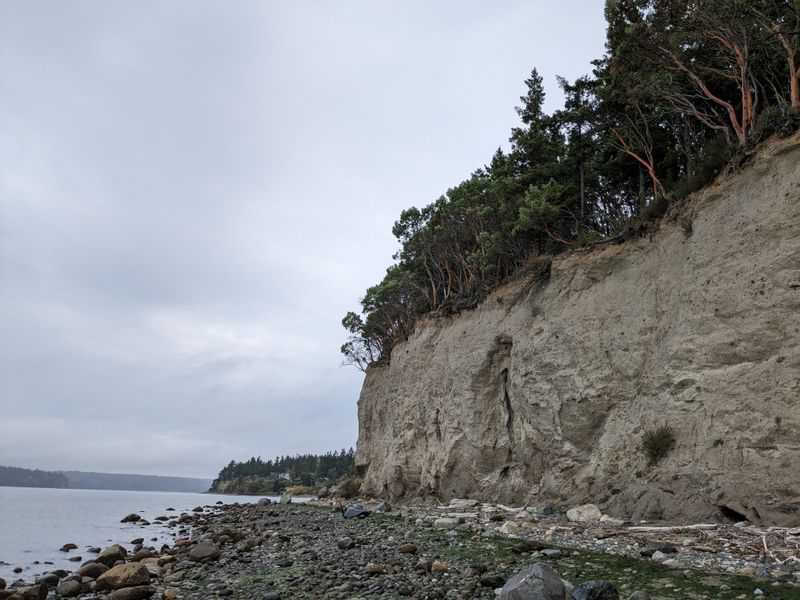
Ancient cultures left their mark throughout this river valley, where rock formations create a protective corridor.
Bluff nestles along the San Juan River, with vertical cliffs rising dramatically from the water’s edge.
The town’s layout follows the natural contours of the canyon, roads winding between cottonwood groves and sandstone outcrops.
Native American heritage remains visible in nearby petroglyphs and ruins, connecting present day visitors to millennia of human habitation.
The river provides a lifeline of green vegetation cutting through otherwise arid terrain, supporting wildlife and agriculture.
Local architecture reflects both pioneer settlement patterns and respect for indigenous history.
Rock formations tower over the small business district, their layered faces telling geological stories spanning eons.
Bluff serves as a launching point for river expeditions and backcountry explorations into surrounding canyon systems.
The town maintains a strong sense of place, with residents deeply connected to both landscape and cultural heritage.
Views from residential streets include some of the most photogenic cliff faces in southern Utah.
Address: Bluff, UT 84512
6. Hanksville
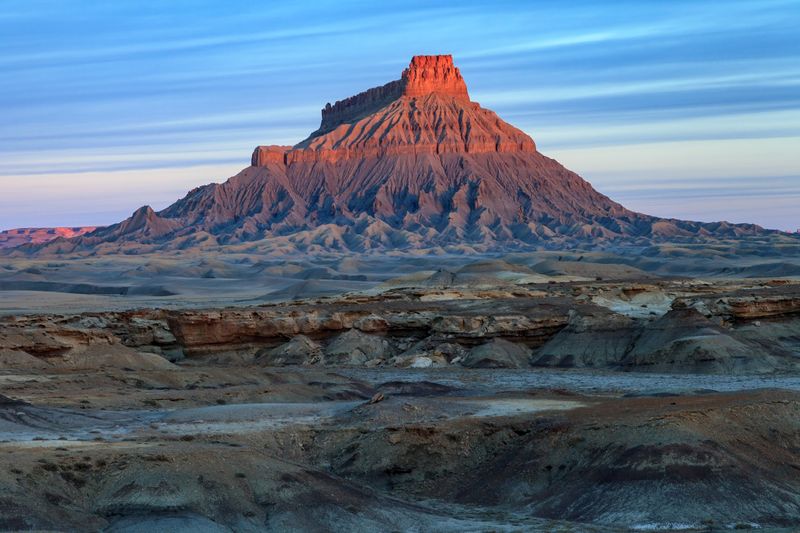
Few places feel as remote as this outpost surrounded by terrain that resembles another planet.
Hanksville sits at the edge of some of Utah’s most extreme desert landscapes, where erosion has carved bizarre formations from ancient stone.
The nearby state park features goblin shaped hoodoos that attract photographers and geologists alike.
Distances here are measured in vast expanses, with the nearest larger towns requiring significant drives across empty highways.
The Colorado Plateau stretches in all directions, its layers of sedimentary rock exposed by millions of years of weathering.
This isolation creates a frontier atmosphere, where self sufficiency remains more than just a romantic notion.
Local services cater primarily to adventurers heading into the backcountry or scientists studying the unique geology.
The landscape’s resemblance to Mars has attracted researchers testing equipment and techniques for potential extraterrestrial exploration.
Hanksville’s integration with its environment is perhaps the most complete on this list, the town exists because of and entirely within the desert.
Sunsets here paint the already colorful rock formations in even more dramatic hues.
Address: Hanksville, UT 84734
7. Orderville
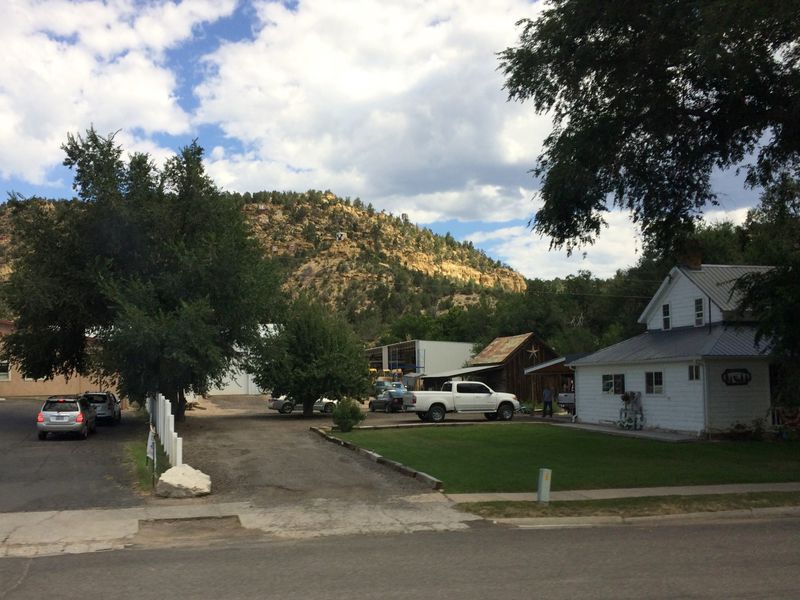
Historic roots run deep in this community where cooperative living once defined daily existence.
Orderville sits surrounded by sandstone formations displaying every shade from cream to deep crimson.
The town’s compact layout reflects its communal origins, with buildings clustered together against the expansive desert landscape.
Nearby slot canyons like Red Hollow offer technical challenges for experienced adventurers willing to navigate narrow passages.
Vivid rock layers visible from town reveal the area’s complex geological past, each stratum representing different environmental conditions.
Local culture maintains connections to pioneer heritage while adapting to modern tourism pressures.
The town serves as a quieter alternative to busier gateway communities, appealing to visitors seeking authentic small town atmosphere.
Sandstone cliffs provide dramatic backdrops for everyday activities, from morning walks to evening gatherings.
Orderville’s position along major routes to national parks makes it a convenient base for multi day explorations.
The integration of human settlement with natural features feels organic here, as if the town grew from the landscape itself.
Address: Orderville, UT 84758
8. Mexican Hat
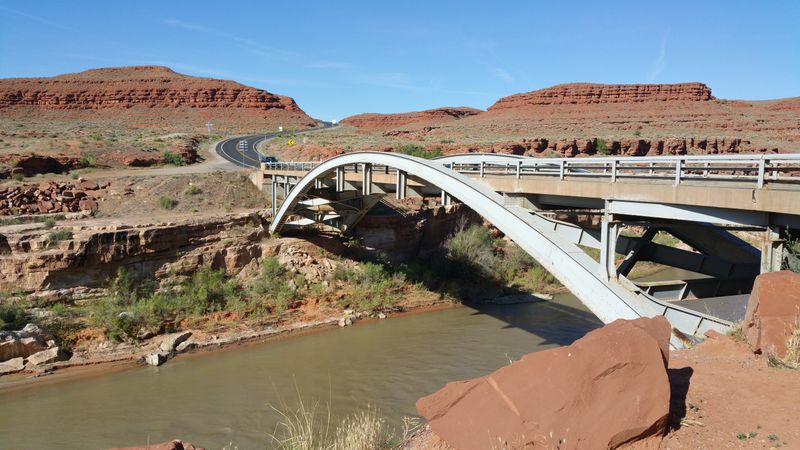
A single distinctive rock formation gave this tiny community its memorable name.
The balanced stone resembling a sombrero has become an iconic landmark, visible from the highway and symbolizing the entire region.
Mexican Hat serves primarily as a waypoint for travelers heading to Monument Valley, where massive buttes rise from flat desert floors.
The town itself consists of just a handful of buildings, all dwarfed by the surrounding geological monuments.
Views from this location include some of the most photographed landscapes in North America, though the town remains relatively undeveloped.
The San Juan River flows nearby, providing recreational opportunities and supporting riparian vegetation in otherwise barren terrain.
Local businesses cater to tourists passing through, offering last minute supplies and information about nearby attractions.
Mexican Hat’s small size means the natural environment dominates every vista, with human structures barely registering against the scale of the buttes.
The town represents perhaps the most minimal development on this list, existing almost entirely in service to the landscape rather than despite it.
Address: Mexican Hat, UT 84531
9. Escalante
Slot canyon enthusiasts consider this town their spiritual home, gateway to some of the Southwest’s most technical terrain.
Escalante sits along one of America’s most scenic highways, with jaw dropping vistas appearing around every curve.
The surrounding monument protects vast wilderness areas where narrow canyons twist through colorful sandstone.
Local outfitters provide gear and guidance for adventures ranging from day hikes to multi week expeditions.
The town itself maintains a frontier character, with services focused on supporting backcountry exploration rather than resort style tourism.
Grand Staircase Escalante National Monument begins practically at the town’s edge, offering immediate access to protected lands.
Dramatic canyon systems visible from nearby viewpoints hint at the complex geology hidden in the backcountry.
Escalante’s economy depends entirely on the landscape, with tourism and outdoor recreation driving virtually all business activity.
The town serves as a gathering place for adventurers sharing stories of slot canyons navigated and formations discovered.
Integration with the environment here means respecting and protecting wilderness while providing necessary services for those exploring it.
Address: Escalante, UT 84726
10. Blanding
Cultural heritage and natural wonders intersect in this community serving as a base for archaeological exploration.
Blanding provides access to numerous ancient sites, including cliff dwellings and ruins that predate European contact by centuries.
The town sits near multiple protected areas, each offering different perspectives on canyon country geology and human history.
Bears Ears National Monument and the Needles District showcase the diversity of landscapes surrounding this cultural crossroads.
Local museums preserve and interpret artifacts from ancestral puebloan cultures, connecting visitors to the region’s deep past.
The town’s layout reflects its role as a service center for a vast rural area, with businesses catering to both residents and tourists.
Surrounding terrain includes everything from forested plateaus to deep canyons, demonstrating the ecological diversity of southeastern Utah.
Blanding’s integration with landscape extends beyond geology to include cultural landscapes shaped by human presence over millennia.
Views from town include distant mesas and nearby rock formations, constant reminders of the area’s geological complexity.
The community serves adventurers, scholars, and travelers alike, all drawn by the intersection of nature and culture.
Address: Blanding, UT 84511
Dear Reader: This page may contain affiliate links which may earn a commission if you click through and make a purchase. Our independent journalism is not influenced by any advertiser or commercial initiative unless it is clearly marked as sponsored content. As travel products change, please be sure to reconfirm all details and stay up to date with current events to ensure a safe and successful trip.
