
California’s deserts hold some of the state’s most striking landscapes, shaped by erosion, wind, and water over thousands of years.
While national parks like Death Valley and Joshua Tree attract global attention, many of their canyons remain less visited and full of surprises.
Exploring these areas offers opportunities for hiking, photography, and geological observation, but conditions can be challenging.
Travelers should prepare for limited shade, high temperatures, and uneven terrain.
Check out these seven desert canyons in California that appeal to those interested in outdoor adventure and exploration.
1. The Slot (Anza-Borrego Desert State Park)
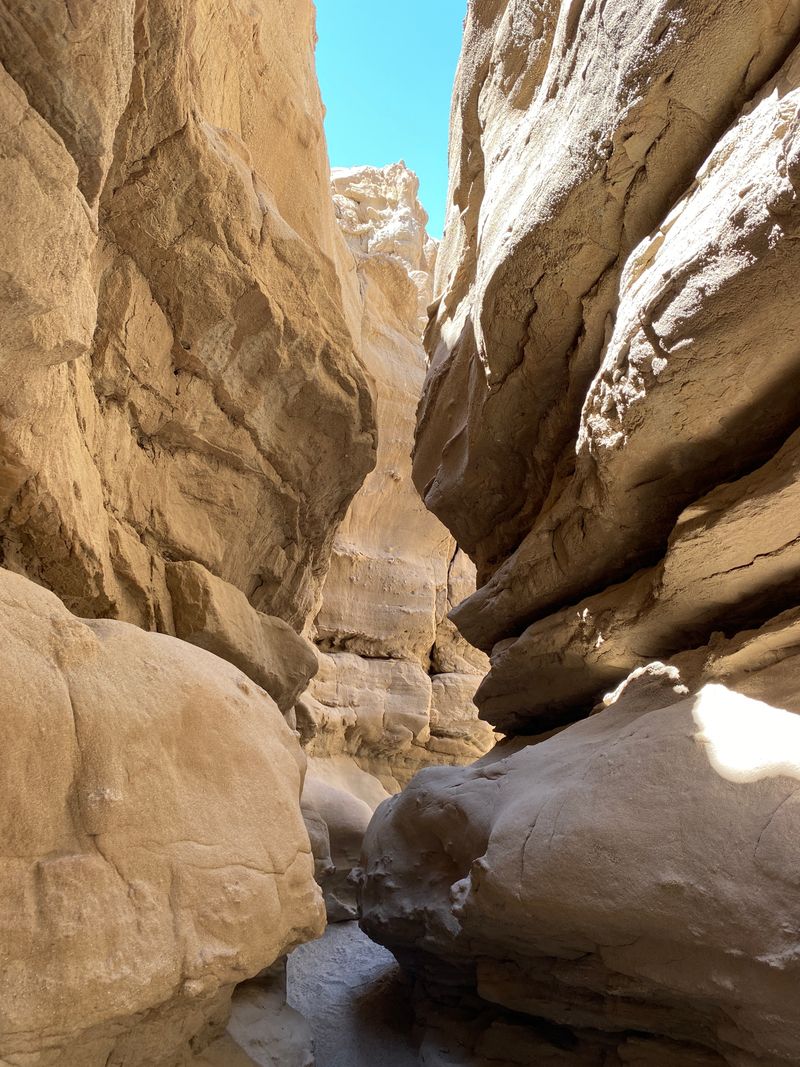
A surprising turn off a wide desert wash brings you into The Slot’s maze-like corridors, where walls close in within arm’s reach.
Each step forward reveals new angles carved by ancient floods, creating an ever-changing landscape of curves and bridges.
The canyon’s siltstone walls shimmer with warm hues when sunlight filters through, especially during midday hours.
Despite the round-trip trail being relatively short, hikers encounter a variety of textures, from powdery sand to rough stone underfoot.
While the route is mostly moderate, occasional steep drops and narrow squeezes require careful footing.
The natural bridge, a slab wedged overhead, is a favorite sight to photograph and pause beneath.
The Slot’s compact scale offers a sense of intimacy rarely found in California’s broader canyons, making every turn a distinct moment to observe erosion’s handiwork.
Water shaped these walls over countless seasons, leaving behind smooth grooves and unexpected pockets.
Visitors often find themselves stopping frequently, captivated by the interplay of light and shadow.
The narrow passages create natural frames for photographs, capturing the raw beauty of the desert.
Because the trail is accessible from Highway 78, reaching The Slot requires only a short drive followed by an easy walk.
The experience feels both adventurous and manageable, appealing to families and solo explorers alike.
Morning light brings cooler temperatures and softer illumination across the canyon walls.
Afternoon visits can be warmer, but the drama of direct sunlight piercing through gaps adds a different dimension.
Wildlife sightings are rare but possible, with lizards and small birds occasionally appearing along the path.
The surrounding desert landscape contrasts sharply with the canyon’s enclosed environment.
Stepping out of The Slot feels like emerging from another world entirely.
Address: Borrego Springs, CA 92004
2. Mosaic Canyon (Death Valley National Park)
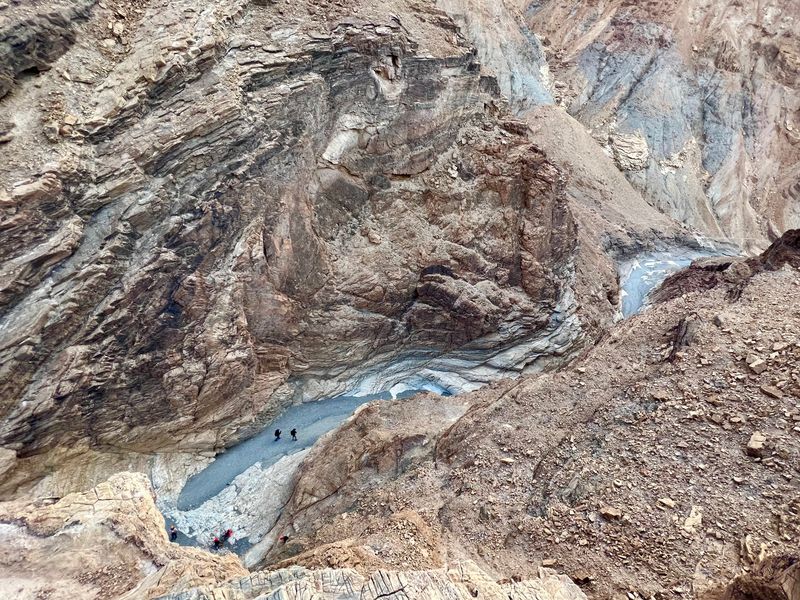
Polished rock underfoot feels almost engineered, but Mosaic Canyon’s marble corridors are the product of years of rushing water.
The contrast between white, tan, and gray stone layers gives the canyon its distinctive mosaic appearance.
Short sections of narrows create a sense of seclusion, while wider chambers allow sunlight to play across the walls, highlighting intricate patterns.
Walkers will encounter both smooth paths and patches of gravel, with occasional minor scrambling required.
The entire route can be completed in a morning, making it a practical choice for visitors seeking a memorable geological experience.
Mosaic Canyon’s accessible trailhead and varied surfaces provide a snapshot of Death Valley’s extreme yet beautiful environment.
Early visits are recommended, when shade is more plentiful and temperatures safer for exploration.
The marble here was metamorphosed from limestone, compressed and heated beneath the earth’s surface before being exposed.
Running your hand along the walls reveals a texture unlike typical desert stone.
Some sections are so smooth they reflect light like glass.
The canyon widens and narrows unpredictably, creating a rhythm that keeps hikers engaged.
Photographers appreciate the natural color variations and the way shadows deepen the mosaic effect.
During winter months, the canyon offers a respite from harsher conditions found elsewhere in Death Valley.
Spring wildflowers occasionally bloom near the entrance, adding splashes of color to the stark landscape.
The trail is well-traveled but never feels crowded, thanks to the canyon’s spacious sections.
Benches of breccia, a rock made of broken fragments cemented together, appear intermittently along the route.
These geological features tell stories of violent upheavals and patient erosion.
Address: Death Valley National Park, CA 92328
3. Painted Canyon (Mecca Hills Wilderness)
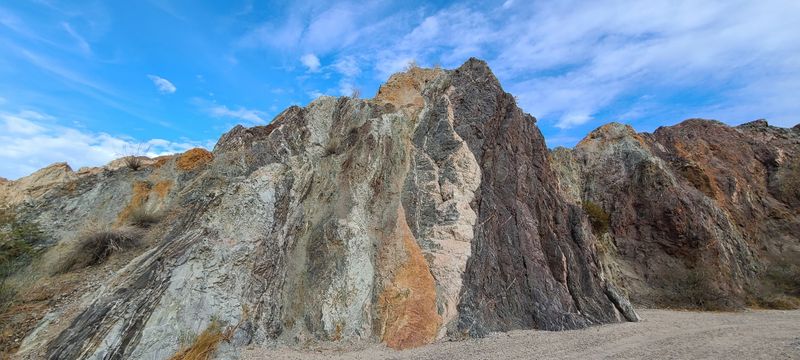
Colors catch the eye before the landscape’s complexity unfolds.
Painted Canyon’s walls appear brushed with every warm hue, changing subtly with the shifting light of day.
The loop includes narrow slot sections where hikers use sturdy metal ladders to ascend and descend steep drops.
These features transform the experience from a simple walk into a hands-on adventure, rewarding those willing to navigate tight spaces and climb.
Photographers often favor sunrise or sunset to capture the most vivid shades on the canyon walls.
The route’s combination of natural artistry and physical challenge makes it a destination that balances visual appeal with active exploration.
Painted Canyon stands as a reminder of how geology and erosion can create both beauty and intrigue in the California desert.
Layers of sedimentary rock tell the story of ancient seas and shifting tectonic plates.
Iron and manganese oxides contribute to the vibrant palette, painting the walls in shades that seem almost unreal.
The metal ladders, installed for safety, add a touch of human ingenuity to the natural setting.
Climbing them requires balance and confidence, but the views from above make every effort worthwhile.
Slot sections can be so narrow that backpacks need to be removed and passed through separately.
This intimacy with the rock creates a connection that broader trails cannot replicate.
The terrain varies from sandy washes to rocky scrambles, demanding attention and agility.
Water bottles and sturdy footwear are essential, as the route offers no facilities or shade structures.
Wildlife is sparse but resilient, with desert plants clinging to crevices and occasional bird calls echoing off the walls.
The loop format means hikers return to their starting point without retracing steps, maximizing variety.
Address: Mecca Hills Wilderness, Box Canyon Road, Mecca, CA 92254
4. Tahquitz Canyon (near Palm Springs)
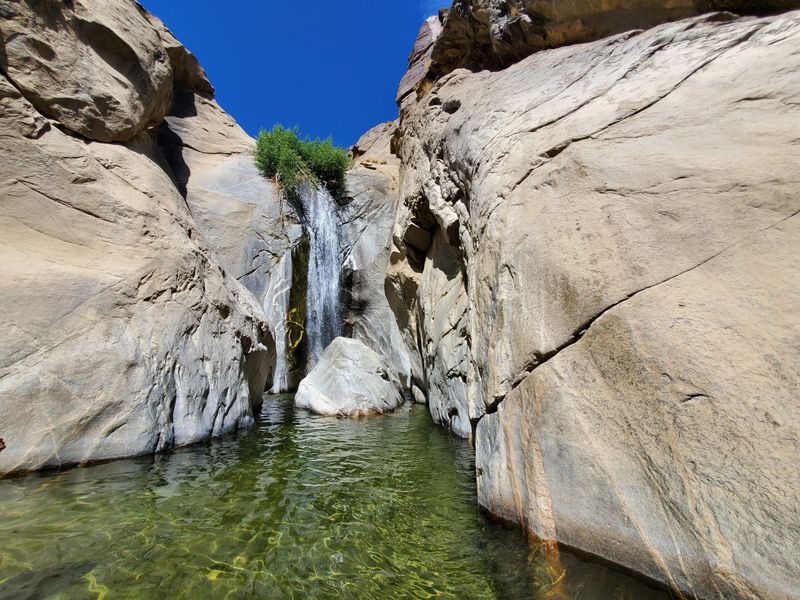
Stories of water in the desert often sound improbable, but Tahquitz Canyon’s waterfall proves otherwise each spring.
The sound of falling water breaks the silence as the trail winds through a landscape dotted with palms and boulders.
The loop climbs gently, offering views of both the falls and the surrounding foothills.
Along the way, interpretive signs highlight the cultural significance of the canyon to the Agua Caliente Band of Cahuilla Indians, adding depth to the physical journey.
The shady oasis at the waterfall’s base provides a cool spot to rest before returning.
A visit during the cooler months or after seasonal rains ensures the falls are flowing, making the moderate hike both relaxing and rewarding.
Tahquitz Canyon offers a blend of natural spectacle and cultural resonance.
The trail begins at a visitor center where rangers share stories and ecological information.
This educational component enriches the experience, connecting hikers to the land’s history.
Native plants like mesquite and creosote line the path, demonstrating remarkable adaptations to arid conditions.
The palm groves create pockets of shade, offering relief from the sun’s intensity.
Birdsong fills the air near water sources, a stark contrast to the surrounding silence.
The waterfall’s height and volume vary with the season, creating different atmospheres throughout the year.
Spring snowmelt from nearby mountains feeds the flow, transforming the canyon into a vibrant ecosystem.
Rock formations along the trail display evidence of ancient geological activity.
Boulders, some as large as cars, rest where floods deposited them centuries ago.
The loop’s moderate elevation gain makes it accessible to most fitness levels.
Families with older children often tackle this trail, appreciating its manageable length and rewarding destination.
Address: 500 West Mesquite Avenue, Palm Springs, CA 92264
5. Red Rock Canyon State Park (Kern County)
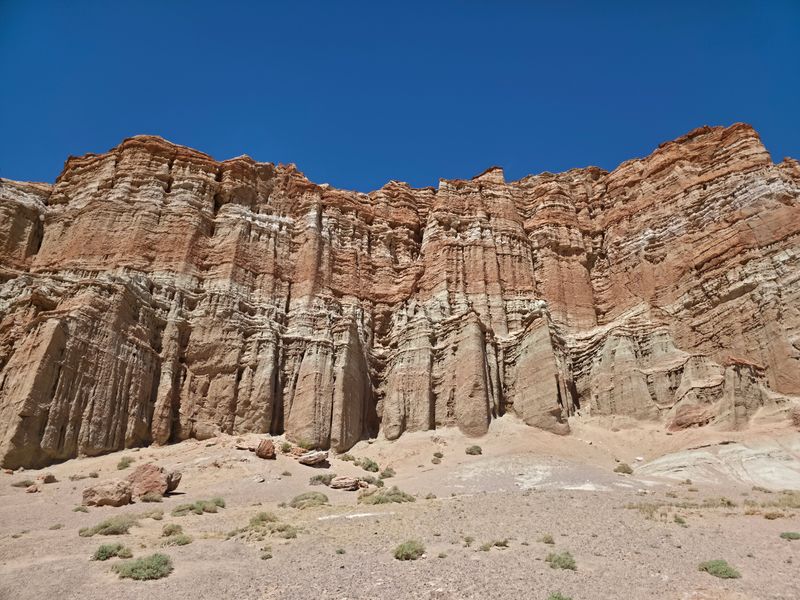
Towering layers of red and white stone create a striking skyline along the floor of Red Rock Canyon.
The Hagen Canyon Trail, winding beneath these cliffs, reveals formations sculpted by wind and water over millennia.
Explorers can find narrow passageways framed by massive stone pillars and eroded fins, each offering a different perspective on the park’s geology.
The arid landscape is home to hardy plants and, occasionally, wildlife such as lizards and birds.
The colors intensify in midday light, making the area a favorite among photographers seeking contrast and texture.
Red Rock’s accessibility from major highways and well-marked trails ensures a steady but not overwhelming flow of visitors.
The park’s distinct scenery feels worlds apart from the typical California desert.
Sedimentary layers reveal a timeline of environmental changes, from ancient lakebeds to volcanic ash deposits.
Each stratum tells a chapter in the region’s geological story, visible to anyone willing to look closely.
The park has served as a backdrop for countless films and commercials, its dramatic vistas instantly recognizable.
Yet standing among the formations in person carries a weight no screen can capture.
The Hagen Canyon Trail meanders through washes and over gentle rises, offering varied terrain without excessive difficulty.
Side canyons invite exploration, though venturing off-trail requires caution and navigation skills.
Desert wildflowers bloom in spring, painting the ground with unexpected bursts of color.
The contrast between delicate petals and rugged stone creates moments of surprising beauty.
Birdsong echoes off canyon walls at dawn, when the air is coolest and wildlife most active.
Interpretive panels scattered along trails provide context about the area’s natural and cultural history.
Camping facilities within the park allow for overnight stays, extending the opportunity to experience sunrise and sunset over the formations.
Address: State Route 14, Cantil, CA 93519
6. Darwin Falls (Death Valley Area)

Few expect to find a waterfall in one of the driest regions on Earth, yet Darwin Falls defies expectations with its year-round flow.
The trail follows a narrow canyon where vegetation grows increasingly dense as water becomes more abundant.
Willows and reeds line the stream, creating a corridor of green that stands in sharp contrast to the surrounding desert.
The hike is short but requires crossing the creek multiple times, adding an element of adventure.
Sturdy footwear with good grip is essential, as rocks near the water can be slippery.
The falls themselves cascade into a small pool, surrounded by ferns and moss-covered rocks.
This microclimate supports plant and animal species rarely seen elsewhere in the region.
Birds nest in the vegetation, their songs echoing off the canyon walls.
The temperature drops noticeably as you approach the water, providing natural air conditioning.
Shade from overhanging vegetation and rock walls makes the hike comfortable even during warmer months.
The trail is relatively easy, though occasional boulders require minor scrambling.
Families with children often enjoy this hike, appreciating the novelty of water in the desert.
The falls are fed by springs that originate in the surrounding mountains.
This reliable water source has made Darwin Falls a vital habitat for wildlife.
Bighorn sheep occasionally visit the area, though sightings are rare and require patience.
The canyon’s geology displays layers of volcanic rock and sediment, evidence of the region’s dynamic past.
Photographers appreciate the interplay of light filtering through the vegetation and reflecting off the water.
The location feels remote despite being relatively accessible, offering a sense of discovery.
Address: Darwin Falls Road, Death Valley, CA 93522
7. Ladder Canyon and Painted Canyon Loop (Mecca Hills)
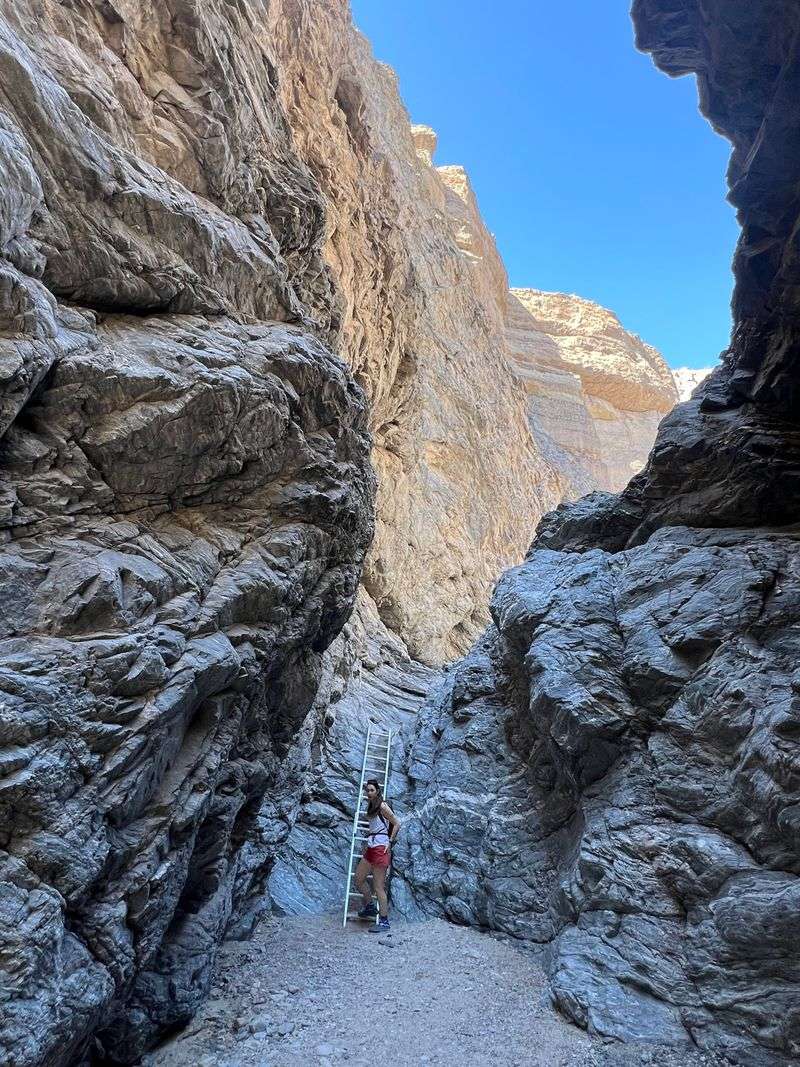
Combining two distinct geological features into one continuous adventure, this loop delivers both visual drama and physical challenge.
Ladder Canyon earns its name from the series of metal ladders bolted into the rock, guiding hikers up steep sections.
Each ladder climb reveals new perspectives on the canyon’s twisted geology.
The narrow passages force single-file movement, creating moments of solitude even when hiking with others.
Rock walls display a spectrum of colors, from deep reds to pale yellows, all products of mineral deposits and oxidation.
The loop format connects Ladder Canyon with Painted Canyon, offering variety without retracing steps.
Painted Canyon’s wider sections provide breathing room after the tight confines of Ladder Canyon.
The contrast between the two creates a dynamic hiking experience that holds interest throughout.
Erosion has carved intricate patterns into the rock, with some formations resembling sculptures.
The route demands attention to footing, as loose gravel and uneven surfaces are common.
Poles or trekking sticks can be cumbersome in the narrowest sections, where hands are needed for balance.
The loop takes several hours to complete, depending on pace and time spent photographing.
Water and snacks are essential, as the trail offers no facilities or natural water sources.
The area’s remoteness means cell service is unreliable, so planning ahead is crucial.
Seasonal temperatures vary dramatically, with summer heat making early morning starts advisable.
Winter and spring offer more comfortable conditions and occasional wildflower displays.
The parking area is small and fills quickly on weekends, so arriving early secures a spot.
This loop represents one of California’s most engaging slot canyon experiences, combining accessibility with genuine adventure.
Address: Painted Canyon Road, Mecca, CA 92254
Dear Reader: This page may contain affiliate links which may earn a commission if you click through and make a purchase. Our independent journalism is not influenced by any advertiser or commercial initiative unless it is clearly marked as sponsored content. As travel products change, please be sure to reconfirm all details and stay up to date with current events to ensure a safe and successful trip.
