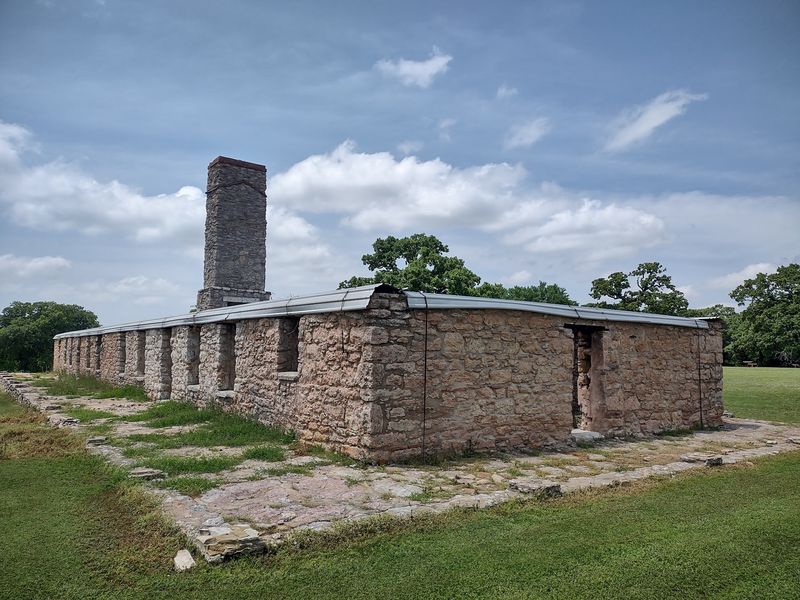
Some of the best afternoons start with a two-lane highway and a sign you almost drive past. In southern Oklahoma, one of those signs leads to weathered stone walls, old log cabins, and open fields that seem to hold their breath.
You walk in expecting a quick stretch of the legs, and you leave hours later with a head full of frontier stories. Best of all, it costs nothing to wander through it.
A Frontier Outpost Hiding in Plain Sight
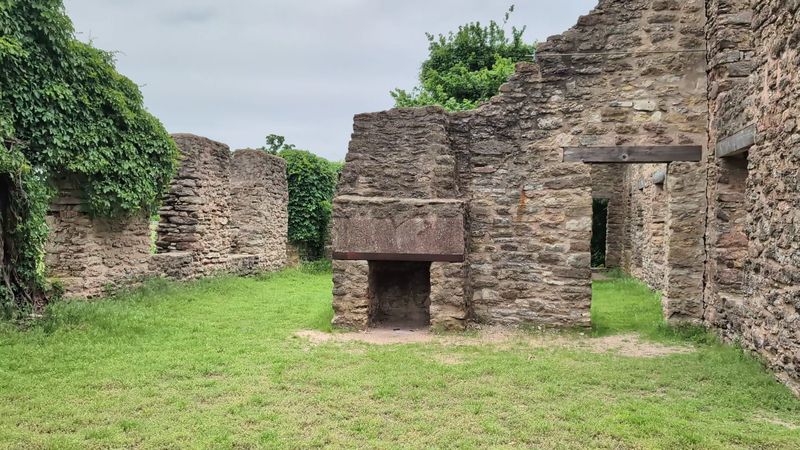
Picture a quiet stretch of southern Oklahoma countryside where stone walls stand roofless under the trees. Grass grows where floors once creaked, and doorways frame nothing but sky.
It feels less like a museum and more like a secret someone forgot to lock up.
What you are looking at is a historic frontier fort, now preserved as a public historic site. Visitors describe a mix of original foundations, crumbling stone ruins, and reproduction buildings that help fill in the gaps.
Together they give a surprisingly clear picture of how people once lived, worked, and waited out long days on the edge of settled country.
Plenty of folks stumble onto it by accident. One traveler found it while in the area for a youth softball tournament, and another popped in while camping nearby.
Both left glad they took the detour.
The grounds are wide and open, with walking paths that lead from one building to the next. Signs point out the highlights, so you never feel lost even if you show up without a plan.
For families who like their history outdoors, free, and easy to walk, it is the kind of stop that quickly turns into a favorite.
Stories Older Than Statehood
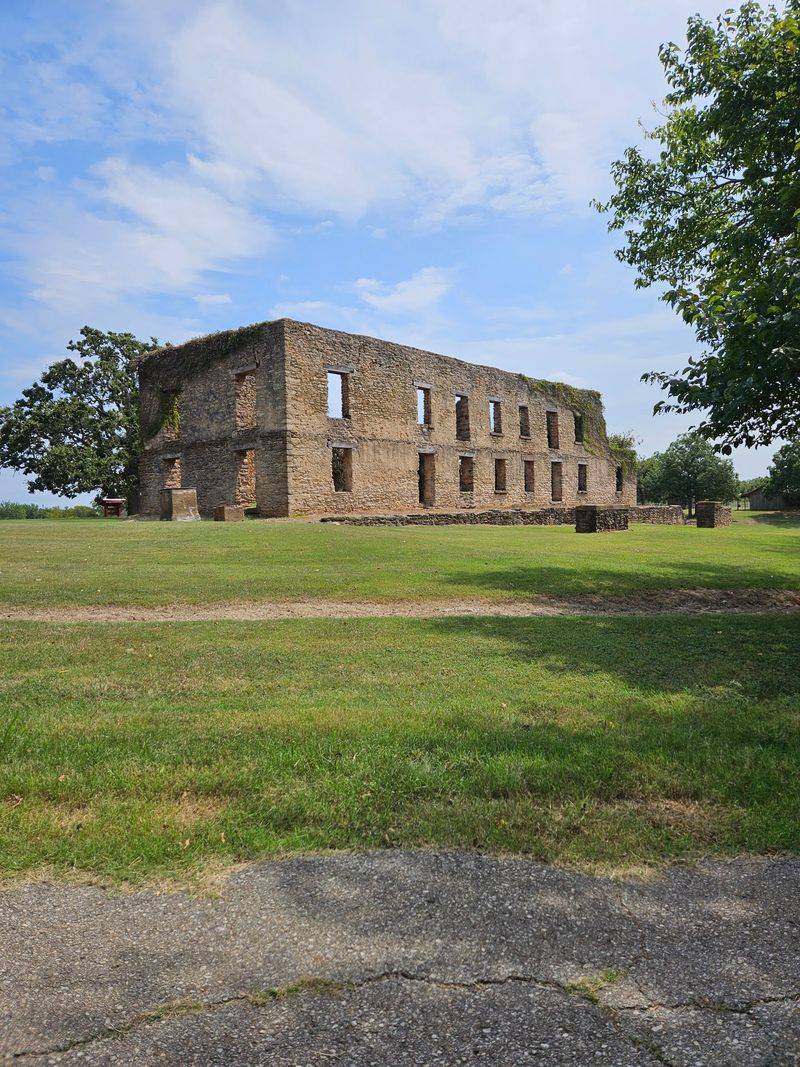
Long before Oklahoma had a star on the flag, this ground was already busy. The fort carries layers of frontier life, Old West history, and Southern history all rolled into one place.
Visitors often mention how much story is packed into such a peaceful setting.
One guest even pointed out that a future president spent time here at one point. That little detail tends to surprise people, and it is a fun nugget to ask the staff about when you arrive.
They usually have the backstory ready.
History here is not just tucked behind glass, either. The ruins themselves tell the tale, with stone walls left standing after the hard years of the Civil War era.
Walking among them, you get a sense of how much happened on this patch of land without needing a textbook.
Some guests say you can almost feel the past as you walk through. That is not spooky talk, just the natural effect of quiet fields and old stone.
It is easy to slow down and imagine soldiers, traders, and families going about their daily routines.
Come with a few questions in mind, and the visit becomes even richer.
Where the Fort Actually Sits
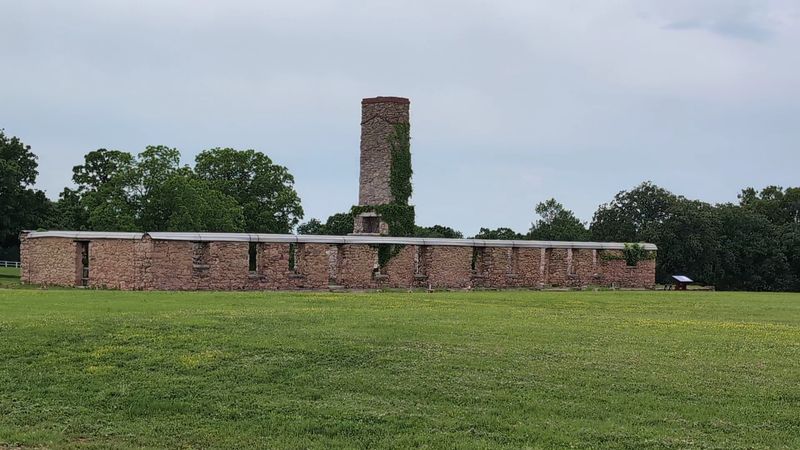
Time to reveal the spot. Fort Washita Historic Site sits at 3348 OK-199 near Durant, in the southeastern corner of Oklahoma not far from the Texas line.
It is the kind of address that looks small on a map but opens up once you pull in.
The drive itself sets the mood. Highway 199 rolls through farm country and tree lines, so by the time you reach the gate you have already shaken off the city.
One visitor noted it was only about eight miles from the small town of Silo, which gives you a sense of how rural this setting really is.
Durant makes an easy home base if you want to grab a meal before or after your visit. From there, the fort is a short, pleasant hop out into the countryside.
Texans from the north side of the Dallas area often find it closer than they expect.
Once you arrive, parking is free and simple. You can leave the car, stretch your legs, and head toward the visitor center or straight out to the ruins.
Either way, the wide open grounds make it easy to find your bearings.
Stone Walls and Their Secret Fossils
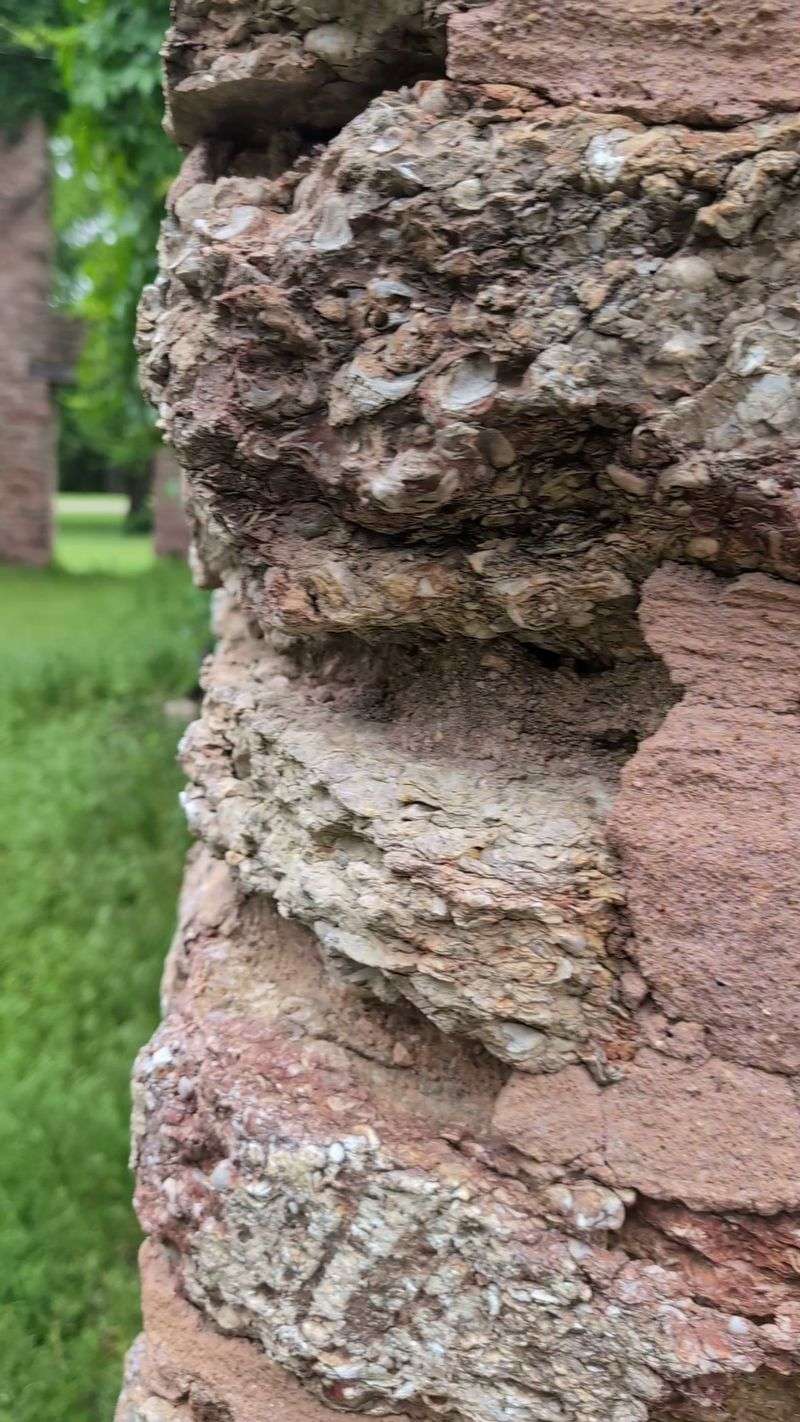
Lean in close to the old walls and you might spot something unexpected. One delighted visitor reported that the walls are made of fossils, little traces of ancient life pressed right into the stone.
Suddenly a pile of rocks becomes a treasure hunt.
Kids especially love this part. Hand them the job of finding the best fossil, and the ruins turn into a game instead of a lecture.
Just remember to look and photograph rather than pick at the stone, since these walls have been standing a very long time.
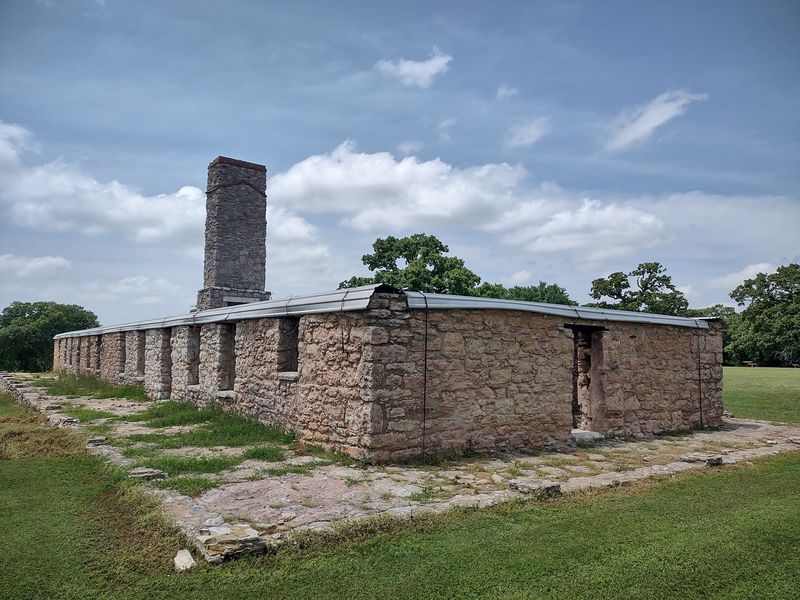
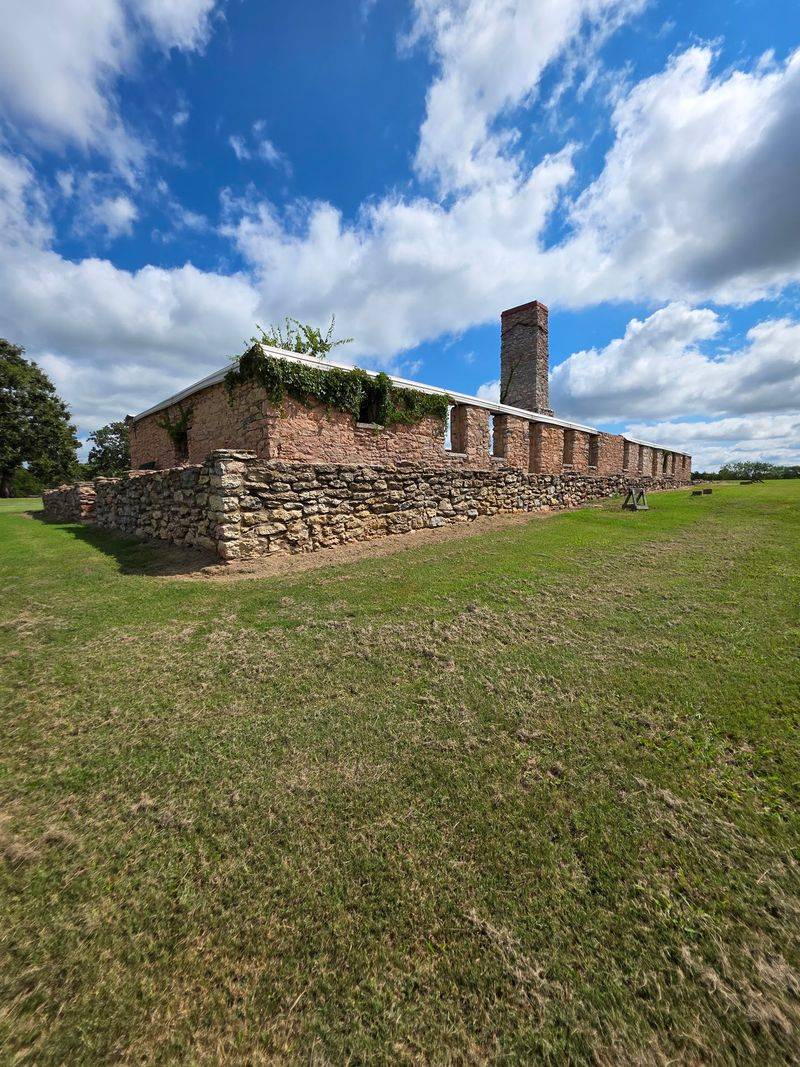
The ruins themselves come up again and again when people talk about this place. Roofless rooms, empty window frames, and sturdy corners give the grounds a rugged, storybook look.
Photographers find plenty of interesting angles, especially when sunlight slants through the openings.
Visitors also appreciate that the original foundations remain visible. Seeing where buildings actually stood helps the whole layout make sense, even when the structures above are long gone.
You can trace the outline of a room with your feet and picture the people who once filled it.
Bring a phone with plenty of storage. Between the textures, the shadows, and those hidden fossils, you will likely snap more photos than planned.
Log Cabins and Rebuilt Barracks
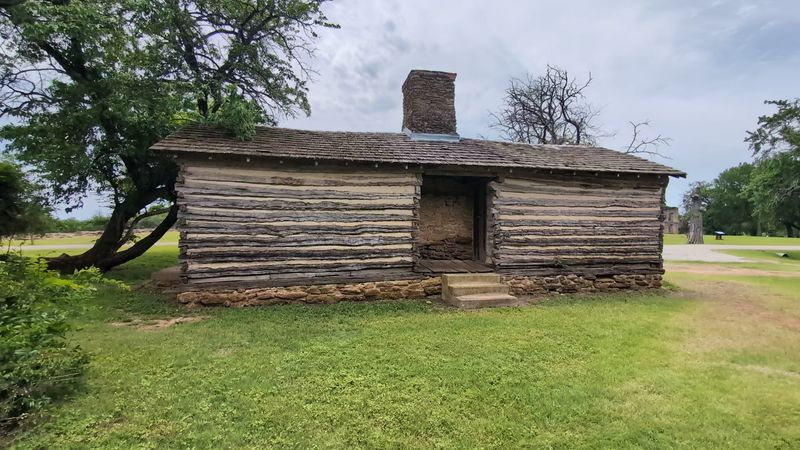
Ruins only tell half the story, so it helps that some buildings have been brought back to life. Reproduction buildings stand alongside the originals, giving you a full-size sense of what frontier quarters looked like.
Several visitors say this mix adds to the site’s authentic feel.
The historic log cabins are a highlight for many guests. Their rough timber walls and simple shapes make it easy to imagine families cooking, sewing, and sleeping in tight quarters.
Peek inside and you get a quick lesson in how little space people once needed.
Standing in a rebuilt structure and then walking over to a crumbling one is a neat experience. Your mind fills in the missing roof and walls almost automatically.
It is like seeing a before-and-after picture spread across a field.
Families with younger children often find the cabins more relatable than the ruins. Doors, windows, and fireplaces are things kids recognize, so questions start flowing naturally.
Why so small? Where did they keep the food?
Those conversations are half the fun.
Take your time moving between buildings. The walking areas are well kept, and signs explain what you are looking at, so you can wander at your own pace without missing the good parts.
A Small Museum With Big Conversations
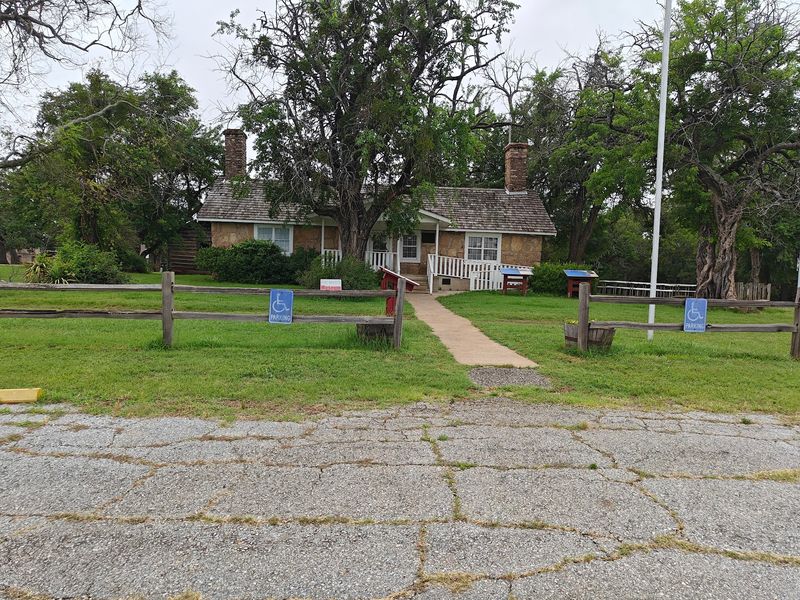
Here is a tip that many first-timers wish they had known sooner: start at the visitor center. It doubles as a small museum, and it sets up everything you are about to see outside.
Guests regularly call it interesting and well worth a few minutes.
What really wins people over, though, is the staff. Visitor after visitor mentions a knowledgeable woman at the desk who answered every question and shared far more than expected.
Several said she helped them truly understand what they saw on the grounds.
That kind of personal touch is rare at bigger attractions. Here, you might end up in a friendly chat that lasts longer than planned, picking up details no sign could hold.
People leave feeling like they learned from a neighbor rather than a tour guide.
The museum does not charge extra, either. One winter visitor appreciated that learning more inside cost nothing, which fits the welcoming spirit of the whole site.
It is history without a toll booth.
If you are traveling with curious kids or a history-loving grandparent, budget extra time here. A few good questions at the desk can turn a quick stop into the most memorable part of the day.
Living History Through Reenactments
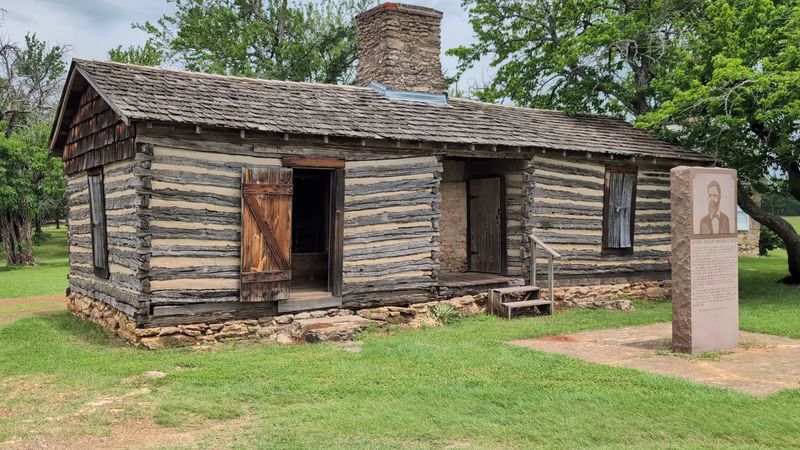
Few things make history jump off the page like people dressed for the part. Reenactments are one of the most talked-about features here, with events covering the Civil War as well as World War I and World War II.
Visitors who catch one often call it the highlight of their trip.
Reenactors seem to enjoy the place as much as guests do. One group shared that they were allowed to set up for a day and simply chat with the public.
That relaxed, hands-on setup means you can ask questions face to face instead of watching from a distance.
Families with school-age kids give these events high marks. One mom came on a field trip and was already planning a return visit with the whole family, partly because the kids loved the booming cannon demonstrations.
Loud, exciting, and educational is a winning combination.
Events change throughout the year, so the lineup is never quite the same twice. Regulars recommend following the fort’s Facebook page to keep up with dates.
That way you can plan your drive around something special.
Even without an event, the grounds tell their story. But if you can time it right, a reenactment day adds real energy.
The Rendezvous and Its Campfire Crafts
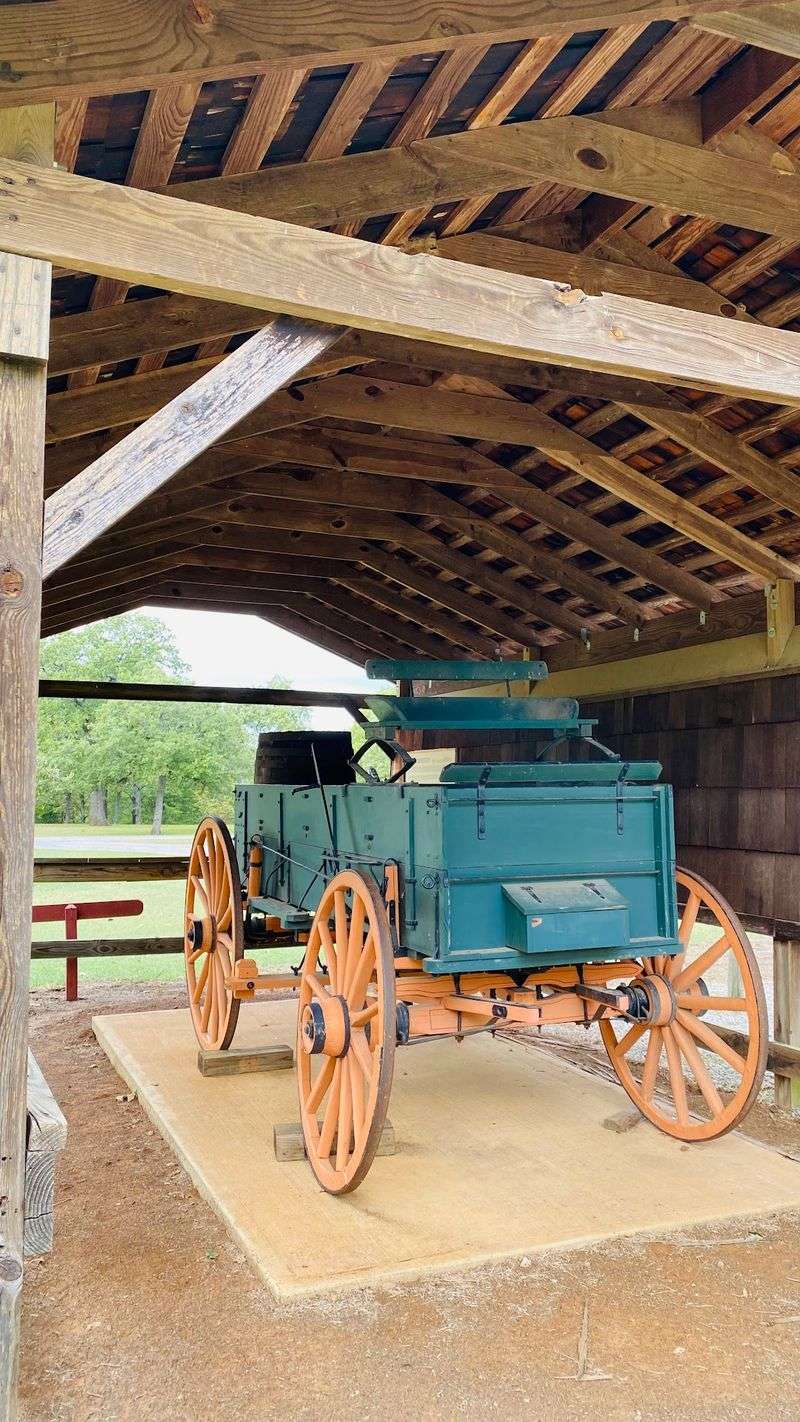
Crackling campfires, traditional music, and canvas camps spread across the fields. That is how one visitor described the Rendezvous at Fort Washita, calling it like stepping straight back into the 1800s.
It is part living history and part outdoor festival.
The event celebrates the old frontier lifestyle. Guests can watch blacksmithing, leatherworking, open-fire cooking, and other traditional crafts, often with a chance to try a skill or two.
Reenactors share survival techniques and stories with obvious passion.
Shopping is part of the fun, too. Traders offer homemade soaps, hand-forged knives, leather goods, and period clothing.
It is a great place to pick up a one-of-a-kind keepsake made by real hands.
Hungry? Food tends to stay close to historical styles, think hearty stews, cornbread, and campfire-cooked meals.
Simple modern snacks and bottled water are usually around for anyone who wants them.
Kids are encouraged to explore, learn, and even dress up. With activities for every age, it is easy to see why families rave about it.
Check the fort’s event calendar before you go, since dates vary from year to year.
October Ghost Tours and Fall Hay Rides
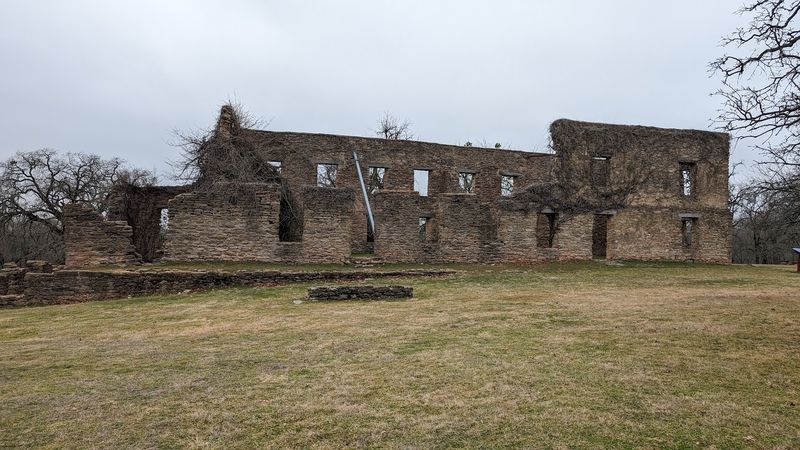
Old stone ruins plus autumn evenings? You can guess where this is going.
Ghost tours in October are a fan favorite, and one longtime supporter urges people not to miss them. The fort has picked up a playful spooky reputation over the years, and ghosts pop up often in visitor chatter.
Don’t worry, these tours lean toward fun storytelling rather than anything too frightening. Think lanterns, local legends, and a group of curious folks wandering among the walls.
It is a lively way to hear the fort’s tales in a brand-new light.
Hay rides have come up in visitor memories too. Bumping along on a wagon across the grounds feels like a classic small-town fall outing.
Pair it with a light jacket and you have a sweet family tradition in the making.
Fall is also simply a lovely time to visit. Cooler air makes the walking more comfortable, and the trees around the grounds add color to the old stone.
Photographers tend to love the softer seasonal light.
Dates and details shift year to year, so check the fort’s Facebook page before planning. Popular fall events can fill up the schedule quickly.
Free Admission, Easy Walking, Kid Approved
Free. That single word may be the best part of the whole visit.
Guests repeatedly mention that admission and parking cost nothing, and more than one wondered aloud why there is no fee for so much history.
Budget-minded families notice the little things, too. A winter visitor praised the small gift shop for being simple and historical, with gifts that were not overpriced.
That makes picking up a souvenir an easy yes rather than a wallet worry.
Walking is comfortable for most ages. Paths are well maintained, signs mark the highlights, and the open layout means kids can roam a little without disappearing.
Grandparents can set their own pace and still see plenty.
Some families spend an hour, while others stretch it into much longer. One group walked the grounds for more than four hours, and another visitor suggested making it a full-day trip.
Pack a picnic mindset and there is little reason to rush.
Field trips come here often, which says a lot about how well it works for children. Between ruins, cabins, fossils, and friendly staff, young explorers rarely run out of things to point at.
Hours, Weather, and Planning Tips
Nothing stings like pulling in just as the doors close. One family arrived twenty minutes before closing and, while still glad they came, wished for more time.
Learn from them and plan an early start.
Current listed hours run Tuesday through Saturday, 9 AM to 4:30 PM, with the site closed Sunday and Monday. Schedules can shift with the seasons, so a quick check before leaving home is smart.
Visitors specifically recommend looking at the website for seasonal days and times.
You can also call ahead at 580-924-6502. A short phone call may save you a long drive to a locked gate.
It is also a good way to ask about upcoming events.
Oklahoma summers are no joke out here. One guest put it simply: hydrate!
The grounds are open and sunny, so bring water, hats, and sunscreen, especially for little ones.
Spring and fall tend to offer more comfortable walking weather. Keep an eye on the forecast during storm season, since wind and sudden rain can roll through fast.
Comfortable shoes are a must, as you will likely cover more ground than you expect.
Why the Detour Earns a Spot on Your List
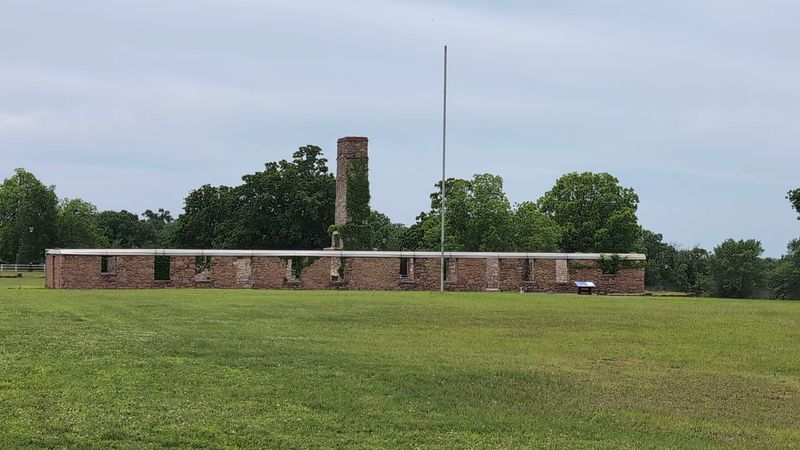
Some places shout for attention. Fort Washita prefers to whisper, and that is exactly its charm.
Visitors describe it as relaxing, beautiful, and a fine spot to clear your mind.
For Oklahomans who love proof that their own state holds something worth the drive, this fits the bill nicely. It is free, unpretentious, and carefully preserved, with upkeep that guests call fantastic.
Nothing flashy, just real history on real ground.
It suits a wide range of travelers. History buffs get ruins and stories, families get open space and hands-on events, and road-trippers get a peaceful break from the highway.
Even folks who stop on a whim tend to leave planning a return.
The people make a difference as well. Friendly staff, welcoming reenactors, and a volunteer spirit give the place warmth.
One fan even encouraged others to sign up and volunteer, which shows how much the fort means to its community.
So next time you are heading toward Durant, or just craving a slow Saturday, consider the turn onto Highway 199. Bring water, curiosity, and maybe the grandkids.
Odds are good you will be telling someone about it by the drive home.
