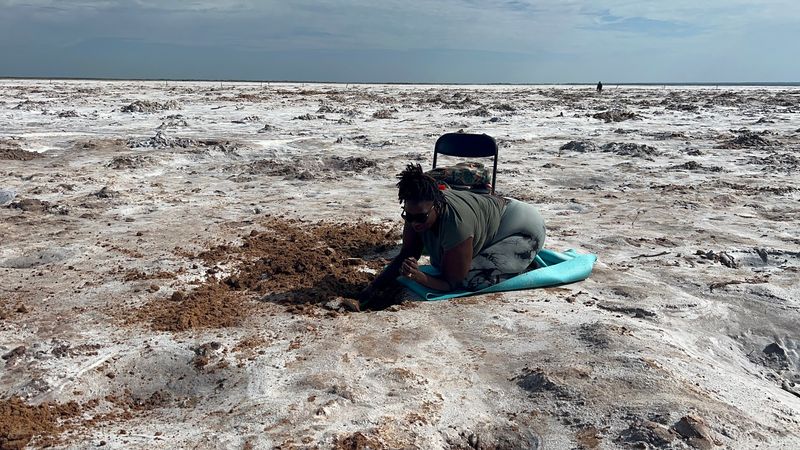
Some of the best days start with a gravel road, a shovel rattling around in the trunk, and no real idea what you’re getting into. Out in northwest Oklahoma, there’s a stretch of white, cracked flatland that looks like snow in July and hides buried treasure just inches under the crust.
You dig, you rinse, and suddenly you’re holding a crystal with a brown hourglass frozen inside it, something found nowhere else on the planet. It costs nothing, the kids will be filthy within minutes, and you’ll drive home already planning the next trip.
A White Plain in the Middle of Alfalfa County
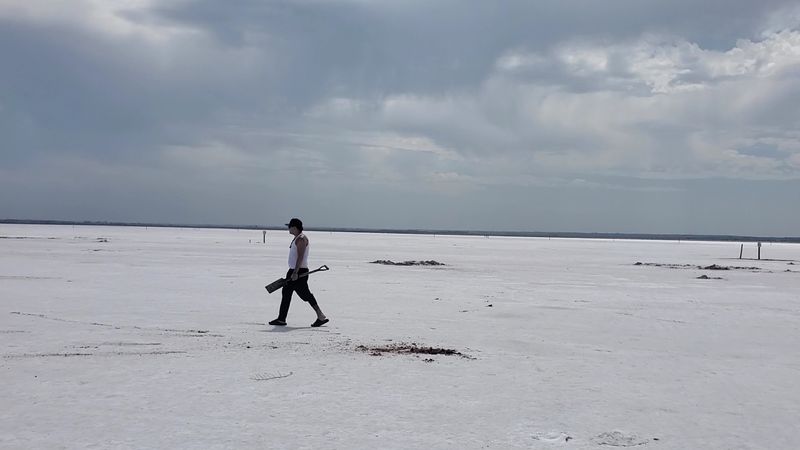
Out near Jet, in far northwestern Oklahoma, the land flattens out and turns startlingly white. Salt Plains National Wildlife Refuge covers a sprawling stretch of marsh, lake, prairie and a bare salt flat that people often compare to the surface of the moon.
The refuge was established back in 1930, mainly as a haven for migratory birds, and that mission still runs the place. But the reason carloads of Oklahoma families point their vehicles this direction is what lies under the crust: hourglass selenite crystals.
Nowhere else on Earth produces this exact crystal with its deep brown hourglass shape sealed inside. Not Kansas, not Utah, not anywhere overseas.
Just here.
Visitors consistently describe their first look at the flats as genuinely startling, like standing at the edge of a frozen field in the middle of summer heat. One family said it initially looked like a field of snow.
The refuge sits roughly two hours from Oklahoma City, which puts it comfortably in day-trip territory for a lot of the state. Bring a shovel.
You’re going to want one.
How an Ancient Sea Left Its Signature Behind
Geology usually asks for patience, but the story here is short and satisfying. Long ago a shallow sea covered this part of Oklahoma.
When it withdrew, it left behind salt and gypsum soaked into the ground.
Salty groundwater still moves through that gypsum today, and as it does, crystals grow. Selenite is a crystallized form of gypsum, soft enough to scratch with a fingernail yet sharp enough along its edges to demand respect.
The famous hourglass comes from iron oxide, essentially rust from that ancient seabed, trapped inside the crystal as it formed. The particles settled in a pattern that reads unmistakably like an hourglass, dark brown against translucent stone.
Some crystals come out single and flat, like a blade. Others emerge as clusters, several crystals fused into one heavy chunk that feels like a real prize when you lift it dripping out of the hole.
Knowing the backstory changes the digging. You aren’t just pulling rocks from mud.
You’re handling the leftovers of a sea that vanished long before anyone drew a map of Oklahoma.
Season Dates, Sunrise Hours, and the Zero-Dollar Price Tag
Free. That’s the whole admission price, which is the kind of number this state appreciates.
Crystal digging runs annually from April 1 through October 15, sunrise to sunset. Outside those dates the dig area closes, so a December road trip will get you birds and scenery but no crystals.
To find the digging area, head for 66003 Garvin Road, Cherokee, OK 73728, then drive about a mile past the gate and follow the bright orange Dig Area signs. Refuge staff rotate the designated area each year, which spreads out the impact and keeps fresh ground in play.
Each person may keep up to ten pounds of crystals plus one large cluster per day. They’re for your shelf, your kids’ rock collection, or a windowsill, not for resale, which is prohibited.
Visitors who arrived on opening day mention a friendly, courteous crowd rather than a scramble, and families digging near each other tend to trade tips freely.
Refuge staff have earned a reputation for being genuinely helpful, with several diggers crediting rangers for pointing them toward productive spots.
The Shovel, Bucket, and Water Method That Actually Works
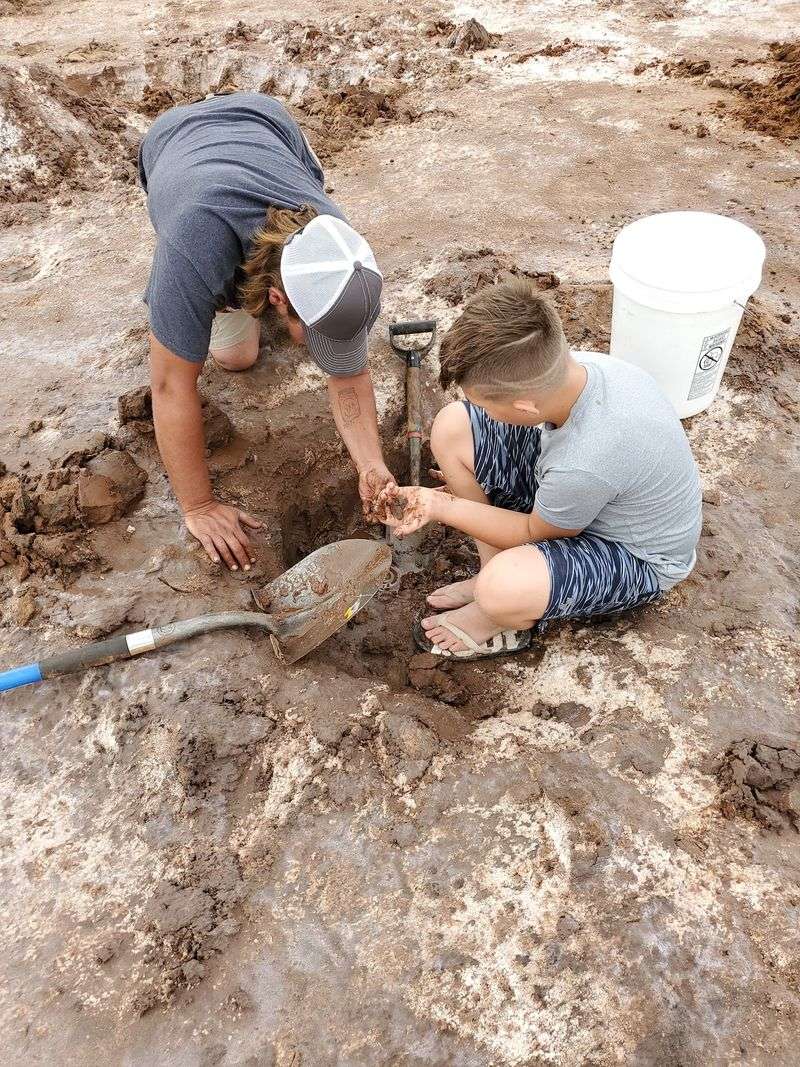
Technique matters more than luck out here, and the method is simple enough for a seven-year-old to master in twenty minutes.
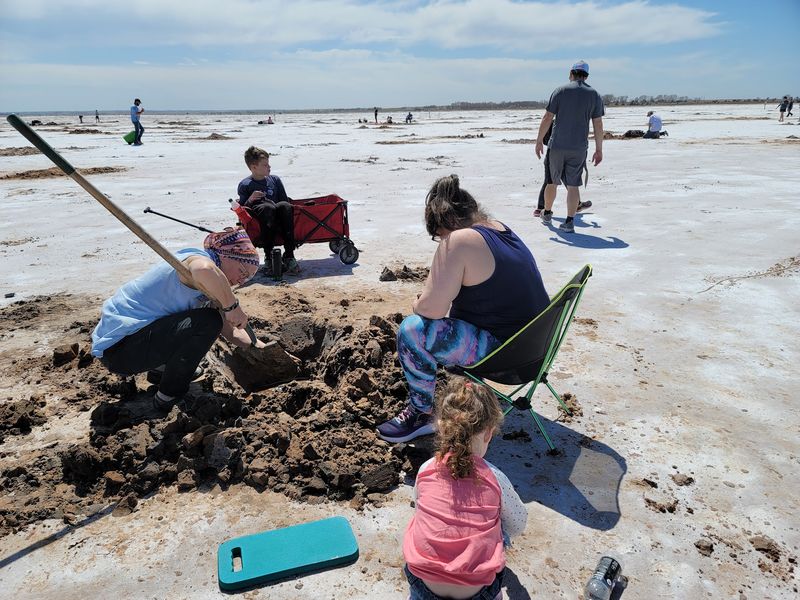
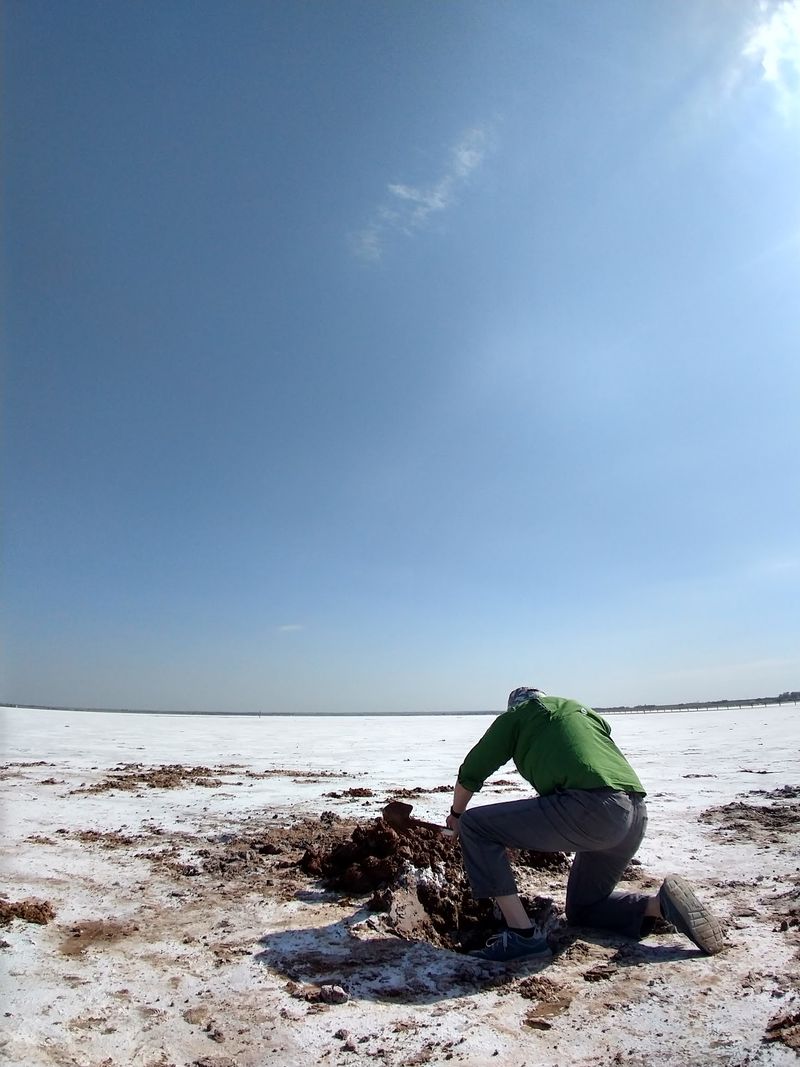
Start by scraping just under the salt crust, because plenty of crystals sit surprisingly close to the surface. From there, dig a hole up to about two feet deep, then pour water in.
The water washes the red mud off and the crystals catch the light, which makes spotting them dramatically easier.
A metal shovel beats a plastic one every time. The ground can pack hard, and experienced diggers describe probing with the blade, listening for resistance, then loosening that spot and sifting by hand.
Crystals are flat, so hands often work better than tools once you’re in the right layer. Fingers find edges and points that eyes miss entirely.
Buckets serve double duty, hauling water in and crystals out.
One detail feels counterintuitive: leave your holes open. Spoil mounds give snowy plovers nesting spots, and the water-filled craters host brine flies that feed the birds.
Your mess genuinely helps the refuge.
What to Throw in the Trunk Before You Leave the Driveway
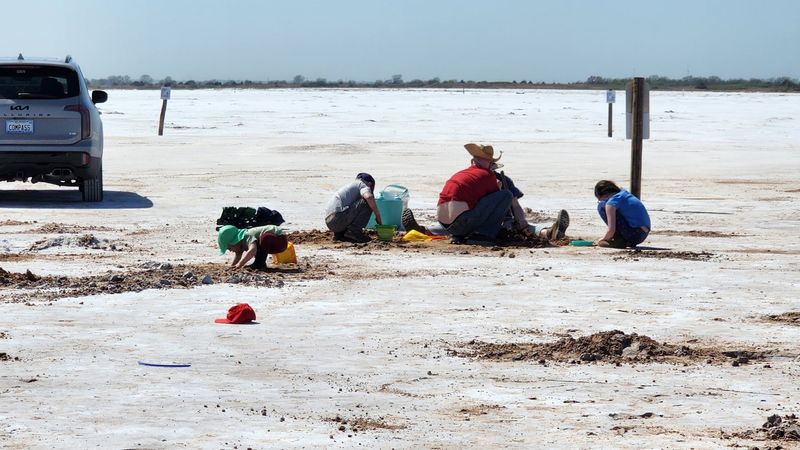
Packing light is the one mistake almost everyone regrets here, because there’s nowhere nearby to buy water or food.
Water tops the list, and bring far more than you think you need. You’ll drink it, rinse crystals with it, and use the rest to get red mud off your hands and arms.
Gloves prevent a common rookie problem. Selenite edges are sharp, and one visitor reported nicking a fingertip within the first two minutes, along with two of her kids.
Shade is the other big one. A canopy, patio umbrella, or a shade-covered folding chair makes long digs bearable, and diggers warn that the wind out there will carry off anything light, so weigh things down and tie your hat on.
Wear old clothes you genuinely don’t care about. Several families found the red soil simply would not wash out.
Round it out with sunscreen, a hat, sunglasses, bug spray, towels, something soft to kneel on, a cooler with lunch, and a full change of clothes and shoes for the ride home.
Birds, Boardwalks, and the Harold F. Miller Auto Tour
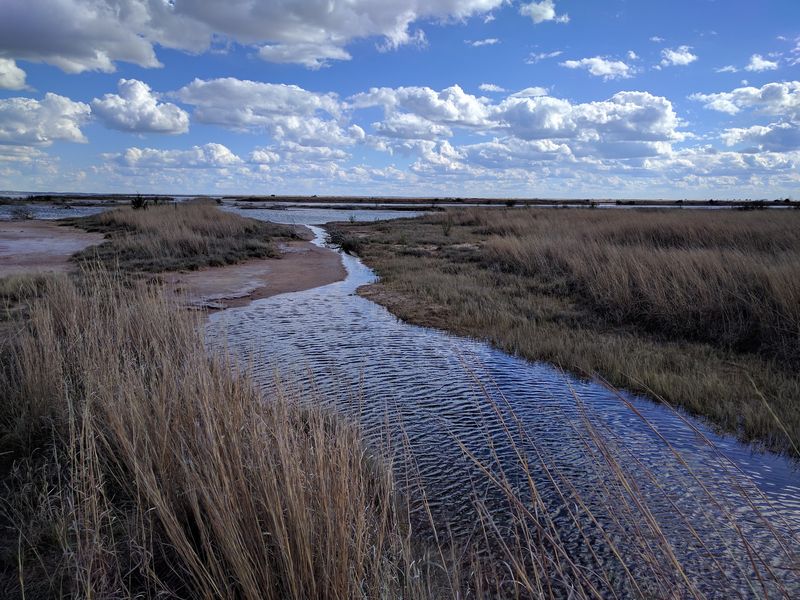
Crystals get the headlines, but the refuge was built for wings. Established in 1930 as a stopover for migratory birds, it still draws serious birders with spotting scopes and long lenses.
The Harold F. Miller Auto Tour Route lets you cover ground without leaving the car, which is a gift on a hot afternoon or with tired kids in the back seat.
Visitors regularly call the drive through the refuge beautiful and worth doing on its own.
On foot, the Sandpiper Nature Trail and the Big Marsh boardwalk and overlook offer short, well-kept walking with big open views. Both make good cool-down stops after a couple hours in the dirt.
Sightings run wide: bald eagles, sandhill cranes, shorebirds, deer, turtles, and at least one reported armadillo.
Timing shapes what you see. Regulars suggest early morning for birds, early-to-mid afternoon on warm days for turtles and reptiles, and evening around eight for deer.
One visitor came to watch birds and ended up digging crystals for two straight days instead.
Getting There: Gravel, Dust, and a Bumpy Final Mile
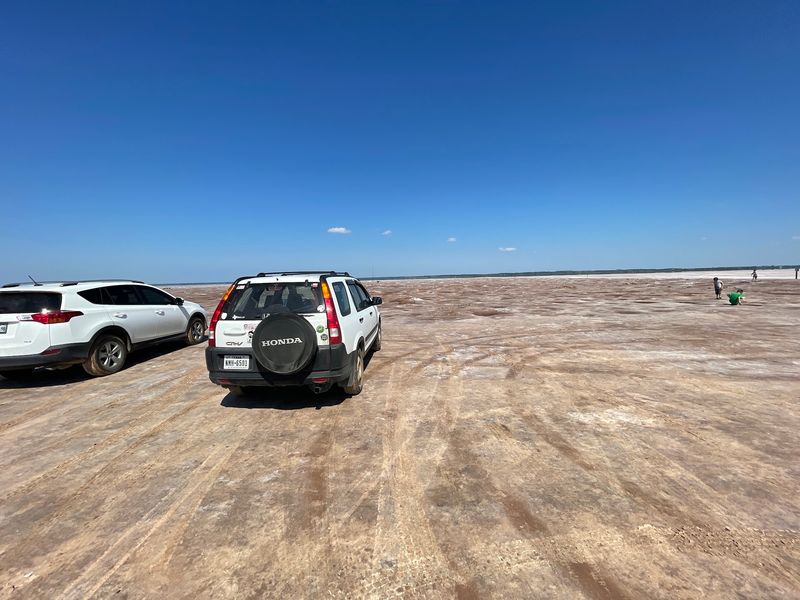
Plan the drive as part of the adventure rather than an inconvenience, because the last stretch is not smooth pavement.
From Oklahoma City, figure roughly two hours. Tulsa drivers face a longer haul, and folks in Enid, Woodward, or Alva have the shortest run of anybody.
Roads into the refuge and out to the dig area are dirt and gravel, and visitors describe them as rough and dusty. The final mile takes the most beating.
Good news for anyone without a truck: diggers report making the trip just fine in a Corolla and other sedans. Take it slow, expect bumps, and accept that your car will wear a layer of dust home.
One post-trip chore is worth putting on your list. Wash the underside of the vehicle afterward, since salt is unkind to metal over time.
Salt also gets everywhere inside. One family laughed that they finished the day covered in it, with a fair amount coating the car’s interior too.
Restroom facilities sit inside the gate, roughly a mile before the dig area.
Why Families Keep Loading Up the Kids
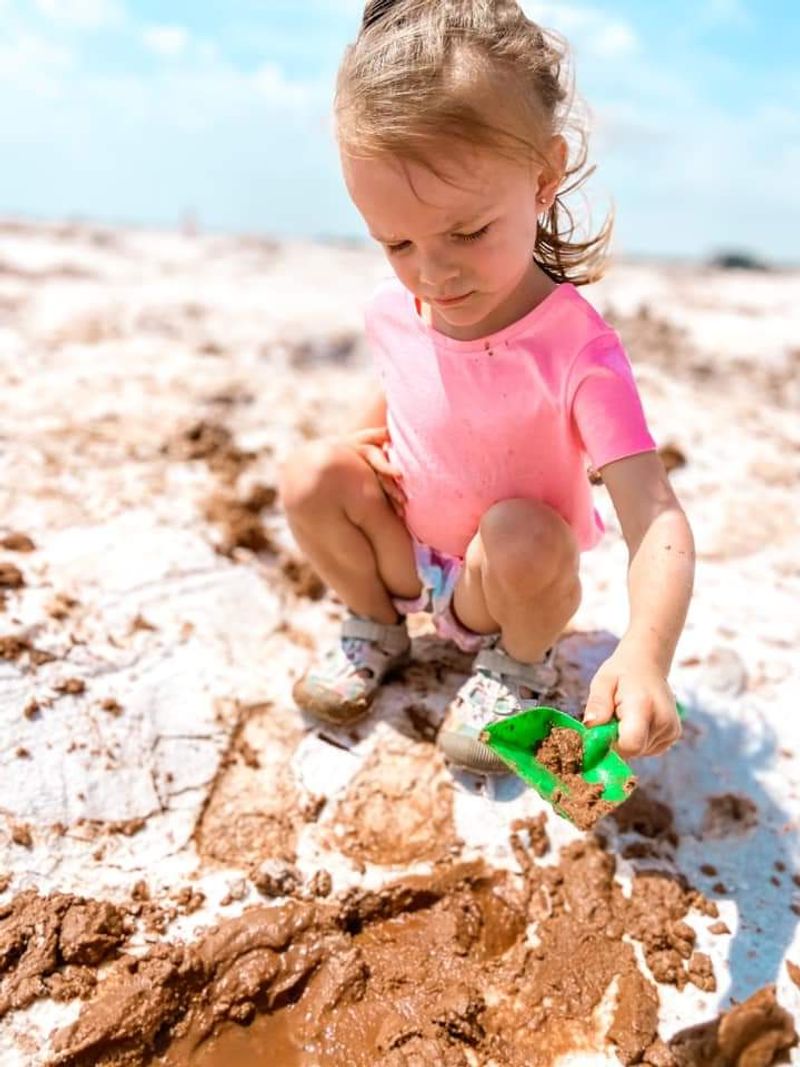
Ask any parent what the appeal is and the answer is usually the same: permission to make a giant mess.
Digging in mud is the whole activity, and kids take to it instantly. One grandmother brought grandkids and great-grandkids along and said the whole crew had a ball hunting crystals, even late in the season when the finds ran smaller, around one to two inches.
There’s a payoff that beats most souvenirs, too. Every child leaves with something they personally pulled out of the ground, and it goes home in a bucket instead of costing anything at a gift shop.
Adults are not immune. One visitor admitted that playing in the dirt was a lot of fun even as a grown-up, which made him wonder how much more kids would enjoy it.
A fair caution: the dig area has open holes, uneven ground, and sharp crystal edges, so very young children need close supervision. Gloves help everybody.
Photo advice from a seasoned family, take your pictures early, before everyone turns salty and red.
Heat, Wind, and Picking the Right Day
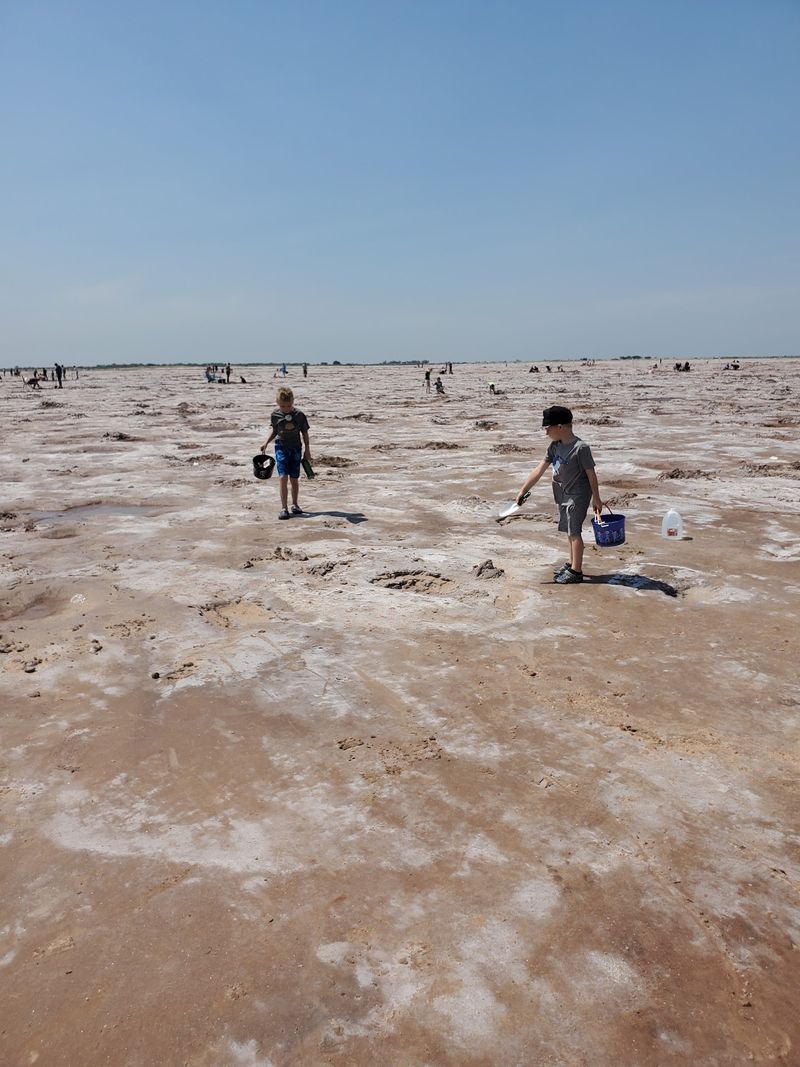
Weather runs the show out on the flats, and there’s no tree line to save you.
The white surface reflects sunlight straight back up, so a July afternoon feels hotter than the thermometer suggests. April, May, late September and early October tend to be far kinder, which makes the shoulder ends of the season smart choices.
Wind is nearly constant on open plains. Diggers advise weighting down anything you don’t want relocated, canopies included, and securing hats before they sail off across the salt.
Hydration is not optional. With no water spigots or stores nearby, whatever you carry in is all you have.
Spring storm season is worth a glance at the forecast too, since shelter out there is basically your vehicle.
Early morning offers the best of everything: cooler air, softer light for photos, and the most bird activity along the marsh trails before you head to the dig.
One October visitor noted that restroom facilities were closed during a federal shutdown, a reminder to keep expectations flexible about amenities on any given day.
Making a Full Day or a Weekend of It
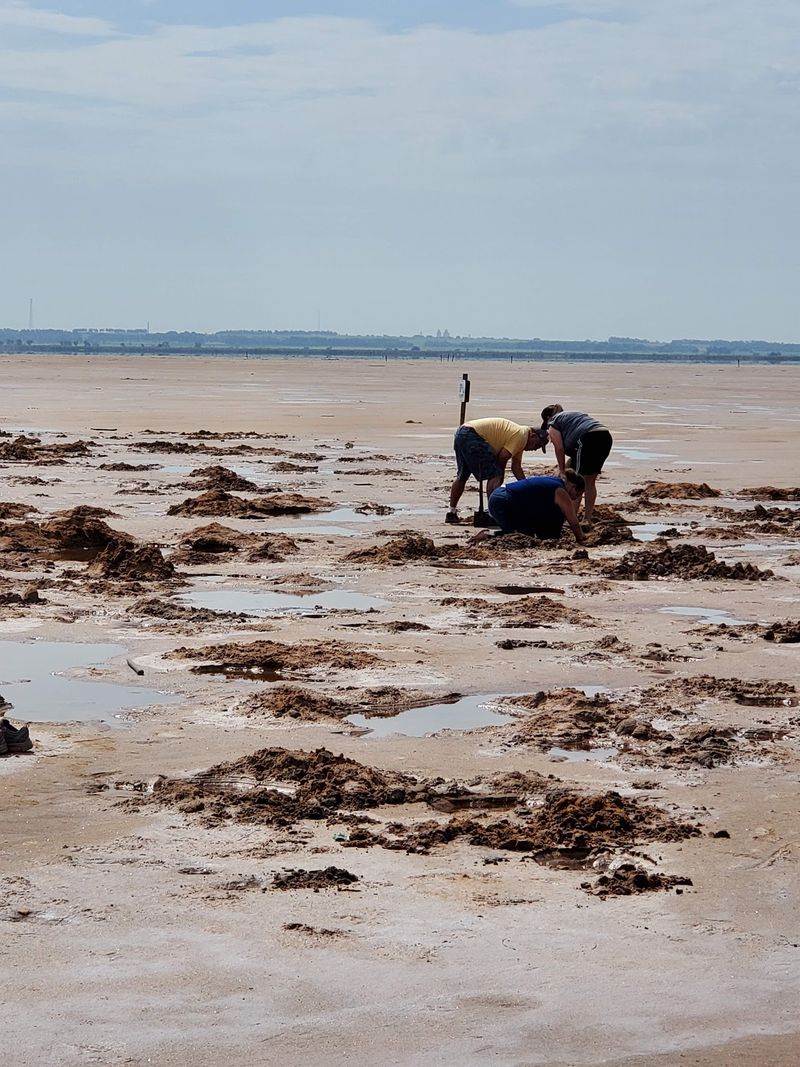
Driving two hours for one activity feels thin, so stack the day.
A popular loop starts with the Big Marsh boardwalk, moves on to the visitor center, continues through the auto tour route, and finishes with a couple of hours digging on the flats. One visitor who did exactly that called it one of the best places to go in Oklahoma and promised to return.
Nearby Salt Plains State Park gives the trip a second gear, with a large lake and cabins available. A family who spent a morning exploring there said they’d consider renting a cabin for a whole weekend next time.
Small towns ring the refuge, but services are limited, so groceries and gas are best handled before the final stretch.
Pets are welcome throughout, provided they stay leashed.
Photographers get a lot out of the area, with the lake running flat to the horizon and the salt crust glowing at sunrise and sunset.
Plan for a full day. Nearly everyone says they wanted more time.
The Verdict on One of Oklahoma’s Strangest Free Adventures
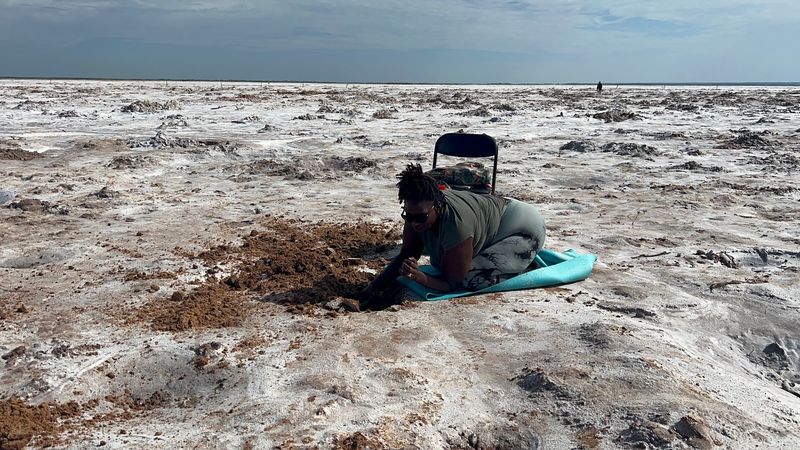
Few outings hand you a geological souvenir found nowhere else on Earth and charge you absolutely nothing for it.
Salt Plains National Wildlife Refuge holds a 4.7-star average across more than 940 reviews, with crystal digging mentioned dozens of times by visitors. The consistent theme is surprise at how fun and how strange the whole experience turns out to be.
Expectations are the only thing worth managing. There’s no running water, no concession stand, rough gravel roads, and mud that may permanently claim a pair of jeans.
Go anyway. People describe finding tons of beautiful selenite with surprisingly little effort, and one family summed it up as a very cool Oklahoma adventure worth a stop for all ages.
For grandparents wanting an outing kids will actually remember, rock hounds chasing something rare, or anybody curious about a white plain sitting quietly in Alfalfa County, this earns the drive.
Mark April 1 through October 15 on the calendar, load the shovels and the water jugs, and bring home a crystal with an hourglass sealed inside it.
