Oregon is a state that transforms beautifully with each season, offering travelers something new year-round.
In spring, wildflowers bloom across valleys and hillsides, painting the landscape in vibrant color.
Summer brings endless outdoor adventures, from coastal escapes to mountain hikes under sunny skies.
Autumn showcases golden forests and harvest festivals that highlight Oregon’s local charm.
Winter rounds out the year with snow-covered peaks, cozy towns, and holiday magic, making Oregon a destination worth discovering in every season.
This list of seasonal travel highlights is based on tourism trends, local insights, and publicly available data at the time of writing. Experiences may vary by season, visitor perspective, and resident views, making the list inevitably subjective.
1. Wooden Shoe Tulip Festival (33814 S Meridian Rd Woodburn, OR 97071)
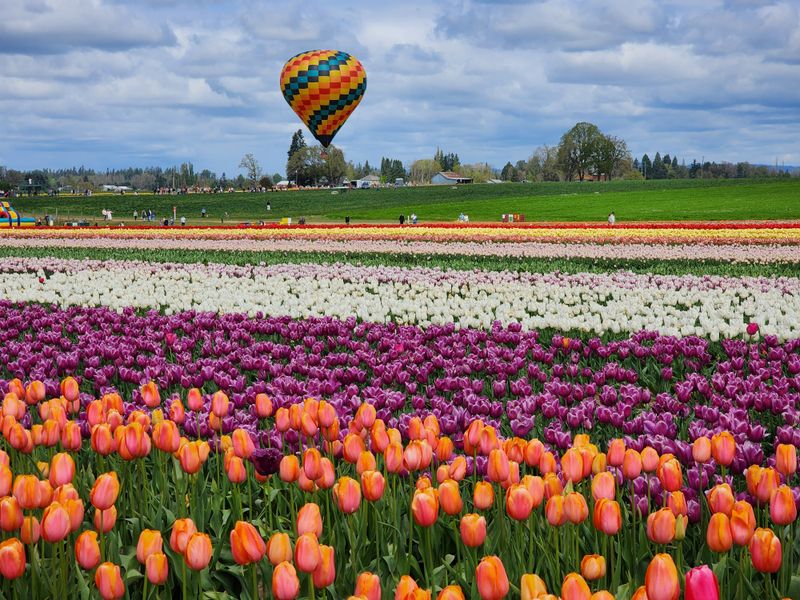
Spring in Oregon bursts open at the Wooden Shoe Tulip Festival, where orderly rows of color ripple across gentle farmland like a woven carpet of petals.
You navigate wide walking lanes that keep shoes clean, glance at Mount Hood when clouds lift, and pause at rustic fences that frame cheerful photo spots.
The festival grounds feel welcoming and practical, with signs that guide you toward viewpoints and family-friendly corners where you can catch your breath.
Arrive in the cool morning to see dew bead on tulips and to enjoy softer light that flatters every panorama without harsh glare.
Peak bloom can shift with weather, so you should check the official field report before driving, and bring layers since breezes can roll across open fields.
Portable seating near the viewing decks helps you linger, and the farm store sells souvenirs that travel well and pack flat.
You can plan weekday visits for thinner crowds, then use the map to pick a loop that makes the most of time and stamina.
Photographers appreciate long rows that create leading lines, while casual visitors love the simple joy of walking through living color.
Sturdy shoes make a difference if rains leave soil soft, and a hat keeps spring light comfortable during unshaded stretches.
Clear signage points to restrooms and exits, which keeps the outing smooth and relaxed for families and first-timers.
The festival operates seasonally, yet the farm’s staff updates schedules frequently, which helps you choose the best day with confidence.
When you are ready to move on, the fields sit near major routes that connect easily to the rest of the Willamette Valley.
2. Waterfall Chasing in the Columbia River Gorge, Multnomah Falls OR 97019
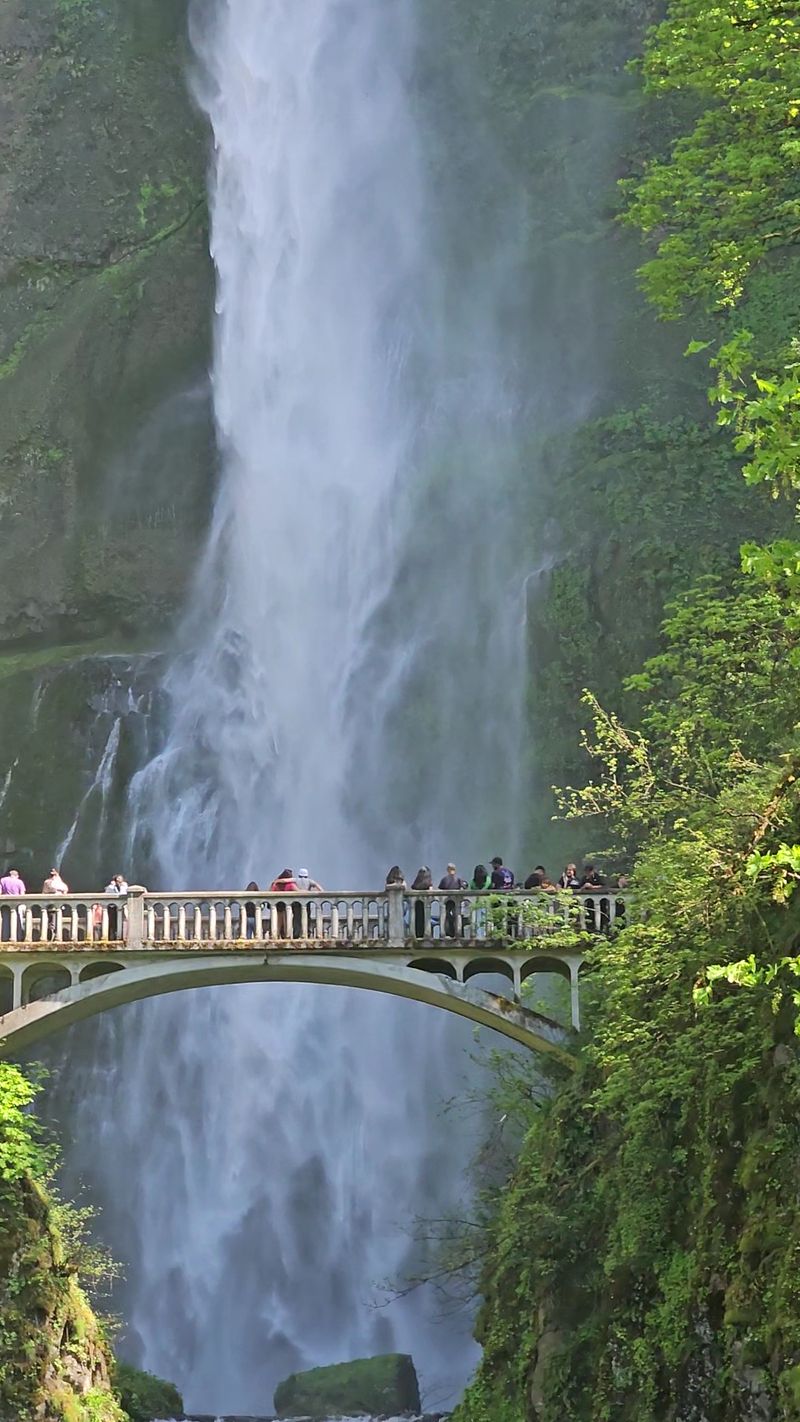
Multnomah Falls sets the pace for a day of waterfall chasing in the Columbia River Gorge, where mist cools the air and basalt walls rise like a cathedral.
You step from the plaza to paved paths that lead toward the Benson Bridge, and you feel the gentle spray that settles like a fine veil.
The rhythm of water makes it easy to slow down, take a breath, and plan which nearby falls to visit next without rushing.
Parking is structured with timed use seasonally, so it is wise to review the current permit requirements before setting off from home.
Sturdy grips help on damp surfaces, and a light shell keeps you comfortable under changeable skies that move quickly through the Gorge.
Interpretive signs tell the story of the falls and the geology that carved this dramatic corridor from ancient flood events.
You can follow the paved path to the bridge for a classic view, or choose a longer ascent if conditions and time allow.
Mornings usually feel calmer and quieter, which suits photography and gives you space to appreciate the scale without distraction.
Restrooms and the visitor area make logistics simple, and rangers or staff can share updates on trail conditions and closures.
The Gorge changes with the seasons, so spring flows thunder, summer brings shade walks, and autumn colors brighten every overlook.
Winter visits require caution for ice, yet they reward with crisp air and fewer people on the paths near the base.
After your stop, you can continue east or west to find other cascades, completing a loop that keeps the day balanced and scenic.
3. Cherry Blossom Viewing, Portland Waterfront Park OR 97204
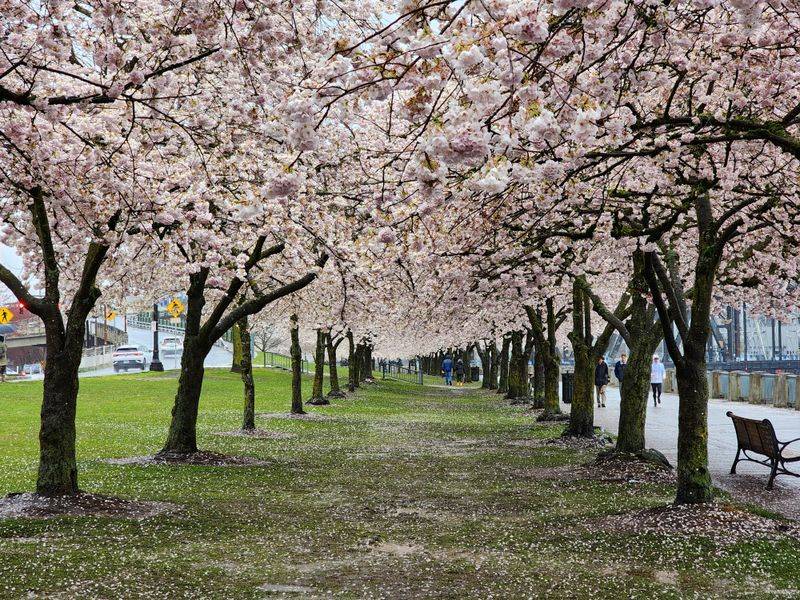
When the blossoms open along the Willamette River, the path at Portland Waterfront Park becomes a graceful tunnel of pale petals and soft fragrance.
You drift beneath the canopy with a steady pace, watching boats slide by and the light shift on glassy buildings across the water.
Benches invite quick breaks for photos, quiet moments, and easy people watching that captures the city at its friendliest stride.
The bloom typically peaks in late March or early April, though cool or warm spells can nudge timing a week in either direction.
Mornings feel peaceful with fewer joggers and cyclists, while evenings sparkle when the skyline reflects gentle tones after sunset.
Bring a light jacket for breezes off the river, and comfortable shoes for an unhurried loop that loops past the trees and lawns.
Respectful photographers keep tripods compact, leave room for walkers, and watch wind gusts that can shake petals loose in playful flurries.
Neighborhood connections make it easy to pair this stroll with museums or galleries, then return for another pass as light improves.
Seasonal maintenance keeps paths smooth and clean, and signage helps you navigate toward bridges and other points of interest nearby.
In wet weather the scene still charms, since blossoms glow against fresh pavement and umbrellas add color to the flow.
Pet owners appreciate wide paths that help keep space between groups, which keeps the walk relaxed and considerate for everyone.
By the time petals drift to the ground, the park shifts into its summer rhythm, and your camera roll stays full of Oregon spring.
4. Explore Crater Lake National Park, Park Headquarters (Highway 62 Crater Lake, OR 97604)
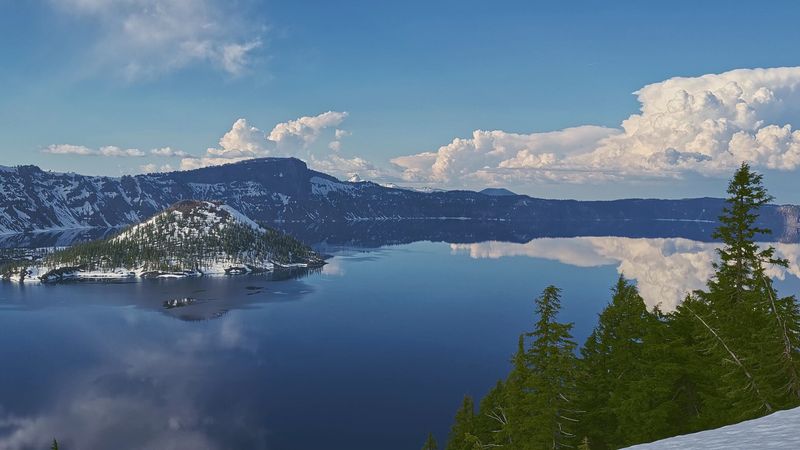
Crater Lake surprises in every season, yet that first look over the rim always delivers a pause and a quiet intake of breath.
You stand above water so blue it appears unreal, with Wizard Island perched like a punctuation mark in the round volcanic caldera.
The park headquarters area orients your day with maps, weather updates, and details on which roads or trails are open.
Winter and spring often keep the North Entrance closed, so planning around snowpack ensures smoother timing and expectations.
Rangers advise on avalanche conditions, snowshoe routes, and safe pullouts for photos where plows have widened the road.
Summer opens the full Rim Drive when conditions allow, letting you pace scenic stops to match energy and daylight.
If clouds drift in, the scene shifts with moody drama, and breaks reward patience with luminous color that ripples over the lake.
You can bring traction devices in shoulder seasons, then store them if sun and temperature make surfaces dry by midday.
Interpretive signs explain the eruption history and the hydrology that keeps the lake clear, cold, and famously deep.
Pack layers since elevation magnifies weather swings, and bring sun protection for exposed overlooks that feel closer to the sky.
Patience keeps wildlife encounters respectful and brief, and distance helps both you and the animals maintain calm.
When you head out, the road network leads back to Oregon highways that link the state’s forests, deserts, and lively towns.
5. Windsurfing or Kiteboarding in Hood River, Waterfront Park OR 97031

On a windy afternoon the Columbia River fills with color as kites rise and boards carve tidy arcs that send spray into glittering sunlight.
You set up at Hood River Waterfront Park where rigging lawns and sandy pockets give beginners and experts room to prepare without crowding.
Local shops provide current wind reports and rental options, and lessons help newcomers build confidence while keeping river etiquette clear.
Summer thermal winds tend to peak in the afternoon, so mornings suit practice runs and gear checks before conditions strengthen.
Wear a suitable wetsuit for water temps that stay brisk even in July, and choose a flotation aid that fits hugging but flexible.
Launch zones are marked carefully, and observers can enjoy shaded benches that frame the action with sweeping views up the Gorge.
When wind dips, you can walk the paved path to stretch legs and watch foilers slice quietly across the surface.
Events add energy on peak weekends, so scan calendars and plan parking strategies that keep transitions efficient between sessions.
Sun protection matters under reflective water glare, and spare lines or fins save a day when small parts fail at the shoreline.
Beginners do well working with certified instructors who teach self rescue and safe returns to shore if gusts shift suddenly.
Photography works nicely from the levee with long lenses, yet even phone shots capture motion that feels lively and bold.
After wraps and gear rinse, you can explore nearby paths and parks that show the Gorge at an inviting and human scale.
6. Camping and Hiking in Central Oregon, Bend Visitor Center (750 NW Lava Rd, Suite 160 Bend, OR 97703)
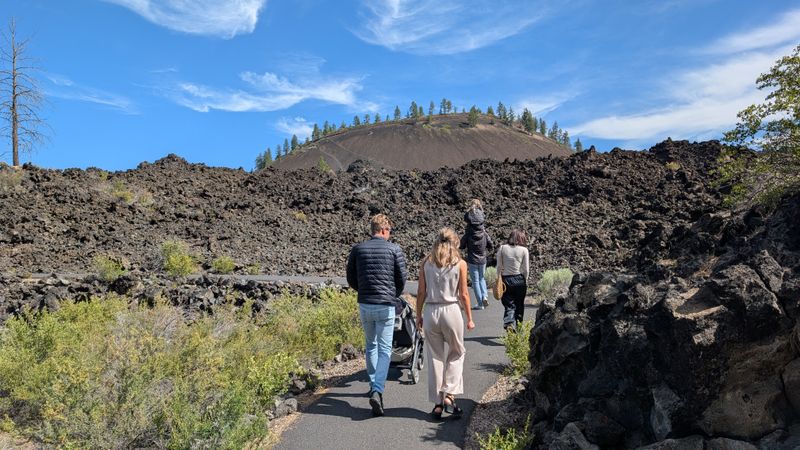
Bend makes a fine base for Central Oregon trails, where pine scent hangs in the air and high desert light brightens every morning.
You start at the Bend Visitor Center to pick up updated maps, wildfire information, and suggestions that match your timing and fitness.
Trailheads radiate in all directions, from volcanic flows to forested lakes, which keeps each day distinct and balanced.
Summer brings warm afternoons with cool nights, so early hikes help you beat heat, then evenings welcome camp chairs under starry skies.
Popular routes like Tumalo Falls see crowds, while lesser known networks offer quiet miles and easy parking if you are flexible.
Camping varies from developed sites with reservations to dispersed options that require Leave No Trace skills and careful trip planning.
Bring extra water storage and a reliable filter since many seasonal creeks fade by late summer in this sunny region.
Light layers and breathable sun protection make long days comfortable, and a brimmed hat pays off on exposed segments.
Bikes add range on mixed use trails, yet hikers can still find solitude by choosing longer loops with modest elevation gain.
In shoulder seasons watch for snow patches and muddy stretches, and switch plans if storms build over nearby volcanic peaks.
Local rangers or volunteers often post trail updates that save time, keep you safe, and steer you toward timely wildflower displays.
The broader loop back into town feels easy, with gear shops and friendly advice that reflect Oregon pride in outdoor access.
7. Scenic Drive to the Painted Hills, John Day Fossil Beds (32651 Highway 19 Kimberly, OR 97848)
The Painted Hills unfold in layered stripes that change tone with light and moisture, creating a mesmerizing stop on an Eastern Oregon drive.
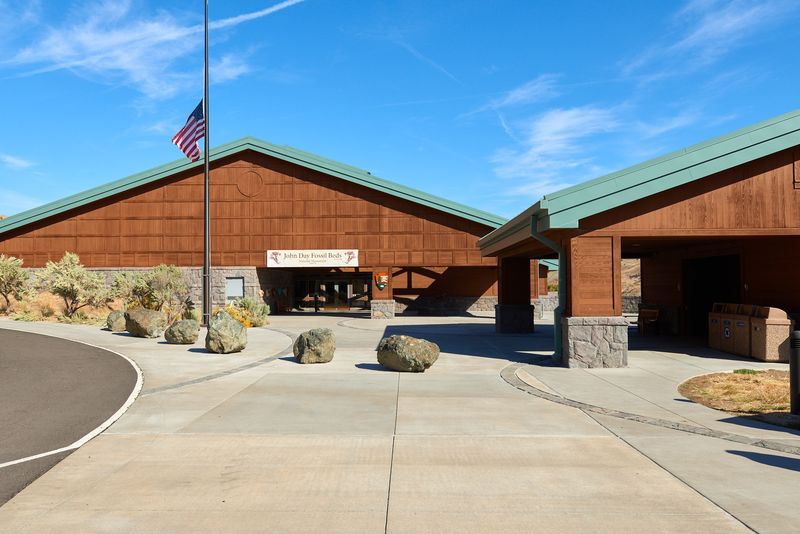
You arrive at the monument’s visitor center before heading to overlooks, which helps with trail suggestions and current road conditions across the unit.
Short paths and boardwalks lead to viewpoints that respect fragile soils, and every step reveals subtle shifts in red, tan, and gold.
Afternoon light often deepens colors, while morning calm brings quiet air and clean sightlines that stretch toward distant rims.
Seasonal storms darken clays and increase contrast, and even a brief shower can transform the palette within minutes.
Pack water and sun layers since shade is scarce, and tread gently to protect sensitive ground that holds ancient stories.
Interpretive panels explain the fossil record and the climate swings that shaped this surprising corner of the high desert.
Photography benefits from moderate lenses and low angles, yet staying on marked routes keeps the experience responsible and safe.
Nearby towns provide fuel and basic supplies, so planning ahead ensures a comfortable loop without needless backtracking.
Wildflowers dot the margins in late spring, bringing small bursts of color that complement the larger canvas of hills.
Winter days can be crisp and quiet, while summer heat suggests early starts and unhurried breaks at each stop.
As you drive away, the memory of layered earth lingers, and the road carries you deeper into Oregon’s wide and varied landscapes.
8. Storm Watching on the Oregon Coast, Yaquina Head Lighthouse (750 NW Lighthouse Dr Newport, OR 97365)
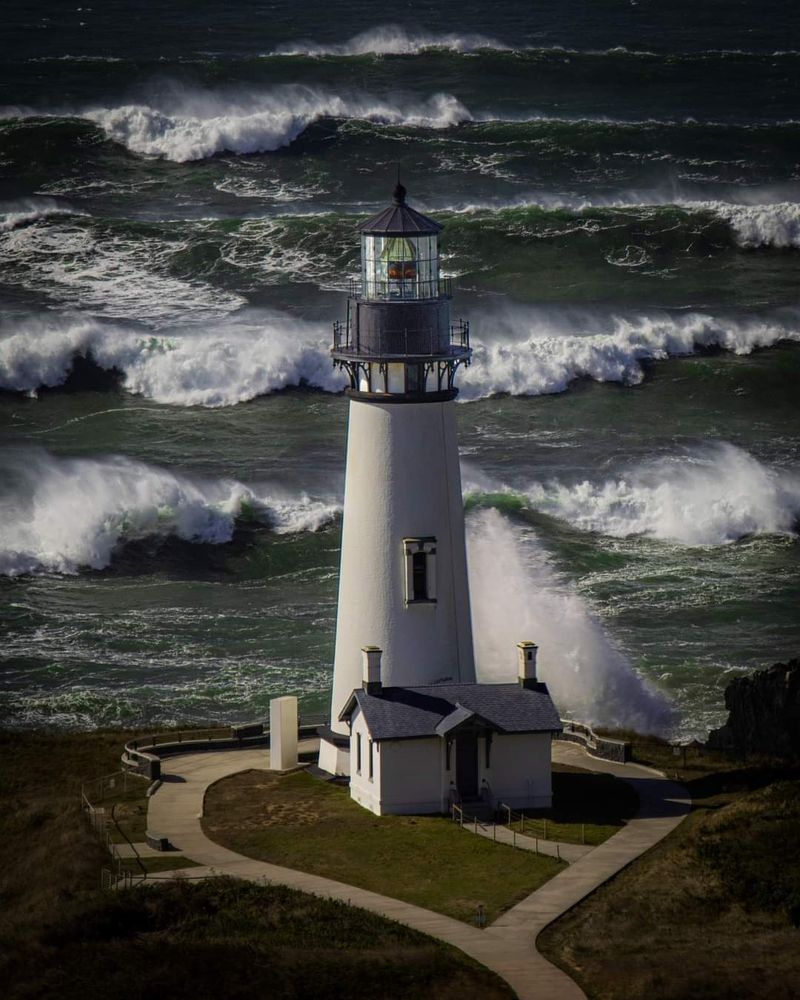
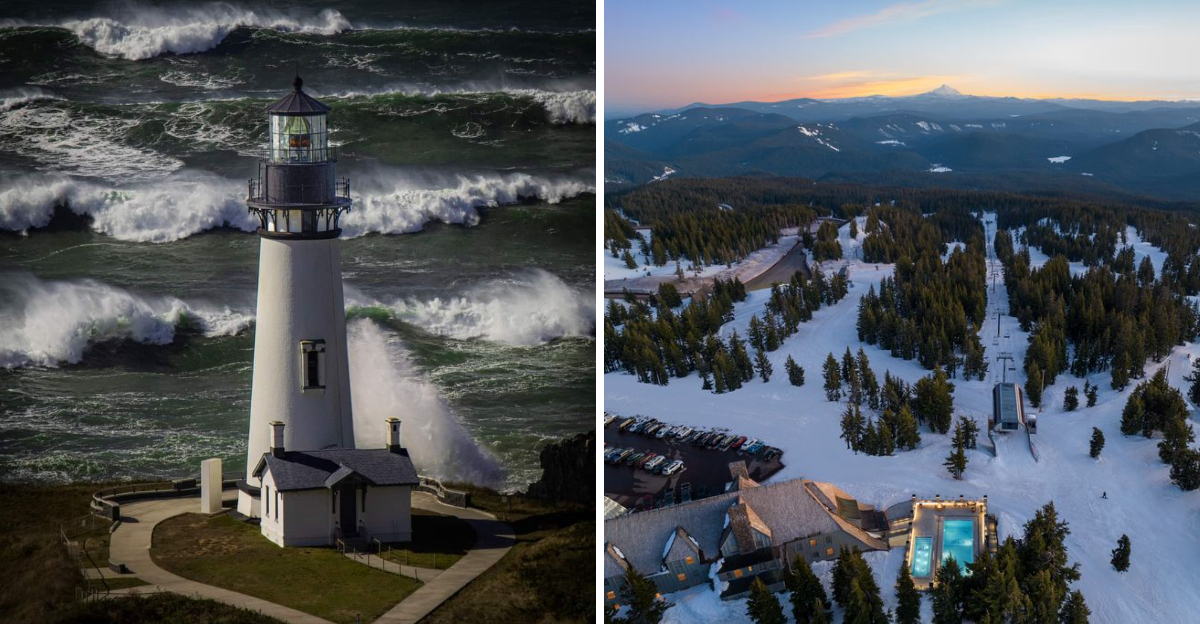
Winter on the Oregon Coast rewards patience and preparation, and Yaquina Head Lighthouse becomes a front row seat for swells that stack and crash.
You pick a safe viewpoint behind railings and watch foam plume upward while gulls drift on wind that hums across the headland.
Breaks in weather reveal textures on the tower and the basalt, and the contrast makes even gray days feel cinematic and bold.
Tide and swell forecasts guide timing, and staff can explain which overlooks offer the best angles when seas build quickly.
Waterproof layers and gloves help you stay comfortable, and traction matters on wet paths or stairs that face the ocean.
Parking fills during big events, so arriving early keeps stress low and gives you space to settle into a viewing nook.
Interpretive displays cover lighthouse history, seabirds, and tide pools, which adds context when storms ease and access improves.
Binoculars pick out offshore spray patterns and distant floats, while a lens cloth keeps sea mist from softening your images.
This headland feels powerful in any season, yet winter magnifies sound and scale to a degree that stays with you.
Safety remains paramount, so never cross barriers or stand on exposed rocks when waves surge beyond typical lines.
When skies clear, the scene shifts to calm blues and gentle ripples, offering a quiet counterpoint to roaring water.
From here you can trace the coast north or south, discovering pullouts that show Oregon’s rugged edge in careful stages.
9. Skiing or Snowboarding on Mount Hood, Timberline Lodge (27500 E Timberline Rd Government Camp, OR 97028)
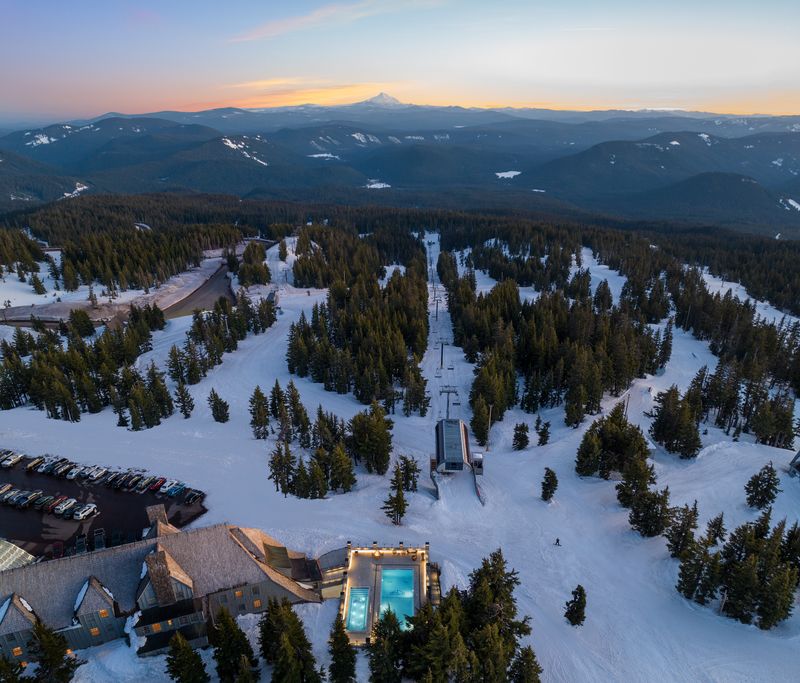
Mount Hood carries a long snow season, and Timberline Lodge anchors the experience with classic architecture and wide groomed terrain.
You start at the base area where lifts hum steadily, and the mountain opens in layers that suit both fresh learners and seasoned riders.
Early mornings give corduroy that feels crisp under edges, while afternoons bring softer turns as temperatures climb.
Lift status and weather updates help you pick zones with the best visibility if clouds wrap the summit and drift downslope.
Helmets and goggles tuned to flat light keep the day comfortable, and hand warmers buy you extra laps when temperatures dip.
Parking fills quickly on bluebird weekends, so arrive early and pack a small kit with water, layers, and spare gloves.
Lessons run daily in peak season, and rental fleets make it simple to try different setups without a long commitment.
On storm days you can stay near treeline for contrast, then slide back to the lodge when you want a break from the wind.
Spring brings long lunch patios and corn cycles that reward timing, which turns late season into a reliable highlight.
Summer ski operations can extend on Palmer when conditions allow, offering unique laps above snowfields with striking views.
Respect closures and rope lines that protect you and patrol, and check the avalanche forecast if touring outside the resort.
With the last run done, the mountain sunsets glow soft and pink, then the drive leads you toward other Oregon adventures.
10. Seasonal Scenic Connector, Oregon Travel Overview
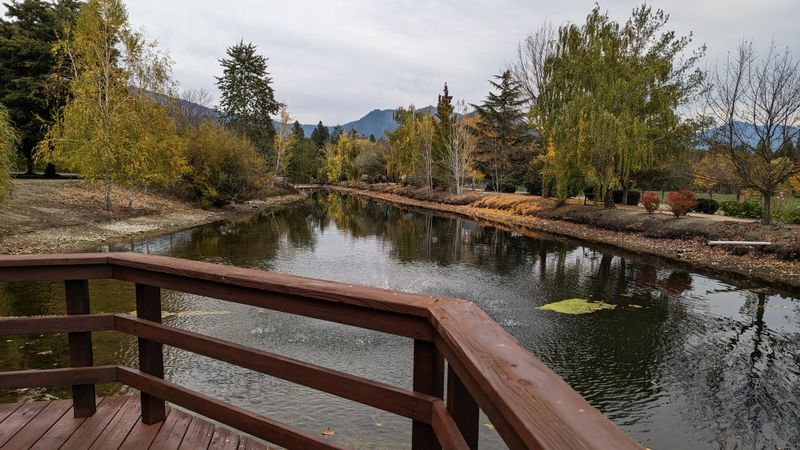
Oregon shines when you thread seasons together, linking tulip rows, river spray, desert hues, and snow lined ridges into one thoughtful circuit.
You can shape a loop that moves with weather, matching spring blossoms to the Valley, clear days to Crater Lake, and storms to the coast.
This approach keeps weekends lively and vacations flexible, while you watch forecasts and road reports to place each highlight perfectly.
Start with spring color near Woodburn, then pivot east for the Gorge when flows surge and the greens burn bright on canyon walls.
Early summer brings long light in Central Oregon, and Bend becomes a practical base for camping and mellow high desert miles.
By late summer you might chase wind in Hood River, where afternoons build thermal power and evenings calm for walks along the park.
Autumn layers vineyards with gold and copper, and Willamette slopes invite slow afternoons and sweeping terrace views.
When winter wakes, Mount Hood offers groomers, tree runs, and classic lodge time, with clear mornings after storms that leave fresh texture.
The coast turns dramatic and moody, which suits storm watching days wrapped in waterproof layers and patient observation.
Out east the Painted Hills shift under soft light, rewarding timing and quiet steps along boardwalks that protect the fragile surface.
Throughout, Oregon roadways tie regions together in scenic lines, and every turn introduces a new blend of geology, forest, and sky.
With curiosity and care, your seasonal plan becomes a year of small adventures that feel personal, memorable, and well timed.
Dear Reader: This page may contain affiliate links which may earn a commission if you click through and make a purchase. Our independent journalism is not influenced by any advertiser or commercial initiative unless it is clearly marked as sponsored content. As travel products change, please be sure to reconfirm all details and stay up to date with current events to ensure a safe and successful trip.
