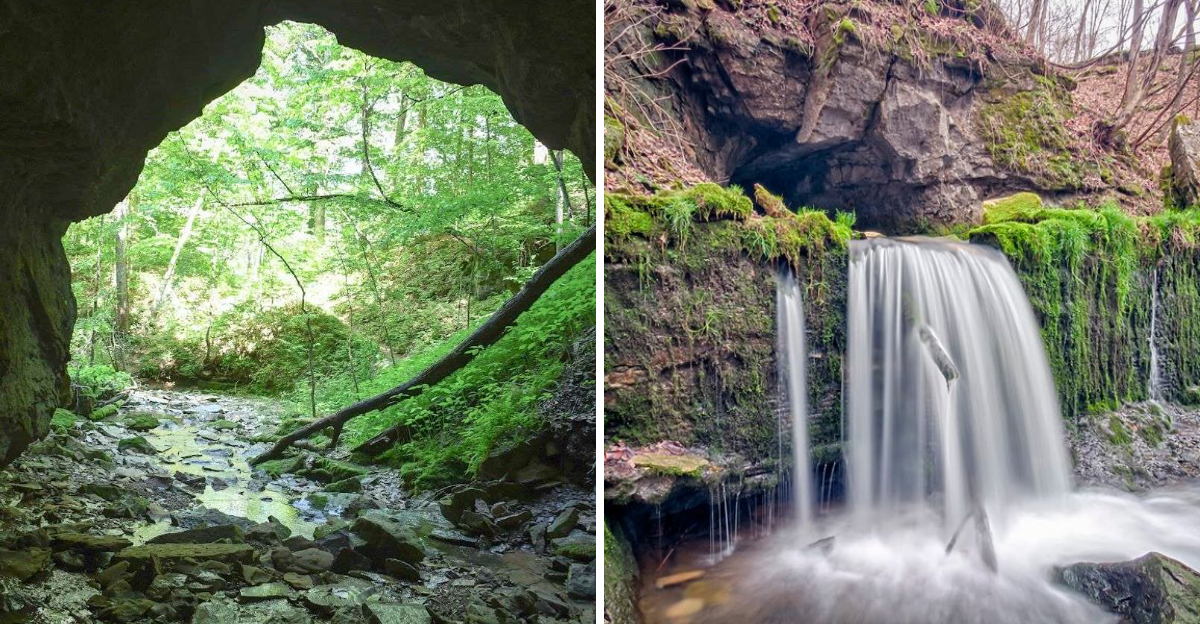
I will be honest with you. I had driven past the rolling hills of Washington County more times than I can count without ever knowing that a place like this natural area existed just off the back roads near Campbellsburg, Indiana.
When I finally made the trip out, I was not prepared for the mystery waiting at the end of that gravel path. Mossy rocks, a creek winding through a forest hollow, and ancient, restricted caves carved into the hillside made this feel less like Indiana and more like a secret kept by the earth itself.
If you love quiet trails, rare geology, and the kind of nature that feels intentionally tucked away from the modern world, this place is calling your name, offering a rare look at a subterranean wilderness that is as fragile as it is beautiful.
Scenic Hiking Trails That Follow a Winding Creek
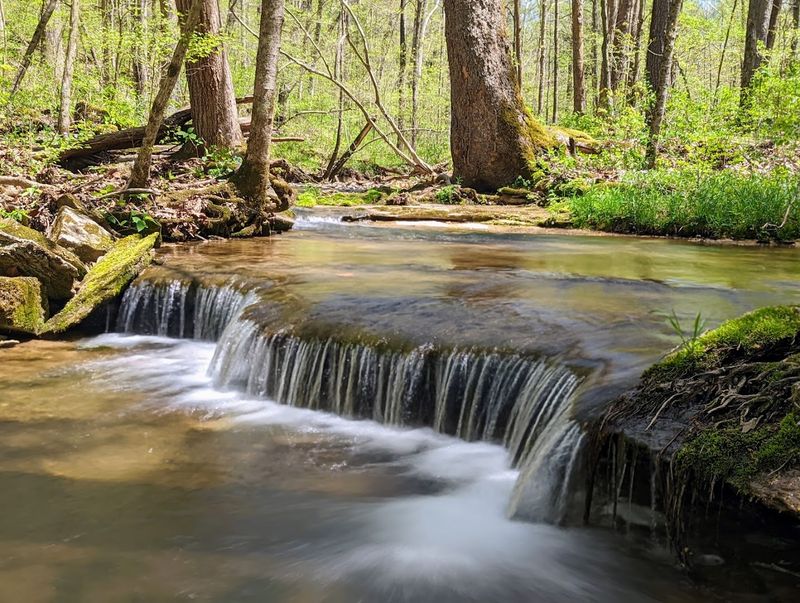
Not every trail needs to be a grueling all-day commitment to leave you feeling like you actually went somewhere. The main loop at Cave River Valley Natural Area is about 2.4 miles, and it follows a creek the whole way through a shaded forest hollow that feels genuinely removed from the rest of the world.
The path is generally considered easy, which makes it a solid option whether you are a seasoned hiker or someone who just wants to stretch their legs without scrambling up a mountain. That said, parts of the trail are uneven and can get muddy after rain, so wearing sturdy shoes is a smart call.
What makes this trail stand out is how it keeps rewarding you. Around one bend you get a view of water trickling over flat limestone slabs, and around the next you are walking under a canopy so thick the sunlight barely breaks through.
The creek itself becomes part of the trail in spots, meaning you might need to wade through a shallow section if you want to reach the more remote areas.
Water shoes or old sneakers are worth tossing in the car. The trail opens daily from 6 AM to 9 PM, giving you plenty of daylight to explore at a relaxed pace without feeling rushed.
Few trails in southern Indiana offer this kind of quiet, creek-side immersion within such a short distance.
Hidden Caves Requiring Official Naturalist Guides
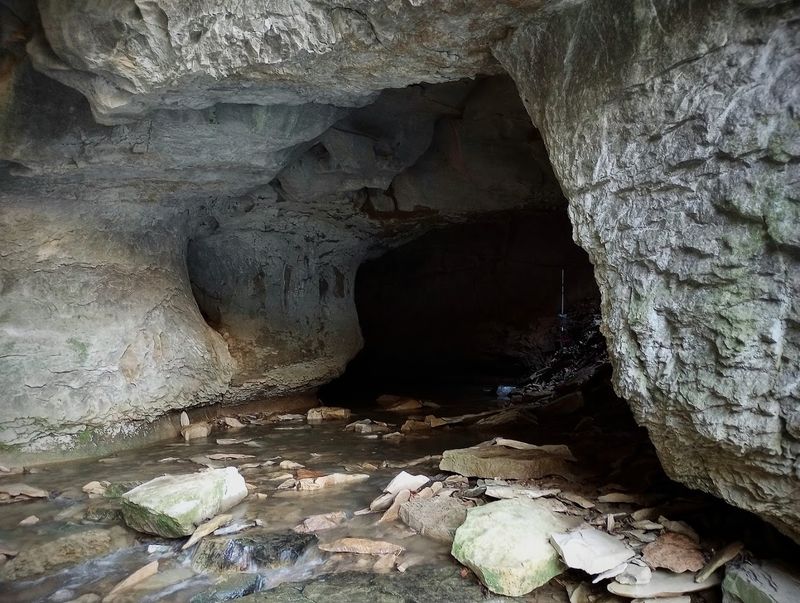
There is something undeniably thrilling about knowing that a real cave is waiting somewhere along the trail, and Cave River Valley delivers on that promise in a way that few places in Indiana can match. River Cave and Endless Cave are the two main caves here, and both carry their own distinct character worth experiencing under the proper supervision of park staff.
River Cave is the more accessible of the two. Water actually flows out from its entrance, creating a cold, atmospheric opening that feels like the forest is breathing.
Endless Cave sits deeper into the natural area and serves as a hibernaculum for the federally endangered Indiana bat, which means all access is strictly prohibited outside of authorized DNR tours. Unlike a typical park, you cannot simply walk in; you must be part of an official event to enter.
Cave access at this natural area is governed by state and federal laws, and that structure exists for good reason. The caves contain sensitive ecosystems, including cave salamanders and hibernating bat populations that can be seriously harmed by disturbance or the spread of white-nose syndrome.
Respecting these closures is not just a rule, it is genuinely important conservation work. For most visitors, the view from the entrance is the closest you will get.
Guided tours led by naturalists from nearby Spring Mill State Park give you the full story behind the geology and the wildlife living inside these caves. Attending one of these scheduled events is honestly the best way to experience them anyway, because the expert context makes everything richer and more memorable without risking the safety of the bats or the legal status of the land.
Rich Wildlife and Rare Bat Populations
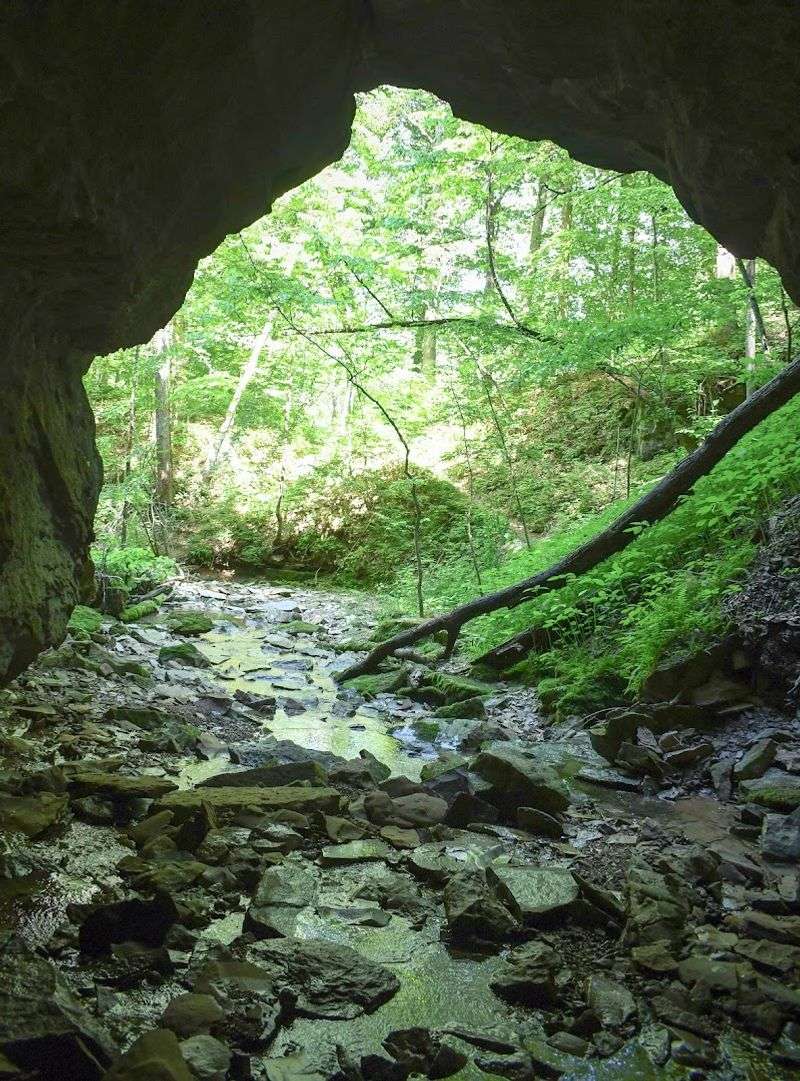
Endless Cave holds a secret that most people driving through Washington County would never guess. During hibernation season, this cave becomes home to one of the most significant bat colonies in the region, sheltering the federally and state-endangered Indiana bat in numbers that can genuinely take your breath away.
One visitor who caught the cave on the last open day of the season described seeing more bats than they had ever seen in their life. That kind of encounter is rare, and it is exactly the type of experience that makes Cave River Valley feel different from a typical state park visit.
The Indiana bat is not just a cool wildlife sighting. It is a species fighting for survival, and the fact that this natural area provides critical hibernation habitat makes it ecologically significant in ways that extend well beyond its size.
Beyond bats, the valley supports a wide range of wildlife. Cave salamanders use the cave pools and rock cover to lay eggs, making the caves a layered ecosystem rather than just a geological feature.
Ferns, mosses, and wildflowers carpet the forest floor throughout the warmer months, and the creek attracts birds and small mammals year-round.
This is a place where paying attention pays off. Slow down, look closely at the rocks and the water, and you will find life everywhere you turn.
The biodiversity here is quietly extraordinary for a natural area of this scale.
Cascading Waterfalls and Moss-Covered Rock Formations
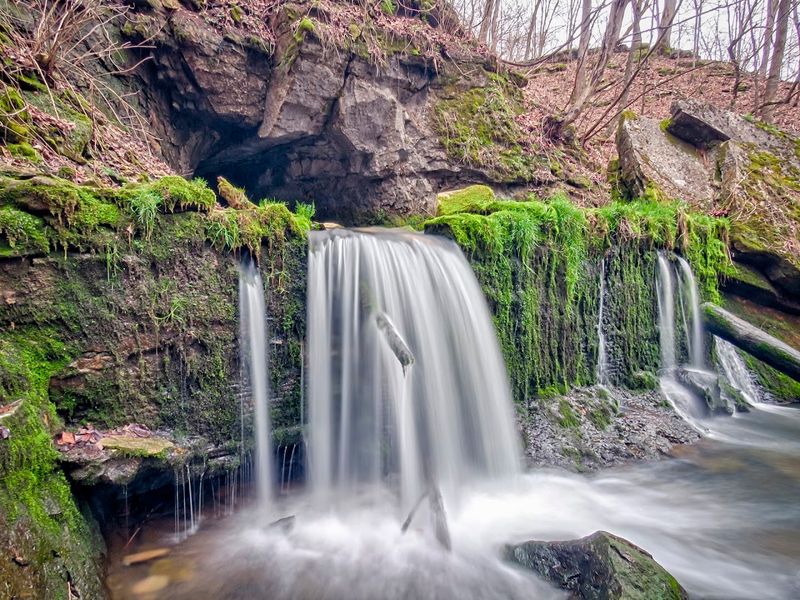
If you have ever wanted a waterfall photo that looks like it belongs in a travel magazine but was taken in your own backyard state, Cave River Valley is going to surprise you. The natural area features several small cascading waterfalls tucked along the creek and hidden within the forest hollow, and the combination of moving water and moss-covered limestone creates a scene that is genuinely stunning in person.
The rocks here are blanketed in thick green moss that holds moisture even in drier months, giving the whole valley a lush, almost ancient quality. Walking past these formations feels more like exploring an Appalachian gorge than wandering through a southern Indiana county park.
The limestone bluffs that rise above the trail add dramatic vertical contrast to the gentle creek flowing below them.
Photographers and casual visitors alike tend to linger longer than expected once they reach these spots. The light in the late morning, when it filters down through the canopy and catches the water mid-fall, is particularly beautiful.
Bringing a camera or even just using your phone is absolutely worth it.
November visits, even cold ones, have been described as peaceful and worthwhile by people who know the area well. The absence of leaves in late fall actually opens up views of the bluffs and rock formations that get hidden by summer foliage.
Every season at Cave River Valley offers something visually distinct and worth seeing with your own eyes.
Deep Historical Roots Dating Back to the 1800s
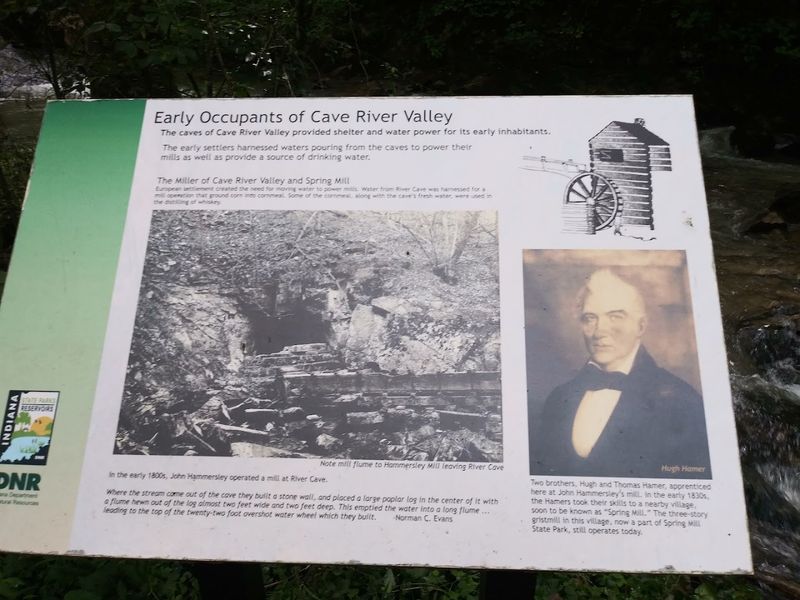
Long before Cave River Valley became a managed natural area, it was a lively community destination. Back in the 1800s and into the early 1900s, people came here for dances, picnics, trout fishing, and even boat tours through River Cave.
That history is layered into the land in ways that make a simple hike feel like a walk through time.
The connection to Spring Mill State Park is particularly fascinating. The pioneer village preserved at Spring Mill traces its origins back to this valley, making Cave River Valley a kind of ancestral site for one of Indiana’s most beloved state parks.
Historical placards along the trail reference the old mill and the community life that once thrived here, giving context to the landscape that surrounds you.
There are remnants of that earlier era still visible if you know what to look for. Past visitors have mentioned the traces of an old road, bridge foundations, and the general outline of what used to be a more developed recreational area before the land was returned to nature.
That transition from bustling community hub to quiet natural area gives the place a layered, reflective quality.
Knowing this history changes how you walk the trail. Every mossy rock and overgrown path carries the echo of people who gathered here for joy and community over a century ago.
For anyone interested in Indiana’s rural heritage, that connection alone makes the visit meaningful and worth the drive.
A Peaceful Escape With Minimal Crowds
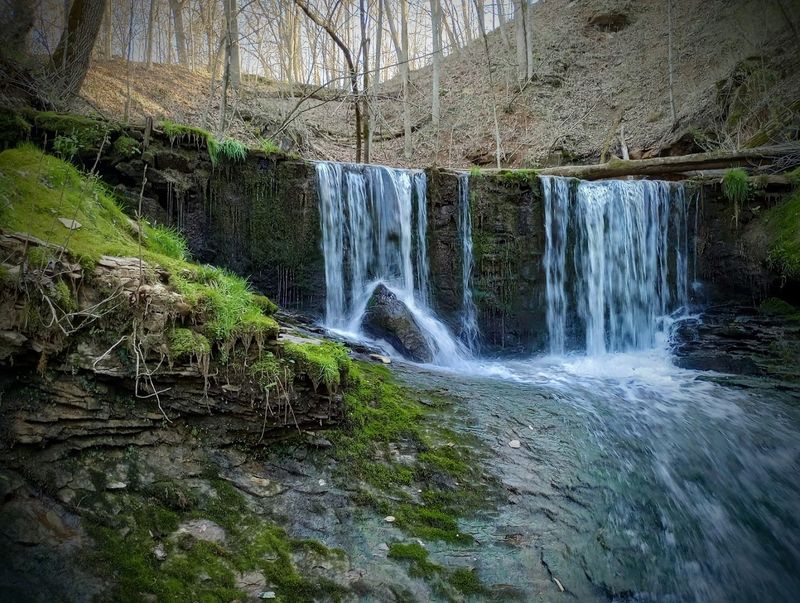
One of the most consistent things people mention after visiting Cave River Valley is how quiet it is. Not in a disappointing, nothing-is-happening kind of way, but in the rare and genuinely restorative sense that you can actually hear the creek and the birds and your own thoughts without any background noise competing for attention.
The natural area does not draw the kind of weekend crowds that show up at more heavily advertised destinations. That relative obscurity is part of its charm.
You are likely to have long stretches of the trail entirely to yourself, which makes it a genuinely meditative experience rather than a social one. People who have visited on cold November days have come back raving about how serene and worthwhile the whole thing felt.
The park is open daily from 6 AM to 9 PM, which means early morning visits are entirely possible and probably spectacular. Morning light in a forested hollow has a quality that is hard to describe until you have actually stood in it, watching mist rise off a creek while the rest of the county is still waking up.
For Indiana locals dealing with busy weeks and overstimulating schedules, this kind of place is genuinely hard to find. The fact that it exists within a few hours of most of the state, and that it remains relatively unhurried and unspoiled, makes it worth protecting and worth visiting as often as you can manage it.
Educational Guided Tours Led by Naturalists
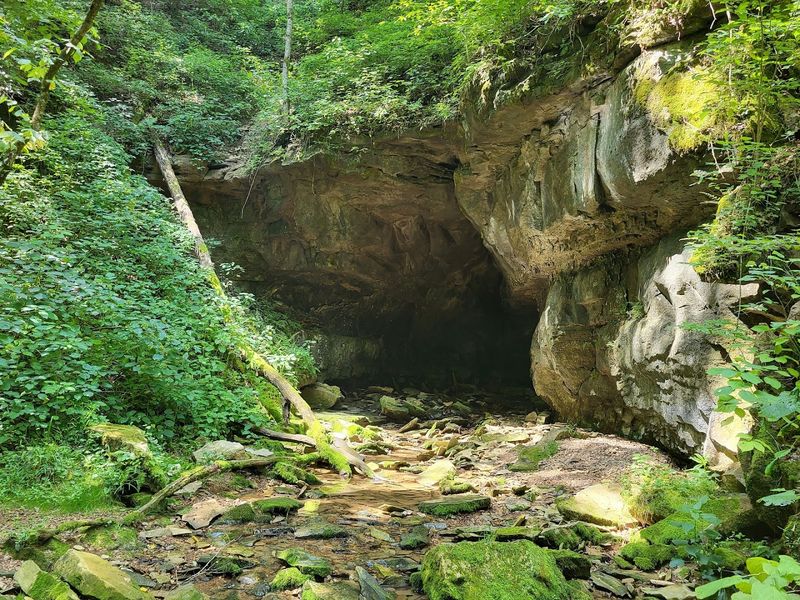
Going into a cave without context is interesting. Going in with a naturalist who can explain what you are actually looking at is something else entirely.
The guided tours available at Cave River Valley Natural Area, located at 6031-6871 N Cave River Valley Rd, Campbellsburg, IN 47108, turn a cool hike into a genuine learning experience, covering geology, local history, bat conservation, and the fragile ecosystems that exist inside these limestone formations.
Naturalist-led cave tours are the recommended way to access River Cave and Endless Cave, particularly during the open season when permits are required. The guides know the land deeply and bring the kind of specific, local knowledge that no trail sign or pamphlet can replicate.
They can point out features that most visitors would walk right past without noticing, from fossil impressions in the limestone to the subtle signs of bat activity near the cave entrance.
For families, school groups, or anyone who genuinely wants to understand what makes this valley ecologically and historically significant, the guided format adds real value. Kids tend to respond well to caves in general, and having someone explain why the bats matter or how the creek carved the cave over thousands of years makes the experience stick long after the hike is over.
Dear Reader: This page may contain affiliate links which may earn a commission if you click through and make a purchase. Our independent journalism is not influenced by any advertiser or commercial initiative unless it is clearly marked as sponsored content. As travel products change, please be sure to reconfirm all details and stay up to date with current events to ensure a safe and successful trip.
