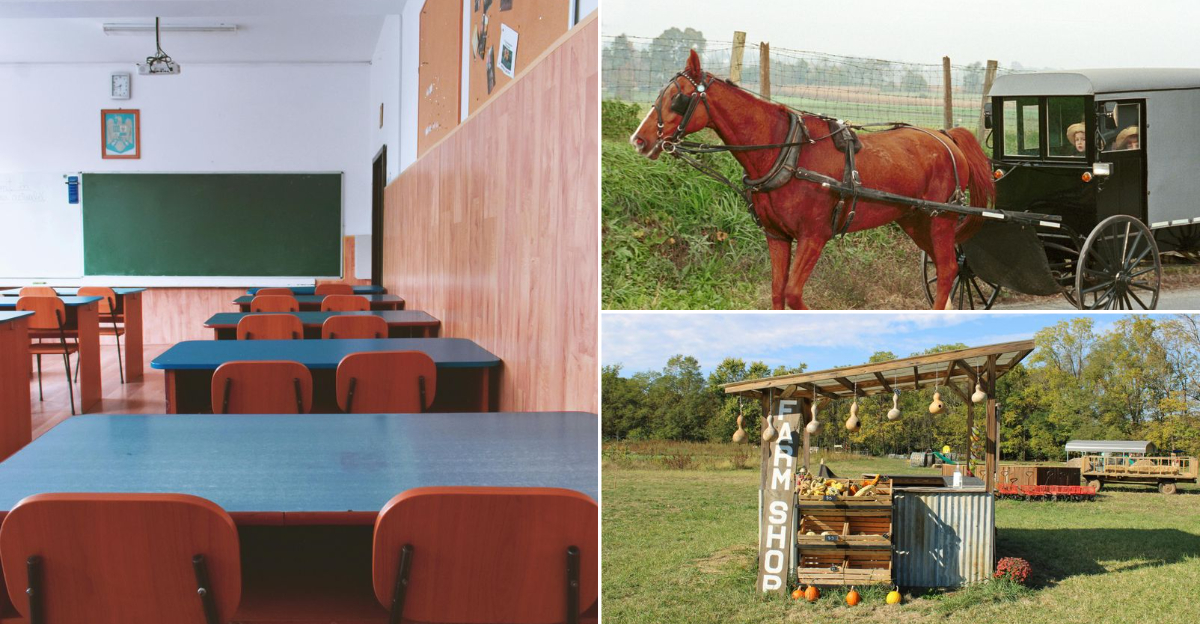
Have you ever wondered what daily life looks like without modern technology?
In Ohio, Amish communities give you a glimpse into a lifestyle that feels worlds apart from the fast pace most of us are used to. Visiting these areas isn’t about stepping into a tourist attraction.
It’s about seeing how people live with traditions that have been passed down for generations.
From horse-drawn buggies on quiet country roads to farms where work is done by hand, the Amish way of life is built on simplicity and community.
Their practices, whether it’s baking, woodworking, or farming, show how much can be accomplished without relying on gadgets and screens.
What stands out most is the focus on family and faith, values that shape everything they do.
I’ve always found it fascinating to see how different communities approach everyday routines, and the Amish remind us that there’s more than one way to live a full life.
If you’re curious about Ohio beyond the cities, the Amish communities are worth discovering up close.
Ohio’s Home To The World’s Largest Amish Community
Start with this big truth because it frames the whole trip and keeps our expectations honest.
Ohio is home to the largest Amish population anywhere, with major settlements in Holmes, Wayne, and Geauga counties.
Tens of thousands of Amish people live across dozens of church districts throughout the state. These communities continue to grow because families are large and young people tend to stay Amish.
This makes this state the best place to see Amish life as an everyday reality, not a reenactment.
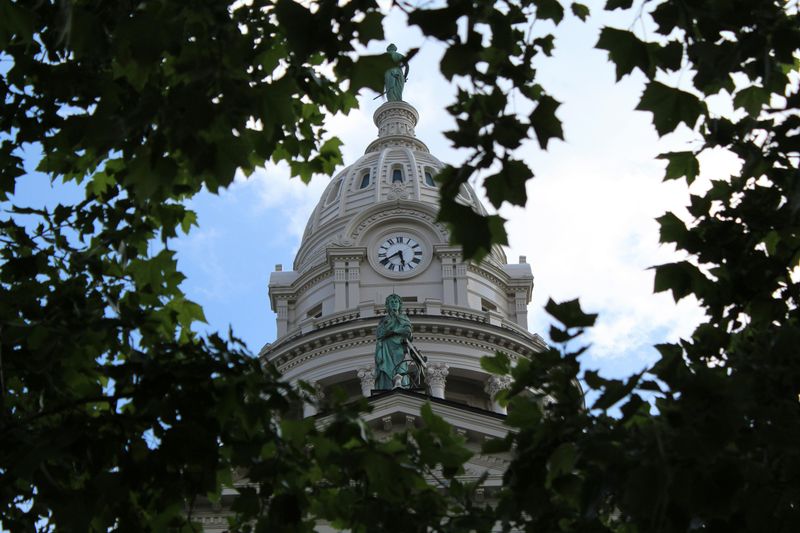
If you begin around Millersburg at 2 E Jackson St, Millersburg, we can use the courthouse square as our mental compass.
From there, the road unwinds through farms where laundry flaps on long lines and buggies clip along calmly.
You feel the pace shift as soon as the shoulder narrows and the barns open to the fields. It is not a museum vibe because nothing is staged and everybody is simply doing their day.
When you stop, stay respectful, and let the quiet lead the conversation.
Wayne County comes next with Wooster anchored at 1 S Market St, Wooster, which helps you orient before wandering the lanes.
The spread across the state means customs vary slightly, and we will see those differences up close.
It keeps the drive fresh and helps each stop feel like its own small world. Ready to roll with the windows cracked and the map marked with pencil?
Church Districts Shape Daily Life
Here is where structure gets real and local because church districts quietly set the tone for everything.
Amish communities are divided into church districts, usually made up of twenty to forty nearby families. These districts function as religious, social, and decision-making units.
Rules, traditions, and expectations are agreed on at the district level rather than statewide. This is why Amish life can look slightly different from one Ohio community to another.
A lane or a hill can define a boundary as clearly as a line on a map. It keeps things sized for conversation and accountability, not bureaucracy.
Decisions happen face to face, and you sense that in the calm way people greet each other. It is all relational, which is why patience matters more than speed.
Each district chooses details like which reflectors go on buggies and how bright outdoor lights can be.
The rhythm of visits, work sharing, and care lists carries through the week without fuss. When planning your route, treat districts like neighborhoods with their own personalities.
You will notice small cues like mailbox clusters and schoolhouse locations tucked on a curve. It is a map you read with your eyes and your ears more than with an app.
Worship Happens In Homes And Barns
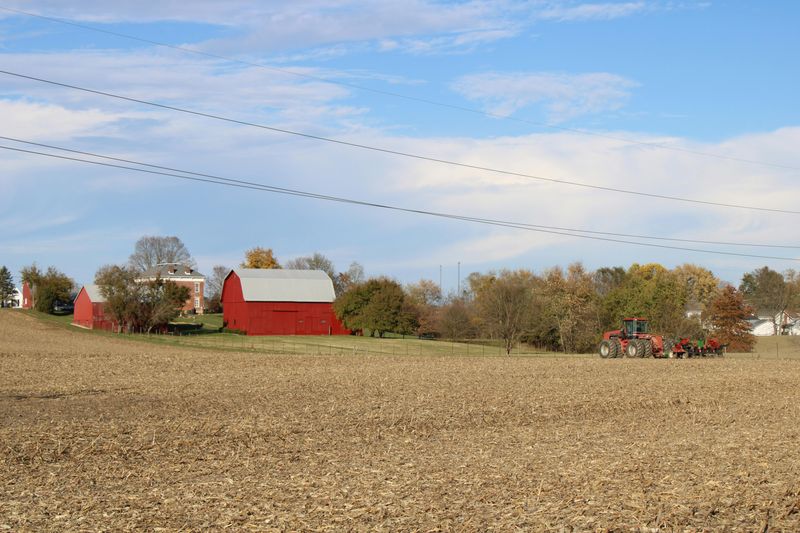
This part always grounds me because it centers faith inside everyday spaces without fuss or show. Amish do not build churches and instead hold services in homes or barns every other Sunday.
The hosting location rotates so no family gains status or influence. Benches, hymn books, and food are all brought in for the day.
Worship doubles as a social anchor that reinforces community bonds. You might pass a lane lined with buggies and know a service is underway.
The sound you will not hear is amplification, just voices carried by wood and air. It feels temporary and mobile, like the faith walks with the people instead of living in a building.
That rotation also keeps houses tidy and hearts humble, which is the point.
Benches become a sign of shared responsibility, not decoration, it is a different kind of logistics lesson, and it works because expectations are clear.
The rhythm continues whether fields are muddy or roads are dry. The simplicity invites focus without turning quiet into spectacle or trend.
The Ordnung Quietly Governs Everything

Think of the Ordnung like a shared compass that does not need a billboard to be real.
Each church district follows an Ordnung, an unwritten code that guides behavior, clothing, and technology.
It determines details like buggy style, clothing colors, and which tools are acceptable. Rules can change, but only slowly and by group consensus.
This system keeps order without written laws or enforcement agencies. Those subtle differences tell a story.
A lantern here, a mirror there, and a choice about reflectors add up to local identity.
Clothing shades and stitching patterns signal tradition without turning into fashion statements. The point is not control for control’s sake but harmony across daily life.
You can feel the steadiness in how people move through chores and visits. When new tools show up, they get weighed against values like humility and togetherness.
It is slower than a quick download, and it stays that way on purpose. Because the code is shared, enforcement is mostly conversation, teaching, and example.
You learn by watching and by listening, not by reading a booklet. That quiet clarity might be the calm you are hoping to bring home.
Technology Is Evaluated, Not Automatically Rejected

This is where common myths fall apart and the real logic shows up in practical decisions. The Amish do not reject all technology, they judge it by its impact on family and community.
Public electricity is usually avoided, but propane, diesel engines, batteries, and compressed air are common.
Businesses may use advanced equipment while homes stay intentionally simple. The goal is usefulness without encouraging individualism or dependence on the outside world.
In Kidron near 4959 Kidron Rd, Apple Creek, Ohio, shops run efficient setups that keep neighbors employed.
You will see air lines snaking along ceilings instead of cords to keep the grid at bay. Phones might live in shared booths rather than pockets because boundaries matter.
The result is tech that serves people rather than the reverse. It is measured and mindful, which is rare and refreshing.
We can ask ourselves what tools actually make our days better and which ones just speed them up. Their approach nudges that question without handing out lectures.
School Ends After Eighth Grade By Design

You will spot the schoolhouses first by their steady proportions and the bikes leaning in a neat line. Formal education typically stops after eighth grade in Amish communities.
This is legally protected in the U.S. and aligns with Amish beliefs about humility and practical knowledge.
Schools are usually one-room buildings taught by unmarried Amish women. Afterward, learning continues through work, not classrooms.
The lessons lean into arithmetic, reading, writing, and strong community history. There is a purpose to the limit, and it is not about ability or ambition.
It is about shaping adults who serve where they live and know how to build and repair. That kind of focus does not hurt curiosity, it guides it.
You might pause by the road and listen to recess noise drift across the field, it sounds like energy that will end up in barns and shops later. Parents and neighbors carry the next part of the curriculum through apprenticeships.
The bridge from books to tools is short and steady. It keeps the future anchored to skills that are useful tomorrow morning.
Teenagers Learn Through Work, Not College
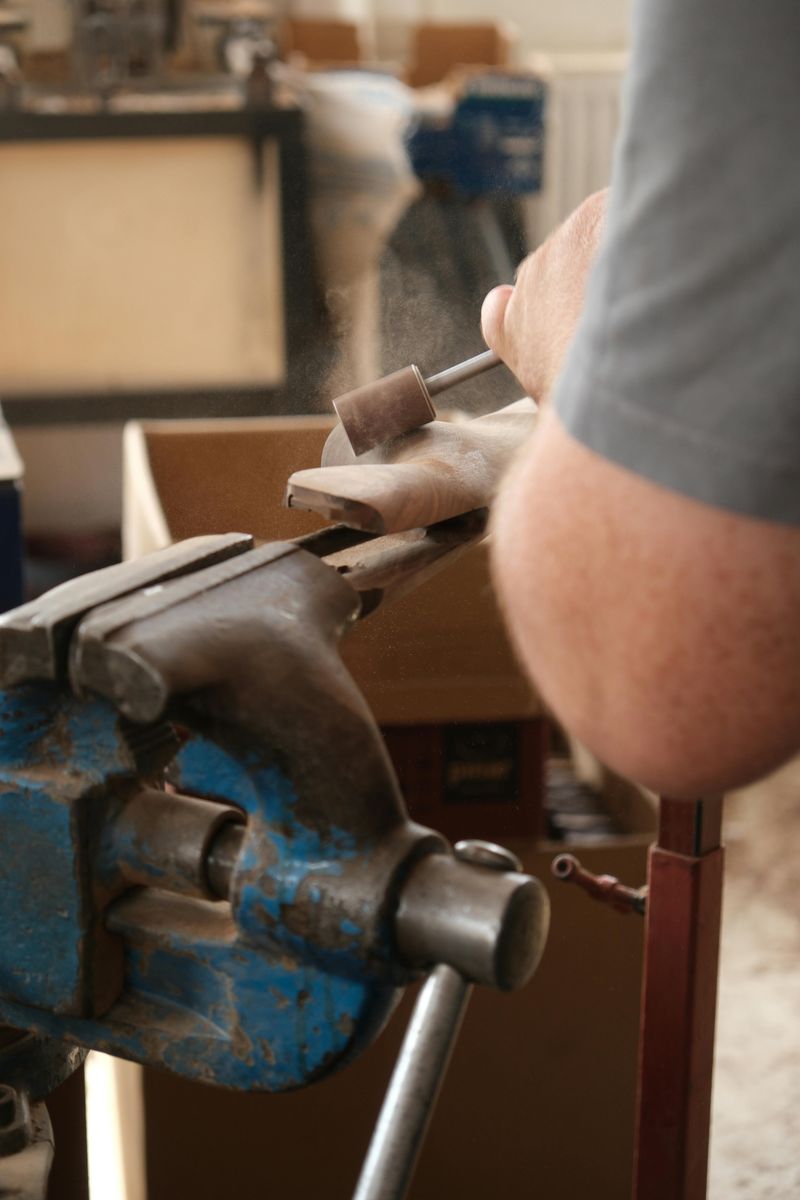
I like how this stage feels practical and hopeful without the usual rush. After school, Amish teens enter apprenticeships on farms or in family businesses.
They learn trades like carpentry, farming, baking, metalwork, or furniture making. This early responsibility prepares them for adult life quickly.
By their early twenties, many are skilled business owners or farmers. The training is patient and layered, like passing a story along board by board.
Work becomes the classroom and mentors carry the lesson plan. There is pride, but it is quiet and shared around the shop.
That is a different kind of resume, and it reads well in real life.
Teens move from sweeping floors to measuring, cutting, and finishing with care. They learn to price jobs and schedule deliveries without losing the human touch.
You feel a confidence that comes from doing and fixing, not just talking about it. It is contagious and it makes a person stand a little straighter.
Horses And Buggies Are Still Everyday Transportation
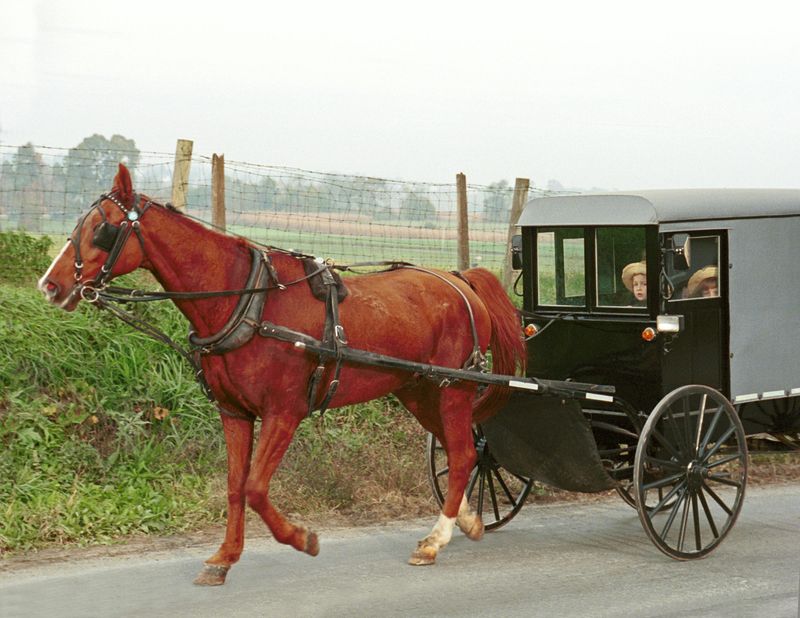
You will fall into the rhythm of the clip clop before you notice your shoulders relaxing.
Horse-and-buggy travel remains central to daily life in Ohio’s Amish areas. Buggy colors and styles often signal which church district a family belongs to.
For long trips, Amish hire non-Amish drivers rather than owning cars. Slower travel is intentional and reinforces a less hurried lifestyle.
Signs remind drivers to share the road, and patience becomes part of the journey. It is not quaint when you see school kids and elders moving this way as normal.
The vehicles are tools, and the speed sets the day’s expectations. You can match it by leaving earlier and planning fewer stops.
Watching a buggy crest a hill feels like time exhaling a little. It lets conversations stretch without screens grabbing them back.
You end up seeing more fence lines, more sky, and more neighbors at the mailbox. The road asks for care, and that is not a bad ask.
Farming Is Important But Not Universal
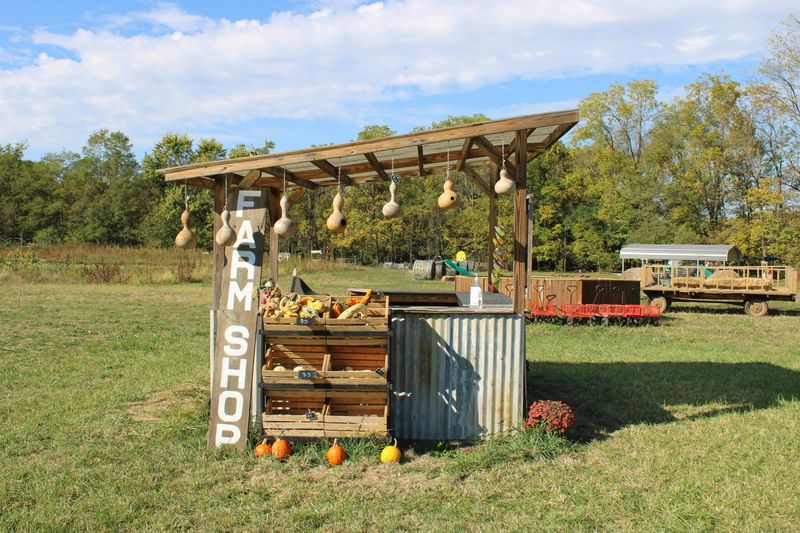
Do not picture only fields because plenty of families run shops tucked right beside the barn. Not all Amish are farmers, especially in Ohio where land is expensive.
Many families run businesses like furniture shops, construction crews, bakeries, and produce markets. Work is often done close to home, sometimes on the same property.
This keeps family life and work life tightly connected. Trucks may deliver supplies while buggies handle local errands.
It all fits because the goal is livelihoods that keep families together, that balance feels sturdy when you stand in the gravel and listen.
Shops scale up carefully with cousins joining crews and neighbors stepping in. No one needs a giant footprint when the customer is close and loyal.
The result is a web of work where money flows locally and skills stay fresh. It is resilient because it does not hinge on one big player.
Health Care Is Community-Funded

This might be the clearest example of responsibility turning into action without much noise. The Amish generally do not carry traditional health insurance.
Medical costs are paid out of pocket or through community aid funds. When major expenses arise, church members contribute collectively.
This system reinforces mutual responsibility and trust, and I like that about it. The helpers know each family and how to show up in the right way.
There are schedules for visits, chores, and rides that keep life steady during recovery. It is efficient because relationships are the infrastructure.
We usually forget how strong that can be until we see it working. Gifts are often anonymous, and the tone stays gentle and private.
No one is trying to make a hero out of a helper. There is dignity in receiving and gratitude in giving, and both jobs matter.
It is a cycle that keeps people from feeling alone when life gets heavy. That kind of care is worth remembering when you head back down the road.
Rumspringa Is Often Misunderstood
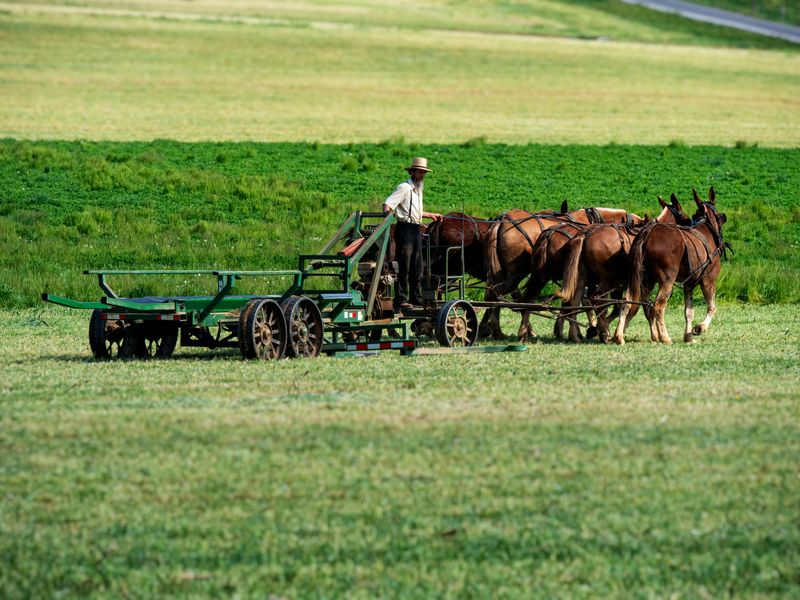
I know you have seen the wild stories, but they miss how steady most of this season really is. Rumspringa is a period when Amish teens prepare for adult church membership.
Most Ohio Amish youth live at home and continue working during this time. Wild behavior is not universal and is often exaggerated in popular culture.
The majority choose to be baptized and remain Amish.
Friends gather, talk, and make choices with families close by.
You feel that tug toward belonging more than a pull toward escape. It is not a movie plot, it is a path into responsibility.
Teens ask questions and watch how their elders carry the load year after year. They try small freedoms and weigh what fits with the life they want.
The end goal is commitment made freely and understood clearly, it is a turning that happens in the open with neighbors paying attention.
Clothing Serves Purpose, Not Fashion
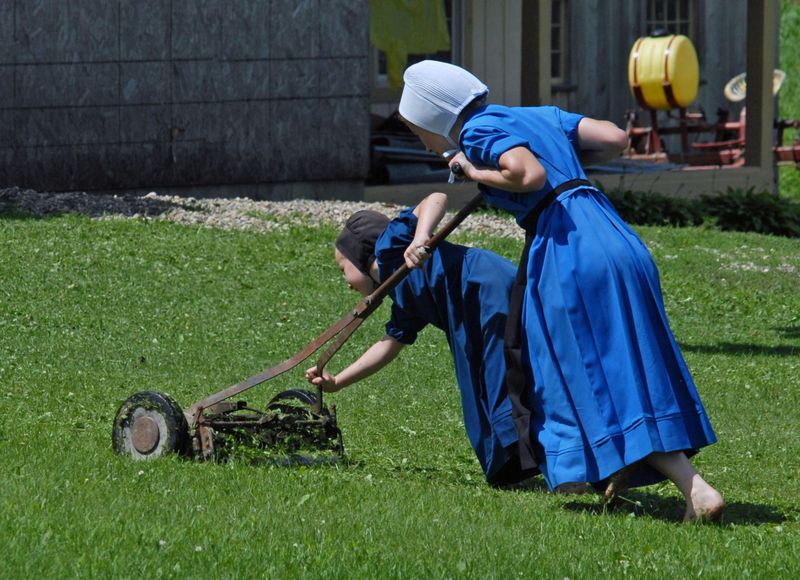
You notice the clothing first, and then you notice how people hardly talk about it at all.
Amish clothing is chosen for modesty, durability, and uniformity. Styles differ slightly by church district, but trends are avoided.
Clothing is often homemade or purchased from Amish-run shops. The goal is to minimize vanity and emphasize equality.
Colors stay within a calm palette that keeps mornings simple. You can tell workdays from Sundays by texture more than by flair.
Buttons, pins, and hooks follow district norms that everyone knows by heart. It turns getting dressed into a small act of shared values.
Travelers sometimes whisper about the rules, but locals think about reasons first. It frees attention for tasks, neighbors, and worship without costume drama.
Dear Reader: This page may contain affiliate links which may earn a commission if you click through and make a purchase. Our independent journalism is not influenced by any advertiser or commercial initiative unless it is clearly marked as sponsored content. As travel products change, please be sure to reconfirm all details and stay up to date with current events to ensure a safe and successful trip.
