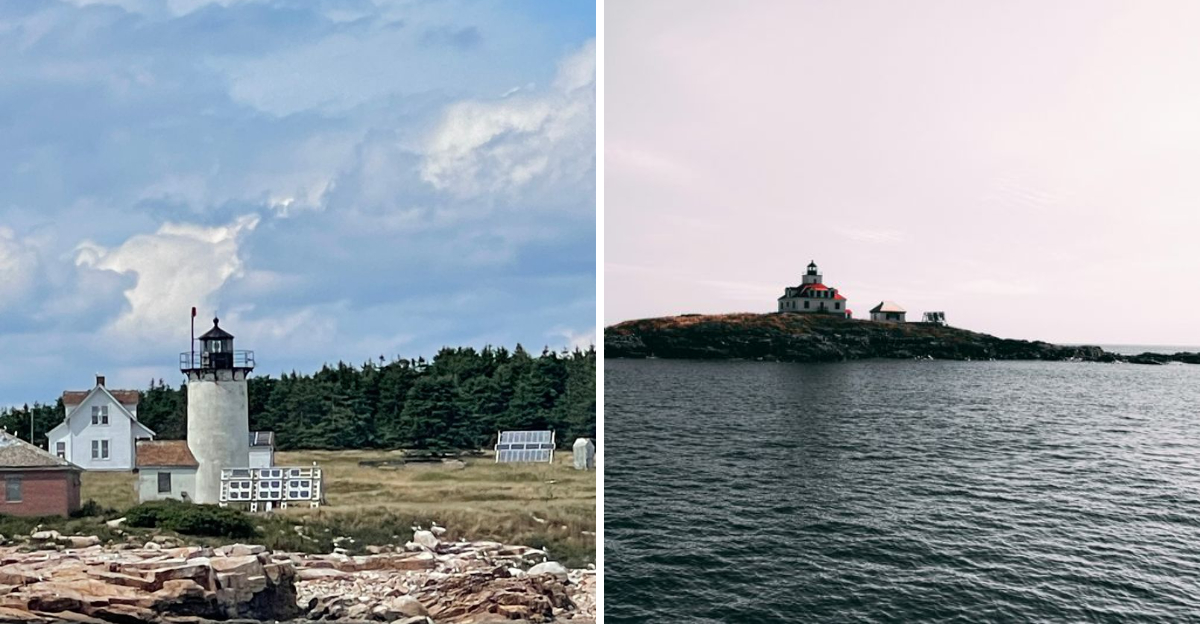
Maine’s rugged coastline hides some of the most enchanting and mysterious islands in America.
These remote spots feel completely disconnected from the busy modern world we live in every day.
Some islands can only be reached by boat, while others require special permission to visit at all.
Once you step foot on these isolated shores, you’ll discover untouched nature, fascinating history, and a sense of adventure that’s hard to find anywhere else.
The wildlife, dramatic cliffs, old lighthouses, and quiet beaches create an atmosphere that feels almost magical.
Many of these islands have stories of shipwrecks, lighthouse keepers, and early settlers who braved harsh conditions.
Exploring these hidden gems offers a chance to experience Maine in a way most tourists never will.
Whether you’re searching for solitude, natural beauty, or a glimpse into the past, these islands deliver unforgettable experiences.
Each one has its own unique character and charm that sets it apart from the mainland.
Prepare to be transported to places where time seems to stand still and nature reigns supreme.
Monhegan Island: An Artist’s Paradise Frozen in Time
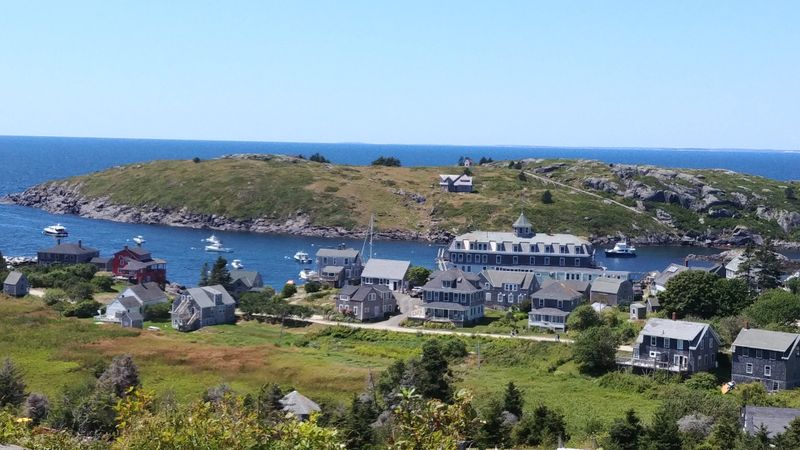
Artists have been flocking to this tiny island for over a century, drawn by its spectacular light and wild scenery.
Monhegan sits ten miles offshore, accessible only by mailboat from Port Clyde, New Harbour, or Boothbay Harbor.
The moment you arrive at the small harbor, you’ll notice there are no cars here—just footpaths winding through spruce forests and along dramatic cliffs.
The island measures just 1.7 miles long and less than a mile wide, making it perfect for exploring on foot.
Seventeen miles of hiking trails crisscross the island, leading to breathtaking viewpoints where you can watch waves crash against 160-foot cliffs.
Whitehead, the island’s highest point, offers panoramic views that have inspired countless paintings and photographs.
About 65 year-round residents call Monhegan home, though that number swells in summer when seasonal residents and tourists arrive.
The Monhegan Museum, located in the lighthouse keeper’s house next to the 1824 lighthouse, showcases the island’s artistic heritage and maritime history.
You can visit the museum at 1 Lighthouse Hill, where exhibits change seasonally to feature different artists who’ve worked on the island.
Local lobstermen here follow a unique tradition called “Trap Day” that happens each December, marking the start of their fishing season.
The island has maintained its rustic character partly because electricity didn’t arrive until 1983, and even now, generators provide most power.
Staying at one of the small inns or guesthouses means embracing a simpler way of life without television or internet distractions.
Cathedral Woods, a mystical forest filled with moss-covered rocks and towering trees, feels like stepping into a fairy tale.
This enchanted place captures why Monhegan truly feels like another world entirely.
Isle au Haut: Acadia’s Secret Wilderness Retreat
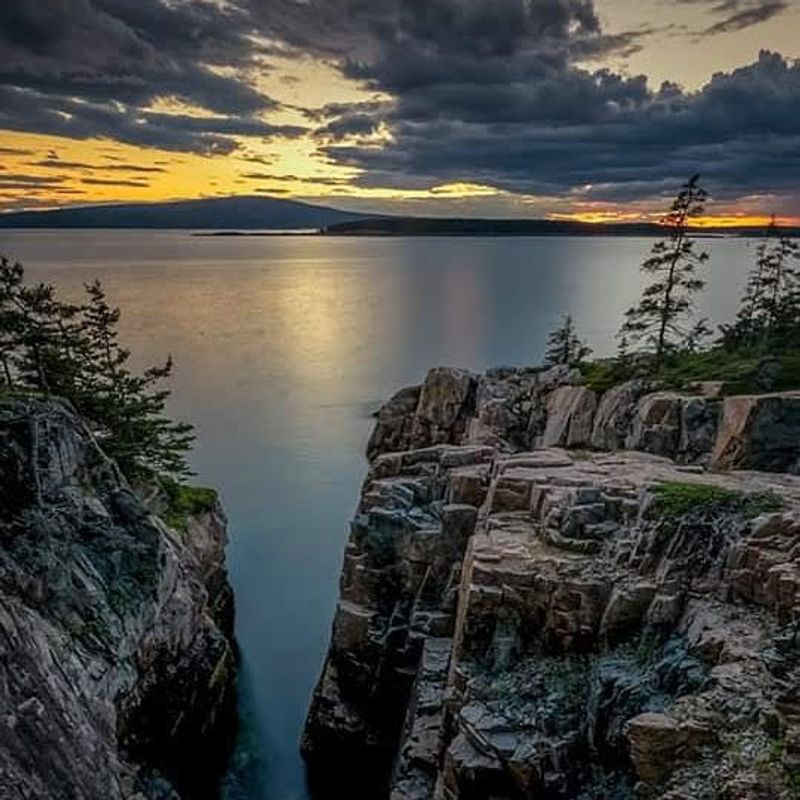
Most people know about Acadia National Park on Mount Desert Island, but few realize part of the park extends to this remote island.
Isle au Haut, pronounced “EYE-la-HO,” lies six miles offshore in Penobscot Bay, accessible by mailboat from Stonington.
The island’s name comes from French explorer Samuel de Champlain, who called it “high island” when he spotted its hills rising from the sea in 1604.
Only about 70 people live here year-round, and roughly half the island belongs to Acadia National Park.
The mailboat drops visitors at Duck Harbor during summer months, where they can access 18 miles of hiking trails through pristine wilderness.
These trails wind past rocky shores, through dense forests, and up to Western Head, where cliffs drop dramatically into the churning Atlantic.
Unlike the crowded sections of Acadia on Mount Desert Island, you might hike for hours here without seeing another soul.
Five lean-to shelters at Duck Harbor Campground offer the only camping on the island, available by reservation through the National Park Service.
The campground operates from mid-June through mid-October, providing a truly remote camping experience.
If you prefer more comfort, the Inn at Isle au Haut offers cozy accommodations near the town landing.
Bring all your food and supplies, as the island has no grocery stores or restaurants beyond the inn.
The general store near the town landing sells basic necessities and ice cream during summer months.
Bicycling the quiet roads provides another way to explore, though the hilly terrain challenges even experienced riders.
Seals, porpoises, and occasionally whales appear in the surrounding waters, adding to the island’s wild character.
This isolated sanctuary offers a rare chance to experience coastal Maine as it existed generations ago.
Matinicus Island: Maine’s Most Isolated Community
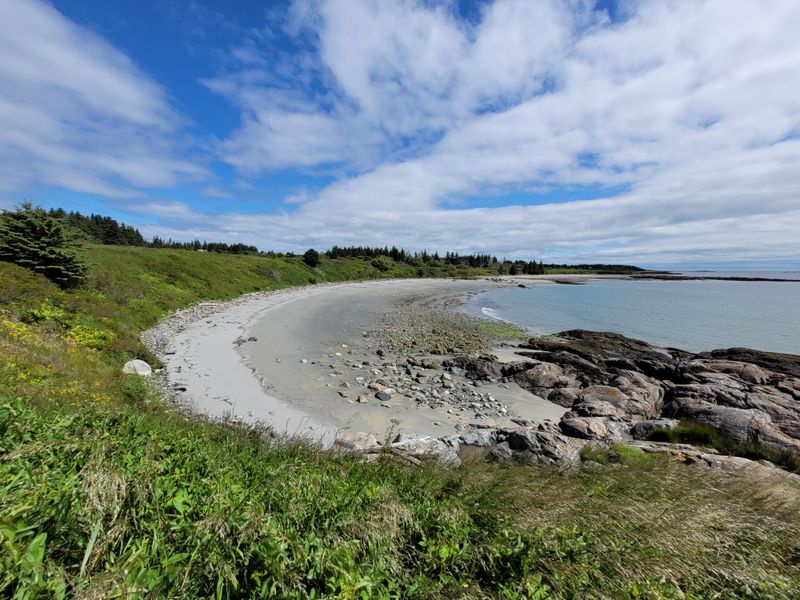
Sitting 23 miles offshore, Matinicus holds the title as Maine’s most remote year-round island community.
Getting here requires either a two-hour ferry ride from Rockland (which only runs once monthly in winter) or a small plane from Knox County Regional Airport.
The tiny airstrip on the island can accommodate small aircraft, making it the quickest but most expensive way to visit.
Fewer than 50 hardy souls brave the isolation year-round, living lives centered around lobster fishing and self-sufficiency.
There’s no doctor, no police officer, and no grocery store—residents order supplies that arrive on the ferry or by air.
The one-room schoolhouse sometimes has students and sometimes sits empty, depending on how many children live on the island at any given time.
Matinicus has gained some notoriety for disputes among lobstermen over fishing territories, highlighting the independent spirit here.
Visitors should understand that this is a working fishing community, not a tourist destination with amenities or attractions.
The island stretches about two miles long, with dirt roads connecting scattered homes and the small harbor where colorful lobster boats bob.
Walking the rocky beaches, you’ll find incredible solitude and views stretching endlessly across the Atlantic.
Matinicus Rock, located five miles south, serves as an important seabird nesting sanctuary managed by the National Audubon Society.
Puffins, razorbills, and terns nest on this treeless rock from May through August, though landing requires special permission.
The lighthouse on Matinicus Rock, built in 1827, still operates today as an automated beacon.
Visiting Matinicus means accepting uncertainty—weather can cancel ferry trips and flights with little notice.
This unpredictability adds to the adventure but requires flexibility in your travel plans.
For those who make it, the experience of visiting Maine’s most isolated inhabited island creates unforgettable memories.
Great Duck Island: A Seabird Sanctuary Beyond Reach

Located eight miles south of Mount Desert Island, Great Duck Island serves primarily as a haven for nesting seabirds rather than human visitors.
The Nature Conservancy owns most of this 237-acre island, managing it as a critical habitat for Atlantic puffins, black guillemots, and various tern species.
No regular ferry service exists, and the Nature Conservancy restricts access to protect the fragile ecosystem and nesting birds.
Researchers and volunteers working with seabird restoration projects form the island’s only temporary human population during summer months.
The College of the Atlantic operates a research station here, where students and scientists study marine ecology, bird populations, and climate change impacts.
A small community of year-round caretakers once lived here, but today the island remains largely uninhabited outside research seasons
The island’s lighthouse, built in 1890, still stands as a distinctive red brick tower visible from passing boats.
Automation replaced the last lighthouse keeper in 1986, ending over a century of continuous human habitation at the light station.
The surrounding waters teem with marine life, including harbor seals that haul out on rocky ledges and porpoises that patrol offshore.
While you can’t easily visit Great Duck Island yourself, several boat tours from Bar Harbor and Southwest Harbor pass by its shores.
These excursions offer opportunities to see puffins diving for fish and observe the island’s wild character from the water.
Binoculars become essential for spotting the colorful puffins with their distinctive beaks among the rocks.
The island’s remoteness and restricted access actually enhance its otherworldly appeal—it remains a place where nature truly comes first.
Knowing that such wild sanctuaries exist just offshore adds mystery to Maine’s coastal landscape.
Great Duck Island reminds us that not every special place needs to be accessible to be valuable and worth protecting.
Criehaven Island: A Ghost Community Reborn Each Summer
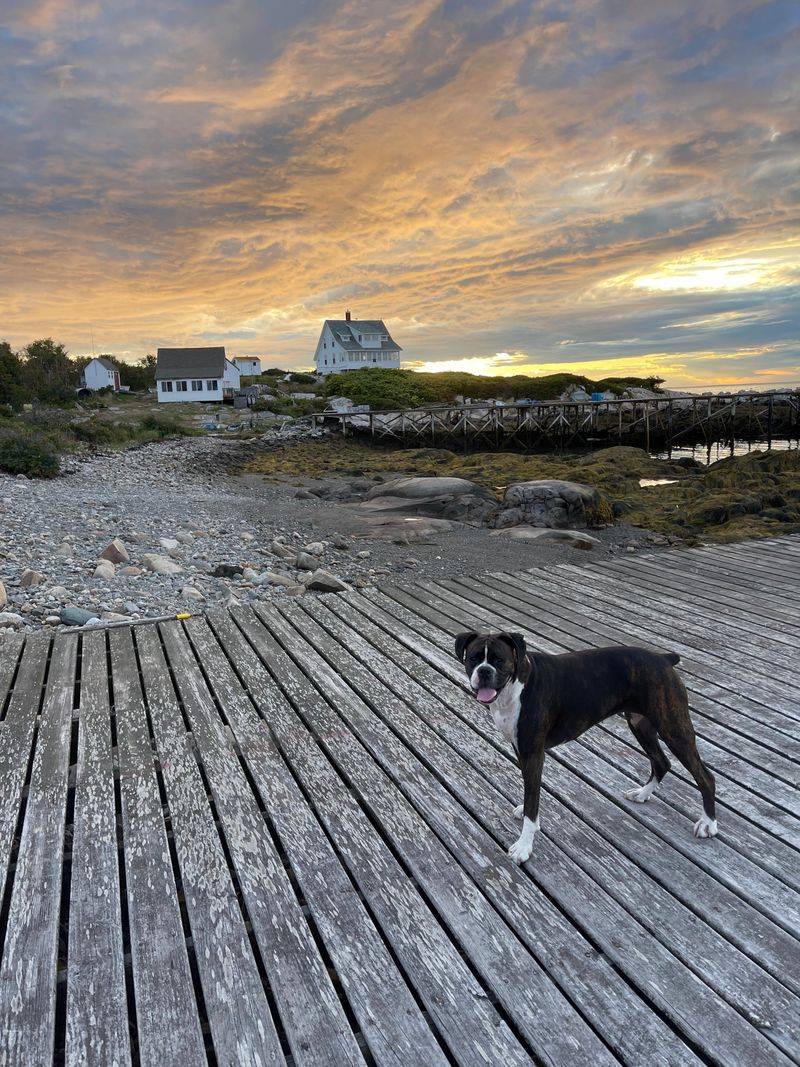
Criehaven presents one of Maine’s most unusual island stories—a community that essentially hibernates each winter and awakens every summer.
This small island sits about 15 miles offshore from Port Clyde, neighboring the slightly larger Matinicus Island.
During winter months, the year-round population drops to nearly zero, with perhaps one or two caretakers watching over empty houses.
Come late spring, lobstermen and their families return to open up their seasonal homes and launch another fishing season.
The summer population swells to around 50 residents, transforming the quiet island into a bustling (by island standards) fishing community.
No ferry provides regular service, so residents rely on private boats or chartered transportation to reach the mainland.
The island has no stores, no restaurants, and no public facilities beyond a small library and community building.
Residents generate their own electricity and catch rainwater or use wells for their water supply.
Children who live here during summer either participate in homeschooling or stay with relatives on the mainland during the school year.
Criehaven’s origins date back to the mid-1800s when fishermen first established seasonal camps here.
The island once supported a year-round community with a school, but harsh winters and isolation gradually drove most families to adopt a seasonal lifestyle instead.
Today’s residents appreciate the solitude and the incredible fishing grounds surrounding the island.
Visitors rarely come to Criehaven since there’s no infrastructure to support tourism and the community values its privacy.
The few outsiders who do visit usually have connections to island families or special permission to land.
This seasonal pattern of habitation gives Criehaven an almost mythical quality—a place that exists fully for only half the year.
Walking through the quiet village in winter would feel like exploring a ghost town, with shuttered houses waiting patiently for their owners’ return.
Metinic Island: Private Paradise with Ancient History
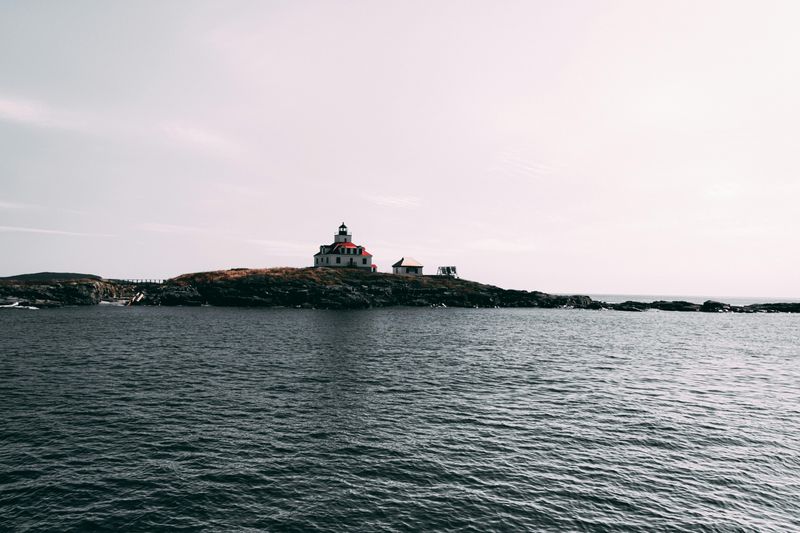
Private ownership makes Metinic Island one of Maine’s least accessible yet most intriguing offshore destinations.
The island lies about ten miles south of Rockland in Penobscot Bay, covering roughly 200 acres of rolling terrain and rocky shores.
Archaeological evidence suggests Native Americans used this island for thousands of years before European settlement, leaving behind shell middens and stone tools.
Early European settlers arrived in the 1700s, establishing farms and fishing operations that lasted for generations.
By the early 1900s, the island supported a small but vibrant community with several families, a schoolhouse, and even a post office.
Gradually, the challenges of island life drove residents away, and by the mid-20th century, Metinic had become uninhabited.
Today, private owners maintain the island as a personal retreat, with no public access or visiting opportunities for curious travelers.
The remains of old stone walls, cellar holes, and the abandoned schoolhouse still dot the landscape, testifying to past inhabitants.
These historical traces create a haunting atmosphere that speaks to the difficulties and determination of early island communities.
From passing boats, you can see the island’s distinctive profile and imagine what life must have been like for its former residents.
The surrounding waters offer excellent fishing, which explains why people originally settled in such a remote location.
Seabirds nest along the shores, and seals frequently haul out on the rocky points to rest between fishing expeditions.
Metinic’s inaccessibility actually enhances its mystique—it remains a place frozen in time, visible but unreachable.
The island serves as a reminder that Maine’s coast once supported dozens of small island communities that have since faded into history.
While you can’t set foot on Metinic, knowing about its existence adds depth to understanding Maine’s maritime heritage and the hardy people who once called these remote places home.
Seal Island: Lighthouse Legacy and Wilderness Preserved

Seal Island sits about 20 miles offshore from Rockland, marking the boundary where Penobscot Bay meets the open Atlantic Ocean.
The island earned its name from the harbor seals and gray seals that gather on its rocky ledges throughout the year.
A lighthouse has warned mariners away from these dangerous shores since 1839, though the current tower dates to 1857.
The lighthouse operated with resident keepers until 1987, when automation finally replaced the last keeper family.
During the keeper era, families lived in remarkable isolation, with children sometimes going months without seeing anyone beyond their immediate household.
Supply boats visited periodically, bringing food, mail, and necessities, but storms could delay deliveries for weeks.
Today, the island belongs to the Nature Conservancy and serves as a critical seabird nesting habitat managed with minimal human interference.
Atlantic puffins, which had disappeared from Maine’s coast, were successfully reintroduced here starting in the 1980s through Project Puffin.
The island now hosts one of Maine’s largest puffin colonies, along with terns, guillemots, and other seabirds that nest here each summer.
No public access exists, though research biologists and restoration workers visit during nesting season to monitor bird populations.
The old keeper’s house and other lighthouse buildings remain standing but are maintained primarily for the researchers who occasionally stay overnight.
Boat tours from Rockland and nearby ports sometimes circle the island at a respectful distance, allowing passengers to glimpse puffins and other wildlife.
The lighthouse continues operating as an automated navigational aid, its light sweeping across the dark ocean every night.
Seal Island represents a successful conservation story where human absence has allowed nature to flourish once again.
This wild refuge demonstrates how remote islands can serve crucial ecological purposes beyond human habitation, protecting species that might otherwise disappear from our coastlines forever.
Dear Reader: This page may contain affiliate links which may earn a commission if you click through and make a purchase. Our independent journalism is not influenced by any advertiser or commercial initiative unless it is clearly marked as sponsored content. As travel products change, please be sure to reconfirm all details and stay up to date with current events to ensure a safe and successful trip.
