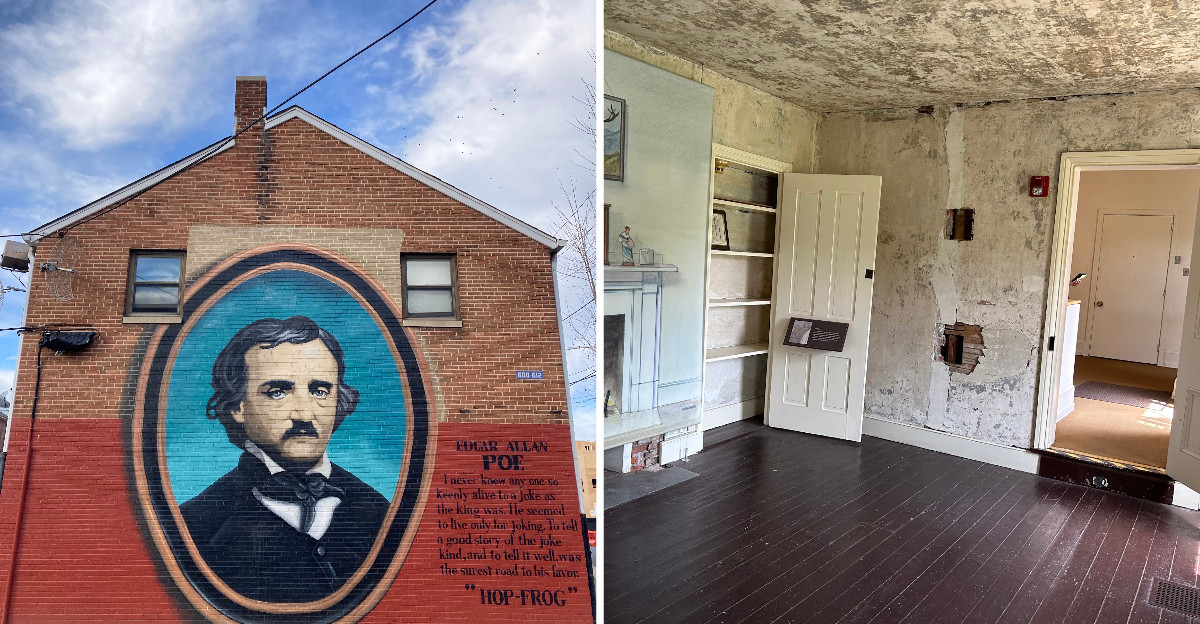
Raven statues do not usually guard private homes, but one stands outside a brick house in Pennsylvania like a sentry who takes his job very seriously. For about a year, a writer lived here with his wife, his aunt, and a cat named Catterina.
The rooms are bare, the stairs are steep, and the cellar is exactly as spooky as you hope it will be. My first encounter with his work came under a blanket with a flashlight, a story about a thumping heart under the floorboards.
Never once did I picture the house where that horror may have been born. Finding it on a quiet street, a short walk from a busy historic district, felt like discovering a secret.
Goosebumps arrived before the tour even started. The visit left me with a new favorite museum and a strong urge to reread every dark tale.
Floors creak in all the right places, and cobwebs cling to the corners. This literary landmark rewards anyone who loves a good scare.
The past feels close, and the stories feel closer.
A Raven Waits Out Front
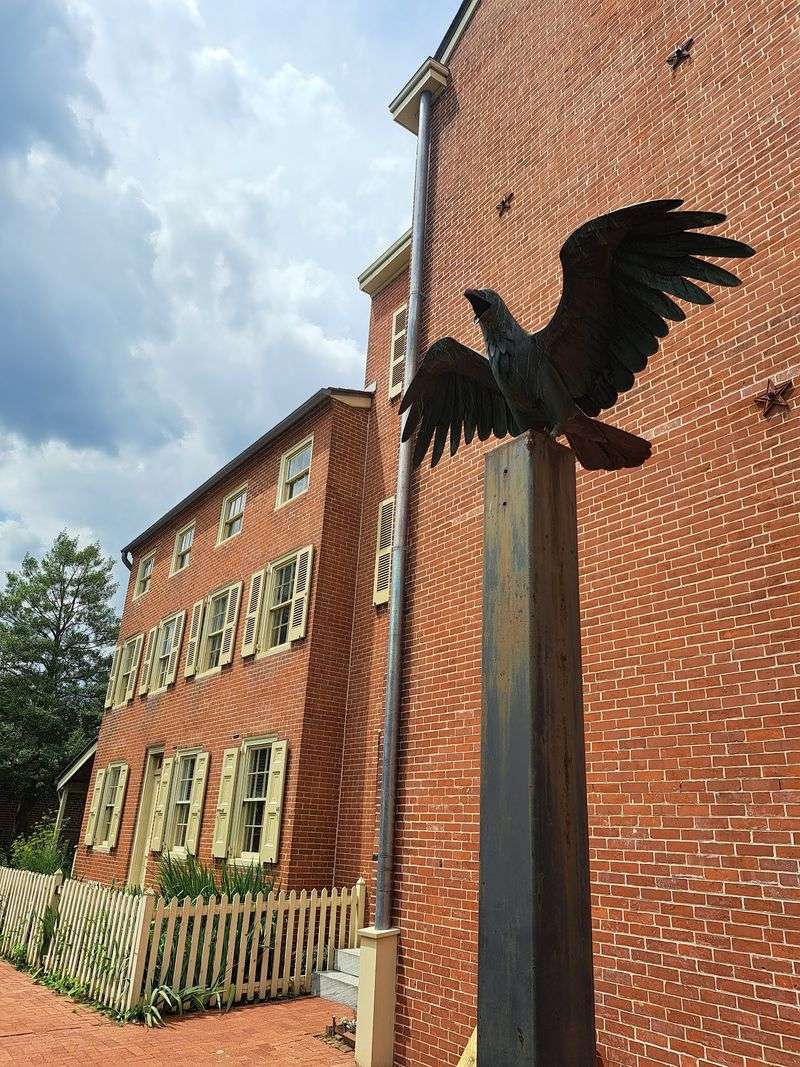
My first photo here was not of the house at all. It was of the huge raven statue perched beside it, wings folded, looking like it knew a secret about me.
Honestly, it set the mood better than any welcome sign could.
The bird is a nod to The Raven, Poe’s most famous poem. He finished that poem later in New York, but his Pennsylvania years helped plant the seed.
While living in this city, he reviewed a Charles Dickens novel called Barnaby Rudge, which featured a talking raven named Grip. Many people believe Grip gave Poe the idea for his own gloomy bird.
Here is a fun bonus for curious travelers. The real Grip, preserved after the bird passed, now lives at the Free Library of Philadelphia, so you can plan a little raven-themed day around town.
I liked the idea of linking the two stops together.
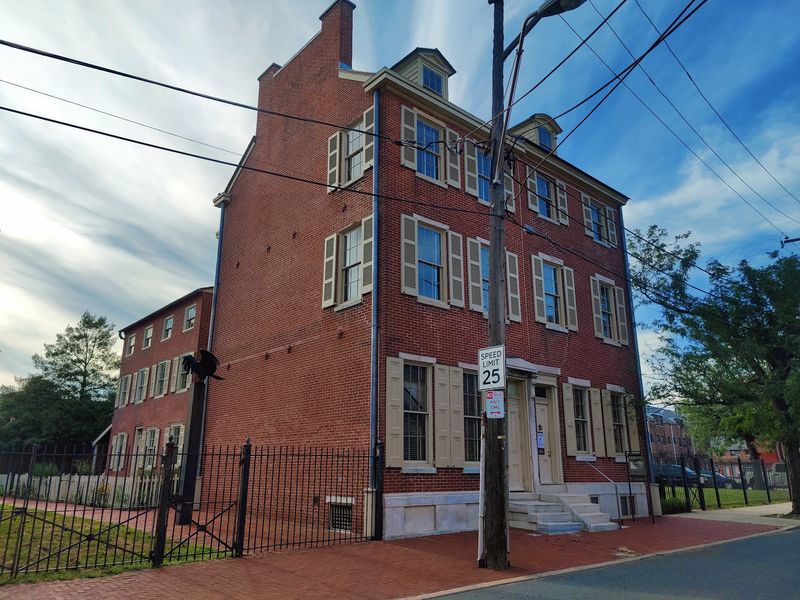
From the street, the site looks surprisingly modest. The buildings you see on 7th Street are actually newer houses that serve as the entrance and visitor center, while Poe’s real home sits quietly behind them.
Take a slow lap outside first, snap your raven picture, and let the anticipation build a bit before heading inside.
Knock Once, Then Step Back in Time
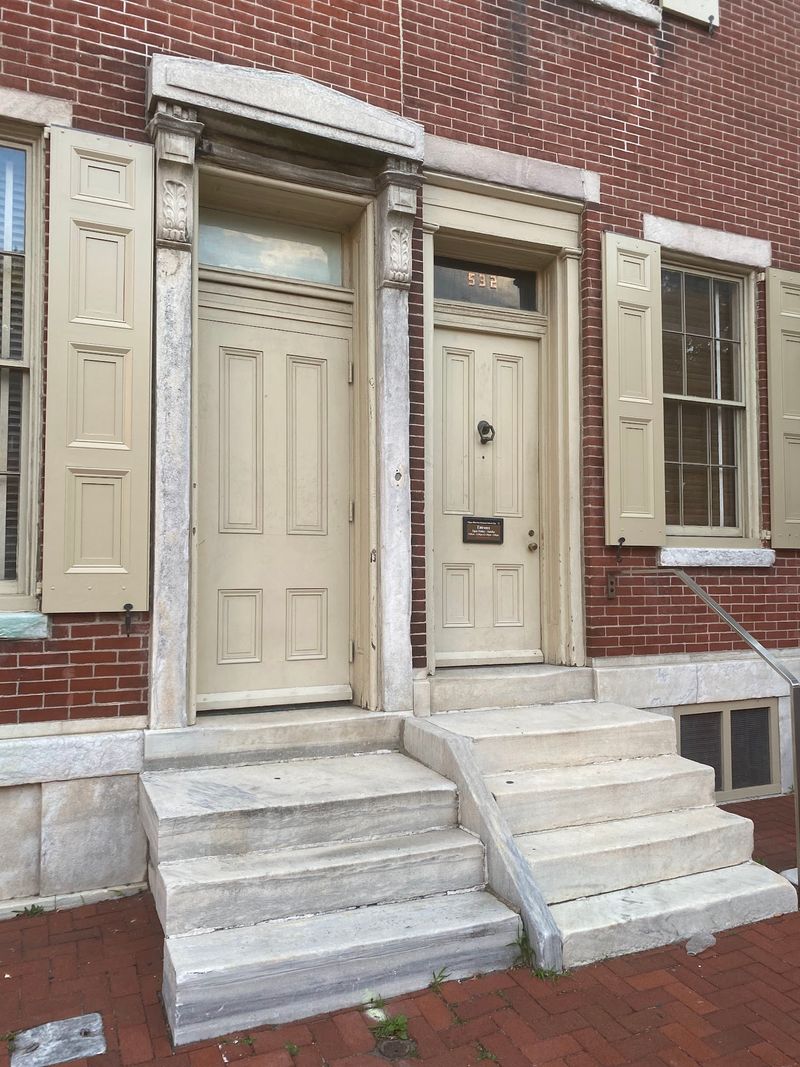
A small sign on the door asks visitors to knock once. I hesitated, felt a little silly, and then gave one firm rap like a character in a poem.
Someone opened the door almost right away, which made me grin.
That playful detail sums up the spirit of the place. The rangers clearly enjoy their work, and they love sharing stories about Poe’s life without making it feel like a lecture.
Many visitors mention how friendly and knowledgeable the staff are, and I fully agree.
Inside the visitor center, you can ask to watch a short film of about eight minutes. It covers Poe’s rocky childhood, his struggles with money, and his rise as a writer.
I recommend watching it before touring the house, because the bare rooms make much more sense once you know who lived there.
Admission is free, and the tour is self-guided, so you can wander at your own pace. There is also a small gift shop near the entrance with books, pins, and quirky Poe souvenirs.
Kids can grab a Junior Ranger scavenger hunt, and National Park passport fans can stamp their books. It is a cheerful start to a wonderfully eerie visit.
Empty Rooms That Say a Lot
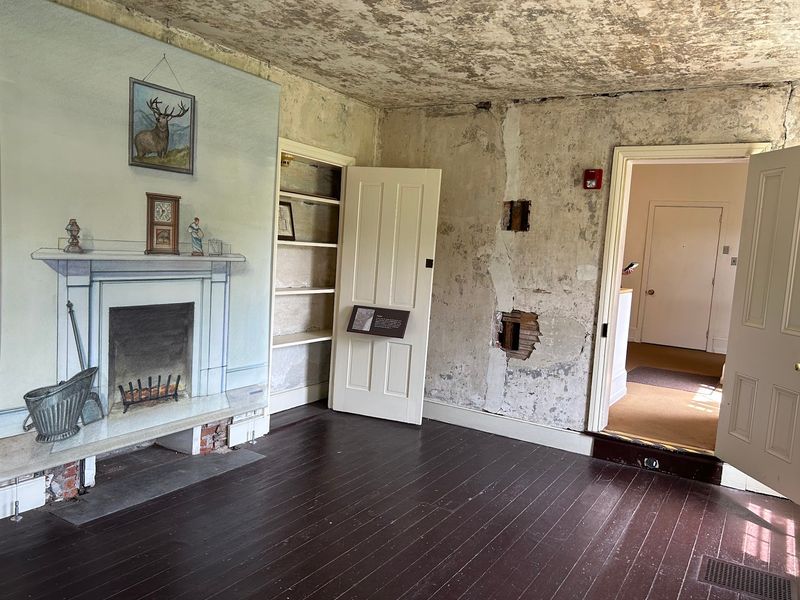
Expecting cozy antique furniture? I was, too, until I saw the first bare room with cracked plaster and creaky floorboards.
Oddly, the emptiness hit me harder than a staged parlor ever could.
The National Park Service keeps the house in a state called arrested decay. That means the rooms are preserved as they are, without guessing at decorations.
Nobody wrote down exactly how the Poe family arranged things, so the rangers chose honesty over make-believe. I respect that choice a lot.
With nothing to distract you, your imagination fills the gaps. I pictured Virginia resting near a window while battling tuberculosis, and Maria Clemm managing the household on a tight budget.
Poe himself probably paced these floors while working out the twists of his next story.
A practical tip here matters. The house has three floors plus the cellar, and the staircases are narrow and steep.
Wear comfortable flat shoes, take your time, and hold the railings as you climb.
The Cellar Straight Out of The Black Cat
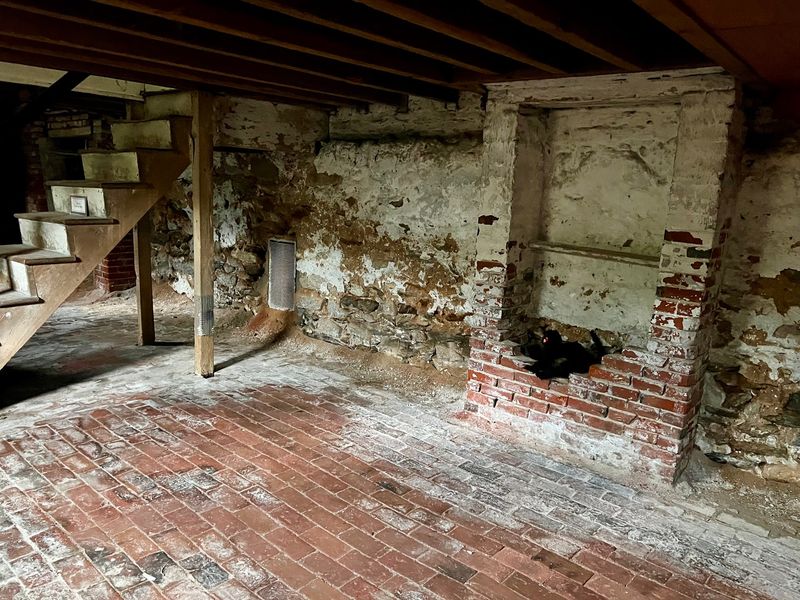
Ducking my head on the way down, I muttered a quiet hello to whatever might be lurking below. The cellar is low, cool, and dim, with rough brick walls that seem to soak up sound.
Why does this space get so much attention? Many people say it resembles the cellar described in The Black Cat, one of Poe’s most disturbing tales.
In that story, a narrator hides a terrible secret behind a cellar wall, and things do not end well for him. Standing among these bricks, the comparison felt very real.
The Black Cat is one of the stories believed to have been written while Poe lived in this house. The family even had their own tortoiseshell cat, Catterina, though she was by all accounts a beloved pet and not a spooky muse.
Still, I could not help wondering how much the household cat sneaked into his writing.
Bring a little patience here, because the space fills up fast when groups arrive. Visitors taller than average should watch their heads near the stairs.
For readers who love creepy literature, this cellar might be the highlight of the whole trip, and I totally understand why.
Where a Heart Began to Beat
Few lines have scared more middle schoolers than the ending of The Tell-Tale Heart. I remember my whole class leaning forward as our teacher read it aloud, and then jumping at the last sentence.
Historians believe that story was written right here, along with The Gold-Bug and The Black Cat. Proving it for sure is tricky, since writers rarely labeled their drafts with addresses.
Even so, the timing lines up neatly with Poe’s stay from around early 1843 until April 1844.
Other works may have come from these rooms too. A Tale of the Ragged Mountains, The Balloon-Hoax, and the poem Eulalie are often linked to this period.
The Gold-Bug, a treasure hunt mystery with secret codes, actually won a prize and became one of his most popular stories during his lifetime.
Thinking about all that creativity in such a small home blew my mind a little. Poe had little money, a sick wife, and cramped quarters, yet the ideas kept pouring out.
If you have a favorite Poe story, try reading a few lines quietly in one of the rooms. Hearing those words in the place they may have started is a strange and wonderful experience.
A Reading Room Furnished by Poe’s Own Rules
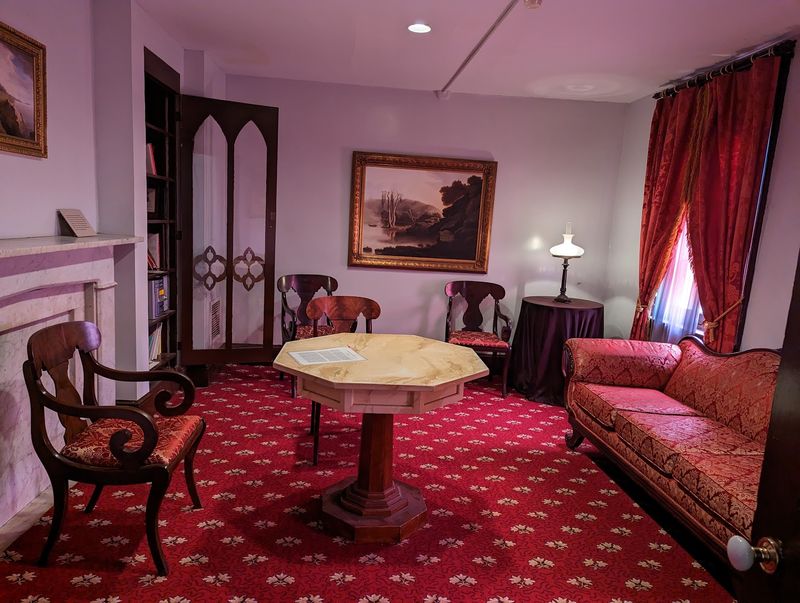
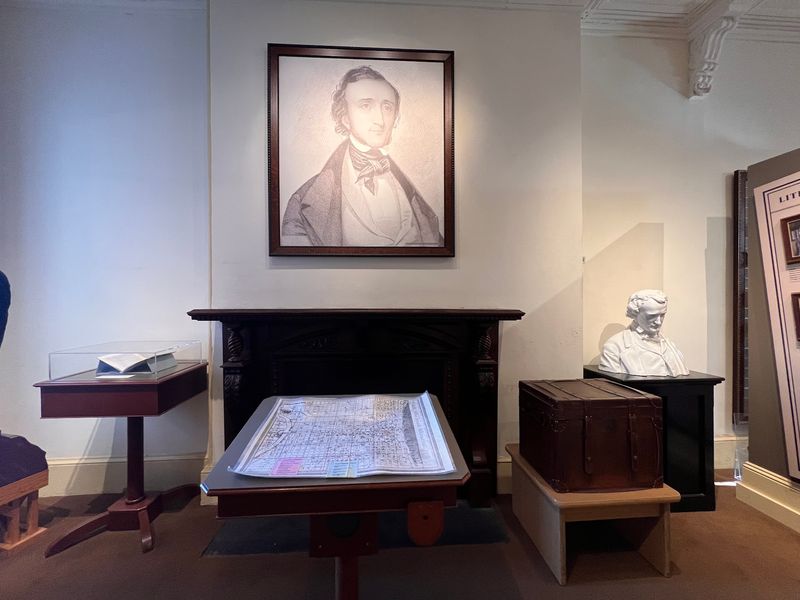
After all those bare walls, the reading room felt like a warm hug from the 1840s. Rich colors, soft light, and shelves of books made me want to curl up and stay all afternoon.
There is a clever story behind the decor. Poe wrote an essay called The Philosophy of Furniture, where he shared strong opinions about how a tasteful room should look.
He disliked glaring lights and flashy decorations, preferring calm colors and comfortable seating. The park staff used his own advice to design this space.
So in a way, Poe got to decorate one room after all. I found that idea charming, like the author leaving behind a set of instructions for future guests.
The shelves hold a complete collection of his works, and audio recordings let you listen to his stories and poems. If you never finished Poe in school, this is a relaxing spot to give him another try.
Pick a short poem like To Helen or The Haunted Palace if you only have a few minutes. I picked a story at random and lost track of time, which is probably the best compliment any reading room can get.
Six Busy Years in Philadelphia
Something surprised me during my visit. Poe’s time in Philadelphia, from 1838 to 1844, is often described as the happiest and most productive stretch of his life.
That might sound odd for a man famous for gloom, but it makes sense when you look at his output. He moved between several homes in the city, and this is the only one still standing.
During those years he published The Fall of the House of Usher, The Pit and the Pendulum, and many more.
Every mystery show you binge owes a small thank you to Poe and this city.
Exhibits at the site help connect the dots between his life and his writing. I liked learning how magazine jobs, money worries, and family love all shaped his work.
The museum also paints a helpful picture of everyday life in the 1840s, so even visitors who barely know Poe will find plenty to enjoy and talk about on the walk home.
Saving the House and Planning Your Visit
Out back, a small garden and porch offered the perfect place to catch my breath. I sat there for a while, thinking about how close this house came to being forgotten.
In 1933, a Poe fan named Richard Gimbel bought the property, restored it, and opened it as a museum. He later left it to the city of Philadelphia.
The site became a National Historic Landmark in 1962, and the National Park Service took charge in 1978, reopening it in 1980. Today it belongs to Independence National Historical Park.
No original Poe family belongings are kept here. Many of those treasures are cared for at the Free Library of Philadelphia, which makes a great second stop.
Now for some practical advice. The site was closed for a utilities improvement project in 2024, so check the National Park Service website or call ahead before you go.
Most visitors spend under an hour exploring. You can walk about fifteen minutes from the Independence Hall area or grab a ride share.
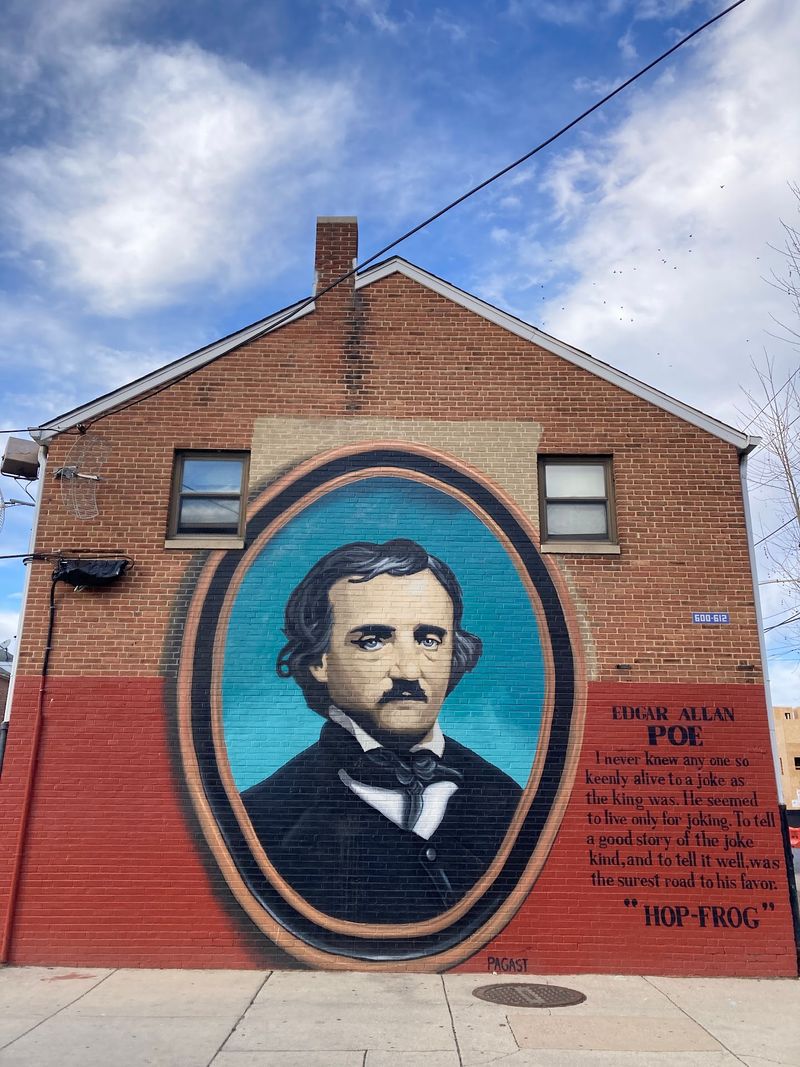
A colorful Poe mural sits just down the street too, so keep your camera ready.
Address: 532 N. 7th Street, Philadelphia, Pennsylvania 19123
