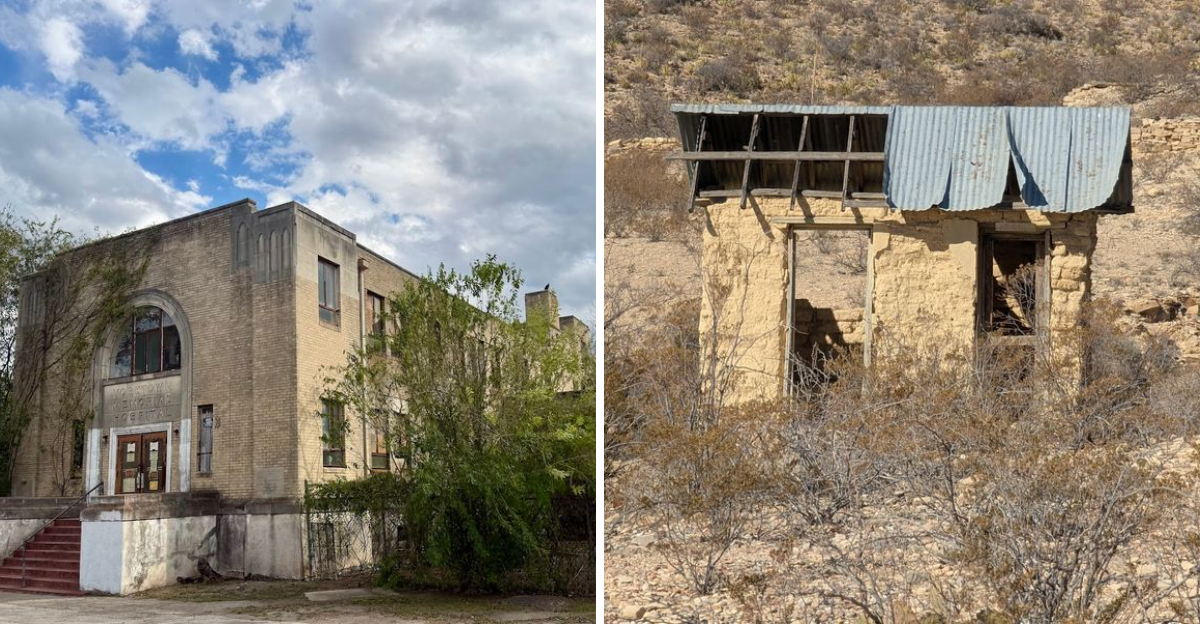
The kind of places where a person feels watched even when nobody is around. Empty hallways, flickering lights, and shadows that move on their own.
These eight Texas spots have that unsettling energy, the one that makes the hair on the back of a neck stand up. Old hospitals with floors that creak, bridges where locals swear they have seen things they cannot explain, and entire towns left to the wind.
Some are famous ghost stories, others are quiet corners that only the brave seek out. The history is real, the buildings are old, and the feeling is hard to shake.
A person might not believe in ghosts, but after visiting a few of these, they might start wondering. Texas hides its creepiest places in plain sight, and these eight are not for the faint of heart.
1. Fort Phantom Hill, Abilene
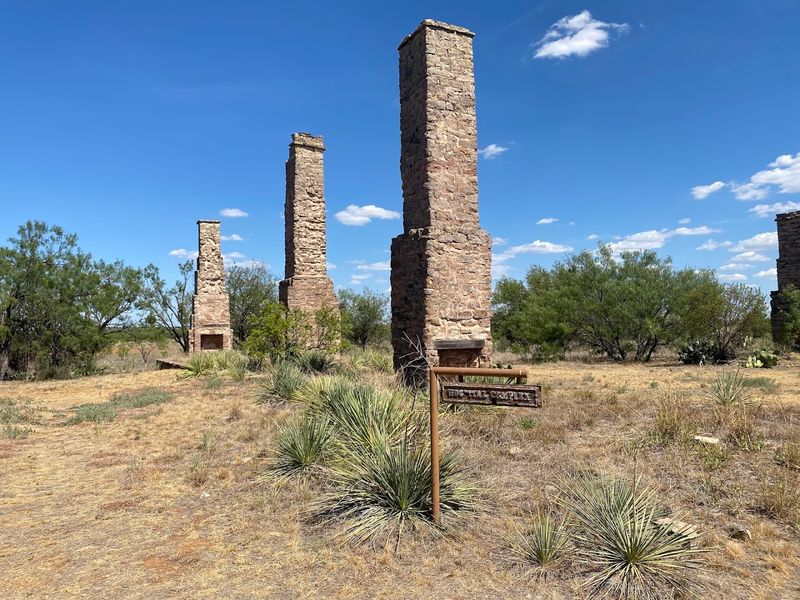
There is something deeply unsettling about a place that was abandoned before it was ever really finished. Fort Phantom Hill was established in 1851 as a frontier military post, yet soldiers left it just three years later, and the structures were burned before they could be fully occupied.
What remains today are stone chimneys rising from the flat Texas earth like silent sentinels, roofless walls that frame only open sky, and a stillness that feels heavier than it should for a sunny afternoon.
The fort never saw a single battle, which makes its decay feel stranger somehow. No dramatic last stand, no famous siege, just quiet abandonment and a slow return to dust.
The name itself came from the shimmering mirages that early soldiers reported seeing over the lake nearby, phantom shapes that appeared and dissolved in the heat.
Walking through the grounds feels oddly personal, like flipping through someone else’s unfinished diary. The powder magazine still stands with its thick stone walls, and the guardhouse looks frozen mid-collapse.
Scattered across the flat landscape, those chimneys have become the fort’s most iconic image, and they earn that status completely.
Visitors often say the place feels watched, even when no one else is around. The wind moves differently here, cutting across the open plain with a low, steady moan.
It is the kind of spot that stays with you long after you drive away, quietly demanding to be remembered.
Address: 10818 FM600, Abilene, TX 79601
2. Old Alton Bridge, Goatman’s Bridge, Denton
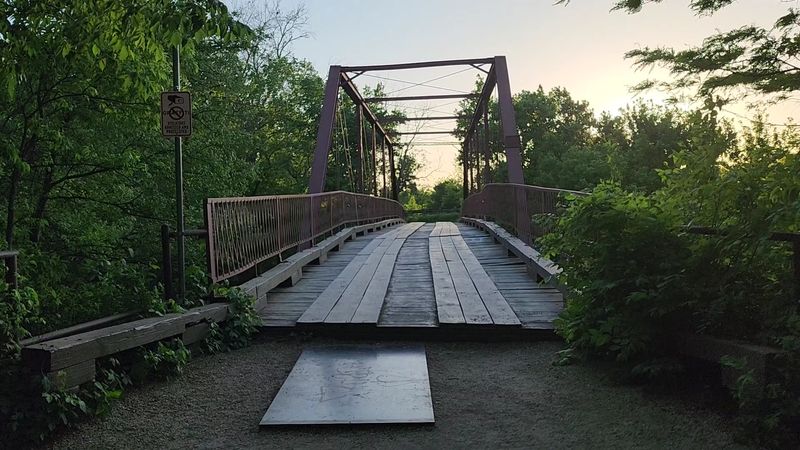
Locals around Denton know this bridge by a name that tells you everything you need to understand about its reputation. The Old Alton Bridge, better known as Goatman’s Bridge, is a one-lane iron truss structure built in 1884, and it carries a legend as dark as the creek water running beneath it.
The story centers on Oscar Washburn, a goat farmer who reportedly disappeared from this very bridge under violent and tragic circumstances in the 1930s.
Whether or not the legend is historically accurate, the bridge itself earns its uneasy reputation on atmosphere alone. The iron frame is weathered to a deep rust, the wooden deck groans underfoot, and the trees on either side press close enough to block out a good portion of the sky.
Even at noon, the shade here feels cooler than it should, and the surrounding woods carry a dense, watchful quiet.
The area has been featured on numerous paranormal investigation programs, and the surrounding Denton Creek bottom is a popular spot for those chasing something unexplained. But you do not need to believe in the supernatural to feel the weight of the place.
History has its own gravity, and this bridge has seen more than a century of it.
Families with kids visit on weekends, hikers pass through on nearby trails, and still the bridge manages to feel isolated in a way that catches you off guard. That contrast, between the ordinary and the deeply strange, is what keeps people coming back to Goatman’s Bridge again and again.
3. The Ruins at Fanthorp Inn State Historic Site, Anderson
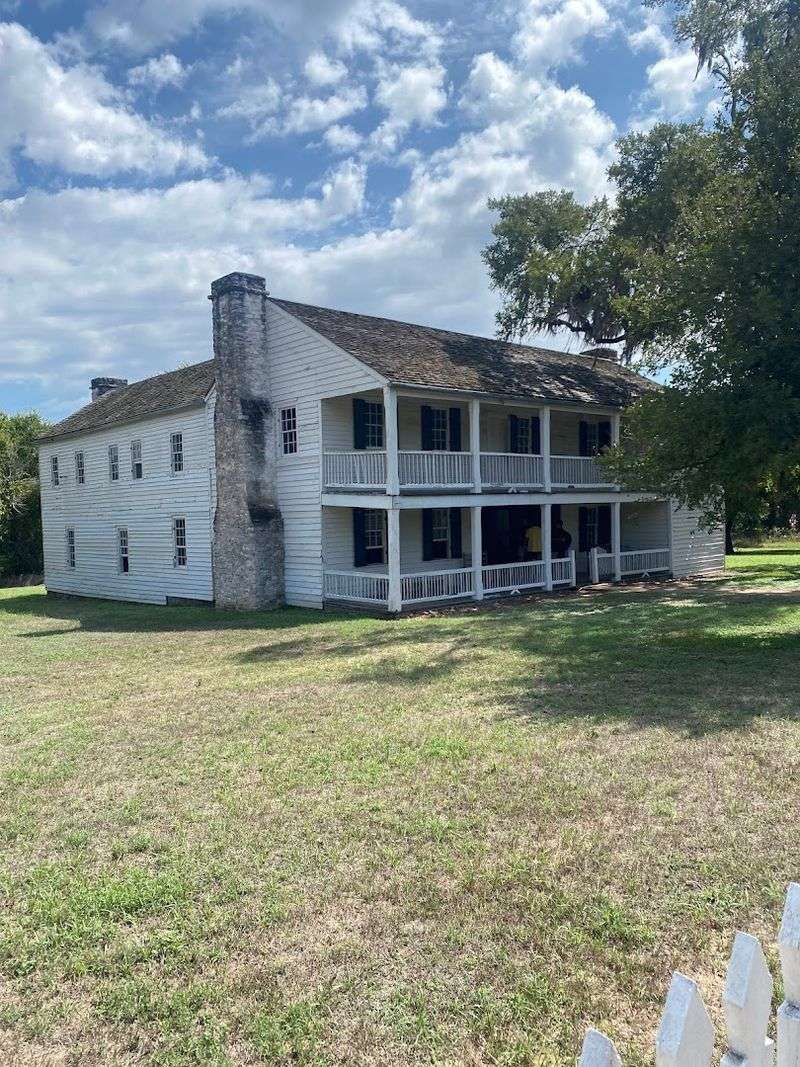
Anderson is a small town that most Texans have never visited, and Fanthorp Inn sits at its quiet center like a secret kept for too long. Henry Fanthorp built the inn in 1834, and over the following decades it became a stopping point for presidents, soldiers, and settlers moving through the Republic of Texas.
Sam Houston slept here. So did Zachary Taylor and Jefferson Davis, names that carry the full complicated weight of Texas history.
The building itself is modest by modern standards, a simple structure of hand-hewn timber and old brick, but its age gives it a presence that newer buildings simply cannot manufacture. The surrounding grounds are shaded by enormous old oaks whose roots have had nearly two centuries to spread and settle.
There is a slowness here that feels deliberate, like the land itself has decided not to rush.
What makes Fanthorp Inn genuinely unsettling is not any single story or legend. It is the accumulation of time.
So many people passed through those doors carrying hopes, fears, and ambitions that history has long since sorted into footnotes. You can almost feel that crowd of ghosts pressing in at the edges of the afternoon light.
The site is maintained as a state historic landmark, and guided tours offer real historical context that makes the experience richer. But even without a tour, simply standing on the grounds and looking at that old building against the Texas sky is enough to make the present feel briefly, beautifully irrelevant.
Address: 579 S Main St, Anderson, TX 77830
4. Yorktown Memorial Hospital, Yorktown
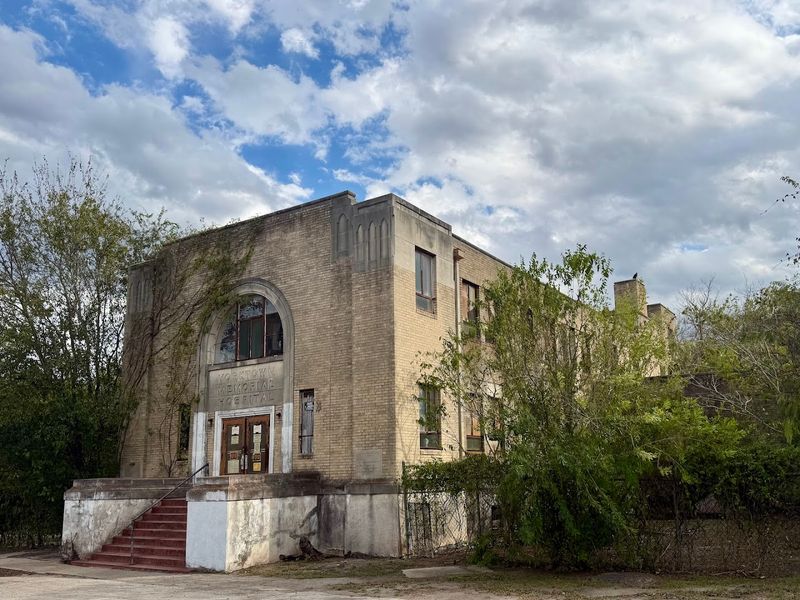
Even from the street, Yorktown Memorial Hospital has a presence that stops you cold. The building is imposing in a way that feels almost deliberate, its concrete and granite facade cracked and streaked with age, its windows long since broken or boarded, staring out at the quiet town around it like hollow eyes.
Built in the 1950s and originally operated by the Felician Sisters, this 30,000-square-foot structure served the community for decades before closing its doors. What was once a place of healing has become something far harder to categorize.
The interior, by all accounts, is a maze of peeling paint, collapsed ceilings, and long dark corridors that swallow whatever light dares to enter.
The building has attracted paranormal investigators from across the country, drawn by reports of unexplained sounds, shadow figures, and an atmosphere that reportedly feels charged even in daylight hours.
Whether or not you believe in such things, the physical state of the hospital alone is enough to make your skin prickle.
There is a particular sadness to places like this one. Somewhere in those walls are echoes of real people, patients who came hoping to get better, nurses who worked long shifts, families who waited in those hallways.
That history sits heavy. It does not feel like a movie set or a theme park attraction.
It feels genuinely, uncomfortably real, and that is exactly what makes it so hard to shake.
Address: 728 W Main St, Yorktown, TX 78164
5. Mission Espiritu Santo, Goliad State Park
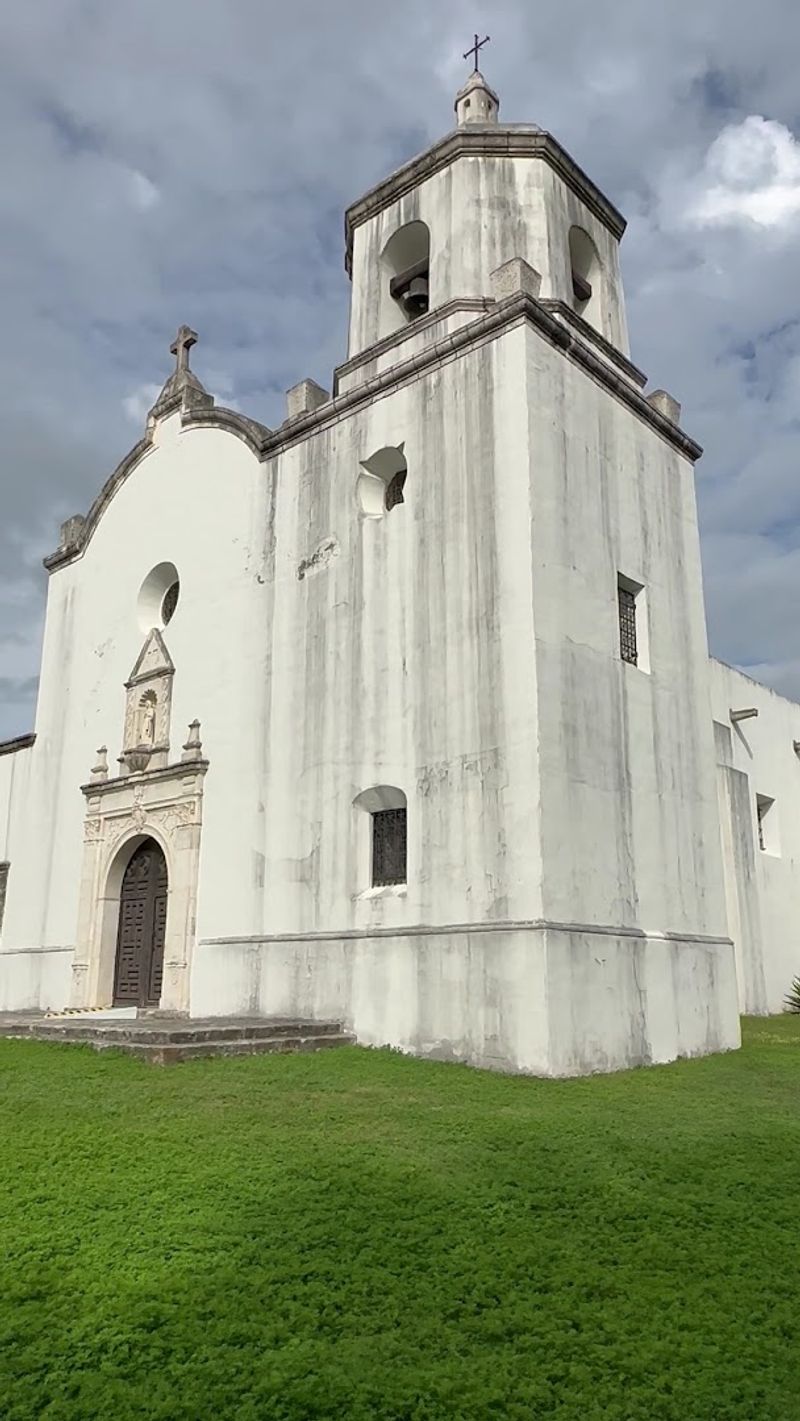
There is a particular kind of quiet that old religious buildings carry, and Mission Espiritu Santo has it in abundance.
Founded in 1722 and relocated to its current site along the San Antonio River in 1749, this Spanish colonial mission was one of the most productive cattle ranches in Texas history long before ranching became the state’s defining industry.
The stone walls are thick and pale, the arched doorways frame darkness beyond them, and the whole structure radiates a gravity that feels earned over centuries.
Goliad itself is a place soaked in difficult history. The Goliad Massacre of 1836, in which over 300 Texan soldiers were executed on orders from Santa Anna, happened just up the road at Presidio La Bahia.
That event cast a long shadow over this entire region, and you can feel traces of it even here at the mission, where the silence carries something unresolved.
The grounds of Goliad State Park are genuinely beautiful, with the river nearby and ancient live oaks spreading their canopies overhead. But beauty and unease are not mutually exclusive, and this place proves that completely.
The mission church interior is dim even on bright days, and the thick walls seem to absorb sound rather than reflect it.
I found myself speaking in a lower voice without really deciding to, which felt telling. Some places command a kind of reverence without asking for it.
Mission Espiritu Santo is absolutely one of them, and it rewards a slow, unhurried visit more than almost anywhere else on this list.
Address: 108 Park Rd 6, Goliad, TX 77963
6. Oakwood Cemetery, Austin
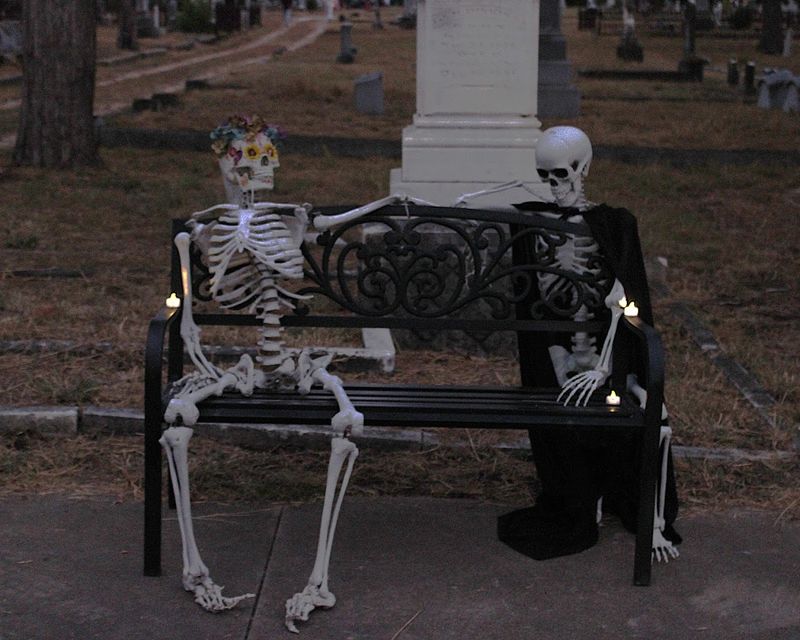
Austin is a city famous for being loud and alive, which makes Oakwood Cemetery feel all the more startling by contrast.
Established in 1839, it is one of the oldest cemeteries in the state, and its grounds hold the remains of governors, Civil War soldiers, freed slaves, and some of the most consequential figures in early Texas history.
The sheer density of stories buried here is staggering.
The older sections of the cemetery are particularly striking. Ornate Victorian grave markers lean at various angles, some cracked and moss-covered, others still sharp-edged and legible.
Ancient cedar elms and live oaks throw deep, shifting shadows across the paths, and on overcast days the whole place takes on a quality that feels genuinely cinematic, though not in a comfortable way.
There is a segregated section of the cemetery that reflects the painful racial history of Austin, where markers are simpler and the stories less often told by official histories. Spending time there feels important, even when it is uncomfortable.
Especially when it is uncomfortable.
The cemetery sits right in the middle of the city, just a short distance from busy streets and coffee shops, and that proximity makes it feel stranger rather than safer. You step through the gate and the noise of East Austin drops away almost immediately.
Birds call from the high branches. A breeze moves through the grass.
And somewhere under all that beauty, hundreds of years of human experience press quietly upward through the soil.
Address: 1601 Navasota St, Austin, TX 78702
7. The Haunted Hill House, Mineral Wells
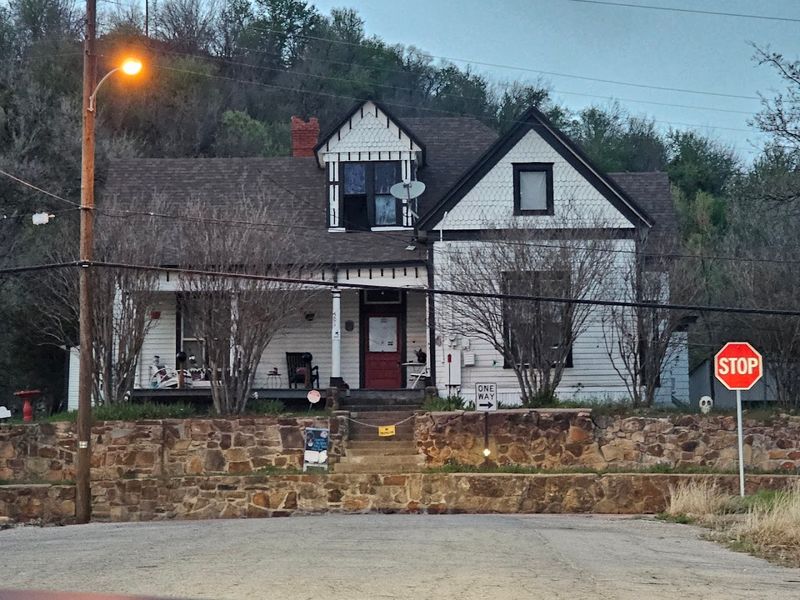
Mineral Wells has always had an interesting relationship with the strange. The town built its identity around the Baker Hotel and the supposedly healing mineral waters that drew visitors from across the country in the early twentieth century.
But the Hill House, perched on a rise at the edge of town, tells a darker chapter of local history, one that locals have argued about for generations.
The house is a large, multi-story Victorian structure that has been sitting in various states of decay for decades. Its high windows look out over the surrounding neighborhood with an expression that is hard to describe as anything other than brooding.
The exterior paint has long since surrendered to the elements, the porch sags under its own weight, and the yard has gone fully wild. Even in full afternoon sun, the place manages to look like it is holding something back.
Stories attached to the house range from tragic family histories to claims of strange activity reported by neighbors over the years. None of those stories are fully verifiable, and I am not going to pretend otherwise.
But the physical reality of the building needs no embellishment. It is a genuinely unsettling structure that dominates its surroundings in a way that feels almost aggressive.
Mineral Wells itself is worth exploring beyond just this one address. The town has a melancholy charm that suits a road trip built around eerie destinations.
The Hill House is the exclamation point at the end of that sentence, bold and impossible to ignore once you have seen it.
Address: 501 NE 1st St, Mineral Wells, TX 76067
8. Terlingua Ghost Town
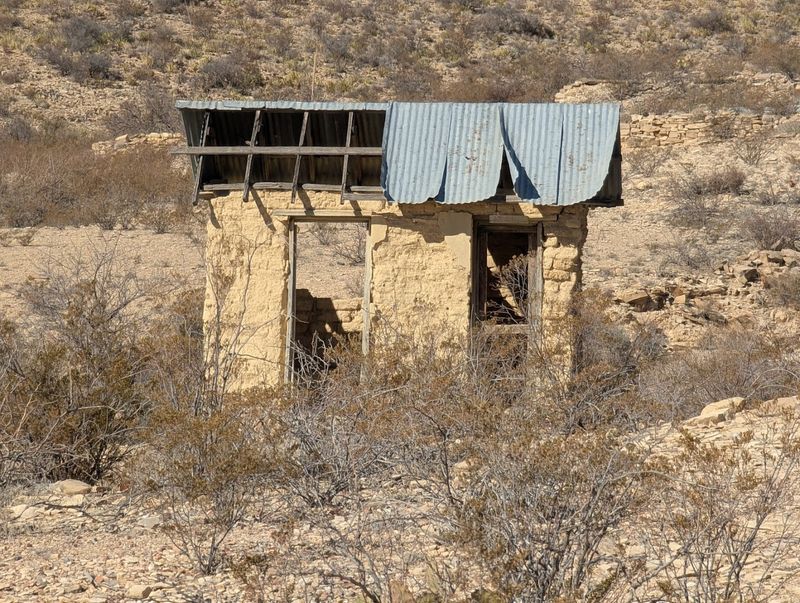
Out in the far reaches of the Big Bend region, Terlingua sits in the kind of silence that feels ancient. This was once a booming mercury mining settlement, alive with workers, families, and the relentless rhythm of industry.
Then the mines dried up, and almost everyone left, leaving behind a landscape of crumbled adobe walls, rusted equipment, and a cemetery that locals call the Boot Hill, where the dead still outnumber the living by a wide margin.
The remaining buildings lean at odd angles, their roofs caved in, their interiors open to the desert sky. Scrubby brush has reclaimed the paths between them, and the whole place shimmers in the heat like something half-remembered.
There is beauty here too, undeniable and raw, but it sits right alongside a deep, hollow melancholy that is hard to ignore.
The cemetery is the heart of it all. Graves marked with simple crosses, faded photographs sealed in glass, and personal trinkets left by families who never fully moved on.
Some plots are tended with care, others have been swallowed by time. It is one of the most genuinely moving places I have ever stood in, partly because it feels so forgotten and so loved at the same time.
Terlingua still has a small living community, which adds to the surreal quality of visiting. You are never quite sure where the ghost town ends and the present begins.
That blurred line is exactly what makes it so magnetic and so unsettling all at once.
